When Motown Label Bosses Called Marvin Gaye’s Masterpiece Absolute Rubbish

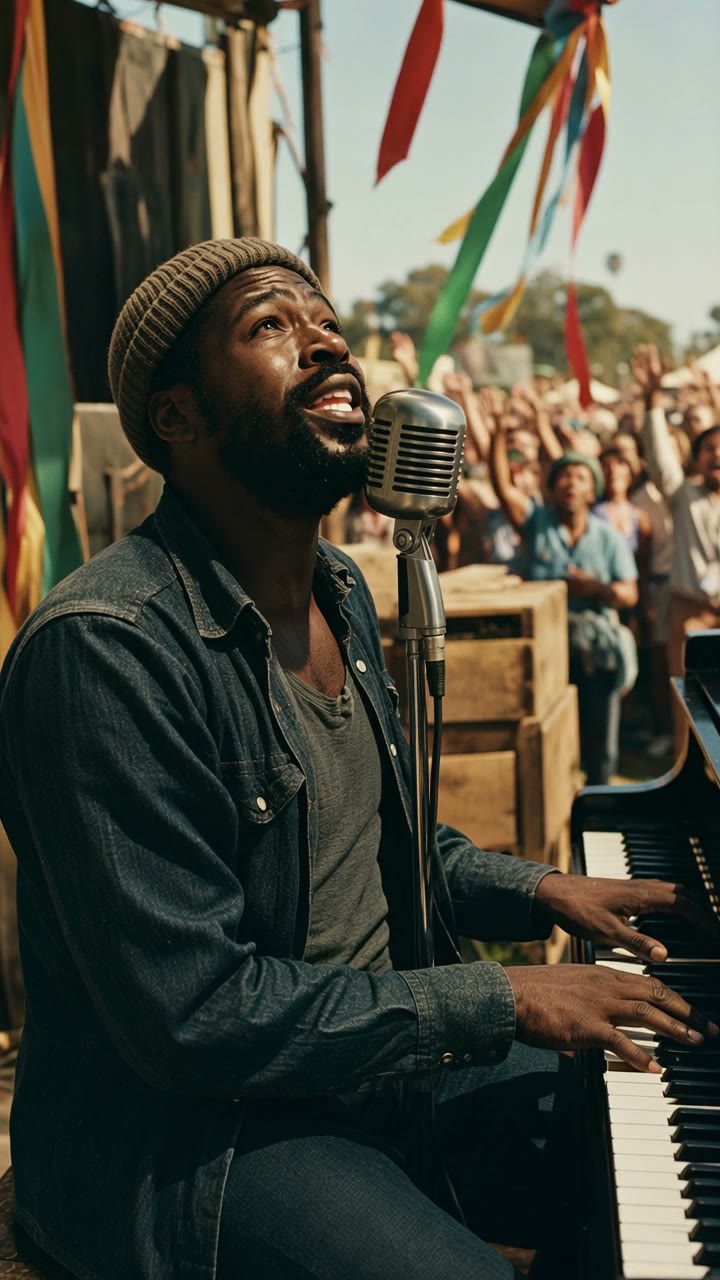
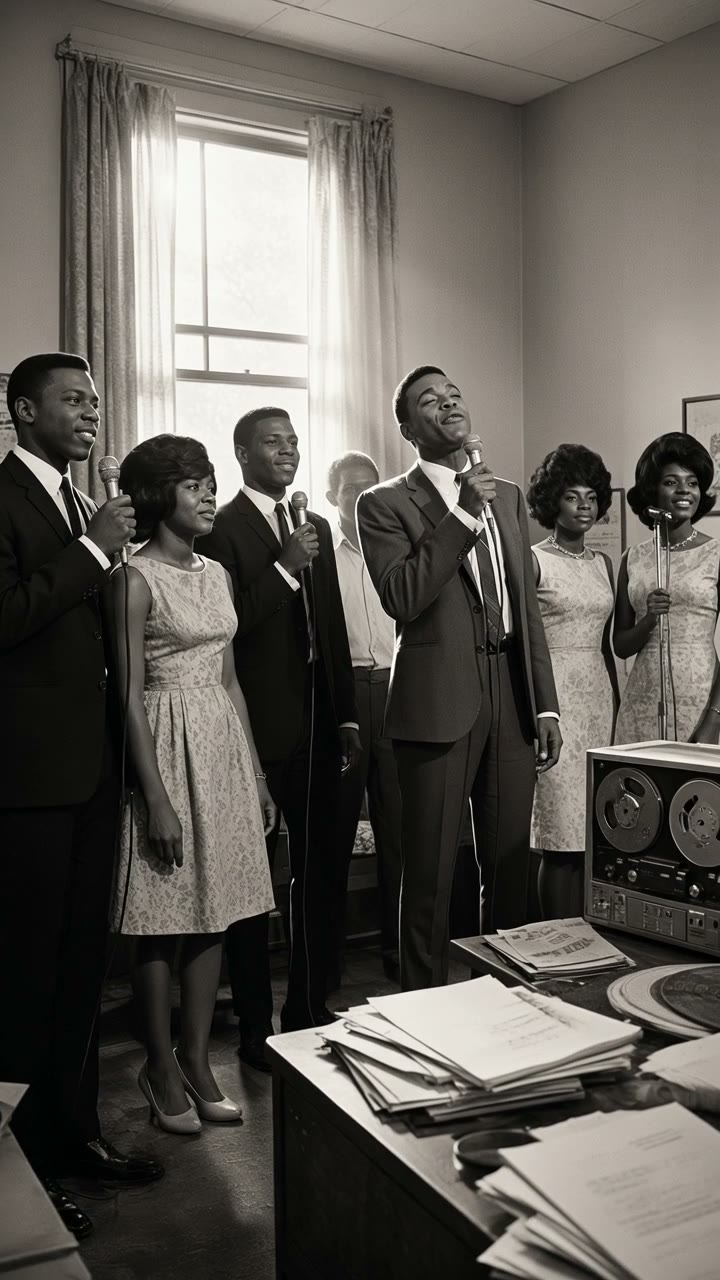
Think back to 1971, mate. The world was changing, the telly was filled with footage of protests, and the air felt heavy with uncertainty. While we were all busy listening to the latest Aussie pub rock bands starting to find their feet, a legend across the sea was facing his own battle. Marvin Gaye, the man with the voice of silk, had reached a breaking point. He was done with the light, polished love songs that the suits at Motown were desperate for him to churn out. He wanted to talk about the real stuff—the pain, the inequality, and the state of humanity.

He emerged from the studio with an album that would change everything: What’s Going On. But when he played it for the top brass at the label, they didn’t see a masterpiece. They reckon it was the worst thing they had ever heard. They called the title track absolute rubbish and refused to put it out. Can you imagine the frustration? Being a global superstar and having your own bosses tell you that your most honest, soul-baring work has no place on the airwaves. Most artists would have caved, but Marvin Gaye was cut from a different cloth.

He stood his ground like a true battler. Marvin Gaye refused to record another note, stopped touring, and basically went on strike until they agreed to release the single. He knew he was onto something special, even if the industry moguls were too blinded by profit margins to realise the cultural seismic shift he was orchestrating. When it finally dropped, it blew everyone away. It wasn’t just a song; it was a mirror held up to society, drenched in a melancholy beauty that still hits us right in the heart today.

It is fascinating to look back at this moment, especially when you compare the grit of Motown’s internal boardroom drama to the creative freedom we often romanticise about later decades. Whether you were catching a gig at a local pub in Sydney or listening to your favourite records on a scratchy vinyl player at home, that soulful, haunting melody of Marvin Gaye became a part of the soundtrack of our lives. It reminded us that even when the suits say no, the truth has a way of rising to the top.

I reckon that’s why we still spin those records today. There is a raw, authentic soul in his voice that you just don’t find in the over-produced noise of modern times. It is the kind of music that makes you realise why we get so nostalgic for the seventies. The stakes were high, the artists were fearless, and the drama behind the scenes was as intense as the music itself. Do you remember the first time you heard it? It’s a track that, even after all these years, still feels like it was written just for today, doesn’t it?

Billy Thorpe: The Aussie Rock Legend Who Lost Everything at Twenty-One

Most of us look back on our twenty-first birthday as a time for celebration, maybe a few too many cold beers down at the local pub. But for Billy Thorpe, 1967 wasn’t about blowing out candles. It was the year he hit rock bottom. At an age when most blokes are just figuring out their path in life, Billy Thorpe had already been chewed up and spat out by the shark-infested waters of the music industry. He went from being a household name and the toast of the town to facing utter financial ruin, left in heaps of debt because of some dodgy management that would make your skin crawl.

It is hard to realise today just how massive Billy Thorpe and the Aztecs were in the sixties. They were the sound of a generation, tearing up the stage with a raw, electric energy that paved the way for every pub rock band that followed. But behind the glitz of the limelight and the roar of the crowd, the reality was a different story entirely. Billy was just a kid caught in a system designed to exploit talent, and when the dust settled, he found himself flat broke, his career seemingly finished before it had really begun. Most people would have packed it in and found a nine-to-five, but not Billy.

He had a resilience that was quintessentially Aussie. Instead of wallowing in the misery of his bankruptcy, he chose to fight. He went back to the drawing board, stripping his sound down to the bare essentials. This wasn’t just a comeback; it was a total reinvention. He swapped the pop-star veneer for a grittier, heavier sound that resonated deep in the soul of the working-class fans he held dear. He became the architect of his own survival, proving that you can knock a man down, but you can’t keep a legend quiet.

I reckon that’s why Billy Thorpe still matters to us today. He wasn’t just a performer; he was a survivor. He lived through the highs and the crushing lows, becoming a symbol of the grit it takes to stay true to your craft. When you listen to those classic tracks now, you can hear that history. It’s not just music; it’s the sound of a bloke who stared down disaster and decided he wasn’t done yet. The colour and intensity he brought to every performance defined the very fabric of Australian rock history.

Looking back at that era, it’s easy to forget the dark side of the music business. We think of the stadium tours and the hits, but we often forget the human cost behind the legend. Billy Thorpe survived the betrayal, the bankruptcy, and the cold reality of fame to emerge stronger on the other side. Next time you spin one of his records, spare a thought for the twenty-one-year-old kid who lost everything but found his voice in the ruins. It’s a hell of a story, mate, and one we shouldn’t ever forget.

When Billy Thorpe and the Aztecs Toppled the Global Pop Giants

Cast your mind back to 1965. The telly was flickering with the usual black-and-white fare, and the radio was dominated by slick, polished pop acts coming from across the seas. Most punters reckon that was just how things were—Australia was a quiet outpost for international stars to drop by and scoop up our pocket money. But then, a raw, unpolished force of nature decided to change the narrative. Billy Thorpe and the Aztecs didn’t just play a gig; they ignited a cultural bushfire that eventually laid the foundation for the entire Aussie pub rock scene. It was loud, it was sweaty, and it was undeniably ours.

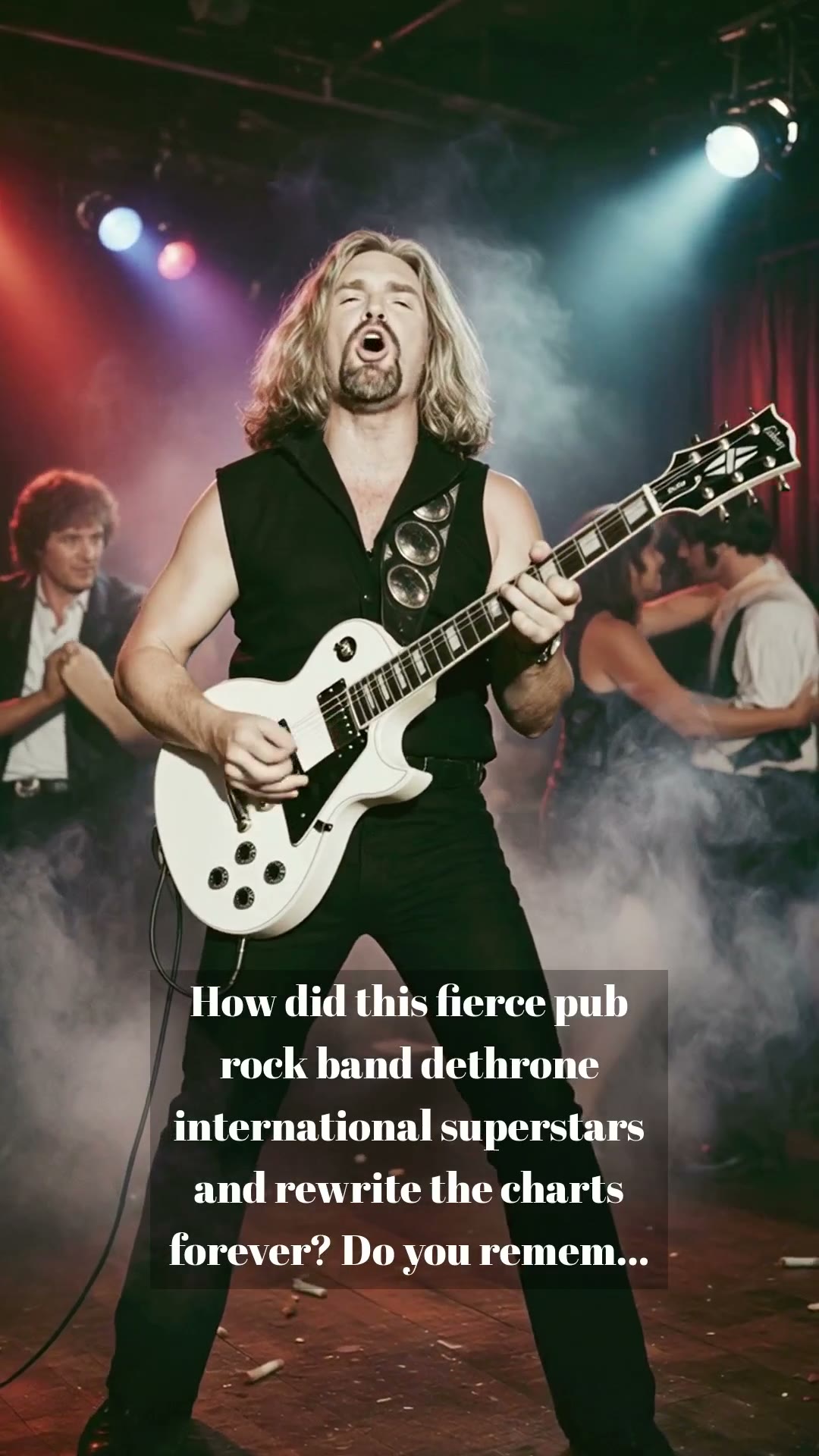
The moment Billy Thorpe and the Aztecs stormed the charts with their version of Poison Ivy, it sent absolute shockwaves through the local music scene. They didn’t just nudge the international giants aside; they knocked them right off the top spot. It was a proper David and Goliath moment. For a generation fed on a diet of imported hits, hearing the growling, fierce energy of Billy Thorpe and the Aztecs was like a splash of cold water on a hot summer’s day. We suddenly realised that we didn’t need to imitate the Americans or the Brits to have a bit of attitude. We had our own voice, and it was shouting from the front of the stage.

I still remember the stories my old man used to tell about those days. You couldn’t escape the noise Billy Thorpe and the Aztecs made; it was everywhere, from the local dance halls to the youth clubs where you’d spend your Friday nights. There was this raw, untamed colour to their sound that felt genuinely Australian. It wasn’t just about the music; it was about the rebellion. They brought a sense of danger to the charts that had been missing for ages. Watching them perform, you could tell they meant every single word. They weren’t just entertainers; they were the heart and soul of a new, louder era.

Looking back, it’s easy to see why they became such favourites for so many of us. Billy Thorpe and the Aztecs possessed a kind of charisma that you just don’t see anymore. They treated every pub performance like it was a headline show at a massive stadium. They helped us realise that Aussie rock wasn’t just a side act—it was a powerhouse. The influence they had on later legends, from AC/DC to Cold Chisel, is massive. You can trace that DNA directly back to the sweat-soaked stages where Billy and the boys first made their mark.

It’s a bit of a trip, really, to think about how much has changed since those formative years. Yet, whenever I hear those opening chords, I’m right back there, surrounded by the smell of beer and the hum of a cranking amplifier. If you haven’t spun their records in a while, do yourself a favour and give them a listen this weekend. It’s more than just nostalgia; it’s a reminder that we’ve always had plenty of heart and heaps of grit in our music. Tell us, mate, do you remember where you were when you first heard them?

John Farnham: The Voice That Defined The Aussie Pub Rock Era

Cast your mind back to a time when the local pub was the beating heart of every town. The smell of stale beer, the sticky carpet under your boots, and that electric hum of anticipation before the band hit the stage. It was a golden era for Aussie music, and right in the middle of it all stood a bloke with a voice that could crack a heart wide open. John Farnham, our very own national treasure, did more than just sing songs; he poured his absolute soul into every single note, becoming the soundtrack to our collective lives for decades.

Most of us remember him from the early days, back when he was the boyish poster boy of Australian pop. But if you reckon John Farnham was just a one-hit wonder from the mid-sixties, you haven’t been paying attention to the grit and determination that defined his journey. Realising he needed to evolve, he traded the squeaky-clean image for the powerhouse vocal range we all recognise today. It was a bold move, mate, and one that saw him transition from the radio-friendly charts to the gritty, sweat-soaked reality of the pub rock circuit. It wasn’t always an easy ride, but he had that sheer, fair dinkum resilience that Aussies hold so dear.

I still remember catching him at a gig in the early eighties. The atmosphere was something else. He had this unique way of connecting with a crowd that made you feel like he was singing directly to you, even if you were squashed at the back of the room. It was raw, it was passionate, and it was undeniably Australian. He wasn’t just performing; he was telling our stories with a vocal grit that captured the colour of our lives. When he belted out those massive ballads, you could hear a pin drop in the room, followed by the roar of a crowd that knew they were witnessing something truly special.

What truly sets John Farnham apart is his longevity. In an industry known for burning people out, he kept going, surviving the shifting tides of the music scene by staying authentic to his craft. He didn’t chase trends; he let his voice lead the way. Whether he was rocking out with a band or standing alone with a piano, he brought heaps of emotion to the table every time. It’s that sincerity that resonates with us even now, years later, when we hear his tracks on the telly or during a drive along the coast.

Looking back, we realise just how lucky we were to have him as the voice of our generation. He represents a time when music mattered, when it was etched into the fabric of our culture. John Farnham remains a legend not just for his charts or his awards, but for the way he made us feel, time and time again. So, next time you put on your favourite record, take a moment to listen to the man himself, mate. It’s a masterclass in heart, soul, and pure Aussie spirit that will never truly go out of style.

The Last Magic: Marvin Gaye’s Haunting 1983 Australian Tour Revealed

Back in 1983, the Australian air felt a little different when the Prince of Soul, Marvin Gaye, finally touched down for his first and only tour of the country. It was a massive deal for music lovers who had spent years spinning his records on the telly or radio, dreaming of hearing that velvet voice in the flesh. I reckon if you were lucky enough to snag a ticket, you knew you were witnessing a piece of living history. The atmosphere in those venues was thick with anticipation, but beneath the stage lights and the smooth melodies, a very different story was unfolding. Marvin Gaye wasn’t just a legend passing through; he was a man walking through fire.

Most of the punters in the crowd didn’t realise just how heavy the personal demons were weighing on him. By the time he hit our shores, Marvin Gaye was already navigating a labyrinth of heartache, substance struggles, and a career that felt like it was slipping through his fingers. To look at him on stage, you’d never guess the internal turmoil he was facing. He brought his A-game, delivering performances that were nothing short of mesmerising. He had that uncanny ability to wrap the entire arena in a cocoon of raw emotion, making every single person in the room feel like he was singing directly to them. It was pure magic, the kind you only see once in a lifetime.

I remember talking to a mate who was at one of the Sydney gigs; he said the colour in the room shifted the moment Marvin Gaye walked out. There was this palpable sense of vulnerability. It wasn’t just another rock concert or a standard pub gig; it was a soul-baring experience. We didn’t know it then, but we were seeing the final chapters of a genius. Looking back, there’s something deeply poignant about that tour. It’s a bittersweet memory for so many Aussies who cherish those nights as a fleeting, golden moment before the world lost him far too soon. He gave us his heart, even when he had so little left to give.

It’s strange how music works, isn’t it? Even now, decades later, when a Marvin Gaye track drifts out of a speaker at a local pub, it brings the whole room to a standstill. You can see the older generation drift off into a trance, remembering the man who graced our stages with such grace and pain. He taught us that real art comes from the cracks in the soul, and that’s precisely why he remains a favourite in the hearts of Australians everywhere. We didn’t just hear his music; we felt his spirit.

If you were there, consider yourself one of the lucky ones. It was a time when the world felt both larger and closer, and Marvin Gaye was the bridge that brought us all together for a few fleeting hours. He might have been battling his own shadows, but he illuminated our lives with a brilliance that still hasn’t faded. Do you have a memory of that legendary 1983 tour, or perhaps a favourite track that still stops you in your tracks? It’s stories like these that keep the spirit of the era alive for us all.

When Billy Thorpe and the Aztecs Knocked The Beatles Off Number One

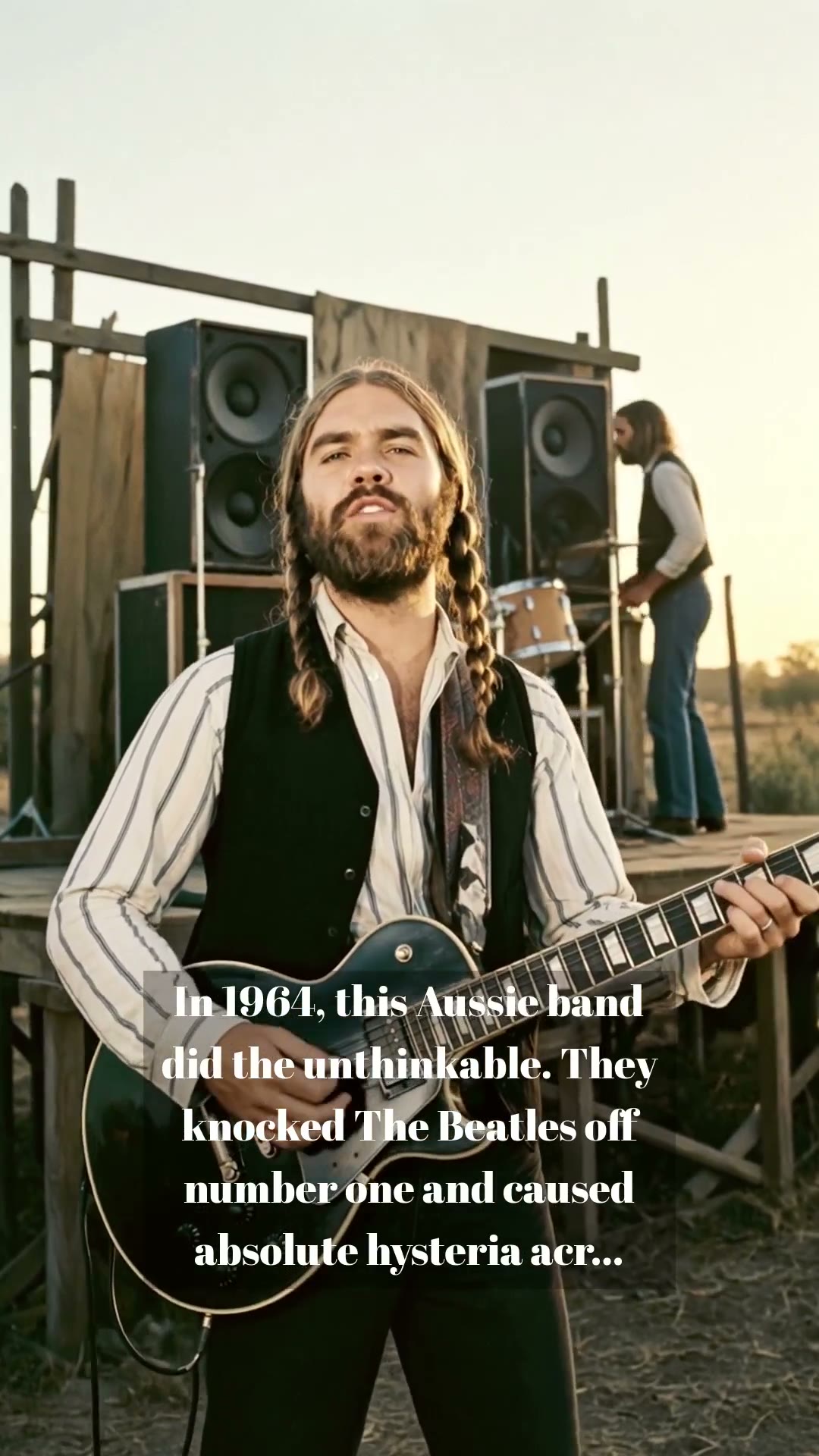
Cast your mind back to 1964. The air was thick with the scent of hairspray and the frantic energy of Beatlemania. The Fab Four were sweeping across the globe, leaving every country in a state of absolute bedlam. Here in Australia, we were no different; we were obsessed. But then, something truly unthinkable happened. A local band of larrikins named Billy Thorpe and the Aztecs did the impossible. They looked at the British invasion head-on and shoved them straight off the top spot of the charts with their version of Poison Ivy. It was a moment that made every Aussie kid realise that our own homegrown talent could go toe-to-toe with the biggest acts on the planet.

I still reckon I can hear the screams from those early gigs. Billy Thorpe was a force of nature, a bloke with a voice as big as the outback and a stage presence that could rattle the rafters of any pub or dance hall. Before he became the legend of the pub rock scene we all know and love, Billy Thorpe and the Aztecs were the kings of teenage hysteria. Their concerts were total carnage in the best way possible. Fans would be packed in like sardines, sweating and screaming until their lungs gave out, completely captivated by the raw, unpolished energy that Billy Thorpe brought to the microphone. It wasn’t just music; it was a riotous celebration of youth.

Looking back, it is hard to overstate just how massive that achievement was. Knocking The Beatles off the top of the charts wasn’t just a win for the band; it was a massive boost for our national pride. It felt like we were finally putting Australian rock and roll on the map. The song Poison Ivy became an anthem, played over and over on the wireless, with teenagers spinning their favourite vinyls until the grooves wore thin. It was a simpler time, when the telly was a luxury and the local dance hall was where all the real drama unfolded on a Saturday night.

Billy Thorpe himself was a character, a larger-than-life figure who truly lived for the stage. He had this infectious charisma that drew people in, and he never lost that grounded, approachable charm, no matter how famous he became. Whether he was playing those early pop hits or later belting out hard-hitting pub rock, you knew you were witnessing a legend in the making. He paved the way for so many others who followed in his footsteps, proving that if you had the guts and the talent, you could make it big right here at home.

Even now, decades later, the music of Billy Thorpe and the Aztecs carries heaps of nostalgia for those of us who grew up in that golden era. It takes us right back to the days of flared trousers, transistor radios, and the thrill of discovery. Do you remember where you were when you first heard them? It is a piece of Australian history that still makes me smile, reminding me that sometimes, the underdog really does have his day. If you get a chance today, crank up the volume, grab a cuppa, and let the sounds of Billy Thorpe take you back to a time when everything felt possible.

Billy Thorpe and the Aztecs: The Day Sunbury Changed Aussie Rock

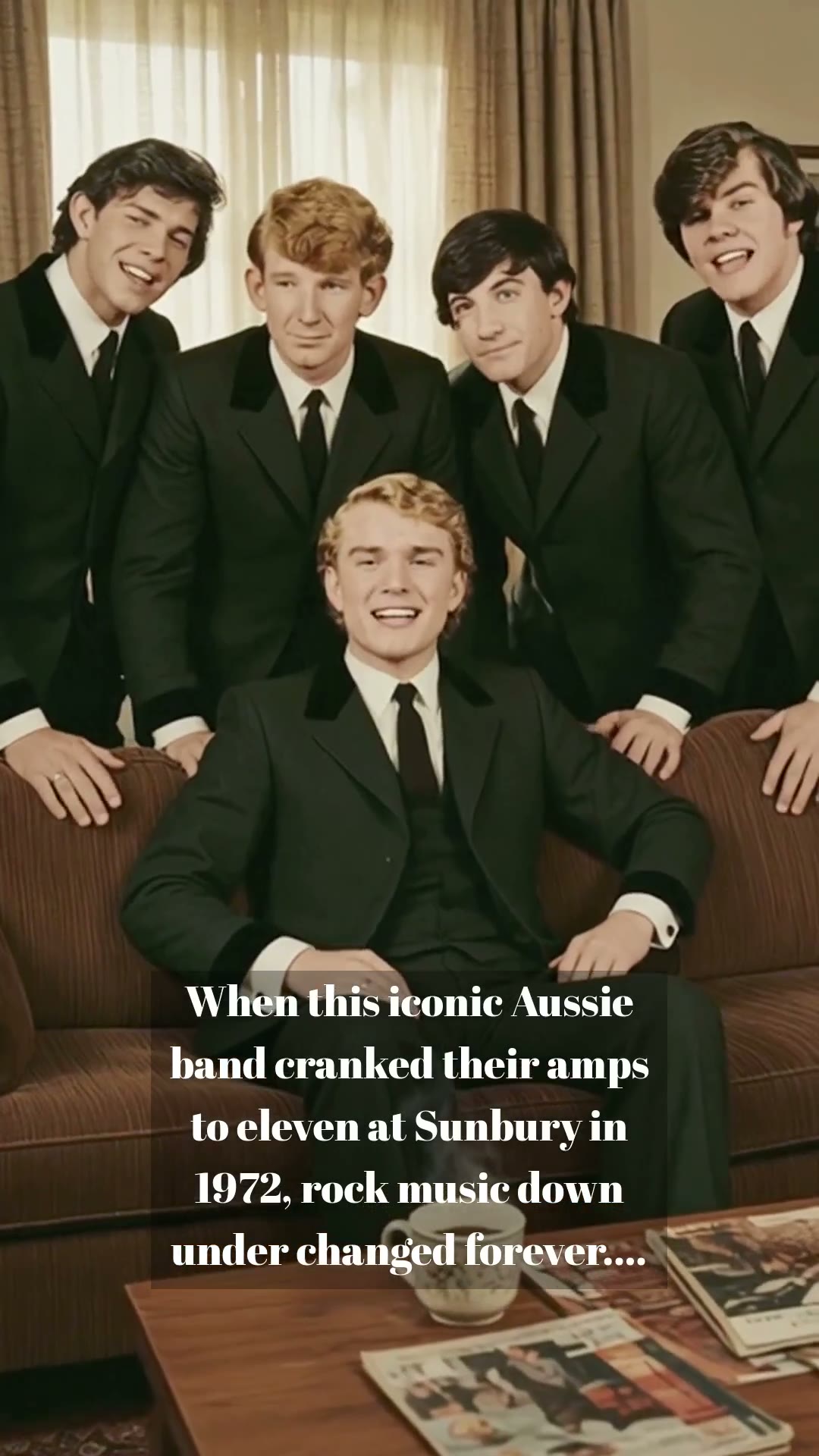
Cast your mind back to the sweltering January of 1972. It was a time when the sun beat down on the paddocks of Sunbury, and a bunch of blokes with long hair and even longer guitar solos were about to change the trajectory of Australian music for good. If you were there, you remember the dust, the heat, and the sheer, unadulterated power of Billy Thorpe and the Aztecs. It was the moment Australian pub rock stopped being a polite hobby and turned into a force of nature that rattled the very foundations of the country.

Before that legendary Sunbury Pop Festival, music in this country was often a bit of a polite affair, heavily influenced by what was coming over the airwaves from abroad. Then, Billy Thorpe and the Aztecs took to the stage, cranked their amplifiers until they were screaming, and unleashed a wall of sound that felt like a punch to the chest. It was loud, it was raw, and it was unapologetically ours. For the thousands of fans crammed into that field, it was a revelation. We realised right then that we didn’t need to look to London or Los Angeles for inspiration; we had everything we needed right here in our own backyard.

Billy Thorpe was more than just a frontman; he was a giant of the scene. With his booming voice and that unmistakable stage presence, he commanded the crowd like he was preaching to the converted. The Aztecs were the perfect engine room, providing a heavy, driving rhythm that felt like the heartbeat of the nation. They weren’t just playing songs; they were creating a culture. This was the birth of the quintessential Aussie pub rock sound—a genre that would go on to fill hotels and stadiums for decades to come, giving us a soundtrack for the long, hot summers.

I reckon anyone who was at that gig would tell you the same thing: it was bloody massive. The way they manipulated feedback and pushed their gear to the absolute limit created an atmosphere that felt electric. It was messy, it was loud, and it was glorious. Even now, years later, whenever you hear a track like Most People I Know (Think That I’m Crazy) cranking through the speakers, you can still feel that same energy. It brings back heaps of memories of cold beers, sticky floors, and a time when rock and roll felt like it could change the world.

It is truly a shame that we lost Billy Thorpe, but his legacy lives on in every band that has ever pushed their amps to eleven in a local pub. He taught us to embrace our own voice, to be bold, and to never apologise for making a bit of noise. Whether you were there at Sunbury or you’ve just heard the legends passed down through the years, one thing is certain: Billy Thorpe and the Aztecs defined an era. So, do yourself a favour and put the record on loud tonight, mate. It’s a piece of history that’s well worth remembering.

When Billy Thorpe and the Aztecs Escaped a Riot in a Van

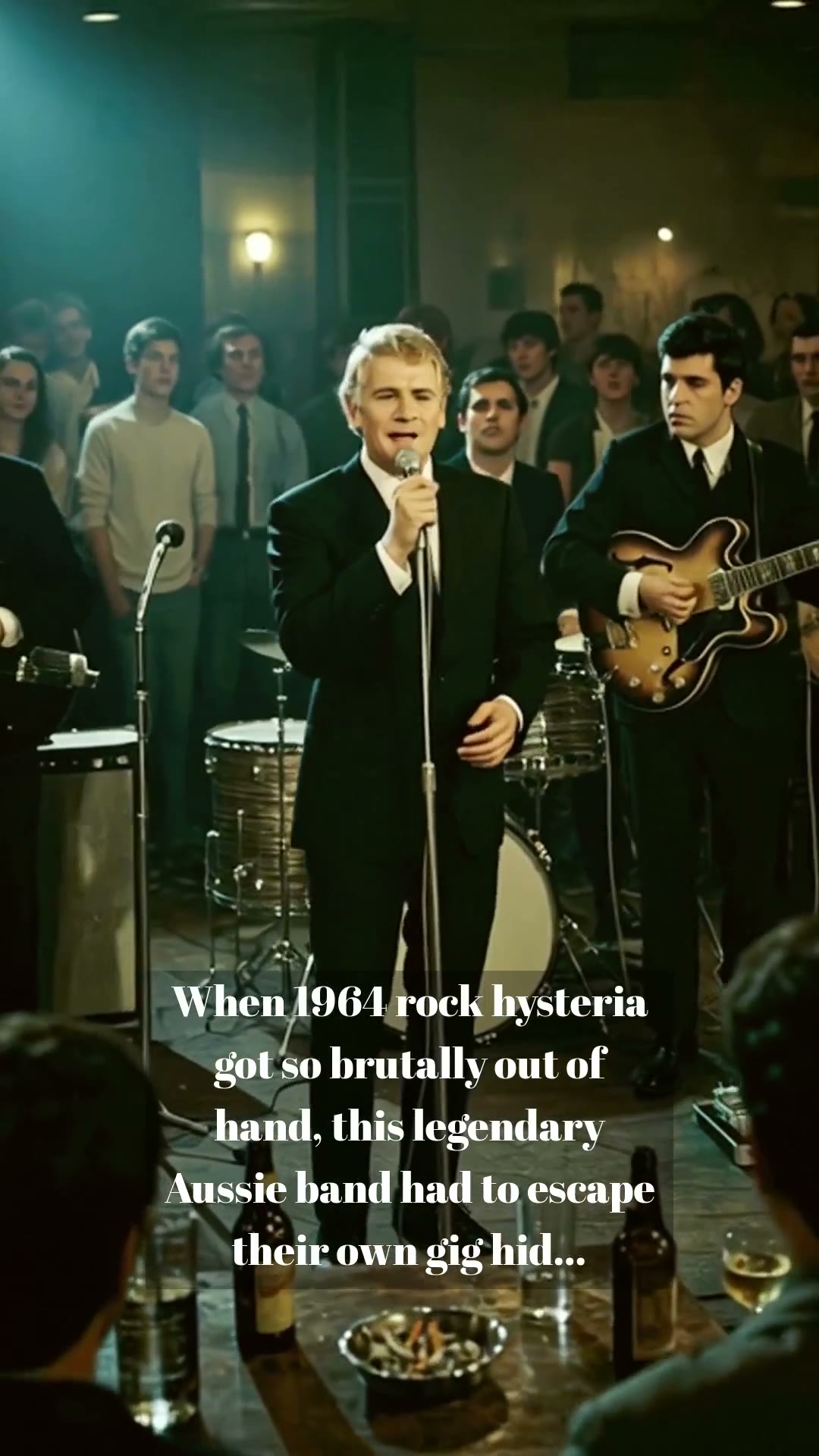
Cast your mind back to 1964. The air was thick with the scent of hairspray and the deafening roar of teenage frenzy. We weren’t just talking about a bit of clapping; we were talking about proper, sweat-drenched pandemonium. If you were around in those days, you might remember that Australian rock and roll had finally found its teeth. At the very centre of this cyclone was a bloke named Billy Thorpe and the Aztecs. These lads weren’t just playing music; they were causing a full-blown societal meltdown that made the local coppers work harder than they ever had before.

It was a sweltering night at a gig in Sydney when things went completely pear-shaped. The screams were so loud you couldn’t hear the guitars, and the floor was vibrating with thousands of kids losing their minds. I reckon you’d have to be there to truly grasp the sheer intensity of it. It was the era of Aztecmania, and it hit such a brutal, feverish peak that the band could barely stand on stage without being physically swamped by the crowd. The security was overwhelmed, the barricades were buckling, and it became clear pretty quickly that the show had to end before things turned truly ugly.

In a scene that sounds like something straight out of a flick, the authorities had to hatch a daring plan to get Billy Thorpe and the Aztecs out in one piece. They didn’t just walk out the back door; they were smuggled out of the venue hidden in the back of a local baker’s delivery van. Imagine that, mate—one minute you are the biggest rock star in the country, and the next you are huddled amongst loaves of bread and flour sacks, trying to keep your head down while the fans tore the place apart looking for a souvenir. It is a moment that perfectly captures the untamed, raw energy of the early Oz rock scene.

People often forget that before the pub rock giants of the seventies took over, Billy Thorpe and the Aztecs were the ones who really set the standard for what an Aussie rock concert could be. They had this incredible, thunderous sound that defined a generation. It wasn’t about the glamour or the polished production you see on the telly today; it was about the sweat, the noise, and the absolute connection between the band and the audience. They made us realise that Australian music had a colour and a grit all its own, distinct from anything coming out of the States or the UK.

Looking back, it is hard not to feel a bit of nostalgia for those simpler, wilder times. You might still have one of their records tucked away in your collection, scratched and worn, a favourite piece of history that brings it all back. Whether it was the chaos of the baker’s van or the legendary tracks they belted out, Billy Thorpe and the Aztecs remain a massive part of our cultural fabric. I reckon we should celebrate those rowdy nights more often, because they were the ones that built the foundation for every Aussie band that followed. Do you remember where you were when the Aztec fever hit your town?

When Billy Thorpe and the Aztecs Changed Aussie Pub Rock Forever

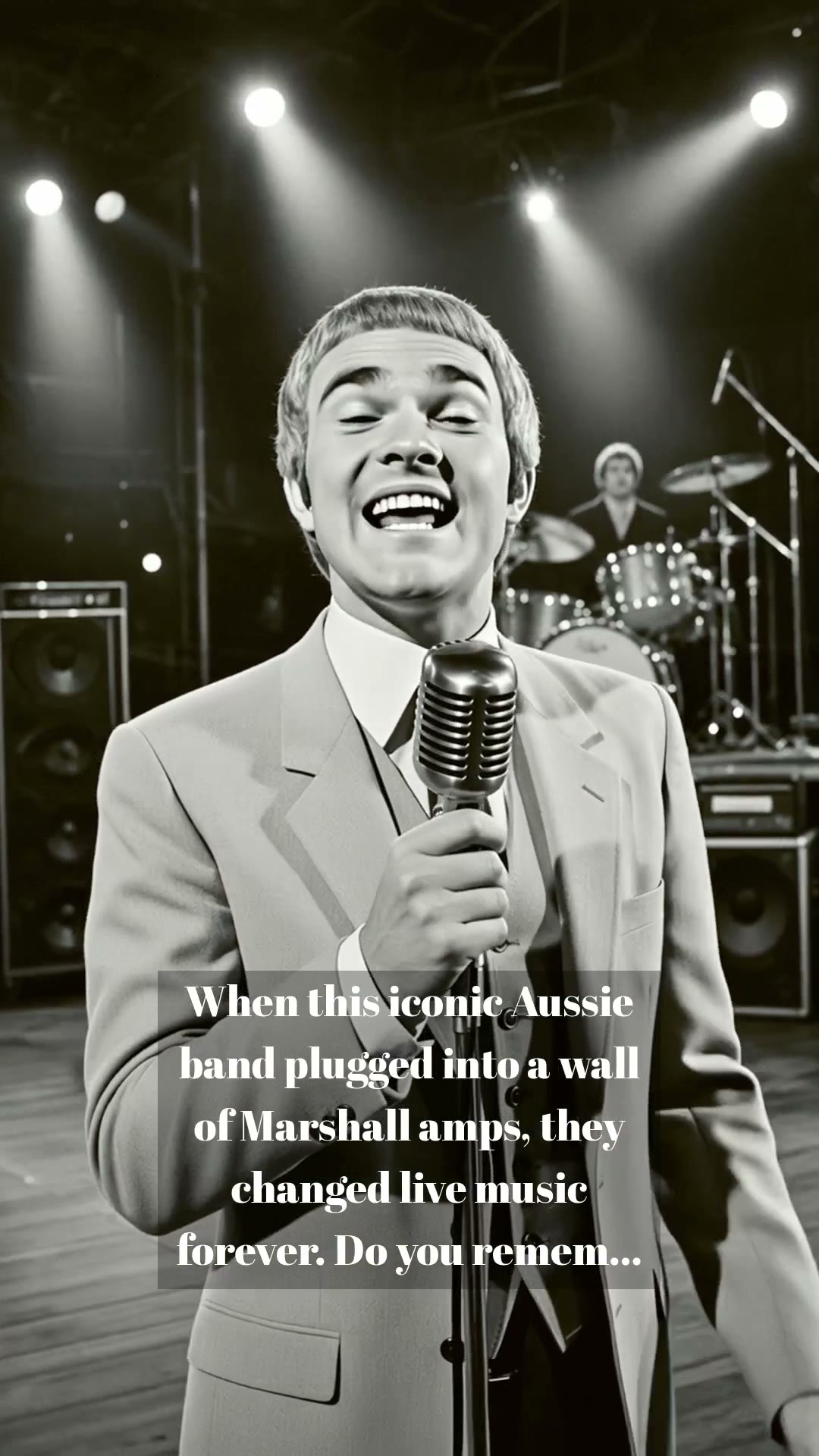
Cast your mind back to the year 1970. The Australian music scene was in the midst of a radical metamorphosis, shifting away from the clean-cut pop idols who dominated the telly on Countdown and toward something altogether louder, sweatier, and undeniably more dangerous. If you were lucky enough to be in a smoky, packed pub during that era, you know exactly what I am talking about. It was the birth of true blue Aussie pub rock, and at the epicentre of this sonic earthquake stood one man and his band: Billy Thorpe and the Aztecs. Before that pivotal moment, bands generally kept the volume at a polite level, but Billy Thorpe and the Aztecs decided that polite was simply not going to cut it anymore. They famously ditched their polished image and plugged into a literal wall of Marshall amplifiers that seemed to stretch on for miles. When they cranked those knobs, they did not just play music; they created a physical force that rattled the very foundations of the venue. It was a roar that signalled the end of an era and the beginning of a culture that we still reckon is the absolute best in the world. I remember talking to a mate about it just the other week, and he told me that hearing the sheer volume of Billy Thorpe and the Aztecs for the first time was like being hit by a freight train of pure electricity. You could feel the bass in your chest and the sweat dripping from the ceiling. It was raw, it was unpretentious, and it was the soundtrack to a generation that loved a good time and a cold beer. This was the era of the Sunbury Pop Festival, where Billy Thorpe and the Aztecs cemented their legend, proving that you did not need a fancy production to captivate an audience. You just needed grit, soul, and a sound that could cut through the noise of a thousand rowdy punters. Looking back, it is easy to realise why their influence remains so deeply woven into our musical DNA. They set the template for every pub band that followed, from Cold Chisel to INXS, proving that music in this country works best when it is played loud and with heaps of heart. It is funny to think how a simple change in volume could rewrite history, but that is exactly what happened. The legacy of Billy Thorpe and the Aztecs is not just about the technical skill or the fame; it is about that specific, high-octane feeling of being alive in a room packed with people who all felt the same surge of energy. Even today, if you drop a needle on one of their records, you can still catch a glimpse of that magic. It makes me wonder if we will ever see the likes of them again, or if that was a lightning strike in a bottle that can never be replicated.

The Bottle Top Hit That Made Johnny Farnham an Aussie Legend

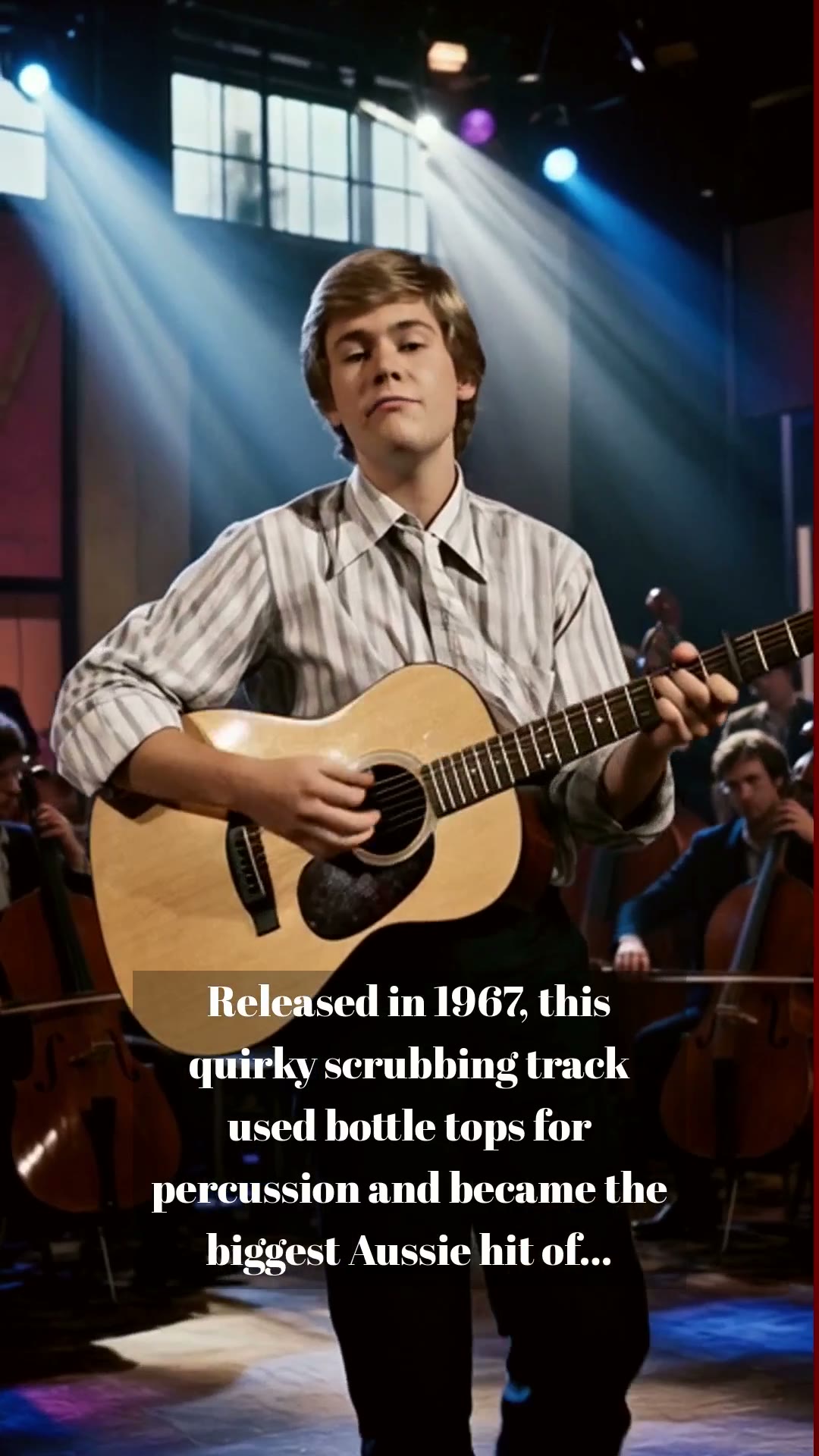
Cast your mind back to 1967. The world felt like it was changing by the minute, and for us here in Australia, the radio was our lifeline to the new age. If you grew up during that era, you will surely remember the day a cheeky, fresh-faced lad named Johnny Farnham burst onto the scene with a song that sounded unlike anything else on the airwaves. It was called Sadie (The Cleaning Lady), and despite its rather peculiar production—featuring actual bottle tops clinking away in the background—it became an absolute phenomenon. It wasn’t just a hit; it became the biggest-selling Aussie single of the entire decade, cementing Johnny Farnham as a household name from the suburbs of Melbourne to the remote outback stations.

Looking back now, it is quite funny to realise that such a simple, kitschy track launched one of the most storied careers in our national history. Johnny Farnham, or ‘John’ as he would eventually be known, was just a teenager when he walked into the studio. The producers were looking for something light and catchy, and boy, did they get it. While the song itself was a bit of a novelty, Johnny’s voice had that undeniable spark. Even then, he possessed a natural charm and a vocal clarity that cut through the static of the old wireless sets. It is the kind of tune that, once heard, gets stuck in your head for days on end.

I reckon most of us can still picture where we were the first time we heard that infectious beat. For a generation, it was the soundtrack to a simpler time, a moment when the telly was the centre of the living room and a new Aussie pop idol was born overnight. Johnny Farnham had this way of making everyone feel like he was just a regular bloke next door, despite the massive fame that started rolling in. That relatability is exactly why he stayed at the top of the pile for so long. He wasn’t just a pop star; he was one of us, navigating the wild ride of show business with a grin and a whole heap of talent.

Of course, Johnny Farnham would go on to have a career that defied expectations, evolving from that scrubbing lad into a powerhouse rock performer who could command any stadium in the country. But there is something deeply nostalgic about that 1967 period. It was a time when Australian music was finding its feet, moving away from overseas influences to carve out its own unique sound. The success of that bottle top percussion became a masterclass in how to capture the public imagination. It serves as a reminder that sometimes the most unlikely experiments are the ones that leave the most lasting mark on our culture.

It is truly marvellous to look back at the trajectory of Johnny Farnham from those early, humble days. He taught us that you don’t need to take yourself too seriously to be a legend. Whether you were rocking out to his later anthems or you still have that original 45-rpm record tucked away in a dusty crate, Johnny Farnham remains a cherished part of our collective Aussie spirit. Do you remember the first time you heard Sadie? Give it a spin today and see if it doesn’t bring a smile to your face, mate.