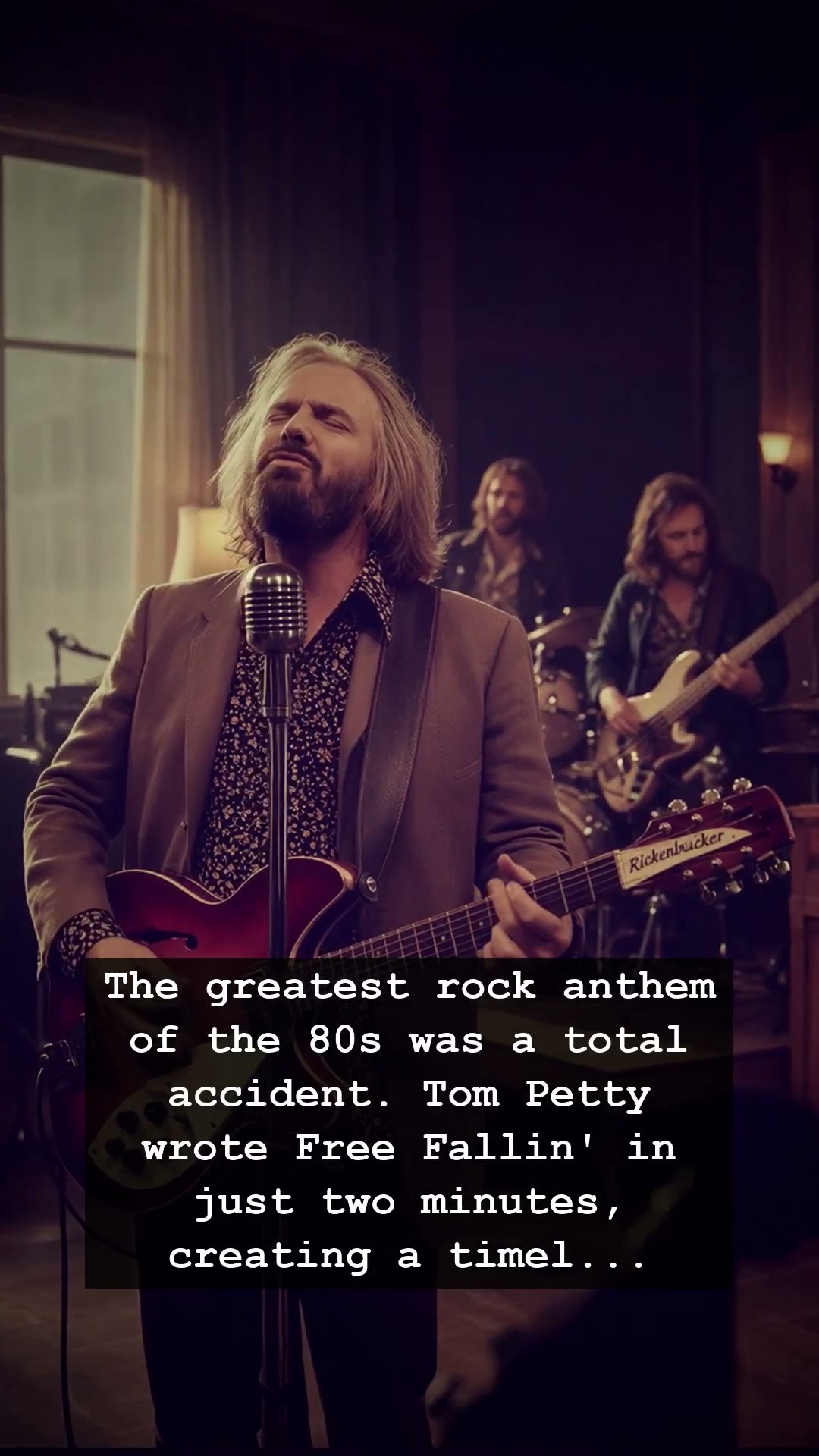
The Accidental Masterpiece: How Tom Petty Created Free Fallin in Minutes

It was the late 1980s, an era defined by the neon glow of MTV, the rise of hair metal, and the pervasive sound of synthesizers echoing through the streets. Yet, amidst this sonic revolution, Tom Petty was sitting in a room with his friend Jeff Lynne, casually picking at a guitar. Neither of them knew it then, but they were about to craft one of the most enduring rock anthems in American history. What started as a lighthearted joke, a spontaneous two-minute experiment, would eventually evolve into the iconic 1989 hit Free Fallin.

To understand the magic of Free Fallin, you have to transport yourself back to the atmosphere of the time. The industry was obsessed with over-production, but Tom Petty opted for something rawer, something that felt like the open road. As the story goes, Petty was simply fooling around, trying to make Lynne laugh by mocking the style of pop songs he heard on the radio. He started playing a simple chord progression and singing nonsense lyrics about falling. In a heartbeat, the melody took shape. It wasn’t a calculated move to dominate the charts; it was pure, unadulterated musical instinct captured in the raw, humid air of the studio.

The genius of Tom Petty was his ability to capture the melancholy of Southern California—the sunshine that felt a little too lonely and the dreams that were just a little too far out of reach. When he sang about the girl who was a good girl, crazy about Elvis, and loved horses, he wasn’t just writing lyrics; he was painting a portrait of the American spirit. The song became a staple on the Walkman headsets of a generation, a track that felt like home no matter where you were driving. It resonated because it was honest, stripped of the artificial gloss that defined so much of the decade.

Behind this masterpiece lay the classic struggle of an artist trying to stay true to his roots while the world shifted around him. Tom Petty had already navigated the turbulence of the 70s rock scene and the pressures of superstardom, but this moment in the late 80s felt different. He was finally comfortable in his own skin, no longer chasing trends but dictating the pulse of the culture. There is a haunting quality to the way he delivers the lines, a sense of falling that feels both terrifying and liberating, which is perhaps why the track remains a staple of our cultural lexicon.

Today, when you hear those opening piano chords, you are instantly transported back to a time of jukeboxes and cassette tapes. Tom Petty left us with a legacy that refuses to fade, a reminder that the greatest art often comes from the most unguarded moments. It remains a testament to the fact that you do not need a massive production team or months of meticulous planning to touch the human soul. Sometimes, you just need two minutes, a guitar, and a truth that needs to be told. Whenever you listen to Free Fallin, remember that legend is often born not from perfection, but from a genuine, fleeting moment of human connection.
The Bo Diddley Beat: How a Rock Legend Was Robbed of Millions

The jukebox hums with a sound so infectious it could move mountains, a syncopated, driving rhythm that defined the soul of the 1950s. If you grew up listening to the raw, unfiltered spirit of early rock and roll, you know the Bo Diddley beat. It is a percussive thunder that echoes through the halls of music history, a cornerstone upon which legends were built. But while the world danced to his pulse, the man behind the rhythm, the incomparable Bo Diddley, was locked in a shadow war against the industry machine that sought to erase his contribution and steal his prosperity. This is the story of a pioneer whose genius changed the world, only to be met with cold-hearted betrayal.

Born Otha Ellas Bates, the man we know as Bo Diddley walked into the legendary Chess Records studio in 1955 with a rhythm that defied convention. With his rectangular guitar and a presence that commanded the room, he delivered a sound that was at once primal and futuristic. It wasn’t just music; it was a cultural shift. The Bo Diddley beat became the DNA for countless hits that followed, adopted by everyone from Buddy Holly to The Rolling Stones. Yet, as the records flew off the shelves and the airwaves crackled with his signature syncopation, the financial rewards that should have secured his legacy were systematically siphoned away through predatory contracts and backroom dealings at Chess Records.

Behind the bright lights and the excitement of the burgeoning rock and roll era lay a darker reality. Bo Diddley was a victim of a system designed to exploit artists, particularly those from marginalized backgrounds, during an era where contracts were often written in ink that favored only the label owners. He would spend the better part of his life fighting for the royalties and the recognition that were rightfully his. It is a heartbreaking narrative—a man who gave the world its heartbeat was essentially robbed of his own livelihood, left to watch as others climbed to the top of the charts using the blueprint he meticulously crafted in the mid-fifties.

Despite the bitterness of the betrayal, Bo Diddley remained a towering figure of resilience. He never truly stopped playing, never stopped fighting, and never lost the unique, electrifying charisma that made him a titan of the genre. When we look back at the era of the Walkman and the vinyl golden age, we often fixate on the glamor of the stars. We forget the unsung battles fought by the architects of the sound. The story of Bo Diddley is a reminder that the music we hold so dear often carries the weight of heavy, human sacrifice, and that true artistic integrity is found in the struggle to reclaim one’s voice against the odds.

Today, as we revisit the crackle of a vintage record or hear the familiar stomp-stomp-stomp of the Bo Diddley beat, we are listening to a testament of endurance. It is a legacy that transcends the greed that tried to bury it. While the royalties may have been lost to the void of a corrupt industry, the rhythm remains immortal. We owe it to the history of music to remember the man who gave us the beat that built rock and roll, and to recognize that without his fight, our musical landscape would be hollow. Let the music play on, and remember the name that carved the foundation of the sound we love.

The Raw Truth: How Creedence Clearwater Revival Defied 1969 Psychedelia

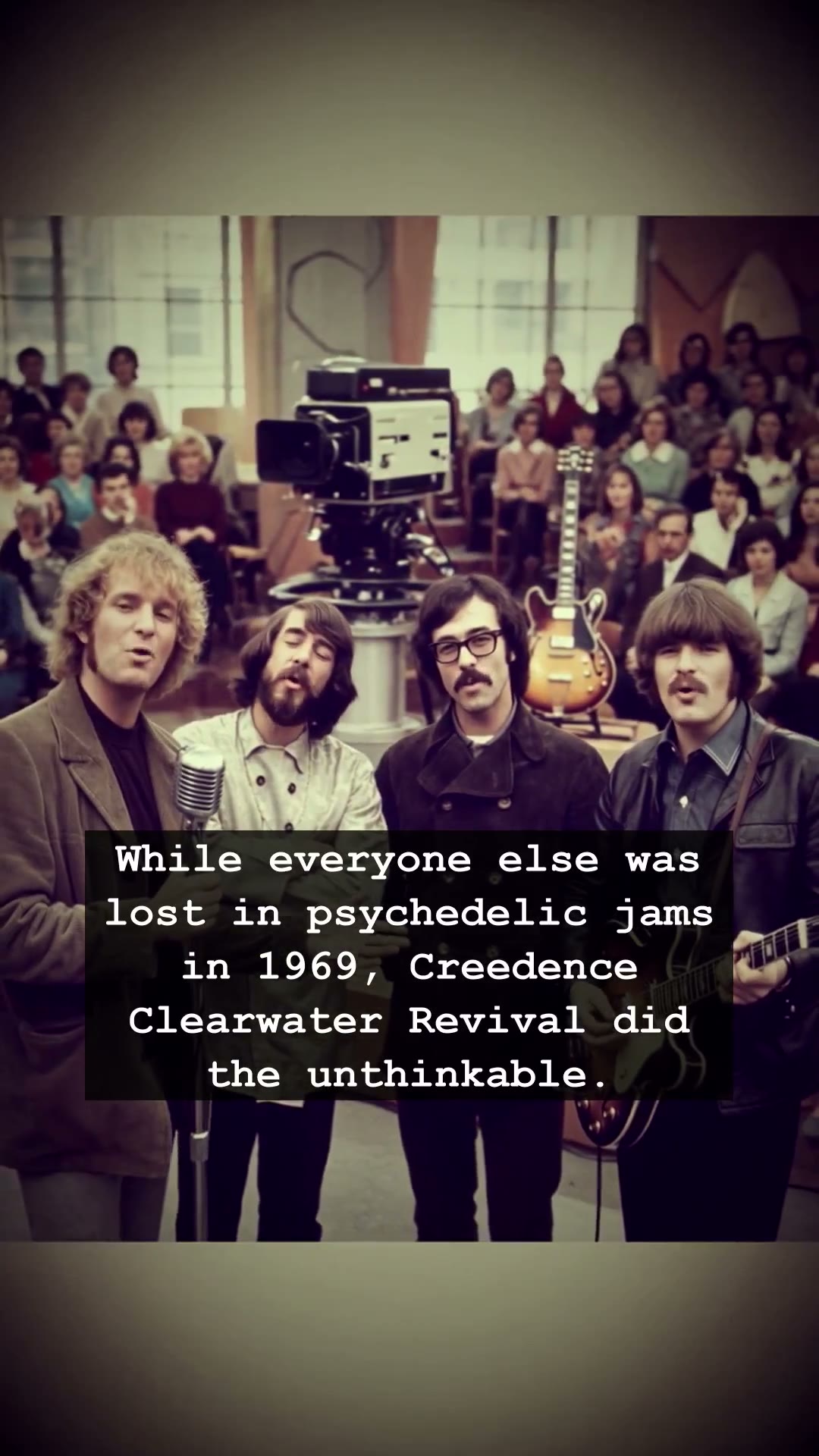
In 1969, the air in the San Francisco Bay Area was thick with the scent of patchouli and the hazy, never-ending echoes of acid rock. While bands were busy indulging in twenty-minute guitar solos and cosmic explorations that felt like they were drifting into another dimension, four men from El Cerrito were doing something entirely different. Creedence Clearwater Revival looked at the kaleidoscopic madness surrounding them and chose a path that seemed almost defiant: they stripped it all back to the bone. With a grunt, a stomp, and a sharp, stinging riff, they reminded the world that rock and roll was never meant to be a philosophy lecture; it was meant to be a heartbeat.

John Fogerty, the band’s relentless architect, wasn’t interested in the flower-power movement. Instead, Creedence Clearwater Revival channeled the grit of the American South, despite never having lived there. They synthesized the swampy essence of blues, country, and rockabilly into something distinct, sharp, and dangerously catchy. While their peers were lost in psychedelic jam sessions, Creedence Clearwater Revival was crafting radio-ready anthems like Proud Mary and Fortunate Son. It was a bold aesthetic choice that felt like a cold splash of water in a room full of incense smoke, yet it resonated with millions who were craving something grounded.

Yet, the story of Creedence Clearwater Revival is far from the harmonious melody their hits might suggest. Behind the success lay a pressure cooker of creative control and growing resentment. John Fogerty’s obsessive perfectionism turned the band into a tightly wound machine, leaving little room for the other members to breathe or contribute. This internal tension was a dark, unspoken counterpart to their meteoric rise. As they conquered the charts and played the legendary stage at Woodstock, the band was already beginning to fracture. The very thing that made their sound so focused and punchy—Fogerty’s iron grip—was the catalyst for the inevitable burnout that would eventually tear them apart.

The irony remains that in an era obsessed with expansion, Creedence Clearwater Revival conquered the world through reduction. They captured the restless spirit of a generation caught between the idealism of the sixties and the harsh realities of the coming decade. Their music became the soundtrack of the Vietnam era, playing on portable radios and rattling the speakers of muscle cars across the country. Even today, when you hear that iconic opening lick of Bad Moon Rising, you are transported back to a time when music felt dangerous, urgent, and undeniably real.

Today, we look back at Creedence Clearwater Revival not just as a band, but as a lightning rod for the complexities of fame and artistic integrity. They proved that you didn’t need to be part of the establishment or the counter-culture status quo to make history; you just needed to play the truth with enough conviction that no one could look away. Their catalog remains a testament to the power of simplicity, reminding us that even amidst the loudest trends, the most authentic voice is the one that stays true to its own rhythm.

The Night Jim Morrison Fired a Gun Inside The Doors Studio

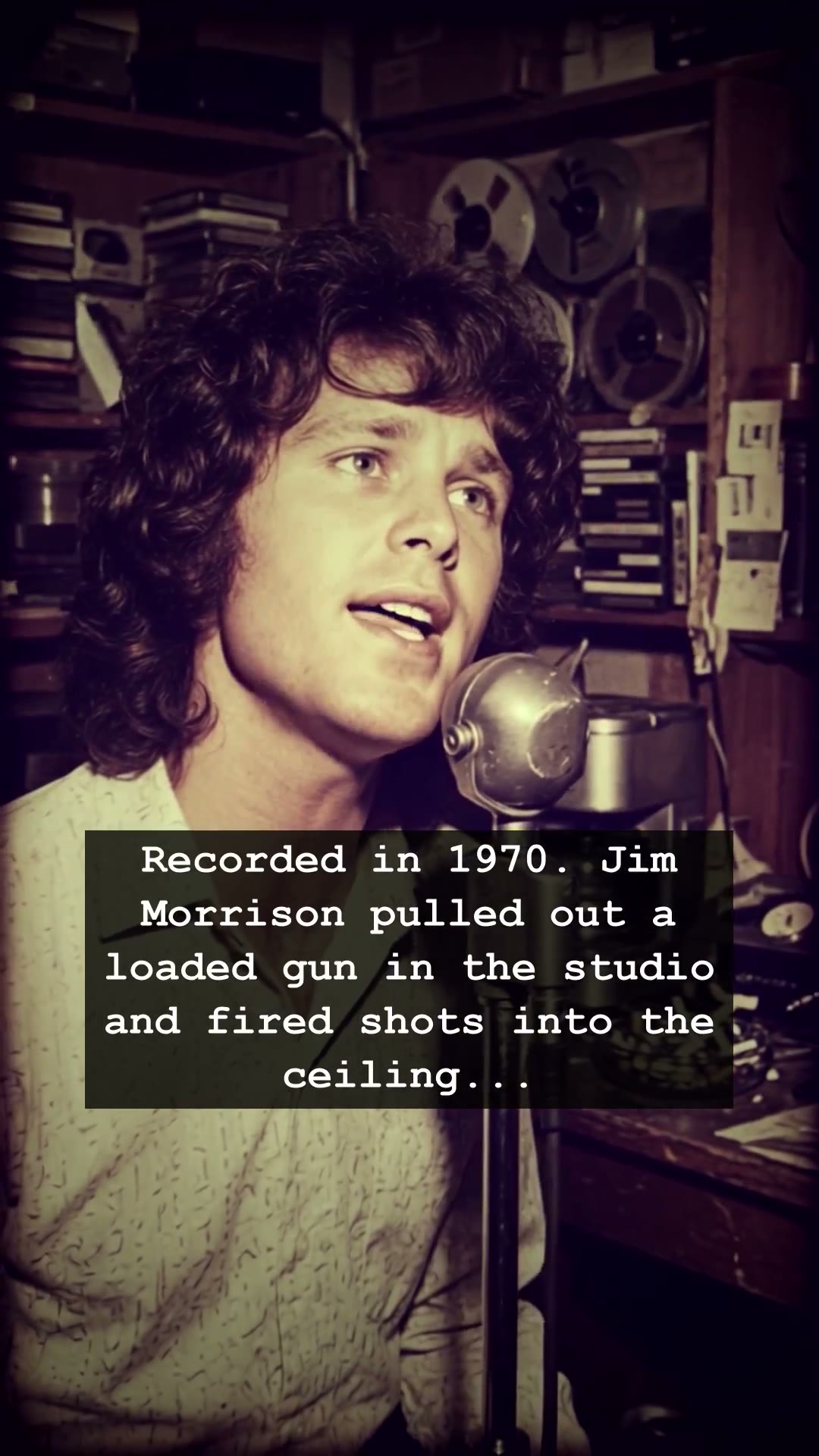
It was 1970, and the air inside the studio was thick with the scent of stale tobacco and the suffocating pressure of a band reaching its breaking point. The Doors, once the darlings of the Sunset Strip, were no longer the unified front that had captivated audiences at the Whisky a Go Go. Instead, they were four men trapped in a cycle of mounting resentment and the crumbling psyche of their legendary frontman. Without warning, the silence of a recording session was shattered by a deafening blast. Jim Morrison had pulled out a loaded gun and fired shots directly into the studio ceiling. His bandmates stood frozen, staring at the man who had traded his poetic charisma for a dangerous, unpredictable volatility.

To understand the madness, one must look at the landscape of the late sixties and early seventies. The idealism of the Summer of Love had withered into something darker. The music industry was no longer just about art; it was a high-stakes arena where icons like Jim Morrison were being ground into dust by the machinery of fame. The Doors had defined a generation, but by the time they were crafting what would eventually become the L.A. Woman album, the magic was being replaced by the mundane reality of addiction and creative exhaustion. The studio, once a sanctuary for their psychedelic experiments, had become a pressure cooker where every chord struck felt like an argument.

Jim Morrison was a man perpetually walking the tightrope between visionary brilliance and complete self-destruction. The shooting incident was not merely a moment of drunken bravado; it was a desperate cry for release from the persona of the Lizard King. While the rest of the band—Ray Manzarek, Robby Krieger, and John Densmore—struggled to maintain the technical integrity of their sound, Morrison was spiraling. The sound of that gunshot echoing through the rafters served as a grim punctuation mark to an era that was rapidly losing its innocence. It remains one of the most chilling anecdotes in rock history, illustrating how quickly the dream of a counterculture revolution could devolve into private chaos.

Looking back from our modern vantage point, the story of The Doors resonates because it feels dangerously authentic. We live in an age of polished pop stars and curated digital images, yet we remain obsessed with the jagged edges of the past. The image of Jim Morrison, clutching a pistol while his bandmates stood in absolute shock, haunts us because it exposes the human cost of being a legend. The studio was supposed to be a place of creation, but for those few seconds, it became a theater of terror, proving that no amount of talent could shield a soul from the darker impulses of the human heart.

Even decades later, we still find ourselves returning to their records, listening for the ghosts in the mix. The legacy of The Doors is built on this precarious balance of light and shadow, poetry and violence. As we spin our worn vinyl LPs or stream their greatest hits, we are still trying to understand the man who wanted to break on through to the other side, even when the door he pushed on was his own life. Perhaps the true tragedy isn’t that Jim Morrison destroyed himself, but that he left us forever wondering what might have been if he had simply put the gun down.

The Lonely Las Vegas Nights That Built the Legend of B.B. King

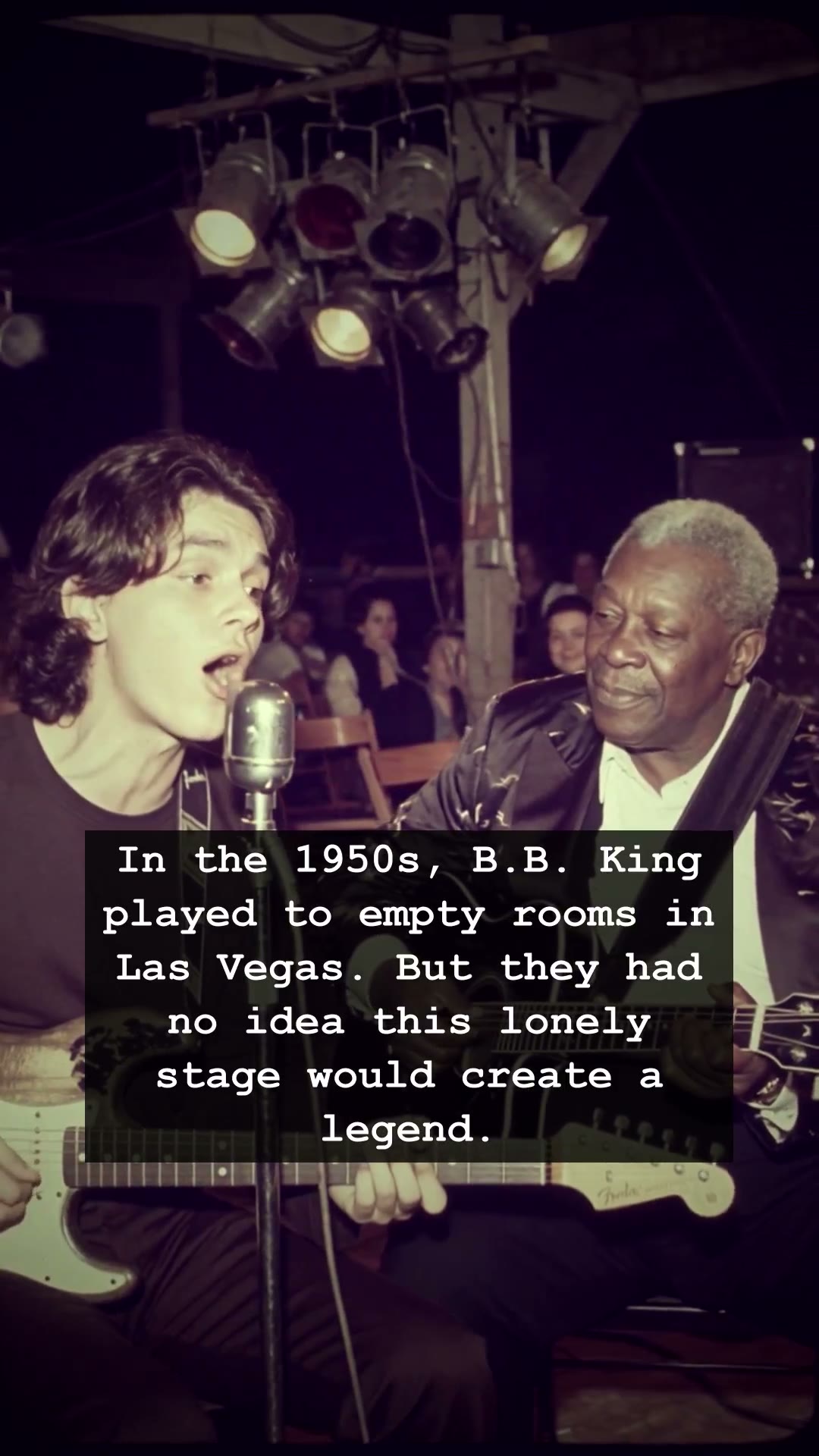
In the glitzy, neon-soaked haze of the 1950s Las Vegas strip, where high rollers and cabaret performers vied for the spotlight, one man stood alone on a stage that nobody wanted to visit. B.B. King, the man who would eventually be crowned the King of the Blues, spent his nights pouring his soul into a guitar named Lucille while performing to rows of empty velvet chairs. While the city outside was alive with the sound of slot machines and the roar of a burgeoning tourism empire, the silence in that small lounge was deafening. Most artists would have crumbled under the weight of such indifference, but B.B. King treated those hollow nights like a sacred ritual, playing with the same intensity as if he were performing for a sold-out stadium.

It is difficult to imagine a world where the voice of B.B. King did not demand absolute silence and reverence, yet his early career was defined by this crushing isolation. The music scene of the mid-1950s was a volatile landscape where radio airplay and jukebox placements meant everything. For a blues artist, the struggle was compounded by a social climate that often confined his talent to the shadows. Yet, B.B. King possessed a singular focus that transcended the vacant tables of Las Vegas. He was not just playing for the patrons who weren’t there; he was playing for the ghost of the Mississippi Delta and the future of American soul. Each note bent on his guitar strings was a testament to his resilience.

This era of obscurity was the crucible that forged a master. While other musicians chased the fleeting trends of the day, B.B. King remained tethered to the raw, visceral truth of the blues. He understood that true mastery is not found in the roar of the crowd, but in the discipline of the practice. Every night spent staring at an empty room taught him how to squeeze emotion from a single string, creating a signature vibrato that would eventually become the gold standard of blues guitar playing. Those lonely, quiet hours were arguably more instrumental to his legendary status than any Grammy award he would win decades later.

Today, we look back at the career of B.B. King as an inevitable triumph, a roadmap from poverty to global stardom. But the true story lies in those moments when the spotlight was dim and the audience was nonexistent. His journey reminds us that greatness is often cultivated in the quiet corners of history, far away from the glamour of fame. The irony is that the patrons who skipped his shows were missing the birth of a legend, a man who would go on to influence everyone from Eric Clapton to Jimi Hendrix.

When we listen to his recordings now, we are hearing the echo of those empty Las Vegas nights. We hear the patience of a man who refused to quit, a man who transformed his loneliness into a universal language of longing and liberation. B.B. King didn’t just play music; he translated the human experience into something we could all feel. His legacy remains an eternal flame, reminding us that even in our darkest moments of isolation, we might just be setting the stage for our own greatest act.

The Marvin Gaye Masterpiece That Almost Destroyed His Legendary Career

In 1971, the airwaves were filled with the shimmering, polished sounds of Motown, a label known for its hit-making precision and safe, catchy melodies. Yet, behind the velvet curtains of the studio, a storm was brewing. Marvin Gaye, the Prince of Soul, was wrestling with a vision that defied everything the industry stood for. He was crafting an album that his own label executives deemed commercial suicide, a project so politically charged and raw that they feared it would not only alienate his core audience but permanently ruin the career of the most talented voice of his generation. That album was What’s Going On, and it would become the most pivotal moment in his artistic life.

At the time, the world was fracturing. The Vietnam War was tearing through the American consciousness, and racial tensions were reaching a boiling point. While his peers were singing about love and heartbreak, Marvin Gaye felt a moral obligation to document the reality of the streets. When he brought the title track to Berry Gordy, the Motown founder famously called it the worst thing he had ever heard, refusing to release it. The tension in the studio was palpable. For months, Marvin Gaye stood his ground, refusing to record anything else until his truth was allowed to be heard. He risked the stability of his contract, his royalty checks, and his standing as a pop idol to speak for those who had no voice.

Stepping into the studio to record this masterpiece was an act of rebellion. Marvin Gaye traded the standard, clean-cut production of the era for a hazy, melancholic soundscape layered with multi-tracked vocals that felt like a stream of consciousness. It was a departure from the upbeat rhythms that had previously defined his fame. He was tired of the industry’s obsession with plastic perfection. Instead, he wanted to capture the grit of the city, the pain of veterans returning home, and the systemic inequality that was devastating his community. He wanted to be a mirror to society rather than a distraction from it.

When the album finally hit the shelves, the risk paid off in a way that forever altered the landscape of modern music. It was not just a hit; it was a cultural awakening. The record transformed from a feared failure into a timeless testament to human empathy. By choosing truth over safety, Marvin Gaye elevated himself from a mere pop star to a profound social commentator. He proved that an artist could be vulnerable, political, and commercially successful all at once.

Today, we look back at the era of the Jukebox and the spinning vinyl with a sense of romantic nostalgia, but we often forget the courage it took to break the mold. Marvin Gaye did not just record songs; he captured the soul of a decade. His legacy remains as a reminder that the most enduring art is often born from the moments we are most afraid to share. We are still listening to his warning, his plea, and his hope, finding solace in the echo of a man who dared to defy the machine.

The Righteous Brothers and the 1964 Vinyl Trick That Fooled Radio

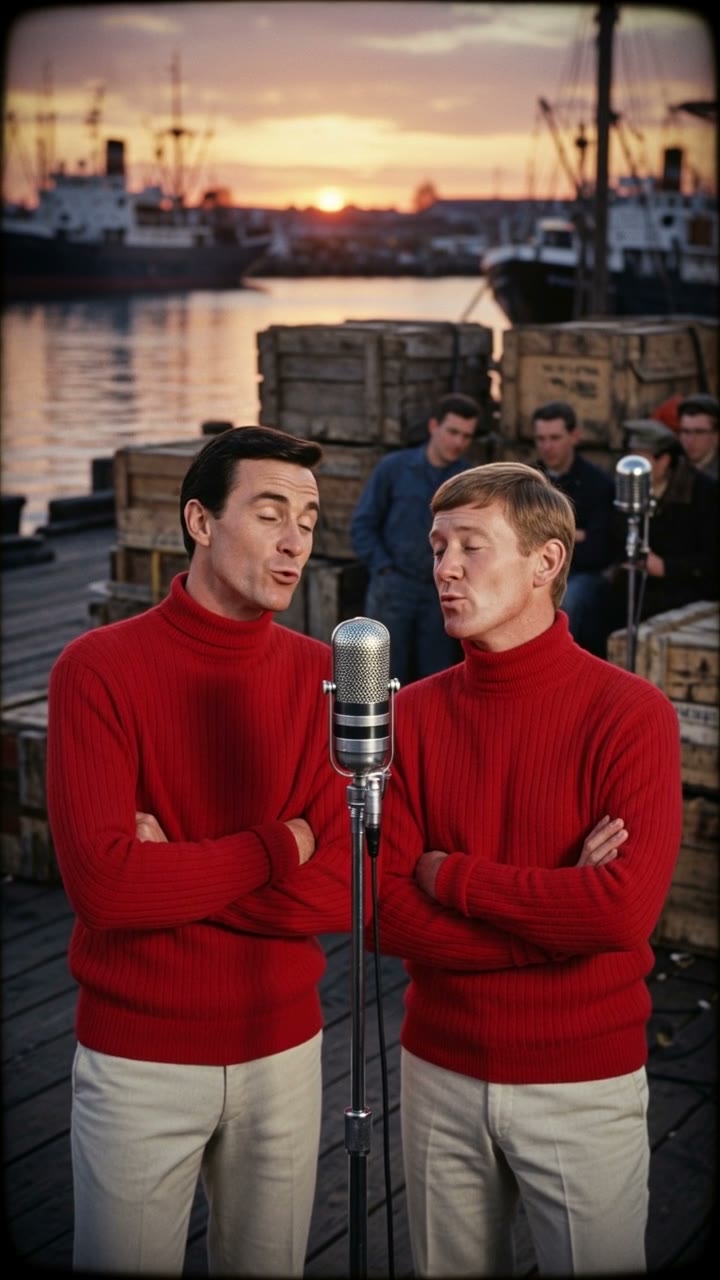
In the golden age of the jukebox and the transistor radio, every second of airtime was sacred. Radio DJs were the gatekeepers of culture, and they lived by a strict, unspoken rule: if a song crossed the three-minute mark, it was dead on arrival. But in 1964, a duo known as The Righteous Brothers pulled off a musical heist that would go down in history as one of the boldest industry pranks ever recorded. The song was You’ve Lost That Lovin’ Feelin’, a soul-stirring masterpiece that dared to defy the constraints of the era.

Bill Medley and Bobby Hatfield were not your typical chart-toppers. With their blue-eyed soul and towering vocal range, The Righteous Brothers possessed a sound that felt like it was ripped from the heart of a smoke-filled lounge. When they entered the studio with the legendary producer Phil Spector, they were aiming for perfection, not a revolution. Spector, known for his wall of sound, knew that this particular track was something special, something that couldn’t be hurried. But he also knew the reality of the airwaves.

To trick the radio programmers, the label pulled a clever, calculated deception. They printed the duration of You’ve Lost That Lovin’ Feelin’ as a much shorter time on the vinyl label than it actually was. By shaving precious seconds off the printed runtime, they bypassed the skepticism of DJs who would have otherwise ignored the four-minute epic. It was a classic industry sleight of hand, a desperate gamble that relied on the sheer quality of the performance to keep listeners glued to their seats once the needle hit the groove.

When the track finally hit the air, it didn’t just survive; it conquered. The song’s slow, building tension and the raw, melancholic harmonies of The Righteous Brothers proved that listeners were starving for depth. It became a cultural touchstone, defining the mid-60s emotional landscape. Even today, hearing those opening piano chords brings back the nostalgic haze of 1964, a time when music felt dangerous, tactile, and profoundly human. It was a triumph of art over the rigid bureaucracy of the radio charts.

This story remains a testament to the grit of that era. The Righteous Brothers changed the game by forcing the world to listen to a song that was too long for the rules but perfect for the soul. Their legacy reminds us that sometimes, you have to break the conventions to create something truly immortal. As you revisit this classic, listen closely to the layers of sound and the weight of their voices; you are hearing the echo of a secret that fooled a generation. Whether you remember the static of your first car radio or you are just discovering the magic of vinyl, let the timeless, haunting intensity of The Righteous Brothers wash over you one more time.

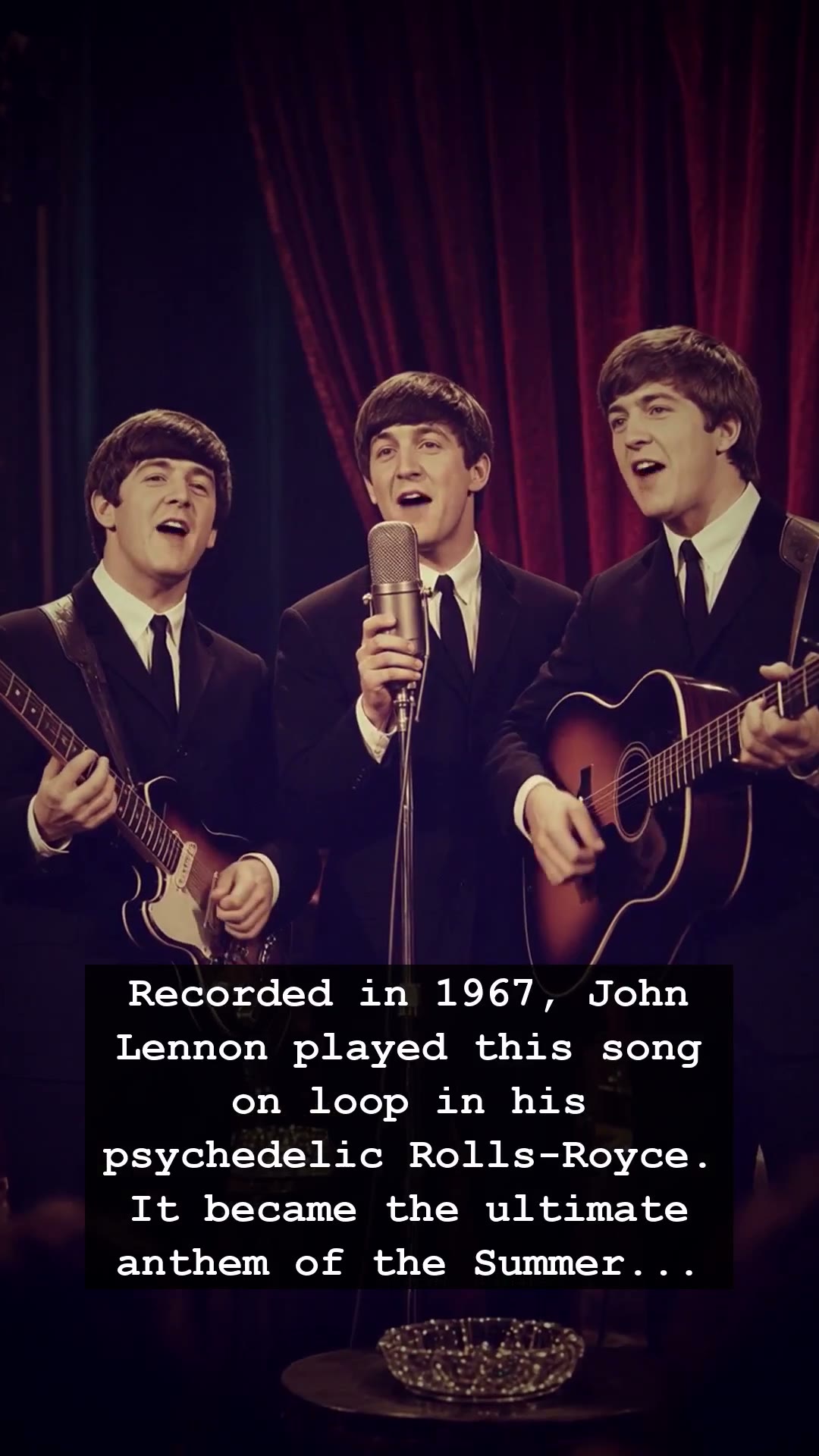
The Secret Story Behind John Lennon and the Summer of Love Anthem

The year was 1967, and the world felt like it was shifting on its axis. In the heart of London, a custom-painted, psychedelic Rolls-Royce Phantom V navigated the grey streets, turning heads like a kaleidoscopic apparition. Inside, the air was thick with the scent of incense and the swirling, surreal melodies of a song that would soon become the definitive soundtrack to a cultural revolution. John Lennon, the man behind the wheel, was obsessed. He played this specific track on an endless loop, letting the hypnotic rhythm seep into the very frame of the vehicle, seemingly unaware that he was crafting the ultimate anthem for the Summer of Love.

At the time, John Lennon was navigating the turbulent transition from the clean-cut mop-top image of the early sixties to the experimental, consciousness-expanding spirit of the psychedelic era. While the public saw the vibrant flowers and the peace signs, those in the inner circle knew the atmosphere was charged with an intensity that bordered on the manic. The song, echoing from the speakers of his Rolls-Royce, captured that fragile balance between euphoria and melancholy. It was a siren call for a generation standing at the edge of the hippie movement, caught between the hope of utopia and the creeping shadows of a decade that would soon turn dark.

Back then, the music wasn’t just a product; it was a ritual. To hear it from the backseat of John Lennon’s car was to witness the raw intersection of art and identity. The song became a totem for the Summer of Love, a sonic bridge connecting millions of teenagers who, like Lennon, were searching for a new vocabulary to describe their world. It remains a staggering piece of history because it encapsulates the exact moment when the counterculture moved from the underground basements into the bright, blinding glare of the mainstream spotlight.

There is a haunting quality to the way John Lennon championed this music. It suggests a man trying to outrun his own mounting fame, finding solace in the abstract textures of experimental sound. While the media painted the Summer of Love as a carefree festival, the reality behind the curtain—the relentless pressure on Lennon and his contemporaries, the chemical experimentation, and the inevitable fracturing of the band—told a more complex, bittersweet story. This song was the calm at the center of his personal hurricane.

Decades later, the echoes of that psychedelic Rolls-Royce still resonate. We still play these tracks to conjure the ghosts of an era that promised everything and changed the world forever. John Lennon may have been just a driver in a decorated car, but he was also the conductor of a generational shift. As the music fades, we are left wondering how much of that magic was a deliberate artistic choice and how much was simply a desperate, beautiful attempt to find clarity in the chaos. Take a moment to listen again, and you might just hear the ghosts of 1967 whispering through the static.

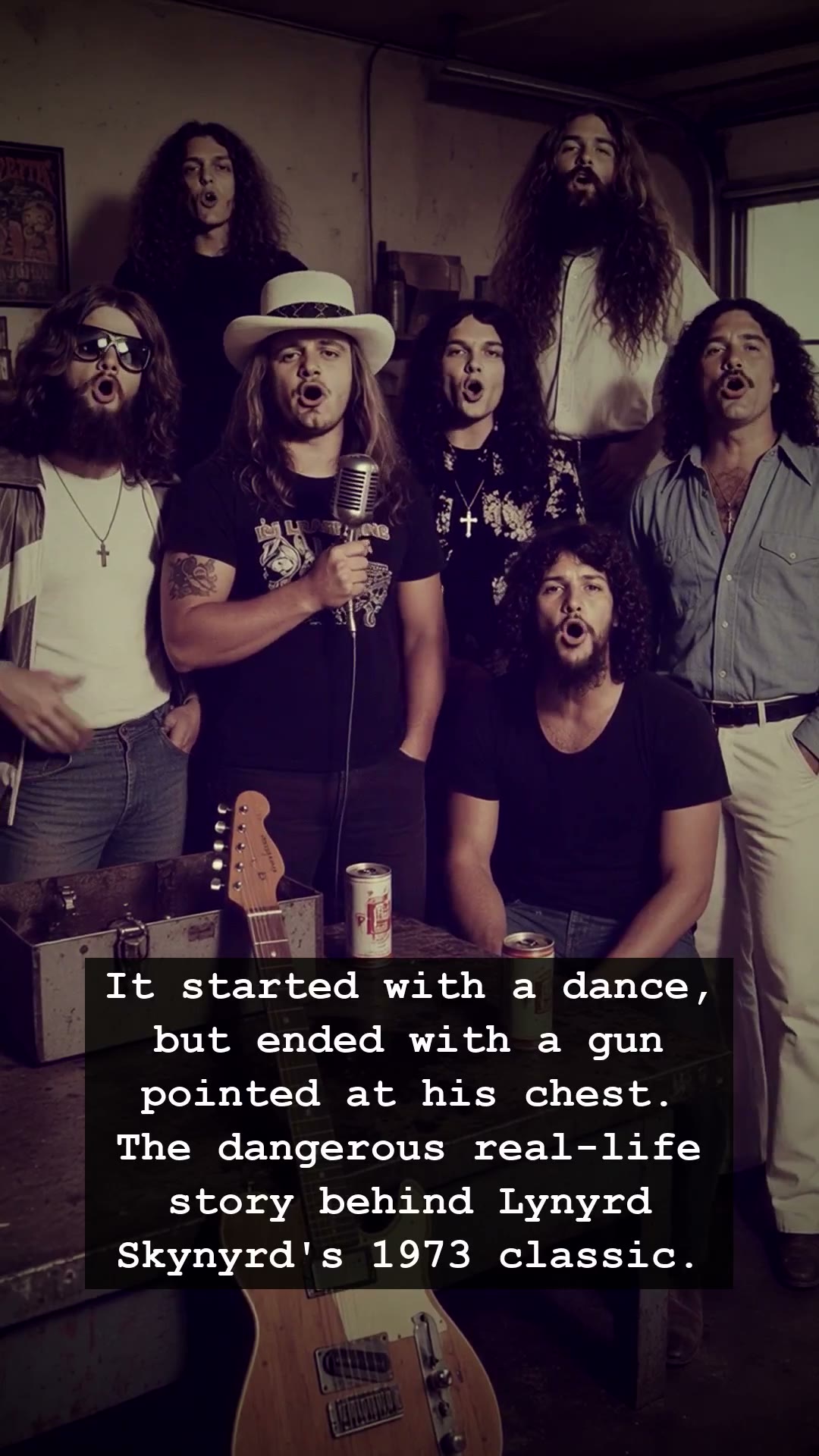
Ronnie Van Zant and the Gunpoint Standoff Behind Lynyrd Skynyrd’s Legend

It started as an ordinary night at a local dance, a scene typical of the humid, restless atmosphere of the early seventies in the American South. But for Ronnie Van Zant, the night would take a sharp, life-threatening turn when a stranger approached him and leveled a loaded gun directly at his chest. In that chilling, heartbeat-skipping moment, the future frontman of Lynyrd Skynyrd stood face to face with his own mortality. Most men would have folded, but Ronnie Van Zant possessed a defiant, blue-collar grit that refused to be silenced by fear. That brush with death did not break him; instead, it forged the iron-willed soul of a man who would soon define the sound of Southern Rock for a generation.

In the era of the Jukebox and the rise of FM radio, Lynyrd Skynyrd emerged not as polished pop stars, but as the raw, unvarnished voice of the working class. Ronnie Van Zant was the heartbeat of this revolution. He was a storyteller whose lyrics captured the essence of life in small-town America, balancing the swagger of whiskey-soaked bars with the vulnerability of a man who knew exactly how fragile existence could be. The incident with the gun became a haunting piece of his internal mythology, a reminder that the world was a dangerous place and his time to leave a mark was limited. This urgency permeated every chord that Gary Rossington and Allen Collins played, turning their rehearsals into a pressurized vessel of musical brilliance.

By 1973, the band had burst onto the scene, bringing the spirit of the South to national stages. While the rest of the country was navigating the shifting tides of the disco craze or the polished sheen of seventies pop, Ronnie Van Zant and his bandmates were carving out a niche rooted in authenticity. They were the antithesis of the glitter-covered icons of the time. When you listen to their debut records, you are not just hearing music; you are hearing the tension of that standoff, the dust of the road, and the unwavering conviction of a frontman who lived life like every song could be his final performance.

There was a dark magnetism to the band that captivated the youth culture of the era. The internal dynamics were often as volatile as the music itself, fueled by a brotherhood that was intense, demanding, and occasionally self-destructive. Ronnie Van Zant held it all together with a ferocious demand for perfection. He was the anchor in a storm of alcohol, travel, and the crushing pressure of sudden superstardom. His lyrics were not merely words; they were directives, guiding a restless generation through the complex labyrinth of American life.

Today, we look back at the legacy of Ronnie Van Zant with a sense of profound reverence. The story of that night with the gun has become a cornerstone of rock folklore, illustrating exactly why his music remains timeless. He taught us that true legends are not born in the comfort of a studio, but in the crucible of real-world adversity. As the needle drops on a scratched vinyl record and the opening notes of Free Bird fill the room, we are transported back to that era, feeling the echoes of a man who dared to stare death in the eye and chose to sing about it instead. It is a haunting, beautiful reminder that while the music might be decades old, the fire that sparked it never truly fades away.

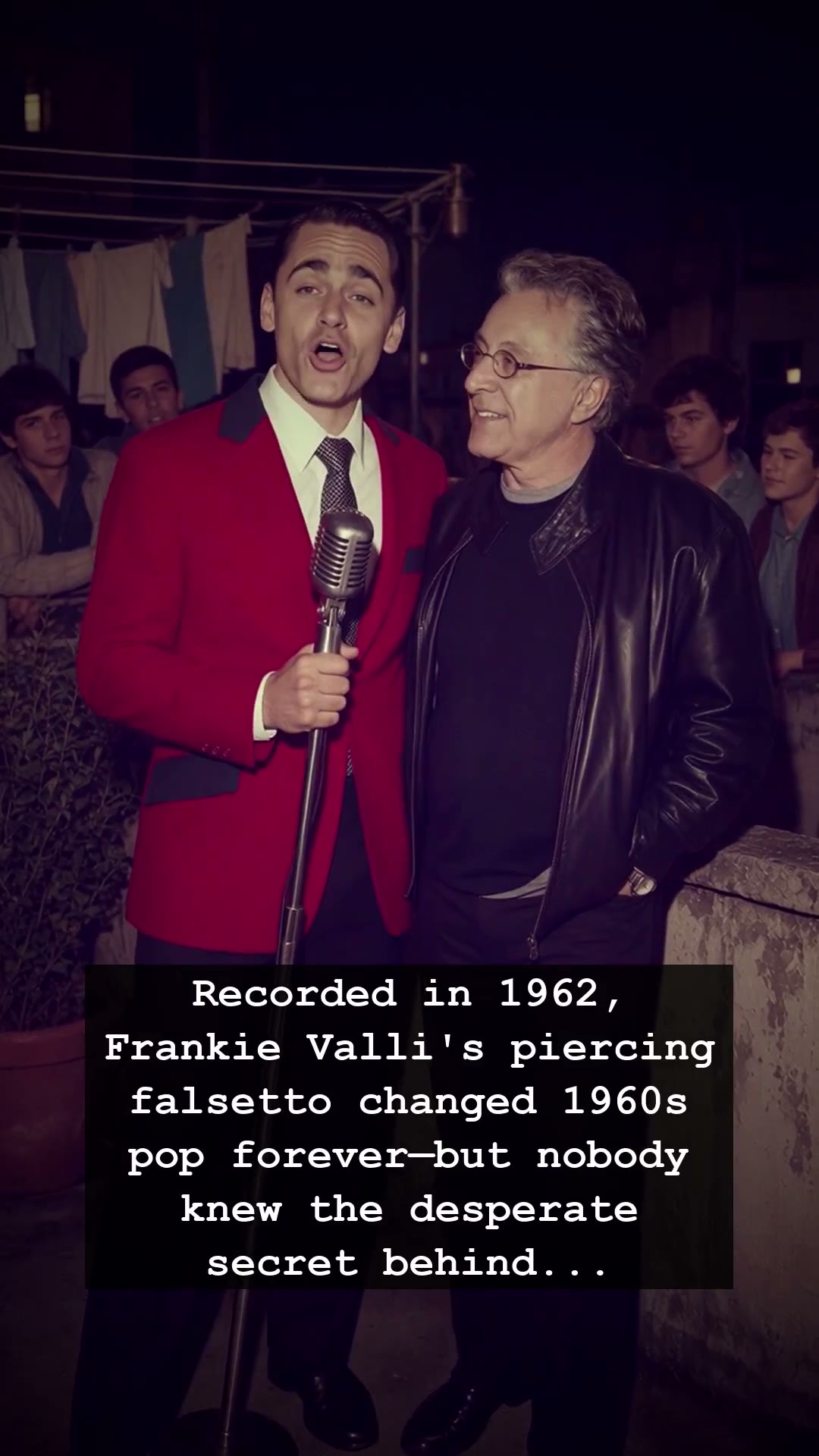
Frankie Valli: The Dark Secret Behind the Voice That Defined the 60s

In 1962, the airwaves were crowded with the sounds of the jukebox, but one voice sliced through the static with the precision of a razor blade. It was a piercing, crystalline falsetto that defied the laws of anatomy, emanating from a man who seemed to carry the weight of the streets in his soul. Frankie Valli and The Four Seasons had arrived, and with hits like Sherry, they changed the trajectory of American pop forever. Yet, as the world danced to the beat of this new sensation, few listeners realized that the soaring notes that defined the decade were masking a reality far more desperate and complicated than the polished melodies suggested.

Frankie Valli was not a product of polished conservatories; he was a product of the rough-and-tumble streets of Newark, New Jersey. His journey to the top was paved with grit, poverty, and a relentless drive that bordered on the obsessive. When he hit that iconic falsetto, he wasn’t just singing; he was performing an act of sonic survival. For years, Frankie Valli labored in obscurity, playing dingy lounges where the cigarette smoke hung so thick you could carve it, honing a vocal range that was designed to cut through the din of drunken crowds and indifferent bar-goers. It was a technical necessity born from the sheer need to be heard above the noise.

Behind the success, the life of Frankie Valli was a stark contrast to the catchy, upbeat rhythms of his records. The music industry in the early 1960s was a shark tank, and the pressures of sudden fame, grueling tours, and the constant threat of artistic obsolescence created a pressure cooker environment. While his bandmates navigated the internal tensions of a group trying to maintain its identity, Frankie Valli carried the heavy burden of being the voice of an era. The studio became his sanctuary and his torture chamber, as he pushed his vocal cords to the brink of collapse to capture the perfection that the public craved.

There is an undeniable, haunting quality to the legacy of Frankie Valli that keeps his music relevant even today. When we listen to his tracks now, we are not just hearing a pop song from the golden age of American music; we are hearing the echo of a man fighting to transcend his surroundings. This wasn’t the manufactured pop of later decades, but a raw, emotional output that mirrored the changing social landscape of a country on the edge of massive cultural shifts. He captured the longing and the urgency that defined the lives of his generation, long before the cultural revolution of the late 60s took hold.

Even as the industry evolved toward the psychedelic rock and experimental sounds of the coming years, the influence of that falsetto remained a gold standard. Frankie Valli didn’t just sing songs; he told stories of love, loss, and survival that still resonate with anyone who has ever tried to find their voice in a noisy world. The next time you hear one of those classic tracks playing, take a moment to listen past the melody. You might just catch the whisper of the man behind the myth, a legend whose greatest secret was simply the courage to keep on singing.