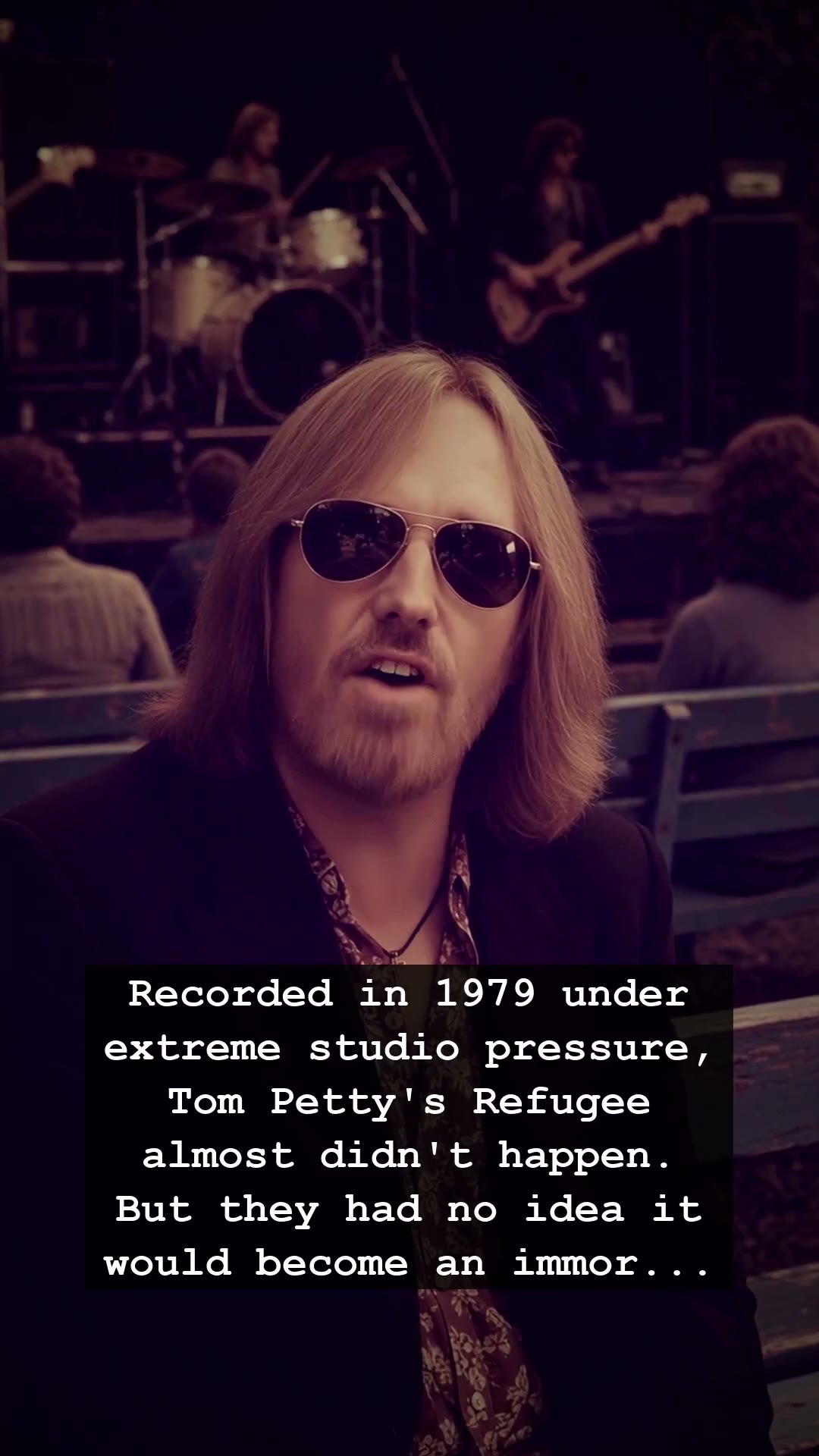
The Hidden Struggle Behind Tom Petty’s Immortal Anthem Refugee

It was 1979, the air in the studio was thick with tension, and the future of a band hung by a single, frayed thread. Outside, the world was shifting; the disco era was starting to lose its glitter, and a new, grittier sound was clawing its way to the surface. Inside the recording booth, Tom Petty was exhausted. He was not just fighting for a hit; he was fighting to keep his creative identity intact against the relentless pressure of a music industry that viewed artists as products. This was the volatile birth of Refugee, a song that would eventually define a generation, though at the time, it felt like a desperate act of survival.

The sessions for the album Damn the Torpedoes were plagued by legal battles and financial uncertainty. Tom Petty was battling to retain control over his own catalog, a struggle that brought the Heartbreakers to the brink of dissolution. He remembers those late-night sessions as a crucible. The band was frayed, the clock was ticking, and the pressure to deliver something transcendent was suffocating. Every take felt like a gamble. When the opening chords of Refugee finally locked into place, the room didn’t erupt in celebration; it breathed a collective sigh of relief, though no one realized they had just captured lightning in a bottle.

Looking back, it is impossible to divorce the song from that specific moment in rock history. The late seventies were a strange transitional period where the polished excess of the previous decade met the cynical reality of the changing market. Tom Petty stood as a bridge between the classic songwriting sensibilities of the sixties and the raw, unvarnished energy that would soon define the decade to come. Refugee was not just a song; it was a manifesto of defiance. It resonated with a generation of listeners who felt equally disillusioned by the corporate machinery that sought to dictate their culture.

What makes the legacy of Tom Petty so enduring is the vulnerability he injected into his rock anthems. He was never the untouchable rock god; he was the guy with the battered Rickenbacker and a weary voice who understood exactly what it felt like to be against the ropes. When you listen to the driving rhythm of Refugee today, you can still hear the desperation of those 1979 studio nights. You can hear the hunger, the fear, and the absolute refusal to fold under pressure. It is a rare piece of music that feels as urgent today as it did when it first hit the airwaves.

The legend of Tom Petty continues to echo through the halls of rock history, reminding us that the greatest art is often born from the deepest conflict. As we look back at the era of the Jukebox and the rise of MTV, his contribution remains a pillar of authentic songwriting. Refugee stands as a testament to his resilience, a permanent reminder that even when everything seems to be falling apart, the right melody can hold the world together. The next time you hear those iconic opening notes, remember the struggle that birthed them and the man who refused to back down.
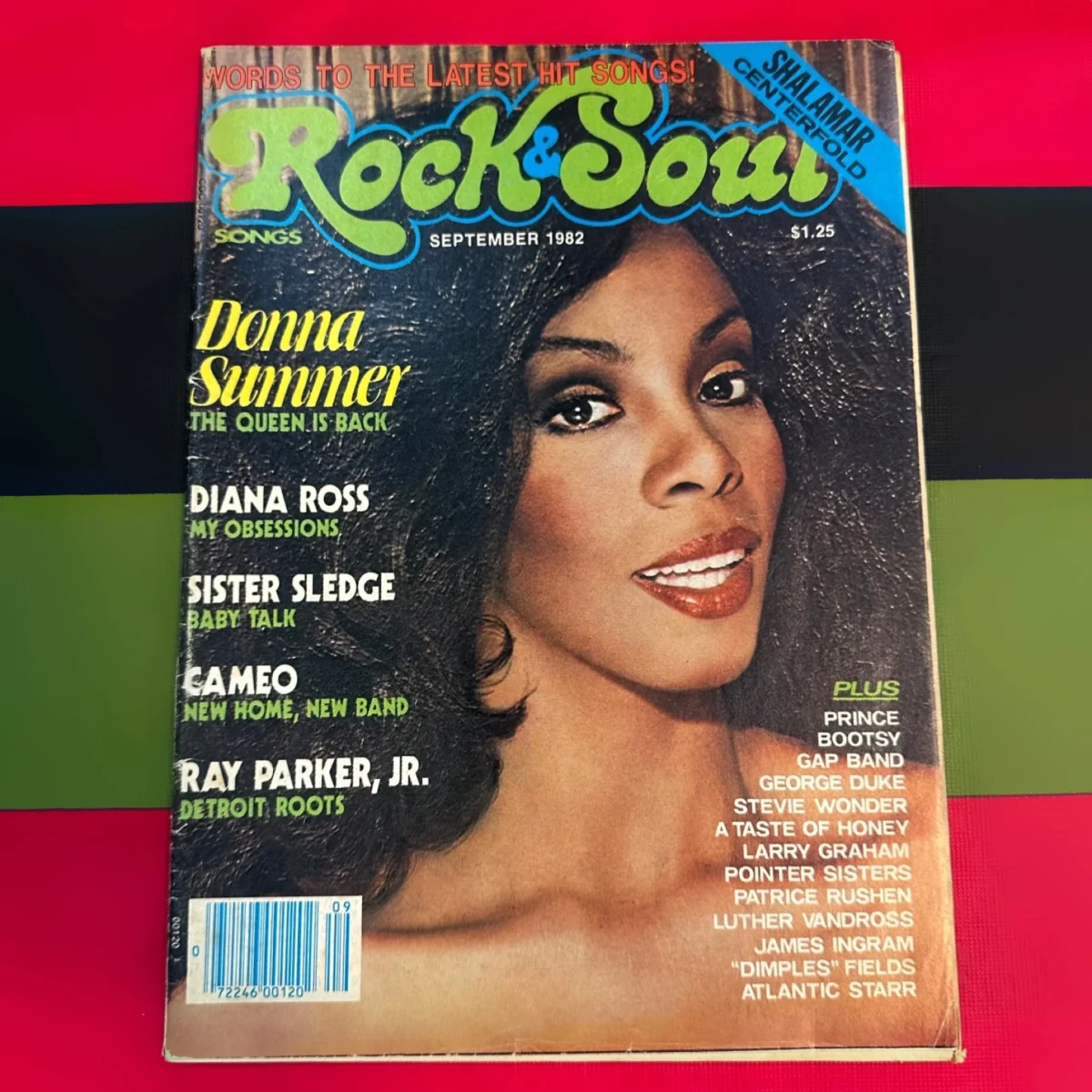
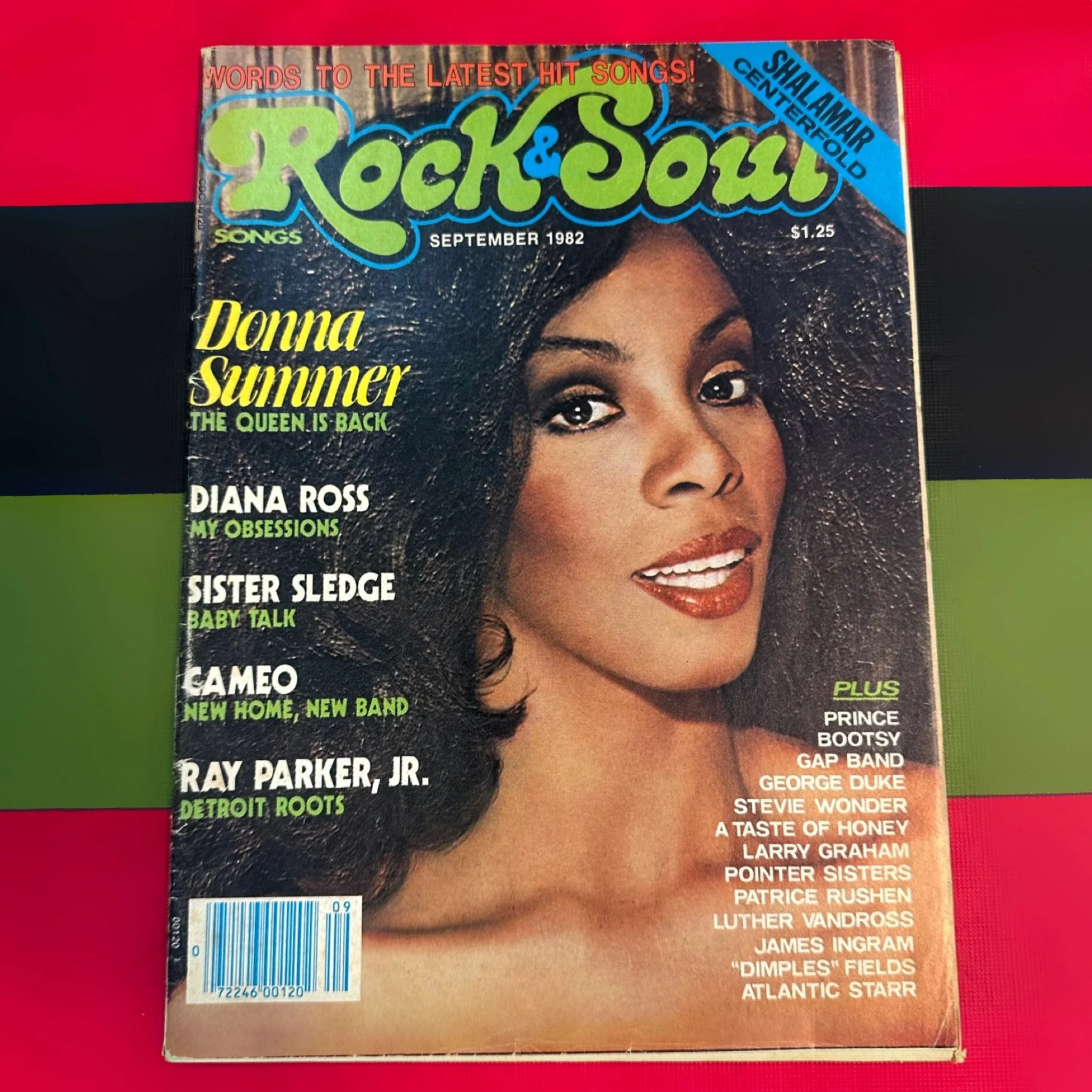
Donna Summer: From Church Choir Girl to Studio 54 Disco Queen

Before the glitter of Studio 54 blinded the world and the relentless pulse of the disco beat became the anthem of a generation, a young girl stood in a Boston church, her voice resonating through the rafters. Long before the global fame, Donna Summer was simply a soulful child finding her power in gospel melodies. It is a striking irony that the woman who would eventually be crowned the Queen of Disco, synonymous with late-night revelry and hedonism, began her journey in the pews. Nobody in that quiet Massachusetts congregation could have predicted that this spiritual intensity would one day be channeled into the rhythmic, hypnotic sounds that ignited a global revolution.

As the 1970s dawned, the music landscape was ripe for a seismic shift. The world was tired of the grit of the late sixties, craving an escape into something synthetic, shimmering, and undeniably transcendent. Donna Summer arrived at exactly the right moment. With the help of legendary producer Giorgio Moroder, she transformed the traditional soul vocal into something electronic and futuristic. Their collaboration on tracks like I Feel Love pushed boundaries, stripping away the organic instrumentation of the era and replacing it with pulsating synthesizers that sounded like the dawn of a new civilization. It was daring, it was provocative, and it was undeniably infectious.

Yet, the ascent was not without its shadows. The pressure of being the face of an entire movement, combined with the frenetic, drug-fueled atmosphere of clubs like Studio 54, took a toll. Donna Summer often felt trapped between her religious upbringing and the demands of a music industry that wanted her to embody liberation. She was the star of the dance floor, yet she remained a complicated, deeply private figure. This internal conflict between the soul-baring gospel roots and the cold, mechanical precision of disco provided the tension that made her performances so visceral and haunting.

What makes the legacy of Donna Summer endure today is not just the hits, but the sheer emotion she poured into every note. When you listen to a classic record today, you are not just hearing a dance track; you are hearing the echo of a performer who understood how to merge high-concept production with raw, human feeling. Her presence in the booth was legendary, often recording in the dark to tap into the very essence of the lyrics, turning studio sessions into cathartic, almost religious experiences that defied the superficiality often associated with the disco era.

Even as the disco bubble burst and trends shifted toward the grunge and hip-hop eras that followed, the influence of Donna Summer remained etched into the cultural bedrock of American music. She bridged the gap between the soul singers of the fifties and the electronic icons of the future. Whether you remember the neon lights and the smell of hairspray or are just discovering the magic through a vintage jukebox, the voice of Donna Summer is a portal back to a time when music felt like a total, transformative escape. She gave us the soundtrack to our dreams and, for one shimmering moment, made us believe that the night would never end.

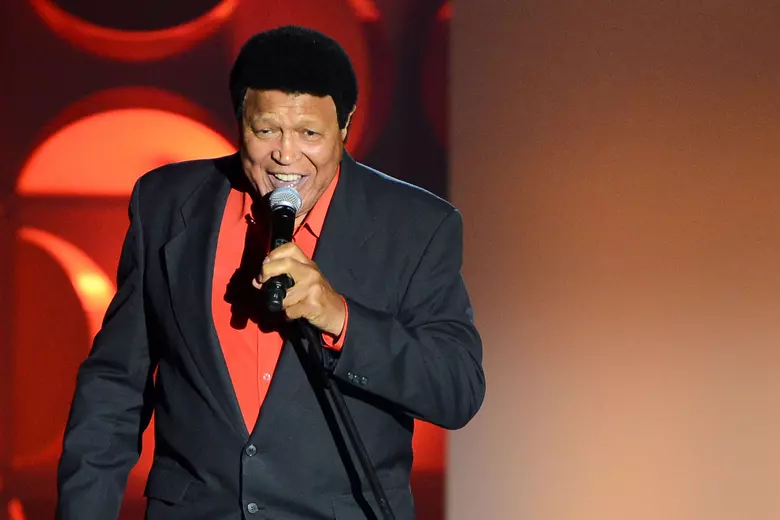
The Twist: How Chubby Checker Made Chart History Twice in 1962

It was a humid summer night in 1962, the kind where the neon lights of a roadside diner seemed to hum in sync with the juke box playing in the corner. If you were alive then, you remember the cultural earthquake that started with a simple, swiveling hip movement. Chubby Checker was not just a singer; he was the catalyst for a societal revolution. While the world was mesmerized by the burgeoning influence of the early television era and the growing reach of radio, Chubby Checker stepped onto the scene with a song that would defy the logic of the music industry: The Twist. It was an infectious rhythm that bridged the gap between the sock-hop innocence of the late fifties and the more rebellious energy that was about to overtake the decade.

Most artists dream of hitting the number one spot on the Billboard charts just once in their lifetime. Yet, Chubby Checker achieved the unthinkable—he reached the top twice with the same track, separated by nearly two years. When the song was first released, it was a modest success, but something shifted in the collective consciousness of America. Teenagers in suburban basements and adults in smoky lounges were suddenly obsessed with the act of grinding an imaginary cigarette into the floor while twisting their hips. It was a dance that felt dangerously liberated, breaking the rigid choreography of the ballroom era and paving the way for the unrestrained self-expression of the sixties.

Behind the scenes, the story was less about the glamour of stardom and more about a young man suddenly caught in a whirlwind of unexpected fame. Chubby Checker, born Ernest Evans, had a stage presence that commanded every room he entered, but the pressure to maintain this unprecedented level of success was immense. The industry was frantic, trying to replicate the magic of that rhythm, but they were chasing a ghost. The phenomenon of The Twist was not manufactured in a sterile studio; it was born from the raw energy of the American youth who were hungry for a new language of movement.

It is fascinating to look back at that era through the lens of history. The success of Chubby Checker highlights a time when music was the primary heartbeat of the nation, transmitted through the crackle of AM radio and the grainy black-and-white screens of early television programs. There was a genuine, analog beauty to the way people consumed music back then, waiting for their favorite track to hit the airwaves. The Twist became a cultural anchor, a moment in time where everyone, regardless of background, was united by a single, simple dance.

Decades later, the legacy of Chubby Checker remains cemented in the bedrock of popular culture. The song still resonates, appearing in films and at every nostalgic wedding reception as a reminder of a simpler, high-energy past. It reminds us that sometimes, history is made not by grand plans, but by a catchy groove and a generation ready to move. As we look back, we realize that Chubby Checker didn’t just top the charts; he etched his rhythm into the very DNA of rock and roll, ensuring that even today, we can’t help but twist the night away.

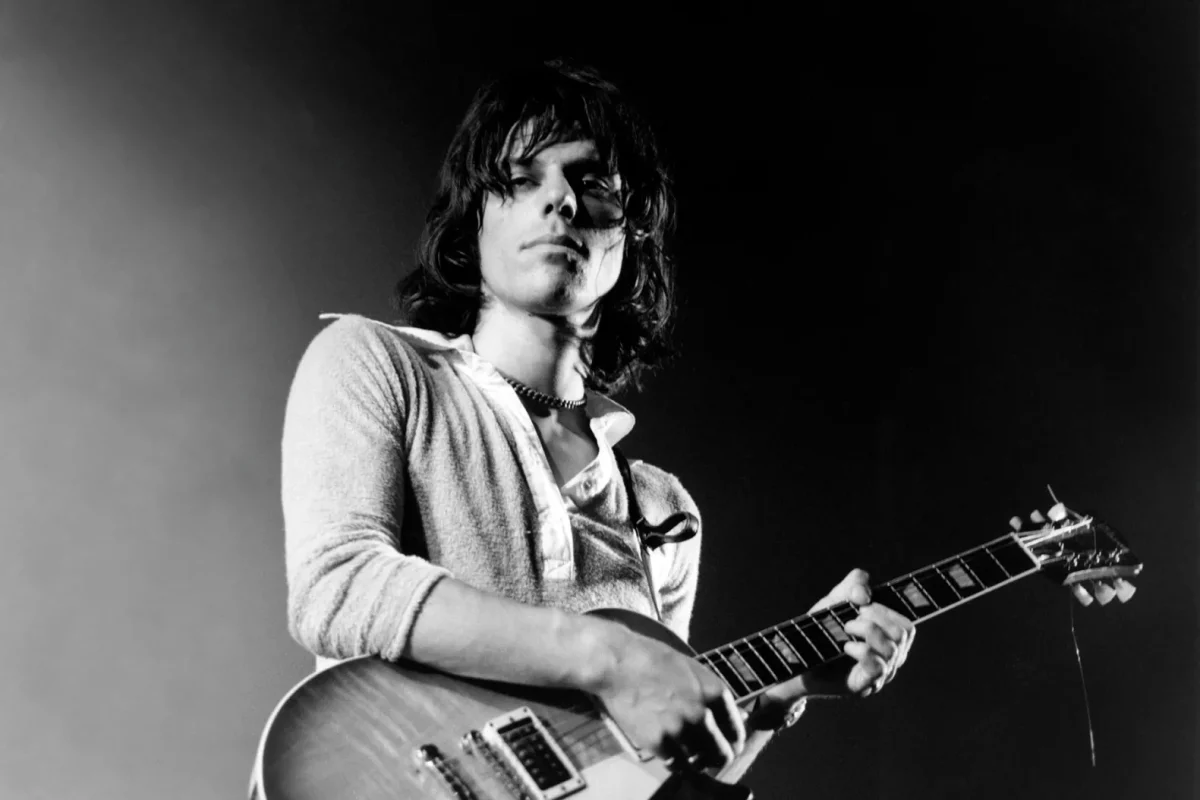
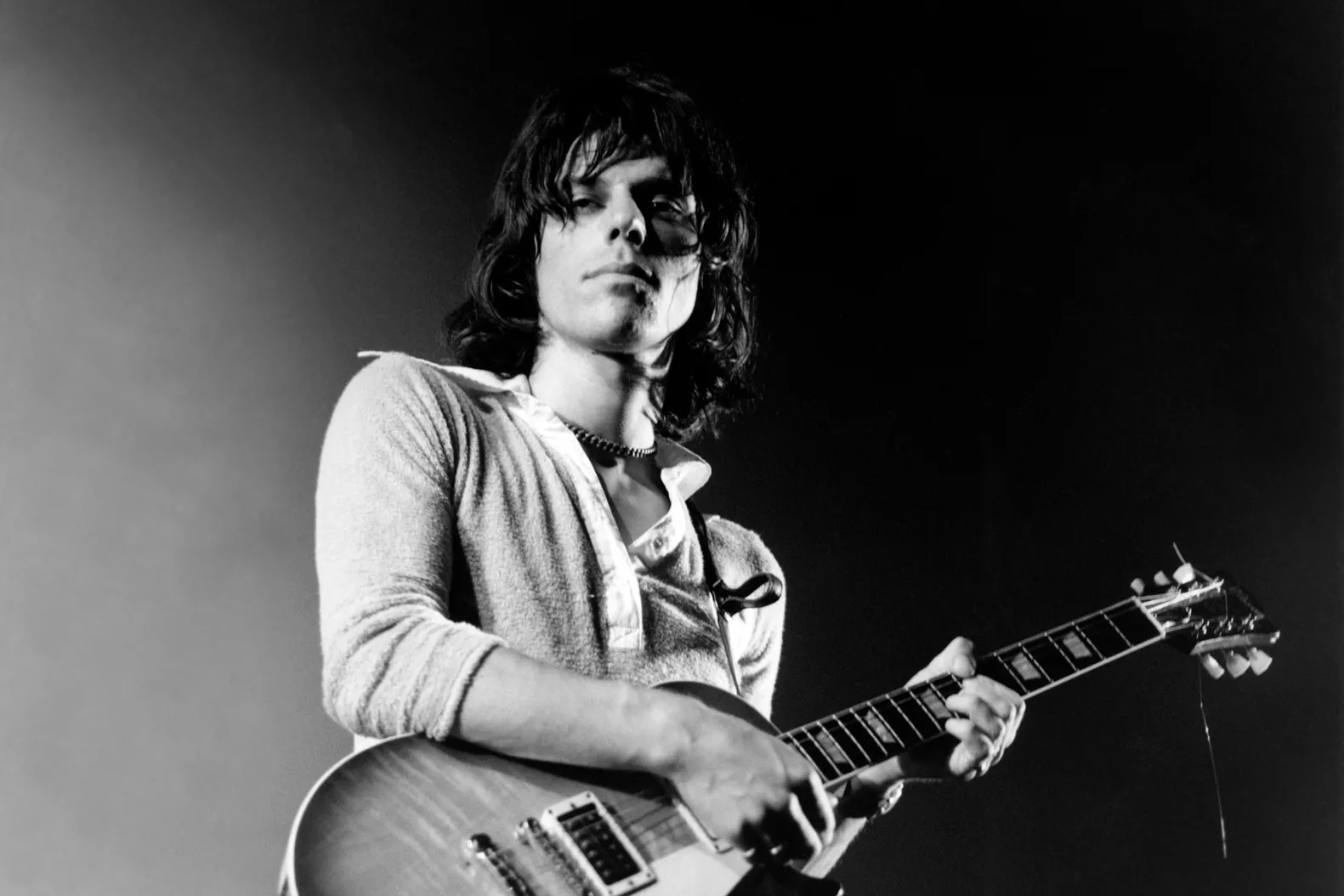
The Night Jeff Beck Stopped Time With A Haunting Tribute To Lenny

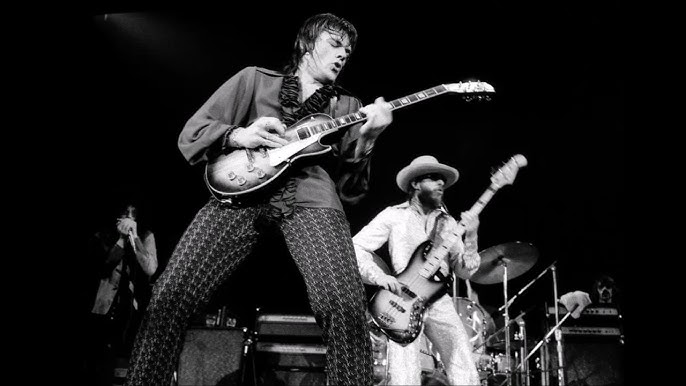
The air inside the dimly lit London club in 1989 was thick with the scent of stale tobacco and anticipation. The era of the Walkman and the neon-soaked excess of the late eighties was in full swing outside, but inside these four walls, the world seemed to slow to a crawl. The audience had come for the technical brilliance of a guitar virtuoso, yet nobody was prepared for the vulnerability that was about to unfold on that stage. As Jeff Beck stepped into the spotlight, he didn’t reach for the frantic, high-octane riffs that had defined his career. Instead, he cradled his guitar and struck a singular, mournful chord that seemed to shiver through the very floorboards.

He began to play Lenny, the instrumental masterpiece originally penned by Stevie Ray Vaughan as a tender love letter to his wife. When Jeff Beck started playing this haunting tribute, the entire London club fell into total silence. It was a rare, sacred moment where the clinking of glasses ceased and the restless murmur of the crowd vanished into the ether. Beck was not just playing notes; he was channeling a ghost. With his signature dexterity, he bent the strings with a soul-crushing precision that felt like a quiet confession, stripping away the heavy production and synthesizers that dominated the radio airwaves of that decade.

To understand why this moment remains etched in music history, one must remember the weight of the man behind the instrument. Jeff Beck was the ultimate sonic explorer, a restless innovator who had moved from the blues-rock explosion of the sixties to the experimental jazz-fusion of the seventies. Yet, in this specific performance, he retreated into the purest form of storytelling. He understood that the genius of Lenny lay not in speed, but in the spaces between the notes. He played with a restrained intensity, proving that even a titan of rock could be reduced to tears by the simple, aching beauty of a melody.

This performance served as a poignant reminder of a transitional period in music, falling just before the grunge explosion would tear down the old guard in the early nineties. As the echoes of his guitar faded into the smoky rafters, there was a palpable sense that the audience had witnessed something unrepeatable. It was the human element of rock and roll, stripped bare of the flash and ego that often clouded the London music scene at the time. Jeff Beck had managed to turn a crowded room into a private sanctuary of grief and grace.

Decades later, the memory of that evening continues to resonate with those of us who grew up under the flickering glow of television sets during the golden age of guitar heroes. Jeff Beck would go on to influence generations of musicians, but for those present that night, the memory remains a tether to a time when music didn’t just entertain—it stopped time. It serves as a testament to the fact that while trends in the industry shift, the power of a genuine, heart-felt performance remains eternal. Close your eyes and listen to the recording today; you can still feel the silence of that London crowd, holding its breath for a legend.

The Hidden Secret: The Truth Behind Barry White’s Mysterious Age

In the golden era of soul music, where the deep vibration of a voice could fill a smoke-filled lounge and define an entire decade of romance, one man stood as a titan. Barry White was the Maestro of Love, the man whose velvet baritone became the sonic backdrop for millions of first dates and candlelit nights. Yet, for nearly his entire career, a heavy curtain of mystery draped over his personal identity. While fans were busy swooning over the rhythmic seduction of his tracks under the glow of a spinning disco ball, the man himself was guarding a secret that seemed trivial to some, but was deeply personal to him: his actual date of birth. For decades, the media speculated, and rumors swirled through the hallways of record labels, but Barry White held his ground, keeping his true age a tightly guarded enigma.

To understand the gravity of this silence, you have to transport yourself back to the 1970s, an era when pop stars were meticulously packaged by industry executives. Image was everything. From the flashy excess of Studio 54 to the high-stakes world of soul radio, artists were often encouraged to shave off a few years to remain evergreen in the eyes of a younger audience. Barry White, however, navigated this landscape with a unique command. He wasn’t just a singer; he was an arranger, a conductor, and a producer who built symphonic layers of sound that felt timeless. His deep, resonant voice made him sound like a man who had seen everything, making the mystery of his age feel like part of his mystical aura. Was he younger than his persona suggested, or perhaps, was he hiding the wisdom of an older soul?

It wasn’t until the very end of his storied life that the curtain finally fell, and the truth about Barry White was revealed to the public. As the headlines shifted from his chart-topping hits to the final chapters of his legacy, the discrepancy between the public persona and reality became a footnote in his remarkable journey. It serves as a reminder that behind the velvet suits and the iconic, low-register whispers, there was a man carefully curating his own myth. He understood that in the music industry, sometimes the truth is far less compelling than the legend you build around yourself.

Even today, long after the needle has lifted from the vinyl, Barry White remains an untouchable icon of soul and funk. His music still resonates because it captures a specific kind of sincerity that is rarely found in the digital age. Whether he was thirty-five or forty-five during his peak, the impact remained the same. He crafted a soundscape that transcended the calendar. The next time you find yourself swaying to the lush strings and steady heartbeat of his legendary tracks, remember that the Maestro of Love was always two steps ahead of his audience, quietly controlling the narrative of his own life until the very final note.

His legacy persists not because of the numbers in a birth record, but because of the way he made the world feel. He proved that an artist could maintain their privacy in an age of constant exposure, weaving a mystery that kept us listening for years. Barry White didn’t just sing songs; he soundtracked our memories, leaving us to wonder, just for a moment, what other secrets might be hidden in the rhythm.

The Brilliant Lie Behind The Righteous Brothers’ Iconic Lovin’ Feelin’

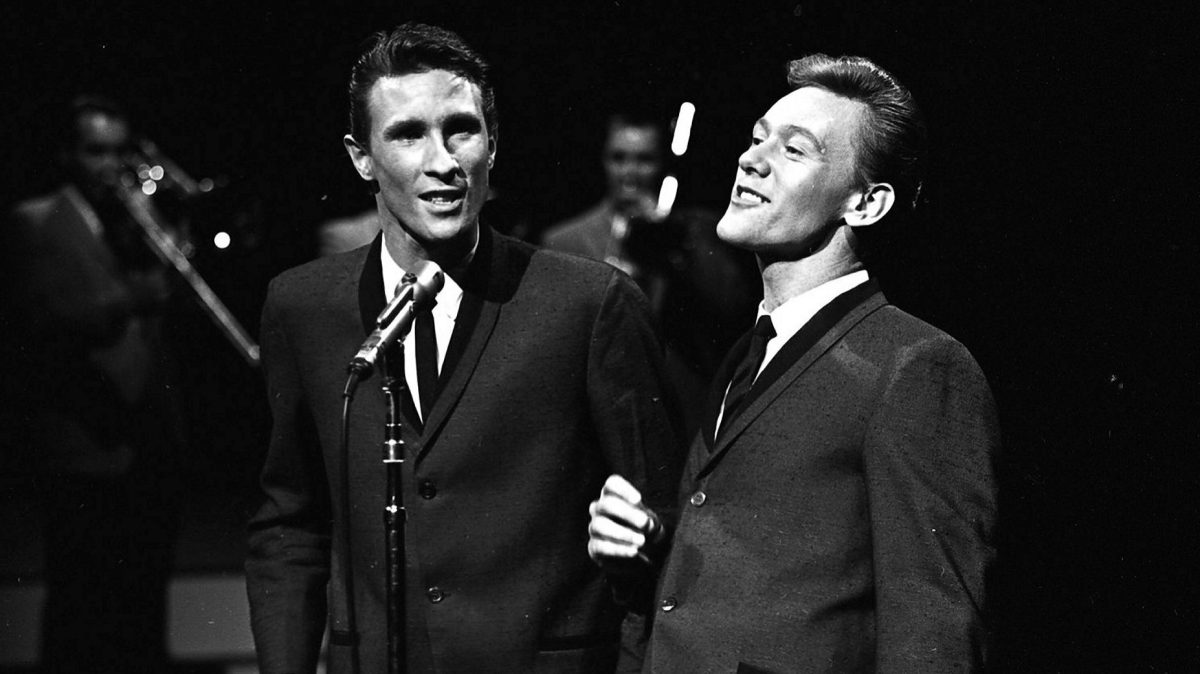
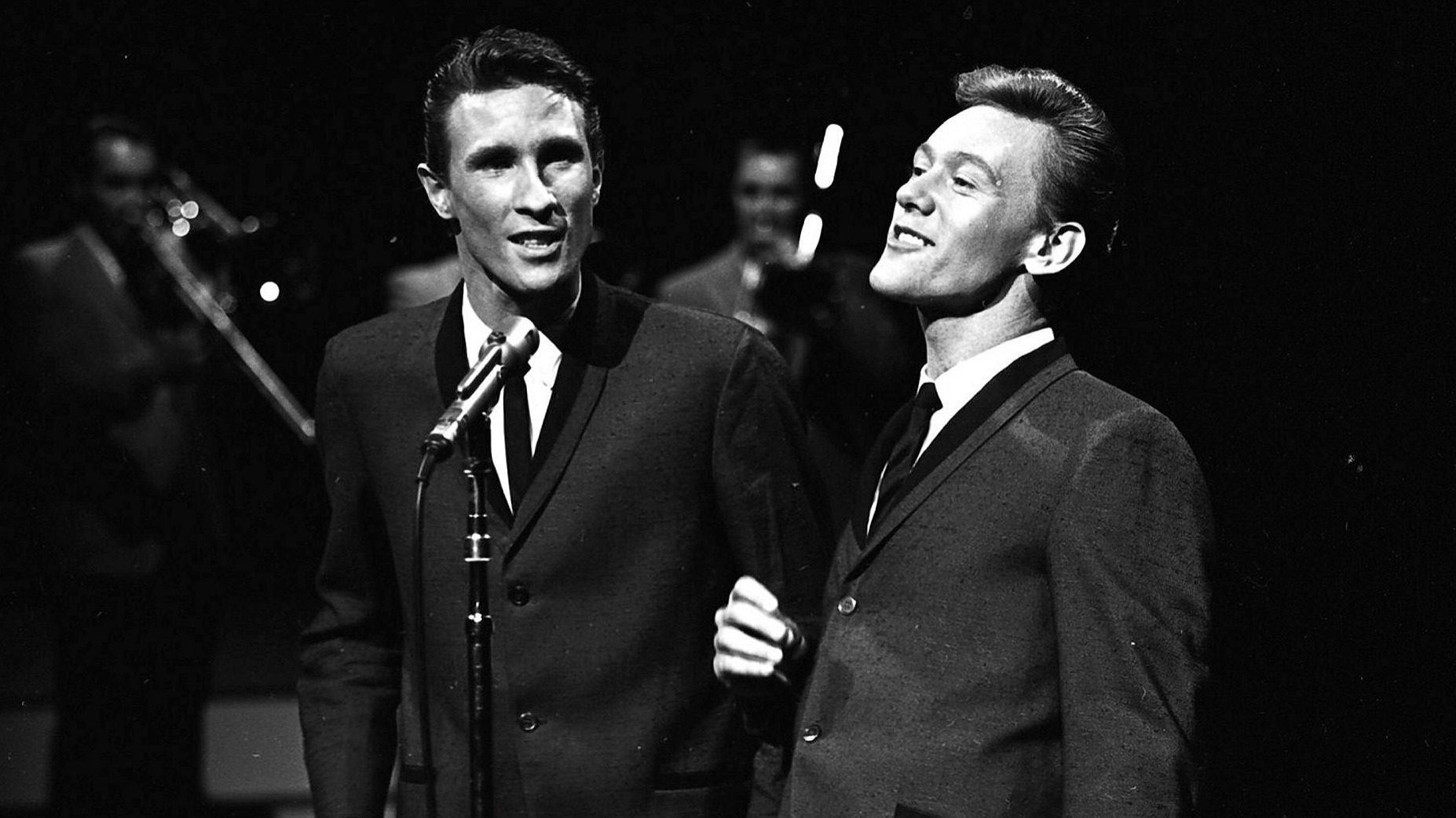
In the golden era of the 1964 jukebox culture, radio airplay was governed by a strict, unwritten law: keep it short, keep it snappy, and never dare to exceed the three-minute mark. When The Righteous Brothers entered the studio with the legendary producer Phil Spector, they emerged with a masterpiece that defied every rule in the book. You’ve Lost That Lovin’ Feelin’ was a soulful, sweeping wall of sound, but it clocked in at nearly four minutes. In a world where radio DJs demanded brevity, this song was considered a commercial suicide note before it even hit the airwaves.

Spector, the mastermind known for his intense perfectionism, faced a wall of skepticism. Every station manager scoffed at the length, claiming listeners would lose interest long before the chorus reached its emotional climax. Desperate to get The Righteous Brothers the exposure they deserved, Spector concocted a brilliant, calculated lie. He printed fake labels for the promotional records, listing the song’s duration as a radio-friendly 3:05, even though the actual track was much longer. It was a gamble of epic proportions, relying on the hope that once the DJs started playing it, they would be too captivated by the raw, melancholic power of the vocals to realize they had been deceived.

The trick worked better than anyone could have dared to dream. The Righteous Brothers, with their signature blue-eyed soul, created a cinematic soundscape that stopped listeners in their tracks. It wasn’t just a song; it was an experience. The deep, resonant baritone of Bill Medley contrasted perfectly with the soaring, desperate highs of Bobby Hatfield. As the track poured out of transistor radios and car speakers across America, the sheer emotional weight of the performance made the duration irrelevant. People didn’t care about the clock when they were busy falling in love or nursing a broken heart to the sound of that sweeping orchestral arrangement.

Looking back at that era, it is incredible to think how close this timeless classic came to being buried by rigid industry standards. The success of The Righteous Brothers changed the landscape of pop music, proving that listeners were hungrier for depth than they were for formulaic brevity. It became the most-played song in the history of American radio, a record that stands as a testament to the fact that when music speaks to the human soul, the rules of the industry simply fade into the background. The lie helped the song survive the censors, but the talent of The Righteous Brothers ensured it would live forever.

Today, when you hear the opening notes of that legendary piano line, you aren’t just listening to a track from 1964; you are hearing the echo of a revolution. It serves as a reminder of a time when music was an act of defiance, wrapped in beautiful melodies and heartbreak. As the song continues to resonate across generations, we are reminded that some stories are too big to be contained by a timer. Next time you hear those iconic voices, remember the daring deception that brought this masterpiece into our collective memory.

The Heartbreaking Financial Scandal Behind Salt-N-Pepa’s Golden Era Success

In the vibrant, neon-soaked days of the late 1980s, few forces were as unstoppable as Salt-N-Pepa. With their sharp lyrical wit and unapologetic swagger, Cheryl James and Sandra Denton redefined the hip-hop landscape, turning tracks like Push It into global anthems that echoed from every boombox and block party in America. They were the queens of the Golden Age, icons who seemed to own the world, yet behind the platinum records and the high-profile MTV appearances, a chilling reality was unfolding. While the public saw superstars living the American dream, the women behind the music were trapped in a gilded cage, struggling to make ends meet while their massive fortunes were siphoned away.

The tragedy of Salt-N-Pepa began with the ink on a predatory contract, a story all too common in an era where artists were often viewed as commodities rather than creators. Their management at the time operated with a ruthless efficiency that prioritized profit over the well-being of the stars. Salt-N-Pepa were generating millions, consistently topping the charts and selling out venues, yet they were reportedly kept on meager, strictly controlled weekly allowances. It is a haunting image: these trailblazing women, whose faces graced magazine covers and whose voices defined a generation, were left counting pennies while their own team allegedly bled their career dry behind closed doors.

This wasn’t just about bad business; it was a profound betrayal of trust that mirrors the darker side of the music industry’s history. Throughout the era of the Walkman and the rise of MTV, artists often signed away their rights in desperate bids for a shot at fame, unaware of the suffocating grip these legal documents would eventually have on their lives. For Salt-N-Pepa, the realization that they were being systematically exploited came as a devastating blow. The journey to reclaim their financial freedom was not just a legal battle; it was a grueling fight for their identity and their hard-earned dignity in an industry notorious for chewing up talent and spitting it out.

Looking back at their legacy today, the story of Salt-N-Pepa serves as a cautionary tale of how the most brilliant flames can be dimmed by the greed of those in the shadows. Their resilience is what truly resonates decades later, transforming them from mere pop icons into survivors who weathered the storm of institutional betrayal. Every time you hear the opening beat of a Salt-N-Pepa classic, it is worth remembering that their victory wasn’t just in the music they made, but in the fact that they survived the industry that almost destroyed them.

Their saga remains a vital chapter of the Golden Age, a reminder that the sparkle of celebrity often hides the deepest scars. As we continue to celebrate the legacy of Salt-N-Pepa, let us honor the strength it took for these women to break free and finally command the respect their immense contribution to music history truly deserves.

Jane’s Addiction: How a Farewell Tour Changed Rock History Forever

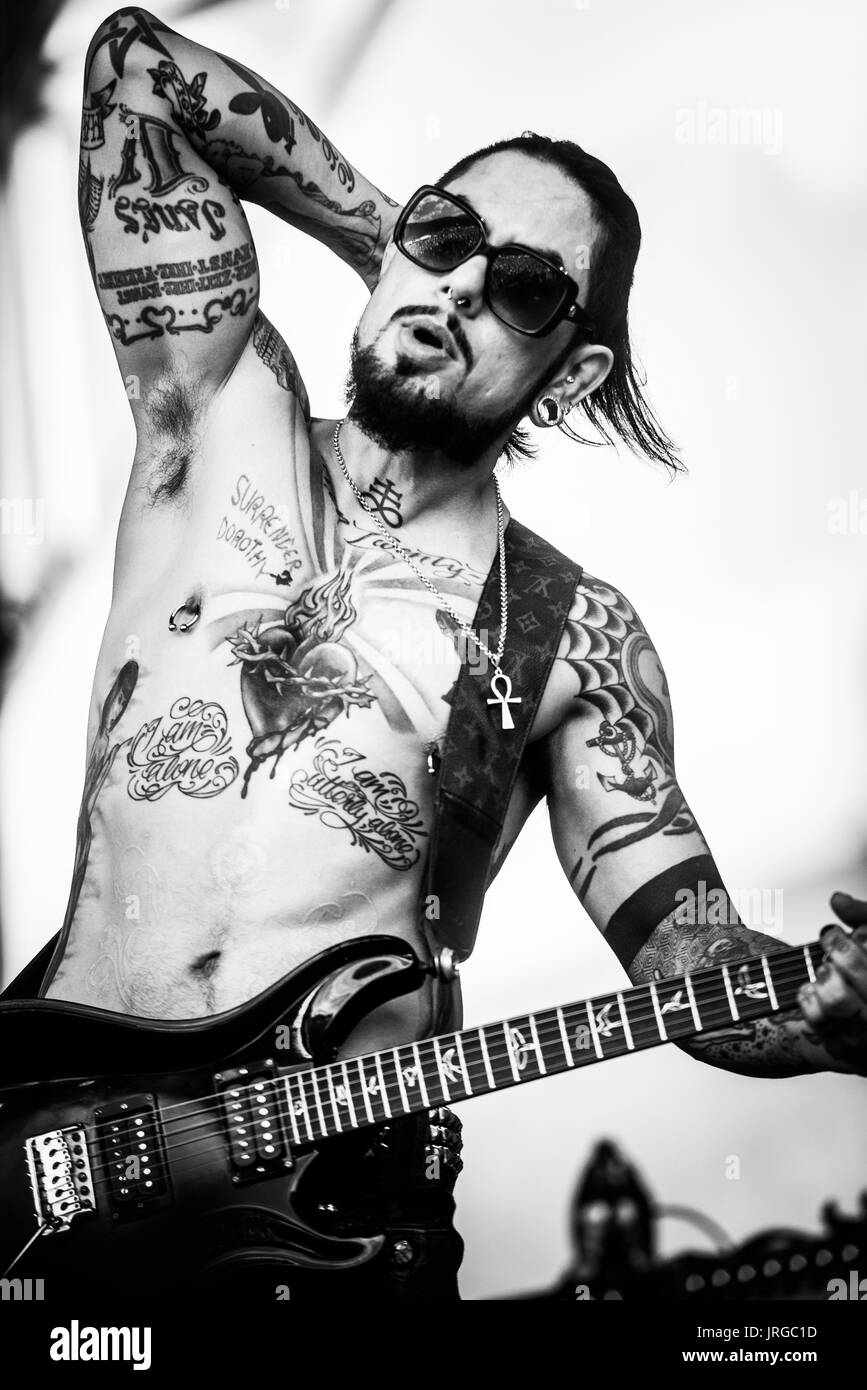
The year was 1991, and the air in the Los Angeles rock scene felt heavy, saturated with the frantic energy of a band ready to shatter. Jane’s Addiction, the eclectic kings of the underground, were spiraling. Behind the scenes, the tension between frontman Perry Farrell and his bandmates had reached a fever pitch. Drugs, creative friction, and the sheer weight of their rapid ascent to fame had turned the studio into a pressure cooker. To the outside world, they were the architects of a new, gritty sound that defied categorization, but internally, the seams were bursting. Farrell decided that the only way forward was to orchestrate an ending—a final, massive farewell tour that would serve as the band’s grand curtain call.

He called this final act Lollapalooza. It was never intended to be a cultural institution or the launchpad for a decade of alternative rock dominance; it was simply meant to be the last stand for Jane’s Addiction. As the band traveled across the country, the atmosphere was thick with the scent of cheap cigarettes and the raw electricity of a generation waiting for a spark. The irony remains profound: while the members of Jane’s Addiction were busy pulling their own world apart, they were simultaneously constructing a massive, traveling circus that would unite the disparate tribes of the American youth. From the angst-ridden grunge kids to the art-school rebels, everyone gravitated toward the magnetism of a stage that felt dangerous, unpredictable, and entirely authentic.

There was something visceral about those early nineties shows. You could feel it in the sticky floors of the venues and the distorted feedback that defined the era. Jane’s Addiction wasn’t just performing music; they were providing a soundtrack for the societal shift occurring outside the mainstream bubble of the previous decade. While the hair metal bands of the eighties were fading into caricature, Perry Farrell and his cohorts were stripping everything back to the bone. Their music possessed a dark, psychedelic edge that felt both ancient and shockingly new, a perfect mirror for the looming uncertainty of a post-Cold War America that was beginning to embrace the underground.

Looking back, the birth of Lollapalooza feels like a mythic event, a collision of ego and artistic necessity that unexpectedly defined the nineties. The band was falling to pieces, yet in their wreckage, they built a sanctuary for the misfits. This wasn’t the polished perfection of MTV’s golden years; it was raw, messy, and occasionally volatile. The conflicts that tore Jane’s Addiction apart were the very things that injected the tour with an unfiltered intensity that audiences had never experienced before. It was a high-wire act performed without a net, and for one final moment, it held the entire culture in its grasp.

Today, the legacy of that tour remains a cornerstone of rock history. Even as the original members moved on, the ghost of those 1991 shows still haunts the modern festival circuit. Jane’s Addiction may have begun that tour with the intention of saying goodbye, but they ended up writing the introduction to a brand-new chapter in music. It serves as a poignant reminder that sometimes, the most beautiful things in life aren’t built to last—they are ignited by the fire of their own destruction, leaving an indelible mark on those who were lucky enough to be standing in the crowd when the lights went down.

The Sudden Implosion of The J. Geils Band at Their 1982 Peak

It was 1982. The neon glow of the nascent MTV era was transforming music into a visual spectacle, and no one owned the screen quite like The J. Geils Band. Their infectious, blue-eyed soul anthem Centerfold had catapulted them from the gritty dive bars of Boston to the absolute stratosphere of global stardom. They were the kings of the charts, the darlings of the airwaves, and the faces of a new generation defined by high-energy rock and synthesizer-driven pop. Yet, beneath the veneer of massive arena tours and platinum records, the foundation of the group was quietly turning to dust. Just as they reached the summit of their fame, the internal cohesion that had fueled them for a decade vanished, leading to an implosion that still baffles music historians today.

The J. Geils Band was never just a pop act; they were a blue-collar juggernaut born in the late sixties, tempered by years of relentless touring and a sound that bridged the gap between classic rhythm and blues and modern rock. By the early eighties, however, the pressures of fame began to mutate their artistic vision. The success of their album Freeze Frame brought unprecedented scrutiny and exhaustion, turning studio sessions into battlegrounds. The friction wasn’t just about melody or tempo; it was a fundamental clash of creative ego and career trajectory. While the fans wanted more of the same high-octane hits, the core members felt the walls closing in, trapped by the expectations of a label and an industry that demanded consistency over evolution.

The drama reached a breaking point that remains a cautionary tale of the music industry. Despite their unprecedented popularity, the creative rift between frontman Peter Wolf and the rest of the group became insurmountable. The band that could command an audience of thousands with ease could no longer agree on the direction of their next chord. It is a haunting reality of the rock and roll dream—that the very mechanism which launches a group into the stratosphere often provides the heat that eventually burns it down. By 1983, the magic was officially gone, and the departure of key members signaled the end of an era that had felt invincible only months prior.

Looking back, the story of The J. Geils Band is a masterclass in the fleeting nature of rock fame. They occupied a singular space in the transition between the analog grit of the seventies and the polished excess of the mid-eighties. Their decline serves as a poignant reminder that even at the height of an MTV-fueled frenzy, human relationships are fragile. The pressure to repeat the success of a monster hit like Centerfold proved too heavy, forcing a legendary group to choose between their dignity and their chart presence.

Today, their music still carries the unmistakable electricity of a bygone decade, echoing through record shops and classic rock radio. We remember The J. Geils Band not just for their final, frantic collapse, but for the raw, unadulterated joy they brought to listeners who lived through the changing tides of the eighties. Their saga remains etched in music history, a testament to how fast the world moves when you are holding the crown. It is worth listening to those early tracks again, not just to dance, but to remember the human story that pulsed behind the rhythm.

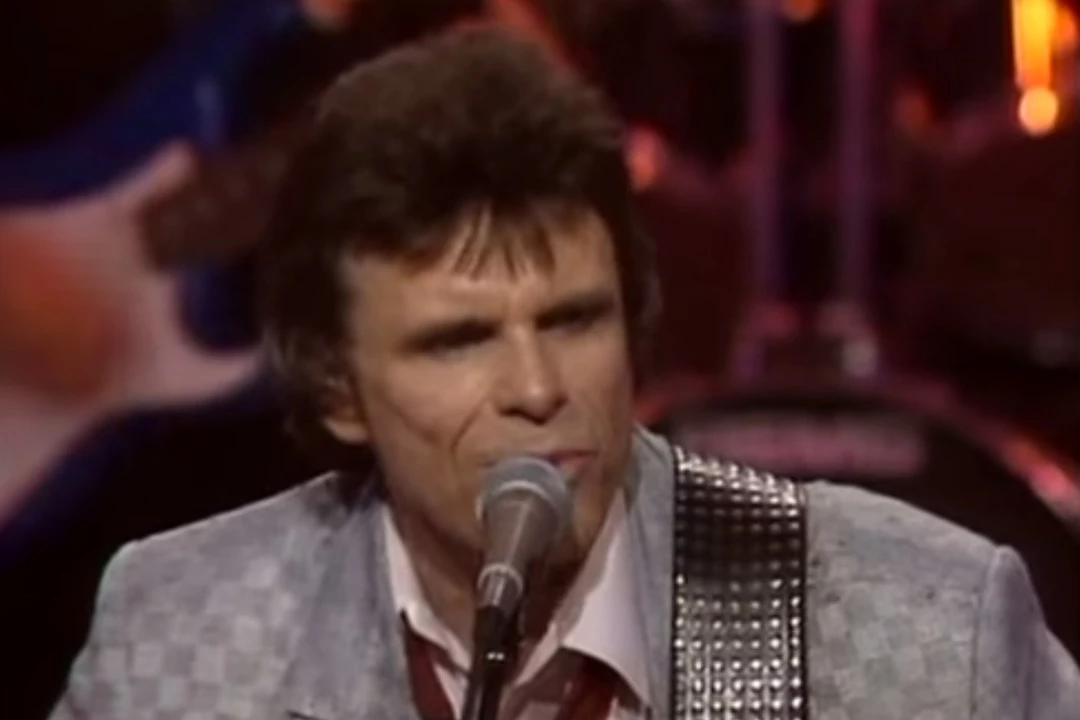
The Tragic End of Del Shannon: Rock’s Forgotten Traveling Wilbury

In the spring of 1990, the music world was buzzing with an anticipation that felt like a bridge between generations. For those who grew up glued to their jukeboxes in the fifties, the name Del Shannon was etched in gold, synonymous with the haunting, minor-key brilliance of Runaway. For a brief, shimmering moment, it seemed that the rock and roll gods were granting him a second act that defied the passage of time. He was poised to step into the most exclusive inner circle in music history: he was about to join the Traveling Wilburys, the supergroup composed of legends like George Harrison, Bob Dylan, and Tom Petty. It was the ultimate validation for a pioneer, a comeback that would have redefined his legacy for a new decade of MTV viewers. But fate, as it often does for the tortured souls of the rock era, had other, darker plans.

Del Shannon was not merely a hitmaker; he was an architect of melancholy. His signature high-register falsetto carried a weight that felt deeply personal, a sound that resonated in the quiet corners of lonely bedrooms and echoed through the neon-lit diners of the early rock era. Yet, behind the scenes, the man was grappling with a silent, suffocating darkness. The pressures of fame, the fleeting nature of chart success, and the internal battles that many of his peers in the music industry faced during that turbulent transition into the nineties, began to pull at the threads of his reality. The industry that had once celebrated his genius was now a fast-moving machine that left little room for the vulnerable.

Just days before the world was to receive the news of his collaboration with the Wilburys, a profound silence fell over his home. In February 1990, the man whose voice could soar into the stratosphere took his own life, leaving behind a legacy that felt abruptly frozen in time. The irony was as cruel as it was tragic; at the very moment he was slated to join the titans of rock, he succumbed to the shadows that had been stalking him for years. The rock world stood stunned. There would be no comeback tour, no studio sessions with Harrison or Dylan, and no new anthems to soothe the restless hearts of his fans.

Looking back, the loss of Del Shannon is a sobering reminder of the fragile psyche that often powers the greatest art. He represents that lost generation of artists who laid the foundation for the modern sound but were often discarded by the changing tides of popular culture. His story is not just about a suicide; it is about the cost of being an icon in an industry that demands everything. Even today, listening to the shivering organ opening of Runaway, one can hear the vulnerability that defined his career, a raw, unvarnished truth that remains hauntingly beautiful.

We often romanticize the eras of the golden age of rock, focusing on the vibrant colors of the sixties or the stadium anthems of the eighties. Yet, it is the stories like that of Del Shannon that provide the essential, somber contrast. He was a master of the bittersweet, a performer who understood that the most enduring songs are those that acknowledge the pain beneath the melody. As we spin our vinyl records and remember the giants who walked among us, let us hold a special place for the voice that was silenced too soon, the man who nearly reached the summit of rock divinity before vanishing into the night. May his music continue to echo through the corridors of our memories, forever untethered from the tragedy that took him.