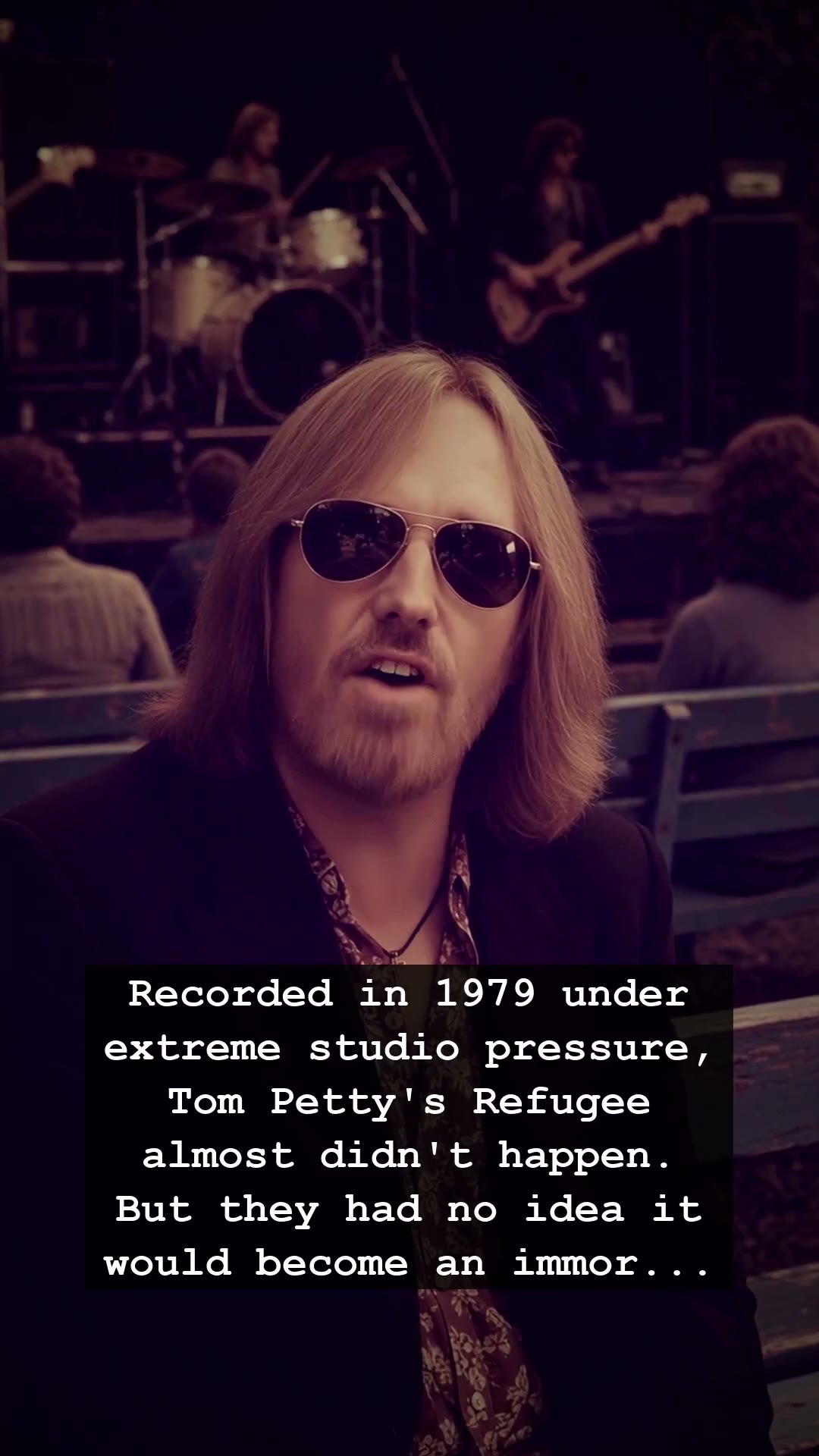
It was 1979, the air in the studio was thick with tension, and the future of a band hung by a single, frayed thread. Outside, the world was shifting; the disco era was starting to lose its glitter, and a new, grittier sound was clawing its way to the surface. Inside the recording booth, Tom Petty was exhausted. He was not just fighting for a hit; he was fighting to keep his creative identity intact against the relentless pressure of a music industry that viewed artists as products. This was the volatile birth of Refugee, a song that would eventually define a generation, though at the time, it felt like a desperate act of survival.
The sessions for the album Damn the Torpedoes were plagued by legal battles and financial uncertainty. Tom Petty was battling to retain control over his own catalog, a struggle that brought the Heartbreakers to the brink of dissolution. He remembers those late-night sessions as a crucible. The band was frayed, the clock was ticking, and the pressure to deliver something transcendent was suffocating. Every take felt like a gamble. When the opening chords of Refugee finally locked into place, the room didn’t erupt in celebration; it breathed a collective sigh of relief, though no one realized they had just captured lightning in a bottle.
Looking back, it is impossible to divorce the song from that specific moment in rock history. The late seventies were a strange transitional period where the polished excess of the previous decade met the cynical reality of the changing market. Tom Petty stood as a bridge between the classic songwriting sensibilities of the sixties and the raw, unvarnished energy that would soon define the decade to come. Refugee was not just a song; it was a manifesto of defiance. It resonated with a generation of listeners who felt equally disillusioned by the corporate machinery that sought to dictate their culture.
What makes the legacy of Tom Petty so enduring is the vulnerability he injected into his rock anthems. He was never the untouchable rock god; he was the guy with the battered Rickenbacker and a weary voice who understood exactly what it felt like to be against the ropes. When you listen to the driving rhythm of Refugee today, you can still hear the desperation of those 1979 studio nights. You can hear the hunger, the fear, and the absolute refusal to fold under pressure. It is a rare piece of music that feels as urgent today as it did when it first hit the airwaves.
The legend of Tom Petty continues to echo through the halls of rock history, reminding us that the greatest art is often born from the deepest conflict. As we look back at the era of the Jukebox and the rise of MTV, his contribution remains a pillar of authentic songwriting. Refugee stands as a testament to his resilience, a permanent reminder that even when everything seems to be falling apart, the right melody can hold the world together. The next time you hear those iconic opening notes, remember the struggle that birthed them and the man who refused to back down.