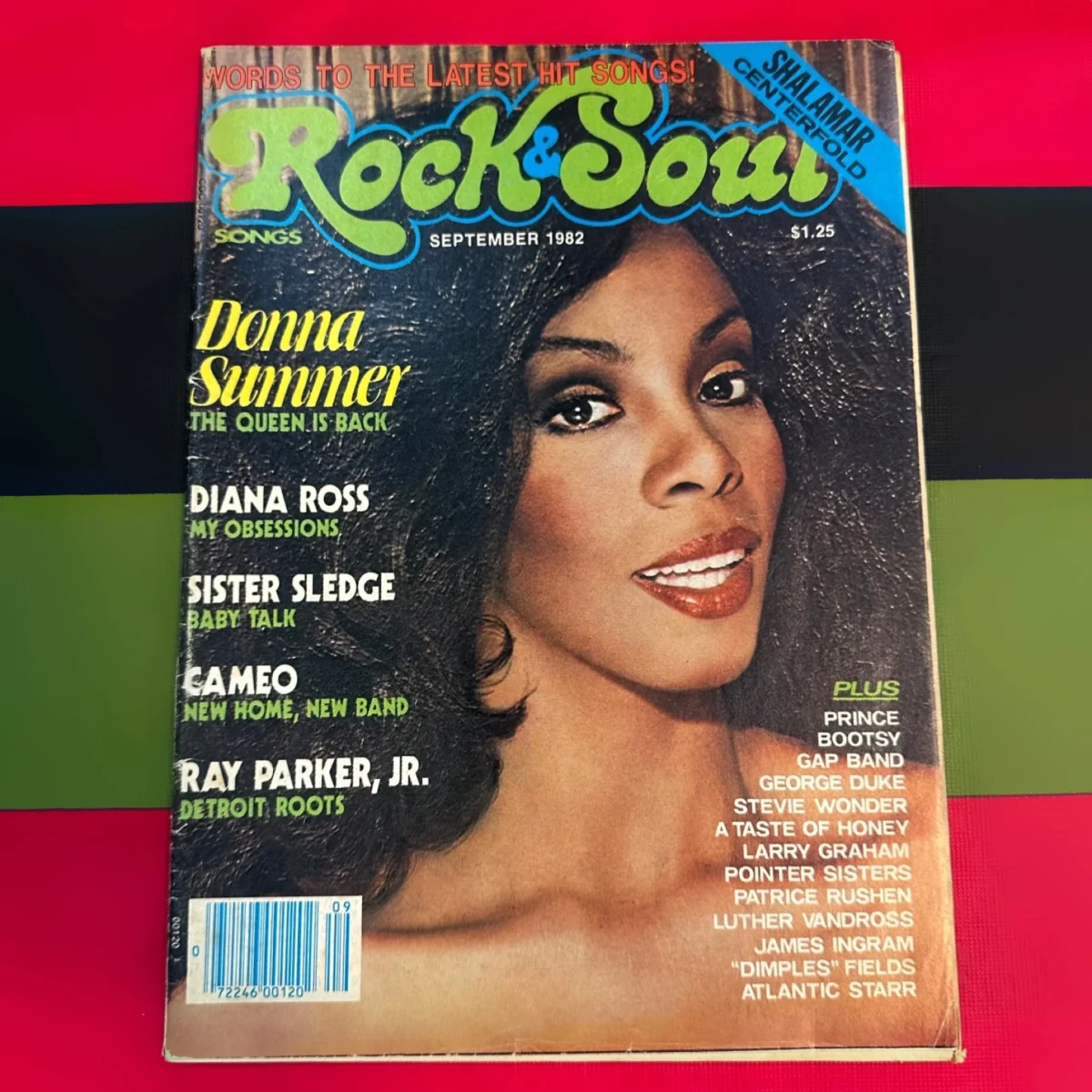
Before the glitter of Studio 54 blinded the world and the relentless pulse of the disco beat became the anthem of a generation, a young girl stood in a Boston church, her voice resonating through the rafters. Long before the global fame, Donna Summer was simply a soulful child finding her power in gospel melodies. It is a striking irony that the woman who would eventually be crowned the Queen of Disco, synonymous with late-night revelry and hedonism, began her journey in the pews. Nobody in that quiet Massachusetts congregation could have predicted that this spiritual intensity would one day be channeled into the rhythmic, hypnotic sounds that ignited a global revolution.
As the 1970s dawned, the music landscape was ripe for a seismic shift. The world was tired of the grit of the late sixties, craving an escape into something synthetic, shimmering, and undeniably transcendent. Donna Summer arrived at exactly the right moment. With the help of legendary producer Giorgio Moroder, she transformed the traditional soul vocal into something electronic and futuristic. Their collaboration on tracks like I Feel Love pushed boundaries, stripping away the organic instrumentation of the era and replacing it with pulsating synthesizers that sounded like the dawn of a new civilization. It was daring, it was provocative, and it was undeniably infectious.
Yet, the ascent was not without its shadows. The pressure of being the face of an entire movement, combined with the frenetic, drug-fueled atmosphere of clubs like Studio 54, took a toll. Donna Summer often felt trapped between her religious upbringing and the demands of a music industry that wanted her to embody liberation. She was the star of the dance floor, yet she remained a complicated, deeply private figure. This internal conflict between the soul-baring gospel roots and the cold, mechanical precision of disco provided the tension that made her performances so visceral and haunting.
What makes the legacy of Donna Summer endure today is not just the hits, but the sheer emotion she poured into every note. When you listen to a classic record today, you are not just hearing a dance track; you are hearing the echo of a performer who understood how to merge high-concept production with raw, human feeling. Her presence in the booth was legendary, often recording in the dark to tap into the very essence of the lyrics, turning studio sessions into cathartic, almost religious experiences that defied the superficiality often associated with the disco era.
Even as the disco bubble burst and trends shifted toward the grunge and hip-hop eras that followed, the influence of Donna Summer remained etched into the cultural bedrock of American music. She bridged the gap between the soul singers of the fifties and the electronic icons of the future. Whether you remember the neon lights and the smell of hairspray or are just discovering the magic through a vintage jukebox, the voice of Donna Summer is a portal back to a time when music felt like a total, transformative escape. She gave us the soundtrack to our dreams and, for one shimmering moment, made us believe that the night would never end.