
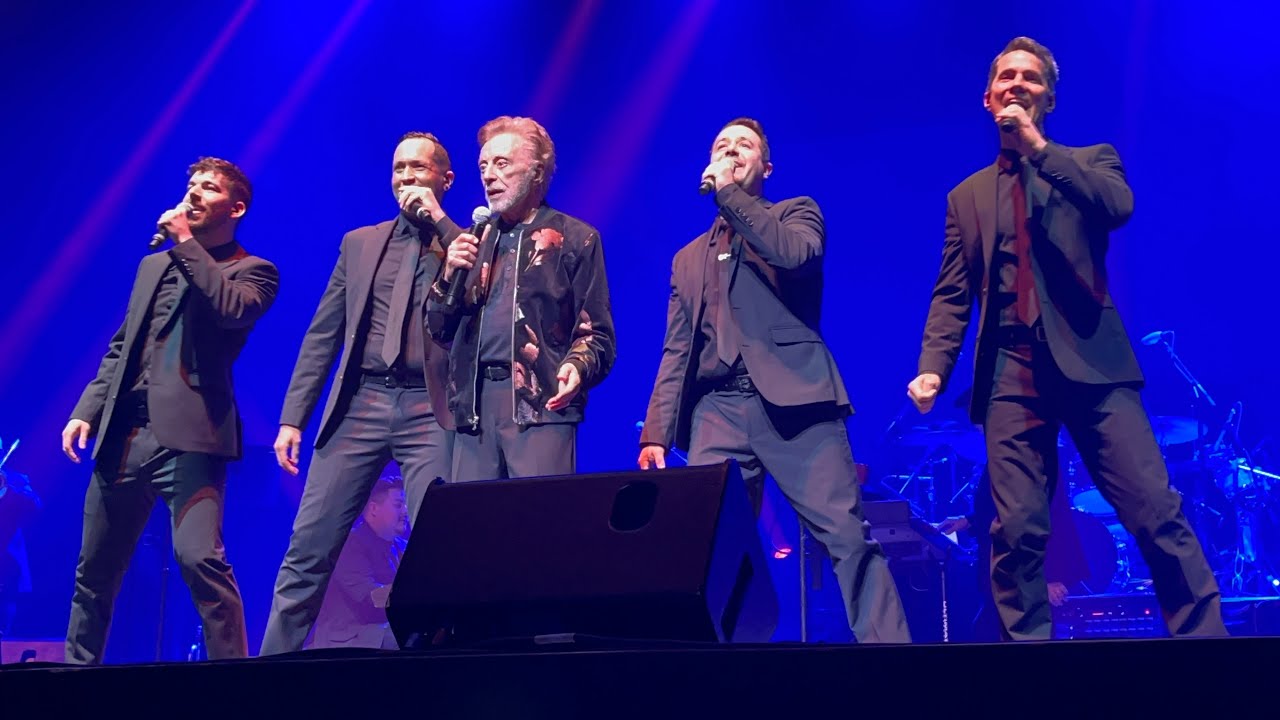
The year was 1962, a time when the crackle of a vinyl record on a jukebox could transport a whole generation to a simpler place. The airwaves were dominated by the sweet, falsetto harmonies of Frankie Valli and The Four Seasons, whose hits like Sherry were climbing the charts at breakneck speed. To the millions of listeners tuned in through their transistor radios or dancing at local sock hops, these men were the golden boys of American pop. They seemed invincible, draped in sharp suits and echoing the optimism of a post-war America on the rise. Yet, behind the bright lights and the polished performances, the band was walking a treacherous tightrope, caught in a dark underworld that had nothing to do with record labels or radio airplay.
While the public saw only the stars, the reality for Frankie Valli and his bandmate Bob Gaudio was far more sinister. A massive, looming mob debt threatened to dismantle everything they had built, turning their meteoric rise into a nightmare of intimidation and fear. One of their own had found himself in deep trouble with loan sharks, and the consequences were no longer theoretical; they were lethal. In a move that remained hidden from the press and their fans for decades, Frankie Valli and Bob Gaudio made a desperate choice. They took their earnings, the very money meant to secure their future, and funneled it into the hands of dangerous men to save a brother’s life.
This secret act of loyalty defined the resilience of Frankie Valli during an era when the music industry was often intertwined with organized crime. It was a time when the glamour of the spotlight was frequently stained by the grit of the streets. While fans were busy spinning their favorite 45s and dreaming of the American dream, the men behind the microphone were navigating a brutal landscape of threats and silence. This was the dark reality of mid-century stardom, a period where survival often required more than just talent; it demanded nerves of steel and an unbreakable bond of brotherhood.
The pressure of keeping such a dangerous secret while touring the country added a haunting layer of intensity to their performances. Every time Frankie Valli hit those signature high notes, he wasn’t just performing for a crowd; he was singing for his survival and the lives of those he loved. This hidden narrative adds a profound sense of gravity to the music of The Four Seasons. When we listen to those timeless tracks today, we are not just hearing the sound of the early sixties; we are hearing the heartbeat of men who stared down disaster and refused to break.
Today, the story of Frankie Valli serves as a stark reminder that the icons we idolize were often battling ghosts we never saw. Their legacy is built on more than just record sales; it is built on the choices they made in the shadows. As we look back through the lens of nostalgia, the music feels deeper and more authentic, knowing the sheer cost of keeping the show going. The next time you hear that familiar falsetto cut through the air, remember the grit behind the velvet voice, and the true cost of becoming a legend.