Boney M and the Truth Behind the Rasputin Lip-Sync Scandal

Picture the scene: it is 1978, the telly is glowing in the corner of your living room, and Top of the Pops is airing another episode that would define a generation. Out struts the charismatic Bobby Farrell, dancing with an energy that seemed to defy gravity. With his flamboyant costumes and infectious charisma, he was the face of Boney M, the group that brought disco to the rain-soaked streets of Britain. But for those of us who grew up mesmerised by their hits, there was always a secret bubbling beneath the glitter. That iconic, deep, rumbling voice that brought Rasputin to life? It did not belong to the man on stage at all.

It is one of the most curious stories in pop history. While the nation was swept away by the high-octane production of Frank Farian, the reality of the studio was vastly different. Farian, the mastermind behind the collective, provided that legendary baritone himself, hidden away behind the mixing desk. When you realise that the man commanding the spotlight was merely the face of a carefully crafted machine, it paints the era in a completely different light. It was not just about music; it was about the spectacle, the colour, and the sheer audacity of pop stardom in the late seventies.

Looking back, it is easy to feel a twinge of cynicism, but there is something undeniably nostalgic about the deception. We were not just listening to songs; we were buying into a dream. Whether you were down the local disco or gathered around the radio waiting for the latest chart-topper to spin, Boney M represented an escape from the grey reality of a British winter. The fact that Bobby Farrell never sang a single note on the records never seemed to diminish our love for the tracks. We cherished the performance, the dance moves, and the undeniable magic of the production.

This episode serves as a brilliant reminder of how the music industry operated before the internet age, where mystery was a currency in its own right. There were no social media leaks or behind-the-scenes videos to spoil the illusion. You simply had the records, the glossy photos in NME, and your favourite memories of seeing them perform on the small screen. The drama of the industry was tucked away, allowing the music to take centre stage. It is a stark contrast to the transparent, over-exposed world of modern artists who live their lives in the public eye.

Even now, when Rasputin or Rivers of Babylon blares out at a wedding or a party, the room lights up with the same frantic energy it did forty years ago. We do not mind the artifice anymore; we embrace it as part of the legend. Boney M gave us a soundtrack to our youth that was as colourful as it was controversial. They taught us that sometimes, the best part of the story is the bit they did not tell you at the time. Do you remember the first time you realised it wasn’t him singing? Perhaps it is time to dig out those old records and have a dance, just for old time’s sake.
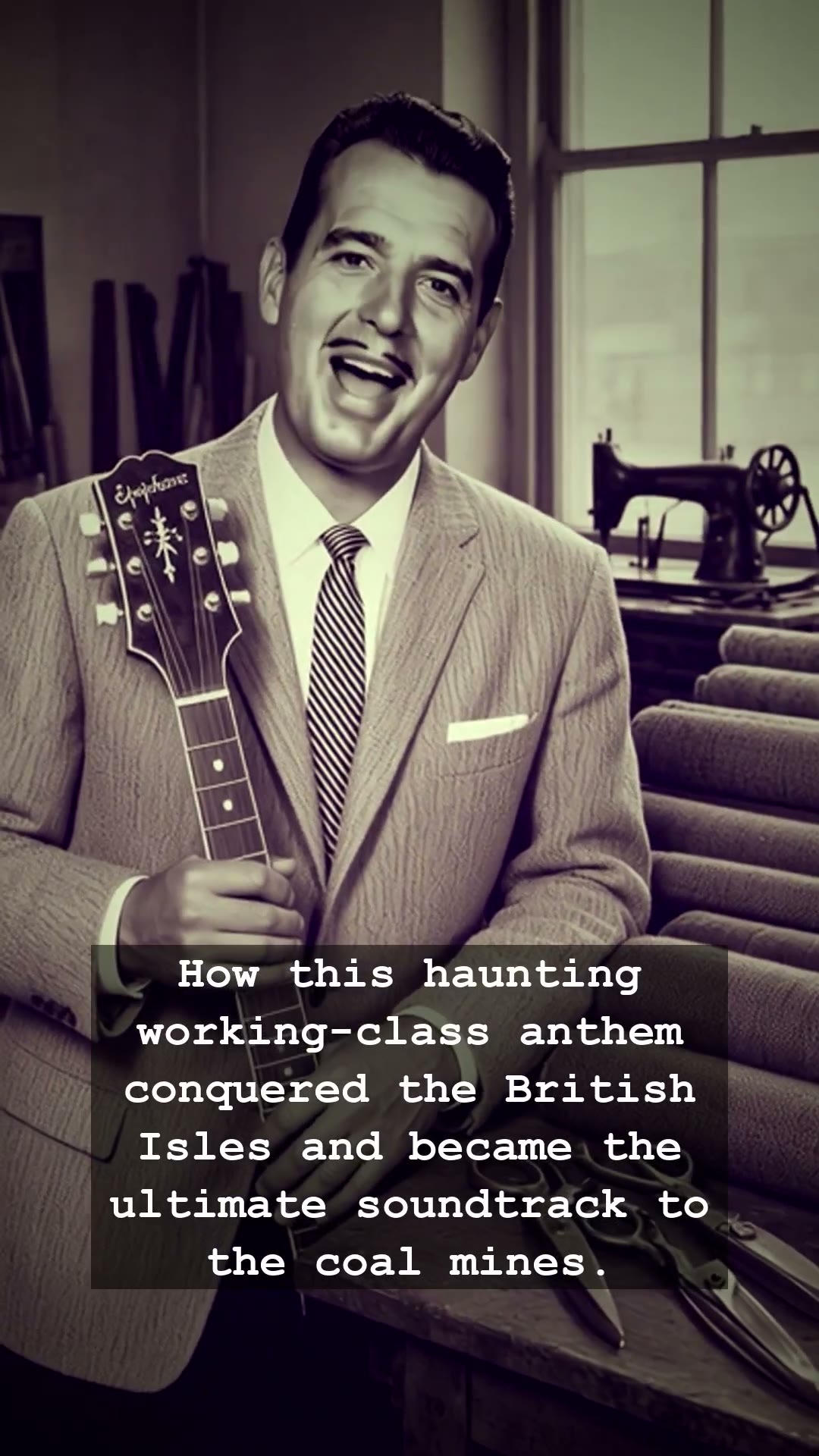

Tennessee Ernie Ford: The Song That Powered British Coal Mines

It was November 1956, and the air across the British Isles felt thick with the grey fog of a changing era. While teenagers were just starting to shimmy to the sounds of rock and roll, the men coming home from the pits of Durham and Yorkshire had a different rhythm in their bones. They were humming a tune that felt as heavy and essential as the coal they hauled—Sixteen Tons. The man behind this haunting industrial anthem wasn’t a local lad, but a tall, baritone-voiced American named Tennessee Ernie Ford. It remains one of history’s most curious anomalies that a song about the crushing reality of the American company store became the ultimate soundtrack to the British working-class experience.

The genius of Tennessee Ernie Ford lay in his ability to capture the soul-weary resignation of the labourer. When you listen to the snap of his fingers and that unmistakable, guttural growl, you realise why it struck such a chord in our post-war landscape. Britain was in the midst of rebuilding, and for thousands of blokes shivering in damp terraced houses, the lyrics ‘St. Peter, don’t you call me, ’cause I can’t go, I owe my soul to the company store’ hit home with brutal accuracy. It wasn’t just a record; it was a sentiment. It was played relentlessly on the wireless, echoing through the halls of BBC Radio 1 and finding its way onto every battered record player from London to Glasgow.

What makes the success of Tennessee Ernie Ford so fascinating is how it bridged the cultural gap across the Atlantic. We were usually busy obsessing over our own skiffle craze, yet here was this deep, Appalachian-rooted sound topping the UK charts for weeks. The BBC might have been playing it to death, but it was the miners themselves who turned it into a cultural talisman. It became a fixture in the local boozers, a song that felt like it had been carved out of the earth itself. The sheer grit in his voice gave the song a colour that our own pop stars of the day simply couldn’t replicate.

Looking back, it’s easy to see why we fell for Tennessee Ernie Ford. He wasn’t trying to be a polished teen idol; he sounded like a man who knew exactly what it meant to work until your back gave out. The track became a rallying cry for the common man, a brief moment of shared defiance against the grinding gears of industry. Even decades later, when the pits have closed and the landscape has changed, hearing that opening bass line takes you straight back to a time when the telly was a luxury and the music felt like it actually meant something.

We don’t get voices like his anymore—deep, earthy, and carrying the weight of a thousand miles of coal dust. Tennessee Ernie Ford managed to immortalise the plight of the worker in a way that remains etched in our national memory. Whether you were there at the time or you’ve discovered it through your dad’s old vinyl collection, Sixteen Tons still packs a punch. Next time you fancy a bit of nostalgia, put on the record, close your eyes, and listen to the song that once kept the spirit of the British coal mines alive.

Janis Joplin and the Heartbreaking Secret Behind Her Final Number One

There is something truly haunting about a voice that stays with you long after the final note fades. For those of us who grew up glued to the telly watching Countdown or spinning records until the grooves wore thin, Janis Joplin remains a force of nature. We all reckon we know her story, but there is a specific, gut-wrenching moment in history that still catches in the throat. Just three days before her tragic passing in 1970, Janis stepped into a studio to lay down what would become her absolute masterpiece, a track that would define a generation of blues-rock lovers but one she would never live to hear reach the top of the charts.

The song, of course, is Me and Bobby McGee. It was written by her mate Kris Kristofferson, a bloke who didn’t even realise the full weight of what she had captured in that recording booth until it was far too late. Janis had a way of singing that felt like she was peeling back her own skin; there was no artifice, just raw, unvarnished human experience. When she sang, you didn’t just hear the words, you felt every ounce of her joy and her heartbreak. It was that signature Joplin colour, a shade of blue that only she could paint, and it made her a favourite among those of us who liked our music with a bit of grit.

I reckon it is hard to fathom the sheer talent she possessed at such a young age. Back then, we were all caught up in the magic of the radio, waiting for our favourite tracks to hit the airwaves. When Me and Bobby McGee finally climbed the charts to hit number one, it felt like a bittersweet victory for us all. It was a posthumous nod to a woman who had given her entire soul to the music. To realise that she was gone before the world fully embraced that final, perfect take still feels like a massive blow to the heart, even all these years later.

Listening to it now, you can almost see the studio lights, the cigarette smoke, and the sheer focus in her eyes. It is a snapshot of an artist at the very height of her powers, oblivious to the fact that her time was running out. That is the thing about the music of that era; it holds onto us because it was so undeniably real. We look back at these legends, from the pub rock circuits here at home to the icons across the water, and we see parts of our own lives mirrored in their struggles and their triumphs.

Janis Joplin left behind a legacy that has aged like fine wine. It still resonates heaps because it reminds us that true art doesn’t need to be polished or manufactured. It just needs to be honest. Whenever I hear those opening chords, I am transported straight back to a time when music felt like the most important thing in the world. She might have left us way too soon, but that voice, that beautiful, aching voice, will always belong to the ages. Have a listen today and see if it doesn’t still tug at your heartstrings just as much as it did back in the day.

When Billy Thorpe and the Aztecs Set Aussie Pub Rock Ablaze

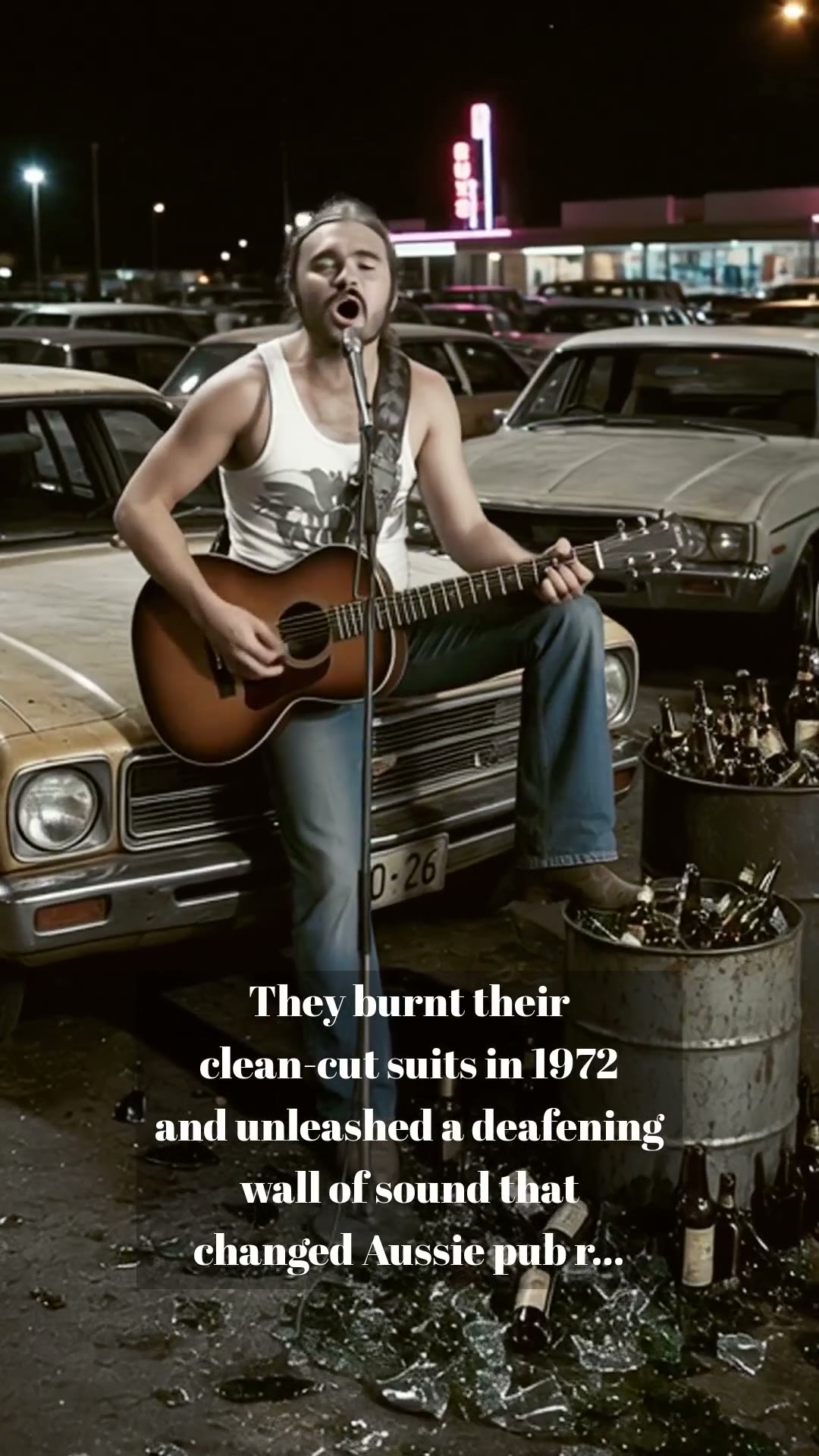
Cast your mind back to the sweltering January of 1972. The sun was beating down on the paddocks of Sunbury, and the air was thick with the scent of dry grass and anticipation. For years, the Australian music scene had been dominated by pop idols in matching suits, playing it safe for the telly. But then, Billy Thorpe and the Aztecs took to the stage, and everything changed in a heartbeat. They were not there to look pretty; they were there to unleash a wall of sound that would rattle the very foundations of the Australian rock industry. It was loud, it was raw, and for thirty thousand sunbaked fans, it was the moment Aussie pub rock was truly born.

Before that legendary Sunbury festival performance, Billy Thorpe was already a well-known face, but he was trapped in a mould that didn’t fit. You see, the industry wanted a polished performer, but Billy had a different fire in his belly. He realised that the people didn’t want sanitised pop; they wanted the grit and soul of blues-based rock that hit you right in the chest. Ditching the clean-cut suits wasn’t just a fashion choice; it was a declaration of war against the status quo. When the band cranked their amplifiers to the limit, creating a feedback-drenched roar that had never been heard at that scale before, they weren’t just playing music—they were forging a new identity for the Australian pub scene.

I reckon anyone who was there still remembers the feeling of the ground shaking under their feet. It was a chaotic, beautiful mess of sweat, denim, and pure electric energy. Billy Thorpe and the Aztecs transformed from a standard pop act into a powerhouse of heavy blues, setting a benchmark that every band playing at the local boozer for the next decade would try to reach. They proved that you didn’t need to head overseas to find the real deal; the most ferocious sound on the planet was happening right here in our own backyard.

What made the Aztecs so special wasn’t just the volume, though that was certainly part of it. It was the absolute authenticity of the performance. Billy Thorpe had this magnetic stage presence, a way of commanding the crowd that made you feel like you were part of a secret revolution. It paved the way for the likes of Cold Chisel and AC/DC to take that same energy into the pubs and clubs across the nation, turning Aussie rock into a global force. It was the quintessential ‘sink or swim’ moment for the local scene, and they didn’t just swim; they dominated.

Looking back, it is easy to realise why this moment still resonates so strongly with us today. It represents a time when music felt dangerous, urgent, and entirely ours. Whether you were down at the front of the stage at Sunbury or just catching the echoes of their influence through the radio, the legacy of Billy Thorpe and the Aztecs remains a cornerstone of our cultural history. It reminds us that sometimes, you have to burn down the old to make room for something truly legendary. Have you got a favourite memory of catching the Aztecs live, mate?

The Marvin Gaye Classic That Motown Reckoned Was Total Rubbish

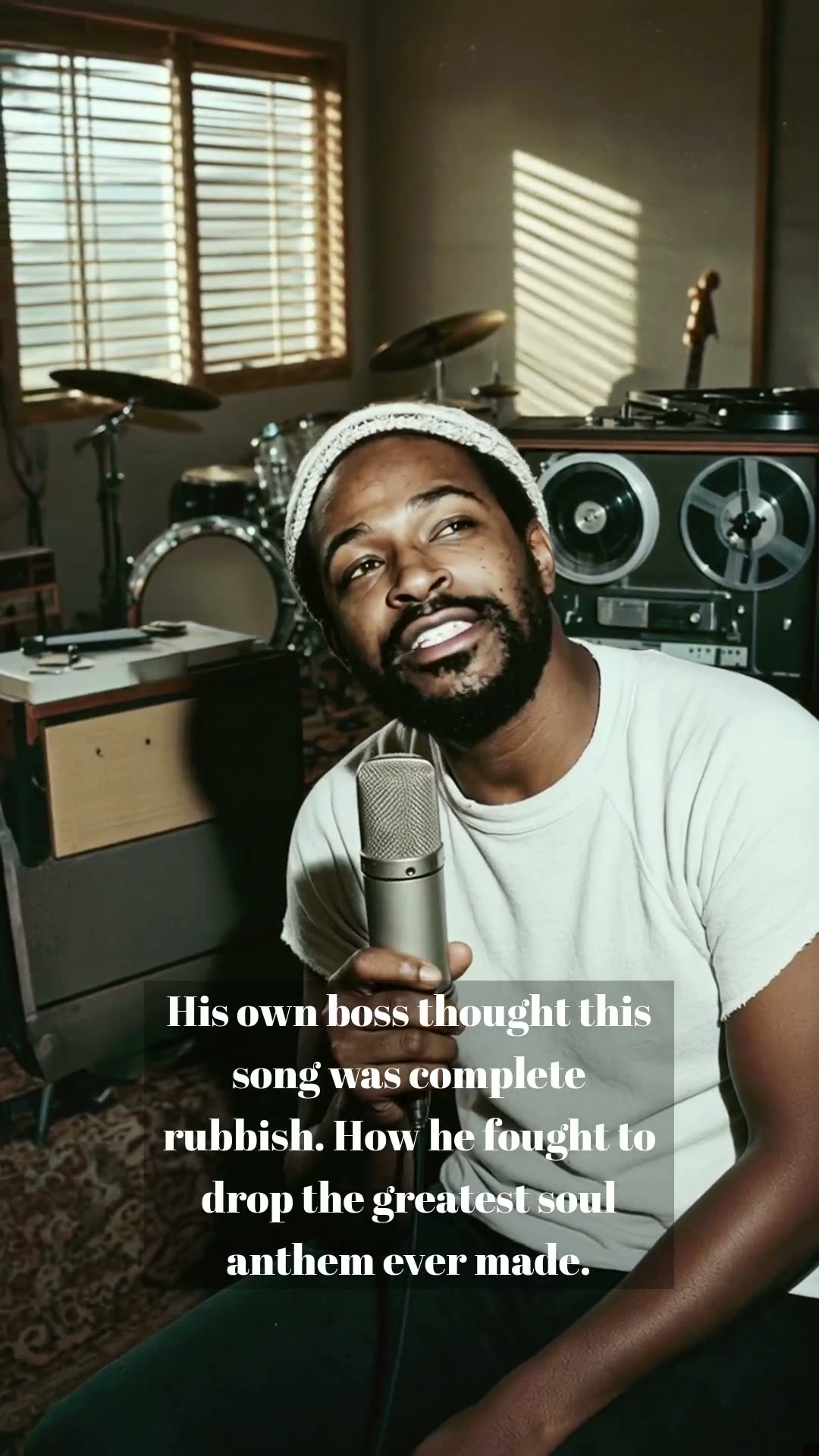
Picture the scene: it is 1971, and the world is shifting on its axis. Back here in Australia, we were glued to the telly watching Countdown later on, but over in Detroit, a legend was fighting for the soul of his career. Marvin Gaye, the smooth prince of Motown, had just finished recording What’s Going On. It was a departure, a gritty, social commentary that went against the polished, commercial grain of the label. When he delivered the track to his boss, Berry Gordy, the reaction wasn’t just lukewarm; it was hostile. Gordy famously called it the worst thing he had ever heard, reckoning it would be an absolute disaster for the brand.

It is hard to believe now, but Marvin Gaye had to fight tooth and nail just to get that record pressed. The label had a colour-coded system for hits, and they certainly did not see the colour of money in a song about Vietnam and urban decay. Marvin was adamant, though. He told them flat out that if they didn’t release it, he would stop recording altogether. He wasn’t just an artist following a formula; he was a man with something profound to say. It is a classic tale of a visionary clashing with the suits who only care about the bottom line, and mate, there were heaps of drama behind the scenes that would make your hair stand on end.

Eventually, the track was pushed out, and the rest is history. It became the anthem of a generation, a soulful masterpiece that realised the potential of what popular music could actually achieve. It didn’t just top the charts; it changed the landscape. For those of us who grew up with the sounds of the seventies echoing through our childhood homes, this story hits home. It reminds us that sometimes, the music we hold as our absolute favourite was born from a moment of pure, stubborn defiance against the establishment.

Looking back, it is staggering to think how close we came to never hearing it. If Marvin Gaye had folded under that pressure, we would have lost one of the most important pieces of music ever captured on tape. It makes you wonder how many other tracks were binned by short-sighted executives before they ever had a chance to breathe. That is the magic of the era; the artists were starting to take the reins, moving away from being puppets for the label and finding their own, authentic voices in a rapidly changing world.

Today, when you drop the needle on that record, you can still hear the tension and the triumph in his voice. It isn’t just a song; it is a testament to the fact that sticking to your guns pays off. So, next time you are spinning your favourite vinyl, spare a thought for Marvin Gaye. He took a massive risk when the odds were stacked against him, and he helped define the soundtrack of our lives. It just goes to show, sometimes you have to trust your gut, even when everyone else reckons you are barking mad.

The Seekers: How Four Aussies Changed Global Music Forever, Mate

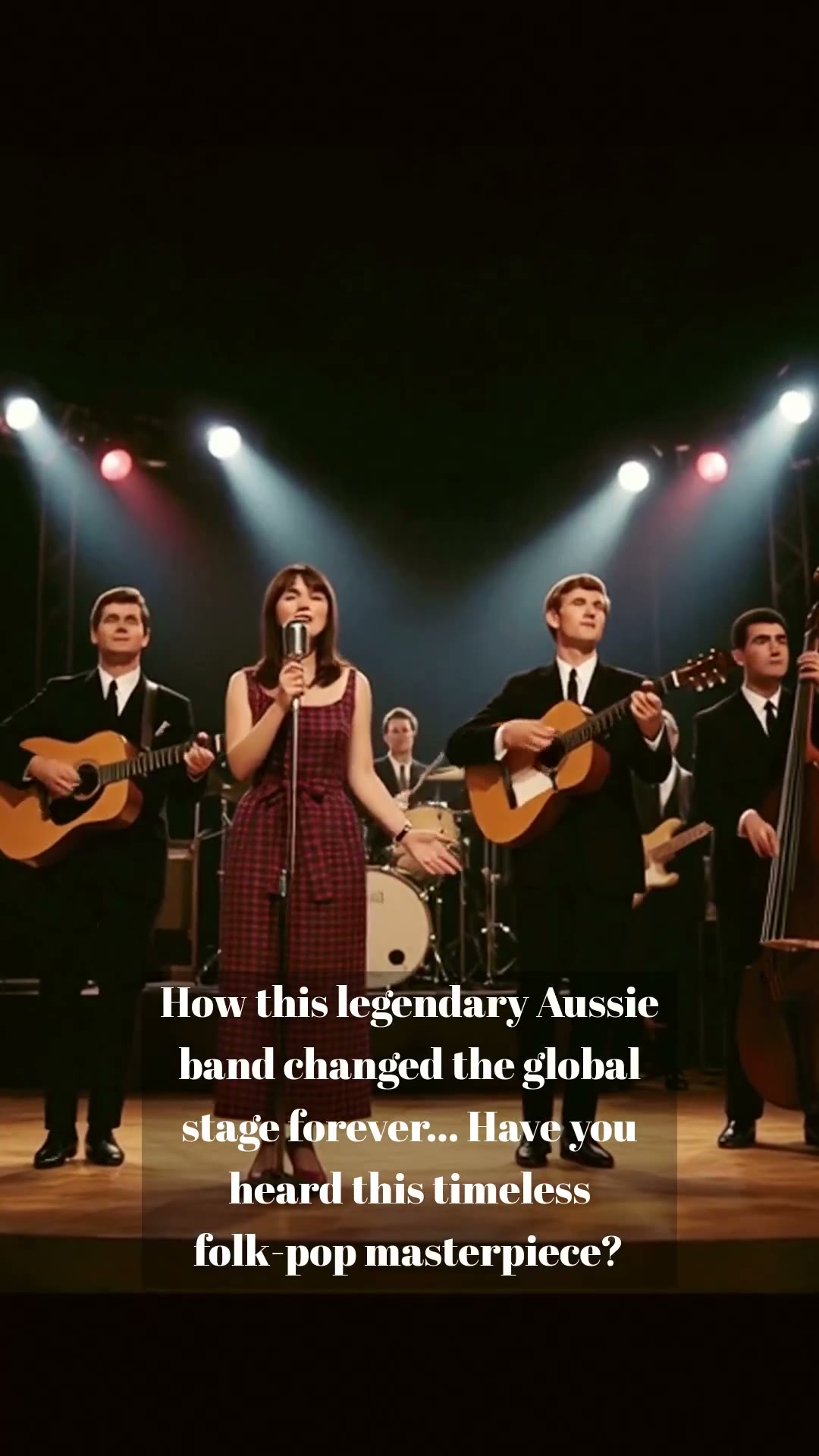
Cast your mind back to the mid-sixties, a time when the world seemed to be turning at a different speed. Before the heavy pub rock of the seventies took hold of our beer barns, there was a sound that floated through the radio like a fresh breeze from the coast. It was the harmonious, crystalline sound of The Seekers. Most of us reckon we can still hear Judith Durham’s voice clear as a bell, cutting through the static of a dusty old wireless. It is hard to realise now just how massive they were, but back in 1965, these four legends didn’t just top the charts; they became the first Australian group to have a number-one hit in both the UK and the US, putting our little corner of the world firmly on the map.

Everything about The Seekers felt genuine, didn’t it? While the rest of the world was leaning into the gritty electric trends, Athol Guy, Bruce Woodley, Keith Potger, and the incomparable Judith Durham kept things simple with their acoustic folk-pop brilliance. They brought true blue colour to the airwaves when we needed it most. I still remember sitting around the telly or huddled near the kitchen radio, waiting for their tracks to spin. It wasn’t just music; it was a feeling of pride that one of our own had managed to capture the hearts of millions across the globe without losing that signature Aussie charm.

Their hit song, I’ll Never Find Another You, was an absolute ripper that still brings a lump to the throat today. It wasn’t just a catchy tune; it was a moment in history that proved talent from down under could hold its own against the giants of the era. The secret to their success was that they weren’t trying to be someone else. They were just four mates who loved to sing, and their harmonies were tight enough to make anyone stop in their tracks. They achieved heaps in a short amount of time, turning from a local folk act into international superstars almost overnight.

Looking back, the legacy of The Seekers is about more than just the record sales. It is about the way they paved the way for every other Aussie artist who dreamed of playing on the big stage. Without them, the local music scene might not have had the confidence to realise its own potential on the world stage. They were the trailblazers who showed us that you could be a favourite at home and a sensation abroad simultaneously. Even now, whenever one of their classics comes on, it transports us back to a simpler time, a time when life was a bit slower and the music meant everything.

Whether you were there when they first hit the airwaves or you discovered them through your mum’s record collection, their music remains timeless. It is the kind of sound that doesn’t age; it just gets better with every passing year. So, next time you are feeling a bit nostalgic, stick on a record by The Seekers and remember the days when four Aussies took on the world and won, mate.

Billy Thorpe: The Pub Rock Legend Who Shattered Every Decibel Record

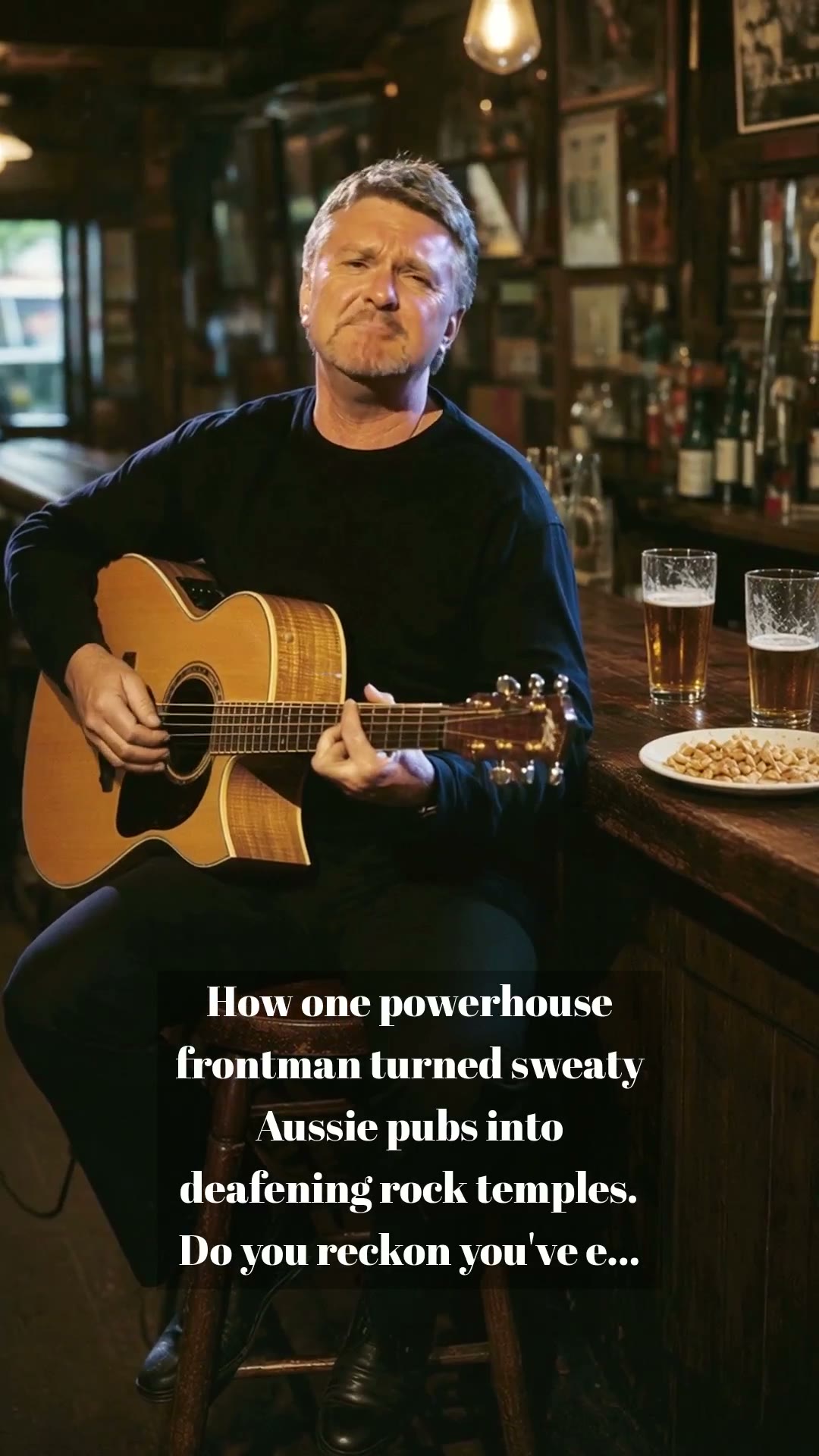
Cast your mind back to the sticky-carpeted, sweat-soaked pubs of 1970s Australia. The air was thick with the smell of beer and cheap cigarettes, but more importantly, it was vibrating with a sound so immense it felt like the very foundations of the building were shifting. If you were lucky enough to be front-row at a Billy Thorpe and the Aztecs gig during those golden years, you didn’t just hear the music—you felt it in your bones. Billy Thorpe wasn’t just a singer; he was an absolute force of nature who single-handedly turned our humble local pubs into deafening, glorious rock temples.

Do you reckon you have ever heard anything louder? Many who witnessed Billy Thorpe in his prime would argue that no modern stadium act has ever managed to replicate the raw, unadulterated power he brought to the stage. By the time he hit his stride, Billy Thorpe had moved well beyond his early pop beginnings. He realised that the soul of Australian music lived in the grit and the grind of the pub circuit. He grabbed that microphone with a defiant swagger, backed by an amplification system that would make a jet engine blush, and proceeded to change the course of rock history forever.

It was a time when the telly was dominated by Countdown, but the real magic wasn’t happening in a TV studio—it was happening at the Sunbury Pop Festival and in inner-city hotels where the energy was electric. Billy Thorpe had this rare ability to command a room, making every bloke in the crowd feel like they were part of something monumental. He brought a sense of theatre and, dare I say, a touch of danger to the Aussie music scene that we had been craving. His legendary performances were not just about the notes; they were about the sheer volume of his presence.

What made Billy Thorpe truly special was his unwavering commitment to his craft. He didn’t just churn out hits; he lived them. He captured the spirit of a generation that was finding its own voice, separate from the imports coming over from the States or the UK. He was quintessentially Aussie—a bloke who understood the heart of his audience. People still talk about those gigs today with a twinkle in their eye, recalling how their ears would ring for days after a night out with the Aztecs. It was a rite of passage, a loud, proud declaration that Australian rock had well and truly arrived.

Decades on, the legacy of Billy Thorpe remains deeply embedded in our culture. Whenever we hear those classic guitar riffs, we are transported back to a simpler, noisier time. He taught us that with enough heart and enough volume, you could conquer the world from a tiny stage in a suburban pub. Billy Thorpe remains one of our all-time favourite legends, a man who gave us the soundtrack to our youth. Next time you find yourself turning the dial up on an old favourite, spare a thought for the man who made the walls shake.

When Billy Thorpe and the Aztecs Rocked the Opera House to Bits

Picture the scene, mate. It is December 1973, and the Sydney Opera House—that pristine, white-sailed marvel of modern architecture—is still shiny and new. The cultural elite are expecting something dignified, perhaps a bit of opera or a polite symphony. Instead, they got Billy Thorpe and the Aztecs. I reckon if you were there, you would have felt the very foundations of the harbour vibrate as the band cranked their amplifiers to an ear-splitting level that had never been heard in such a sophisticated room before. It was loud, it was raw, and it was absolutely glorious.

Billy Thorpe was a force of nature, a bloke who didn’t just sing songs but demanded you feel every single note. By 1973, he had already been around the block, but with the Aztecs, he found a sound that defined the Aussie pub rock movement. They didn’t care for the high-brow expectations of the Opera House management; they were there to deliver the kind of sweat-soaked, heart-thumping rock and roll that lived in the back-alley hotels of Sydney and Melbourne. They brought the pub to the people, turning a seat of culture into a temple of pure, unadulterated noise.

It was a moment of true rebellion. The acoustics of the concert hall were never designed to handle the sheer volume of Billy Thorpe and the Aztecs, and frankly, that was the whole point. They tore through their set with a ferocity that left the audience shell-shocked. You have to realise that back then, rock music was still fighting for its place in the mainstream. Seeing a bunch of long-haired rockers standing on that stage was a massive middle finger to the establishment, and it sent a ripple through the entire Australian music industry.

What makes this story stick in my mind after all these years is the sheer audacity of it all. Billy Thorpe was a favourite son of the Aussie scene, and the Aztecs were the band everyone wanted to catch on a Friday night after a long week of work. They played with a collective spirit that you just do not see much these days. It wasn’t about the glitz or the polish; it was about the connection between the band and the crowd, a bond forged in heat, beer, and loud speakers. That night, they proved that rock music wasn’t just for the pubs—it could command any stage in the country if the music was good enough.

Decades later, people still talk about that concert as if it happened yesterday. It was the night the walls of elitism came down, and it paved the way for generations of Aussie rockers to walk through the doors they kicked open. We owe heaps to Billy Thorpe and the Aztecs for that. If you ever want to get a sense of why Australian music is so special, look no further than that wild night at the Opera House. It remains a legendary slice of history that reminds us all that sometimes, you just have to turn it up to eleven.

When Billy Thorpe and the Aztecs Nearly Blew Up Sunbury

Cast your mind back to the sweltering heat of January 1972. It was the inaugural Sunbury Pop Festival, a defining moment in our cultural history that put Australian pub rock on the map. Thousands of sun-drenched fans were gathered on a hillside in Victoria, waiting for the real heavy hitters to take the stage. Then, out walked Billy Thorpe and the Aztecs. You could feel the anticipation in the air, a thick, palpable energy that you just don’t get at the sanitised stadium gigs of today. They didn’t just walk on; they arrived like a force of nature, ready to show the world what proper Aussie rock really sounded like.

Billy Thorpe was a titan, a bloke who understood that rock and roll wasn’t meant to be polite. When he and the Aztecs finally dialled up their amplifiers, it was as if they were trying to shift the very tectonic plates beneath our feet. I reckon half the crowd wasn’t even prepared for that initial wall of sound. They pushed their gear so hard that the speakers started to give way under the sheer pressure. It wasn’t just loud; it was an visceral experience that vibrated right through your chest cavity. It’s hard to realise how massive that sound was unless you were standing there, witnessing the tech crew scramble as the equipment literally began to fragment under the intensity.

People talk about high-fidelity sound nowadays, but back then, it was all about the grit and the glory. Billy Thorpe and the Aztecs weren’t concerned with perfection; they were chasing a feeling. That night, amidst the dust and the chaos, they forged an identity for Australian music that would last for generations. They turned the pub rock circuit into a theatre of the extreme, where the band and the audience were locked in a sweaty, deafening embrace. It was raw, it was unrefined, and it was absolutely brilliant.

Looking back, it’s easy to see why Billy Thorpe remains such a favourite among us older folks. He was the real deal, a larrikin with a voice that could cut through any noise. The Sunbury performance wasn’t just a gig; it was a statement. By pushing their gear to the point of destruction, they proved that rock music in this country had an attitude that couldn’t be tamed. Every time I hear an old Aztec track now, I’m instantly transported back to that hillside, feeling the ground shake and hearing the roar of a crowd that knew they were witnessing something legendary.

We’ve seen heaps of bands come and go since the seventies, and while production values have improved, the soul of that era remains unmatched. We might have better speakers now, but I honestly don’t reckon any modern act has ever captured that same reckless magic. Do you still think you’ve heard anything louder or more honest than the sound of the Aztecs in their prime? I certainly haven’t. It’s a story we’ll be telling the grandkids for years to come, mate.

When Billy Thorpe and the Aztecs Ripped the Roof Off Aussie Pubs

Cast your mind back to 1969. The air in those old, sticky-carpeted Aussie pubs was thick with the smell of stale beer and anticipation. You could feel the hum of the valve amps vibrating through the floorboards before the band even hit their first chord. Then, Billy Thorpe and the Aztecs stepped onto that makeshift stage, and everything changed. Before that night, we were used to tidy pop tunes on the wireless, but Billy Thorpe and the Aztecs had a different plan. They didn’t just play music; they delivered a wall of sound that hit you square in the chest, loud enough to rattle the very rafters of the venue.

It was a raw, unadulterated kind of volume that had never really been heard in this neck of the woods before. Billy Thorpe, a bloke with a voice as powerful as a cyclone, transformed the Aussie pub scene into an arena of sheer sonic intensity. He didn’t just perform; he commanded the room like a king, and his band followed suit with a ferocity that made your ears ring for days. I reckon you haven’t truly lived until you’ve felt the floorboards bounce under the weight of an Aztecs gig. It was loud, it was sweaty, and it was absolutely glorious.

Looking back, it is easy to realise why this was the birth of true Aussie pub rock. While the rest of the world was experimenting with psychedelia, Billy Thorpe and the Aztecs were busy creating something far more visceral. They took the blues-rock blueprint and pumped it full of steroids, giving the working-class crowd exactly what they were craving. You could see it on the faces of the punters; they were absolutely spellbound by the sheer audacity of it all. The band had this unique ability to strip away the pretension and just give us something real, something that resonated with the gritty reality of life down under.

There were plenty of legendary nights back then, but the shift in volume and attitude that Billy Thorpe and the Aztecs pioneered set a benchmark that lasted for decades. They paved the way for the likes of Cold Chisel and AC/DC to take that same energy to the global stage. It wasn’t just about the music; it was about the culture of the pub, the camaraderie of the crowd, and that feeling of belonging to something much bigger than yourself. You look at the history of our rock scene now, and you can see their fingerprints all over it.

Even now, when I hear those old tracks, I am transported straight back to those humid summer nights. It brings back heaps of memories of mates, cheap drinks, and music that actually meant something. Billy Thorpe and the Aztecs left an indelible mark on our history, proving that all you really need is a loud amp and a whole lot of soul to change the world. Do you remember the first time you felt the floor shake at an Aztecs show? Let’s keep those memories burning bright, mate.