From Jam Jars to Stardom: The Secret Origin of INXS

Cast your mind back to 1979. The air in those sticky, sweat-soaked Aussie pubs was thick with the smell of spilled beer and the raw, electric promise of something new. We were all huddled around the telly watching Countdown, waiting for Molly Meldrum to introduce the next big thing, never realising that one of the greatest bands in our history was just starting out in the shadows. Before the global stages and the mesmerising swagger of Michael Hutchence, these blokes were playing under a different banner entirely. You might reckon you know the story of INXS, but the truth starts with a humble, half-empty jar of jam sitting on a kitchen counter.

Back then, the band was kicking around under the name The Farriss Brothers. It was a solid start, but the boys knew they needed a name that packed a punch, something that sounded like the restless energy of the late seventies. As the story goes, the name INXS was born from a cheeky observation of a jar of IXL jam. They were staring at that label, and the letters just sort of clicked. It’s the kind of quintessentially Aussie moment that feels like a bloke’s dream—turning an everyday kitchen staple into a moniker that would soon be splashed across stadium lights across the globe. It was modest, it was clever, and it stuck like glue.

Transitioning from The Farriss Brothers to INXS wasn’t just a change of sign-writing on their battered van; it was a total reinvention of their sound and style. They brought a polished, rhythmic edge to the pub rock circuit that had been dominated by harder, guitar-heavy outfits. While other bands were busy trying to out-grunt each other, INXS was busy weaving funk, soul, and a bit of dark, velvet mystery into their sets. Watching them evolve from those early pub gigs in Perth and Sydney to becoming the absolute darlings of the Australian music scene was nothing short of magic. They had that rare, authentic colour that made every Aussie feel a bit of pride when they finally cracked the international charts.

What made the band so special, mate, was how they never lost that grit they picked up in the trenches of the Aussie pub circuit. Even when they reached the dizzying heights of fame, there was always that underlying hum of the pub band heart. Michael Hutchence had a presence that could stop a room cold, but he was always one of us, wasn’t he? Whether it was the sharp, driving basslines or the way they commanded a stage at Wembley, they reminded us all of those early days when they were just a bunch of mates with a vision and a very strange inspiration from a breakfast condiment.

It’s been heaps of years since those early days, yet every time a track like Don’t Change hits the airwaves, you’re instantly transported back to a golden era of Aussie music. Looking back, it’s brilliant to realise that a bit of jam started it all. The legacy of INXS isn’t just in the records; it’s in the memory of those nights where the music felt like it was finally catching up to the world. Next time you’re in the kitchen, keep an eye on your jam jars—you never know what kind of legend might be hiding in plain sight.
Men at Work and the Kookaburra Courtroom Drama That Cost Heaps

Cast your mind back to the early eighties, a golden age when Men at Work were sitting pretty at the very top of the world. We were all singing along to Down Under, that iconic track that felt like a national anthem for every Aussie bloke and Sheila, capturing the sun-drenched, dusty soul of our great southern land. It was the soundtrack to our summers, a song that defined a generation. But behind the laughter and the chart-topping success, a storm was brewing, one that would eventually lead to a courtroom battle so bitter it felt like a stab in the back to the very spirit of Australian pub rock.

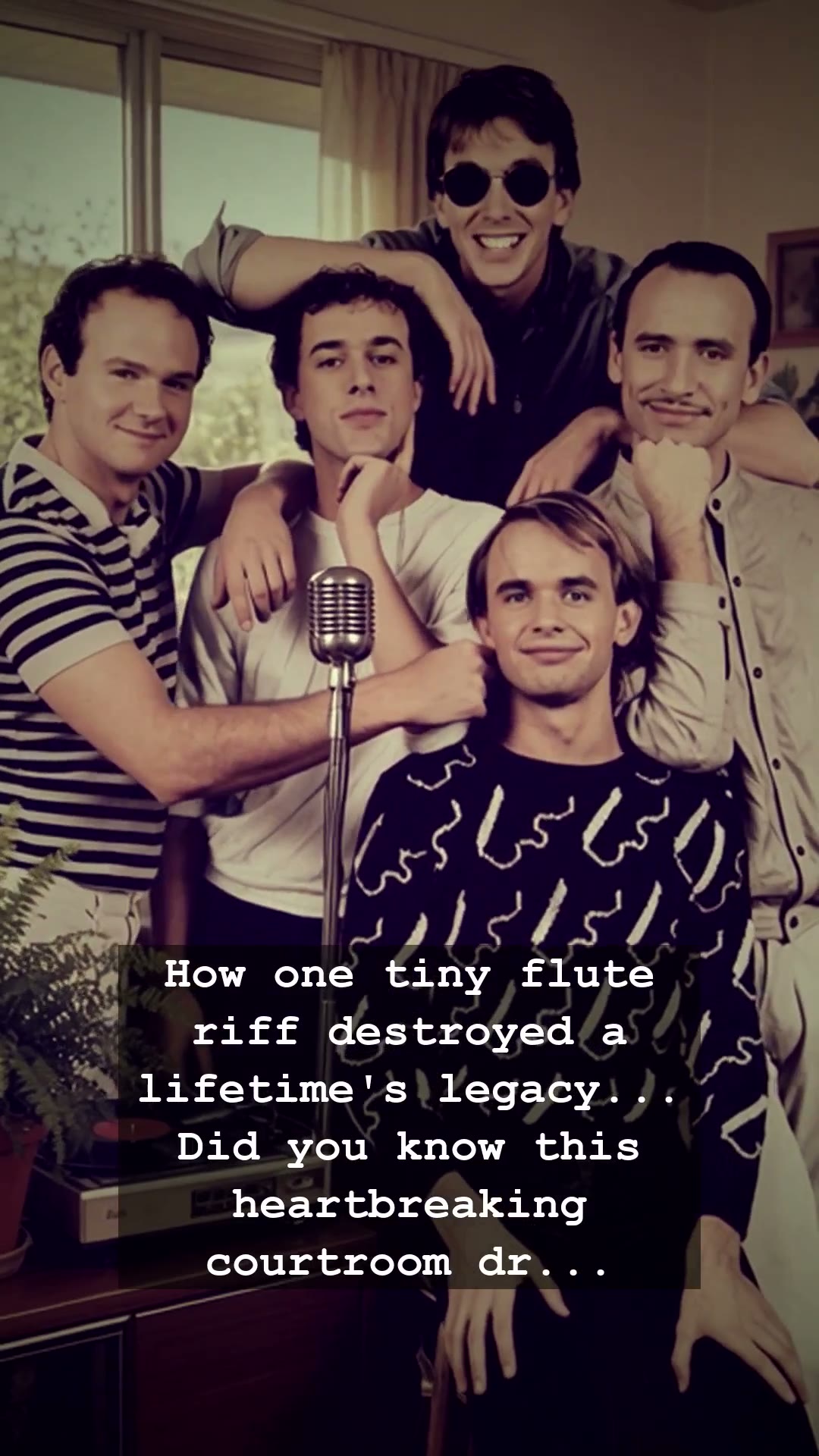
Most of us reckon the story begins and ends with Colin Hay’s brilliant songwriting, but the truth is a bit more complicated. For decades, nobody gave a second thought to that chirpy, distinctive flute riff woven into the melody of Down Under. It was just part of the furniture of our lives, as recognisable as a meat pie at the footy. However, come 2010, the band found themselves caught in a legal nightmare that left fans absolutely gutted. It turns out that those few bars of flute music bore a striking resemblance to the old nursery rhyme, Kookaburra Sits in the Old Gum Tree, written by Marion Sinclair way back in 1932.

Realising the legal implications was a slow burn that turned into a wildfire. It is hard to imagine that something so trivial, a tiny nod to a children’s campfire song, could be the catalyst for such a massive downfall. The legal proceedings were gruelling, dragging the band through the mud and forcing them to defend the integrity of their most famous creation. The court eventually ruled against Men at Work, and the aftermath was nothing short of heartbreaking. It wasn’t just about the money; it was the tarnishing of a legacy that had meant heaps to so many of us for years.

I still remember the feeling when the news broke—it was like finding out your favourite uncle had been caught doing something naughty. The band, once seen as the larrikins who took on the world and won, were suddenly painted as copycats. Colin Hay and the rest of the boys were left to carry the weight of a decision that felt, to many of us watching from the sidelines, like a total overreach. It is a sombre reminder that in the music industry, even the most cherished memories can be hijacked by cold, hard legal battles.

Looking back now, it is a bloody shame that such an incredible career is often shadowed by the Kookaburra debacle. Despite the drama, the music of Men at Work remains a vital part of our cultural fabric. We still turn the volume up whenever Down Under hits the airwaves, ignoring the lawyers and the courtroom transcripts. It is high time we stop focusing on the legal faff and start remembering the band for the colour and joy they brought to our lives during the glory days of the eighties. They were legends then, and to those of us who grew up with them, they will always be legends.

The Midnight Call That Saved Split Enz From Total Collapse

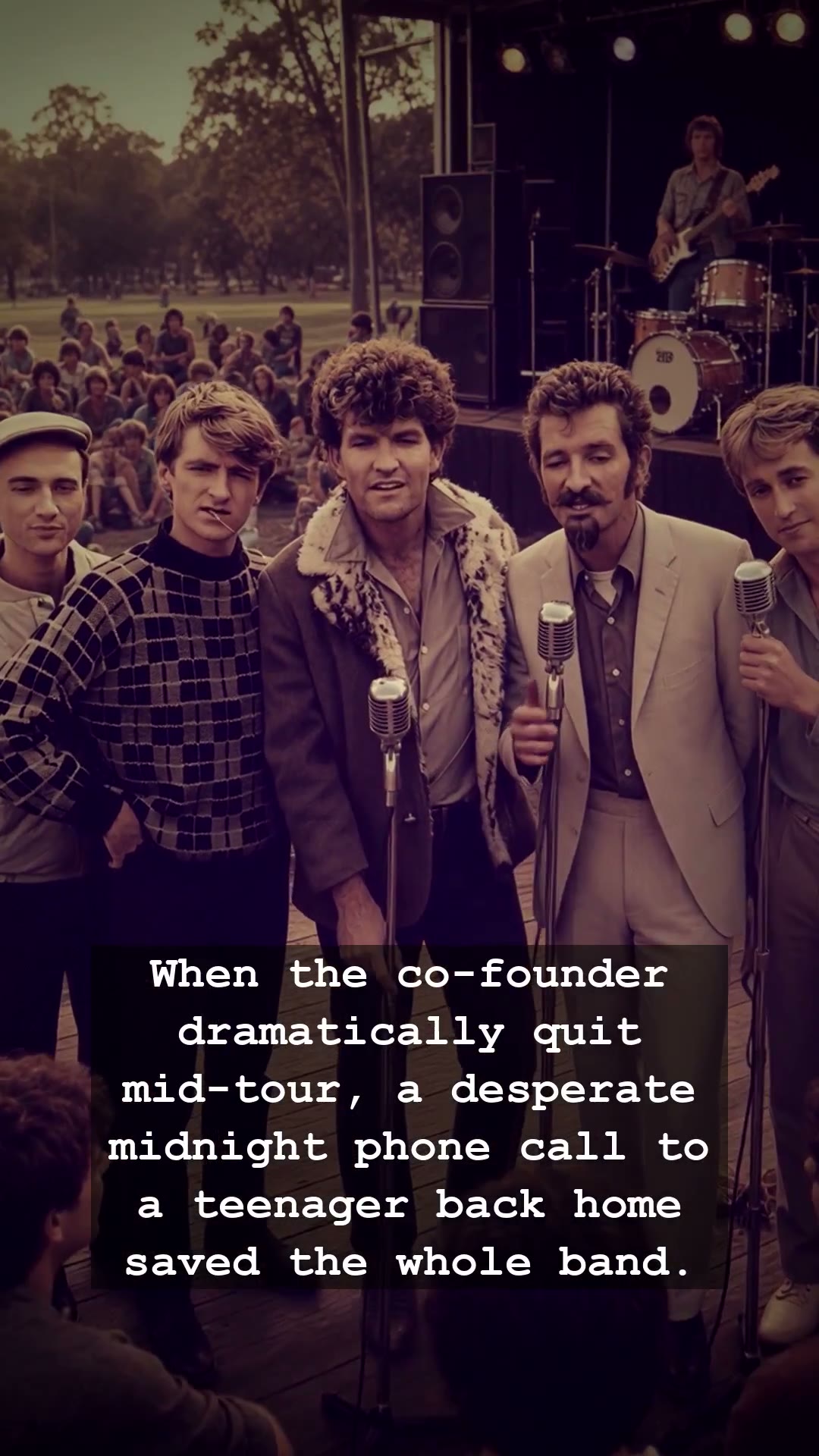
Picture the scene, mate. It is 1977, and the music industry in the UK is a real pressure cooker. For our favourite Kiwi exports, Split Enz, the dream was turning into a bit of a nightmare. They were midway through a gruelling tour, and the tension was thick enough to cut with a knife. Suddenly, the rug was pulled out from under them when co-founder Phil Judd decided he’d had enough and walked out mid-tour. The band was stranded, exhausted, and staring down the barrel of total disintegration. You reckon they were done for? You wouldn’t be the only one to think that.

But here is where the story gets really interesting. In a moment of absolute desperation, the remaining members had to make a choice: pack up their gear and head home to the quiet life, or roll the dice on a miracle. That night, in the dim light of a hotel room, a frantic, middle-of-the-night phone call was made all the way back home. They dialled up a shy, eighteen-year-old kid who had just been plucked from obscurity to fill a void that felt impossible to bridge. That teenager was Neil Finn, and that single phone call didn’t just save the tour; it changed the entire trajectory of the band and arguably the sound of Antipodean rock forever.

Before that call, Split Enz was known for a particular brand of theatrical, art-house flair, but they were struggling to find their commercial feet. Bringing young Neil into the fold brought a fresh, melodic sensibility that would eventually lead to global hits like I Got You. It is fascinating to look back and realise how close we came to never hearing those iconic tracks. Without that midnight gamble, the colourful costumes and the avant-garde brilliance that defined the Enz might have been lost to the annals of history, just another band that burned out before they could properly ignite.

Reflecting on those days, it is easy to get nostalgic for the sheer grit of the 70s. There was no internet to soften the blow, no digital safety net. You were either on the road, battling through the grime and the glory, or you were finished. Split Enz had that raw, authentic energy that we just don’t see heaps of these days. They were weird, they were wonderful, and they refused to play by the rules, which is exactly why they remain such a huge part of our collective musical DNA.

Even now, decades later, the legacy of that era persists. Whenever a classic Split Enz track pops up on the radio, it takes me right back to the pub rock days, the Countdown broadcasts, and that unique sense of pride we felt seeing our own musicians hold their ground on the world stage. It’s a reminder that sometimes the best things in life—and the best music—are born from the most chaotic, uncertain moments. If you have a favourite memory of catching the Enz back in the day, I’d love to hear it. It’s been a wild ride, hasn’t it?

The Real Story Behind Russell Morris and His Psychedelic Masterpiece

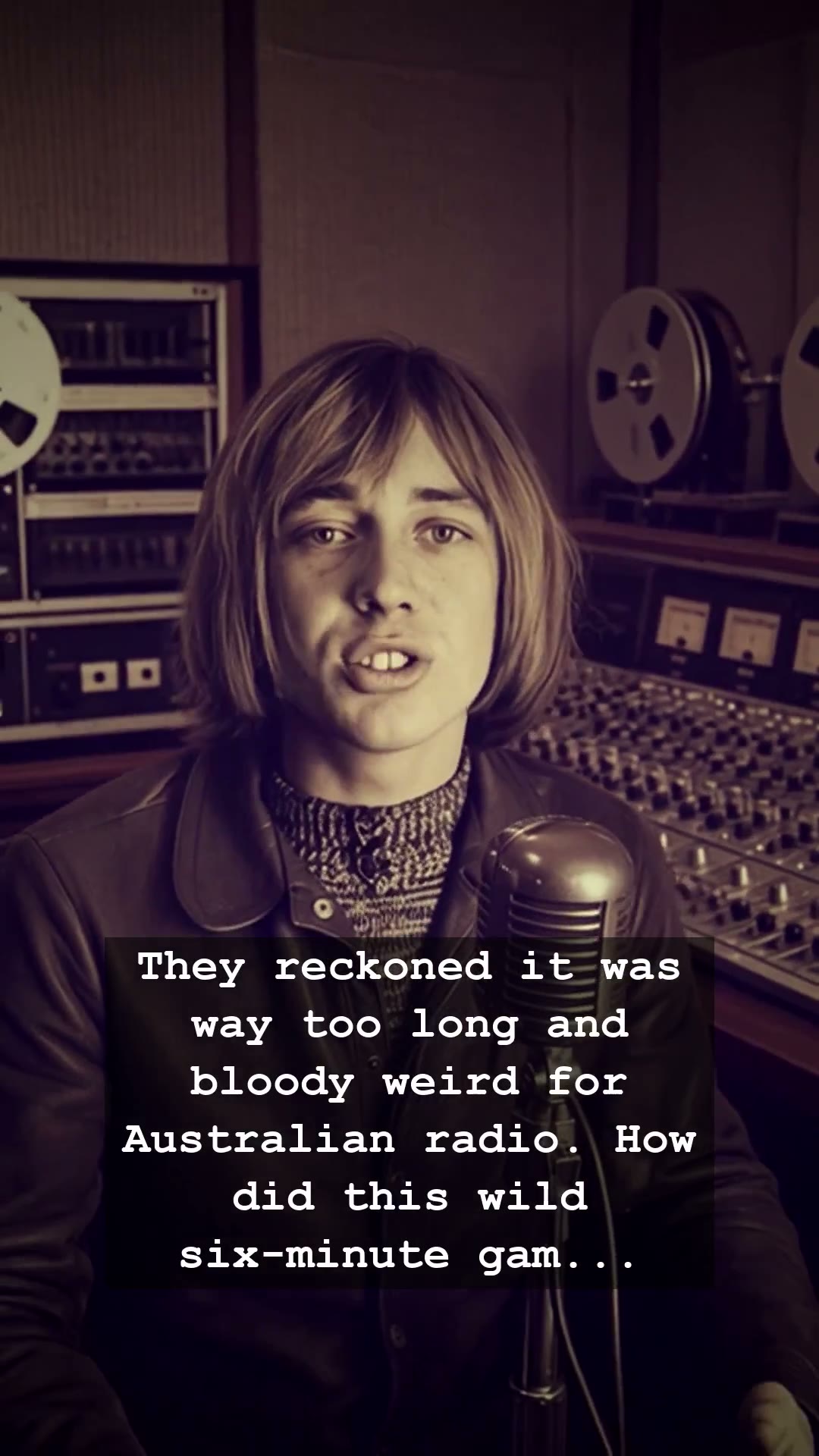
Picture this, mate: it is 1969, and the Australian airwaves are mostly playing safe, three-minute pop tracks that you could tap your toes to while washing the car. Then, out of the blue, comes a six-minute, mind-bending epic that defied every single rule in the book. Russell Morris, a young bloke from Melbourne, decided he was finished with the usual radio fluff. He walked into the studio with The Real Thing, a track so wild, so layered, and so bloody weird that the industry suits were absolutely convinced it would be a total flop. They reckon it was way too long, too complex, and far too experimental for the average Aussie listener to get their heads around.

But here is the beauty of it: Russell Morris didn’t care about the radio play rules. He worked alongside the legendary producer Ian Meldrum to create a sonic landscape that was miles ahead of its time. They utilised heaps of tape-splicing tricks, layering vocal tracks and psychedelic arrangements that gave the song its haunting, otherworldly colour. It was a massive gamble that could have easily ruined a career before it had even properly kicked off. Instead, the public absolutely fell in love with it. It became an instant number one anthem, a song that defined a generation and proved that Australian audiences were starving for something with real soul and ambition.

Looking back, it is hard to realise just how radical The Real Thing was back then. While other artists were churning out standard love songs, Russell Morris was busy crafting a piece of art that felt like it came from another dimension. The track captured that late-sixties energy perfectly, balancing the raw, emotional power of his voice with a production style that felt genuinely dangerous. It wasn’t just another hit; it was a cultural moment that shifted the dial for what Australian musicians could achieve if they just dared to take a risk.

Decades later, the song still holds up remarkably well. Whenever it comes on the radio or plays at a pub gig, you can see people of all ages stop for a second to really listen. It carries that thick, nostalgic weight of a time when music felt like it was changing the world. Russell Morris managed to create a piece of history that remains our favourite piece of psychedelic mastery, a true blue Aussie classic that refused to be put in a box.

It is fascinating to think about how different our music scene might have looked if he had listened to the critics and played it safe. Instead, he stuck to his guns, ignored the suits, and gave us a track that changed the game forever. If you ever want to understand the true spirit of Australian rock’n’roll, just put on your favourite record player and let those opening chords of The Real Thing wash over you. It is a ripper of a story, and frankly, we are lucky he took the gamble.

Normie Rowe: From Aussie Pop King to the Vietnam Warzone

Picture the scene: it is 1967, and Normie Rowe is the biggest thing on the Australian music scene. You could not turn on the telly or listen to the radio without hearing his golden voice. He was our home-grown answer to the British Invasion, a lad from Melbourne who had girls screaming his name at every gig. We all thought he was untouchable, the undisputed king of pop who would dominate the charts for decades to come. But then, in the blink of an eye, the music stopped. The government sent a letter that changed everything, pulling him from the stage and marching him straight into the brutal, muddy reality of the Vietnam War.

For many of us who grew up in that era, it still feels like a total shock. Normie Rowe was at the absolute peak of his fame, churning out hits like Shakin’ All Over, when his national service call-up arrived. It was a massive deal at the time, and I reckon it left the whole country in a state of disbelief. People still talk about it down the pub, with many die-hard fans firmly believing it was a deliberate government stunt to make an example of a popular icon. Whether it was bad luck or a calculated move to show that no one was above the law, the truth is that a glittering career was suddenly derailed by the harsh realities of conscription.

Watching Normie Rowe trade his stage suit for an army uniform was a sombre reminder of how turbulent those years really were. He served with the Royal Australian Regiment, and the transition from being the favourite boy-next-door to a soldier in a jungle was worlds apart from the glitter of the Countdown stage. When he finally returned to civilian life, the industry had moved on in heaps of ways. The music scene had shifted, and the landscape of Aussie rock was changing colour as bands like AC/DC and Cold Chisel started to capture the public imagination.

It is truly tragic to think about what might have been if he had not been plucked away during his prime. Normie Rowe had a unique talent and a charisma that was hard to replicate, and we realise now just how much of a void his departure left in the local charts. He eventually made a comeback, but the momentum he once held was impossible to fully recapture after such a traumatic chapter. It was not just a career break; it was a total interruption of a national love affair with his music.

Looking back, Normie Rowe’s story remains one of the most poignant tales in Australian music history. It captures the tension of the sixties—the collision between youth culture and the stiff, traditional politics of the time. We still spin his old records and remember him as the king who was taken too soon, a legend whose service left an indelible mark on our collective memory. It’s a bit of a heavy thought, mate, but it’s part of the reason his music still resonates so deeply with us today.

The Bee Gees: How a Boat Trip Saved Australia’s Greatest Export

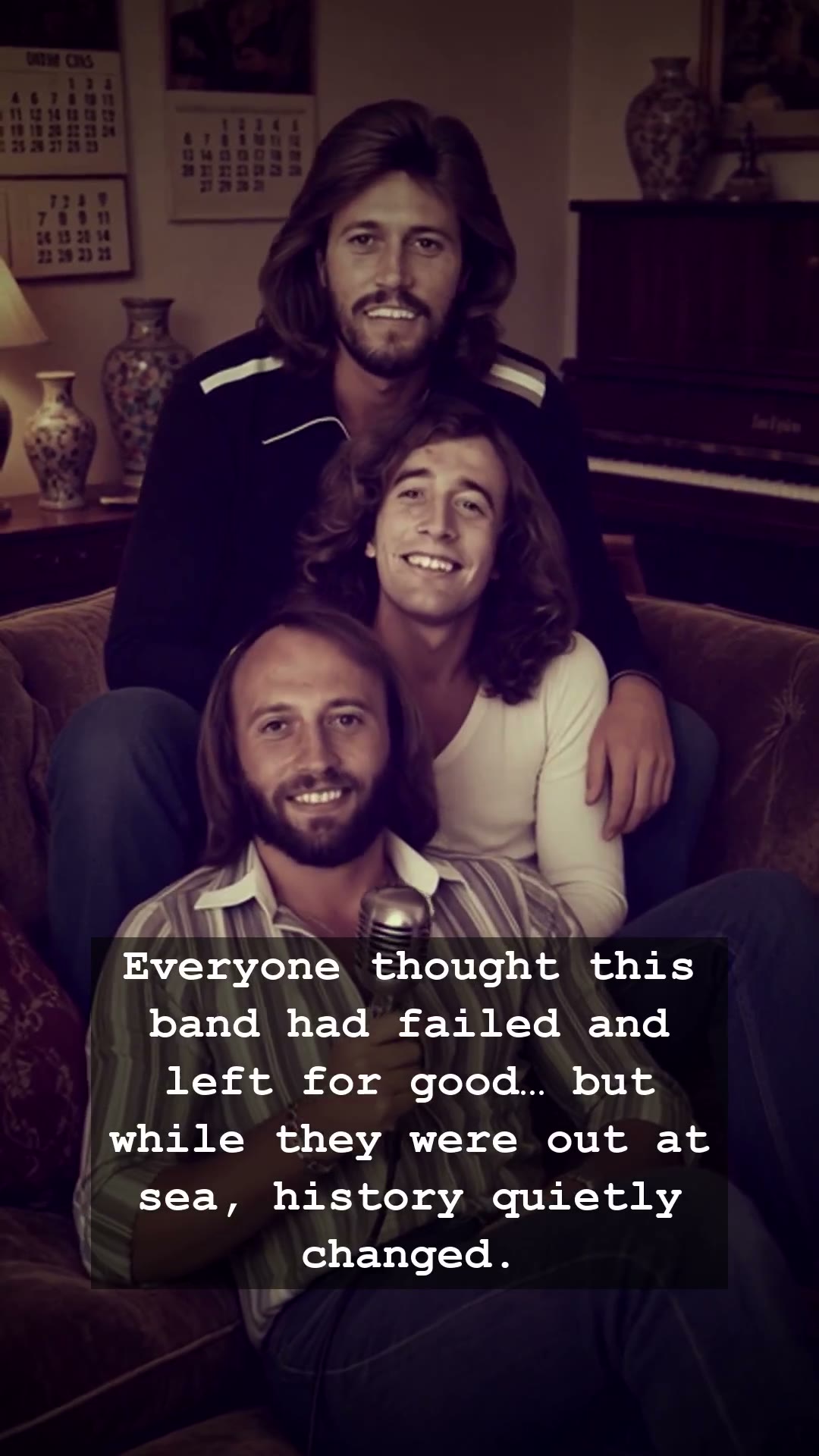
Picture the scene in 1966. Three brothers, Barry, Robin, and Maurice Gibb, are standing on the deck of a ship, feeling absolutely gutted. They had spent years grafting in the Australian music scene, playing local gigs and chasing that elusive big break, but the hits just weren’t landing. They had been branded as failures by some of the industry hard-nuts back home, and they reckoned their music career was well and truly finished. So, with their hearts on the floor, they decided to pack it all in and head back to the UK, convinced that their dream had sailed off into the sunset along with their departure from the harbour.

They spent the journey across the ocean nursing their bruised egos, completely unaware that the tides had shifted back in the Lucky Country. While they were aimlessly floating somewhere between the Indian and Atlantic Oceans, a song they had recorded, Spicks and Specks, was gaining momentum like a bushfire. It climbed the charts until it hit the number one spot on the Australian countdown. It is one of those classic ironies that makes our music history so bloody brilliant—the Bee Gees were technically international pop icons while they were still in the middle of a depressing voyage, having no clue that their luck had finally turned.

That specific period captures the essence of the mid-sixties Aussie music scene. It was a time of pure grit, where you played for beer money in smoke-filled pubs and hoped someone in the industry was actually listening. For the Bee Gees, that heartbreak on the high seas was merely the prologue to a global transformation. They would go on to realise a level of fame that most artists only ever dream of, reinventing themselves time and again from the melodic pop of the sixties to the glittering heights of the disco era. Yet, even as they became global superstars, that Aussie connection always held a special colour in their songwriting.

It is strange to think how close we came to never hearing the full legacy of the Bee Gees. Had they stayed in the UK and given up, or had they not been on that ship during that exact window of time, the soundtrack of the seventies might have sounded entirely different. They endured heaps of rejection before that breakthrough, proving that in this business, talent is only half the battle; persistence is what truly separates the legends from the rest of the pack. I reckon every time we hear those iconic harmonies today, we are reminded of just how hard they worked to get their start.

Looking back, their story remains a favourite piece of local folklore. It tells us that even when you are at your lowest ebb, feeling like a total failure, the world might just be about to crown you as a hero. The brothers Gibb showed us that you never really know what is waiting for you over the horizon. So, next time you are feeling a bit down about your own prospects, just remember the Bee Gees, sailing away in silence while the whole nation was singing their name.