Up There Cazaly: The Two Man Band Anthem That Defined Aussie Footy

Cast your mind back to 1979, mate. The smell of meat pies was wafting through the MCG, the terraces were packed tight, and a certain tune started echoing from the telly that would change the soundtrack of Australian sport forever. We are talking about the iconic Up There Cazaly, recorded by The Two Man Band. Before this track hit the airwaves, footy songs were largely forgettable, but this one managed to capture the very heart of the nation. It wasn’t just a song; it was a rallying cry that spoke to every bloke in the stands and every mum watching from home. You reckon you remember belting it out? If you were alive then, you definitely do.

The Two Man Band, comprised of Mike Brady and Peter Sullivan, struck gold with this absolute belter. It is wild to realise that a song about a legendary VFL player from the early 1900s, Roy Cazaly, could become such a monumental hit in the late seventies. The lyrics, simple yet incredibly evocative, turned the phrase into a household motto. Whenever the ball was kicked high into the air, you could hear the roar of the crowd screaming the title in unison. It became an instant Aussie rules grand final tradition that footy fans still belt out heaps today, no matter how many decades have rolled by since that first pressing.

There was something uniquely authentic about the production. It did not sound like the polished, glossy pop coming out of the States at the time. It had grit, it had a distinctly Australian rhythm, and it felt like it belonged in the pub as much as it belonged on the oval. The success of Up There Cazaly proved that we Aussies were starving for our own cultural touchstones. We didn’t need to look abroad for inspiration when our own history—and our own footy legends—provided such rich stories to tell. It was a massive moment for the local music industry, showing that an independent hit could dominate the charts and the national consciousness simultaneously.

I often reflect on why this track still resonates so strongly with us. Perhaps it is because it represents a simpler time, an era before digital distractions when the Saturday afternoon game was the absolute centre of the universe. When The Two Man Band released the single, they probably didn’t anticipate it would become an evergreen classic, but that is the beauty of a genuine anthem. It carries the weight of a thousand memories, the colour of the team colours draped over the fences, and the sheer joy of a hard-fought win on the MCG turf.

Even now, when I hear those opening chords, I am transported straight back to my old man’s lounge room. It is a testament to the power of a great tune that it still stirs the same pride today. Whether you are a die-hard fan or just someone who appreciates a piece of golden Australian history, you have to admit that The Two Man Band nailed it. So, next time you are heading to the game, take a moment to listen for it, mate. It is more than just music; it is part of who we are.
Bohemian Rhapsody: The Song Australian Radio Bosses Reckoned Would Flop

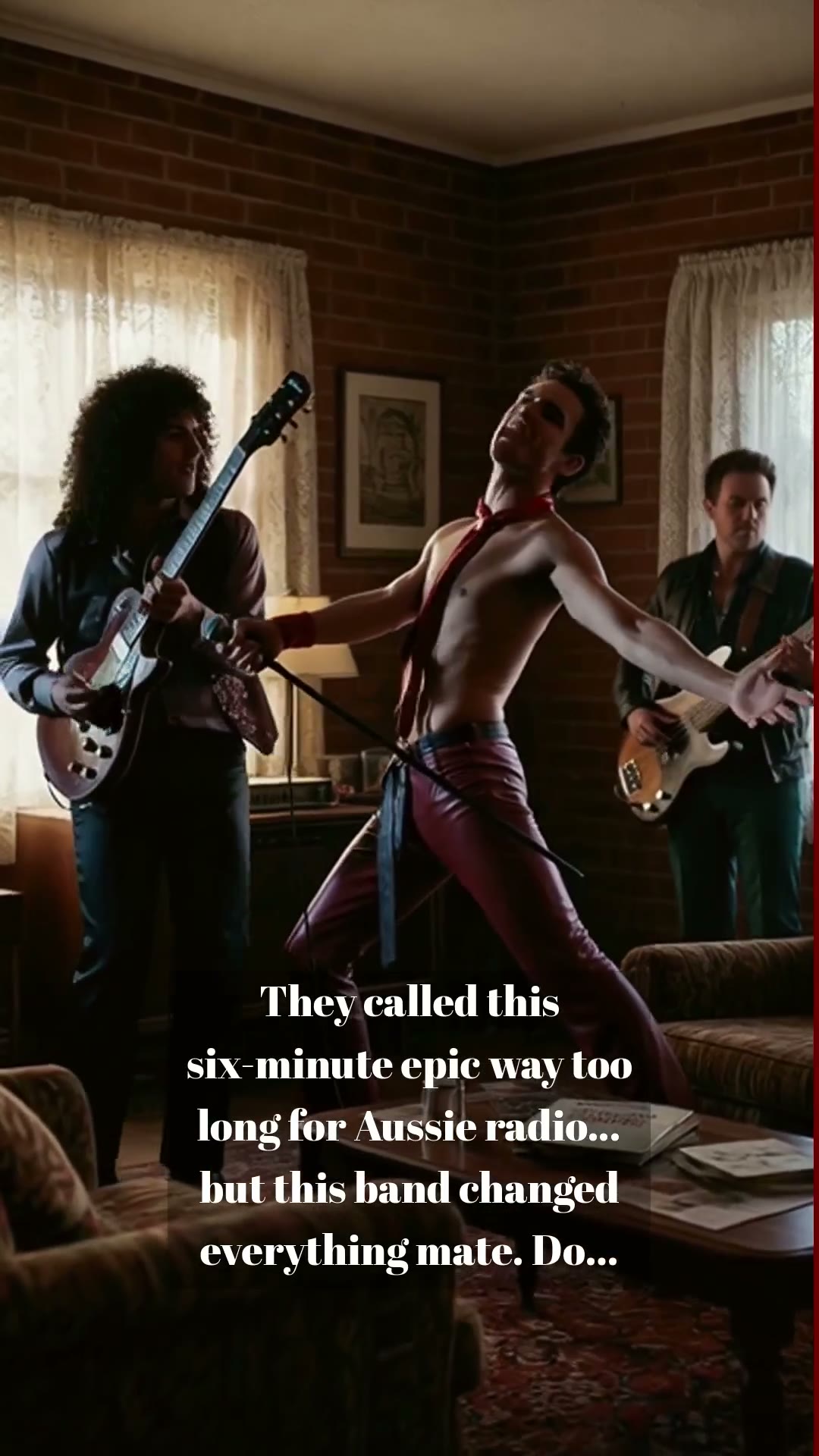
Cast your mind back to 1975. You are sitting in your lounge room, a warm beer in hand, staring at the glowing screen of the telly as Countdown flickers to life. It was a time when Australian music was finding its swagger, but nothing could have prepared the nation for the six-minute wall of sound that was about to change the rulebook forever. Queen, a band that felt like they had dropped in from another planet, were pushing a track that record executives absolutely loathed. They told the band it was far too long, too operatic, and frankly, completely unsuited for the airwaves. But luckily for us, some brave local DJs across the country didn’t listen to the suits.

I reckon most of us remember exactly where we were the first time we heard those haunting harmonies of Bohemian Rhapsody. It wasn’t just a song; it was a total assault on the senses. In an era where a standard radio hit was expected to be a snappy three-minute pop tune, Queen dared to be different. The record bosses reckoned it would die a quiet death, deemed too weird for the Aussie pub circuit and far too complex for the average listener. They were dead wrong. The moment those notes hit the airwaves, the country went absolutely bonkers. It was a cultural earthquake that resonated in every suburban living room from Perth to Sydney.

What made the success of Queen so special here in Australia was how quickly we embraced their theatrical brilliance. We have always had a soft spot for outsiders, and Freddie Mercury was the ultimate frontman—bold, colourful, and unapologetically himself. While the industry suits were busy crunching numbers and worrying about airplay minutes, everyday Aussies were losing their minds over the song’s bizarre operatic middle section. It became the favourite tune to crank up high during a backyard barbecue, proving that if a song has heart, it doesn’t matter how long it runs for.

Looking back, the story of Bohemian Rhapsody serves as a brilliant reminder of a time when music felt like a genuine discovery. There was no streaming, no instant digital access; you had to wait for the DJ to play it or head down to the local record shop to grab the vinyl. The anticipation of hearing that piano intro was something else. Queen managed to capture a sense of drama that still feels fresh decades later. It is that rare kind of track that never loses its sparkle, no matter how many heaps of times you have heard it over the years.

It is truly amazing to realise just how much power the fans actually held back then. By demanding the song on air, Australians forced the industry to catch up. Queen went on to have a massive career here, but it all traces back to that moment in 1975 when the rules were broken. So, next time you hear those iconic opening bars, take a moment to tip your hat to the DJs and the listeners who knew a masterpiece when they heard one, mate. It still gives me goosebumps every single time.

A Whiter Shade of Pale: The Procol Harum Classic We Still Love

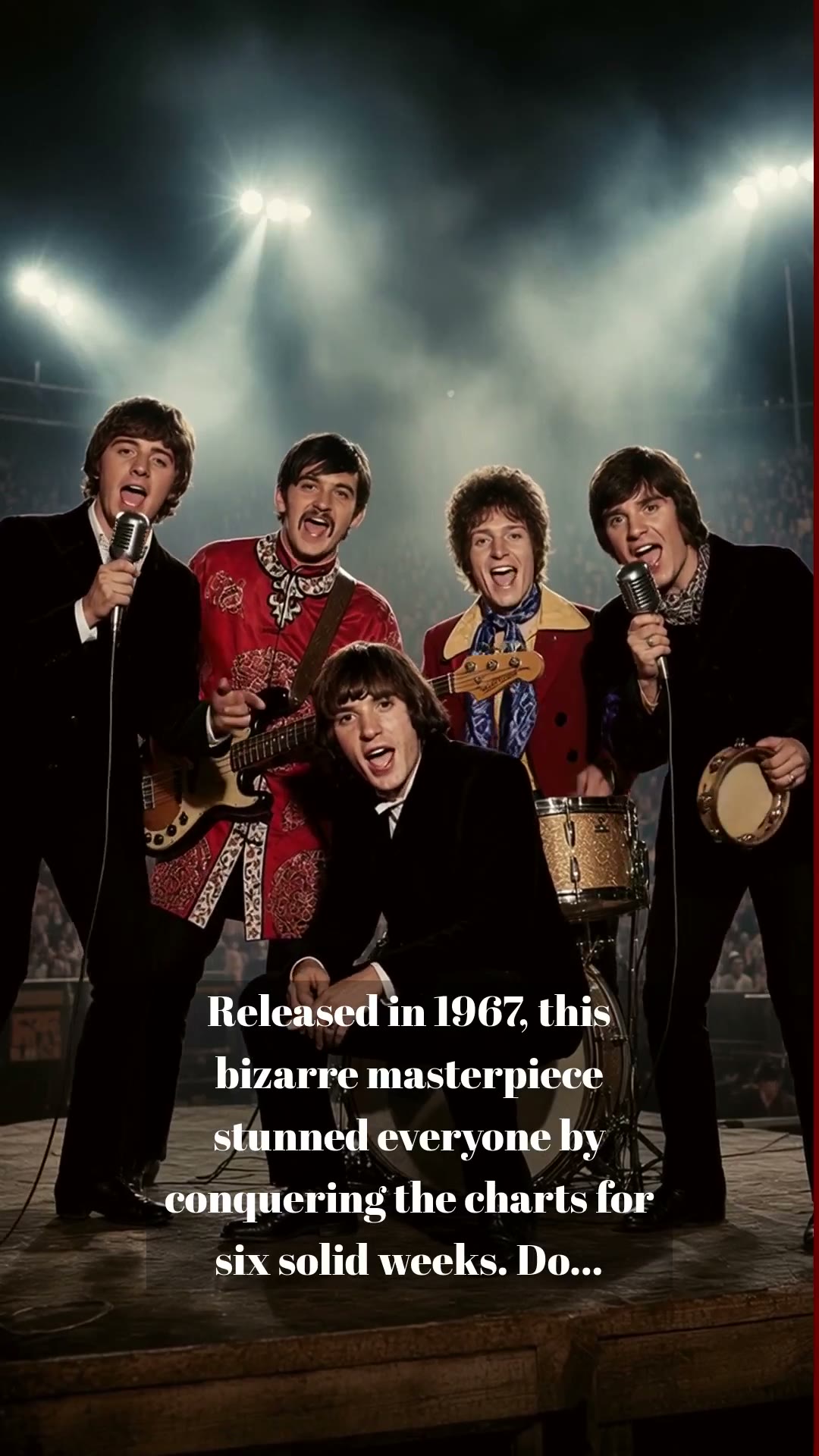
Cast your mind back to 1967, mate. The world was changing, the telly was flickering with the Summer of Love, and somewhere amidst the chaos, a haunting, organ-drenched melody drifted out of the speakers and captured the hearts of a generation. We are talking, of course, about Procol Harum and their absolute masterpiece, A Whiter Shade of Pale. It was a tune that didn’t just climb the charts; it parked itself there for six solid weeks, leaving everyone from the pub locals to the music critics completely spellbound. It is the sort of track that, even now, makes you stop what you are doing and just listen, realising that they simply do not write them like that anymore.

There was something inherently bizarre and brilliant about the way Procol Harum burst onto the scene. With those Bach-inspired organ flourishes and lyrics that felt like they were pulled from a fever dream, it was unlike anything else hitting the radio waves in the late sixties. While the rest of the world was obsessed with shorter, punchy pop numbers, these blokes decided to take us on a six-minute voyage into the surreal. I reckon it was that very oddness—the mix of classical sophistication and psychedelic mystery—that made the song resonate so deeply with Aussie music lovers who were hungry for something a bit different.

I remember hearing it for the first time down at my local, and the whole room just went quiet. It wasn’t just a hit; it was a cultural moment that felt like it had been around for centuries, yet it sounded entirely fresh. That organ solo, played with such sombre grace, still sends shivers down my spine every single time. It is a testament to the raw talent of Procol Harum that they could take such an unconventional composition and turn it into a global phenomenon. For those of us who grew up with this track, it’s not just a song; it’s a time machine that takes us right back to a colourful, confusing, and glorious era.

Of course, the history behind the track is just as fascinating as the music itself. There were heaps of stories floating around about what the lyrics actually meant—some said it was about a wedding, others reckoned it was a drug-fuelled hallucination—but the band always kept a bit of that magic tucked away. That mystery is exactly why the song has endured. It doesn’t need to explain itself to you. It just invites you to step into its world, settle in, and feel the weight of those chords. It is a true testament to the brilliance of Procol Harum that they managed to balance the drama of the charts with the genuine artistry of their craft.

It is fair to say that A Whiter Shade of Pale remains one of my absolute favourite tracks from the golden age of the sixties. Whether you were there when it first dropped or you discovered it years later, there is no denying its place in the pantheon of music legends. So, next time you are feeling a bit nostalgic for the good old days, do yourself a favour and put the record on. Turn it up loud, pour yourself a cold one, and let Procol Harum take you on that familiar, haunting journey all over again, mate.

Cold Chisel: Why Khe Sanh Remains Australia’s Ultimate Pub Rock Anthem

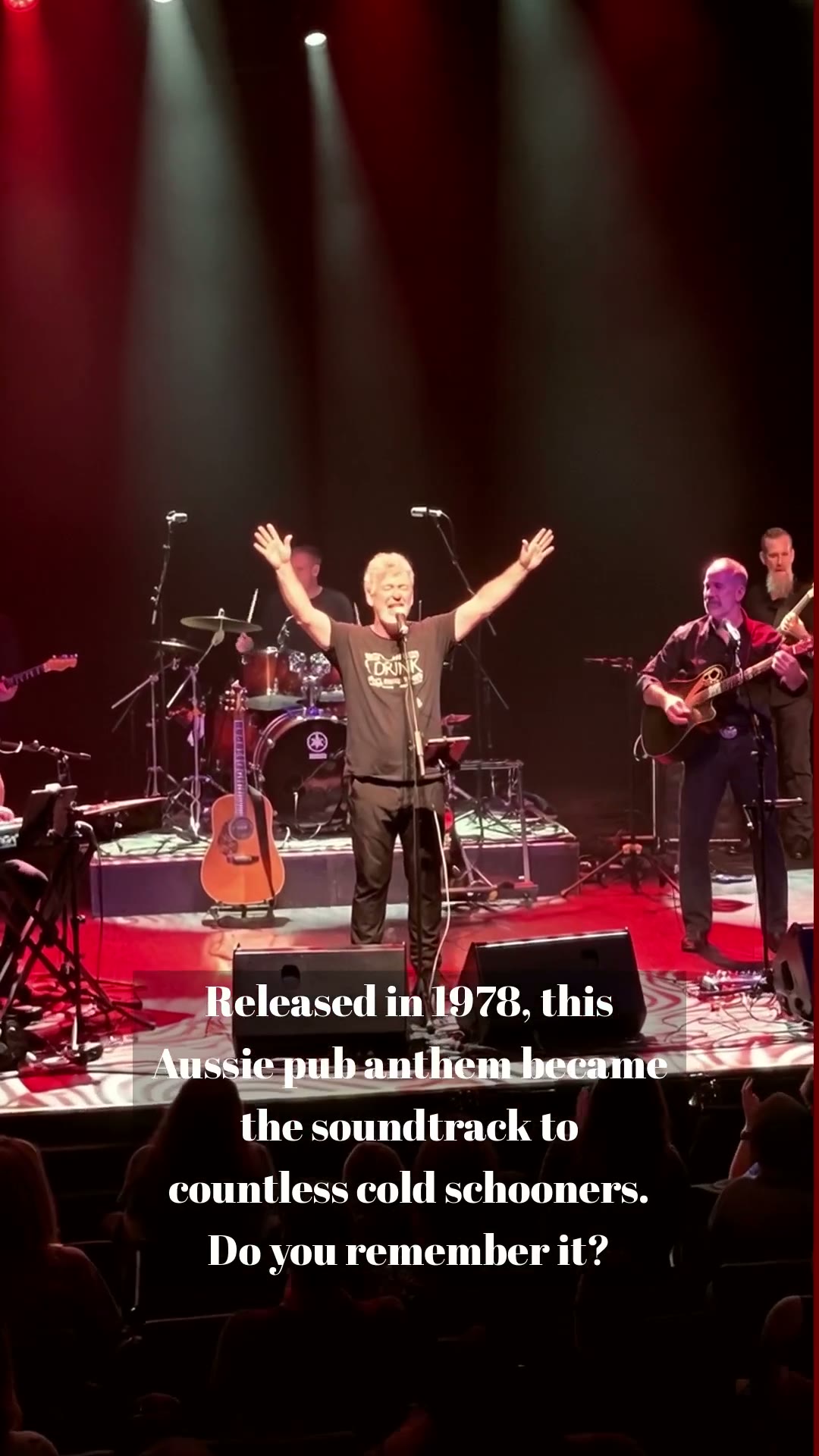
Cast your mind back to 1978. The air in the local pub was thick with the smell of spilled beer and cigarette smoke, the floor was sticky, and the telly in the corner was likely showing the cricket. Then, that unmistakable piano riff kicked in. It was Cold Chisel’s Khe Sanh, a song that didn’t just top the charts, but carved its way straight into the national identity. If you were knocking back a few cold schooners with your mates on a Friday night back then, you reckon you remember the exact moment that track hit the speakers. It was raw, it was honest, and it felt like it belonged to every single one of us.

There was something about the way Jimmy Barnes tore into those lyrics that felt different. He wasn’t just singing; he was living the frustration of a generation returning home to a country that hadn’t quite worked out how to welcome them back. While the mainstream radio stations were a bit hesitant to give it a fair go at first, the fans knew better. It became a grassroots sensation, spreading from the dusty corners of outback watering holes to the bustling city bars. It was the quintessential Aussie pub rock anthem, capturing the rough-and-tumble spirit of an era where music was our primary escape.

I often realise that Cold Chisel was the heartbeat of our pub culture. They didn’t polish their sound to suit the overseas markets; they kept it authentic, gritty, and unmistakably Australian. Don Walker, the band’s songwriter, had a knack for painting pictures of life that hit home heaps harder than anything coming out of the States or the UK at the time. He told stories about real people, real struggle, and the real longing for a sense of belonging that resonated deeply with anyone who had felt left behind.

It is truly wild to think that a song about the lingering scars of the Vietnam War could become the favourite singalong for generations of Aussies who were barely even born when the conflict ended. Every time those first notes ring out at a gig, you see blokes in their sixties standing shoulder to shoulder with young fans, all shouting the chorus at the top of their lungs. That is the magic of Cold Chisel. They didn’t just write a song; they built a communal moment that transcends time and space.

Looking back, it is easy to see why Khe Sanh remains the undisputed king of the jukebox. It captures a slice of our history, wrapped up in a melody that you simply cannot get out of your head once it starts. It reminds us of a time when the local pub was the centre of the universe and a good rock band was all you needed to fix a bad day. So, next time you are out, do yourself a favour and raise a glass to the lads who gave us the soundtrack to our lives. What’s your favourite memory of hearing it played loud?

The Angels: How a Pub Rock Anthem Became Australia’s Wildest Chant

Cast your mind back to the sticky carpets and the warm beer of an Aussie pub in the late seventies, mate. If you were kicking about on a Friday night, you remember the feeling. The air was thick with cigarette smoke, the lights were dim, and suddenly, the opening riff of a song would tear through the room like a lightning bolt. I am talking about the sheer, unadulterated power of The Angels and their raw pub rock classic, Am I Ever Gonna See Your Face Again. It is a song that defined a generation, yet back when it was released in 1976, nobody could have predicted the strange, chaotic life it would take on once it left the band’s hands and landed in ours.

At the time, The Angels were just a bunch of blokes trying to carve out a living in a scene that was tougher than a kangaroo’s hide. They were working hard, playing heaps of gigs in every suburban watering hole from Adelaide to Sydney, and pouring their soul into their music. When they penned that track, it was intended as a genuine, melancholy ballad about loss. Doc Neeson and the boys probably never realised that a couple of years down the track, it would be transformed into the most infamous, profane, and beloved crowd chant in the history of Australian music. It is a funny old thing, how a song changes once the public gets hold of it.

It all started in a suburban pub, or so the yarn goes. Some bloke in the crowd, having had a few too many schooners, decided to fill the silence after the chorus with a response that was anything but respectful. It caught on like wildfire. Suddenly, every time the band hit that pause, the entire room erupted with a response that would make your nana blush. It became a rite of passage, a loud, collective roar that cemented The Angels as the kings of the Aussie pub circuit. You couldn’t walk into a venue without hearing the roof nearly lift off when that chorus hit.

Looking back, it is easy to see why we loved it so much. It was the ultimate defiance, a way for us to own the music and make the experience our own. The band might have been a bit shocked at first, but they soon came to realise that this profane addition was part of the magic. It turned a simple rock song into a communal, high-energy event that we still talk about today. It reminds us of a time when music was visceral and the connection between the band and the punters was raw and unfiltered.

Even now, when you hear that opening riff on the wireless, you can’t help but smile, can you? It takes you right back to your favourite local, surrounded by your mates and feeling that incredible, thumping rhythm in your chest. The Angels gave us more than just a track; they gave us a national anthem of the pub scene that we carry with us even now. It is a piece of Australian culture that refuses to fade away, as timeless as the memory of a cold beer on a scorching summer day. Reckon you still remember the words? I bet you do.

Ruel and the Heartache That Made Us Reckon with Real Music

Back in 2020, when a haunting ballad caught fire across streaming platforms, mates across Sydney and Melbourne reckoned its raw heartache gave life to a proper modern classic. It was a moment that felt like a quiet storm, reminding us that even in an age of overproduced pop, a voice like Ruel’s could still cut through the noise and grab you by the heart. If you have been following the local scene, you know that Ruel is no flash in the pan; he is a talent that reminds us of the golden era of Aussie songwriting, where the lyrics carried as much weight as the melody. When he dropped those tracks, it was not just about the numbers or the charts; it was about that visceral, stinging feeling of growing up that we have all felt at some point in our lives.

I reckon there is something quintessentially Australian about the way Ruel crafts his music. Much like the pub rock legends of the seventies who played their guts out in crowded rooms, Ruel has a way of making his listeners feel like he is singing directly to them in the corner of a quiet room. We have seen plenty of artists come and go since the days of Countdown, but there is a specific kind of soul in his work that feels like a spiritual successor to the greats. It is that same colour and texture you find in the best ballads of our past—a bit of grit, a bit of vulnerability, and heaps of sincerity that you just cannot manufacture in a boardroom.

It is funny how a song can act as a time machine. Listening to Ruel, I am often reminded of why we fell in love with music in the first place. Whether it was the raw power of John Farnham or the polished brilliance of INXS, Australian music has always had a knack for balancing the stadium-shaking energy with the quiet, devastating ballads that stay with you long after the telly is turned off. Ruel captures that duality perfectly. He manages to sound like a seasoned veteran who has lived a thousand lives, even though he is only just getting started. It is the kind of artistry that makes you realise why we are so proud of our local talent.

There is a real story behind the success of his music, a journey of late nights in the studio and the constant pursuit of that perfect, heart-wrenching sound. It is not always glamorous, but it is deeply authentic. When you look at the trajectory of his career, you can see the influence of the greats who paved the way before him. He keeps the flame of Australian storytelling alive, proving that we do not need to look overseas for the next big thing when we have such phenomenal stories unfolding right here in our own backyard.

So next time you find yourself needing a bit of a soundtrack for those pensive moments, give Ruel another spin. You might be surprised by how much of your own story you hear in his. It is a reminder that while the decades roll on, the need for music that speaks to the soul never changes. It is good to see that even now, we are still producing artists who can stop us in our tracks and make us feel everything all at once. Stay tuned, mate, because I reckon we are only just seeing the beginning of what he has to offer.

Redgum and the I Was Only Nineteen Anthem That Changed Australia

Cast your mind back to the summer of 1983. If you were a regular at the local pub, you’d reckon you’d heard it all: the thumping of Cold Chisel, the pub rock anthems that kept the beer flowing, and the radio playing the latest pop hits. But then, a song hit the airwaves that stopped every conversation in its tracks. It was I Was Only Nineteen, the haunting masterpiece by the folk-rock band Redgum. It wasn’t your typical Friday night singalong, yet it managed to capture the raw, gritty reality of the Vietnam War and the lives of the blokes who were sent over there, forever changing our national conversation.

I remember it like it was yesterday. You would be standing at the bar, and when those opening chords began, the whole room seemed to hold its collective breath. John Schumann, the lead singer and songwriter of Redgum, possessed a voice that didn’t just sing the lyrics; he lived them. The song was a brutally honest recount of a young soldier’s experience, laced with the sights and smells of a conflict that felt a world away from the sun-drenched suburbs of Australia. It resonated with heaps of families who had been quietly carrying the trauma of the war in their own backyards.

Redgum wasn’t a band that set out to be polished or flashy. They had a rough-around-the-edges, honest charm that felt uniquely Australian. While the charts were obsessed with synthesised pop, Redgum chose to tell stories that mattered. The success of I Was Only Nineteen realised a shift in the way we looked at our veterans. It forced us to confront the harsh truth of what happened in the jungle, stripping away the pretence and showing us the fragile, broken lads who returned home. It was a sobering reminder that many of our favourite local heroes were just teenagers when they were thrust into hell.

Looking back, it is easy to realise why the track reached number one. It gave a voice to the voiceless. The production was stripped back, allowing the narrative to shine through in all its sombre colour. There was no hiding behind massive stadium pyrotechnics or expensive music videos; just a powerful story told with conviction. Even today, listening to that track brings back a wave of emotion that reminds us of the power music has to heal wounds that have been festering for decades.

Whether you were there in 1983 or you’ve discovered the brilliance of Redgum later on, the impact remains the same. The song serves as a permanent memento of a time when Australian music found its conscience. It is a testament to the fact that sometimes, the most profound pieces of art come from the most uncomfortable places. So next time you have a spare moment, put on the record, pour a cold one, and spare a thought for the lads who were only nineteen. It is a song that will truly stay with us forever, mate.

The Real Story Behind Russell Morris and His Psychedelic Aussie Masterpiece

Cast your mind back to 1969, a time when the Australian airwaves were dominated by polite pop tunes and clean-cut crooners. It was a simpler era, or so we thought, until a young bloke from Melbourne decided to turn the whole industry on its head. Russell Morris, with his mop of hair and an ambition that stretched further than the horizon, walked into the studio with a song that would defy every rule in the book. That track was The Real Thing, a seven-minute psychedelic epic that record executives initially reckoned was absolute madness. They told him it was way too weird for the radio, too long for the charts, and altogether too experimental for the average Aussie listener. Little did they know, they were looking at a legend in the making.

Back then, the suits in the ivory towers had a very specific idea of what would sell. They wanted short, punchy love songs that wouldn’t upset the tea-time audience. But Russell Morris had other ideas. He teamed up with the brilliant Ian Meldrum—yes, the very same Molly who would later rule our living rooms on Countdown—to craft something truly ground-breaking. When they emerged from the studio with The Real Thing, the label heads were practically clutching their pearls. They thought the sprawling, spacey structure would be a commercial disaster. They couldn’t have been more wrong. Once that track hit the airwaves, it didn’t just climb the charts; it smashed through them with a ferocity that caught everyone off guard.

It is hard to realise now, looking back through the lens of history, just how daring that song was. It was a bold cocktail of heavy brass, haunting vocals, and a production quality that felt like it had been beamed in from another planet. For those of us who were glued to the telly or huddled around the wireless back then, Russell Morris became a symbol of a changing tide. He proved that you didn’t have to follow the formula to win the hearts of the nation. It was a triumph of creativity over corporate caution, and it left an indelible mark on the landscape of Australian rock music.

Beyond the chart success, there is something deeply nostalgic about hearing that iconic opening riff today. It transports you straight back to the pub rock scene of the late sixties, where the smell of stale beer and the sound of electric guitars defined our weekends. Russell Morris managed to capture the restless spirit of the youth, creating a soundscape that felt both uniquely Australian and wildly international. It is no wonder that the song remains a staple on the wireless; it carries the weight of a million memories for those of us who grew up with it.

Looking back at the career of Russell Morris, it is clear that he never lost that fire. He paved the way for so many Aussie artists who dared to push the boundaries and challenge the status quo. He showed us that being a bit ‘weird’ is often the secret ingredient to being truly unforgettable. So, next time you hear those opening notes, turn it up a bit louder, mate. It is more than just a song; it is a piece of our history, a defiant anthem that reminded us all that the real thing is always worth the wait.

The Accidental Whisper That Made 10cc a Global Music Legend

Cast your mind back to 1975, mate. The radio was a different beast entirely, wasn’t it? You’d be cruising down the coast in the old ute, and suddenly, this ethereal, haunting sound would wash over the speakers. It was I’m Not in Love by 10cc, a track that felt less like a pop song and more like a fever dream. Most of us reckon we know the tune, but few realise the sheer, chaotic magic that went into creating that masterpiece. It wasn’t just another studio session; it was an act of pure sonic alchemy that changed the landscape of Australian airwaves forever.

Back in the day, the lads in 10cc were already known for being a bit quirky, but they were desperate to avoid the usual rock and roll cliches. They had this simple backing track, but it felt hollow, lacking the colour and soul they were chasing. The story goes that they spent weeks in the studio, trying every trick in the book to get it right. They had heaps of ideas, but nothing stuck until they stumbled upon a bizarre experiment with a multi-tracked choir of whispers. They recorded their own voices singing the same chords over and over, creating a wall of sound that felt both intimate and massive. It was an accidental genius move that birthed the most haunting hook in pop history.

I still remember sitting in the lounge room, watching the telly, waiting for Countdown to come on just to catch a glimpse of the band performing. 10cc stood out because they were proper musicians who weren’t afraid to push the envelope. They didn’t rely on flashy outfits or stage theatrics; they let the complex arrangements and that lush, ghostly vocal layering do the heavy lifting. It’s the kind of song that makes you stop whatever you are doing, put down your cuppa, and just listen. That’s the hallmark of a true classic, and it still holds up today with as much depth as it had forty years ago.

It is fascinating to think about how much effort went into those few minutes of music. In an era before digital editing became the norm, 10cc were literally slicing and splicing tape by hand. They had to be precise, or the whole thing would fall apart. Looking back, it makes you appreciate the craft, doesn’t it? You can hear the hum of the gear and the sheer determination in every breathy note. It wasn’t just a hit; it was a testament to the fact that when you mix a bit of madness with genuine musical talent, you get something that resonates across generations.

Even now, when I hear those opening chords, I am transported straight back to the seventies. It’s a bit of nostalgia that never gets old, a reminder of a time when music felt like a grand experiment. Whether you were a fan of pub rock or preferred the softer side of the charts, 10cc had a way of weaving themselves into the fabric of our lives. So, next time you hear that whisper, turn it up, shut your eyes, and think of those blokes in the studio. What’s your favourite memory of that iconic track, mate?

The Beat: How That Aussie Track Stole Our Hearts Without Any Promo

Cast your mind back to the golden era of Aussie radio, back when you had to be glued to the wireless or waiting by the telly for Countdown to hear something truly special. There was a particular magic in the air during those mid-seventies days—a time when the pub rock scene was starting to heat up and the charts were still anyone’s game. It was during this period that a track by The Beat hit the airwaves, and honestly, mate, the radio bosses didn’t realise what had just blown the charts wide open. It happened so fast that it left the suits in the boardrooms absolutely gobsmacked.

Most bands back then were spending heaps of cash on press kits and fancy promotional tours just to get a foot in the door. But The Beat? They did it the hard way, or perhaps the best way. This track didn’t need a massive marketing machine behind it. It just hit the speakers, and suddenly, every bloke in the local pub and every mum tuning into the morning show was asking the same question: who the hell is this? It was one of those fair dinkum Aussie radio classics that felt like it had been part of our lives forever, even the first time it graced the airwaves.

I reckon the beauty of The Beat lies in that raw, unpolished energy that defined the Aussie music scene of that era. There was no synthetic gloss or over-production; it was just honest music. When it started tearing up the local charts with zero promotion, it felt like a win for the little guy. It was a proper shake-up of the industry, proving that sometimes, talent and a cracking melody are all you really need to capture the public imagination. We were all swept up in the mystery of it, waiting for the DJ to finally announce the name.

Looking back, it’s easy to realise why we still talk about these moments with such fondness. Music in the seventies and eighties wasn’t just background noise; it was the soundtrack to our lives. The Beat captured a specific mood—a bit of grit, a bit of colour, and a whole lot of soul. It reminds me of long drives along the coast and hot summer nights where the only thing that mattered was the next song coming up on the rotation. It’s that nostalgia that keeps us coming back to these tunes, isn’t it?

Even today, whenever that familiar opening chord kicks in, you can see people’s faces light up. It’s a bit of a time machine, transporting us straight back to a simpler time when radio was king and a good song was a genuine cultural event. It’s a testament to the staying power of real, authentic Aussie music. If you ever need a reminder of why we’re so proud of our local legends, just put on The Beat and turn the volume up, mate. It’s a classic for a reason, and it’s always a pleasure to hear it again.