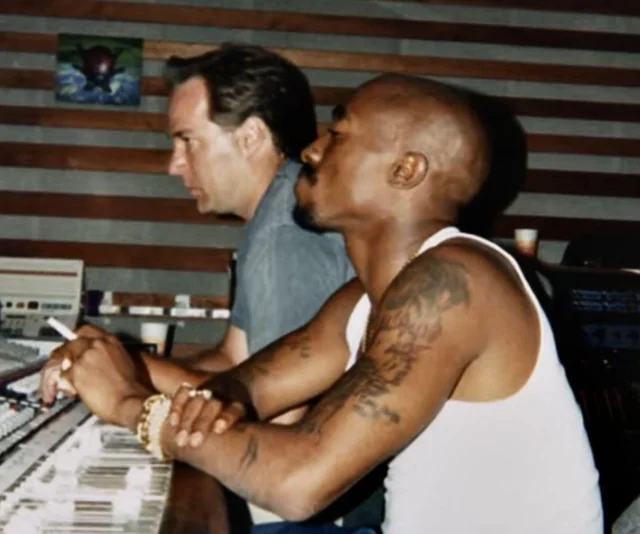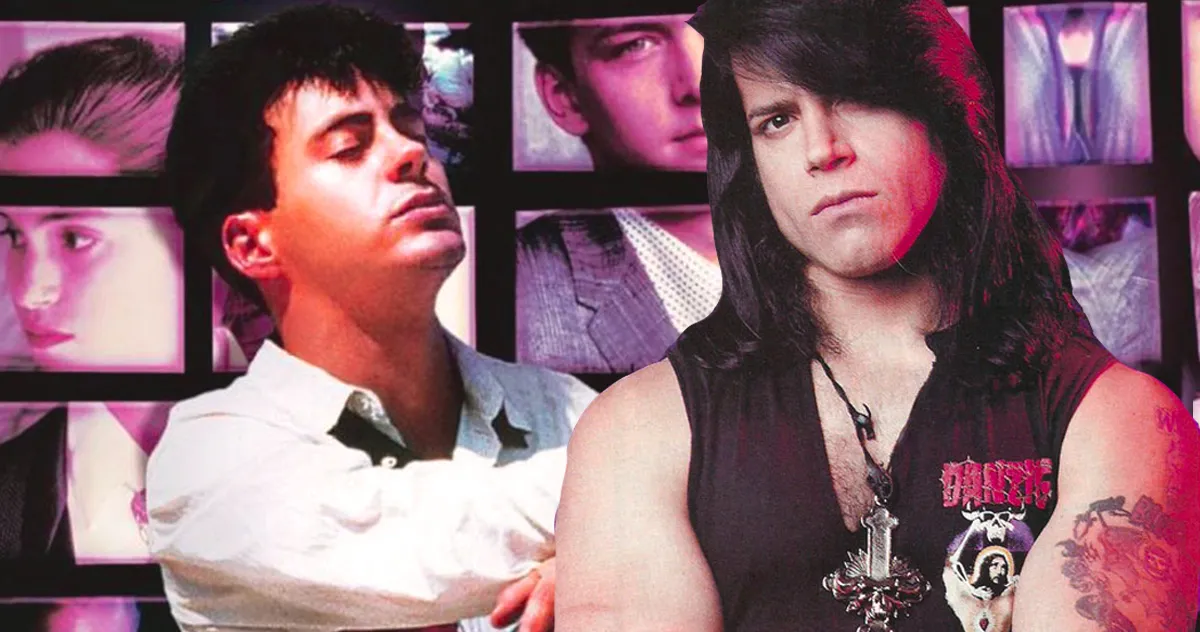
When Glenn Danzig Physically Threw Rick Rubin Out of the Studio

It was 1988, a year defined by the shifting sands of the American music scene. While the bright neon aesthetics of the decade were still lingering in the air, a darker, heavier sound was percolating in the underground. Inside the dimly lit walls of a Los Angeles recording studio, an explosive collision of two formidable titans—Glenn Danzig and Rick Rubin—was about to change heavy metal history forever. The air was thick with the scent of cigarettes and pure, unadulterated tension, the kind of atmosphere that birthed legendary records but often shattered the men behind the glass.

Rick Rubin, the mastermind producer who had already revolutionized the industry, was known for his minimalist approach and calm demeanor. Glenn Danzig, conversely, was a volatile force of nature, a frontman whose intensity was often matched only by his stubborn commitment to his artistic vision. As they worked on the self-titled debut album Danzig, the collaborative process hit a breaking point. It was not a disagreement over musical notes or production aesthetics; it was a fundamental clash of wills that defied conventional studio etiquette. The altercation escalated so rapidly that the legendary producer found himself physically ejected from his own control room by the singer himself.

In an era when the music industry was obsessed with the polished spectacle of MTV, the raw, bluesy, and menacing sound of Glenn Danzig was a dangerous outlier. Rick Rubin saw the potential for something visceral, something that would cut through the synthesized pop noise of the late eighties. Yet, the price of that genius was navigating the ego of an artist who refused to be steered. The image of the legendary Rick Rubin being thrown out of the room by Glenn Danzig remains one of the most jarring, authentic anecdotes in metal history. It serves as a reminder of how high the stakes were during the creation of albums that would eventually become cult classics.

This incident is not just a piece of tabloid fodder; it is a testament to the uncompromising nature of artistic creation in the pre-digital age. Back then, you didn’t have the luxury of remote editing or sanitized corporate approval. You locked yourselves in a room until the tape caught fire, or until someone broke. That 1988 recording process captured a lightning-in-a-bottle moment where the friction between producer and talent created a sonic landscape that remains unparalleled. The resulting record, powered by tracks like Mother, proved that their chaotic dynamic was perhaps the only way to achieve such a timeless, dark sound.

Today, as we look back at the grit of the nineties and the transition from the golden era of rock, stories like this ground us in the human reality of our heroes. We often sanitize the history of the music we love, forgetting that these albums were forged in anger, sweat, and confrontation. Whether or not you agree with their methods, the standoff between Glenn Danzig and Rick Rubin left an indelible mark on the heavy metal landscape. It is a story that reminds us that sometimes, true art requires a little bit of violence to survive the silence.
The Accidental Note That Made Barry White the Maestro of Love

It was 1969, a year defined by the cultural tremors of Woodstock and the fading embers of a turbulent decade. Inside a cramped, smoke-filled recording studio, the atmosphere was thick with the scent of cheap coffee and untapped creative electricity. Barry White, a man whose baritone voice would eventually define the romantic landscape of a generation, was merely a session musician navigating the chaotic currents of the industry. No one in that room realized that a simple, clumsy finger slip—an accidental, deep rumbling piano riff—was about to rewrite the history of soul and pave the way for the disco era. In that singular moment of imperfection, the Maestro of Love was born.

Before he was the icon draped in velvet, Barry White was a master of the backroom. He understood that music was not just about melody; it was about atmosphere. When that deep, resonant note echoed through the studio monitors, it triggered a chain reaction. It wasn’t just a mistake; it was an invitation to a deeper, more sensual sound. Barry White listened intently as the accidental chord lingered in the air, vibrating with a gravity that demanded attention. He immediately sensed that he had stumbled upon a sonic texture that could wrap itself around the listener like silk. That accidental riff became the foundational DNA for his lush, orchestral arrangements, creating a signature sound that would soon dominate the airwaves and dance floors alike.

As the 1970s arrived, the world moved from the raw, psychedelic experimentation of the late sixties toward the polished, rhythmic elegance of Disco. Barry White stood at the helm of this transition. With his Love Unlimited Orchestra, he married the gritty honesty of R&B with the sweeping, cinematic grandeur of classical strings. You could hear it in the way the lights dimmed at Studio 54; his music was the pulse of the night, a soundtrack for intimacy and neon-drenched glamour. By the time the golden age of his career hit its peak, Barry White had transcended being just a singer; he was a cultural force, his voice serving as a velvet shroud for millions of listeners seeking solace from the harshness of the real world.

Yet, the beauty of Barry White lies in the humanity behind the myth. He was a man who grew up in the shadows of South Central Los Angeles, finding his salvation in the rhythmic cadence of the radio and the magic of a jukebox. He knew that the deepest emotions—love, desire, and longing—required a certain weight, a sonic depth that standard pop couldn’t provide. That is why his music remains timeless. It was never just about trends; it was about capturing a mood so authentic that it bypassed the intellect and spoke directly to the soul.

Even today, in an era defined by digital perfection and sterile production, the legacy of Barry White remains an unshakeable monolith. We still turn to his records when the world feels too loud and we need a moment of warmth. That accidental note from 1969 reminds us that greatness often emerges from the cracks of our daily efforts. The next time you find yourself swaying to the deep, rumbling bass of a classic track, remember the Maestro. Behind every legendary career, there is usually a story of a happy accident, a quiet studio, and a man who knew exactly how to turn a mistake into a masterpiece.

The Ruthless Reign of Suge Knight and the Rise of Death Row

In the early 1990s, the golden age of hip-hop was not just about the rhymes or the rhythm; it was about the looming shadow of an empire built on cold, calculated fear. When Suge Knight co-founded Death Row Records in 1991, he didn’t just want to create a label; he wanted to dominate the cultural landscape. Emerging from the gritty streets of Compton, Suge Knight transformed the industry into a high-stakes battlefield where the line between a music mogul and a street enforcer was permanently blurred. For those who remember the era of cassette tapes and the rise of MTV, his name became synonymous with a raw, dangerous energy that changed everything.

Death Row Records became the home of legends like Dr. Dre and Tupac Shakur, yet the studio atmosphere was often thick with a palpable tension that no boardroom could contain. Suge Knight ruled his artists with an iron fist, fostering a climate of intimidation that was as much a part of their brand as the iconic music itself. It was a time when the Jukebox in every corner bar pulsed with G-funk, but behind the basslines, there was a relentless power struggle. The label was the epicenter of the infamous East Coast vs. West Coast rivalry, a period where artistic competition spiraled into a tragic, real-life drama that would define the decade.

What made the rise of Suge Knight so compelling was the juxtaposition of immense commercial success and the dark, chaotic underbelly of the music industry. While the world danced to the hits that echoed from the windows of lowriders across America, they were unaware of the fragility of the peace behind the scenes. Tales of his aggressive tactics—from contract disputes settled with physical threats to the internal paranoia that permeated his inner circle—have become the stuff of modern folklore. It was a spectacle of power that left a permanent scar on the music world, forever associating the label with a tragic loss of innocence in hip-hop.

Looking back, the legacy of Suge Knight is a stark reminder of the dark side of fame. During the era of the Walkman, fans were blissfully disconnected from the true cost of the hits they were listening to. Today, the stories surrounding his reign continue to fascinate because they represent the extreme consequences of unchecked ambition and the volatile intersection of urban culture and corporate greed. The drama was cinematic, the stakes were life and death, and the music—despite the chaos—remains some of the most influential of the twentieth century.

As we revisit the golden age of hip-hop, it is essential to look past the glitz and examine the individuals who wielded power behind the curtain. Suge Knight remains a polarizing figure, representing the intersection of music, violence, and the raw ambition that defined the nineties. Whether you view him as a visionary or a villain, the history of Death Row is a vital chapter in the American story, echoing with the sounds of a generation that lived fast and fought hard. Perhaps the greatest lesson from this chapter of history is how quickly a legacy built on fear can eventually consume its own creator.

The Prison Cell That Built Tupac Shakur’s Most Iconic Anthem

In the cold, stifling silence of a Clinton Correctional Facility cell in 1995, the man who would eventually define an entire generation of hip-hop was fighting for his soul. Tupac Shakur, a poet trapped behind steel bars, sat with a notepad and a pen, his mind drifting far from the concrete walls. While the world outside was consumed by the flashy rise of MTV and the escalating tensions of the East Coast-West Coast rap rivalry, Tupac was channeling his childhood trauma into something immortal. He was writing the lyrics for Dear Mama, a song that would soon echo through every street corner, bedroom, and car stereo in America.

Most people look at the meteoric rise of Tupac Shakur and see only the thug life persona, the bandana, and the fiery interviews. But in that tiny cell, the mask slipped. As a member of a generation that grew up amidst the decay of urban environments and the shifting landscape of 90s America, Tupac understood that the most powerful weapon was not a pistol, but the raw honesty of a narrative. He reached back into his memories, tracing the outline of his mother’s struggles, her resilience, and the complicated love that held their world together when everything else was falling apart.

When the track was eventually released, it hit the Billboard charts like a shockwave. It felt different from the synth-heavy pop hits or the aggressive gangsta rap that dominated the airwaves at the time. There was a vulnerability in Tupac Shakur’s voice that felt dangerously authentic. Fans who walked around with bulky Walkmans tucked into their pockets found themselves rewinding the tape, listening to the cadence of his confession over and over. It was a moment of cultural honesty that transcended the charts; it turned a rapper into a voice for the voiceless.

The genius of the song lies in its refusal to sugarcoat the reality of life in the hood. Tupac didn’t paint a picture of perfection; he painted a picture of survival. He acknowledged the addiction, the poverty, and the errors of the past, yet he held onto a fierce, undying gratitude. This was the same Tupac Shakur who could be volatile and provocative, but here, he was simply a son searching for redemption. It resonated because it was the truth, unvarnished and heavy with the weight of experience.

Decades have passed since that prison cell birthed a masterpiece, yet the impact of Tupac Shakur remains as vital as ever. Even in an era of digital streaming and fleeting trends, the emotional frequency of his work holds steady. We still look back at the 90s as the golden age of hip-hop, not just for the beats, but for the storytelling. As we reflect on his legacy, we are reminded that true art doesn’t just entertain—it reveals. Tupac once said that he wouldn’t change the world, but he would spark the brain that would. Listening to his voice today, you can still feel the spark he lit all those years ago, burning bright against the darkness.

Terry Melcher and the Chilling Hollywood Nightmare That Changed Music History

In the golden era of 1960s California, the sunshine was bright, but the shadows were growing deeper than anyone cared to admit. Terry Melcher, a visionary producer and a central figure in the sound of the West Coast, was riding the crest of a massive cultural wave. He was the man who helped shape the Beach Boys and was widely considered a musical gatekeeper in a world of jukeboxes, vinyl records, and endless studio sessions. Yet, one fateful day in 1969, Terry Melcher made a decision that would haunt him for the rest of his life. He turned away an aspiring, eccentric musician who was desperate for a break. That rejection was meant to be nothing more than a standard professional courtesy, but it would soon trigger a terrifying nightmare that left an indelible, blood-stained mark on the legacy of Hollywood.

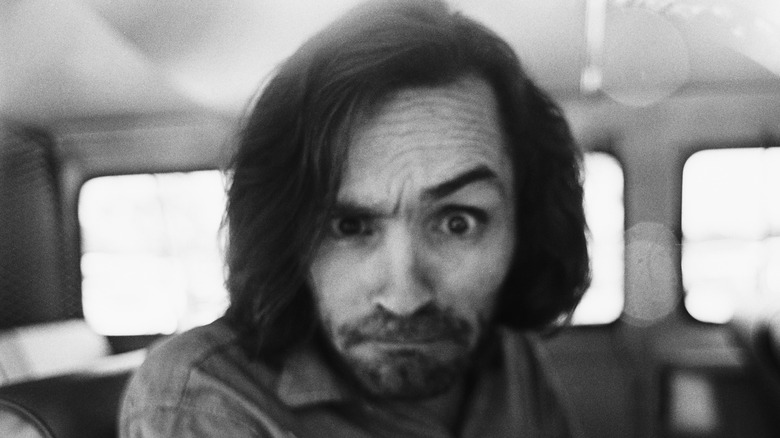
The aspiring musician in question was Charles Manson, a man lurking on the fringes of the LA music scene with a cult of followers. Manson had expected Terry Melcher to launch his career into the stratosphere, envisioning himself as the next big star. When the industry door slammed shut, the resentment festered. The Manson family had already been scouting the luxurious residence at 10050 Cielo Drive, a home where Terry Melcher had previously lived and where he had entertained the brightest stars of the era. The dark irony of the situation is that Melcher had moved out shortly before the infamous August 1969 murders occurred, yet he remained the phantom target in the minds of those who sought to strike out against the establishment he represented.

For years, Terry Melcher carried the weight of this connection. He was a man who lived in the vibrant world of pop hits and harmonic bliss, suddenly forced to confront the violent underbelly of the culture he helped cultivate. While his peers were attending Woodstock or getting lost in the kaleidoscopic sounds of psychedelic rock, Melcher was forced to testify and live under the shroud of a tragedy that was never supposed to involve him. The industry itself was changing, moving away from the polished production of the early 60s toward a grittier, more paranoid reality. The innocence of the decade had officially died in a flurry of headlines and courtroom drama.

Even decades later, the story of Terry Melcher serves as a chilling reminder of how quickly the glamour of the entertainment industry can curdle into chaos. The contrast between his musical contributions and the grim history he became entwined with remains one of the most haunting tales of the 20th century. Whenever we listen to the sun-drenched harmonies of that era, it is worth remembering that the music was often a thin veil over a city holding its breath in fear. Terry Melcher remained a legendary producer, but he would forever be a survivor of a nightmare that defined a generation’s dark transition.

To look back at the life of Terry Melcher is to peer into the complex heart of American music history. It is a story of ambition, talent, and the tragic intersection of reality and myth. As the era of the jukebox and the analog studio fades further into our past, the cautionary tale of that 1969 rejection remains a somber note in the symphony of the twentieth century. Perhaps, in the end, it teaches us that even the brightest lights in Hollywood cast the longest, darkest shadows of all.

The Pixies: How Brutal Studio Tension Almost Destroyed Doolittle Forever

The year was 1989. Outside the hallowed, dimly lit confines of the recording studio, the world was shifting. The polished sheen of 80s synth-pop was beginning to crack, and the grit of underground college rock was hungry to take its place. Inside the studio, however, the air was thick with something far more volatile than artistic ambition. The Pixies, the architects of a sound that would define the next decade of alternative music, were on the verge of implosion. It was a pressure cooker environment where bruised egos and creative friction nearly resulted in the total annihilation of their masterpiece, Doolittle.

Black Francis, the visionary but erratic frontman of The Pixies, was locked in a silent war of nerves with his bandmates. Guitarist Joey Santiago, bassist Kim Deal, and drummer David Lovering were struggling to keep up with a relentless, sometimes impossible, creative pace. The tension was palpable; it was the sound of a band being stretched until the wire was ready to snap. There were moments in that Boston studio where the frustration reached a fever pitch, leading to hushed conversations about scrapping the tapes entirely. Imagine the alternative rock canon without the jagged, surf-rock-infused perfection of Debaser or the haunting melody of Here Comes Your Man. It was a tragedy that almost happened, hidden behind closed doors while the rest of the world remained blissfully unaware of the chaos.

What made the situation so explosive was the raw, unrefined chemistry that powered The Pixies. Unlike the meticulously groomed pop acts that dominated MTV at the time, this was a group that lived on the edge of a nervous breakdown. The friction wasn’t just a byproduct of their work; it was the fuel for their sonic innovation. Kim Deal’s steady, rhythmic bass lines often acted as the only anchor in a sea of Black Francis’s abstract, surrealist lyrical madness. When those forces collided under the fluorescent hum of the studio, the sparks were dangerous. For a band that would go on to influence everyone from Nirvana to Radiohead, this specific period of internal strife remains a chilling reminder of how fragile greatness truly is.

They didn’t just survive the sessions; they walked out with a blueprint for a revolution. When Doolittle finally hit the shelves, the world didn’t just hear an album; they heard a seismic shift in culture. The Pixies had managed to bottle that claustrophobic tension and turn it into a jagged, beautiful monument of sound. Those songs, born from near-destruction, would eventually echo through the grunge explosion and become the anthems for a disaffected generation wearing flannel and seeking something authentic amidst the plastic veneer of the late eighties.

Decades later, looking back at the legacy of The Pixies, one cannot help but feel a sense of awe at the narrow escape of these tracks. It serves as a poignant lesson that the most transformative art often comes from the deepest turmoil. Today, when you drop the needle on a vintage vinyl record, you aren’t just listening to melodies; you are hearing the echoes of a band that almost threw it all away. If you have ever felt the weight of creation or the sting of a broken relationship, listen closely to Doolittle; you will hear the human heartbeat beneath the feedback, a sound that changed music history forever.

The Haunted Genius: Why Brian Wilson Abandoned His Masterpiece Smile

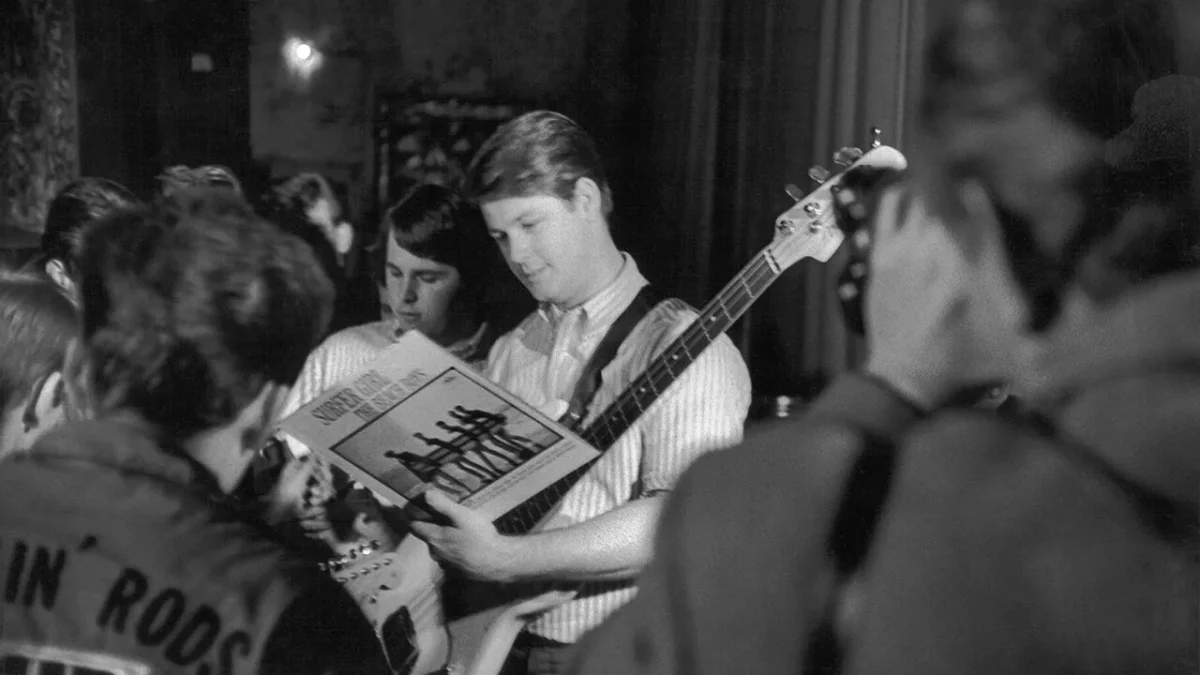
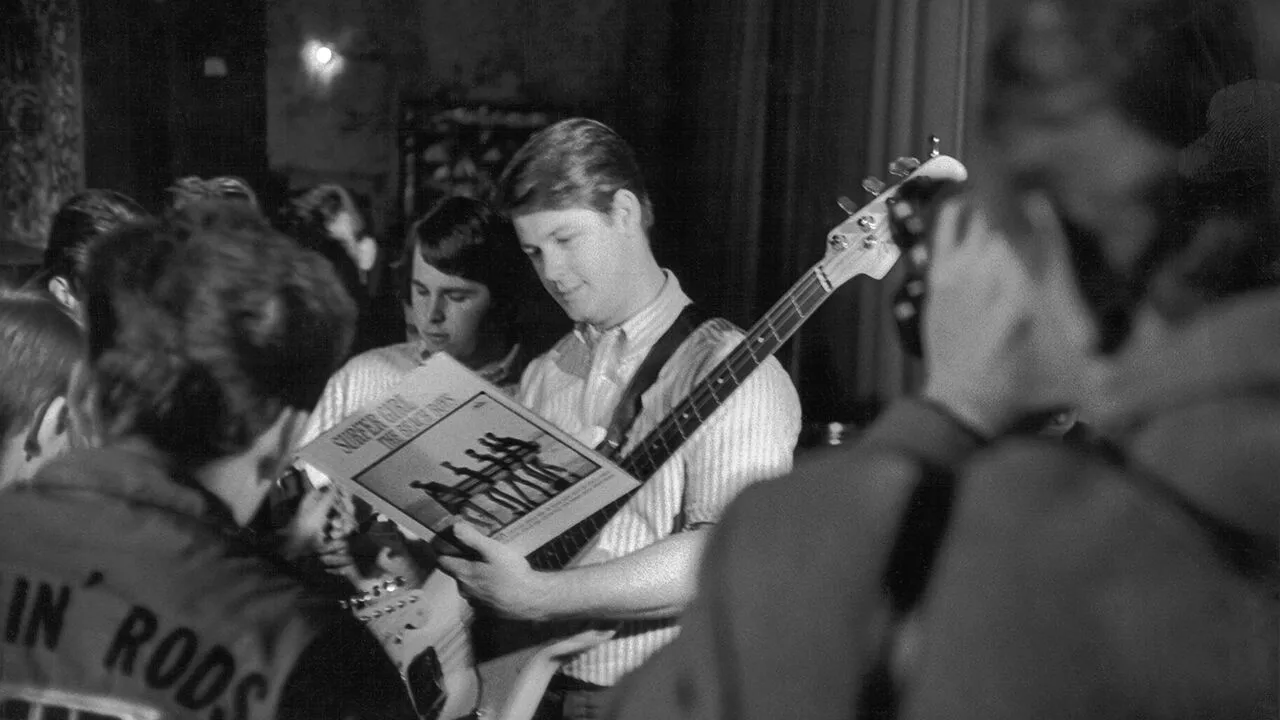
In 1967, the world was spinning on a carousel of psychedelic dreams and the electric hum of the counterculture. Amidst this backdrop, Brian Wilson, the creative engine of The Beach Boys, locked himself away in a home studio that felt less like a creative sanctuary and more like a psychological prison. He was chasing a sound he called a teenage symphony to God, a project titled Smile that was intended to redefine the boundaries of popular music. Instead, it became the most legendary unfinished album in rock history, a haunting monument to a creative spirit stretched far beyond its breaking point.

Brian Wilson was not just a songwriter; he was an architectural genius of melody, pushing the limits of what a recording studio could achieve. While the world outside was buzzing with the rise of FM radio and the experimental sounds of the late sixties, Brian Wilson was spiraling into a deep, dark cavern of his own making. The pressure to follow the monumental success of Pet Sounds had turned into an obsession. Every note had to be perfect, every layer of vocal harmony had to be divine. But as the production grew increasingly complex, his mind began to fray, shadowed by the encroaching darkness of severe mental health struggles.

The studio sessions were bizarre, surreal, and deeply isolating. Tales from those days suggest that Brian Wilson had a sandbox installed inside his living room, believing that the tactile sensation of sand would spark his creativity. It was the peak of his experimentation, a time when he lived, breathed, and practically slept within the labyrinth of his own composition. Yet, the same brilliance that allowed him to craft intricate orchestral pop also rendered him hyper-sensitive to the mounting expectations of record labels, bandmates, and the relentless noise of the industry. The silence that followed the project’s abandonment in 1967 was deafening, a vacuum left by a man who had simply reached his limit.

For decades, the fragments of these sessions floated through the bootleg circuit, mythologized by music historians and devoted fans. They serve as a chilling reminder of the heavy toll that the golden age of pop took on its most sensitive architects. The collapse of Brian Wilson during these months wasn’t just a failure of a project; it was a devastating human moment that highlighted the thin line between artistic genius and complete emotional exhaustion. It remains a stark reminder that even the most beautiful melodies can be born from the deepest, most agonizing pressure.

Today, we look back at the myth of Smile not with pity, but with a profound appreciation for the human element behind the art. Brian Wilson eventually found his way back to the stage, but those 1967 recordings remain a ghostly testament to a brilliant mind pushed to the edge. It is a story of ambition, fragility, and the inescapable weight of expectation. As we listen to those pristine, layered harmonies today, we aren’t just hearing a song; we are hearing the echo of a visionary who dared to reach for the stars and was forever changed by the journey.

Wilson Pickett: The Gunshot That Created a Soul Music Masterpiece

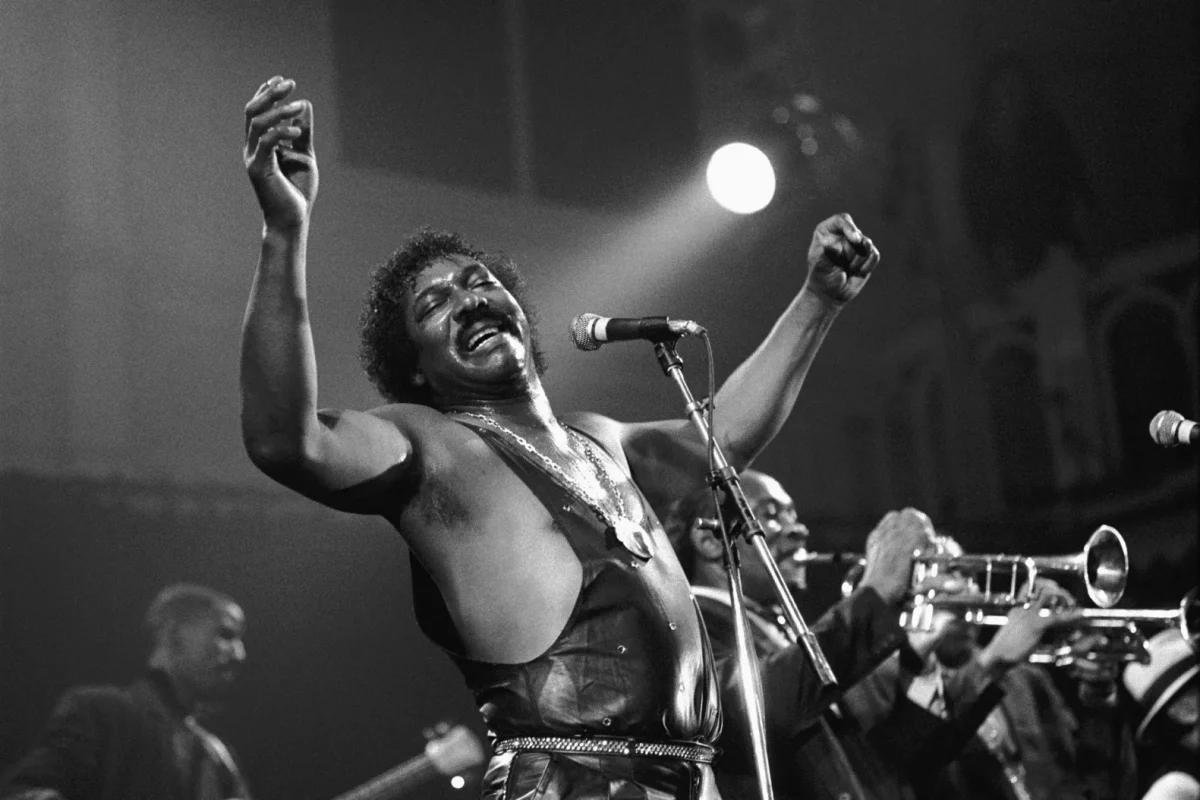
It was 1965 at the legendary FAME Studios in Muscle Shoals, Alabama. The air was thick with the scent of cheap cigarettes and the humid tension of a creative process pushed to its breaking point. Wilson Pickett, the fiery powerhouse of soul, was struggling to capture the essence of a new track. The musicians were exhausted, the rhythm felt stale, and the atmosphere was becoming suffocating. Then, in a moment of sheer, volatile frustration, Wilson Pickett did the unthinkable: he pulled a loaded handgun from his waistband and fired a single shot directly into the studio ceiling. The smoke hung in the air, the ringing in the ears was absolute, and every soul in the room was frozen in terror. In that electric silence, the tension transformed into a raw, rhythmic pulse. The band, adrenaline spiking, began to play with a renewed, desperate intensity, and just like that, the iconic, heavy-hitting beat of In the Midnight Hour was born.

This wasn’t just a recording session; it was the birth of a soul anthem that would define the mid-sixties. Before MTV would eventually dictate the aesthetics of pop culture, it was these grit-filled, analog moments in small-town studios that forged the legends of American music. Wilson Pickett was a man of intense passion and even more intense demons. He embodied the soul movement, a genre that demanded total emotional vulnerability, even if that vulnerability sometimes manifested as unpredictable volatility. The song itself, co-written by the brilliant Steve Cropper, became an instant classic, characterized by that signature delayed backbeat which perfectly complemented the urgency Pickett poured into the microphone.

Decades later, the legend of that gunshot continues to loom over the history of R&B. It remains one of the most chilling anecdotes in the annals of American music, a testament to the high-stakes environment where genius often sat uncomfortably close to madness. For fans of the era, the story of Wilson Pickett serves as a stark reminder that the polished records we once listened to on our living room Jukeboxes or through the foam cushions of our headphones were often forged in the fires of real-life chaos. It is a story of how a momentary lapse in judgment became a permanent piece of cultural history, cementing Pickett’s status as a titan of soul.

We look back at the sixties as an era of cultural shifts and vibrant change, but beneath the surface, it was often dark and deeply personal. The narrative of Wilson Pickett highlights the human cost behind the hits. Fame brought pressure, and pressure demanded a release. Whether through the lens of a hit record or the barrel of a gun, Pickett demanded to be heard. His story resonates today because it is authentic, visceral, and impossible to ignore. As we spin these old records, we aren’t just listening to melodies; we are listening to the echoes of a man who literally shot his way into immortality. Next time you find yourself tapping your foot to the rhythm of In the Midnight Hour, remember the smell of cordite in that Alabama studio, and the legendary force of nature that was Wilson Pickett.

The Tragic Genius of Arthur Lee and the Lost Magic of Forever Changes

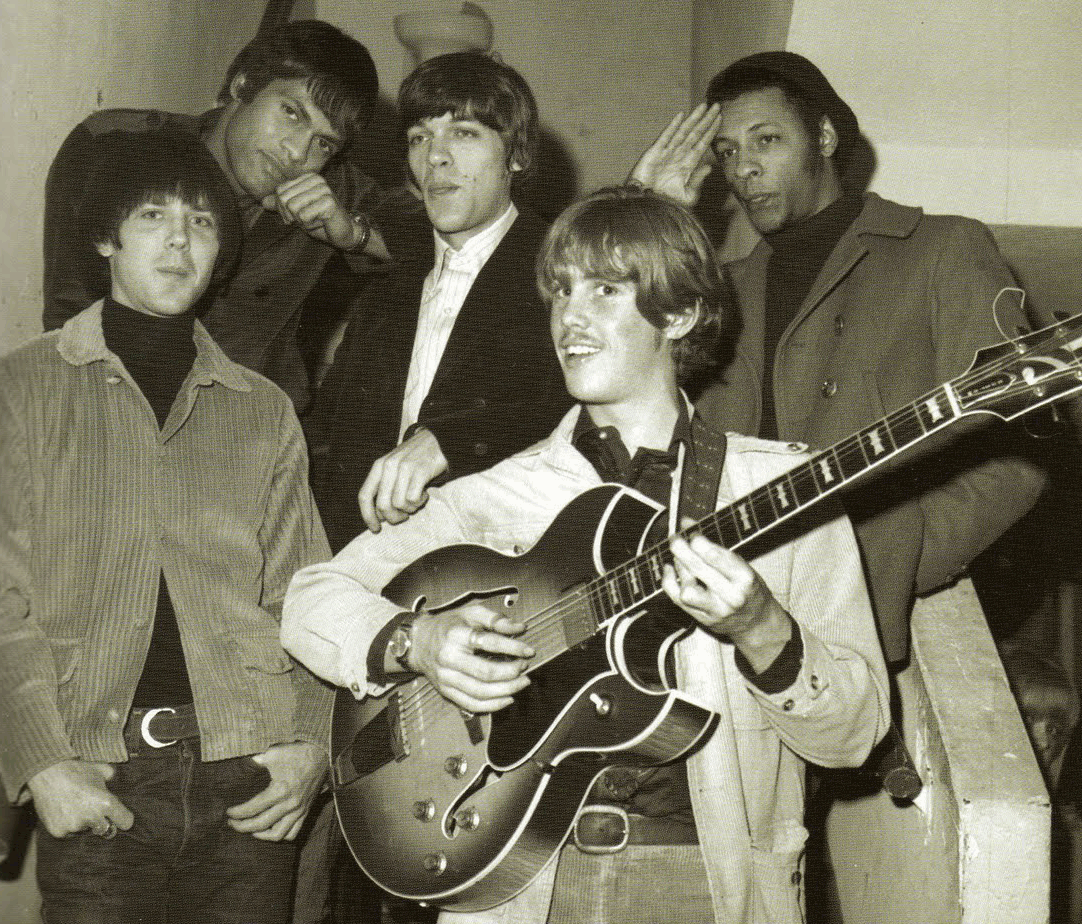
In 1967, the air in Los Angeles was thick with the scent of jasmine and the haze of patchouli. While the Summer of Love was turning into a psychedelic frenzy, a band called Love was huddled inside a studio, weaving a tapestry of sound that would eventually be hailed as one of the greatest records in rock history. Yet, when Arthur Lee and his bandmates unleashed Forever Changes upon an unsuspecting public, it landed with a deafening thud. It was a commercial disaster that left its visionary architect spiraling into a lifetime of isolation and mythic obscurity.

Arthur Lee was a man of contradictions, a charismatic enigma who walked the Sunset Strip like he owned it. As the leader of Love, he bridged the gap between folk, baroque pop, and the jagged edges of psychedelia. While his contemporaries in the Doors or the Byrds were soaking up the sunlight of the California dream, Lee was peering into the shadows. He saw the rot behind the neon signs and the paranoia creeping into the youth culture of the late sixties. He poured this fractured vision into the intricate, orchestral arrangements of his magnum opus, a sound so delicate and ahead of its time that the record-buying public simply didn’t know what to make of it.

Behind the scenes, the story was far darker than the lush melodies suggested. The studio sessions for the album were fueled by internal friction and the creeping influence of hard drugs. Arthur Lee was famously temperamental, a brilliant perfectionist who pushed his band to the brink of collapse. There were rumors of guns pulled in the control room and friendships fraying under the immense weight of the artistic expectations he placed on himself. The beauty of the music stands in stark, chilling contrast to the chaos that dominated the lives of those who created it.

As the golden era of the sixties faded into the cynical seventies, the album slowly began to climb out of the bargain bins. It became a cult artifact, passed around like a secret map to a hidden world. Critics eventually realized that while the rest of the world was chasing the trends of the radio waves, Arthur Lee had crafted a timeless piece of art that articulated the very essence of human loneliness. It wasn’t just a psychedelic record; it was a diary of a genius who felt entirely disconnected from the reality he was documenting.

Today, Forever Changes serves as a haunting reminder of the cost of artistic obsession. Arthur Lee never quite recaptured that lightning in a bottle, spending decades battling legal troubles and his own demons before his death in 2006. When you put on the record today, you hear the echoes of a man who gave everything to his craft. The tragic story of Arthur Lee remains a poignant chapter in music history, a testament to how the most beautiful songs are often born from the deepest, most isolated corners of the human heart.

Tom Dowd: The Secret Genius Who Revolutionized American Music Production

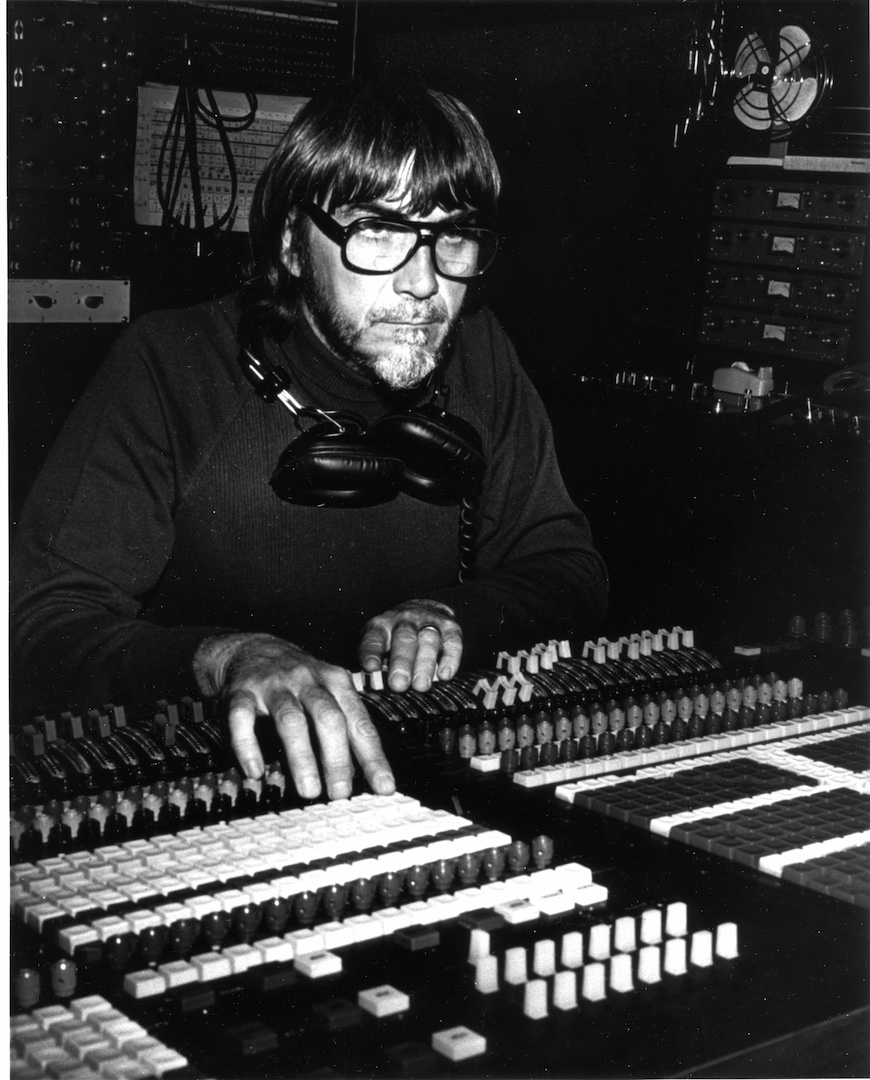
The year was 1958, and the landscape of American sound was trapped in the limitations of mono. Music was a flat, two-dimensional experience until a man named Tom Dowd walked into an Atlantic Records studio and decided to change the physics of sound itself. While most people remember the icons who stood in front of the microphone, the true architect of the golden age of rock and soul was the quiet mastermind behind the mixing console. Tom Dowd did not just record music; he engineered the very way the world would hear it for the next several decades.

Before Tom Dowd introduced the world to multi-track recording, musicians were forced to play as a single, cohesive unit. If one person missed a note or a drummer stumbled, the entire take was ruined, demanding perfect, exhausting performances. Dowd, drawing on his secret past as a physicist for the Manhattan Project, saw a different path. He introduced the 8-track recorder to the recording studio, a move that felt like witchcraft to the artists of the era. Suddenly, instruments could be layered, voices could be smoothed, and the sonic depth of a record became a canvas waiting for a painter. This invention was the literal bridge between the raw, messy energy of early Jukebox hits and the polished, cinematic perfection of modern production.

Think of the legendary tracks that defined the 1960s and 70s. The soaring, intricate melodies of Cream, the gospel-drenched power of Aretha Franklin, and the rhythmic precision of The Allman Brothers Band were all nurtured under the watchful eye of Tom Dowd. He was the calm in the center of the storm, often managing the explosive egos of rock stars while simultaneously re-wiring the circuitry of his custom-built consoles. Without his technical foresight, the complexity of Atlantic Records’ most famous releases would have remained impossible to capture on vinyl.

Yet, the life of a genius is rarely simple. Behind the scenes of these pristine tracks were long, grueling hours in dimly lit studios, clouded by the haze of cigarette smoke and the mounting pressure of the industry. Tom Dowd understood that music was not just math; it was emotion. He knew when to push an artist to their limit and when to let the imperfections stand, believing that a slight tremor in a vocal take was often where the soul lived. His ability to balance the cold logic of engineering with the burning passion of an artist is exactly why his influence echoes through every digital studio today.

As we look back at the era of Walkmans and the rising dominance of FM radio, it is easy to forget that the sounds we cherish were once impossible dreams. Tom Dowd didn’t just leave behind a catalog of hits; he left a blueprint for the future of audio. Every time we hear the clean separation of a guitar riff or the punchy depth of a drum kit, we are listening to the legacy of a man who refused to accept the status quo. His story remains a haunting reminder that behind every anthem that shaped our lives, there is often a hidden mastermind, crafting the soundtrack of history one track at a time.