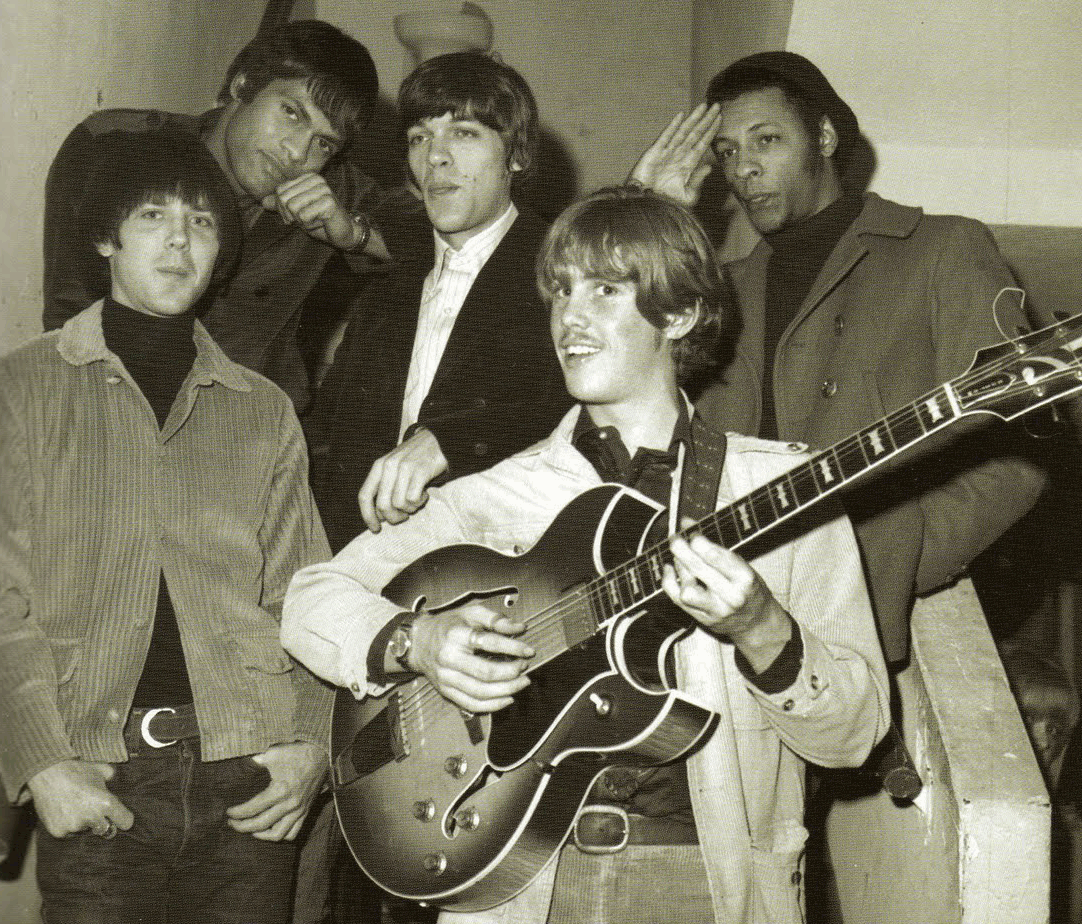
In 1967, the air in Los Angeles was thick with the scent of jasmine and the haze of patchouli. While the Summer of Love was turning into a psychedelic frenzy, a band called Love was huddled inside a studio, weaving a tapestry of sound that would eventually be hailed as one of the greatest records in rock history. Yet, when Arthur Lee and his bandmates unleashed Forever Changes upon an unsuspecting public, it landed with a deafening thud. It was a commercial disaster that left its visionary architect spiraling into a lifetime of isolation and mythic obscurity.
Arthur Lee was a man of contradictions, a charismatic enigma who walked the Sunset Strip like he owned it. As the leader of Love, he bridged the gap between folk, baroque pop, and the jagged edges of psychedelia. While his contemporaries in the Doors or the Byrds were soaking up the sunlight of the California dream, Lee was peering into the shadows. He saw the rot behind the neon signs and the paranoia creeping into the youth culture of the late sixties. He poured this fractured vision into the intricate, orchestral arrangements of his magnum opus, a sound so delicate and ahead of its time that the record-buying public simply didn’t know what to make of it.
Behind the scenes, the story was far darker than the lush melodies suggested. The studio sessions for the album were fueled by internal friction and the creeping influence of hard drugs. Arthur Lee was famously temperamental, a brilliant perfectionist who pushed his band to the brink of collapse. There were rumors of guns pulled in the control room and friendships fraying under the immense weight of the artistic expectations he placed on himself. The beauty of the music stands in stark, chilling contrast to the chaos that dominated the lives of those who created it.
As the golden era of the sixties faded into the cynical seventies, the album slowly began to climb out of the bargain bins. It became a cult artifact, passed around like a secret map to a hidden world. Critics eventually realized that while the rest of the world was chasing the trends of the radio waves, Arthur Lee had crafted a timeless piece of art that articulated the very essence of human loneliness. It wasn’t just a psychedelic record; it was a diary of a genius who felt entirely disconnected from the reality he was documenting.
Today, Forever Changes serves as a haunting reminder of the cost of artistic obsession. Arthur Lee never quite recaptured that lightning in a bottle, spending decades battling legal troubles and his own demons before his death in 2006. When you put on the record today, you hear the echoes of a man who gave everything to his craft. The tragic story of Arthur Lee remains a poignant chapter in music history, a testament to how the most beautiful songs are often born from the deepest, most isolated corners of the human heart.