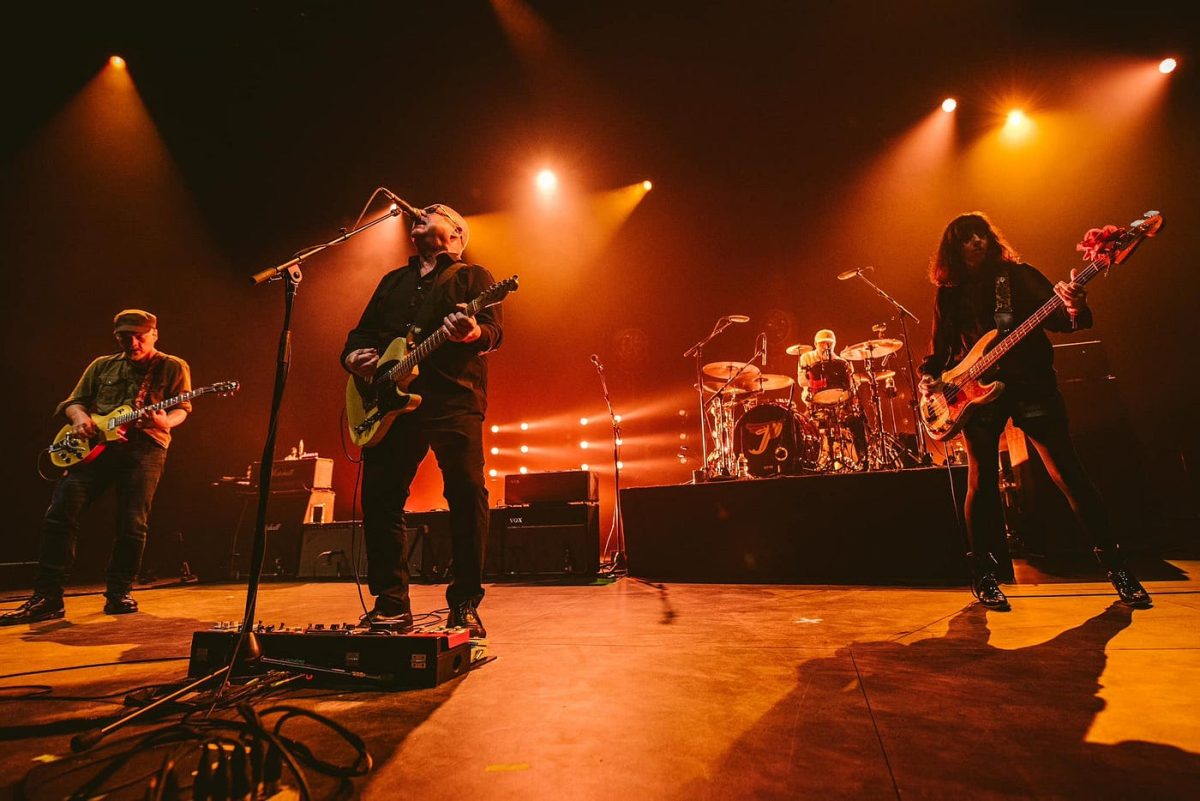
The year was 1989. Outside the hallowed, dimly lit confines of the recording studio, the world was shifting. The polished sheen of 80s synth-pop was beginning to crack, and the grit of underground college rock was hungry to take its place. Inside the studio, however, the air was thick with something far more volatile than artistic ambition. The Pixies, the architects of a sound that would define the next decade of alternative music, were on the verge of implosion. It was a pressure cooker environment where bruised egos and creative friction nearly resulted in the total annihilation of their masterpiece, Doolittle.
Black Francis, the visionary but erratic frontman of The Pixies, was locked in a silent war of nerves with his bandmates. Guitarist Joey Santiago, bassist Kim Deal, and drummer David Lovering were struggling to keep up with a relentless, sometimes impossible, creative pace. The tension was palpable; it was the sound of a band being stretched until the wire was ready to snap. There were moments in that Boston studio where the frustration reached a fever pitch, leading to hushed conversations about scrapping the tapes entirely. Imagine the alternative rock canon without the jagged, surf-rock-infused perfection of Debaser or the haunting melody of Here Comes Your Man. It was a tragedy that almost happened, hidden behind closed doors while the rest of the world remained blissfully unaware of the chaos.
What made the situation so explosive was the raw, unrefined chemistry that powered The Pixies. Unlike the meticulously groomed pop acts that dominated MTV at the time, this was a group that lived on the edge of a nervous breakdown. The friction wasn’t just a byproduct of their work; it was the fuel for their sonic innovation. Kim Deal’s steady, rhythmic bass lines often acted as the only anchor in a sea of Black Francis’s abstract, surrealist lyrical madness. When those forces collided under the fluorescent hum of the studio, the sparks were dangerous. For a band that would go on to influence everyone from Nirvana to Radiohead, this specific period of internal strife remains a chilling reminder of how fragile greatness truly is.
They didn’t just survive the sessions; they walked out with a blueprint for a revolution. When Doolittle finally hit the shelves, the world didn’t just hear an album; they heard a seismic shift in culture. The Pixies had managed to bottle that claustrophobic tension and turn it into a jagged, beautiful monument of sound. Those songs, born from near-destruction, would eventually echo through the grunge explosion and become the anthems for a disaffected generation wearing flannel and seeking something authentic amidst the plastic veneer of the late eighties.
Decades later, looking back at the legacy of The Pixies, one cannot help but feel a sense of awe at the narrow escape of these tracks. It serves as a poignant lesson that the most transformative art often comes from the deepest turmoil. Today, when you drop the needle on a vintage vinyl record, you aren’t just listening to melodies; you are hearing the echoes of a band that almost threw it all away. If you have ever felt the weight of creation or the sting of a broken relationship, listen closely to Doolittle; you will hear the human heartbeat beneath the feedback, a sound that changed music history forever.