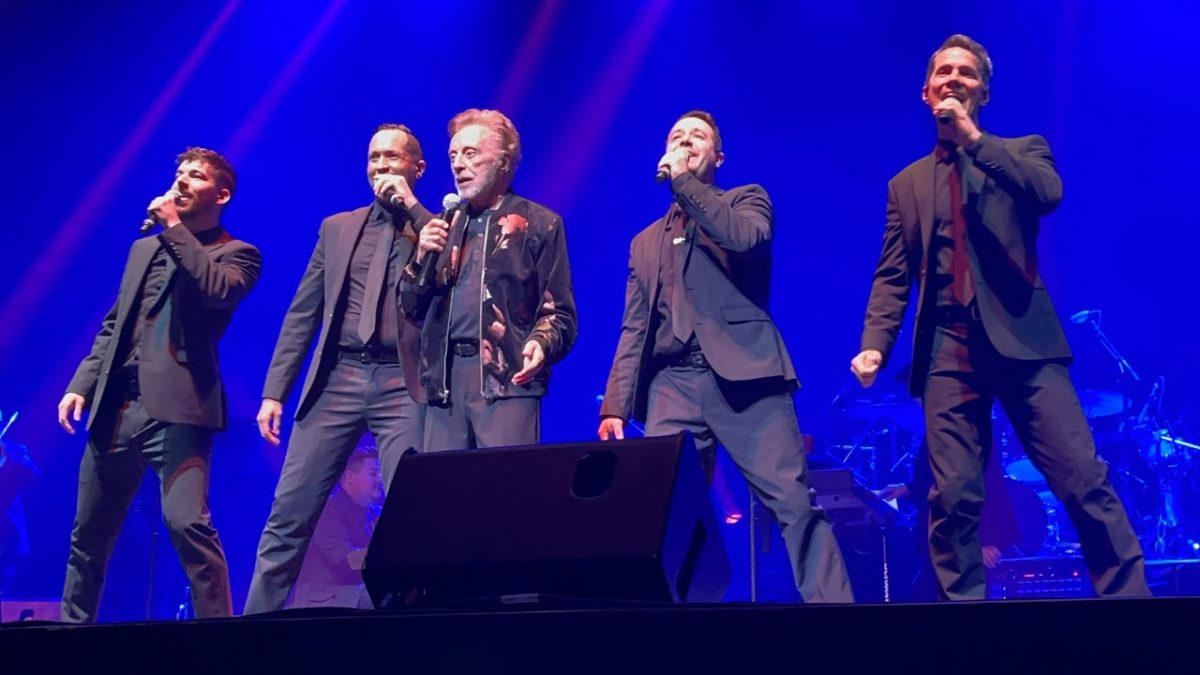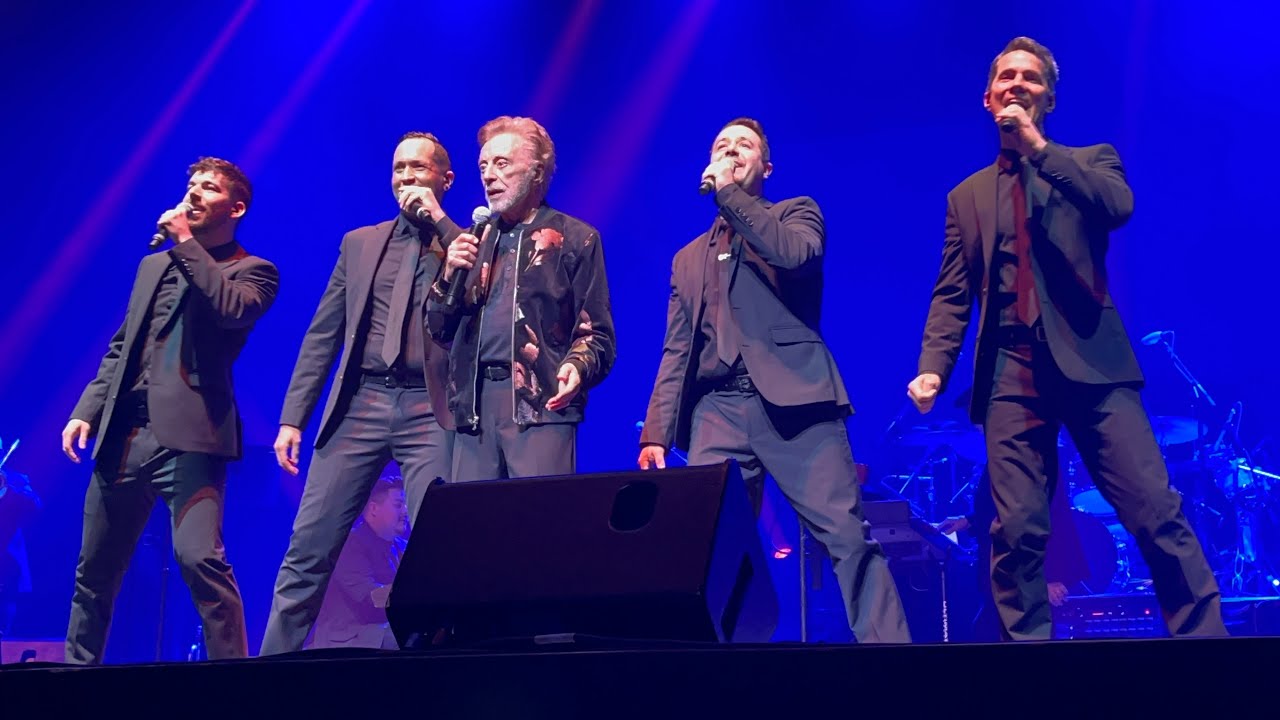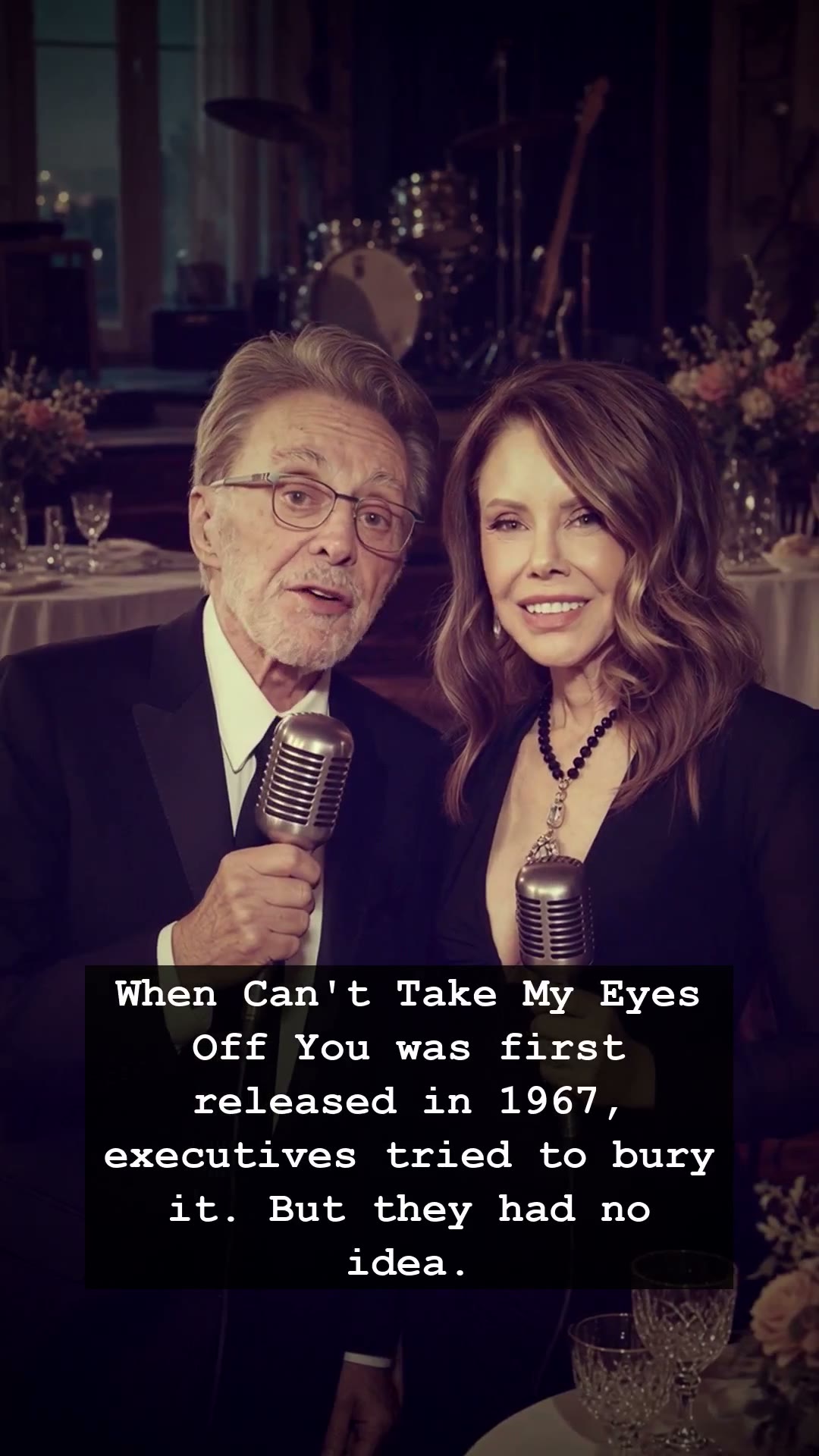
It was 1967, a year defined by the shifting cultural tectonic plates of the Summer of Love, when Frankie Valli stepped into the studio to record a song that would eventually become an immortal anthem. The track was Can’t Take My Eyes Off You. Yet, if the suits in the ivory towers of the record industry had gotten their way, this soaring, vulnerable masterpiece would have remained buried in the archives, relegated to the dusty shelves of a forgotten master tape. To the industry gatekeepers, this sweeping orchestral pop ballad simply did not fit the established sound of Frankie Valli. They viewed the departure from his gritty, street-corner Four Seasons aesthetic as a commercial risk they were unwilling to take.
At the time, the airwaves were already saturated with the psychedelic experimentation of the late sixties, and the industry was convinced that the audience wanted harder edges. They saw Frankie Valli as a relic of the early sixties doo-wop era, and they feared that this bold, brass-heavy romantic ballad would alienate his core base. Executives quietly shelved the song, hoping it would simply fade away without the push of a major promotional machine. But they had drastically underestimated the raw, human connection that Frankie Valli could evoke with his signature falsetto. They ignored the fact that beneath the slick production of the era, the song captured a universal, desperate longing that defied musical labels.
The real turning point did not happen in a boardroom, but in the dimly lit booths of independent radio stations across America. DJs who were not beholden to corporate playbooks began spinning the record, drawn to its irresistible build-up and the sheer emotive power in the vocal performance. As the song hit the airwaves, the audience response was instantaneous and undeniable. It was the era of the jukebox and the car radio, and once the public got a taste of those opening chords, there was no turning back. The song climbed the charts by force of popular demand, effectively humiliating the executives who had initially tried to silence it.
Looking back, the story of this song serves as a reminder of the tension between artistic vision and commercial coldness that defined the music industry during that golden age. Frankie Valli managed to break through the constraints of his own image, proving that a truly great melody cannot be suppressed by bureaucratic skepticism. It is a classic narrative of the underdog triumphing over the machine, a sentiment that resonates just as strongly today as it did when the song first started playing through the scratchy speakers of 1960s transistor radios.
Decades later, Can’t Take My Eyes Off You remains a staple of weddings, films, and late-night drives, a testament to the fact that authenticity always finds its way to the surface. Frankie Valli showed us that the most enduring art often comes from the moments where we risk the most. As we listen to those familiar, swelling horns today, it is worth remembering that this timeless anthem only exists because the music proved to be much larger than the people who tried to control it. Sometimes, the most beautiful songs are the ones that had to fight the hardest just to be heard.