Aunty Jack: How Grahame Bond Became the Unlikely King of 1974

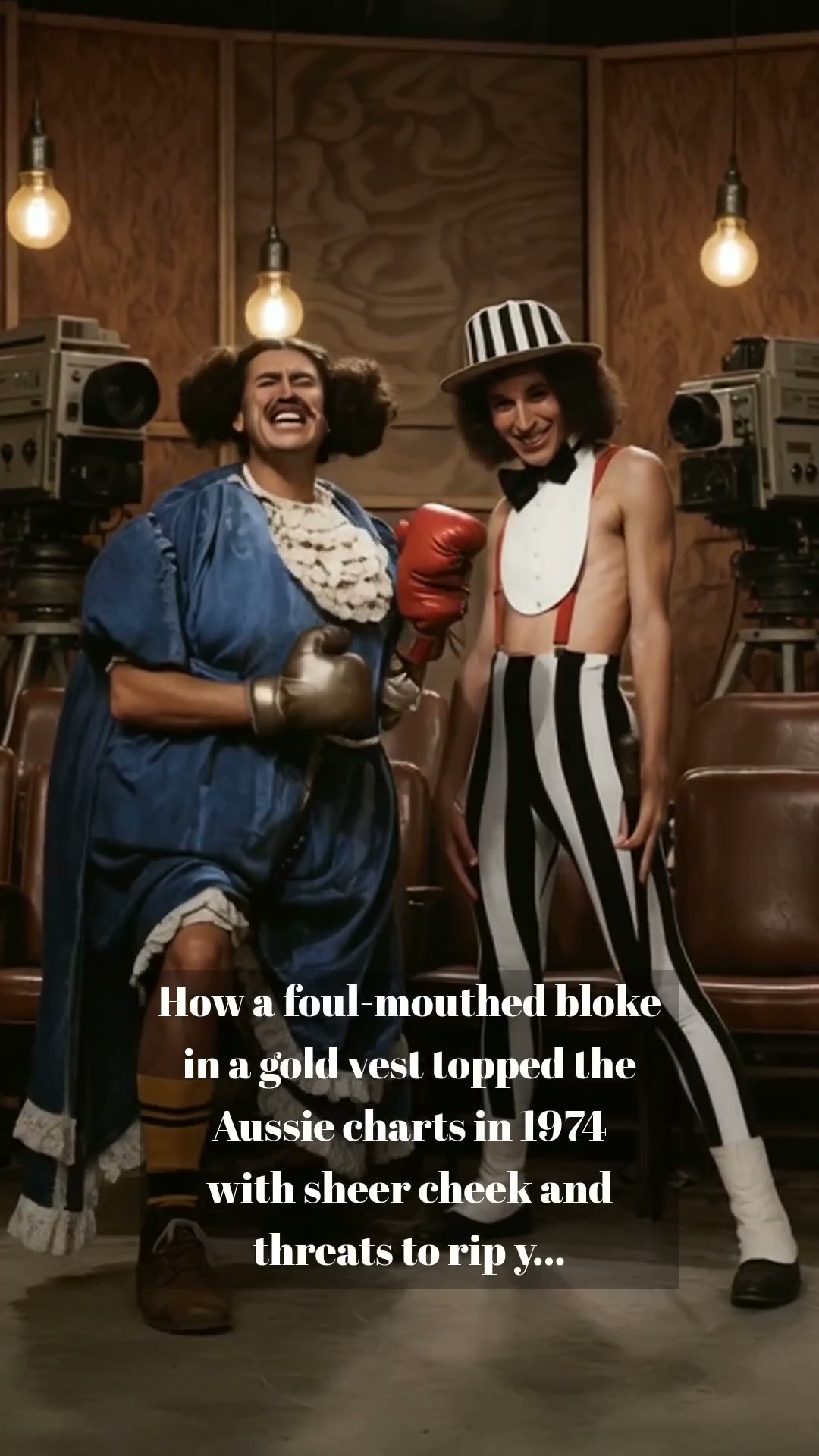
Cast your mind back to 1974, a time when our telly sets were dominated by fuzzy signals and the loud, brash humour of the ABC. If you were around back then, you surely remember the sight of a hulking, moustachioed bloke dressed in a gold-tasselled vest, threatening to rip your bloody arms off if you did not tune in. This was the legendary Grahame Bond, better known to the nation as the terrifying yet strangely beloved Aunty Jack. It was a bizarre era for Australian music, where a sketch show character could waltz into the recording studio and somehow end up topping the national charts. We all reckon it was one of the most brilliant, chaotic moments in our cultural history, and honestly, we have not seen anything quite like it since.

While the rock elite were busy taking themselves seriously, Grahame Bond decided to lean into the absurdity of the pub rock scene. The song, Farewell Aunty Jack, was not just a novelty track; it was a genuine chart-topper that captured the larrikin spirit of the decade. Seeing Aunty Jack belt out those lyrics on the telly was an absolute shock to the system for many, but for the rest of us, it was pure gold. Bond had this uncanny ability to blend genuine musical talent with a level of cheek that would make a sailor blush. It was loud, it was colourful, and it was undeniably Australian in every possible way.

Looking back, it is easy to realise why the song hit such a nerve. The mid-seventies were a time when we were finally finding our own voice, shaking off the influence of overseas acts and embracing the weirdos right here in our own backyard. Grahame Bond did not care for the formalities of the industry. He was a bloke with a vision, a massive moustache, and a sense of humour that resonated with heaps of everyday Australians who were tired of the usual radio fodder. The track was catchy, the performance was iconic, and the sheer audacity of the whole thing cemented his place in our collective memory forever.

Even today, the mention of Aunty Jack brings a smile to the faces of those who grew up watching the show. It reminds us of a time when television was a little more dangerous and a lot more fun. You might still find yourself humming the tune or quoting the famous threats whenever you need a good laugh. Grahame Bond proved that you do not need to follow the rules to make an impact; sometimes, you just need a bit of glitter, a lot of attitude, and the courage to be completely ridiculous.

It is truly a favourite story of mine from the golden age of Aussie entertainment. Grahame Bond remains a legend for his contribution to our music and our culture, showing us that even the most foul-mouthed characters can find a spot in our hearts. Next time you are flicking through your old records, take a moment to spin that classic track and have a laugh at the memories. It is a ripper of a tale, and one that keeps our nostalgia for the seventies burning bright, mate.
The Newcastle Song: How Bob Hudson Stole Our Hearts in 1974

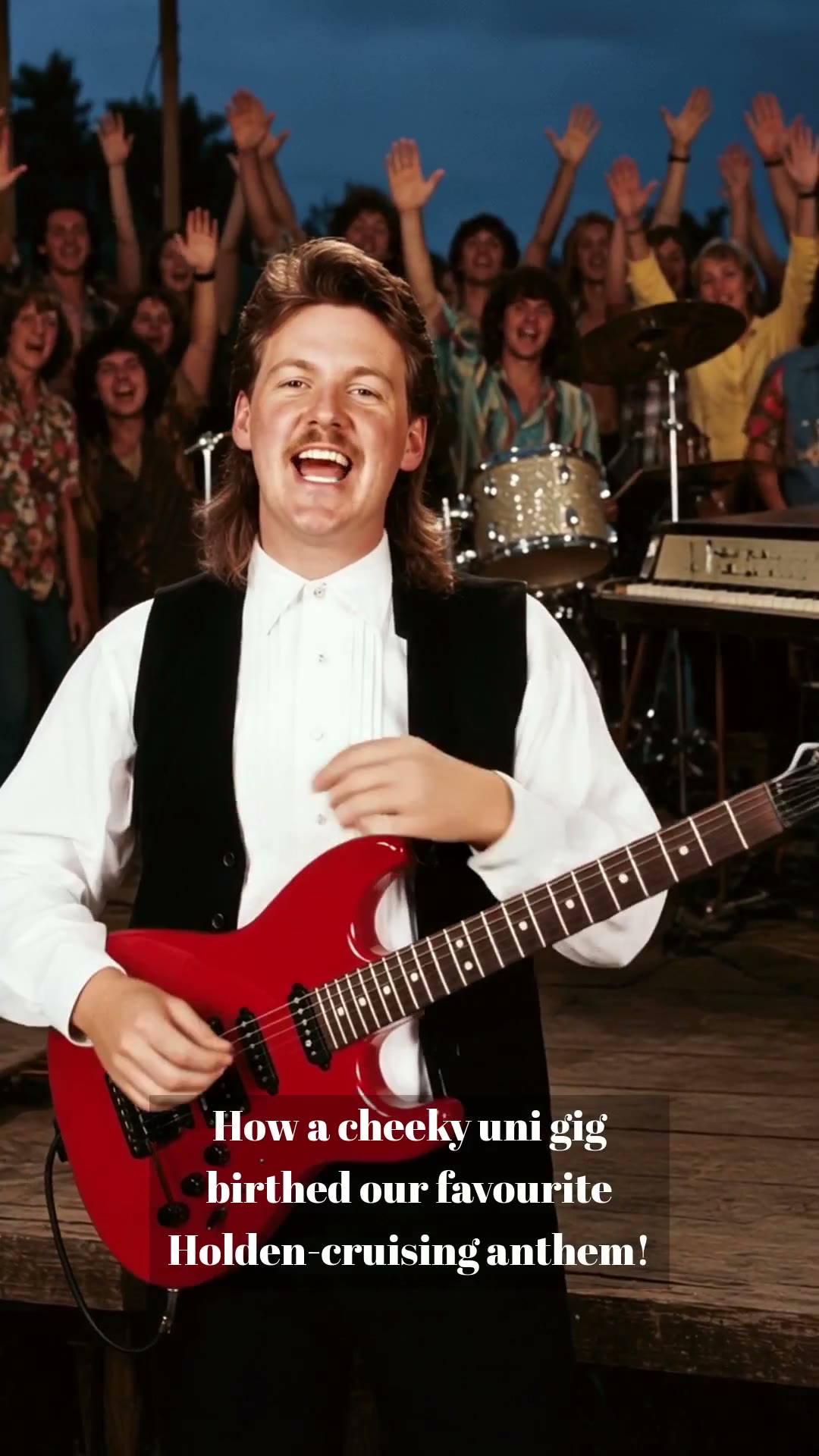
Cast your mind back to the mid-seventies, a time when life felt a fair bit simpler and the Aussie pub rock scene was starting to find its true voice. It was nineteen seventy-four, and the airwaves were dominated by earnest rock ballads and polished pop. Then, out of nowhere, a cheeky, irreverent track hit the charts like a bolt of lightning, capturing the quintessential spirit of suburban life. Bob Hudson, a radio personality with a sharp wit, changed the landscape of Australian music with a little ditty that most people thought was just a bit of a laugh. It was The Newcastle Song, a track that would go on to become the ultimate Holden-cruising anthem for a generation of sun-kissed revellers.

The magic started at a live university gig where Bob Hudson decided to test out some observational comedy set to a tune. He wasn’t aiming for the charts; he was just trying to have a bit of a yarn with the crowd. Little did he realise that his playful monologue about the streets of Newcastle—a place often seen as a bit gritty and tough—would resonate with people right across the country. It was raw, it was unpretentious, and it felt like something you would hear down at your local watering hole after a hard week of graft. The audience at that uni gig went absolutely wild, and the legend of the song was born right then and there.

When the track was eventually recorded and released, nobody truly reckoned it would climb to the top of the pile. In a world where serious musicians were trying to cultivate a moody, mysterious persona, Bob Hudson stood out because he was just a regular bloke. He didn’t need the bells and whistles of high-production rock; he had charm, he had guts, and he knew exactly how to capture the heart of the Aussie battler. The Newcastle Song stormed straight to number one on the charts, proving that we have always had a soft spot for music that doesn’t take itself too seriously.

It is fascinating to look back and see why this track still holds so much weight today. It wasn’t just about a city; it was about the colour of our lives. It reminded us of our favourite local haunts, the smell of petrol in a beat-up Holden, and the sheer joy of living in a country that could find humour in its own backyard. Bob Hudson managed to crystallise a moment in time, creating a soundtrack for road trips, backyard barbecues, and lazy Sunday afternoons that still feels fresh every time you hear it spin on the wireless.

Even after all these decades, hearing that familiar opening riff brings back heaps of memories. It is a reminder that some of our greatest cultural touchstones weren’t carefully manufactured in a boardroom; they were birthed in the heat of a live gig, fueled by nothing more than a bit of banter and a keen eye for the absurd. If you haven’t listened to Bob Hudson lately, do yourself a favour and give it another spin—you might just find yourself transported right back to the seventies.

The Ted Mulry Gang: How a Balladeer Defined the Aussie Pub Rock Sound

Cast your mind back to the mid-seventies, a time when the local pub was the beating heart of our suburbs and the smell of stale beer and hot amplifiers defined a Saturday night. Back then, Ted Mulry was already a known name, but he was mostly recognised for his soft, melodic ballads. The industry reckon he was firmly in his lane, singing love songs that were fine for the radio but hardly likely to set a beer-soaked floor on fire. But Ted had a different plan, and in 1975, he took a gamble that would change the trajectory of Aussie rock forever by forming the Ted Mulry Gang, or TMG as we all fondly called them.

It was a massive shift. Ditching the slow, sentimental tunes that had made him a household name was a brave move, especially when the critics were ready to sharpen their pens. Ted Mulry wasn’t interested in playing it safe anymore. He wanted that raw, gritty pub rock sound that was starting to ripple through the country. When the Ted Mulry Gang released their breakout anthem, Jump in My Car, the transition was complete. It was cheeky, infectious, and had that unmistakable, high-energy rhythm that forced every bloke in the room to stop nursing their schooner and hit the dance floor.

I still remember the first time I heard it on the wireless; it felt like a total departure from everything else on the charts at the time. It wasn’t trying to be overly intellectual or complicated; it was just good, honest, loud music that spoke to the average Aussie. Ted Mulry had managed to realise his vision of a tighter, tougher sound, and the public absolutely loved it. The track smashed straight to number one, silencing every sceptic who thought the former balladeer had lost his touch. It was a massive win for Ted and a testament to his ability to read the room and give us exactly what we didn’t know we needed.

That era of Aussie rock was something special, wasn’t it? The Ted Mulry Gang became a staple at every gig from the local RSL to the biggest stages in the country. Their music had a certain colour and character that is hard to find these days. Ted was always the bloke next door, despite the fame, and that authenticity is why we still spin their records heaps of times whenever we’re feeling a bit nostalgic. He proved that you can reinvent yourself if you’ve got the guts to follow your own beat.

Looking back, TMG left behind a legacy that defines a golden period of our cultural history. It wasn’t just about the chart success; it was about the way Ted Mulry brought people together in those smoky pub rooms. Even now, hearing those familiar opening chords brings a smile to my face. It reminds me of a simpler time, a favourite pair of jeans, and the sheer joy of Aussie music at its peak. Cheers to Ted for having the courage to change it all up.

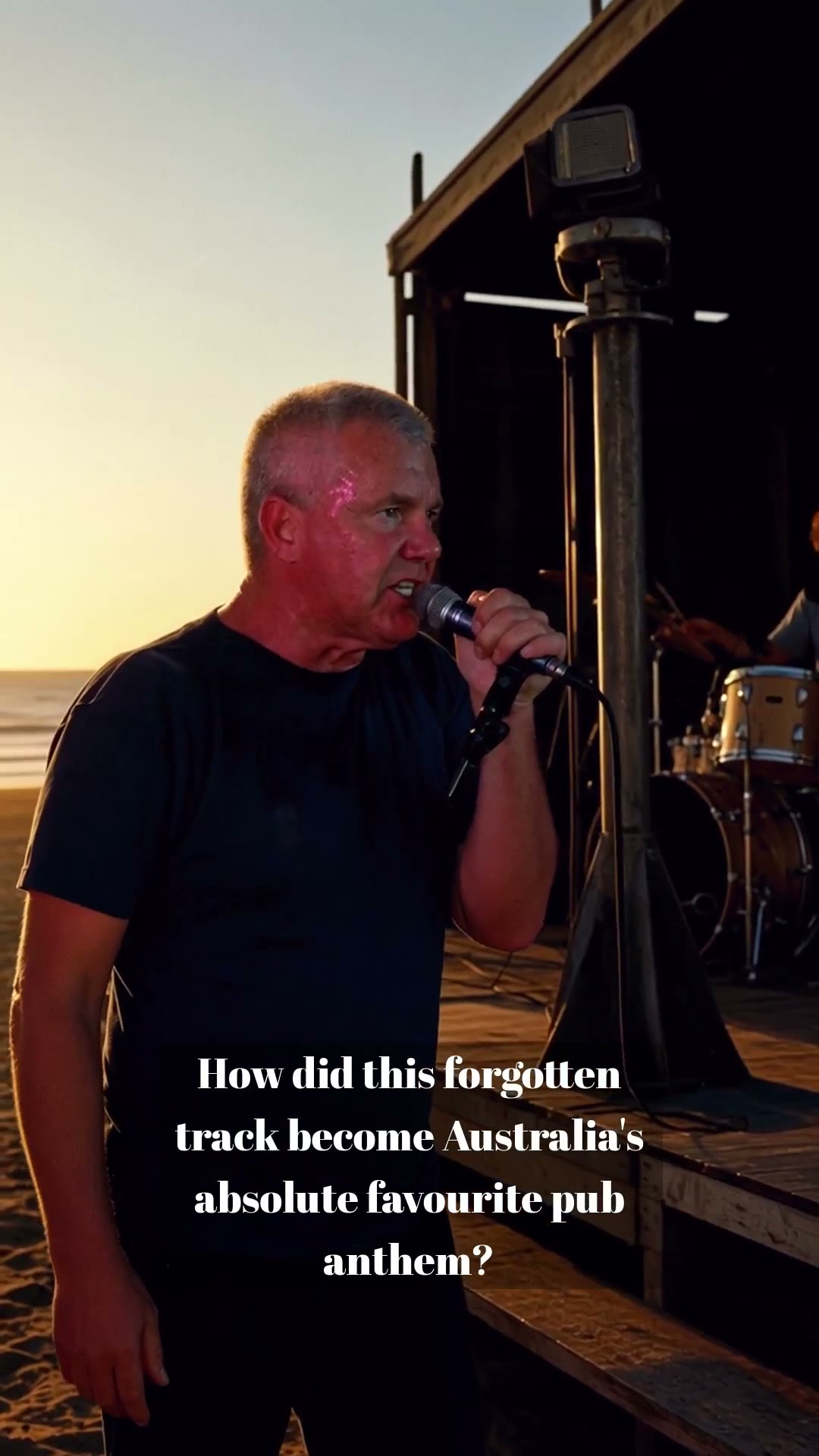
The Horses: How Daryl Braithwaite Turned a Cover into Aussie Gold

Cast your mind back to 1990. The pub scene was changing, the cold beers were flowing, and suddenly, a song hit the airwaves that would define every backyard barbecue and road trip for the next thirty years. It is funny to think that Daryl Braithwaite, already a massive star from his Sherbet days, was about to deliver a track that would transcend his own history. The song was The Horses, a tune that feels like it was written in the heart of the Australian bush, yet it actually began its life half a world away as an obscure American ballad. It is fair to say that most of us did not realise it was a cover back then, and to be honest, it does not matter one bit because Daryl made it entirely his own.

When Daryl Braithwaite first heard the original version by Rickie Lee Jones, he was not immediately convinced it was the right fit for his next record. He was a seasoned pro, a man who had lived through the glory days of the Countdown era and knew a thing or two about what made a hit. But there was something in the melody that just clicked. He took that track, added a bit of that quintessential Aussie heart, and turned it into the definitive anthem of our generation. It is the sort of song that hits you right in the chest when you are cruising down the highway with the windows down, feeling the sun on your face and realising that some songs just have a magic you cannot replicate.

Why does it still resonate so heaps today? Perhaps it is because Daryl Braithwaite captures a specific kind of longing that every Aussie bloke and girl understands. It is a song about freedom, about the wild spirit of the land, and about finding your place in the world. When that chorus kicks in, you can bet your bottom dollar that every single person in the room is singing along at the top of their lungs, regardless of whether they have a drink in their hand or just a memory in their heart. It is the unofficial national anthem of the modern pub, a track that bridges the gap between the boomers who remember his pop-star beginnings and the younger generation who have claimed it as their own.

It is truly remarkable to look back at how this track navigated the charts. Back then, we were all glued to the telly for our weekly fix of music, and when this video hit the screens, it was instant love. Daryl looked every bit the rock legend, and his voice brought a grit and a warmth that the original lacked. He took a piece of American craft and polished it into a diamond of Australian pop culture. We reckon it is impossible to find a jukebox in this country that does not have this track on high rotation.

These days, catching Daryl Braithwaite live is still a pilgrimage for many. You turn up at a local gig, see the familiar face, and wait for that familiar opening chord. When it comes, the whole crowd lifts. It is a moment of pure, unadulterated nostalgia that reminds us why we fell in love with Aussie music in the first place. Whether it is playing on the radio during a long drive or echoing through a beer garden on a Sunday afternoon, this song remains the absolute favourite of a nation. So, next time you hear those opening notes, take a moment to appreciate the man who turned an American B-side into our national soundtrack. Cheers to you, Daryl, for giving us a song that will truly never gallop away.

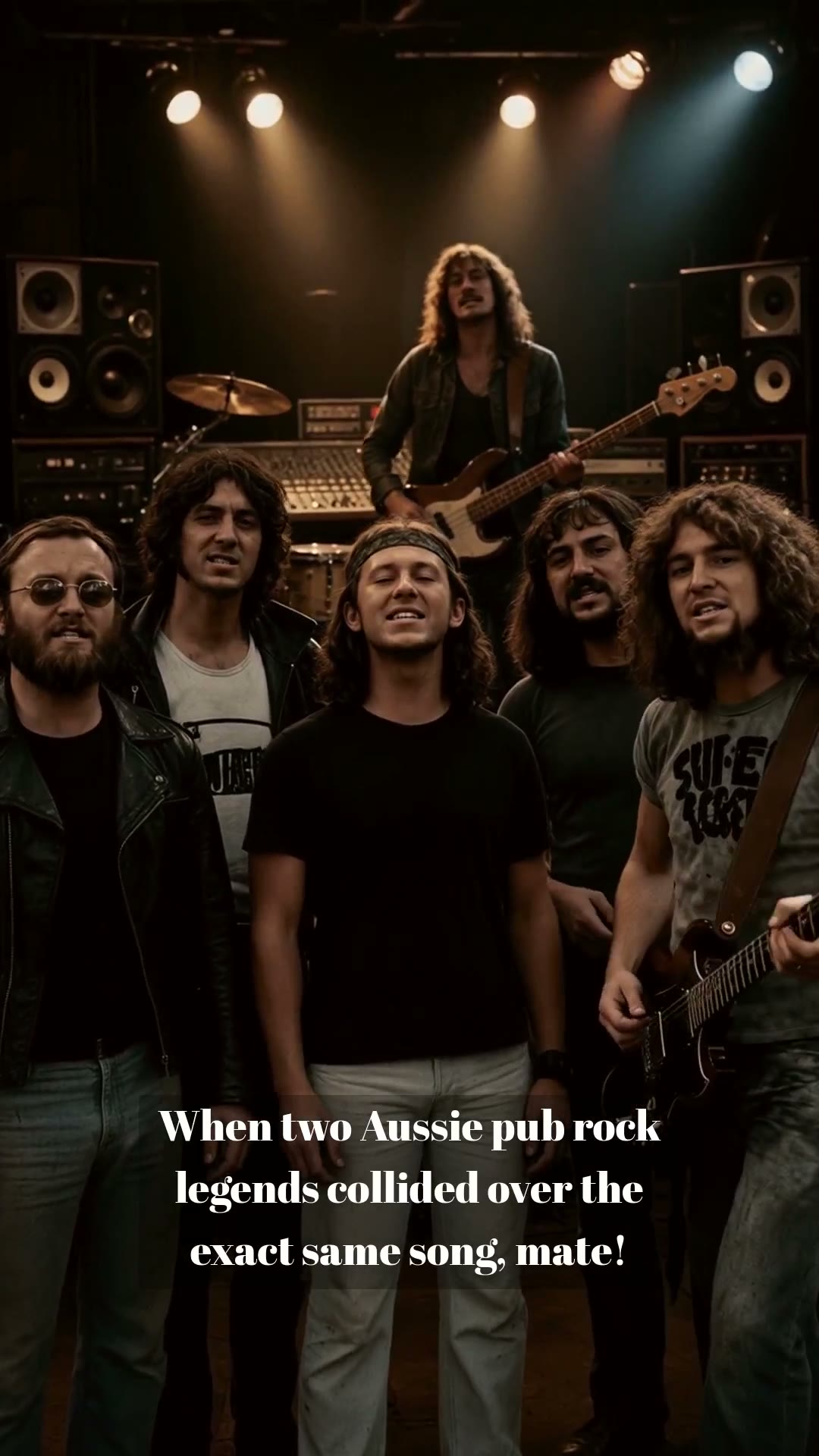
When Bon Scott and Blackfeather Collided: A Secret Aussie Pub Rock Rivalry

Cast your mind back to the early seventies, a time when the Aussie pub rock scene was still finding its voice in the smoky, beer-stained rooms of Sydney. It was 1971, and there was a particular track that ignited a quiet but fascinating fire between two rising forces of our local music landscape. We are talking about the song Seasons of Change, a tune that most of us reckon is an absolute classic. But did you know that the legendary Bon Scott, long before he became the gravel-voiced icon of AC/DC, had a hand in this melody? It is one of those cracker stories that makes our musical history so bloody brilliant.

Bon Scott was a member of the band Fraternity at the time, and they had laid down their version of this track, complete with Bon himself playing a rather cheeky, unexpected recorder. Now, as the story goes, the band Blackfeather was also pushing to get their own version out into the world. It wasn’t long before a proper chart battle broke out, with both versions fighting for airplay and the ears of the Aussie public. It is the sort of drama that wouldn’t happen today, but back then, it was all part of the colour and life of the local scene.

There is something special about realising that even the gods of rock had to scrap for their spot on the radio. Bon Scott, with his larrikin charm and raw talent, was just a lad trying to make his mark. Having him on the recorder of all instruments adds a layer of mystery to the track that fans still talk about today. It reminds us that behind the massive stadium tours and the fame, these blokes were just musicians in the trenches, pouring their hearts into a sound that would eventually define a generation.

Looking back, it is hard not to feel a bit nostalgic for those golden days of Countdown and the pub circuit. There was a genuine, raw energy to Australian music then that felt like it belonged to us alone. When we listen to Seasons of Change now, we aren’t just hearing a song; we are hearing a moment in time where a young Bon Scott was experimenting with his sound, blissfully unaware of the global superstardom that lay ahead. It is a piece of history that resonates heaps with anyone who has spent a night out listening to a live band.

It is fascinating how such a small, behind-the-scenes collision can carry so much weight decades later. Whether you prefer the raw edge of Fraternity or the polished feel of Blackfeather, the story of this song remains a favourite bit of trivia for any true blue music lover. It is a testament to the fact that Aussie rock has always been a bit messy, a bit competitive, and entirely unforgettable. So next time you have a spare moment, put the record on, turn the volume up, and see if you can spot that sneaky recorder. It is a ripper of a tale, mate.

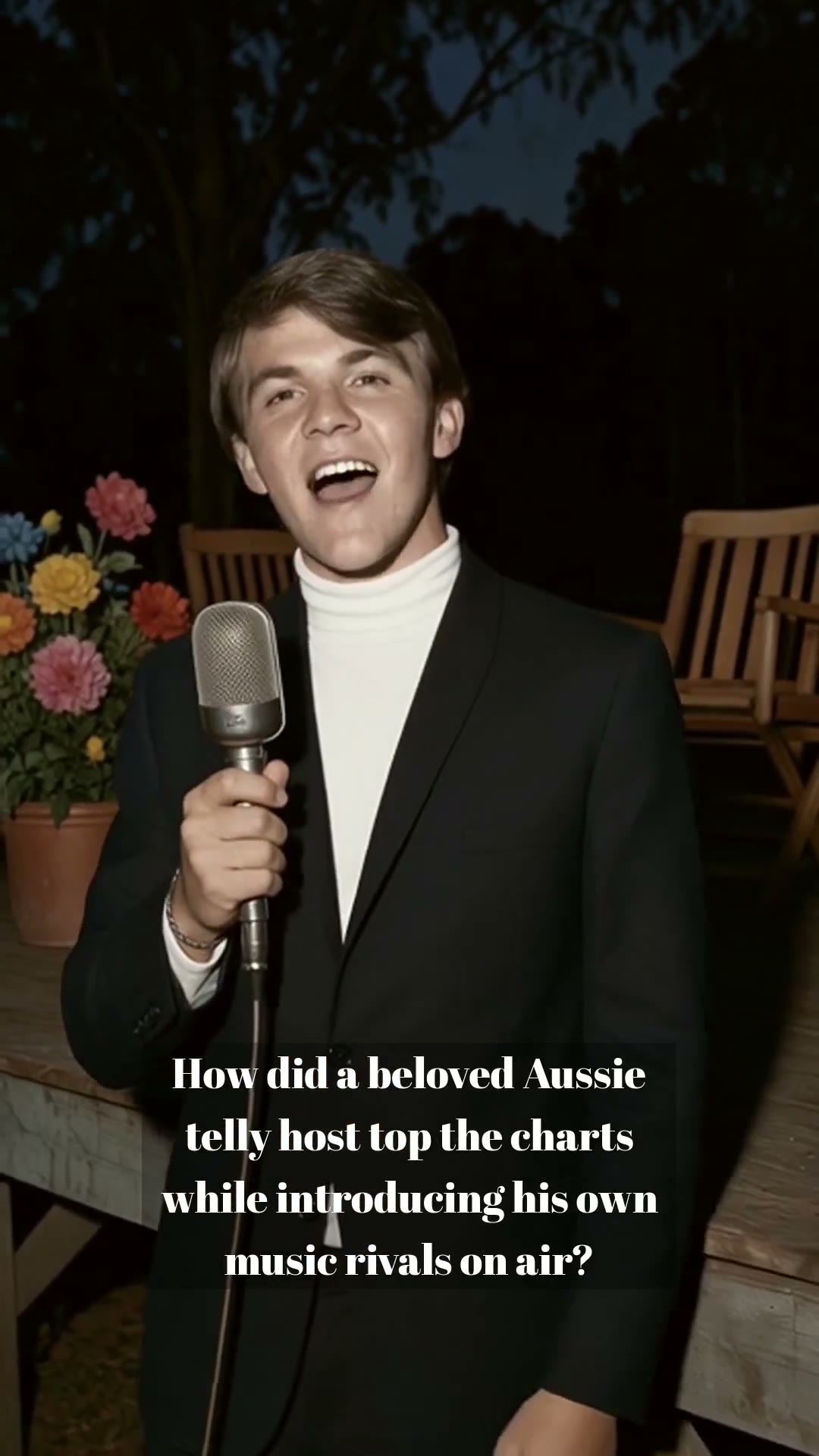
The Strange Tale of Ross D Wyllie: Australia’s Chart-Topping Telly Host

Cast your mind back to 1969. The colours on the telly were still a bit of a dream for most, but the music was louder than ever. If you were sitting in your lounge room waiting for your favourite Aussie acts to grace the screen on the pop shows of the day, you knew the face of Ross D Wyllie. He was the bloke with the cheeky grin who introduced the nation to the sounds that defined an era. But there was a bit of a secret behind that charming exterior—a bit of a yarn that doesn’t get told enough these days. While Ross D Wyllie was busy playing the gracious host to every up-and-coming band in the country, he was secretly fighting for his own slice of the limelight, and he was bloody good at it too.

It sounds like something straight out of a film, doesn’t it? Imagine being the gatekeeper of Australian pop, introducing your fiercest musical rivals to the masses on national television every single week, all while your own voice was climbing up the Melbourne charts on the wireless. Ross D Wyllie wasn’t just a presenter; he was a bona fide pop star in his own right. His song ‘The Star’ wasn’t just a bit of a flutter; it reached number one in Melbourne, creating a bizarre professional paradox that few artists have ever had to navigate. You can only imagine the tension in the studio when he’d introduce a band, knowing full well he was the one currently keeping them off the top spot.

Back then, the music scene was a different beast entirely. We didn’t have the internet to tell us what to like; we had the radio, the record stores, and the magic of television hosts like Ross D Wyllie to guide our tastes. The industry was a small, tight-knit community where everyone knew everyone, and the competition was fierce but fair. Being a host gave him a massive advantage, sure, but it also painted a target on his back. Every musician in the country knew the score, and it must have been a bit surreal to stand on that stage, share a joke with the host, and realise he was the bloke you were trying to topple from the number one position.

Looking back, it’s a brilliant piece of Australian music history that highlights just how much effort went into making those legendary pop shows work. Ross D Wyllie had that special something—a bit of charisma that kept us all tuned in, even when the production values were a bit rough around the edges. He balanced the egos of rock stars and the demands of the producers with a grin, all while harbouring his own chart-topping ambitions. It’s a testament to the man’s talent that he could wear both hats without the whole thing coming off the rails.

We reckon these stories are what make the Aussie music scene of the sixties and seventies so special. It wasn’t just about the songs; it was about the colourful characters behind the microphone and the camera. Ross D Wyllie reminds us of a time when the lines between being a fan, a star, and a broadcaster were delightfully blurred. So, next time you hear a classic hit from that golden era, spare a thought for the telly host who managed to juggle it all and come out on top. It’s a cracker of a story, mate, and one that deserves a spot in our cultural history.

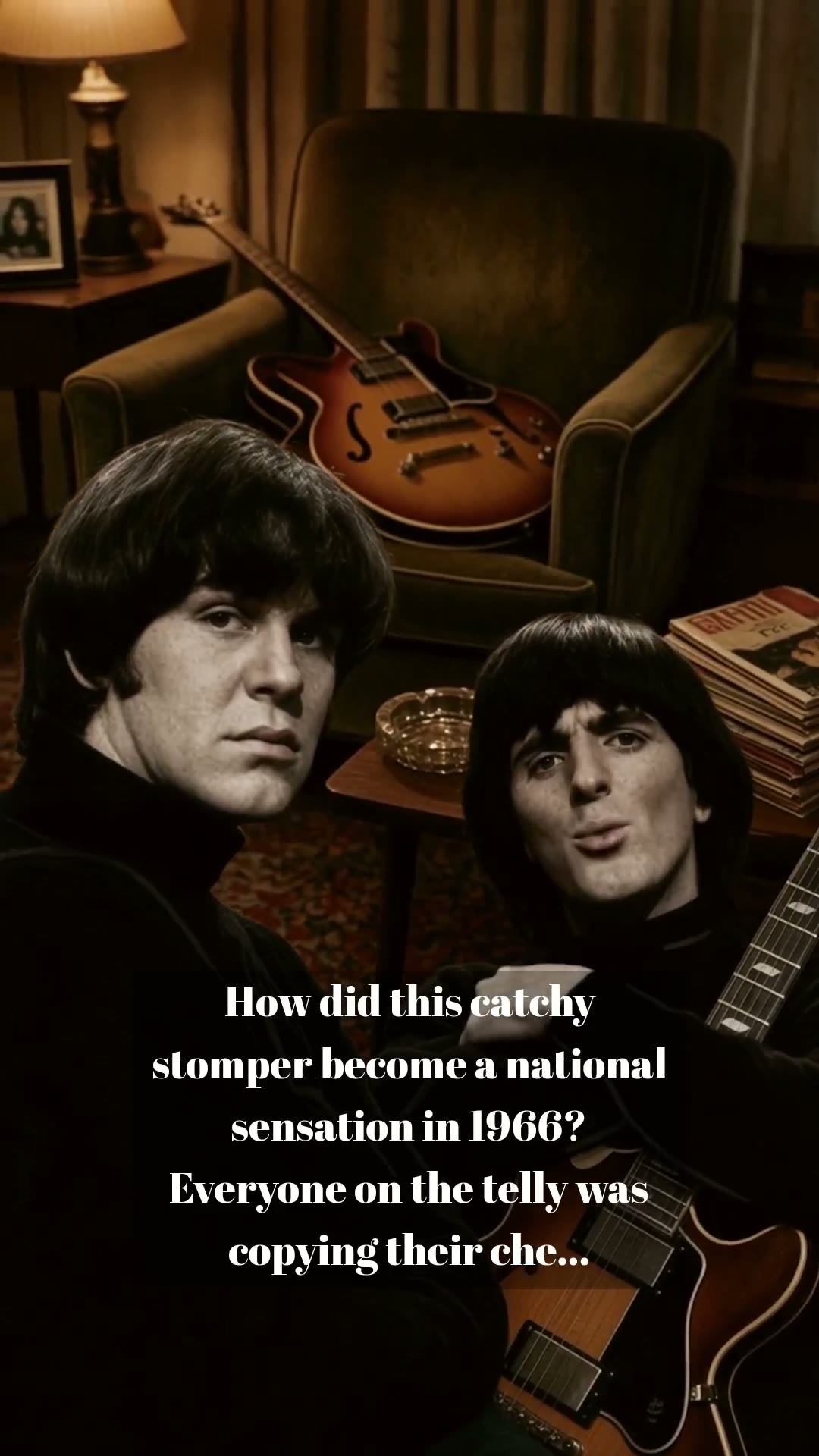
Bobby and Laurie: The Cheeky 1966 Aussie Pop Duo We Loved

Cast your mind back to 1966, a time when the telly was still a brand new piece of furniture in the lounge room and the airwaves were buzzing with a distinctively Aussie sound. If you were a teenager back then, you absolutely remember the moment Bobby and Laurie burst onto the scene. They were the cheeky chappies of the pop world, capturing our hearts with a sound that felt like it belonged to us, not just some import from across the pond. It was a golden era for local music, and this duo stood right at the centre of it all.

They were famous for their infectious hits, but let us be honest, it was that signature thumb-out dance move that really sent the nation into a spin. Every Saturday morning, we would crowd around the set, waiting for their latest appearance. When they started that routine, you could bet your bottom dollar that every kid in the suburbs would be trying to mimic it in the kitchen. It was pure, unadulterated fun, a stark contrast to the moody vibes that would come to define the pub rock scene a decade later. Bobby and Laurie brought a splash of colour to a world that was still catching up to the swinging sixties.

Looking back, it is easy to realise why Bobby and Laurie struck such a massive chord with the Australian public. They possessed a natural charm that felt authentic, like a couple of blokes you might run into at the local milk bar. They didn’t take themselves too seriously, which was their greatest strength. In an industry that often tries to manufacture an image, this duo just seemed to be having heaps of fun. That genuine energy radiated through the speakers and into our homes, making them an essential part of the Aussie soundtrack.

Their biggest hits were more than just catchy tunes; they were cultural markers of a time when we were finally starting to realise our own potential in the global music scene. While the world was obsessed with the British Invasion, we had our own icons right here. Bobby and Laurie were the favourite sons of the Countdown-precursor era, paving the way for the massive stars who would eventually take on the world. Their influence might have been subtle, but for those of us who lived through it, they remain an absolute staple of our collective memory.

It is funny how a simple song or a silly dance routine can transport you back decades in the blink of an eye. I reckon if you play one of their old records today, you will find yourself tapping your foot before you even know what is happening. It is that nostalgia, that warm feeling of belonging to a specific time and place, that keeps the spirit of Bobby and Laurie alive for us today. They might not be headlining the major festivals anymore, but they will always hold a top spot in our hearts. Thanks for the memories, lads; you truly were legends of the Oz pop scene.

The Cheeky Head-Shake That Put Ray Columbus on the Aussie Map

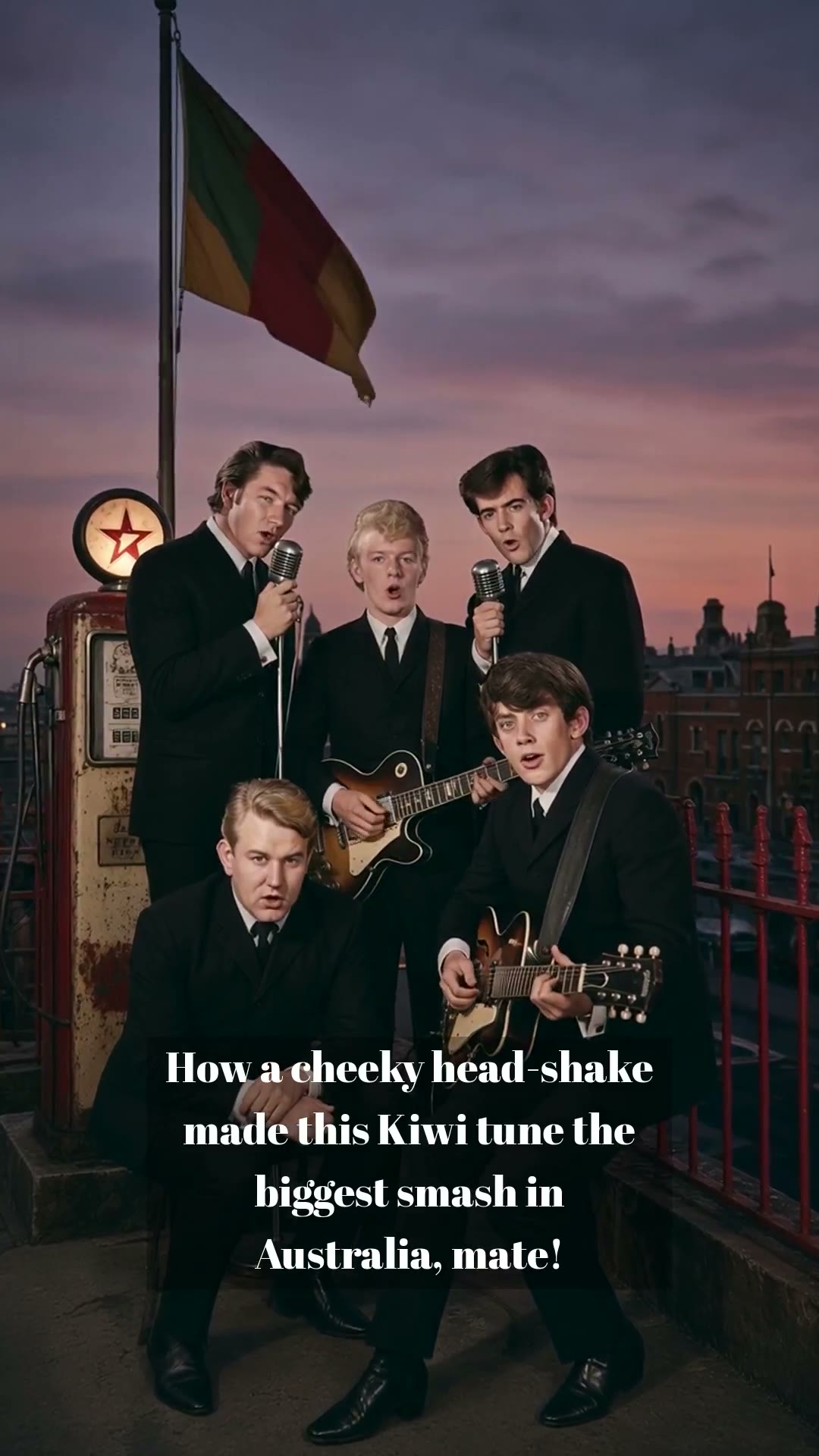
Cast your mind back to 1964, a time when the wireless was always crackling with the latest sounds and the local pub was the beating heart of every neighbourhood. If you were around back then, you surely remember the moment the airwaves were hijacked by an infectious, driving beat that seemed to pull everyone onto the dance floor. It was the era of the trans-Tasman invasion, and nobody led the charge quite like the cheeky showman from across the ditch, Ray Columbus and the Invaders. Their smash hit ‘She’s A Mod’ wasn’t just a song; it was a cultural phenomenon that turned into an absolute riot of a dance craze.

Ray Columbus had that natural spark, a swagger that made you realise he was destined for the big stage. When he and the Invaders burst onto the scene, they brought a raw, unpolished energy that captured the imagination of every teenager in Australia. The track was simple, punchy, and possessed a rhythm that was impossible to resist. But it wasn’t just the music that had us hooked. It was that signature head-shake, a cheeky little move that became the centrepiece of the ‘Mod’ dance craze. You’d walk into any dance hall from Sydney to Perth and see hundreds of kids shaking their heads in unison, completely lost in the magic of the moment. It was pure, unadulterated joy, mate.

Looking back, it is easy to see why Ray Columbus and the Invaders became such a sensation. They had that rare ability to make every listener feel like they were part of something massive. While the Brits had their invasion, we had our own home-grown heroes shaking things up right in our backyard. The song reached the top of the charts because it was authentic and perfectly timed for a generation ready to cut loose. It didn’t matter if you were a staunch pub rock fan or just someone who loved a good tune on the telly, you knew the chorus to ‘She’s A Mod’ by heart. The sheer audacity of their style set a new standard for Aussie pop that lasted for heaps of years.

What makes the story of Ray Columbus so special is that it reminds us of a simpler time when a single performance could unite an entire nation. The band’s chemistry was undeniable, and they carried that Kiwi spirit across the Tasman with such ease. I reckon if you asked anyone from that generation about their favourite gig, many would point to those early nights when the Invaders brought the house down. There was no pretense, just four blokes giving it their all and a crowd hungry for a beat they could call their own. It remains a definitive chapter in our collective musical history.

It is truly marvellous how those memories come flooding back whenever you hear that iconic opening riff. Ray Columbus and the Invaders proved that you didn’t need fancy production to create a masterpiece; you just needed soul, sweat, and a fair bit of cheek. It was a golden age, and every time I hear that track, I am right back there, shaking my head and grinning like a schoolkid. Do you remember where you were when you first saw them perform? Those days might be long gone, but the sound of Ray Columbus still carries a colour and charm that never fades.

The Cheeky Steel Guitar Gamble That Made Rob EG An Aussie Legend

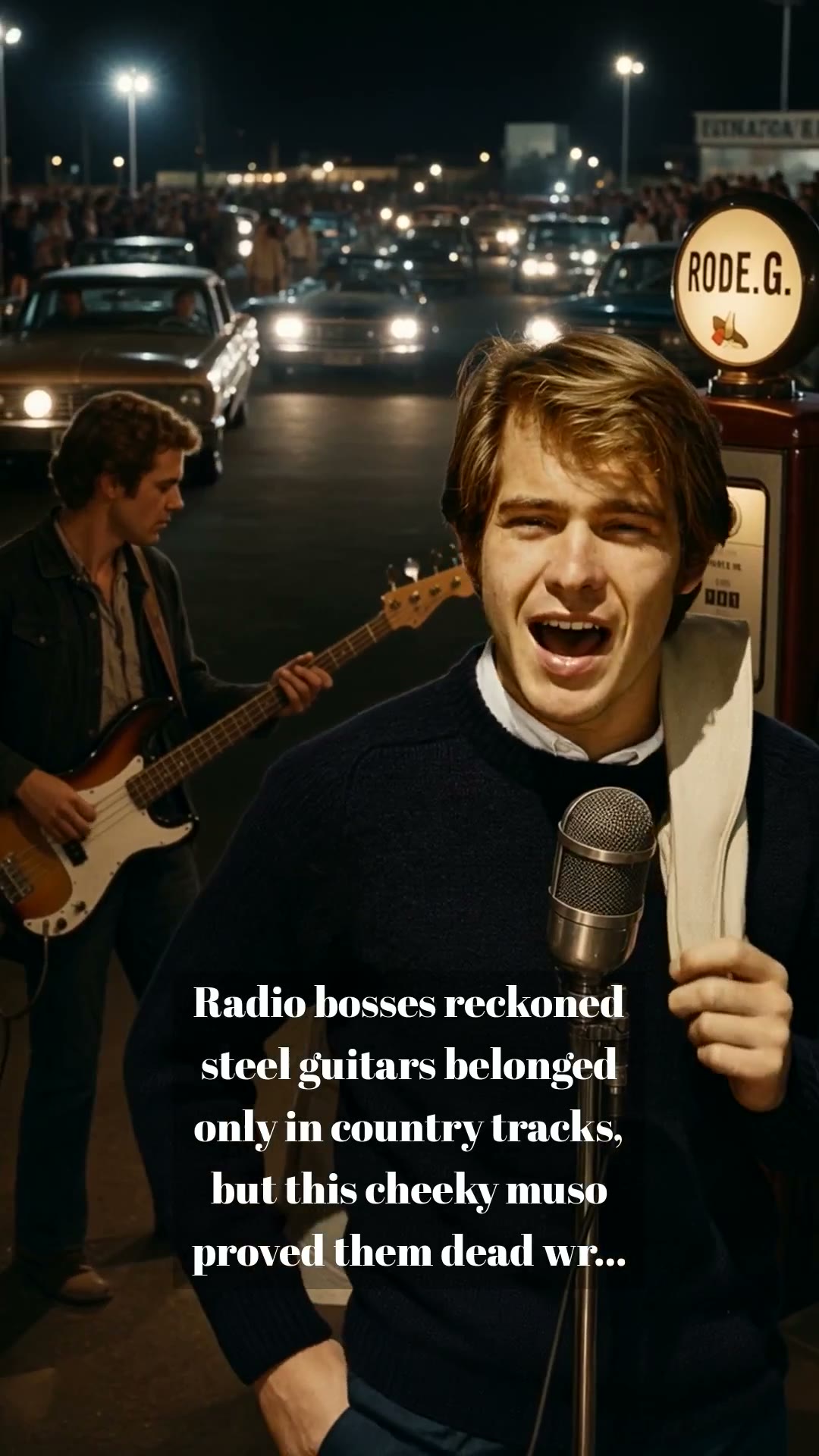
Back in 1963, the Australian radio landscape was a pretty predictable place. You had your crooners, your standard pop melodies, and a strict rulebook written by station managers who reckoned they knew exactly what the public wanted. If you played a steel guitar, you were pushed into the country and western corner, no questions asked. But then came along a bloke named Rob EG, a musician with a bit of a cheeky grin and a vision that went against the grain of the entire industry. He decided to take that sliding, crying sound of the steel guitar and drag it right into the heart of the pop charts, proving every single suit in the boardroom dead wrong.

Rob EG, born Robert Eric George, was never one to play by the rules. While the radio bosses were busy telling everyone that slide guitars were only for folks in cowboy hats, Rob EG had other plans. He saw the potential for a fresh, shimmering sound that could cut through the noise of a typical Saturday night gig at a local pub. He realised that if you added a bit of flair and a driving rhythm, that steel guitar could sing in a way that captured the imagination of every teenager glued to their wireless. It was a bold gamble, but mate, it paid off in heaps.

When his track 55 Days at Peking hit the airwaves, the response was nothing short of electric. It was a massive number-one smash that caught everyone off guard. People were suddenly realising that this instrumental track had more colour and character than half the vocal hits on the top forty. It didn’t have the typical pop lyrics, but it had a soul that resonated with the Aussie public. Rob EG had managed to pull off the impossible—he turned a niche, misunderstood instrument into the hottest ticket in town, climbing the charts and staying there long enough to make history.

Thinking back to those days, it really highlights how different the music scene was before the big arena tours and the heavy, polished production of the later decades. You didn’t need a massive marketing budget or a string of writers to top the charts; you just needed a bit of grit, a unique sound, and the audacity to do something different. Rob EG became a bit of a local hero for the young rockers and pub dwellers who were tired of being told what they should be listening to. He paved the way for a generation of instrumentalists who dared to experiment with their sound.

Even now, decades later, there is a warmth to the story of Rob EG that sticks with you. It is a reminder of a time when the radio was the lifeblood of our culture, and a single catchy tune could define an entire summer. Every time I hear that sliding, melodic riff, I’m whisked straight back to the days of flickering television sets and the simple joy of hearing something truly original for the first time. It is a classic piece of Aussie musical history, and I reckon it’s a story worth remembering. So, next time you’re feeling a bit nostalgic for the good old days, give a listen to the legend who proved that the experts don’t always know best.

The Atlantics: How 1963 Sydney Surf Rock Took Over the World

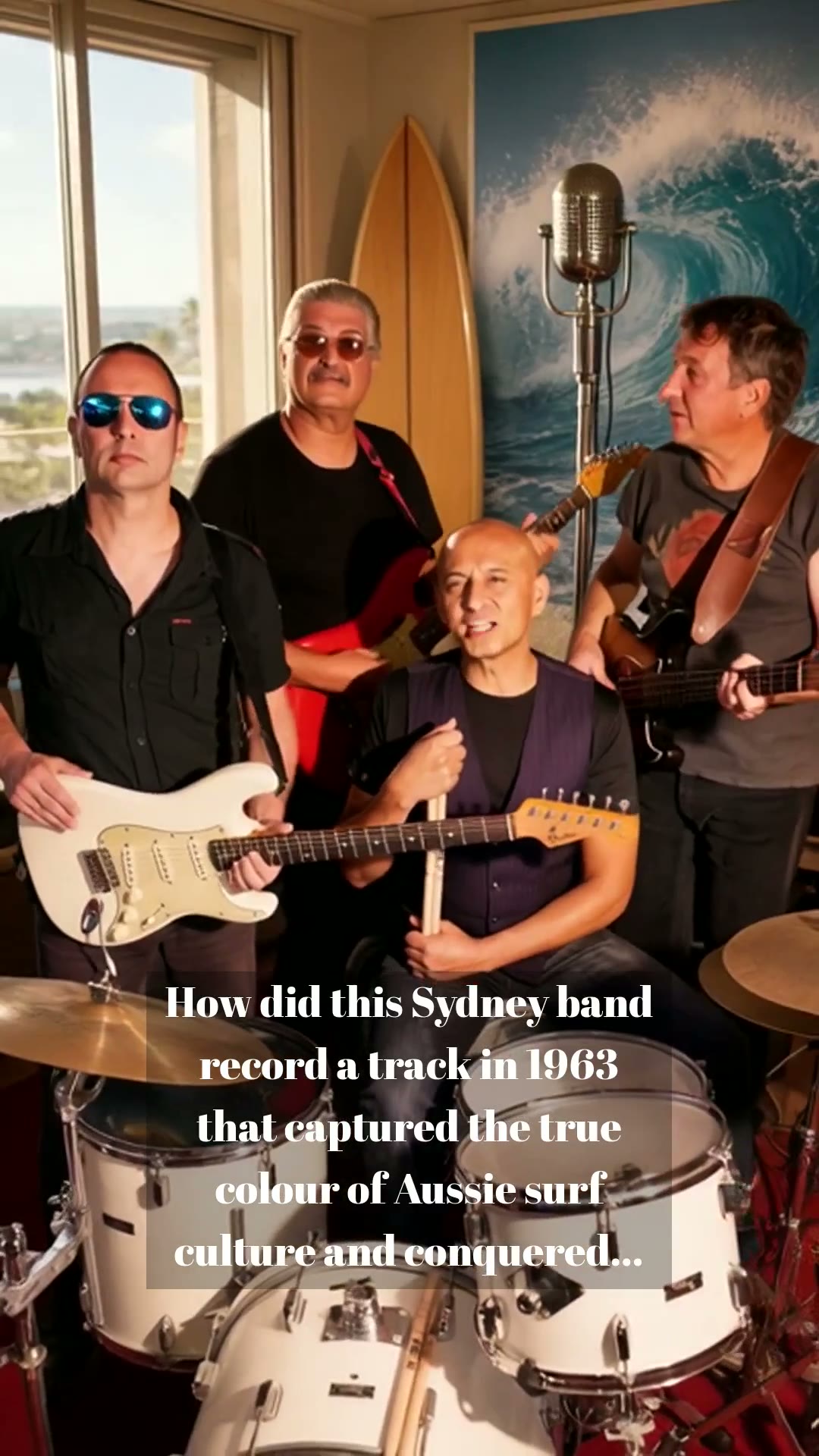
Cast your mind back to 1963, a time when the surf was king and Sydney’s beaches were the absolute heart of the Aussie summer. You could smell the salt in the air, feel the sand between your toes, and hear the buzz of a transistor radio pumping out tunes that felt like pure sunshine. Amidst this golden era, a bunch of lads from Sydney known as The Atlantics managed to do the unthinkable. They didn’t just play rock; they captured the very soul of the coastline in a single, roaring track called Bombora. It was a moment that made us realise our local talent could go toe-to-toe with any international act, and mate, did it send shockwaves through the charts.

The Atlantics weren’t your typical chart-toppers. These teenagers had an obsession with the sound of the ocean, a raw energy that they channelled through their instruments until the strings nearly snapped. When they hit the studio to record Bombora, they weren’t trying to follow the American surf trends; they were creating something that felt uniquely ours. It was loud, it was moody, and it had that distinct, swirling colour of the Australian surf culture that felt like a hot wind blowing through a crowded pub. You couldn’t help but tap your feet when it came on, even if you were just sitting at home watching the telly.

Looking back, it is truly heaps impressive how The Atlantics managed to cut through the noise of the early sixties. While everyone else was looking towards London or across the Pacific, these Sydney boys gave us a soundtrack that belonged to Bondi, Manly, and every break in between. They proved that you didn’t need a massive production budget or a string of hits in New York to make an impact. All you needed was a bit of grit, some reverb-drenched guitars, and a sense of timing that hit the nail on the head. That song became an anthem, a quintessential slice of our history that defined a generation of beach-goers.

Why does it still resonate today? I reckon it is because Bombora captures a sense of freedom that we all crave. Whenever I hear those opening chords, I am instantly transported back to a time when life felt a little simpler and the music was just louder. The Atlantics created more than just a hit; they created a time capsule. It reminds us of an era when our music scene was finding its feet and shouting to the world that Australia had arrived. It was the birth of an attitude that would eventually pave the way for the pub rock giants who followed in their wake.

Whether you were there in the thick of it or you are just discovering these legends now, it is clear that the impact of The Atlantics is still felt across the nation. They were the pioneers who turned the sound of the surf into a national treasure. Next time you find yourself near the coast, spare a thought for those lads who picked up their guitars and changed the game forever. It is a brilliant piece of our heritage, mate, and one that is well worth keeping on high rotation.