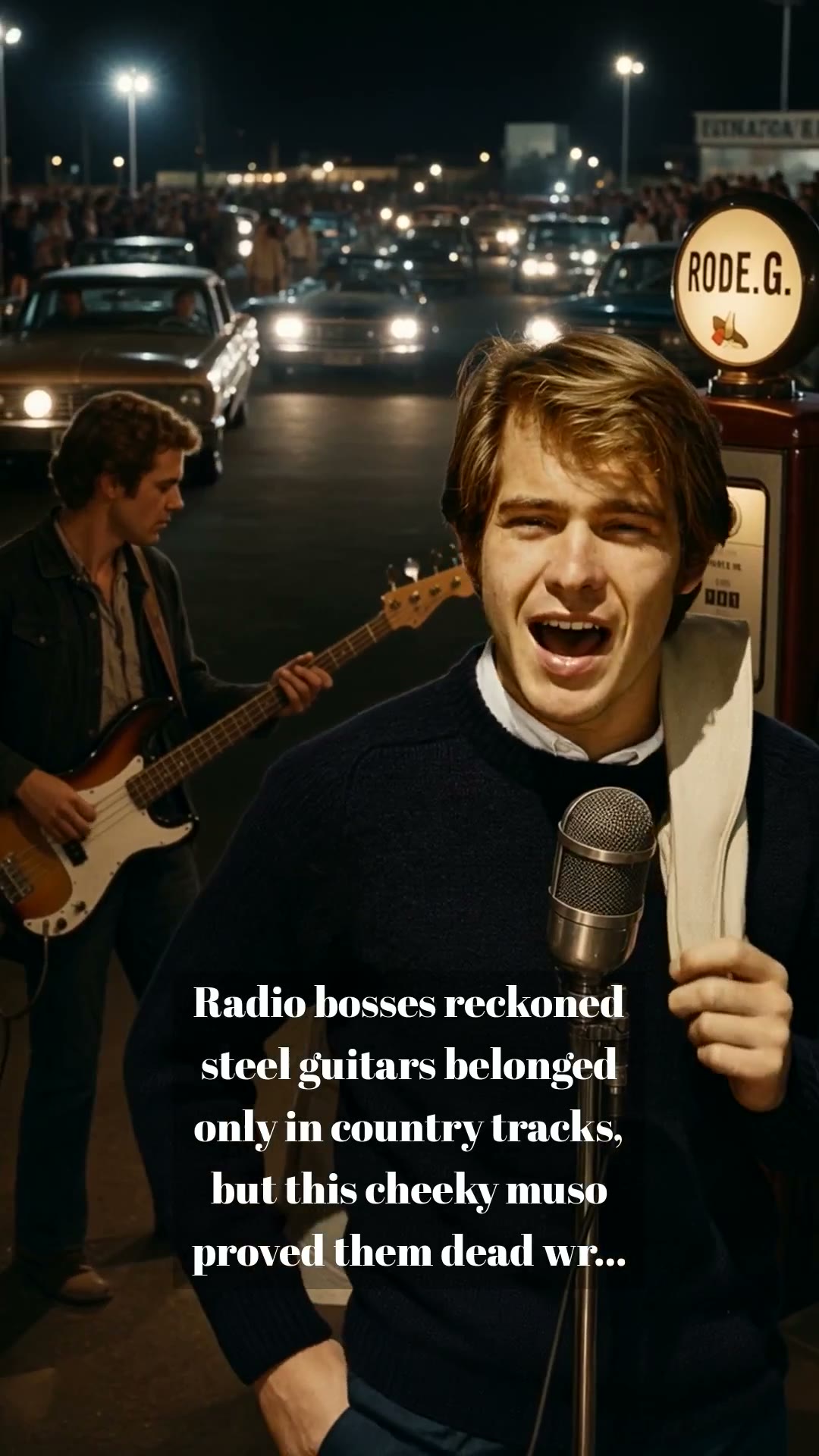
Back in 1963, the Australian radio landscape was a pretty predictable place. You had your crooners, your standard pop melodies, and a strict rulebook written by station managers who reckoned they knew exactly what the public wanted. If you played a steel guitar, you were pushed into the country and western corner, no questions asked. But then came along a bloke named Rob EG, a musician with a bit of a cheeky grin and a vision that went against the grain of the entire industry. He decided to take that sliding, crying sound of the steel guitar and drag it right into the heart of the pop charts, proving every single suit in the boardroom dead wrong.
Rob EG, born Robert Eric George, was never one to play by the rules. While the radio bosses were busy telling everyone that slide guitars were only for folks in cowboy hats, Rob EG had other plans. He saw the potential for a fresh, shimmering sound that could cut through the noise of a typical Saturday night gig at a local pub. He realised that if you added a bit of flair and a driving rhythm, that steel guitar could sing in a way that captured the imagination of every teenager glued to their wireless. It was a bold gamble, but mate, it paid off in heaps.
When his track 55 Days at Peking hit the airwaves, the response was nothing short of electric. It was a massive number-one smash that caught everyone off guard. People were suddenly realising that this instrumental track had more colour and character than half the vocal hits on the top forty. It didn’t have the typical pop lyrics, but it had a soul that resonated with the Aussie public. Rob EG had managed to pull off the impossible—he turned a niche, misunderstood instrument into the hottest ticket in town, climbing the charts and staying there long enough to make history.
Thinking back to those days, it really highlights how different the music scene was before the big arena tours and the heavy, polished production of the later decades. You didn’t need a massive marketing budget or a string of writers to top the charts; you just needed a bit of grit, a unique sound, and the audacity to do something different. Rob EG became a bit of a local hero for the young rockers and pub dwellers who were tired of being told what they should be listening to. He paved the way for a generation of instrumentalists who dared to experiment with their sound.
Even now, decades later, there is a warmth to the story of Rob EG that sticks with you. It is a reminder of a time when the radio was the lifeblood of our culture, and a single catchy tune could define an entire summer. Every time I hear that sliding, melodic riff, I’m whisked straight back to the days of flickering television sets and the simple joy of hearing something truly original for the first time. It is a classic piece of Aussie musical history, and I reckon it’s a story worth remembering. So, next time you’re feeling a bit nostalgic for the good old days, give a listen to the legend who proved that the experts don’t always know best.