The Aussie TV Farewell That Toppled Giants: Rory O’Donoghue’s Forgotten Number One

Cast your mind back to 1973, when the Aussie music scene was a fair dinkum wild west of pub rock and rising stars. Back then, if you wanted to make a mark, you had to battle it out on Countdown or scrap for airtime on the telly. But nobody—and I mean nobody—reckoned that a cheeky little farewell performance on the ABC would shake the foundations of the charts, booting global rock giants straight out of the top spot. The man behind this musical ambush was the late, great Rory O’Donoghue, a bloke whose wit was as sharp as his guitar playing.

At the time, the charts were cluttered with the usual international heavyweights. Every record store in the country was plastered with the faces of global superstars, but Aussie music fans were starting to realise they were craving something with a bit more local flavour. Rory O’Donoghue, primarily known for his brilliant comedic timing on The Aunty Jack Show, stepped onto the screen with a song that was meant to be a simple, tongue-in-cheek goodbye. Little did he know, he had bottled the exact mood of a nation.

When that sweet, acoustic melody echoed across our lounge rooms, something clicked. Mates up and down the coast fell heaps in love with the track almost overnight. It wasn’t just a novelty song; it was a moment of pure, honest connection that captured the essence of suburban Australia. It was raw, it was humble, and it had that distinctive colour that only a true Aussie performer could provide. People rushed out to buy the record in droves, sending it rocketing to number one before the industry bigwigs could even figure out what had hit them.

Rory O’Donoghue didn’t have the backing of a massive international label or a polished PR machine. He had his wits, his guitar, and a genuine rapport with the Aussie public. Seeing him stand there, completely unfazed while he knocked chart-toppers off their pedestal, felt like a win for every local artist scratching out a living in the pub circuit. It was a classic underdog story that still rings true today, proving that sometimes, all you need is a bit of heart and perfect timing to change the game entirely.

Even now, when I hear that familiar chord progression, I’m whisked straight back to 1973. It reminds me of a time when the telly was the beating heart of our living rooms and music felt like a shared secret between mates. Rory O’Donoghue might have moved on, but the legacy of that chart-topping hit remains a favourite chapter in our musical history. It’s a cracker of a reminder that in Australia, talent will always find a way to shine through, no matter how big the giants are that stand in the way. So, next time you’re spinning your old records, do yourself a favour and give this one a listen, mate.


Col Joye: The Aussie Rocker Who Stunned Everyone with a 1973 Comeback

Cast your mind back to the early seventies, mate. The music scene in Australia was changing at a breakneck speed. The rough-and-tumble pub rock circuit was finding its legs, and the kids were listening to sounds that were a far cry from the clean-cut rock’n’roll of the late fifties. If you asked the average punter back then what was happening with Col Joye, they would have probably shrugged and told you he was done and dusted. After all, Col Joye was the heartthrob of the early rock era, the bloke who helped put Australian music on the map, but by the dawn of the seventies, it seemed the industry had simply moved on without him.

Most folks reckon that once the spotlight fades, it rarely finds you again, especially in the fickle world of pop music. But Col Joye wasn’t just any singer; he had a deep-seated grit that most people didn’t realise was there. While the critics were busy writing his career obituary, Col was busy in the studio, waiting for the right moment to remind the country why he became a household name in the first place. He didn’t just want a hit; he wanted to prove that he still had the magic that made him Australia’s favourite son during the heyday of the Joy Boys.

Then came 1973, a year that turned the tide. Against all expectations, Col Joye released a track that would change the trajectory of his career entirely. When the record hit the airwaves, it was absolute gold. It was the kind of tune that brought back a bit of colour to the charts, reminding us all that true talent doesn’t just evaporate. Hearing that voice on the wireless again felt like catching up with an old mate you hadn’t seen in years. It was a massive shock to the industry, and it sent his popularity soaring higher than it had been in over a decade.

This comeback wasn’t just a lucky break; it was a testament to his sheer determination. In an era dominated by glitzy glam rock and heavy blues, Col Joye managed to bridge the gap between the old guard and the new generation. He showed everyone that you don’t need to reinvent yourself completely to stay relevant. Sometimes, you just need to remind people of the quality they fell in love with in the first place. It remains one of the most heartwarming stories in Aussie music history, a true comeback that still gives us goosebumps today.

Even now, looking back at that time, it is clear that Col Joye held a special place in the nation’s heart. He didn’t just fade into the background; he roared back to life when the chips were down. It goes to show that if you’ve got the heart for it, you can always make a return to the top. So, next time you’re spinning a few old records and feeling a bit nostalgic, throw on some Col Joye and remember the man who proved that you’re never truly finished until you decide to put the microphone down for good.

The Blackfeather Jam: How One Aussie Hit Tore a Band Apart

Picture the scene in 1971. The Aussie music scene was shifting, moving away from the bubblegum pop of the sixties into the grittier, heavier sounds of the pub rock era. Among the bands leading this charge were Blackfeather, a group of incredibly talented musicians who were, by all accounts, destined for the stars. They had the technical chops and the progressive vision to take on the world. But back in the studio, a moment of pure, cheeky improvisation ended up creating their biggest hit and, paradoxically, the beginning of the end for the original line-up. It is one of those classic yarns that still gets talked about in hushed tones whenever old rockers gather for a cold one.

The song was ‘Seasons of Change’, a track that soared to the top of the charts and became an absolute anthem on Aussie radio. It was the sort of tune you could not escape; it was everywhere, from the local pubs to the transistor radios in our mums’ kitchens. But the story behind that success is anything but harmonious. You see, the band had intended to pursue a much more complex, progressive rock direction. When that simple, infectious pub-style boogie took off, it caused a massive rift. The label and the public wanted more of that catchy, radio-friendly sound, while the band members were desperate to stick to their guns and explore their more serious musical ambitions.

I reckon you could feel the tension in the room just listening to the later tracks. It was a classic clash between artistic integrity and the brutal reality of commercial success. The boys in Blackfeather had heaps of potential, but once the commercial expectations were set, the pressure started to mount. It is the old story, mate—one minute you are mates jamming in a shed, and the next, your internal creative vision is being shredded by the demands of the charts. They realised too late that while they had captured lightning in a bottle, the heat from that spark was burning the band to the ground from the inside out.

Looking back at that era of the Australian music scene, you have to admire their audacity. It was a time when bands were still finding their feet, experimenting with different sounds, and pushing the boundaries of what a homegrown band could achieve. Even though the original Blackfeather line-up fractured under the weight of that one monster hit, they left an indelible mark on our history. They helped pave the way for the pub rock giants that would follow in the late seventies and eighties. It is a bittersweet reminder that sometimes the very thing that makes you a legend is the exact same thing that pulls your world apart.

Even today, whenever ‘Seasons of Change’ crackles through the speakers, I can’t help but think about what could have been if things had played out differently. It remains a favourite for so many of us who grew up in that vibrant, wild era of Australian music. It serves as a stark lesson in how quickly fame can change the dynamics of a band, turning brothers into strangers. Still, we are lucky we got that track at all, eh? It remains a definitive piece of our cultural colour and a testament to a band that hit too hard, too fast.

The Master Apprentices: The Forgotten Aussie Garage Gem That Rocked Hard

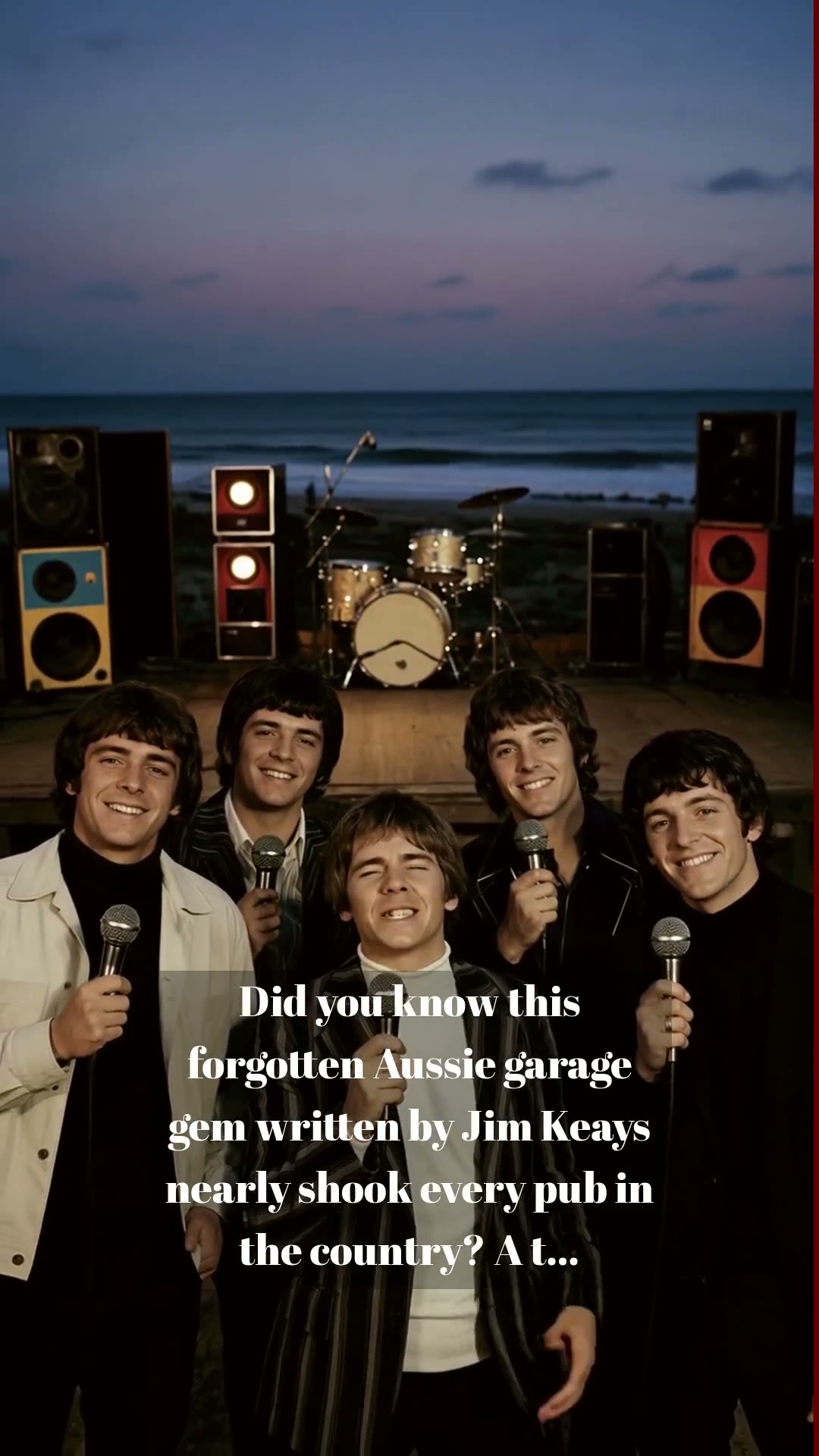
Cast your mind back to the mid-sixties, a time when the local pub scene was a raw, sweaty breeding ground for sonic rebellion. Before the stadium lights and the massive arena tours became the norm, bands like The Master Apprentices were busy carving out a jagged, glorious sound that defined an era. You might recall the frantic energy of the dance halls or the way a transistor radio sounded while you were tinkering under the bonnet of your first ute, but there is one particular track that has always stuck in the hearts of those who were truly there. Written by the late, great Jim Keays, this garage gem was supposed to be the one that shot them into the stratosphere. Yet, in a strange twist of fate, it missed the mainstream charts entirely, leaving it as a secret treasure for those of us who grew up with the grit of Australian rock and roll in our veins.

It is truly a crying shame when a song as punchy as this gets buried by history, but that is the reality of the music business, mate. The Master Apprentices were never just another group; they had a sense of urgency that felt like it was plucked straight from the streets of Melbourne. Jim Keays, with his unmistakable flair and knack for writing tunes that grabbed you by the scruff of the neck, really poured his soul into this composition. When you listen to it now, you can still hear the fuzz of the amplifiers and that unmistakable, rebellious spirit that typified our early garage scene. It was loud, it was unpolished, and it was absolutely brilliant, capturing a colour of the sixties that the shiny pop hits on the telly simply couldn’t touch.

I reckon if you were to walk into any pub from Sydney to Melbourne back in sixty-five, you would have felt the walls shaking whenever this track kicked in. It was the kind of music that made you want to jump around until you were absolutely buggered. Despite missing the charts, this song became something of a cult anthem for the local legends who frequented the live circuit. It is the type of story that makes me realise just how much incredible talent we had floating around our own backyard, long before the industry became so sanitised. Jim Keays and The Master Apprentices were the real deal, pioneers who paved the way for the pub rock explosion that would eventually take over the world.

Looking back, it is easy to see why this track still resonates heaps with us today. It serves as a time machine, transporting us straight back to a simpler, albeit much louder, period of our lives. There is a certain nostalgia in that raw, garage sound that you just cannot replicate with modern technology. It represents the sweat, the spilled beer, and the pure, unadulterated passion of a band trying to make their mark on a country that was only just starting to find its own rock and roll identity. These are the songs that define who we are.

So, do yourself a massive favour this weekend and find a quiet moment to crank this forgotten masterpiece up to the rafters. Close your eyes, let the feedback wash over you, and appreciate the genius of Jim Keays one more time. It is a vital piece of our musical heritage that deserves far more credit than it ever received back in the day. After all, the best stories in Australian music are usually the ones that were hidden in plain sight, waiting for us to rediscover them. Cheers to the legends who kept the dream alive, one gig at a time.

Neil Young’s Lost 1976 Masterpiece: The Aussie Outback’s Secret Soundtrack

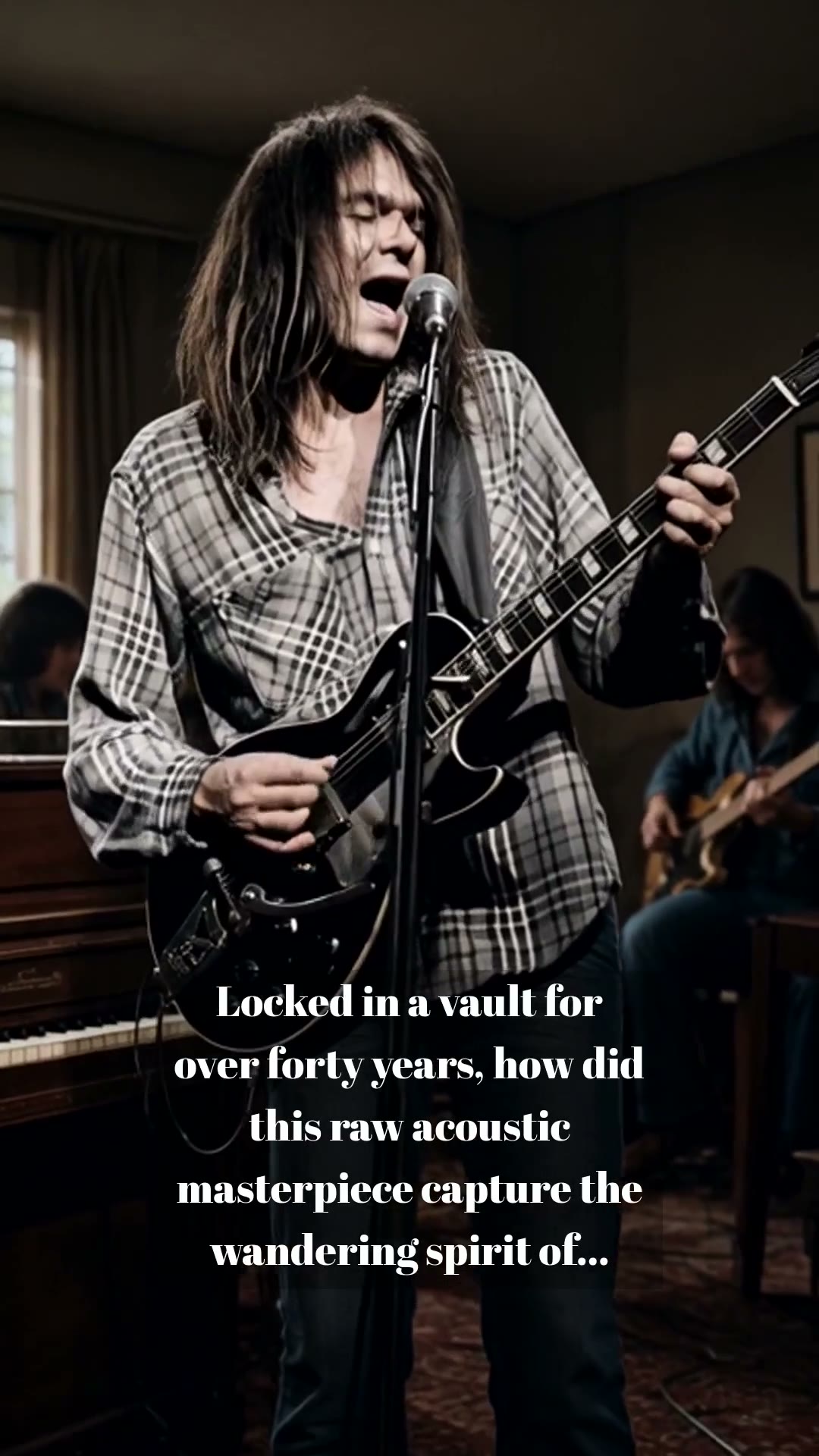
Picture this: it is the mid-seventies, the pub rock scene is just starting to boil over in the suburban hotels, and everyone is glued to their telly for Countdown. Amidst the neon lights and the glitter, a different kind of sound was brewing in the shadows. We are talking about the legend himself, Neil Young, and a haunting, raw acoustic masterpiece that was unceremoniously locked in a vault for over forty long years. It is the sort of story that makes you reckon there is still magic hidden in the dusty corners of music history, waiting for someone to blow the dust off and press play.

Why did this track stay hidden for so long? Back in 1976, while the world was chasing the polished sounds of top-forty radio, Neil Young was busy capturing something much more primal. It wasn’t the kind of track designed for a shiny video clip; it was a moody, wandering reflection that felt like it had been dragged across the red dirt of the outback. When you listen to it now, you realise that its power lies in its imperfections—the creak of the stool, the heavy intake of breath, and that unmistakable, lonely tone that hits you right in the chest. It captures a spirit that the radio hits of the era simply couldn’t touch.

I reckon most of us have a favourite song that takes us straight back to a simpler time. For many, Neil Young was the soundtrack to late nights in the shed or long drives through the bush. This particular lost recording feels like a missing chapter of a story we thought we knew by heart. It carries the colour and the grit of the seventies, a decade that defined so much of our cultural identity here in Australia. It’s funny how a song can sit in a vault for four decades and still feel more authentic than anything on the charts today, isn’t it, mate?

There is a certain thrill in discovering these hidden gems. It feels like unearthing a piece of music royalty that was meant for our ears all along. Whether it was the label politics, a sudden change of heart, or just the chaotic nature of the industry back then, we may never know the full story behind the vault. But honestly, mate, does it really matter? The fact that we have it now is enough. It reminds us why we fell in love with music in the first place—not for the production polish or the chart positions, but for the raw, human connection that Neil Young has always mastered.

So, grab a cuppa, find a quiet corner, and give it a listen with fresh ears. You might just find that this lost piece of history resonates with your own memories of the era more than you expected. It is a reminder that even the biggest legends have secrets, and sometimes, the best tracks are the ones that had to wait for the world to catch up. Have you had a chance to hear it yet? Let me know what you reckon, because stories like this are exactly why we keep digging through the archives.

The Aussie Bush Song That Conquered The World: The Geoff Mack Story

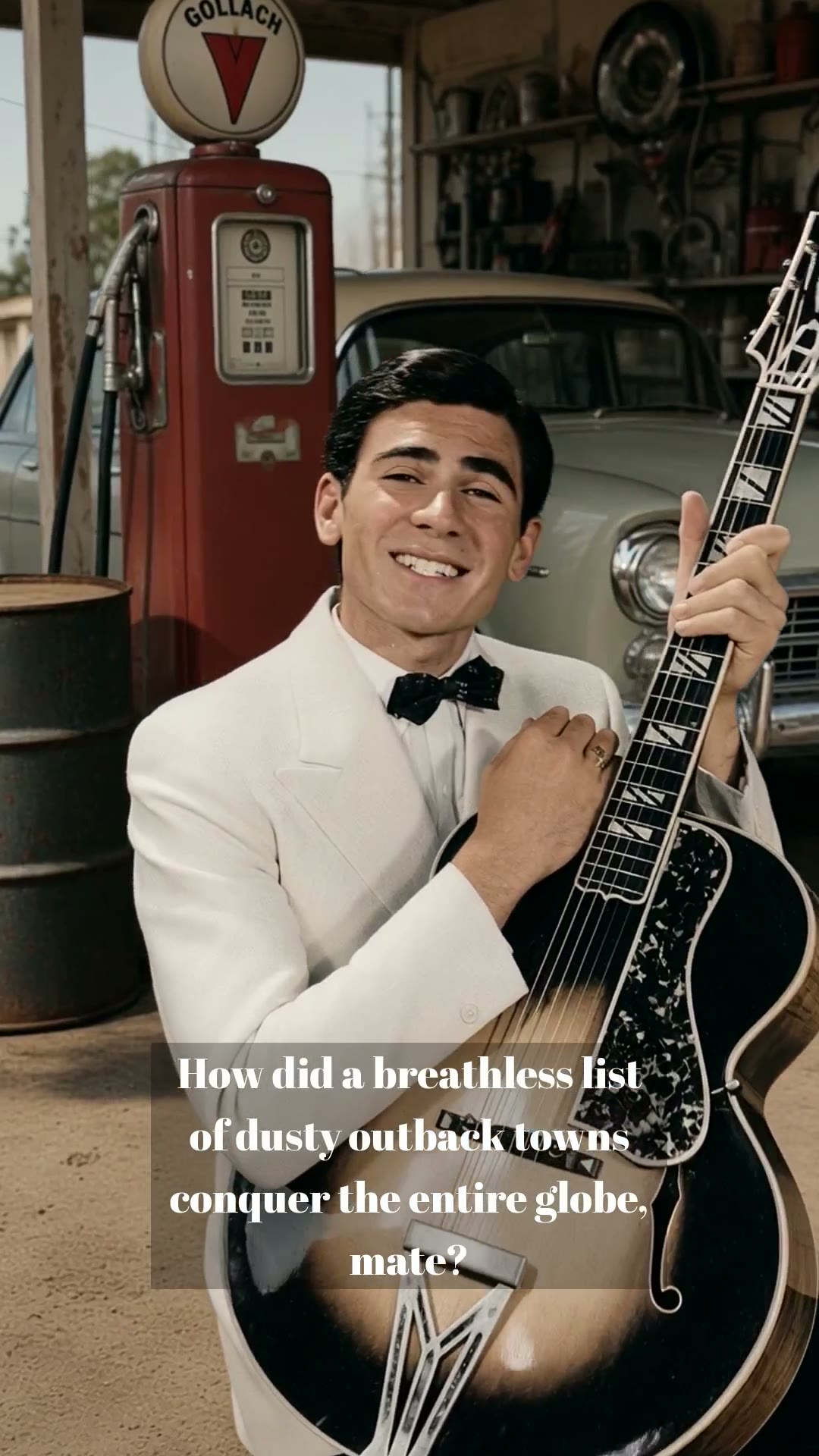
Ever wondered how a breathless list of dusty outback towns ended up as a global smash hit? It sounds like a tall tale you’d hear at a quiet pub, but the story of Geoff Mack and his iconic tune is fair dinkum absolute gold. Back in 1959, when the local radio airwaves were just starting to hum with the early energy of Oz rock and folk, a bloke named Geoff Mack managed to pull off what many thought was impossible: he turned a geography lesson into a worldwide anthem.

Most of us reckon we know the song, even if we can’t recite every single town off the top of our heads. I’ve Been Everywhere is more than just a catchy tune; it is a quintessential piece of our national identity. Geoff Mack, a talented songwriter with a sharp ear for the rhythm of the road, penned these lyrics with a cheeky grin and a sense of wanderlust. He didn’t just write a song; he mapped out the soul of this sunburnt country, capturing the sheer scale of the Australian landscape in a way that resonates with anyone who has spent a few hours behind the wheel on a long-haul drive.

The genius of Geoff Mack was in the pacing. He realised that by speeding up the delivery, he could transform a simple folk melody into an exhilarating race against time. It wasn’t about the destination; it was about the manic, relentless energy of the journey itself. When you listen to the original recordings, you can practically feel the heat shimmering off the bitumen and smell the dust of the outback. It became a favourite for every Aussie road trip, a track that would get everyone in the car singing along until they ran out of breath.

What makes the legacy of Geoff Mack so special is how it transcended our shores. While we view it as a local treasure, the song’s structure was so brilliant that it became a global template. It travelled across the pond and across the globe, with artists everywhere adapting the lyrics to their own local geographies. Yet, despite the heaps of versions that have surfaced over the decades, nothing beats the original charm of a bloke listing off our own backyard. It reminds us that sometimes, the most simple ideas are the ones that hold the most power.

Looking back at that golden era of Australian music, Geoff Mack stands out as a true character. He didn’t have the flashy lights of the later Countdown days, but he had something much more enduring: a song that captured the spirit of the Australian people. It’s a bit of a laugh, a bit of a challenge, and a whole lot of heart. Next time you’re heading out on the open road, put it on, take a deep breath, and see if you can keep up with the legend himself. It’s a reminder that no matter how far we roam, there is no place quite like home.

Ray Columbus and the Invaders: The Kiwi Beat That Conquered Australia

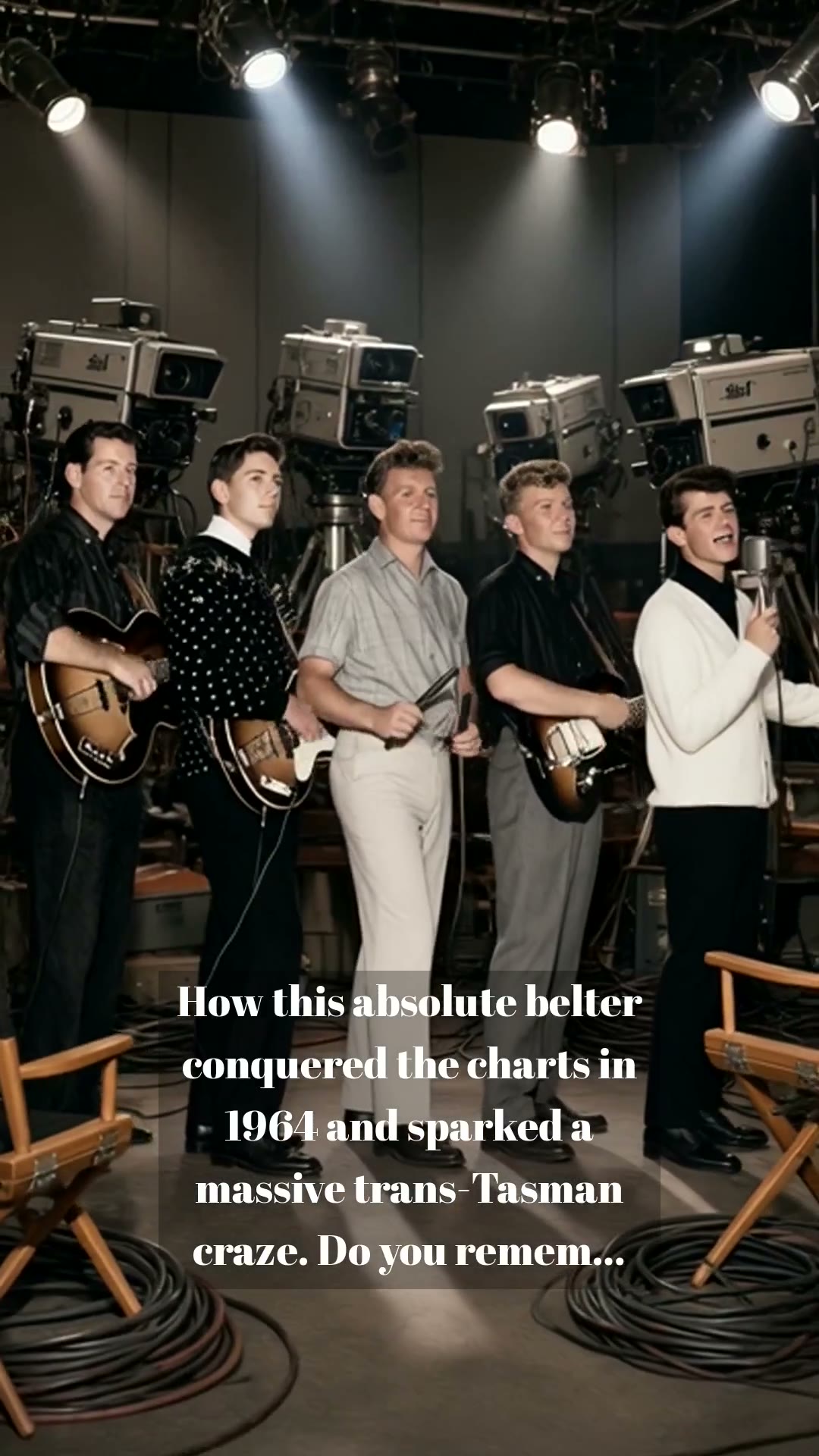
Cast your mind back to 1964. The world was changing, the telly was buzzing with the latest from the mop-tops, and over in New Zealand, a bloke named Ray Columbus was cooking up something that would soon have teenagers across the Tasman losing their minds. If you were around back then, you surely remember the day you first heard ‘She’s A Mod’. It wasn’t just another track on the wireless; it was an absolute belter that captured the raw, pulsing energy of a generation desperate to shake off the cobwebs of the post-war era. Ray Columbus and the Invaders didn’t just play music; they commanded the stage like they owned the whole bloody lot.

It is hard to realise now just how massive that craze became. Before Ray Columbus and the Invaders brought their unique flavour to our shores, the airwaves were mostly dominated by the Yanks and the Brits. But when they hit the stage with that signature Mod look—sharp suits, skinny ties, and that infectious, driving beat—it felt like a shift in the tectonic plates of rock and roll. It was a riot of colour and sound that proved local talent could go toe-to-toe with the biggest names on the planet. I reckon every garage band from Sydney to Perth tried to emulate that electric stage presence, but let’s be honest, there was only one Ray.

What made the band truly special was their ability to blend that gritty pub rock spirit with a polished, international flair. The energy during their live gigs was something else; it was chaotic, loud, and entirely unforgettable. People often talk about the British Invasion, but we mustn’t forget the Trans-Tasman wave that Ray Columbus helped lead. He wasn’t just a frontman; he was a showman, a ringmaster who knew exactly how to work a crowd into a frenzy. When he let out that iconic howl, you could hear the screams from the back of the hall clear to the front door.

I often chat with mates who were lucky enough to see them perform live, and they still talk about it with a sparkle in their eyes. They remember the sheer sweat, the screaming fans, and the way the floorboards would bounce under the weight of a thousand teenagers dancing their hearts out. It was a time when music felt like a revolution, and Ray Columbus and the Invaders were right at the front lines of the battle. It’s a testament to their genius that even today, when the opening chords of that song crackle through the speakers, you can’t help but want to get up and move.

It makes me realise that some things never lose their magic. We’ve seen plenty of bands come and go since those golden days, but the impact of Ray Columbus and his crew remains etched into the history of our local music scene. They opened the floodgates, proving that if you’ve got the guts and the talent, you can take on the world. Next time you’re spinning your favourite old records, do yourself a favour and put this track on loud—it’s pure gold, mate.

The Atlantics: How Bombora Became Australia’s Ultimate Surf Rock Anthem

Cast your mind back to the golden sun-drenched days of 1963. If you were a teenager growing up near the coast, there was one sound that defined your summer: the reverb-drenched, crashing guitar lines of The Atlantics. Their iconic track, Bombora, wasn’t just a hit; it was a cultural phenomenon that practically glued us to our transistor radios. Even today, you only need to hear those first few bars to feel the sting of salt spray and the phantom warmth of a 1960s Australian summer afternoon. It remains, in my humble opinion, the quintessential soundtrack to our beach culture.

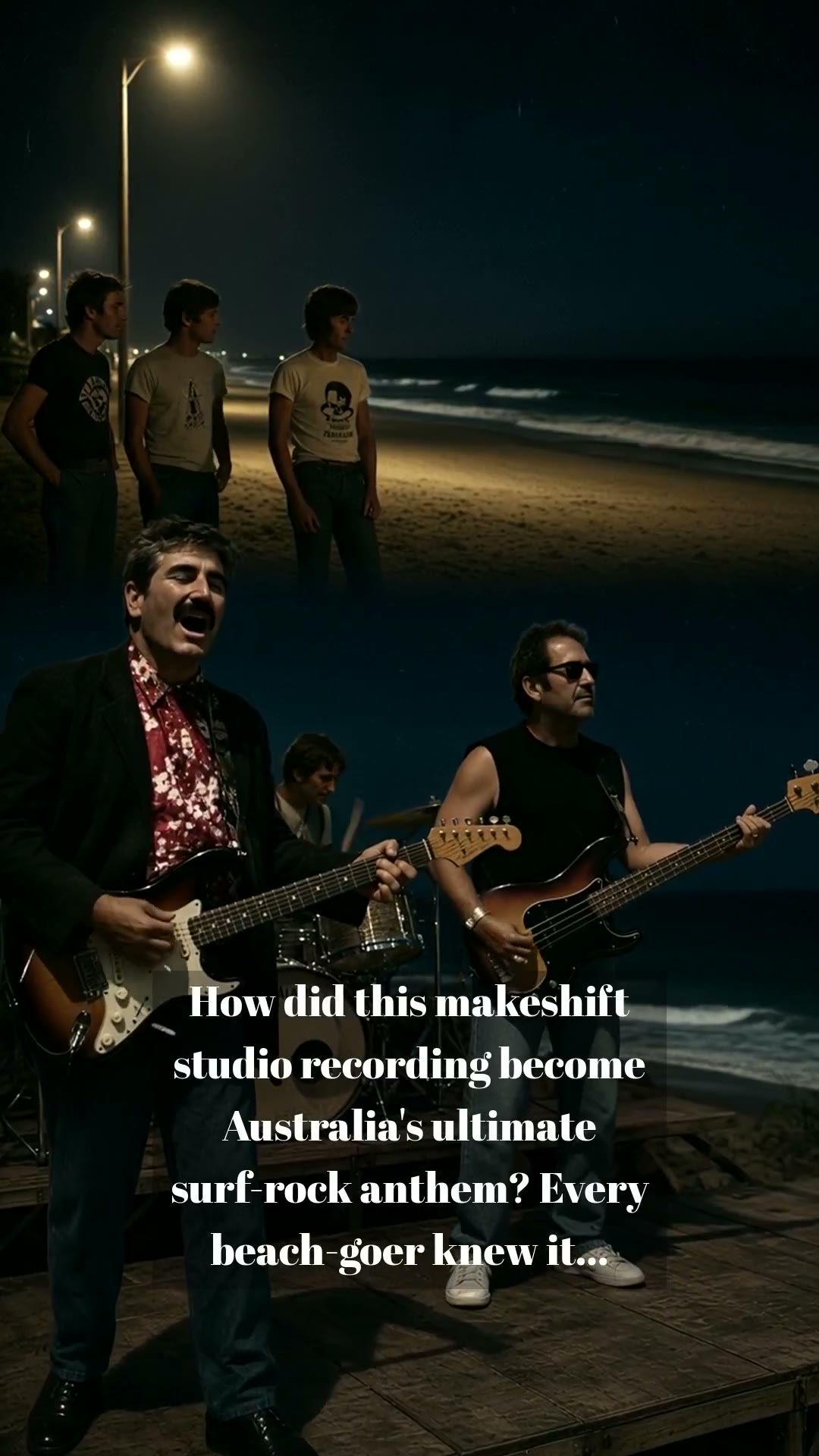
But here is the kicker, mate. You would never realise that such a polished, high-octane surf anthem was actually hammered out in the most makeshift, humble conditions imaginable. The Atlantics didn’t have the luxury of multi-million dollar studios or state-of-the-art production suites back then. They were just a bunch of lads with a vision, recording in a small, converted space that barely held their gear. It is the classic Aussie story—making heaps out of very little, yet somehow capturing lightning in a bottle that would stay locked at the top of the charts for weeks on end.

The term ‘bombora’ itself refers to a dangerous stretch of broken water over a submerged reef, and the band managed to translate that raw, surging energy into pure sound. It was frantic, it was dangerous, and it was entirely Australian. The Atlantics had a way of weaving our unique landscape into their music, capturing the thrill of riding those heavy, rolling waves that our coastline is famous for. While the Americans had The Beach Boys singing about sunshine and cars, we had The Atlantics providing the grit and the adrenaline of the real surf.

Looking back, it is truly wild to think how a local band from the Sydney suburbs managed to shift the entire trajectory of the Australian music scene. Before The Atlantics came along, we were often looking overseas for our musical cues, but they proved that we had our own story to tell. They brought a sense of pride to the airwaves, reminding every bloke and sheila listening that our local talent was second to none. It wasn’t just about the melody; it was about capturing a moment in time that felt authentically ours.

I reckon that is why the song still resonates so strongly with us years later. It takes us back to a time when life felt a bit simpler, when all you needed was a surfboard, a few mates, and a wireless blasting the latest tunes. The Atlantics didn’t just write a song; they carved a permanent place in our collective memory. So, next time you are driving down the coast with the windows down, spare a thought for those lads and their makeshift studio. Their legacy is still crashing on our shores, loud and proud, just the way we like it.

The Day Musical Youth Shocked the World With Pass the Dutchie

Cast your mind back to 1982. It was a time when the telly was buzzing with the latest hits on Countdown, and you could hardly walk into a local pub without hearing the infectious rhythms of the reggae explosion. We were all used to the usual Aussie rock anthems, but then something completely unexpected hit the airwaves. It was a group of teenagers from Birmingham called Musical Youth, and they had an absolute cracker of a tune called Pass the Dutchie. You probably remember it—that catchy bassline that seemed to take over every living room in the country, even though the lyrics were a bit of a head-scratcher for us at the time.

It is truly wild to realise how a song about poverty managed to become such a massive global smash. Most industry blokes back then reckoned a heavy track dealing with social hardship would be a total flop, but those kids had something special. Musical Youth brought a fresh energy that resonated heaps with fans who were tired of the same old chart-topping formulas. While the rest of the world was catching on, we were already humming the chorus while stuck in traffic or grabbing a pie at the local takeaway. It was one of those rare moments where a song just felt right, regardless of what the critics were saying.

Looking back, it’s a brilliant piece of music history. The story behind the track—which was a re-imagining of The Mighty Diamonds’ Pass the Kouchie—is a classic example of how a bit of cheek and a lot of talent can take you to the top of the charts. Watching those young lads perform, you could see they were having the time of their lives. It wasn’t just a hit; it was a cultural shift. For a brief, glorious period, Musical Youth had the whole world singing along, proving that you don’t need to be a grizzled veteran to leave a lasting mark on the music industry.

There is something about that era that feels so distinct now. Whether you were rocking out to Midnight Oil or grooving to the sounds coming out of the UK, the radio was our favourite companion. Musical Youth managed to bridge that gap, bringing a slice of Caribbean sunshine to our cold winter nights. It’s funny how a song can act like a time machine, isn’t it? One minute you are sitting there reading the paper, and the next, that iconic beat starts playing, and suddenly you are right back in your living room in 1982, feeling the warmth of the valves on the old television set.

Even all these years later, Pass the Dutchie still holds up. It hasn’t lost that colour or that raw, youthful energy that made it so iconic in the first place. It remains a firm favourite for anyone who loves a bit of nostalgia and a killer rhythm. So, mate, if you find yourself humming it today, don’t feel bad—you’re just keeping a piece of musical magic alive. It’s a ripper of a tune, and frankly, we don’t make ’em like that anymore.

Bryan Ferry and the Heartbreak That Defined an Aussie Summer

Cast your mind back to 1985. The humid Aussie air was thick with the scent of salty sea spray and the synth-pop melodies drifting from every pub speaker across the country. If you were driving down the coast or nursing a quiet drink in a dimly lit bar, you could not escape the velvet voice of Bryan Ferry. His masterpiece, Slave to Love, was everywhere. But while the nation was busy falling in love to his suave, tuxedo-clad crooning, the man himself was navigating a world of absolute agony behind the scenes. It is one of those classic stories where the most beautiful art is born from the most painful of personal tragedies.

Most folks reckon they know Bryan Ferry as the epitome of cool, a bloke who defined the sophisticated glamour of the mid-eighties. However, behind that polished facade, the singer was nursing a shattered heart. He had recently gone through a devastating split, and he chose to pour every ounce of that raw, unadulterated misery into his music. He didn’t just sing the lyrics; he lived them. When you listen to the track today, you can hear that haunting desperation beneath the smooth production. It is a rare glimpse into the psyche of a legend who had to realise that sometimes, to make something truly timeless, you have to bleed a little on the record.

For those of us growing up in the eighties, Bryan Ferry became the soundtrack to our late-night drives and stolen romances. Whether we were huddled around the telly watching Countdown or swaying on the dance floor at the local, his sound was the backdrop to our lives. It is funny how a song can transport you back to a specific moment—the colour of the sky at dusk, the way the breeze felt on your face, or the person you were holding onto back then. That is the magic of what Bryan Ferry gave us; he turned his own heartbreak into a communal experience that resonated with thousands of Australians.

There is a certain honesty in his performance that still hits hard today. While other artists were chasing trends, Bryan Ferry stayed true to that melancholic, soulful vibe that felt entirely his own. It was not just about the synthesizers or the slick fashion; it was about the emotional weight he carried. Watching him perform, you could see he was not just another pop star. He was a bloke who had been through the wringer, and he had the courage to put his vulnerabilities on display for the world to witness.

I reckon it is these stories that make the music of that era feel so special. It was never just about a catchy chorus; it was about the stories written between the lines. Bryan Ferry managed to capture a sense of longing that every one of us has felt at some point in our journey. So, next time you hear that familiar opening riff, take a moment to appreciate the man behind the music. He gave us heaps of memories, and in the process, he taught us that even in our darkest hours, there is beauty to be found. What is your favourite memory of that classic eighties sound, mate?