Total Eclipse of the Heart: Bonnie Tyler’s Stolen Gothic Masterpiece

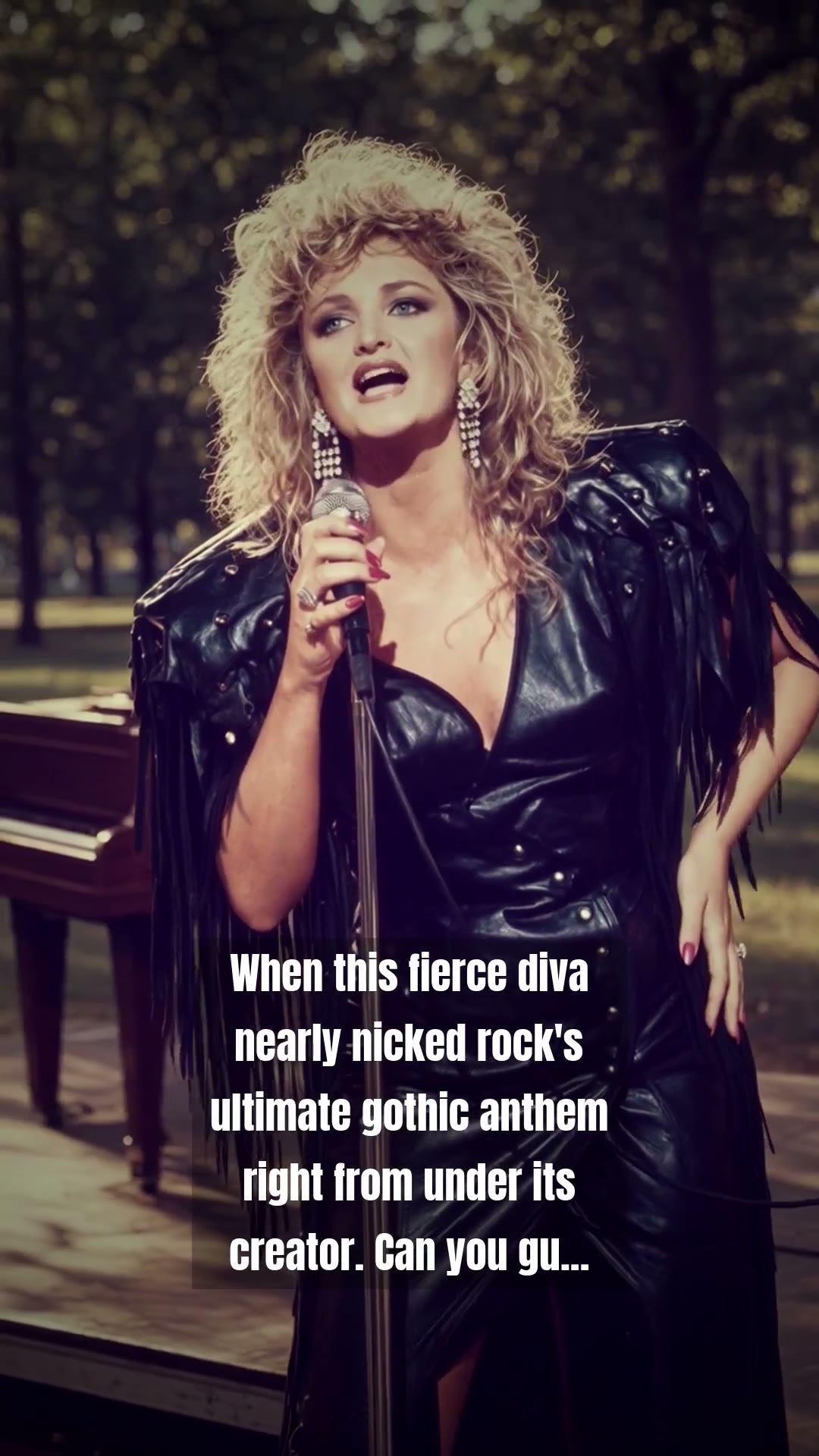
It was 1983, and the airwaves across Britain were changing. The synth-pop revolution was in full swing, yet amidst the neon and plastic, a gothic, operatic behemoth was lurking in the shadows of a New York studio. Most music fans realise that Total Eclipse of the Heart is the quintessential power ballad, but the story behind its creation is as dramatic as the lyrics themselves. While we associate the track with the raspy, soul-stirring pipes of Bonnie Tyler, the song was originally intended for a very different beast: the theatrical force of nature known as Meat Loaf.

Jim Steinman, the eccentric genius behind the Bat Out of Hell sound, had penned the track as a follow-up to his collaboration with Meat Loaf. The drama began when the singer’s management allegedly refused to pay for the song, leaving Steinman in a bit of a pickle. Enter Bonnie Tyler, a Welsh powerhouse who was looking to reinvent her sound and shake off her country-rock shackles. When she heard the demo, she knew she had found something special. It was a proper masterpiece, dripping with enough melodrama to make even the most stoic listener shed a tear in front of the telly.

When Bonnie Tyler entered the studio, the atmosphere was thick with tension. Execs were genuinely terrified that this raspy diva was biting off more than she could chew. The track was gargantuan, a sprawling gothic epic that demanded everything from the vocalist. Yet, as soon as she opened her mouth, the studio went silent. She didn’t just sing the song; she colonised it. With that signature grit—the result of a recent surgery that had left her voice permanently weathered—she brought an authentic, raw human emotion that Meat Loaf, for all his theatrical flair, might have struggled to capture in quite the same way.

It is one of those ‘what if’ moments in British music history that makes the heart race. Imagine the iconic video, with its moody schoolboys and glowing eyes, featuring the high-octane energy of Meat Loaf instead of Bonnie Tyler’s haunting vulnerability. The song soared to the top of the UK charts, becoming a firm favourite at every local pub lock-in and school disco. It proved that a song’s soul isn’t just in the composition, but in the person who breathes life into it. The colour and shade she added to the track turned a studio demo into an immortal anthem.

Even today, four decades on, hearing that opening piano chord transports us back to a time when pop music wasn’t afraid to be a bit unhinged. It remains a staple of our cultural fabric, a testament to the fact that sometimes, the best decisions happen by pure accident. Bonnie Tyler took a song that was never meant for her and turned it into the definitive soundtrack of a generation. Whenever that chorus kicks in, we are all transported back to the magic of 1983, reminding us why we fell in love with rock and roll in the first place.
Feargal Sharkey and the Bitter Musical Revenge That Topped the Charts

It was the golden age of the BBC’s Top of the Pops, a time when a trembling vocal could capture the collective heartache of a nation. If you were huddled around the telly in 1977, you might remember the stuttering, fragile delivery of Feargal Sharkey. He was the unlikely frontman of The Undertones, a lad from Derry who looked like he had just wandered off the streets and into the recording studio. But behind that unassuming exterior lay one of the most curious chart sagas in British music history, a tale of love, spite, and a musical letter that would haunt the airwaves for decades.

The song, of course, was Teenage Kicks. It was raw, urgent, and undeniably brilliant. But the real drama began when the songwriter behind the band’s deeper emotional cuts started channelling his own romantic turmoil into his craft. Feargal Sharkey, with that distinct, warbling tenor, became the unintentional messenger for a very personal battle. The band’s songwriter had penned a track that served as a scathing musical indictment of his ex-lover, a song so dripping with bitterness that it felt like a private diary entry broadcast to the masses. When Feargal Sharkey stepped up to the microphone, he didn’t just sing the lyrics; he embodied the raw, unfiltered frustration of a man scorned.

What followed was a moment of pure, chaotic genius that would make any tabloid editor blush. Not content with letting the first track have the final say, the songwriter’s ex-lover—a formidable force in her own right—fired back with her own composition. It was a furious, razor-sharp reply, documenting the crumbling of their romance from her perspective. In a twist of fate that seemed designed by a mischievous producer, the band recorded and released this vengeful retort shortly after the original hit. It was a proper chart war played out in the grooves of seven-inch vinyl, with Feargal Sharkey caught squarely in the crossfire of this emotional tug-of-war.

Looking back, it is easy to realise why this story still resonates. We have all felt the sting of a relationship gone sour, but few of us have had the chance to immortalise our heartbreak on the national charts. Feargal Sharkey delivered these lyrics with such authenticity that fans didn’t just hear a pop song; they felt the messy, colour-drenched reality of real-life drama. It was the antithesis of the polished, synthetic sounds that would soon dominate the eighties. It was honest, it was petty, and it was absolutely magnificent.

The legacy of Feargal Sharkey isn’t just about his solo career or his later brushes with the synth-pop charts. It remains firmly rooted in those early days, where the lines between art and life were blurred by genuine, scorching emotion. When you spin those old records today, you aren’t just listening to a melody; you are hearing the echoes of a very real, very public spat that defined a generation. It serves as a reminder that the best music often comes from the most difficult places, and that even the quietest voices can land the heaviest blows. Next time you find yourself humming a classic Undertones tune, spare a thought for the drama behind the microphone.

Paul Hardcastle’s 19: The Stuttering Synth-Pop Hit That Divided Britain

Cast your mind back to the mid-eighties. The telly was a different beast entirely, and the charts were shifting from the organic grit of post-punk to the neon-drenched, clinical precision of synthesiser music. It was 1985, a year defined by bold aesthetics and a certain sombre, mechanical sound that captured the national mood. Yet, nothing quite prepared the British public for a haunting, stuttering track that emerged from a humble bedroom studio. Paul Hardcastle, a producer with a keen ear for the avant-garde, managed to weave a piece of television history into a chart-topping masterpiece that remains etched in our collective memory.

The song, simply titled 19, was an unlikely hero. It was built around a chilling documentary sample regarding the average age of American soldiers in the Vietnam War. That repetitive, glitchy vocal hook—realising a powerful emotional resonance through a digital stutter—was something nobody had heard on Top of the Pops before. While the BBC executives were initially terrified, fearing that the track was far too political and depressing for the daytime charts, the public didn’t just listen; they were mesmerised. It felt like a strange, cold mirror held up to the anxiety of the decade, wrapped in a danceable, synthetic beat that seemed to vibrate through every high street in the country.

What made the success of Paul Hardcastle so remarkable was the sheer audacity of his production. He didn’t have a multi-million-pound studio; he had a creative vision and a relentless drive to experiment with new technology. He took the heavy, uncomfortable weight of history and transformed it into a pop sensation. Watching that iconic music video, with its stark lighting and stark, black-and-white documentary overlays, felt like witnessing a shift in culture. It was sophisticated, slightly unsettling, and arguably the most distinctive sound to ever grace the UK charts during that whirlwind era of new romantics and synth-pop pioneers.

Many of us still recall the exact moment we first heard that opening dialogue, the sudden drop of the bass, and the way the rhythm seemed to stutter in perfect synchronicity with the message. It wasn’t just a gimmick; it was a clever fusion of journalism and electronic music. Paul Hardcastle proved that even in the increasingly commercialised world of eighties pop, there was still space for music that made you stop, stare at the screen, and think. It was a brave choice, and one that defined a generation’s uneasy relationship with global conflict.

Looking back, 19 stands as a testament to the power of bedroom production and the refusal to stick to the formulaic rules of the time. Paul Hardcastle didn’t just produce a song; he created a sonic landscape that captured the paranoia and the fascination of the mid-eighties perfectly. If you close your eyes and listen to those opening synths today, you are instantly transported back to a time when music felt like it was finally catching up with the future. It remains one of our most fascinating, haunting, and undeniably brilliant favourite tracks from a decade that changed British music forever.

Marvin Gaye: The Protest Song Motown Tried To Bury Forever

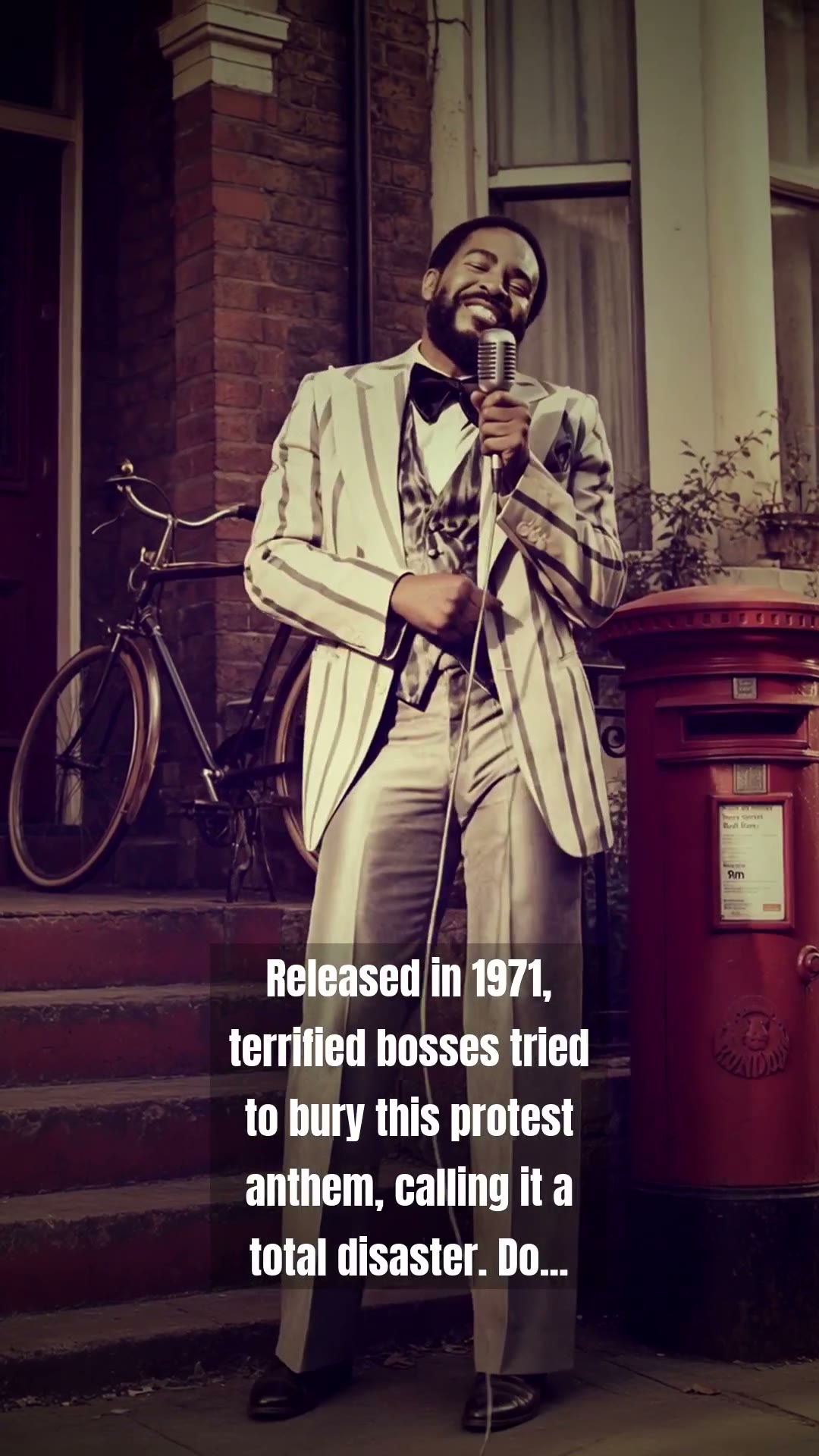
Picture the scene: it is 1971, and the world feels as though it is tipping off its axis. Back here in Britain, we were huddled around the telly watching the news, sensing a shift in the cultural weather. Across the pond, Marvin Gaye was locked in a fierce battle with his own label, Motown. He had delivered a track that was, by the standards of the day, an absolute disaster in the eyes of his bosses. They wanted polished pop, love songs to dance to, and melodies that would keep the radio stations spinning. Instead, Marvin Gaye handed them a raw, haunting interrogation of a broken society. It was a protest anthem so potent that the brass-necked executives were terrified of it; they wanted to lock it in a vault and throw away the key, convinced it would be the biggest flop of his illustrious career.

But Marvin was not having it. He had a stubborn streak a mile wide and a vision that stretched far beyond the confines of a chart-topping hit. He knew he had captured something visceral, a melancholic reflection of the Vietnam War and the civil unrest tearing through the heart of the American dream. He risked everything, refusing to record another note until they released the track. It was a gamble that could have ended his legacy, yet it became the very song that defined his genius. When it finally hit the airwaves, it didn’t just climb the charts; it seeped into the consciousness of a generation, proving that a protest song could have soul, colour, and undeniable truth.

I remember hearing it for the first time, crackling through the speakers of my old wireless. There was something about the arrangement, that subtle piano line and his fragile, soaring vocal, that hit you right in the chest. It wasn’t just a song; it was a quiet revolution. It felt like he was speaking directly to the anxieties we were all nursing in our own homes. While the music industry tried to realise their mistake, the public had already made up their minds. It was an instant classic, a piece of art that refused to be silenced by the suit-and-tie brigade who couldn’t hear the beauty in the pain.

Even now, when I hear those opening chords, I am transported back to an era when music felt like it actually mattered. It was a time when artists dared to challenge the status quo, and Marvin Gaye stood at the forefront of that movement. His courage in the face of corporate cowardice is the stuff of legend, a reminder that the most enduring music is often the kind that is born from grit and conviction. He didn’t just sing for himself; he sang for everyone who felt unheard.

It is truly remarkable to think that this masterpiece was almost lost to the scrapheap. We owe a debt of gratitude to his defiance. So, next time you put on your favourite record, spare a thought for the risks that were taken to bring us those timeless sounds. We really don’t make them like that anymore, do we?

Jason Donovan vs Kylie: The Bitter 1989 Pop Chart War

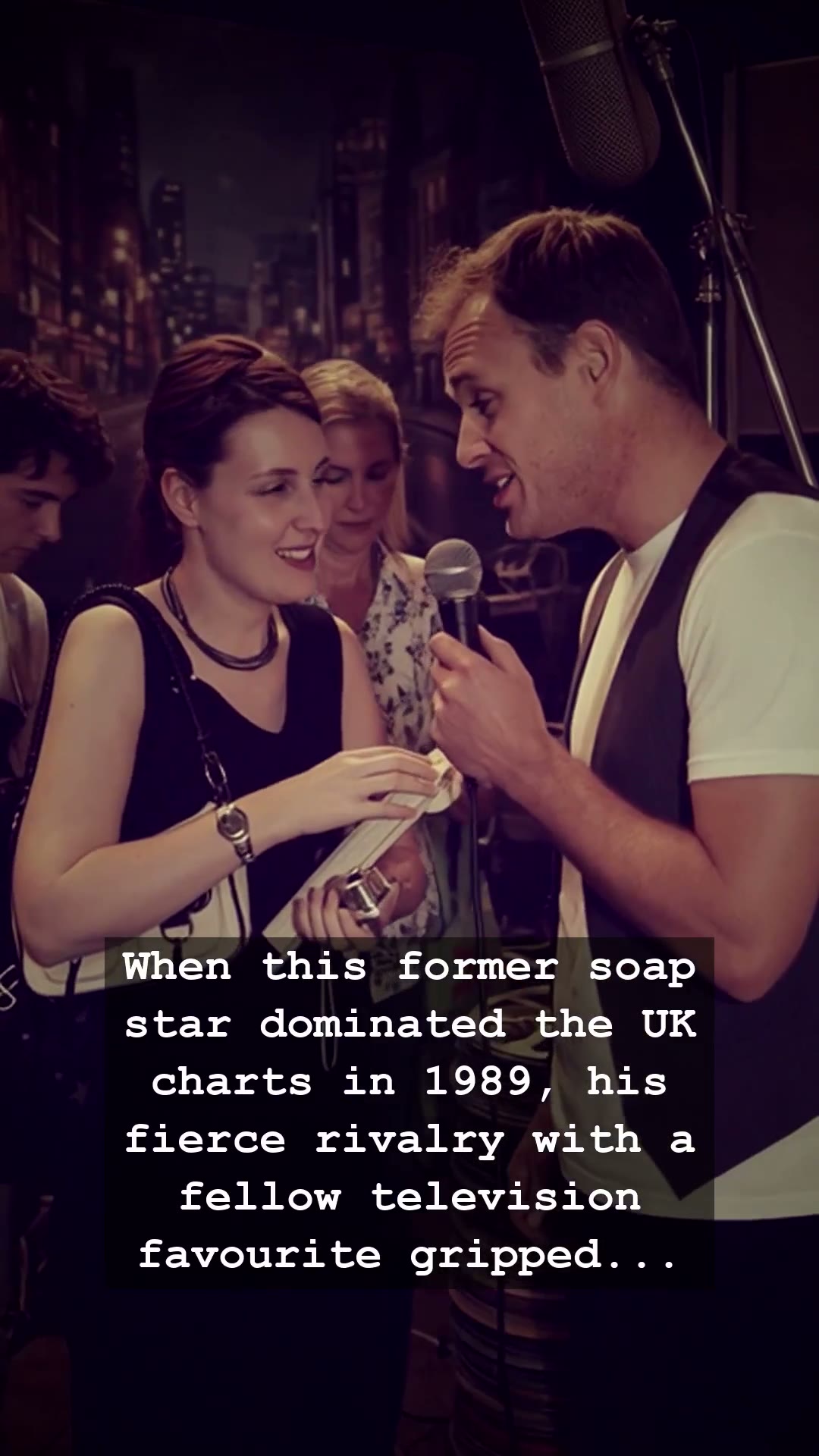
It was the golden era of the late eighties, a time when our television sets were dominated by one Australian export after another, beamed directly into our living rooms via Neighbours. Back then, if you weren’t glued to the telly at tea time to catch the latest drama from Ramsay Street, you simply weren’t part of the national conversation. Yet, for Jason Donovan, the bright lights of the soap set weren’t enough. He had his sights set firmly on the top of the UK charts, and in 1989, he delivered a heartbreak anthem that would change the landscape of British pop forever.

Everything about that year felt vibrant, almost technicolour, but behind the scenes of the Stock Aitken Waterman hit factory, the atmosphere was far from harmonious. Jason Donovan had become an overnight sensation with Too Many Broken Hearts, a track that soared to number one with an infectious, synth-heavy melody that seemed to be playing from every bedroom window in the country. It was the quintessential sound of the era, polished, upbeat, and perfectly engineered for the charts. However, the real story wasn’t just in the grooves of the vinyl; it was in the fierce, simmering rivalry that gripped the nation as Jason went head-to-head with his former co-star and real-life flame, Kylie Minogue.

We all remember the tabloid frenzy. The press loved nothing more than pitting two favourites against each other, turning a friendly professional competition into a full-blown war for chart supremacy. To realise just how intense things became, one only had to look at the NME or pick up a copy of Smash Hits. Fans were forced to pick a side in what felt like a real-life soap opera playing out in the music industry. It was a classic clash of charisma and talent that defined the final stretch of the decade, leaving us wondering if their on-screen chemistry could ever survive the brutal reality of a solo career trajectory.

Looking back, it is easy to dismiss the production as purely manufactured, but there was an undeniable emotional weight to Jason Donovan’s success. He captured the vulnerability of a generation trying to navigate love and loss while the world was changing around them. Whether you caught him performing live on Top of the Pops or heard the song blaring from a passing car, that specific sound of 1989 carries a sense of nostalgia that is hard to shake. It reminds us of a simpler time, before the internet, when a chart battle was the most exciting drama we had to worry about.

Years have passed, and the bitter edge of that rivalry has long since softened into a mutual respect between two icons of the decade. Yet, whenever that opening beat of his biggest hit kicks in, we are all transported back to those heady days. It is a testament to the power of the pop machine and the enduring appeal of those who lived it. Do you remember where you were when that record first hit the airwaves?

Frankie Vaughan: The 1958 Anthem That Defined a British Icon

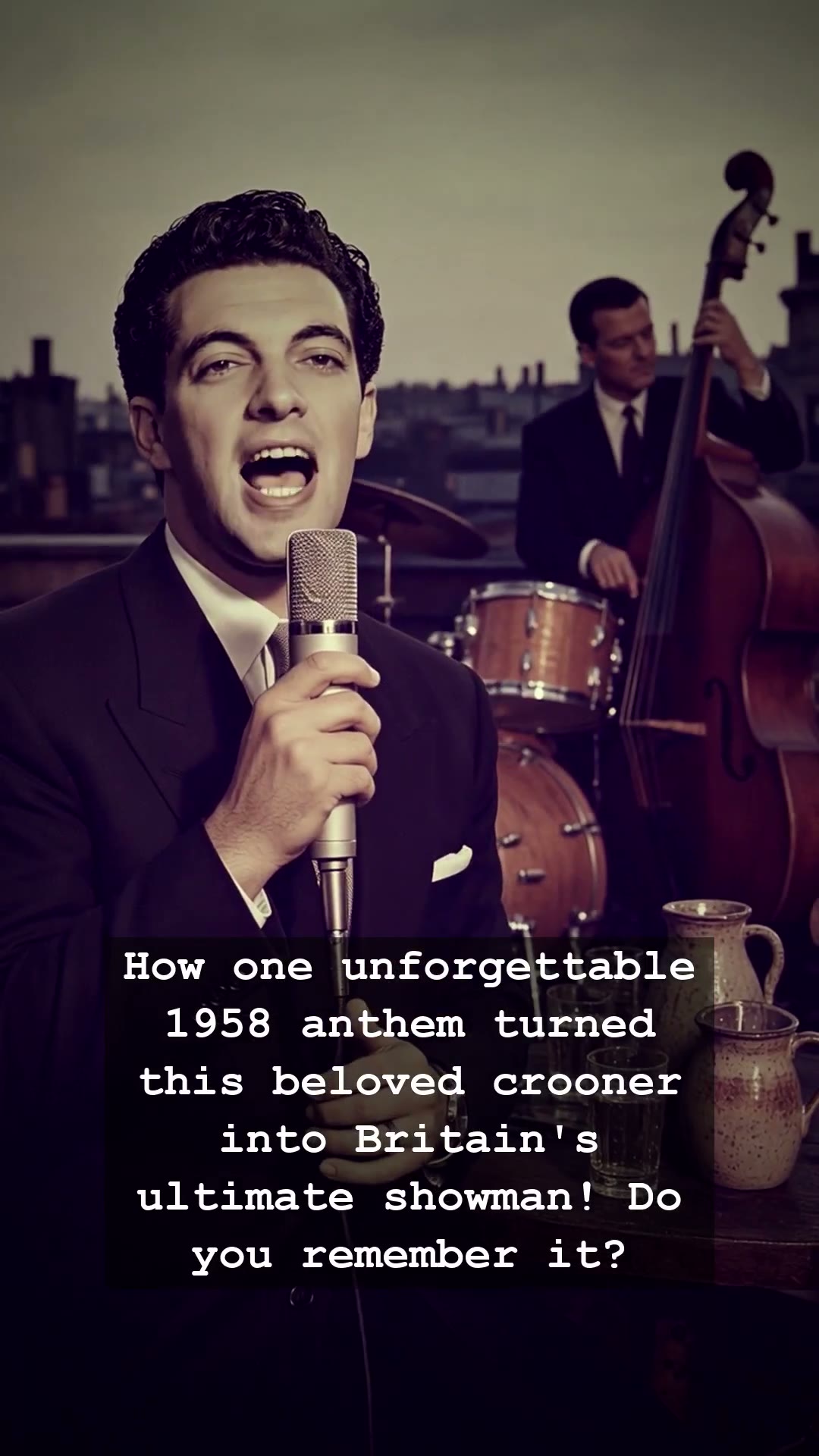
Picture the scene: it is 1958, a grey London evening, and millions of families are huddled around the telly or leaning in close to the wireless. A new sound is sweeping across the nation, yet one man stands apart from the rock and roll chaos. Frankie Vaughan, the suave crooner with a smile that could brighten the gloomiest British winter, captures the collective heart of the country with his unforgettable anthem, Give Me the Moonlight. It was not just a song; it was a cultural phenomenon that transformed a lad from the backstreets of Liverpool into the undisputed showman of his generation.

Born Frank Abelson, Frankie Vaughan rose from humble beginnings, bringing a touch of class and sophistication to the post-war music hall scene. While his peers were busy chasing the burgeoning teen trends, Frankie remained loyal to a grander tradition of showmanship. He was rarely seen without his trademark top hat and cane, a dashing figure that exuded pure, unapologetic joy. When he stepped onto the stage, he possessed a magnetic charisma that seemed to electrify the very air in the theatre, making every member of the audience feel as though he were singing directly to them.

Why did this specific track resonate so deeply? Perhaps it was because, in a world that was slowly beginning to realise the pace of modern life was accelerating, Frankie Vaughan provided a moment of sheer escapism. His voice, warm and resonant, became the soundtrack to parlour sing-alongs and ballroom dances. It was a simpler, more innocent era, and Frankie was the quintessential gentleman of song, holding court with a style that felt both timeless and comforting. He was our favourite showman, a man who bridged the gap between the fading music hall traditions and the shiny, new world of televised entertainment.

Beyond the glitz and the glamour, there was a genuine authenticity to Frankie Vaughan that fans adored. He was never one to shy away from his working-class roots, often using his fame to champion youth clubs and social causes. This sincerity shone through in every performance, whether he was recording in the hallowed halls of Abbey Road or commanding the stage during a televised BBC special. He understood the power of a melody to soothe the soul, and he wielded it with the precision of a master craftsman. Watching him work a crowd was akin to watching a magician; he held them in the palm of his hand with a cheeky wink and a perfectly timed dance step.

Even today, listening to the crackle of a vintage record brings back a flood of memories for those who grew up in that golden age of British pop. It is a reminder of a time when music felt personal, when a single crooner could unite a nation through the simple magic of a well-sung tune. Frankie Vaughan may have been the ultimate showman of 1958, but his legacy endures as a testament to the enduring power of charm. Do you remember the first time you heard him, or perhaps saw him tipping that iconic hat? It is a melody that continues to shimmer through the years, inviting us to look back with a fond, wistful smile.

The Walker Brothers: How One Stubborn Record Changed British Pop Forever

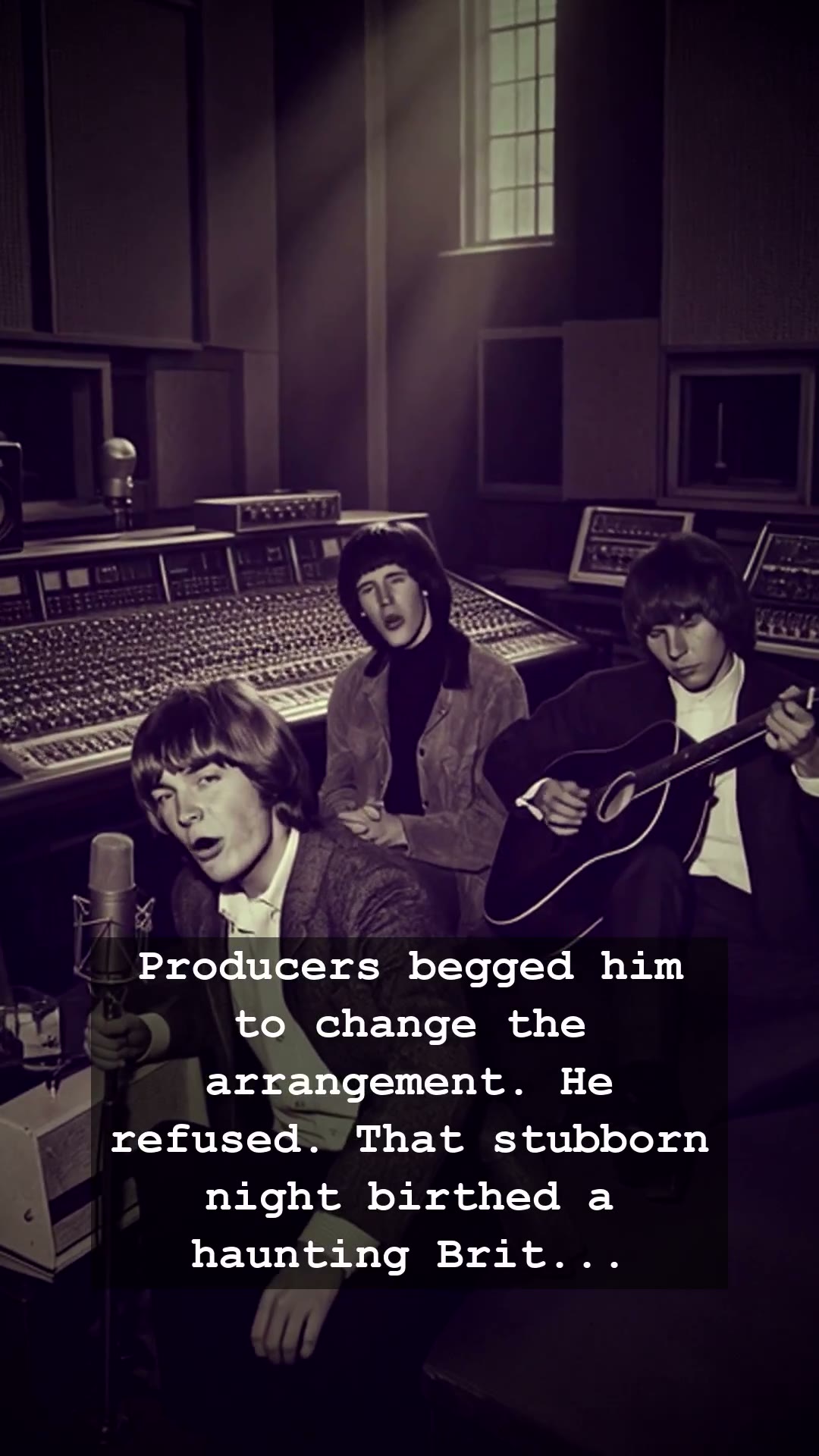
It was 1966, and the air in the London studio was thick with the scent of stale tobacco and the kind of tension that usually precedes a total creative collapse. Everyone expected a standard, upbeat pop tune, the sort of song that would sit comfortably on the Top of the Pops playlist between a cheeky Merseybeat number and the latest chart-topper. Yet, there sat The Walker Brothers, or rather, Scott Walker, with a vision that defied every rule in the book. Producers were absolutely livid; they begged him to reconsider, to change the orchestral arrangement, to stop being so difficult. But Scott was unmoved. He knew that if he bowed to the pressure, they would just be another fading group in a sea of identical acts. He refused to compromise, and in that stubborn, quiet moment of defiance, a haunting masterpiece was born.

That masterpiece, The Sun Ain’t Gonna Shine Anymore, remains one of the most evocative songs of the entire British Invasion era. It wasn’t just a hit; it was a shift in the cultural landscape. The Walker Brothers brought a dark, cinematic quality to the pop charts that no one else dared to touch. While other bands were busy trying to capture the sunny optimism of the early sixties, The Walker Brothers leaned into the shadows, offering a sophisticated, melancholic sound that resonated deeply with a generation beginning to realise that the world was a bit more complicated than the telly had led them to believe. It was moody, it was dramatic, and it was entirely, unapologetically their own.

Looking back, it is easy to see why the public fell in love with them. The Walker Brothers were an oddity in the best possible way—three Americans who found their true home in the grey, romanticised streets of London. They became icons of the era, regular features in the NME, and a favourite subject for teenage girls waiting outside the stage doors of the best gig venues in the country. Yet, behind the polished suits and the manufactured heartthrob image lay a genuine musical depth that set them miles apart from their contemporaries. They didn’t just sing songs; they lived them, infusing every note with a sense of longing that seemed to echo the very soul of mid-sixties Britain.

Their legacy is not just in the records they sold, but in the way they changed the expectations for what a pop group could achieve. By daring to be different, The Walker Brothers proved that commercial success didn’t have to come at the cost of artistic integrity. They invited us to look beyond the colour and the glamour of the pop world and find something a bit more human, and perhaps a bit more painful, underneath. It was a brave stance that has kept their music relevant for decades, ensuring that their records still hold a place of honour in any serious collection today.

Even now, listening to those sweeping strings and that unmistakable, baritone voice, one is transported back to a time when pop music felt like a grand, unfolding drama. It serves as a reminder that the best art often comes from those who are bold enough to stand their ground, even when the world is telling them they are wrong. If you ever find yourself wandering through the backstreets of London on a rainy afternoon, put on their greatest hits and let the music remind you why, sixty years later, we are still so captivated by the enduring mystery of The Walker Brothers.

The New Seekers: How a Fizzy Drink Jingle Captured the World

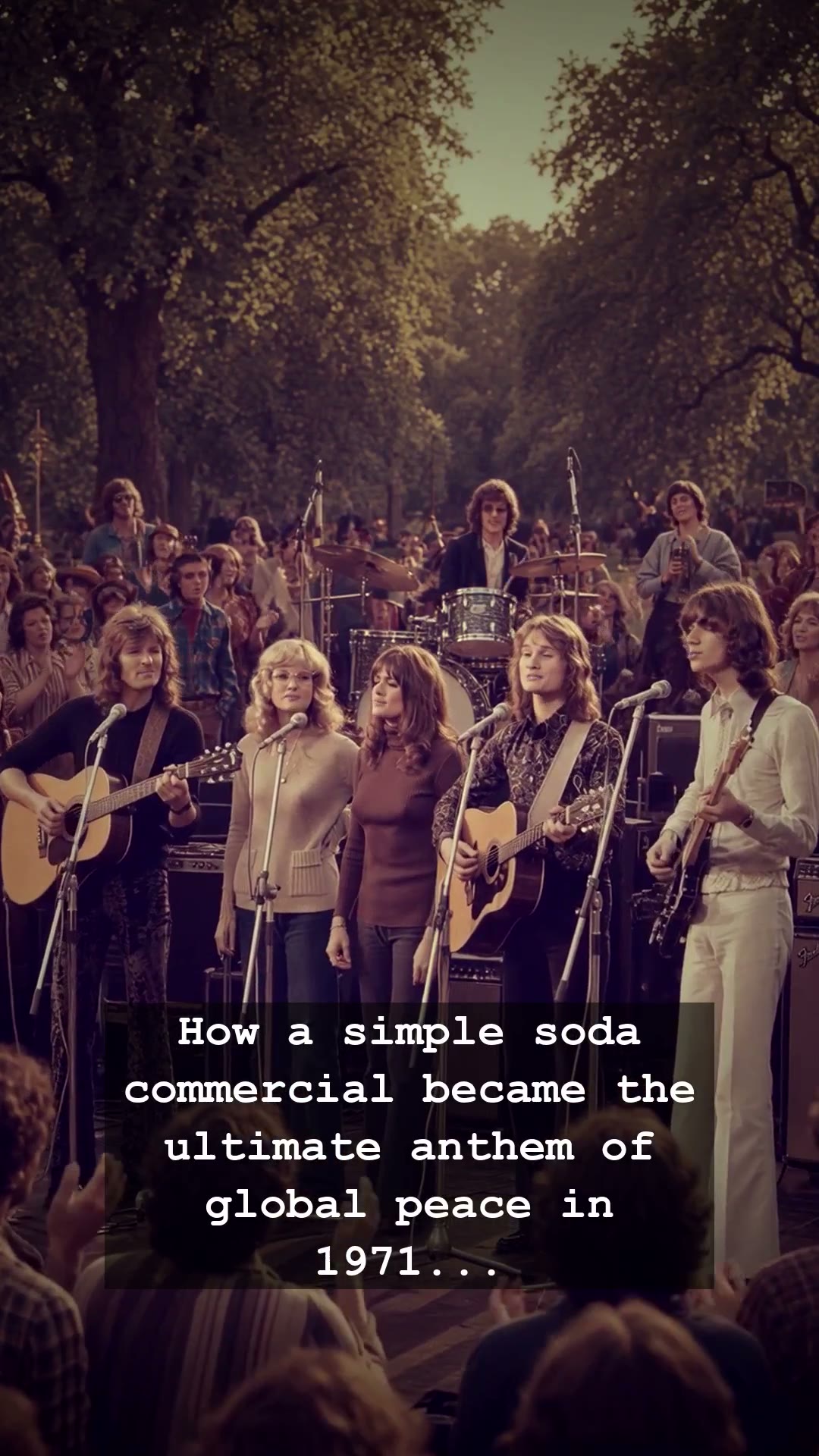
It was the summer of 1971, and British living rooms were bathed in the soft, flickering glow of the telly. Amidst the usual news cycles and drab afternoon programmes, something shifted. A jaunty, uplifting melody began to invade the airwaves, not from the top of the charts, but from the most unlikely of places: a Coca-Cola commercial. Little did we realise at the time that this sugary, effervescent jingle would soon transcend its commercial roots to become one of the most beloved anthems of the twentieth century. The New Seekers, that quintessential British vocal group, took a simple advertisement and transformed it into a global phenomenon known as I’d Like to Teach the World to Sing.

For those of us old enough to remember the era, the transition from the psychedelic experimentation of the late sixties to the polished, harmonious pop of the early seventies felt like waking up after a long, hazy dream. The New Seekers emerged during this transition, perfectly capturing the spirit of a generation that was beginning to trade its rebellious angst for a bit of communal sunshine. While the band had been grafting away on the circuit, it was this peculiar marriage of a corporate jingle and their wholesome, sunshine-drenched vocal harmonies that catapulted them into the stratosphere of pop royalty.

The backstory is nothing short of fascinating. Originally penned as a jingle by songwriters Naughty Bill Backer, Billy Davis, and Roger Cook, the melody was so infectious that radio stations across the UK were flooded with requests from listeners demanding to hear the full version. The New Seekers stepped into the studio, reimagining the short, punchy hook into a three-minute masterpiece of optimism. It was a time when the world felt a little bit colder, and the message of unity resonated with a public that was weary of the division that had defined the previous decade. When the single hit the shelves, it didn’t just climb the charts; it dominated them, bringing a splash of colour to a grey British winter.

Looking back, it is easy to dismiss such a song as mere bubblegum pop, but that would be a disservice to the sheer craft behind it. The New Seekers possessed a rare, effortless chemistry. Their ability to blend their voices into a singular, warm sound was the secret ingredient that turned a fizzy drink advert into a piece of cultural history. It became the soundtrack to our memories, played at weddings, school assemblies, and every village hall function up and down the country. It reminds us of a time when the music on the BBC felt like a shared experience, a collective heartbeat that pulsed through the nation.

Even today, if you catch the opening chords, you are instantly transported back to your childhood sitting room. It is a testament to the power of a simple, beautiful melody that stays with you for a lifetime. Whether or not you were a fan of the band, the legacy of The New Seekers remains etched into our cultural landscape. They didn’t just sell soda; they sold a fleeting moment of peace that, for a brief, glorious time, felt like it belonged to all of us. Do you still remember where you were the first time that song played on your wireless?

New Kids on the Block: When 1990 Pop Ruled the British Charts

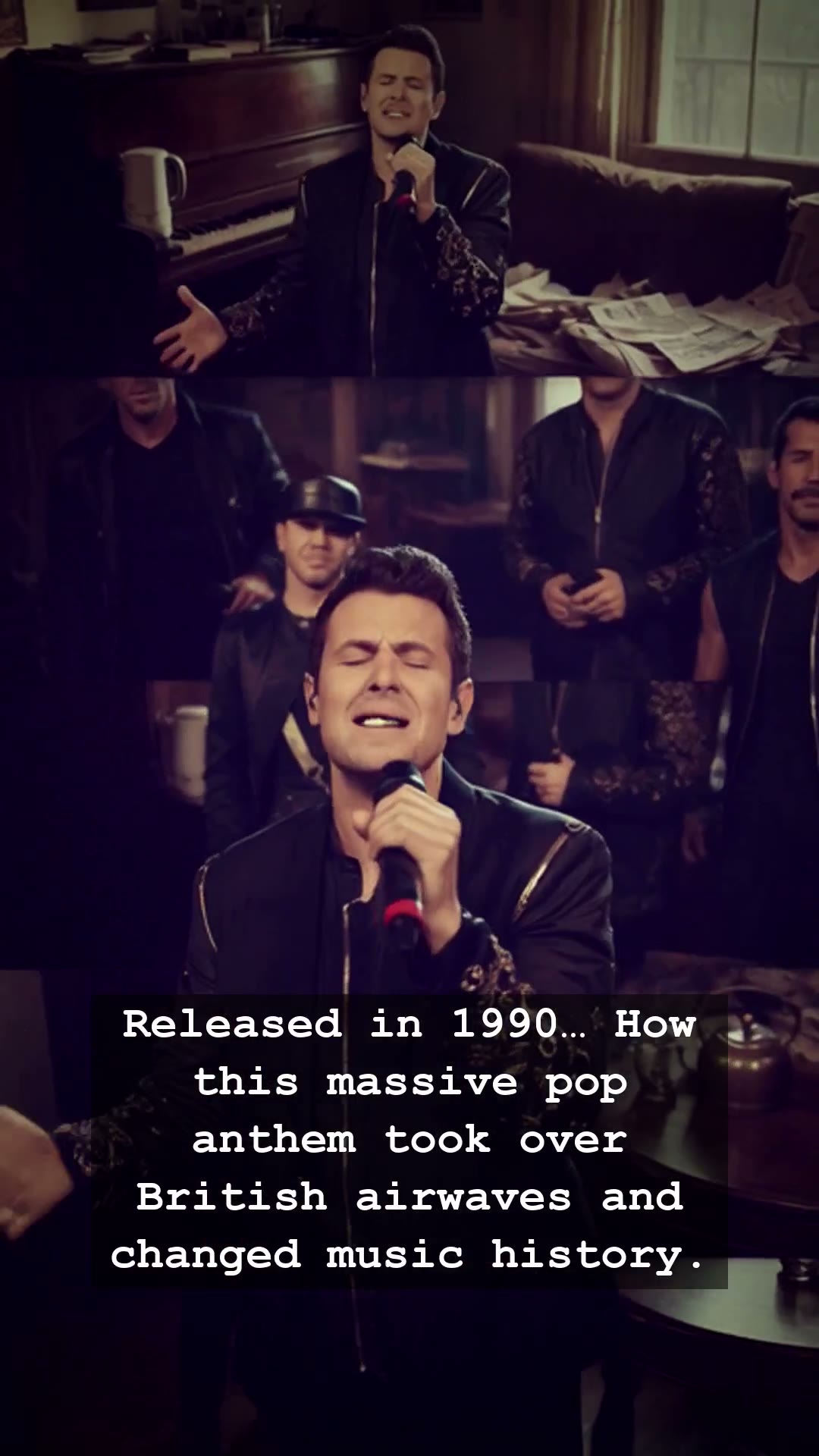
It was 1990, and the British airwaves were undergoing a peculiar transformation. While we were all preoccupied with the gritty, rising sounds of the baggy movement and the early whispers of what would eventually become Britpop, something else was quietly—and then quite loudly—invading our living rooms. If you were huddled around the family telly on a Thursday evening watching Top of the Pops, you could not escape it. New Kids on the Block had arrived from across the pond, and for a fleeting, frenetic moment, they were absolutely inescapable.

Looking back, the arrival of New Kids on the Block felt like a jolt of technicolour in a rather grey landscape. We were accustomed to the moody post-punk sensibilities or the established rock gods, but suddenly, here were five teenagers from Boston, choreographed to within an inch of their lives, singing songs that felt tailor-made for every school disco in the country. Their sound was a polished, infectious synthesis of soul and pop that seemed to bypass the usual cynicism of the British music press. It was a proper spectacle, a polished American import that had teenagers across the UK swooning and parents raising a baffled eyebrow.

Yet, to dismiss them as merely a manufactured flash in the pan would be to ignore the sheer scale of their impact. When their hits started blasting on BBC Radio 1, they created a cultural divide. You were either in the camp of the screaming, poster-buying fans, or you were the older sibling rolling your eyes, waiting for the latest NME cover to tell you what was actually cool. It was a fascinating moment of pop-cultural friction. The members of New Kids on the Block became the faces of a global phenomenon that proved just how powerful the teenage pound could be when directed by a catchy hook and a well-timed television appearance.

Behind the glossy veneer, however, was a gruelling schedule that would have buckled most musicians. The pressure to maintain that perfect public image, to keep the harmonies tight, and to satisfy the constant demands of a ravenous media was immense. There were rumours of rifts and the inevitable exhaustion that follows such meteoric success. It was the classic tale of the music industry machine operating at full throttle, turning five young lads into a commodity that the world simply could not get enough of. They were the original blueprint for the boy bands that would dominate the decade to follow.

Today, hearing their records brings back that very specific, slightly surreal feeling of 1990. It is a nostalgic reminder of a time before the digital age, when you had to wait for the music video to appear on the telly or rush to the record shop to grab the latest single. Whether you loved them or loathed them, New Kids on the Block undeniably left their mark on our musical heritage. Do you remember where you were the first time you heard them? It is a memory that, for many of us, still carries a certain, undeniable charm.

Don McLean and the Tragic Secret of The Day the Music Died

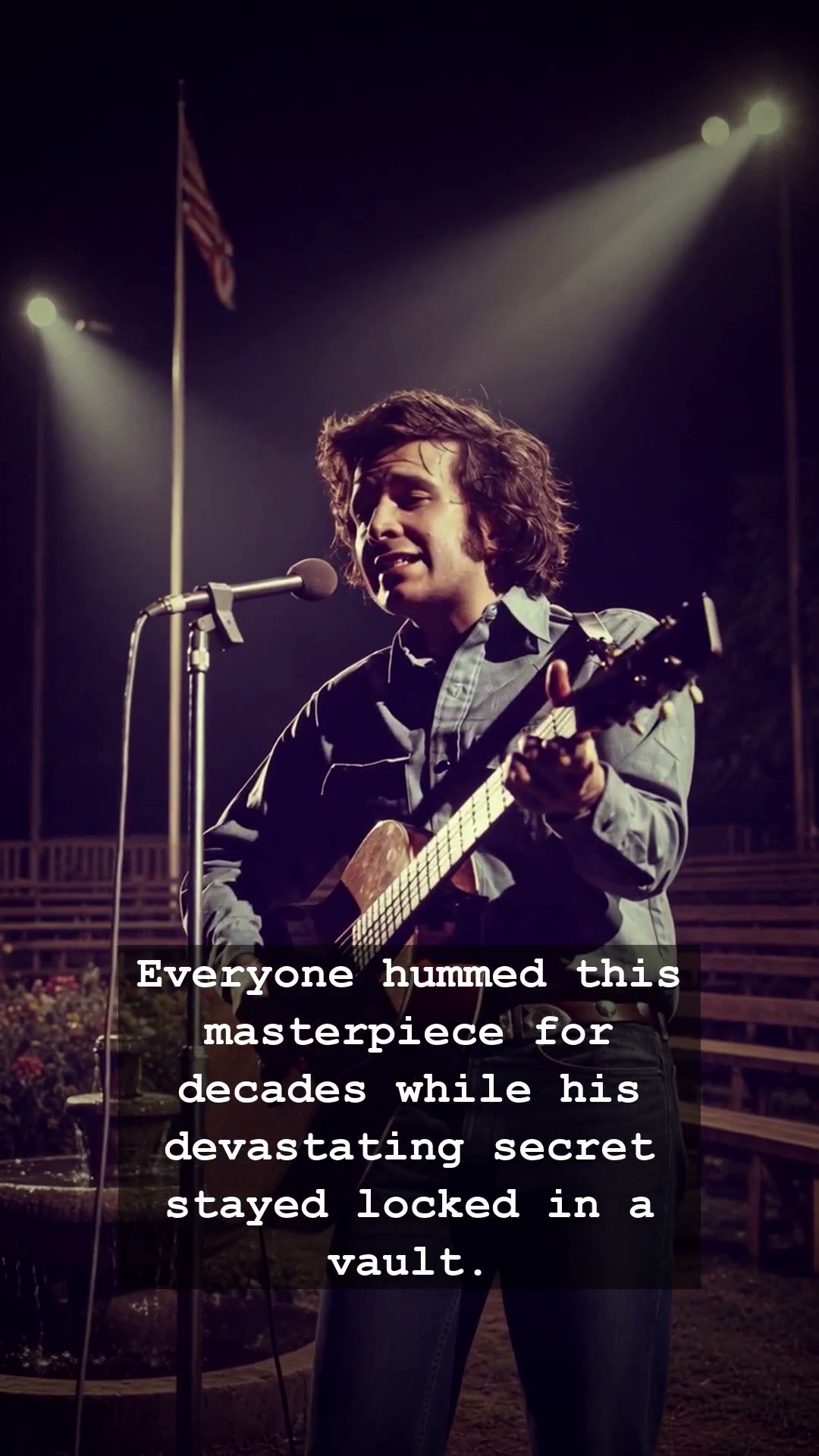
For decades, it has been the ultimate musical riddle, a cryptic anthem that sent us all rushing to our record players to dissect every single lyric. Don McLean’s 1971 masterpiece, American Pie, became the soundtrack to a generation, a sprawling, eight-minute epic that captured the collective mourning of a culture. We all hummed the chorus whilst sat by the wireless, wondering what exactly happened on that cold February night in 1959. Yet, for years, the true, devastating secret remained locked behind a vault door, hidden away from the prying eyes of the music press and the frantic gossip of NME readers.

It was the tragedy that defined the end of the innocence for the rock and roll era. When the light plane carrying Buddy Holly, Ritchie Valens, and The Big Bopper crashed into that Iowa field, the world felt as though it had ground to a shuddering halt. Don McLean, then just a young man, was profoundly affected by the loss of his idols. He didn’t just hear the news; he internalised it, carrying the weight of that silence for over a decade before putting pen to paper. Whilst many fans debated the hidden meanings of the jester and the King, the core of the song was a deeply personal, raw exploration of how it feels when your favourite melody suddenly vanishes into the ether.

The real shock came not from the song itself, but from the revelation of the original manuscript. When the lyrics went under the hammer years later, the world finally got a glimpse into the creative process of Don McLean. The notes revealed a man grappling with grief, trying to make sense of a world that felt grey and colourless without the vibrancy of those early rock pioneers. It wasn’t merely a nostalgic trip; it was a desperate attempt to realise the finality of death in a medium that is meant to last forever. The public had been obsessed with the symbolism for ages, but the reality was far more human and far more fragile.

Looking back, it is easy to see why American Pie resonated so deeply across the UK. We were a nation in transition, moving from the skiffle craze into the bold new dawn of the British Invasion. We understood what it meant to hold onto a piece of music as if it were a life raft. When Don McLean sang about the music dying, he tapped into a universal anxiety that we all feel when our cultural icons fade away. It was a moment of profound vulnerability that turned a simple folk singer into an unlikely prophet of pop culture.

Today, the legacy of that song continues to shimmer with a bittersweet glow. Every time we hear that opening piano chord, we are transported back to a time when music felt like it could change the world, or at least keep the darkness at bay. Don McLean gave us a treasure map to our own sense of loss, and whilst the mystery has been unveiled, the magic of the song remains entirely intact. It is a testament to the fact that even the most devastating secrets, once shared through a melody, can eventually find their way home.