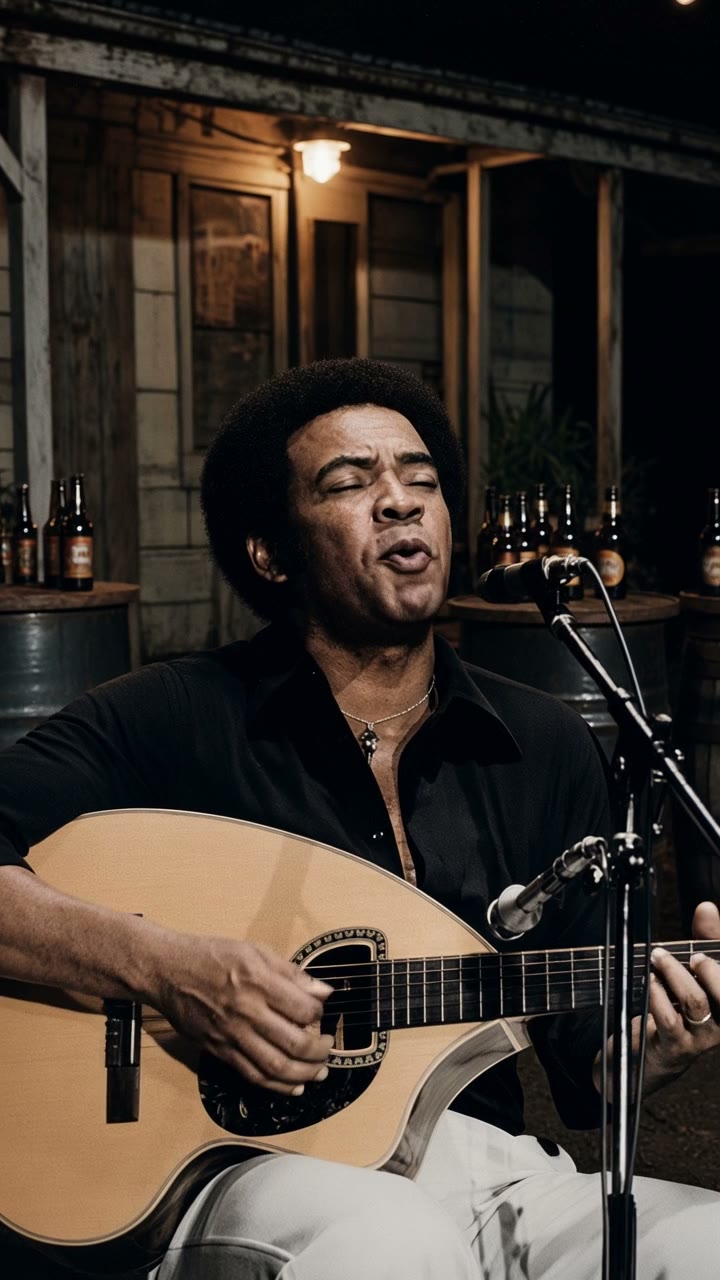
The Secret Life of Bill Withers: Why A Gold Record Wasn’t Enough

In 1971, while the world was vibrating to the sounds of the Vietnam War protests and the changing tides of the American airwaves, a singular, haunting voice emerged from the shadows. Ain’t No Sunshine arrived like a soft tremor, a soulful masterpiece that would soon define the era. Yet, as the song climbed the Billboard charts and Bill Withers found his name etched in gold, something peculiar was happening in the industrial heart of Los Angeles. While radio stations across America played his melancholic ballad on loop, Bill Withers didn’t head to a mansion or a limousine. Instead, he punched his time card at a local factory, methodically installing toilet seats for planes, clinging to the reality of his nine-to-five existence as if the superstardom gripping the nation were merely a dream he wasn’t quite ready to believe in.

It is difficult for us to imagine that level of humility in today’s age of influencer culture and constant digital surveillance. But for Bill Withers, the factory floor was a sanctuary from the volatility of the music industry. He was a man who came to fame late, at age thirty-two, having spent years as a naval aircraft mechanic. To him, music was a raw expression of human experience, not a path to escape his working-class identity. He knew the grit of honest labor better than the hollow glitz of the studio. When he walked through the factory gates, he wasn’t the man behind the haunting vocals that made the world cry; he was just a man doing a job.

This groundedness was the secret ingredient that made Bill Withers so profoundly relatable. In an era dominated by the theatricality of Glam Rock and the escapism of early Disco, he stood apart. He wasn’t trying to sell an image or a lifestyle; he was selling the truth. When he sang about love, loss, and the loneliness of a departing companion, he spoke to the weary souls working the assembly lines and the suburban families listening to their radios in the dark. He carried the weight of the common man in his baritone, a stark contrast to the emerging excess of the seventies.

Eventually, the pressure of his soaring career forced him to leave the assembly line, but Bill Withers never shed that worker’s perspective. His music remained a testament to the beauty found in simplicity and the dignity of the ordinary. He remained fiercely protective of his autonomy, often walking away from the music business entirely when it began to infringe upon his internal peace. It is a rare, almost mythical trait that makes his legacy feel more authentic with every passing decade.

Today, as we look back through the lens of history at the golden age of American soul, Bill Withers remains a towering figure, not just for his melodies, but for his character. He reminds us that true greatness doesn’t require the vanity of the spotlight. Sometimes, the most beautiful songs come from a man who is simply trying to keep his feet on the ground. When you listen to those classic chords today, remember the man in the factory who gave us a piece of his soul, one shift at a time.
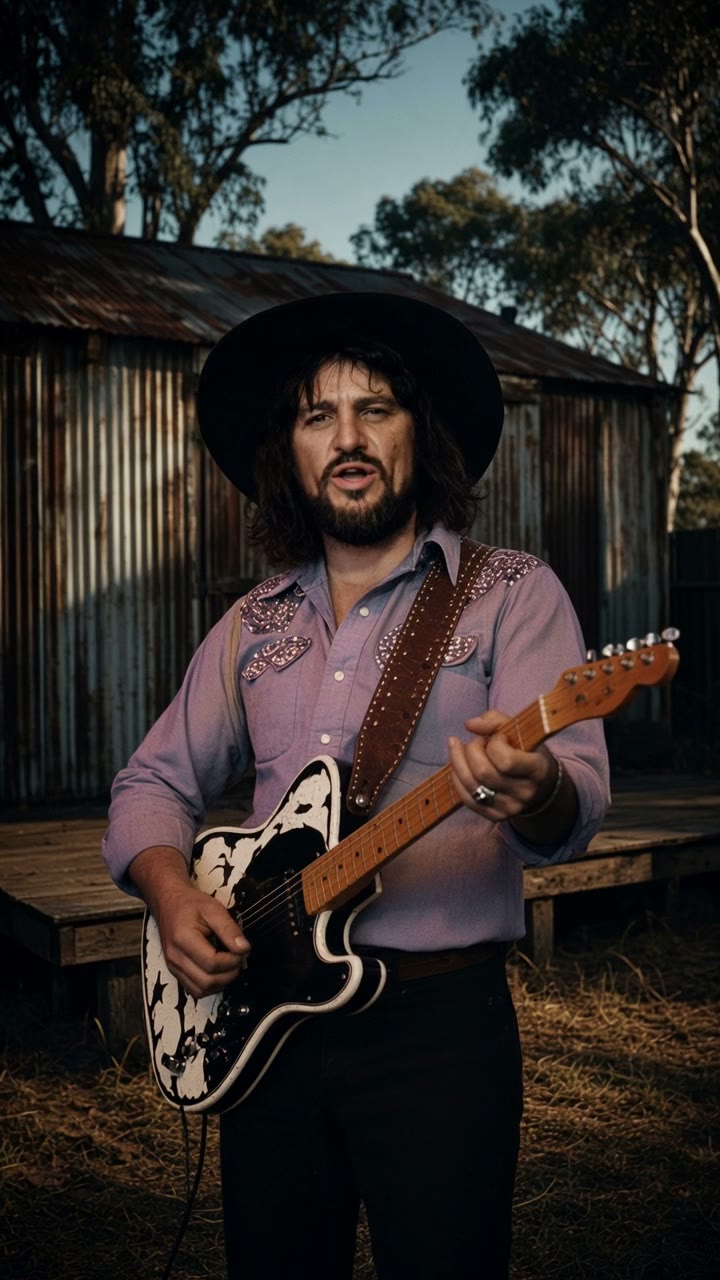

Waylon Jennings and the 1975 Song That Shattered Nashville Rules

In the polished, rhinestone-covered halls of 1970s Nashville, country music was a machine. Producers demanded predictable structures, pristine vocal harmonies, and choruses that could be hummed by anyone from a truck driver to a socialite. Then, in 1975, Waylon Jennings decided to throw the entire rulebook into a bonfire. With the release of his hypnotic track, Waylon Jennings didn’t just record a song; he declared war on the establishment. The music industry elite were stunned by a composition that dared to rely on just two alternating chords and lacked a traditional chorus entirely. It was a rhythmic, rebellious pulse that felt more like a heartbeat than a radio hit, forever shifting the trajectory of American outlaw country.

To understand the magnitude of this moment, one must look back at the era of the jukebox and the cold, sterile recording studios of Music Row. Waylon Jennings was the quintessential outsider, a man with a booming baritone and a deep-seated distrust of the corporate suits who wanted to mold him into a radio-friendly puppet. The 1975 track in question wasn’t just a deviation from the norm; it was a manifesto. By stripping away the bells and whistles, Waylon Jennings highlighted the raw, unvarnished truth of the working man. The song relied on a hypnotic four-bar groove that pulled listeners in, forcing them to pay attention to the grit in his voice rather than the polished veneer of the production.

This was the dawn of the Outlaw Movement, a time when artists like Waylon Jennings, Willie Nelson, and Kris Kristofferson refused to bow to the rigid demands of record executives. Behind the scenes, the tension was palpable. Labels fought to keep control of the creative process, but the cultural tide was turning. The listener was ready for something authentic, something that smelled of sweat, stale cigarettes, and late-night highway drives. When that needle dropped on the vinyl, it didn’t sound like the country music your parents listened to. It sounded dangerous, and for a generation defined by the changing cultural landscapes of the mid-70s, it felt like freedom.

The genius of Waylon Jennings lay in his ability to make simplicity feel profound. By refusing to follow the standard verse-chorus-verse structure, he challenged the very way people consumed music. He proved that you didn’t need a soaring, catchy hook to capture a soul; you only needed a groove that didn’t let go. That track became a cornerstone of his legend, a permanent scar on the face of traditional Nashville that proved artistry could survive even in the face of stifling commercial pressure.

Today, we look back at the legacy of Waylon Jennings as a reminder of what happens when a true icon stays authentic to their vision. His defiance wasn’t just for the sake of being difficult; it was a necessity for his creative survival. As the echoes of that 1975 groove continue to resonate in modern Americana, we are reminded that sometimes, breaking the rules is the only way to build a masterpiece that will truly stand the test of time.

The Song That Ended Nina Simone’s Career: A Price for Truth

In the polished, tuxedo-clad world of 1964 jazz clubs, Nina Simone was a shimmering fixture. She was the darling of the industry, a classically trained pianist whose voice could hold a room breathless. Yet, behind the velvet curtains and the warm glow of the Jukebox era, a storm was brewing. While the music industry expected her to stick to standards and love songs, Nina Simone felt the shifting winds of the civil rights movement pressing against her chest. When she stepped onto the stage to perform Mississippi Goddamn, she wasn’t just singing a song; she was lighting a match in a room full of gasoline.

The performance of that song was an act of artistic rebellion that sent shockwaves through the American music landscape. At the time, the industry was a rigid machine that favored conformity. By choosing conviction over commercial viability, Nina Simone became an immediate target. Radio stations pulled her records, labels began to distance themselves, and the woman who was once the toast of the town found herself blacklisted. She was effectively labeled a dangerous radical in a country that preferred its jazz artists to remain apolitical, quiet, and compliant.

Looking back at that era, it is easy to view her transition as a seamless evolution of her artistry, but the reality was far more jagged. The cost was immense. Nina Simone lost her steady stream of bookings and faced the cold shoulder of a society that feared her message more than it respected her talent. She sacrificed the comfort of fame for the weight of her conscience. It was a lonely, turbulent path that saw her navigating the harsh realities of the music business, where a single song could strip away the adoration of millions overnight.

What makes the story of Nina Simone so hauntingly resonant today is the sheer authenticity she maintained through the fallout. She did not retract her words; she doubled down. She became the voice of a generation fighting for justice, transforming her isolation into a powerful, poignant legacy that transcends the jazz clubs of the sixties. Her courage in the face of career destruction stands as a testament to the idea that some voices are too powerful to be silenced, even when the entire industry turns against them.

Decades later, the tragedy of that blacklist serves as a dark reminder of how the American music industry handled dissent. We look back at her vintage portrait—that stoic, piercing gaze—and we don’t just see a musician; we see a woman who stood her ground when the spotlight dimmed. Nina Simone proved that true artistic integrity is not measured by chart positions, but by the courage to remain honest in a world built on artifice. Her story remains a beacon for every artist who finds themselves at the crossroads of popularity and truth, reminding us that legacy is built on the battles we choose to fight.

The Dark Truth Behind Johnny Cash and His 1955 Legendary Anthem

In 1955, inside the modest confines of a Sun Records studio, a young man with a guitar and a voice like gravel grinding over velvet stepped up to the microphone. He was just another hopeful musician in the burgeoning world of Rock ‘n’ Roll, yet Johnny Cash had no inkling that the song he was about to record would eventually transcend time, becoming a haunting, legendary anthem of pain and redemption that still grips the soul today. While the jukeboxes of the mid-fifties were hungry for upbeat dance tunes, Johnny Cash offered something else entirely—a mirror held up to the darker, more desperate corners of the American experience.

To understand the gravity of that moment, one must remember the atmosphere of the 1950s. It was an era defined by the crackle of vinyl and the rapid emergence of a youth culture that craved authenticity over the polished, synthetic sounds of the previous generation. Johnny Cash arrived not as a pop idol, but as a storyteller carrying the weight of the rural South in his throat. He was a man fighting his own demons, and every time he approached the studio microphone, it was as if he were purging those internal conflicts through his music. The industry was booming, and labels were desperate to capture lightning in a bottle, but they could never quite replicate the raw, singular energy that Johnny Cash possessed.

His recording process was never about technical perfection; it was about the blood, sweat, and truth left on the tape. Behind the scenes, the legend of Johnny Cash was forged in the fires of personal struggle. He lived a life that moved between the blinding lights of fame and the isolating shadows of substance abuse, a cycle that made his music feel dangerously real. When you listen to those early tracks, you aren’t just hearing a song; you are hearing a man wrestling with his own mortality. This authenticity is exactly why his influence spread from the local radio waves to the global stage, bridging the gap between country, folk, and the burgeoning rock movement.

As the years passed, his legacy grew, often eclipsed by the very drama that fueled his art. He became a fixture in pop culture, a symbol of the outsider who refused to conform to the Nashville machine. Whether he was performing in the echoing halls of a prison or on the vibrant sets of television specials, Johnny Cash remained the same stoic, enigmatic figure. He reminded us that redemption is not a destination but a constant, grueling journey. The pain in his voice wasn’t an act; it was an echo of a life lived on the ragged edge, a testament to the fact that greatness often comes at a steep personal cost.

Decades later, the resonance of his music remains undiminished. In an age of digital perfection and hollow trends, the stark, simple power of Johnny Cash serves as a necessary reminder of what true artistry looks like. He turned his personal scars into a roadmap for others, proving that even the darkest stories can find a melody. As we look back at his monumental impact, we find ourselves drawn back to that 1955 session, wondering how a simple man with a guitar could leave such a permanent mark on the heart of American music. His song still plays, and we are still listening.

The Curtis Mayfield Anthem That Terrified Music Executives in 1970

In the smoke-filled offices of 1970s record labels, music was often treated as a polished product designed for the jukebox or the transistor radio. But when Curtis Mayfield walked into the studio to record what would become his soul-stirring masterpiece, Move on Up, he wasn’t looking to create a fleeting pop hit. He was looking to capture the pulse of a nation in turmoil. When the first tapes were played for the suits, the reaction was not the immediate applause they expected. Instead, there was a palpable silence. The executives were terrified. They felt the raw, unfiltered energy of the track was far too subversive, too demanding, and too honest for the radio airwaves of the era.

At the time, the airwaves were still heavily sanitized, designed to keep listeners comfortable while the world outside changed rapidly. Curtis Mayfield, however, was already a veteran of the industry, having cut his teeth with The Impressions. He knew that the soul of Black America couldn’t be contained by three-minute segments or commercial jingles. He brought a cinematic vision to his music, blending social commentary with lush, orchestral arrangements that felt like a gospel revival meeting held in the heart of a city block. His vision was bold, and for the record labels of the time, it was a liability they weren’t sure they could afford.

What those executives failed to realize was that Curtis Mayfield was tapping into a spiritual hunger that defined the early seventies. While his peers were navigating the fading glamour of the late sixties, Mayfield was forging a new path of conscious soul. He spoke of resilience, of moving forward despite systemic barriers, and of the necessity of hope in the face of despair. The recording sessions were intense, marked by a sense of urgency that permeated every brass hit and every cascading drum fill. The production was dense, layered, and sophisticated, mirroring the complex reality of urban life during the post-civil rights era.

As the song eventually reached the public, it did far more than just climb the charts; it ignited a movement. It became an anthem for those walking the streets with a Walkman, finding solace in its defiant tempo during the rise of disco and the long shadow of Vietnam. Curtis Mayfield didn’t just sing a song; he provided a roadmap for survival. The tragedy of his later life, including his devastating accident in 1990, only deepened the legend of his resolve. Even when physically confined, his mind remained a beacon of artistic integrity, influencing generations of hip-hop producers and R&B visionaries who sampled his work to tell their own stories.

Today, the legacy of Curtis Mayfield remains a testament to the power of artistic courage. His work serves as a reminder that the most enduring music is often the kind that scared the establishment, forcing us to confront the uncomfortable truths of our shared history. Whether heard on a scratchy vinyl record or through modern high-fidelity speakers, the impact of his voice remains undiminished. Perhaps the next time you find yourself lost in the rhythm of a classic soul track, take a moment to listen closely to the man who risked it all to make us feel a little more human.

The Haunting Legacy of Janis Joplin’s Final Masterpiece

In the fleeting shadows of rock and roll history, few stories resonate as deeply as that of Janis Joplin—a woman whose raw, emotional voice defined an era, yet was cut tragically short. Just 72 hours before her untimely death, Janis recorded what would become her haunting anthem, “Me and Bobby McGee.” It was fatefully ironic; the song would soar to number one, but she would never witness its ascent, entangled instead in the grip of addiction that ultimately claimed her life.

The year was 1970, a tumultuous period anchored by counterculture movements, vibrant music festivals like Woodstock, and the advent of a new breed of rock stars. Janis, hailing from Port Arthur, Texas, captured hearts with her powerful performances and soulful lyrics, which reflected her tumultuous journey—a constant push and pull between fame’s glamorous façade and its devastating pitfalls. Her rendition of “Me and Bobby McGee” blended the spirit of rock with folk sensibilities, turning a simple tale of love and loss into a timeless narrative that still echoes today.

On that fateful day in her Los Angeles recording studio, Janis poured her heart and soul into the track. The energy was electric, an intense moment captured in its purest form. Yet, as she belted out each note, the shadows of her personal struggles loomed large—her battles with addiction and the loneliness of fame. This career-defining moment became a bittersweet symphony, underlining the tragic reality that her fight against the demons inside her would silence her voice forever.

Joplin’s legacy is not solely tied to her music but to the profound, often painful stories intertwined within it. The chaos behind the scenes, the pressures of superstardom, and the heartbreak of love lost—these became intertwined with her songs, making them resonate even with those who never saw her perform live. Her turbulent life and career reflect the broader societal changes of the 1960s and 70s, an era marked by rebellion and idealism, liberation, and loss.

As we listen to her work—a colorfully poignant testament to her existence—we also reflect on the broader context of the time. The birth of MTV and the rise of glam rock were just around the corner, yet Joplin remained firmly rooted in the raw authenticity of her music. Despite the passing years, her voice continues to echo through the hallways of history, serving both as a reminder of her genius and as a warning about the fragility of life.

In remembering Janis Joplin, we don’t just celebrate a musical icon but explore an emotional landscape filled with brilliant highs and heartbreaking lows. “Me and Bobby McGee” stands not only as a hit song but as a lingering question of what could have been—a rock and roll ghost story that pushes us to honor the raw and authentic truths behind the glamour of fame. As we play her records, we invite her spirit to linger just a little longer, reminding us that behind every great song is a story yearning to be told.

The A Whiter Shade of Pale Battle: Matthew Fisher’s 40-Year Fight

If you were hanging around the pubs or tuning into Countdown back in the day, you’d know that certain melodies just burrow their way into your soul. Few tracks possess the ethereal, haunting quality of Procol Harum’s 1967 masterpiece, A Whiter Shade of Pale. It is a song that defined a generation, yet for organist Matthew Fisher, the track became a bittersweet shadow that followed him for decades. While the world was busy spinning the record and marvelling at its Bach-inspired genius, a brutal, quiet war was brewing behind the scenes that would eventually spill into the highest courtrooms in the land.

For those who reckon they know the story of this classic, it might come as a shock to realise that the iconic organ solo—the very heart of the song—was the epicentre of a legal saga that stretched on for forty years. Matthew Fisher, the man behind those melancholic keys, claimed he deserved a slice of the songwriting credit, arguing that his contribution was far more than just a session performance. It wasn’t just about the money, mate; it was about the recognition of his creative soul in a track that had become a permanent fixture in the soundtrack of our lives.

It is truly mind-boggling to think about a dispute lasting four decades. Imagine being in the prime of your musical life, hitting the charts, and then spending half your life in a courtroom. By the time the case reached the House of Lords in 2009, the industry had changed heaps, but the question of authorship remained as sharp as ever. The legal system had to grapple with the complexities of copyright in the psychedelic era, a time when rock bands were often more interested in the next gig than the fine print of legal contracts.

When justice finally caught up in 2009, it was a landmark moment for musicians everywhere. The court acknowledged that Matthew Fisher had played a fundamental role in crafting the song’s identity. It was a massive win for the unsung heroes of the studio—the blokes who add that bit of magic that turns a simple chord progression into a global phenomenon. Hearing the news, a lot of us felt a strange sense of vindication for the guy who gave us one of the most recognisable melodies in history.

Looking back, it is easy to see why this story resonates so deeply with Aussie fans who grew up on a steady diet of pub rock and emotive storytelling. We love a fair go, and seeing Matthew Fisher finally get his due after such a long, draining battle felt like the right thing to happen. Even now, whenever that opening organ swell kicks in, it carries a little more weight, a little more history, and a touch more humanity.

Next time you hear that familiar tune, take a moment to think of Matthew Fisher. It’s a reminder that every great song has a life of its own, often filled with drama, sacrifice, and the quiet resilience of the people who made it happen. It is a classic tale of rock and roll, proving that while the records eventually stop spinning, the stories they hold onto never really go away. What’s your favourite memory of that song?

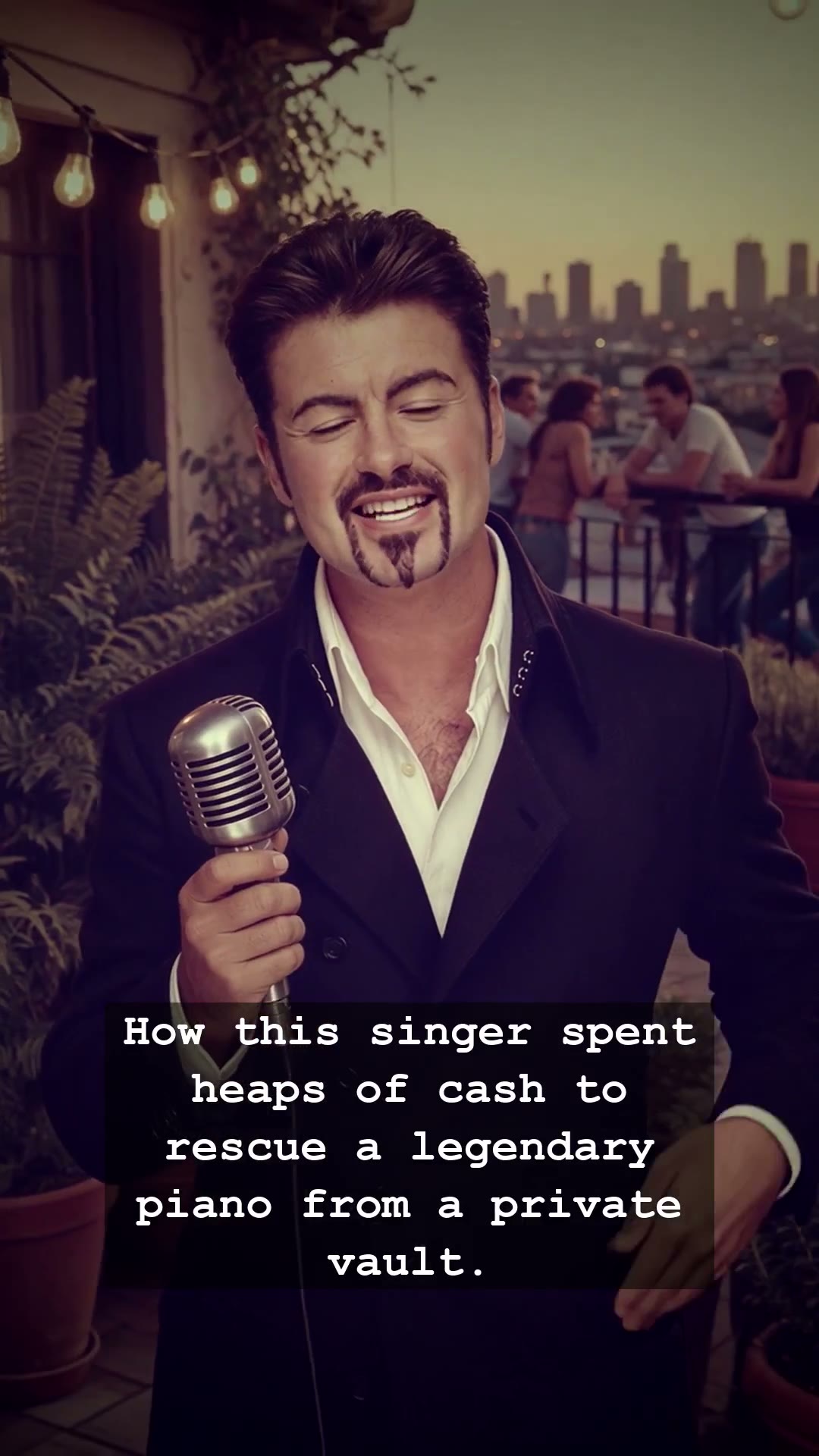
The Million-Quid Secret: Why George Michael Saved That Legendary Piano

Most of us reckon we know the story of George Michael. We think of the tight jeans, the shoulder-padded jackets of the eighties, and that voice that could turn any pub singalong into a spiritual experience. But there is a hidden side to the man that rarely makes the headlines. It is a story not about the flashing lights of a sold-out stadium gig, but about a deep, quiet reverence for the tools of the trade. I am talking about the time George Michael dropped over a million quid to rescue a battered, unassuming piano from a cold, private vault, ensuring its music would never be locked away from the world.

It is easy to forget that before the global superstardom, George Michael was just a bloke who loved the craft of songwriting. He understood that instruments carry a certain kind of magic—a weight of history that can colour the way a melody lands. When he discovered this specific piano, he did not see an investment or a piece of memorabilia to gather dust in some glass cabinet. He saw a piece of musical heritage. He realised that if he left it in the hands of a private collector, the soul of that instrument would effectively vanish. He wanted everyday mates to feel its magic, to know that even the most famous voice in the world understood the value of a humble set of keys.

I reckon it is this sort of gesture that cements George Michael as a genuine legend. While other artists were busy buying sports cars or private jets, he was investing in the legacy of sound. It wasn’t about the ego; it was about the music. He had heaps of cash, sure, but spending a million quid on an old, beaten-up piano? That is a level of commitment that tells you exactly who he was behind the scenes. He wasn’t just a pop idol manufactured by the industry; he was a musician who lived and breathed his art.

Think back to the eighties, when the telly was filled with synth-pop and big hair. It was a colourful, chaotic time, and George Michael stood right at the centre of it. Yet, even amidst the madness of fame, he kept his feet on the ground. He knew that the songs we love don’t just come from thin air; they come from the connection between a musician and their instrument. By saving that piano, he was keeping that connection alive for the rest of us. It is a class act, plain and simple.

Even now, years after we lost him, the resonance of his choices lingers. When you put on one of his tracks, you can hear that dedication in every note. It makes you realise that the music was always the favourite part of his life, no matter how much fame came his way. Next time you hear one of his hits drifting through a café or a local pub, remember the bloke who paid a fortune just to keep the music playing. It is a beautiful story, mate, and one that is well worth keeping in our collective memory.

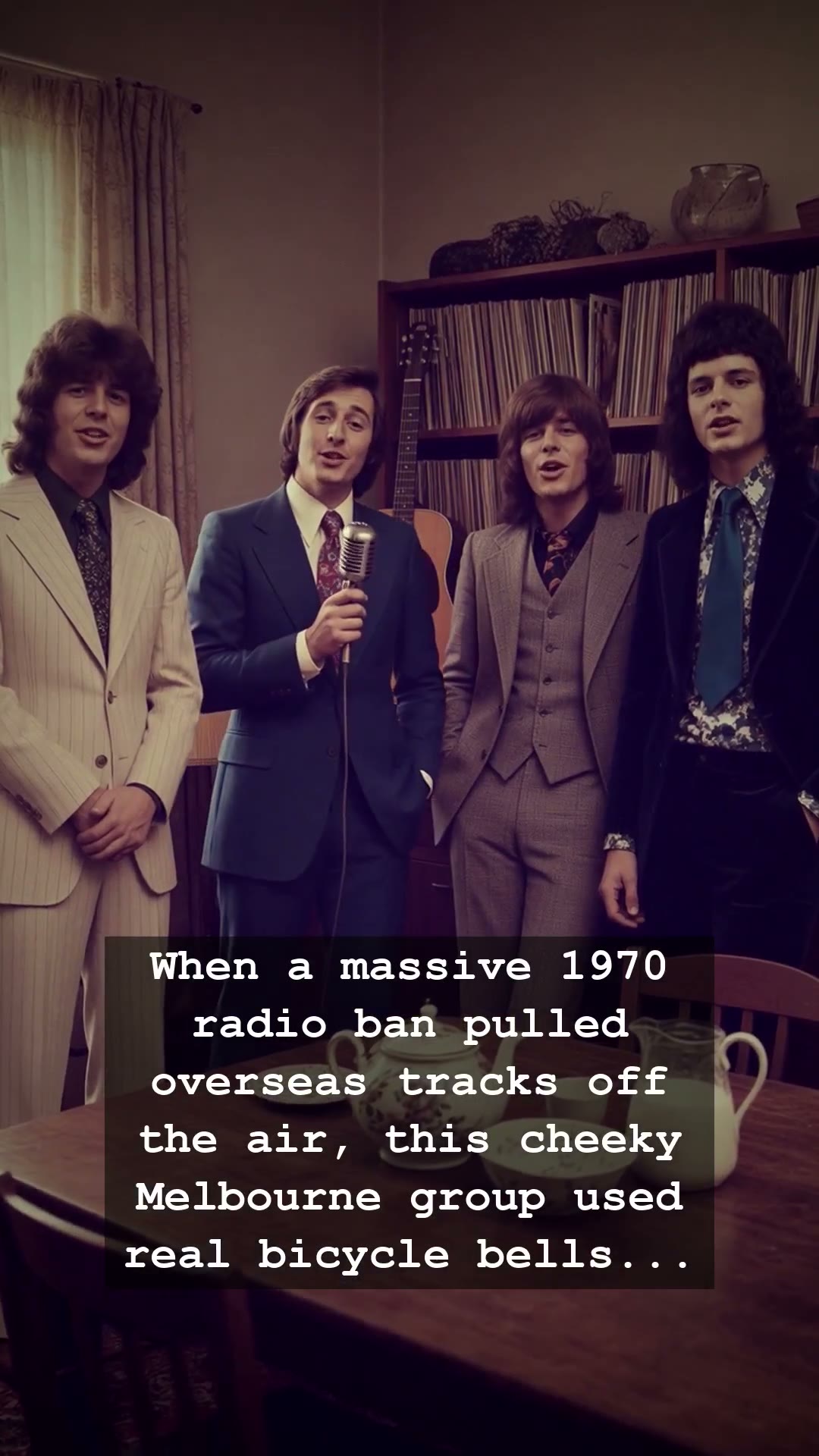
The Mixtures: How a Bicycle Bell Secretly Topped the Aussie Charts

Cast your mind back to 1970. The Australian radio scene was in a proper state of chaos, mate. If you remember the Great Radio Ban, you will recall how the airwaves were suddenly stripped bare. Major record labels were in a stoush with commercial radio stations over royalties, leading to a blanket ban on all overseas music. For a moment, the wireless felt empty, but for a cheeky Melbourne group known as The Mixtures, it was the perfect opportunity to strike gold. They did not just want to make a song; they wanted to create a sound that captured the imagination of a nation starved of fresh tunes.

That track was The Pushbike Song, and looking back, it is still a cracker. While most bands were trying to sound like the heavy hitters from the UK or the States, The Mixtures had a different plan. They realised that if they wanted to get onto the playlist, they had to be clever, catchy, and distinctly different. So, what did they do? They took it literally. They brought real bicycle bells into the studio and even included the frantic, rhythmic panting of a cyclist out of breath. It was quirky, it was fun, and it was exactly what we all needed after the monotony of the ban.

I reckon there is something special about the way The Mixtures put that track together. In an era before fancy digital synthesisers, they were layering sounds by hand, ensuring that every chime of the bell felt authentic. It was a labour of love, and when it hit the airwaves, the response was massive. It went straight to number one, proving that you do not need a million-dollar production to capture the heart of the public—just a bit of larrikin spirit and a solid, singalong melody.

This wasn’t just a gimmick; it was a defining moment for Aussie pop. The success of The Pushbike Song cemented The Mixtures as a household name. For those of us growing up during the Countdown years or tuning into the radio on a Sunday morning, these guys were everywhere. They reminded us that Australian music had its own unique colour and rhythm, something that didn’t need to imitate the overseas charts to be considered top-tier. Even today, hearing those bells ring out brings back heaps of memories of warmer days and simpler times.

It is funny how a bicycle bell could become such a powerful symbol of our musical identity. The Mixtures managed to capture lightning in a bottle, and decades later, the tune still resonates with anyone who appreciates the gutsy, creative spirit of 70s pub rock and pop. It is a reminder that the best stories in music often come from the most unexpected places. If you have not spun the record in a while, give it another listen, mate—it is still a fantastic bit of nostalgia that keeps on giving.

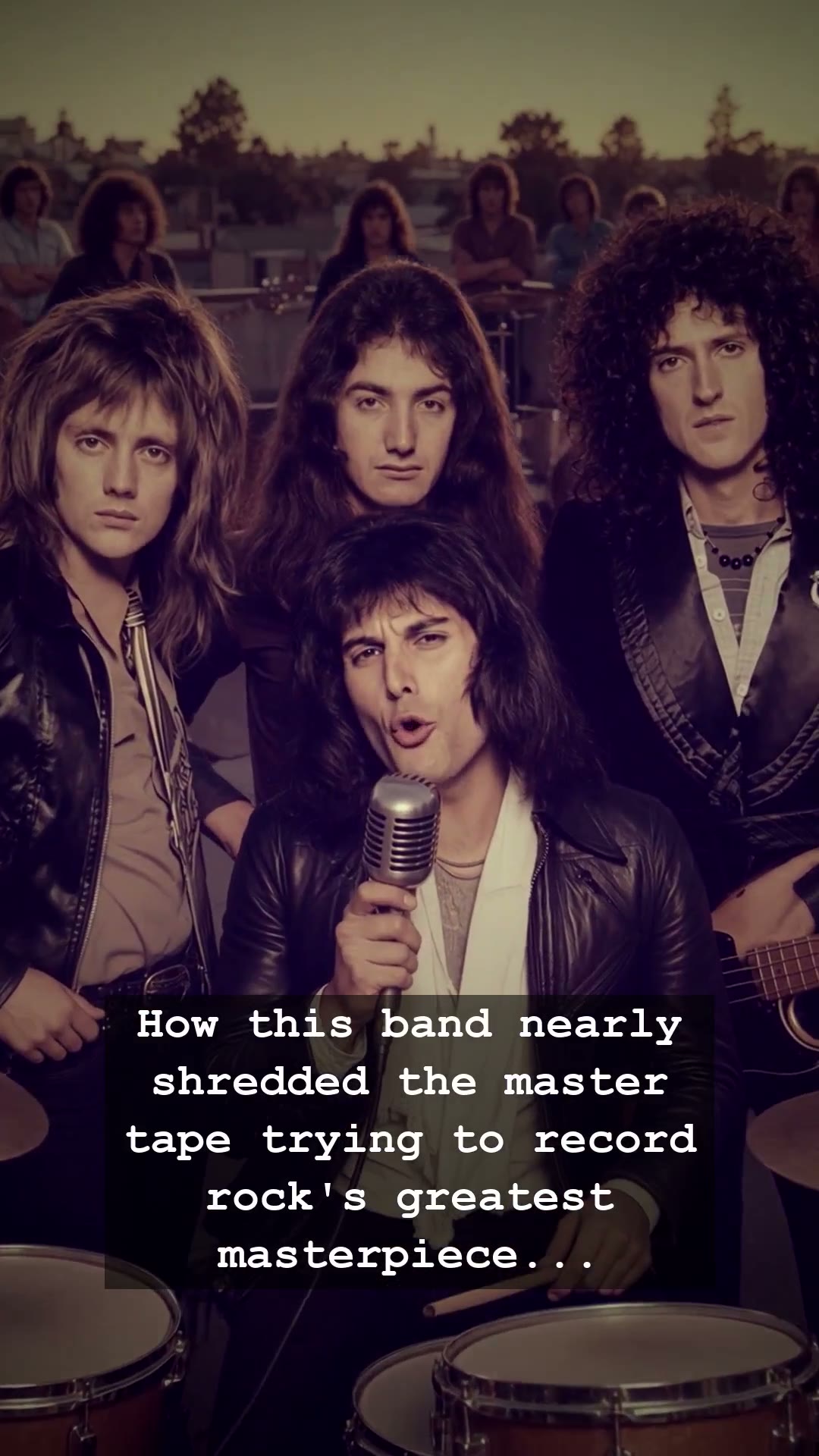
The Bohemian Rhapsody Miracle: How Queen Nearly Shredded Music History

Cast your mind back to 1975, mate. The airwaves were buzzing, the pub scene was firing, and we were all glued to our tellys waiting for the next big thing on Countdown. While we were here in Australia cutting our teeth on the raw energy of Aussie pub rock, a bunch of blokes from across the pond were busy crafting what would become arguably the greatest rock masterpiece of all time. I am talking about Queen and their legendary opus, Bohemian Rhapsody. Most of us have heard it a thousand times, but do you realise how close we came to never hearing it at all?

The recording process for Bohemian Rhapsody was nothing short of absolute madness. Freddie Mercury had this grand, swirling vision in his head, and the band spent weeks in the studio pushing the limits of what was technologically possible back then. To get that iconic, wall-of-sound operatic section, they layered over one hundred and eighty individual vocal takes. These weren’t just simple backing tracks; they were intricate, overlapping harmonies that required the band to sing until their lungs gave out. It was a labour of love, but it nearly cost them everything.

The engineers on the project reckon it was an absolute miracle the master tape survived the ordeal. By the time they finished layering all those voices, the magnetic tape had been run through the recording machines so many times that it was worn thin to the point of transparency. You could literally hold the tape up to a light and see right through it. They were seconds away from the oxide flaking off entirely, which would have shredded their masterpiece into oblivion. It is a proper nail-biter of a story, isn’t it? If the tape had snapped or disintegrated, the history of rock music would look vastly different today.

Looking back, it is easy to see why this track still resonates with us. Whether you caught it first on the radio or saw the music video during its iconic debut, Queen captured a sense of drama and theatrical flair that was miles ahead of its time. It brought a bit of magic into the living rooms of regular folks, and even now, you can feel the energy crackling whenever it kicks in. It takes me back to a simpler time, when music felt like a grand adventure rather than just background noise.

It is funny how these moments of chaos often lead to the best art. We have had heaps of legendary bands come through our neck of the woods, but there is something about the sheer, unbridled ambition of Queen that hits differently. They didn’t just play instruments; they built cathedrals of sound. It makes you realise that the legends we worship were just as prone to sweating bullets in the studio as any local band playing their first gig down at the corner pub. Next time you crank up the volume on Bohemian Rhapsody, have a think about that transparent tape and give a little nod to the sheer grit it took to keep it together.