The Prison Cell That Built Tupac Shakur’s Most Iconic Anthem

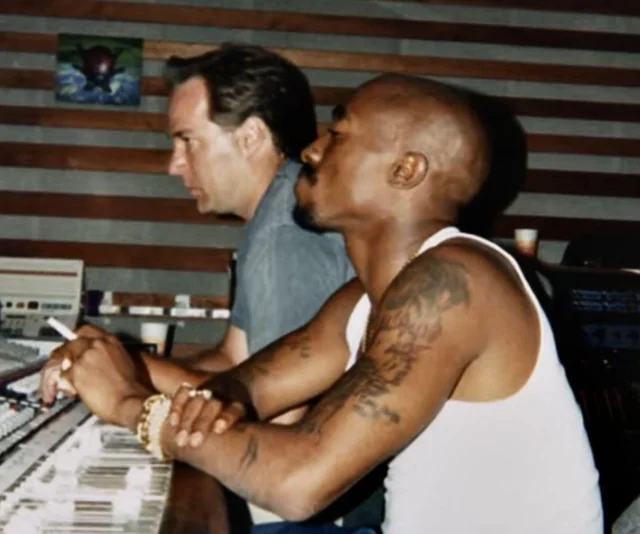
In the cold, stifling silence of a Clinton Correctional Facility cell in 1995, the man who would eventually define an entire generation of hip-hop was fighting for his soul. Tupac Shakur, a poet trapped behind steel bars, sat with a notepad and a pen, his mind drifting far from the concrete walls. While the world outside was consumed by the flashy rise of MTV and the escalating tensions of the East Coast-West Coast rap rivalry, Tupac was channeling his childhood trauma into something immortal. He was writing the lyrics for Dear Mama, a song that would soon echo through every street corner, bedroom, and car stereo in America.

Most people look at the meteoric rise of Tupac Shakur and see only the thug life persona, the bandana, and the fiery interviews. But in that tiny cell, the mask slipped. As a member of a generation that grew up amidst the decay of urban environments and the shifting landscape of 90s America, Tupac understood that the most powerful weapon was not a pistol, but the raw honesty of a narrative. He reached back into his memories, tracing the outline of his mother’s struggles, her resilience, and the complicated love that held their world together when everything else was falling apart.

When the track was eventually released, it hit the Billboard charts like a shockwave. It felt different from the synth-heavy pop hits or the aggressive gangsta rap that dominated the airwaves at the time. There was a vulnerability in Tupac Shakur’s voice that felt dangerously authentic. Fans who walked around with bulky Walkmans tucked into their pockets found themselves rewinding the tape, listening to the cadence of his confession over and over. It was a moment of cultural honesty that transcended the charts; it turned a rapper into a voice for the voiceless.

The genius of the song lies in its refusal to sugarcoat the reality of life in the hood. Tupac didn’t paint a picture of perfection; he painted a picture of survival. He acknowledged the addiction, the poverty, and the errors of the past, yet he held onto a fierce, undying gratitude. This was the same Tupac Shakur who could be volatile and provocative, but here, he was simply a son searching for redemption. It resonated because it was the truth, unvarnished and heavy with the weight of experience.

Decades have passed since that prison cell birthed a masterpiece, yet the impact of Tupac Shakur remains as vital as ever. Even in an era of digital streaming and fleeting trends, the emotional frequency of his work holds steady. We still look back at the 90s as the golden age of hip-hop, not just for the beats, but for the storytelling. As we reflect on his legacy, we are reminded that true art doesn’t just entertain—it reveals. Tupac once said that he wouldn’t change the world, but he would spark the brain that would. Listening to his voice today, you can still feel the spark he lit all those years ago, burning bright against the darkness.
Terry Melcher and the Chilling Hollywood Nightmare That Changed Music History

In the golden era of 1960s California, the sunshine was bright, but the shadows were growing deeper than anyone cared to admit. Terry Melcher, a visionary producer and a central figure in the sound of the West Coast, was riding the crest of a massive cultural wave. He was the man who helped shape the Beach Boys and was widely considered a musical gatekeeper in a world of jukeboxes, vinyl records, and endless studio sessions. Yet, one fateful day in 1969, Terry Melcher made a decision that would haunt him for the rest of his life. He turned away an aspiring, eccentric musician who was desperate for a break. That rejection was meant to be nothing more than a standard professional courtesy, but it would soon trigger a terrifying nightmare that left an indelible, blood-stained mark on the legacy of Hollywood.

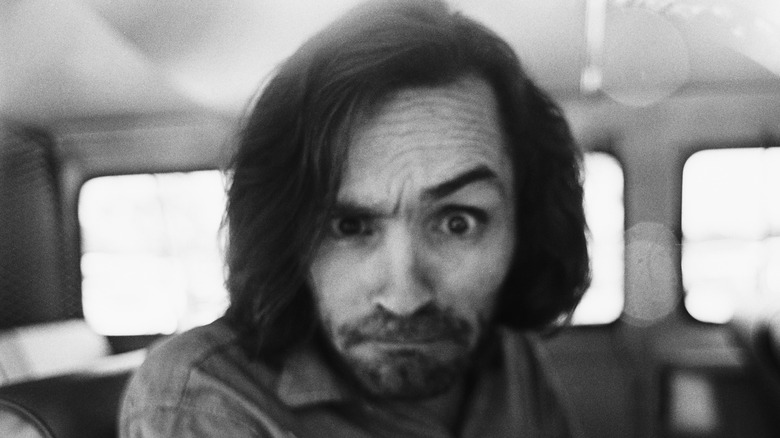
The aspiring musician in question was Charles Manson, a man lurking on the fringes of the LA music scene with a cult of followers. Manson had expected Terry Melcher to launch his career into the stratosphere, envisioning himself as the next big star. When the industry door slammed shut, the resentment festered. The Manson family had already been scouting the luxurious residence at 10050 Cielo Drive, a home where Terry Melcher had previously lived and where he had entertained the brightest stars of the era. The dark irony of the situation is that Melcher had moved out shortly before the infamous August 1969 murders occurred, yet he remained the phantom target in the minds of those who sought to strike out against the establishment he represented.

For years, Terry Melcher carried the weight of this connection. He was a man who lived in the vibrant world of pop hits and harmonic bliss, suddenly forced to confront the violent underbelly of the culture he helped cultivate. While his peers were attending Woodstock or getting lost in the kaleidoscopic sounds of psychedelic rock, Melcher was forced to testify and live under the shroud of a tragedy that was never supposed to involve him. The industry itself was changing, moving away from the polished production of the early 60s toward a grittier, more paranoid reality. The innocence of the decade had officially died in a flurry of headlines and courtroom drama.

Even decades later, the story of Terry Melcher serves as a chilling reminder of how quickly the glamour of the entertainment industry can curdle into chaos. The contrast between his musical contributions and the grim history he became entwined with remains one of the most haunting tales of the 20th century. Whenever we listen to the sun-drenched harmonies of that era, it is worth remembering that the music was often a thin veil over a city holding its breath in fear. Terry Melcher remained a legendary producer, but he would forever be a survivor of a nightmare that defined a generation’s dark transition.

To look back at the life of Terry Melcher is to peer into the complex heart of American music history. It is a story of ambition, talent, and the tragic intersection of reality and myth. As the era of the jukebox and the analog studio fades further into our past, the cautionary tale of that 1969 rejection remains a somber note in the symphony of the twentieth century. Perhaps, in the end, it teaches us that even the brightest lights in Hollywood cast the longest, darkest shadows of all.

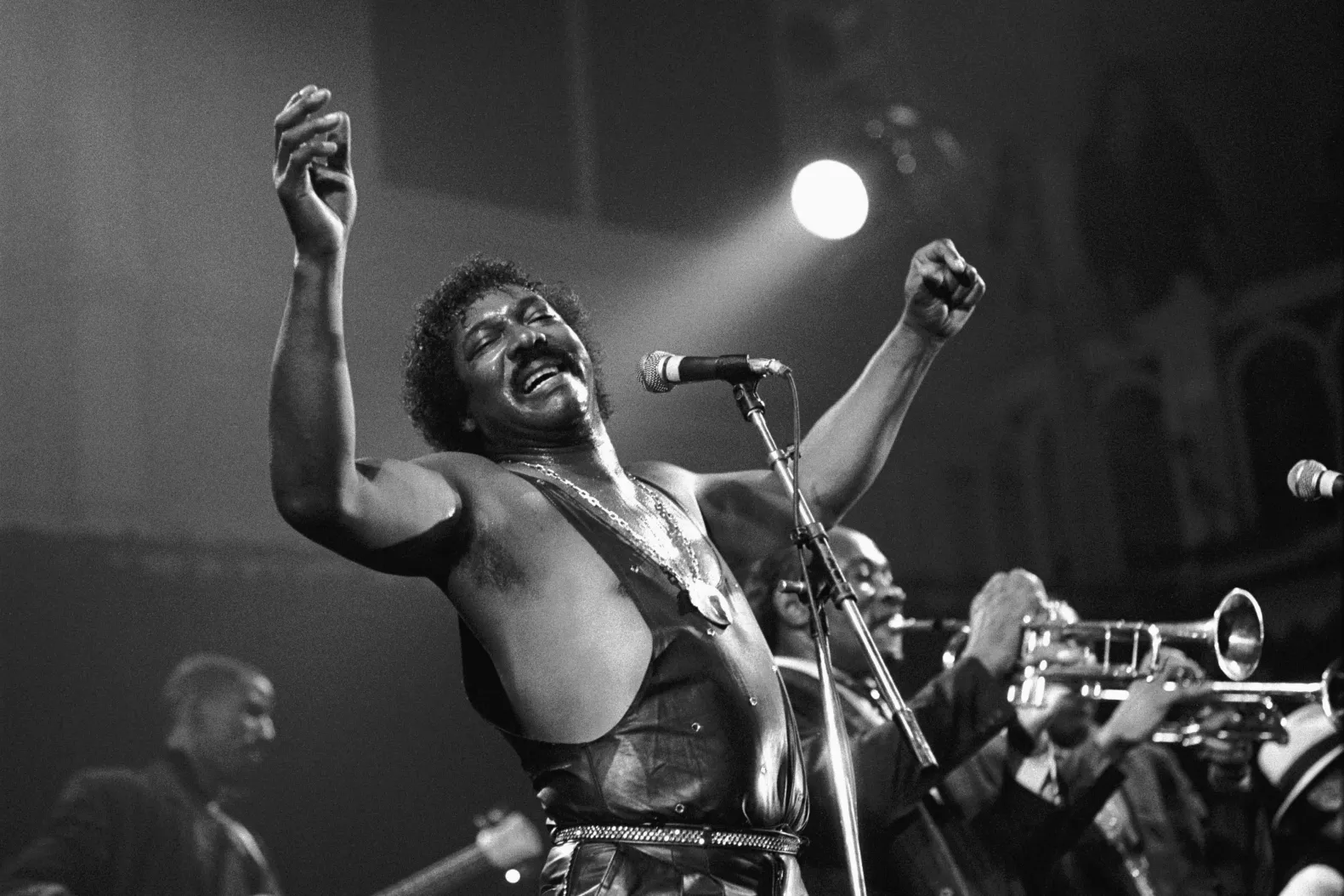
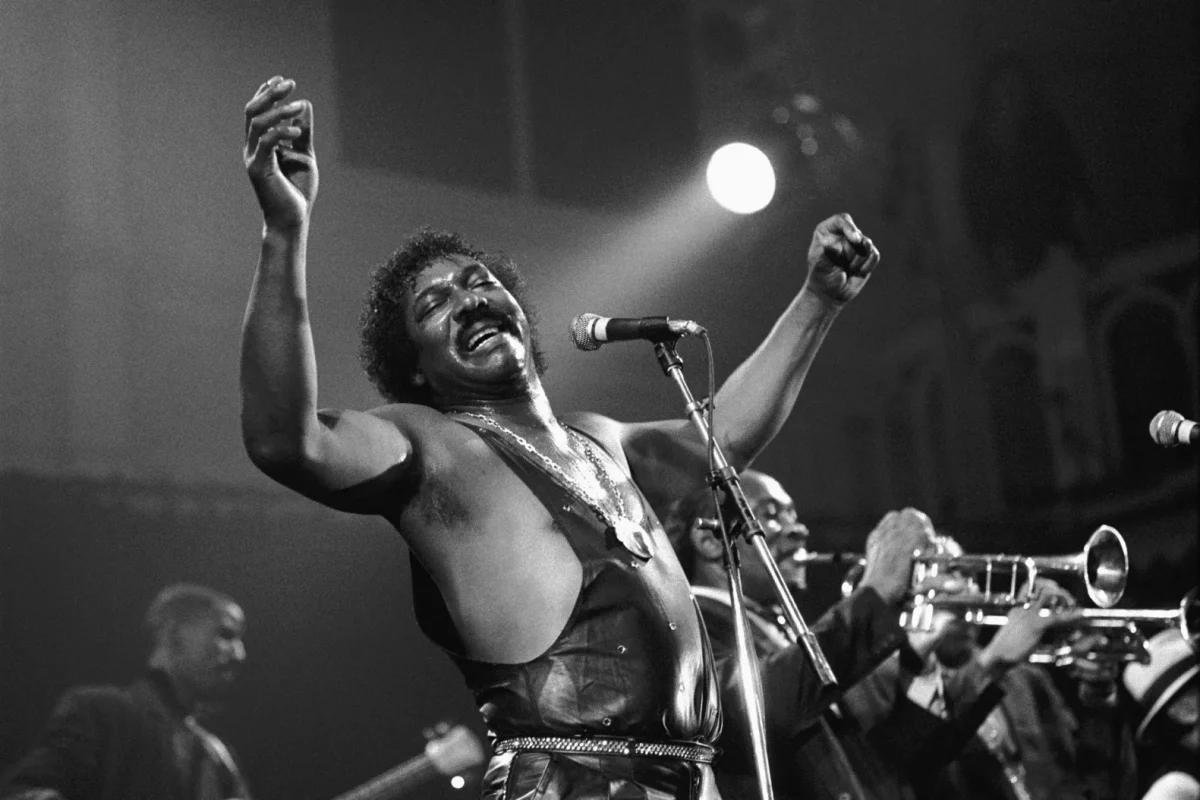
Wilson Pickett: The Gunshot That Created a Soul Music Masterpiece

It was 1965 at the legendary FAME Studios in Muscle Shoals, Alabama. The air was thick with the scent of cheap cigarettes and the humid tension of a creative process pushed to its breaking point. Wilson Pickett, the fiery powerhouse of soul, was struggling to capture the essence of a new track. The musicians were exhausted, the rhythm felt stale, and the atmosphere was becoming suffocating. Then, in a moment of sheer, volatile frustration, Wilson Pickett did the unthinkable: he pulled a loaded handgun from his waistband and fired a single shot directly into the studio ceiling. The smoke hung in the air, the ringing in the ears was absolute, and every soul in the room was frozen in terror. In that electric silence, the tension transformed into a raw, rhythmic pulse. The band, adrenaline spiking, began to play with a renewed, desperate intensity, and just like that, the iconic, heavy-hitting beat of In the Midnight Hour was born.

This wasn’t just a recording session; it was the birth of a soul anthem that would define the mid-sixties. Before MTV would eventually dictate the aesthetics of pop culture, it was these grit-filled, analog moments in small-town studios that forged the legends of American music. Wilson Pickett was a man of intense passion and even more intense demons. He embodied the soul movement, a genre that demanded total emotional vulnerability, even if that vulnerability sometimes manifested as unpredictable volatility. The song itself, co-written by the brilliant Steve Cropper, became an instant classic, characterized by that signature delayed backbeat which perfectly complemented the urgency Pickett poured into the microphone.

Decades later, the legend of that gunshot continues to loom over the history of R&B. It remains one of the most chilling anecdotes in the annals of American music, a testament to the high-stakes environment where genius often sat uncomfortably close to madness. For fans of the era, the story of Wilson Pickett serves as a stark reminder that the polished records we once listened to on our living room Jukeboxes or through the foam cushions of our headphones were often forged in the fires of real-life chaos. It is a story of how a momentary lapse in judgment became a permanent piece of cultural history, cementing Pickett’s status as a titan of soul.

We look back at the sixties as an era of cultural shifts and vibrant change, but beneath the surface, it was often dark and deeply personal. The narrative of Wilson Pickett highlights the human cost behind the hits. Fame brought pressure, and pressure demanded a release. Whether through the lens of a hit record or the barrel of a gun, Pickett demanded to be heard. His story resonates today because it is authentic, visceral, and impossible to ignore. As we spin these old records, we aren’t just listening to melodies; we are listening to the echoes of a man who literally shot his way into immortality. Next time you find yourself tapping your foot to the rhythm of In the Midnight Hour, remember the smell of cordite in that Alabama studio, and the legendary force of nature that was Wilson Pickett.

The Terrifying Truth Behind Blondie’s Heart of Glass Hit

In 1979, the airwaves were dominated by the hypnotic pulse of disco, but one band was quietly rewriting the rules of cool. Blondie, fronted by the mesmerizing Debbie Harry, seemed to exist in a dimension between the glitter of Studio 54 and the grimy reality of New York City streets. While the world danced to the sleek, electronic beat of Heart of Glass, nobody suspected that this iconic anthem was actually forged under the dark, suffocating shadow of a terrifying threat. Behind the polished facade of their biggest hit lay a story of fear that the band kept hidden from the public eye for decades, turning a dancefloor masterpiece into a chilling relic of rock and roll survival.

At the height of their fame, the band members were living in a reality far removed from the glamour of MTV music videos. As Blondie skyrocketed to the top of the charts, the pressures of sudden celebrity began to manifest in dangerous ways. While crafting the track that would define their career, Debbie Harry and her bandmates were haunted by a looming, credible kidnapping threat that made every recording session feel like a game of Russian roulette. The tension was palpable in the studio, a sharp contrast to the buoyant, shimmering synths that defined the song’s sound. They were essentially creating a bubblegum pop classic while constantly looking over their shoulders for a ghost that never materialized.

This juxtaposition of pure sonic bliss and underlying dread is exactly what gives Heart of Glass its haunting, timeless quality. Debbie Harry delivered those iconic vocals with a detached, robotic cool that perfectly masked the genuine anxiety she was enduring at the time. To the listeners who clutched their transistor radios or played the vinyl on their turntables, the song sounded like the pinnacle of carefree 1970s sophistication. In truth, it was an emotional shield—a musical vessel for a band struggling to reconcile their ascent to global stardom with the growing, jagged edges of their personal safety.

The genius of the song lies in that friction. The icy, precision-engineered production, overseen by Mike Chapman, captured the spirit of a band that had transitioned from CBGB punk roots into the mainstream stratosphere. Yet, every time the beat drops, there is a sense of fragility beneath the surface. It serves as a reminder that the most memorable art often blossoms from the most desperate of circumstances. For Debbie Harry, the success of the track eventually outlived the memory of those dark days, cementing her status as the ultimate icon of the era.

Decades later, the song remains a fixture of our collective musical memory, a testament to the resilience of legends who paved the way for modern pop. We often remember the glitter and the chart-topping records, forgetting the human toll behind the magic. The next time you hear that unmistakable opening synth, listen closely for the tremor in the atmosphere. It is the sound of a band that stared down the darkness and chose to keep playing. It remains one of music history’s most fascinating paradoxes, proving that even in the face of fear, true icons never stop making history.

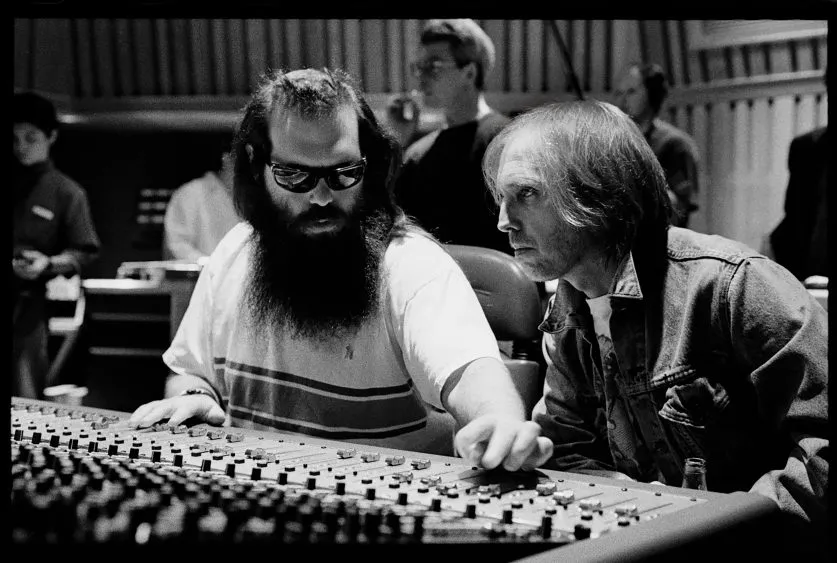
The Raw Truth Behind Tom Petty and Rick Rubin’s Haunting Masterpiece

It was 1994, a year defined by the shifting sands of the music industry. The airwaves were crowded with the polished, hyper-produced radio hits that dominated the post-MTV era, yet deep inside a dimly lit recording studio, a revolution was quietly unfolding. Tom Petty, a man who had already carved his name into the annals of rock and roll, felt stifled. He was caught in a creative crossroads, trapped by the expectations of an industry that demanded perfection, not soul. Enter Rick Rubin, the enigmatic producer known for his ability to strip away the artifice and find the beating heart of a song. What started as just another session between a frustrated legend and a visionary producer would eventually become a haunting testament to raw, unfiltered humanity.

Rick Rubin didn’t just walk into the studio; he walked into the fray with a singular mission: to strip away the glossy production layers that had buried the grit of authentic rock. Petty, already weary from the exhausting cycles of pop stardom, was ready to peel back the curtain. They weren’t looking for a hit; they were looking for the sound of a garage band finding their voice again. The result was a sound so stark and intimate that it felt like listening to a confession rather than a commercial record. It was the birth of a masterpiece that dared to be imperfect in an age of digital sterility.

The collaboration between Tom Petty and Rick Rubin stands as a defining moment in 1990s rock history. While the world was obsessed with the emerging grunge movement, Petty and Rubin were digging into the roots of American music. They focused on the nuance, the tremble in a vocal take, and the specific reverb of a room. It was a rejection of the over-produced excess that characterized the late eighties. By simplifying the process, Rubin allowed Petty to lean into his natural storytelling, turning tracks into cinematic snapshots of loneliness, defiance, and resilience that resonated with anyone who felt lost in the noise of the decade.

Looking back, the synergy between these two giants feels almost fateful. The studio became a sanctuary where the pressure of selling records faded, replaced by the sheer necessity of artistic expression. For those of us who grew up listening to records on a Walkman, the haunting clarity of those recordings remains a nostalgic touchstone. It represents a brief, beautiful moment where the commercial machinery of the music business took a backseat to the raw, unvarnished truth of a songwriter at his peak.

Even today, the influence of those 1994 sessions permeates modern music. We continue to seek out that honest, garage-rock sound whenever the synthetic sounds of current trends become too much to bear. It reminds us that sometimes, the most enduring art doesn’t come from a polished exterior but from the willingness to be vulnerable. As we revisit these tracks, we are reminded that Tom Petty and Rick Rubin didn’t just make an album; they captured a feeling that will never truly fade away. Perhaps that is why, years later, their work still feels like a secret being whispered directly to our souls.

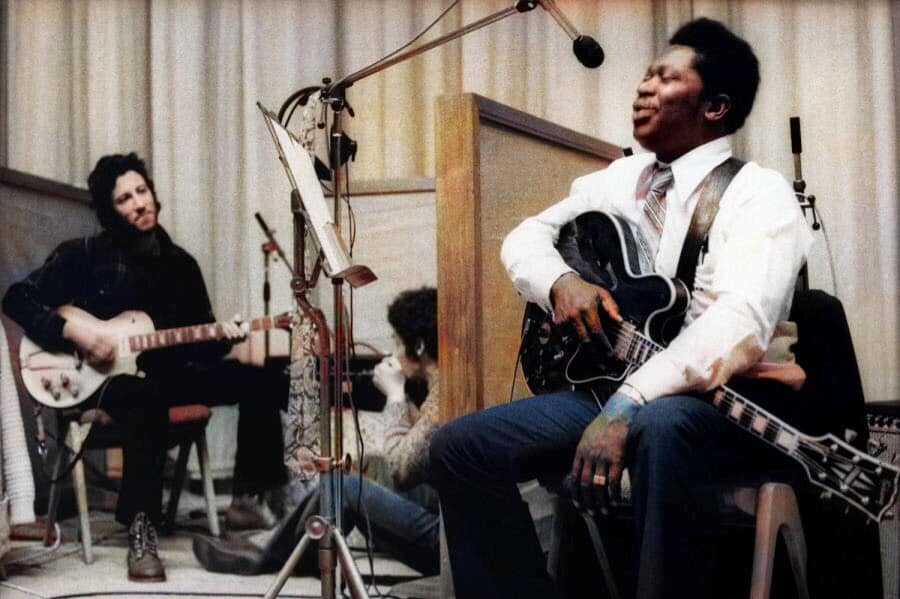
The Night B.B. King Played for the Inmates of Cook County Jail

In the sweltering heat of a September afternoon in 1974, the iron gates of the Cook County Jail groaned open, not for a prisoner, but for the King of the Blues himself. While the rest of the world was tuned into the neon pulse of disco or the burgeoning grit of stadium rock, B.B. King walked into a maximum-security prison with nothing but his soul-searing guitar, Lucille. The scene was far removed from the polished glitz of prime-time television or the gold-record walls of professional studios. Here, amidst the echoing concrete and the restless energy of men stripped of their freedom, a piece of musical history was forged in silence and steel.

Most musicians of the era were chasing the thrill of packed arenas, but B.B. King sought something far more raw. He knew that the blues was never meant to be a performance for the privileged; it was a mirror for the broken. As he plugged in his amplifier, the room went unnervingly quiet. These were inmates who had seen the worst of society, men whose lives were defined by the heavy weight of their choices. Yet, as the first notes of Lucille began to weep through the corridors, the prison walls seemed to dissolve. The music was not just an act of charity; it was a profound, guttural conversation between a man of immense fame and those who had lost everything.

What happened that day remains one of the most haunting experiences in music history. B.B. King played with a vulnerability he rarely showed on the polished stages of the American circuit. There was a desperate tenderness in his vibrato that seemed to cut through the cynicism of the crowd. He wasn’t playing for critics or chart positions; he was playing for the humanity that still flickered in the eyes of the incarcerated. In the hazy, smoke-filled air, the blues ceased to be a genre and became a sanctuary. The inmates, usually hardened by the brutality of their environment, were visibly moved, finding a rare moment of release within the strings of his Gibson.

This concert captured the very essence of the 1970s American experience, bridging the gap between the disenfranchised and the icons who spoke their language. It stands as a stark reminder of why the blues remains timeless. While the decade was defined by changing fashions and evolving sounds, the raw human pain and triumph that B.B. King communicated in that jail cell resonates just as deeply today. It serves as a testament to the idea that music can penetrate even the most fortified barriers, reaching the hearts of those deemed unreachable by the outside world.

Decades later, the recordings from that day still hold a haunting, atmospheric quality that feels like a ghost story from a bygone era. It serves as a poignant reminder that B.B. King was more than a superstar; he was a healer who understood that the blues is a life-long journey of empathy. As we look back at the archives of musical history, the legend of that afternoon at Cook County Jail continues to shimmer with a raw, unshakable light. It remains a powerful invitation to listen closer, feel deeper, and remember the man who played his heart out when it mattered most.

The Secret Midnight Bribe That Saved Frankie Valli’s 1967 Masterpiece

The year was 1967. The airwaves were shifting from the sugary innocence of early pop to the heavier, brass-infused soul of a changing America. Inside a smoke-filled boardroom, record executives sat in cold silence, listening to a track they deemed a disaster. To them, the song was too experimental, too loud, and entirely devoid of the radio-friendly polish that defined the era. They threw the master tapes aside, refusing to spend a single dime on promotion. But Frankie Valli, a man whose falsetto could pierce through the thickest tension of the sixties, knew he was holding something special. He knew that beneath the glossy veneer of the industry, there was a pulse that only the street-level listeners could truly feel.

At the time, the power of a hit record was not just about the melody; it was a battlefield of influence and backroom deals. When the suits walked away, the destiny of this masterpiece hung in a precarious balance. Driven by a desperate belief in his craft, a clandestine operation began. Under the cover of darkness, a secret midnight radio bribe was orchestrated. It was the kind of gritty, high-stakes maneuvering that defined the underside of the music business before the digital age sterilized the industry. The goal was simple: get the song onto the turntable while the station managers were asleep and the night-shift DJs were hungry for a spark.

As the needle dropped during those graveyard hours, the reaction was instantaneous. Listeners, caught off guard by the bold brass arrangements and the raw, emotional vulnerability in Frankie Valli’s delivery, began flooding the switchboards. By the time the sun rose over the city, a frenzy had ignited. The song became an overnight sensation, forcing the same executives who once sneered at the track to scramble for pressings to meet the overwhelming demand. It was a victory for the artist, a slap in the face to corporate arrogance, and a testament to the fact that soul often moves faster than spreadsheets.

This moment remains a quintessential artifact of the 1960s musical landscape, a time when a jukebox selection could change an artist’s trajectory forever. Frankie Valli was not just a singer; he was a survivor of a cutthroat era that demanded perfection yet feared innovation. Looking back, we see the echoes of this struggle in every artist who refused to let their vision die in a filing cabinet. It serves as a reminder that the most enduring classics are often the ones that had to fight the hardest just to be heard by the world.

Today, when we listen to the soaring highs of that voice, we aren’t just hearing a song; we are hearing the echo of a secret midnight gamble. We hear the triumph of a man who understood that music belongs to the people, not the boardrooms. The next time you find yourself lost in the golden age of American music, remember the story of Frankie Valli and the song that refused to stay buried. It is a timeless piece of history, proof that sometimes, the best stories are the ones hidden in the shadows of the studio.

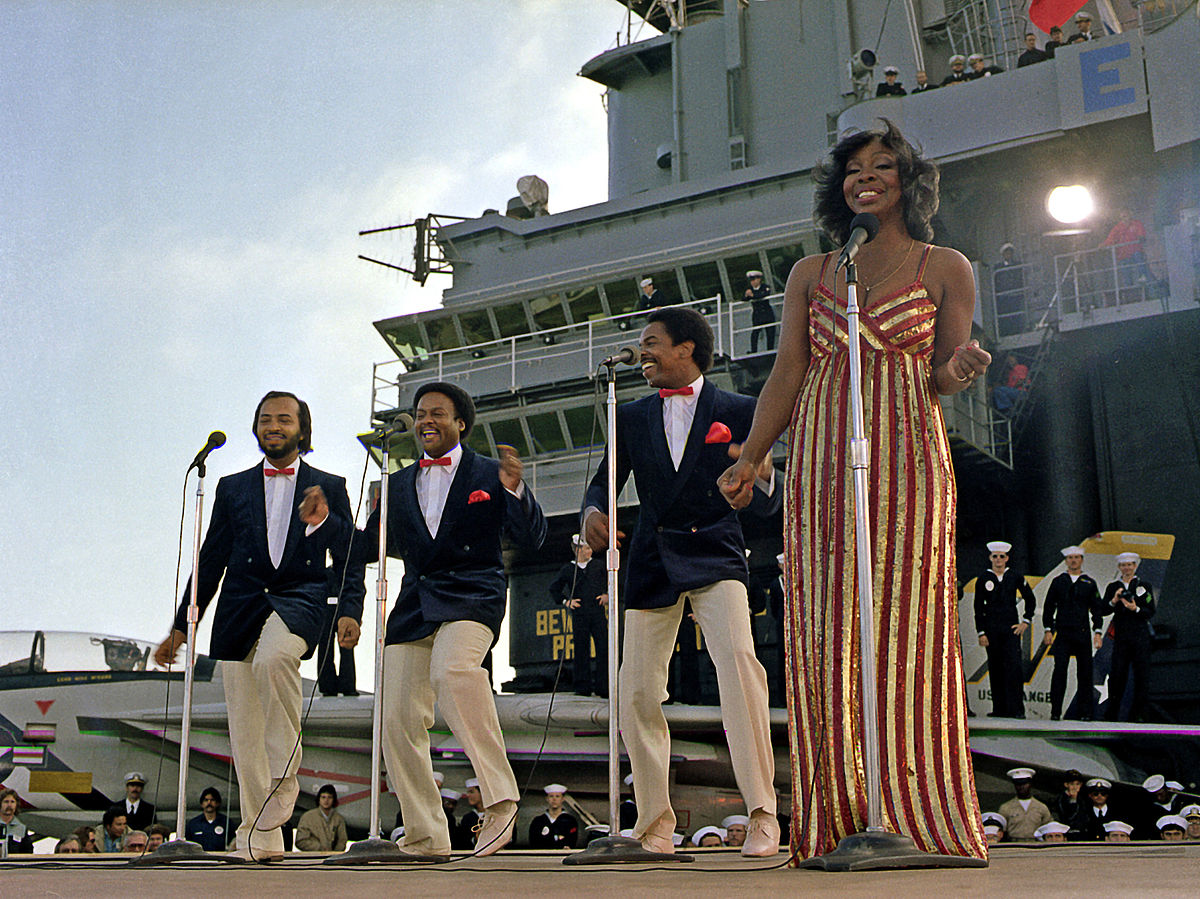
The Secret Phone Call Behind Gladys Knight and the Pips’ Midnight Train

It was 1973, a year when the golden glow of Motown was beginning to shift under the weight of changing cultural tides. In the heart of the recording studio, the air was thick with the scent of stale coffee and the electric hum of analog equipment, a sanctuary for those chasing the perfect sound. Gladys Knight and the Pips were at a crossroads, looking for a song that would define their legacy. What they didn’t know was that a casual, seemingly mundane phone call with actress Farrah Fawcett would inadvertently trigger a creative spark, leading to the birth of their greatest Grammy-winning masterpiece, Midnight Train to Georgia. It is the kind of cinematic origin story that makes the hair on your arms stand up, a reminder that the best art often blooms from the most unexpected whispers of conversation.

The magic of this era, characterized by the crackle of a vinyl record playing on a high-fidelity turntable, was rooted in collaboration and the messy, beautiful reality of human connection. Gladys Knight, known as the Empress of Soul, possessed a voice that could crack a heart wide open, but she needed the right vessel to carry that weight. When the track finally came together, it wasn’t just a song; it was a narrative of sacrifice and the longing for a simpler life, capturing the essence of the American Dream drifting away in the rearview mirror. The Pips provided the sophisticated, rhythmic backbone that allowed Gladys to soar, turning a simple story about a journey to Georgia into an anthem of profound emotional depth.

Looking back, it is fascinating to consider how the glamour of Hollywood, represented by icons like Farrah Fawcett, intersected with the grit and soul of the rhythm and blues scene. This was an age where stories weren’t just written; they were lived and felt. The song’s success didn’t come from a corporate boardroom strategy but from a genuine, organic spark. It resonates today because it speaks to a universal truth: the pain of letting go and the necessity of following one’s heart, even when it leads you away from the glittering lights of the big city and back to the quiet, dusty roads of home.

As the 1970s unfolded, the success of Midnight Train to Georgia solidified Gladys Knight and the Pips as legends who could bridge the gap between pop sensibilities and deep, soulful roots. They navigated the shifting landscape of radio airplay and the birth of MTV-era spectacles by staying true to a sound that felt lived-in and real. This was music for the late-night drive, the melancholic reflection, and the quiet celebration of endurance. Every time the opening piano chords drift from a speaker, it transports the listener back to that specific moment in 1973.

Today, the legacy of Gladys Knight and the Pips serves as a reminder that icons are forged in the quiet moments between the chaos. The story behind their greatest hit remains a testament to the serendipity of the creative process. So, the next time you find yourself listening to the smooth, haunting harmonies of this timeless track, remember the phone calls, the late-night studio sessions, and the unspoken magic that turned a simple conversation into an eternal piece of American musical history.

Salt-N-Pepa: How a Bathroom Recording Changed Hip-Hop History Forever

The year was 1987, a time when the rhythmic pulse of Hip-Hop was still finding its footing, heavily dominated by the voices of men who commanded the burgeoning airwaves. In a tiny, stiflingly cramped bathroom, two young women named Cheryl James and Sandra Denton—known to the world as Salt-N-Pepa—were huddled together with nothing but a microphone and a burning ambition. They were broke, tired, and desperate to cut costs, so they utilized the ceramic-tiled sanctuary as an impromptu recording booth. They had no idea that the raw, gritty energy they were capturing on that low-budget B-side would eventually shatter the glass ceiling of a male-dominated industry and change the trajectory of music forever.

At the time, the mainstream music world was obsessed with the glitz of MTV and the emerging synth-pop landscape, but the streets were vibrating with a different kind of power. Salt-N-Pepa were not just recording a track; they were crafting a manifesto for female empowerment that would soon reverberate far beyond the borders of New York City. The song, which was initially buried as a B-side, quickly took on a life of its own. It was authentic, unfiltered, and defiant, serving as a stark contrast to the polished, corporate-produced tracks that were slowly creeping onto the radio charts. This was the era of the boombox, and when that beat dropped, it became an anthem for a generation tired of being sidelined.

Looking back at that moment, it is easy to romanticize the struggle, but the reality was far grittier. Salt-N-Pepa faced endless rejection and the harsh skepticism of label executives who didn’t believe a female rap duo could hold a candle to the icons of the Golden Age of Hip-Hop. Yet, that claustrophobic bathroom recording served as their crucible. The acoustic constraints of the tiled room actually added a distinct, punchy resonance to their vocals, giving the track a unique edge that no professional studio could have perfectly replicated. It was a beautiful accident of art born from necessity, proving that the heart of music lies in the message, not the budget.

As the song exploded in popularity, Salt-N-Pepa transcended their status as mere performers to become cultural architects. They pushed boundaries, brought a fresh perspective to lyrical content, and paved the way for the women who would follow in their footsteps for decades to come. Their rise is a testament to the idea that genius often emerges from the shadows of obscurity. It is a reminder of a time when Hip-Hop was raw, dangerous, and incredibly exciting, long before the industry became fully commodified and digitized.

Today, when we spin these classic records, we are not just listening to music; we are witnessing a pivotal moment in cultural history. Salt-N-Pepa remind us that even the most legendary careers can start in the humblest of spaces. So, next time you hear their iconic beats, remember the cramped bathroom and the two women who decided, against all odds, to make their voices heard. Their legacy remains etched into the history of music, a vibrant, permanent fixture that continues to inspire us all to create something timeless.

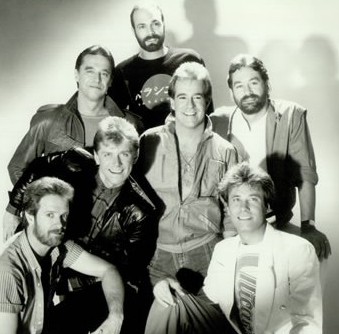
The Ruthless Decision That Saved Chicago: David Foster’s 1982 Gamble

The year was 1982, and the airwaves were undergoing a seismic shift. The gritty, horn-heavy rock that had defined the 1970s was being pushed aside by the sleek, neon-soaked pulse of the new decade. For the legendary band Chicago, the transition was proving fatal. Their commercial viability was fading fast, leaving them stranded in the shadow of their former glory. Enter David Foster, a producer with an ear for perfection and a reputation for cold-blooded efficiency. He didn’t just want to produce an album; he wanted to reinvent the sonic identity of a generation. What followed was a studio decision so ruthless that it would ripple through the band’s legacy, securing a massive number-one hit while simultaneously lighting the fuse for a permanent fracture within the group.

David Foster knew exactly what the charts demanded in the early eighties: the clinical precision of synthesizers. To achieve that polished sheen, Foster made a move that shocked the band members to their core. He systematically silenced the iconic brass section that had been the heartbeat of Chicago since their inception. For a band built on complex horn arrangements and jazz-fusion roots, this was perceived as an act of artistic betrayal. The brass section was not just an instrument; it was their identity. Yet, Foster stood his ground, demanding they conform to the burgeoning pop aesthetic of the era. He pushed them toward a smoother, ballad-focused sound, prioritizing melody and radio-friendly synthesizers over the raw, brassy grit that had built their empire.

The result was the smash hit ‘Hard to Say I’m Sorry,’ a song that catapulted Chicago back to the top of the Billboard charts and introduced them to a new audience of MTV-watching youth. It was a commercial triumph, a phoenix rising from the ashes of a dying career. However, behind the closed doors of the recording studio, the atmosphere was thick with resentment. The members of the band felt like pawns in David Foster’s grand experiment. Every note played on those synthesizers felt like a direct hit to the soul of the group. While the song played on every Walkman in America, the internal structure of Chicago was cracking under the weight of this creative compromise.

This tension reached a boiling point that arguably never fully cooled. The decision to prioritize the producer’s vision over the band’s signature sound created a power imbalance that plagued their future collaborations. It was the quintessential tragedy of the era: the clash between artistic integrity and the suffocating pressure of mainstream success. David Foster had effectively traded the band’s unique heritage for a seat at the table of modern pop, a trade that the members would debate for decades to come.

Today, when we look back at the soundscape of the early eighties, we hear the undeniable brilliance of that production. It is a snapshot of a time when the Jukebox gave way to the synthesizer, and bands were forced to evolve or perish. Yet, the story of David Foster and Chicago serves as a poignant reminder of the cost of fame. Sometimes, the price of a number-one hit is the very thing that made the artist special in the first place. As the synthesizers fade and the nostalgia hits, one cannot help but wonder: was the cost of the fracture truly worth the gold on the wall?