Frankie Vaughan: The 1958 Anthem That Defined a British Icon

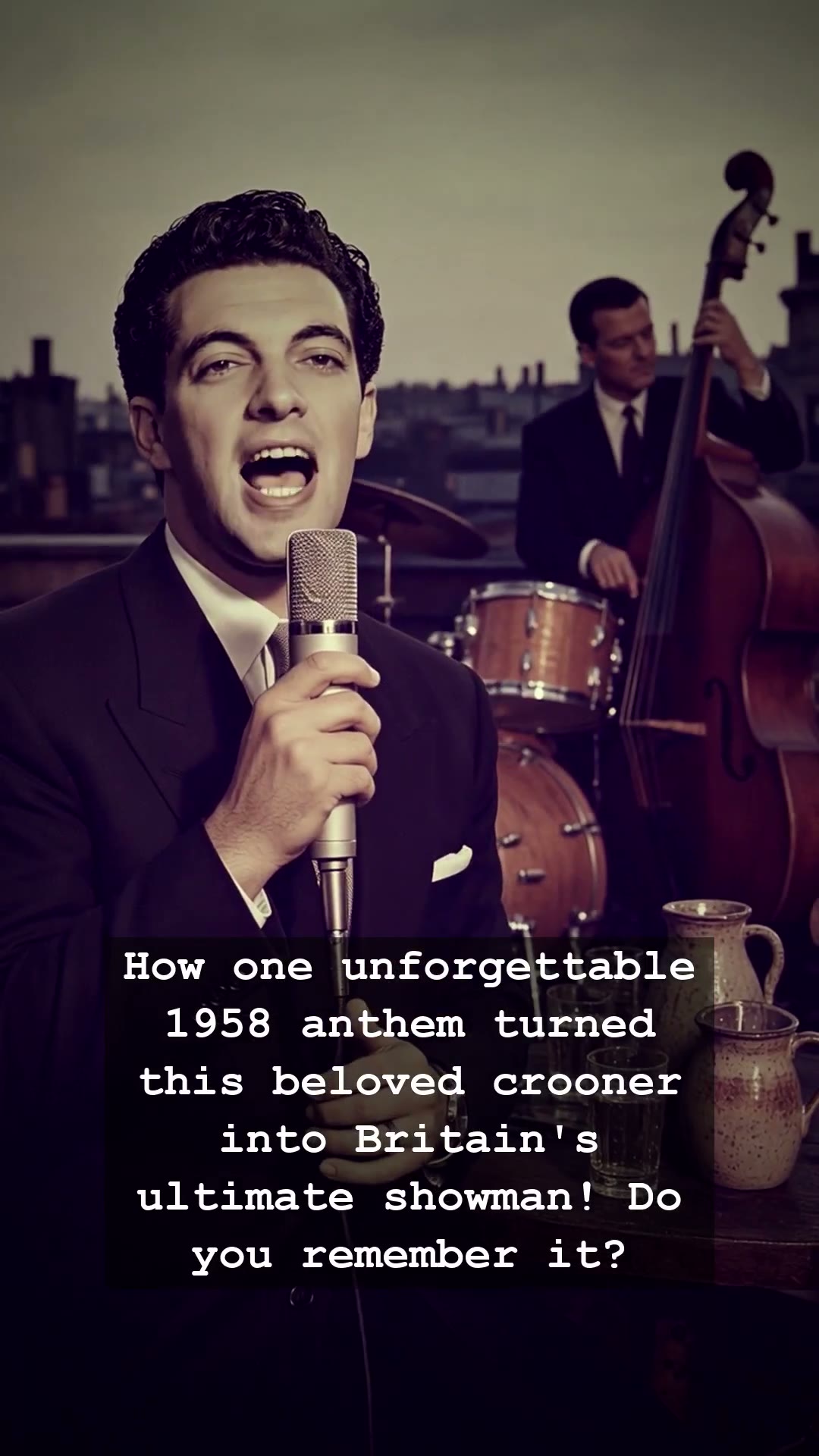
Picture the scene: it is 1958, a grey London evening, and millions of families are huddled around the telly or leaning in close to the wireless. A new sound is sweeping across the nation, yet one man stands apart from the rock and roll chaos. Frankie Vaughan, the suave crooner with a smile that could brighten the gloomiest British winter, captures the collective heart of the country with his unforgettable anthem, Give Me the Moonlight. It was not just a song; it was a cultural phenomenon that transformed a lad from the backstreets of Liverpool into the undisputed showman of his generation.

Born Frank Abelson, Frankie Vaughan rose from humble beginnings, bringing a touch of class and sophistication to the post-war music hall scene. While his peers were busy chasing the burgeoning teen trends, Frankie remained loyal to a grander tradition of showmanship. He was rarely seen without his trademark top hat and cane, a dashing figure that exuded pure, unapologetic joy. When he stepped onto the stage, he possessed a magnetic charisma that seemed to electrify the very air in the theatre, making every member of the audience feel as though he were singing directly to them.

Why did this specific track resonate so deeply? Perhaps it was because, in a world that was slowly beginning to realise the pace of modern life was accelerating, Frankie Vaughan provided a moment of sheer escapism. His voice, warm and resonant, became the soundtrack to parlour sing-alongs and ballroom dances. It was a simpler, more innocent era, and Frankie was the quintessential gentleman of song, holding court with a style that felt both timeless and comforting. He was our favourite showman, a man who bridged the gap between the fading music hall traditions and the shiny, new world of televised entertainment.

Beyond the glitz and the glamour, there was a genuine authenticity to Frankie Vaughan that fans adored. He was never one to shy away from his working-class roots, often using his fame to champion youth clubs and social causes. This sincerity shone through in every performance, whether he was recording in the hallowed halls of Abbey Road or commanding the stage during a televised BBC special. He understood the power of a melody to soothe the soul, and he wielded it with the precision of a master craftsman. Watching him work a crowd was akin to watching a magician; he held them in the palm of his hand with a cheeky wink and a perfectly timed dance step.

Even today, listening to the crackle of a vintage record brings back a flood of memories for those who grew up in that golden age of British pop. It is a reminder of a time when music felt personal, when a single crooner could unite a nation through the simple magic of a well-sung tune. Frankie Vaughan may have been the ultimate showman of 1958, but his legacy endures as a testament to the enduring power of charm. Do you remember the first time you heard him, or perhaps saw him tipping that iconic hat? It is a melody that continues to shimmer through the years, inviting us to look back with a fond, wistful smile.
The Walker Brothers: How One Stubborn Record Changed British Pop Forever

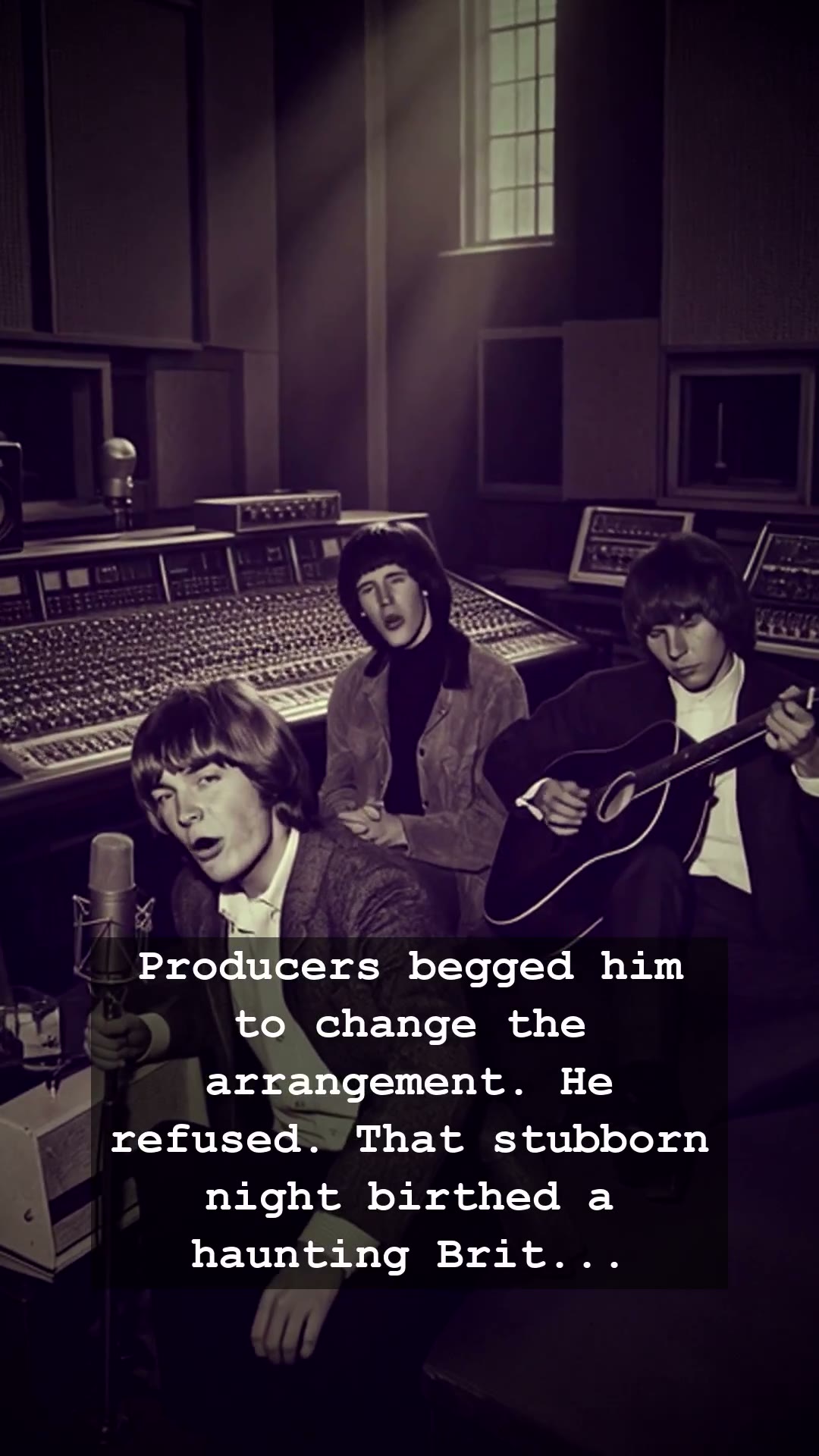
It was 1966, and the air in the London studio was thick with the scent of stale tobacco and the kind of tension that usually precedes a total creative collapse. Everyone expected a standard, upbeat pop tune, the sort of song that would sit comfortably on the Top of the Pops playlist between a cheeky Merseybeat number and the latest chart-topper. Yet, there sat The Walker Brothers, or rather, Scott Walker, with a vision that defied every rule in the book. Producers were absolutely livid; they begged him to reconsider, to change the orchestral arrangement, to stop being so difficult. But Scott was unmoved. He knew that if he bowed to the pressure, they would just be another fading group in a sea of identical acts. He refused to compromise, and in that stubborn, quiet moment of defiance, a haunting masterpiece was born.

That masterpiece, The Sun Ain’t Gonna Shine Anymore, remains one of the most evocative songs of the entire British Invasion era. It wasn’t just a hit; it was a shift in the cultural landscape. The Walker Brothers brought a dark, cinematic quality to the pop charts that no one else dared to touch. While other bands were busy trying to capture the sunny optimism of the early sixties, The Walker Brothers leaned into the shadows, offering a sophisticated, melancholic sound that resonated deeply with a generation beginning to realise that the world was a bit more complicated than the telly had led them to believe. It was moody, it was dramatic, and it was entirely, unapologetically their own.

Looking back, it is easy to see why the public fell in love with them. The Walker Brothers were an oddity in the best possible way—three Americans who found their true home in the grey, romanticised streets of London. They became icons of the era, regular features in the NME, and a favourite subject for teenage girls waiting outside the stage doors of the best gig venues in the country. Yet, behind the polished suits and the manufactured heartthrob image lay a genuine musical depth that set them miles apart from their contemporaries. They didn’t just sing songs; they lived them, infusing every note with a sense of longing that seemed to echo the very soul of mid-sixties Britain.

Their legacy is not just in the records they sold, but in the way they changed the expectations for what a pop group could achieve. By daring to be different, The Walker Brothers proved that commercial success didn’t have to come at the cost of artistic integrity. They invited us to look beyond the colour and the glamour of the pop world and find something a bit more human, and perhaps a bit more painful, underneath. It was a brave stance that has kept their music relevant for decades, ensuring that their records still hold a place of honour in any serious collection today.

Even now, listening to those sweeping strings and that unmistakable, baritone voice, one is transported back to a time when pop music felt like a grand, unfolding drama. It serves as a reminder that the best art often comes from those who are bold enough to stand their ground, even when the world is telling them they are wrong. If you ever find yourself wandering through the backstreets of London on a rainy afternoon, put on their greatest hits and let the music remind you why, sixty years later, we are still so captivated by the enduring mystery of The Walker Brothers.

The New Seekers: How a Fizzy Drink Jingle Captured the World

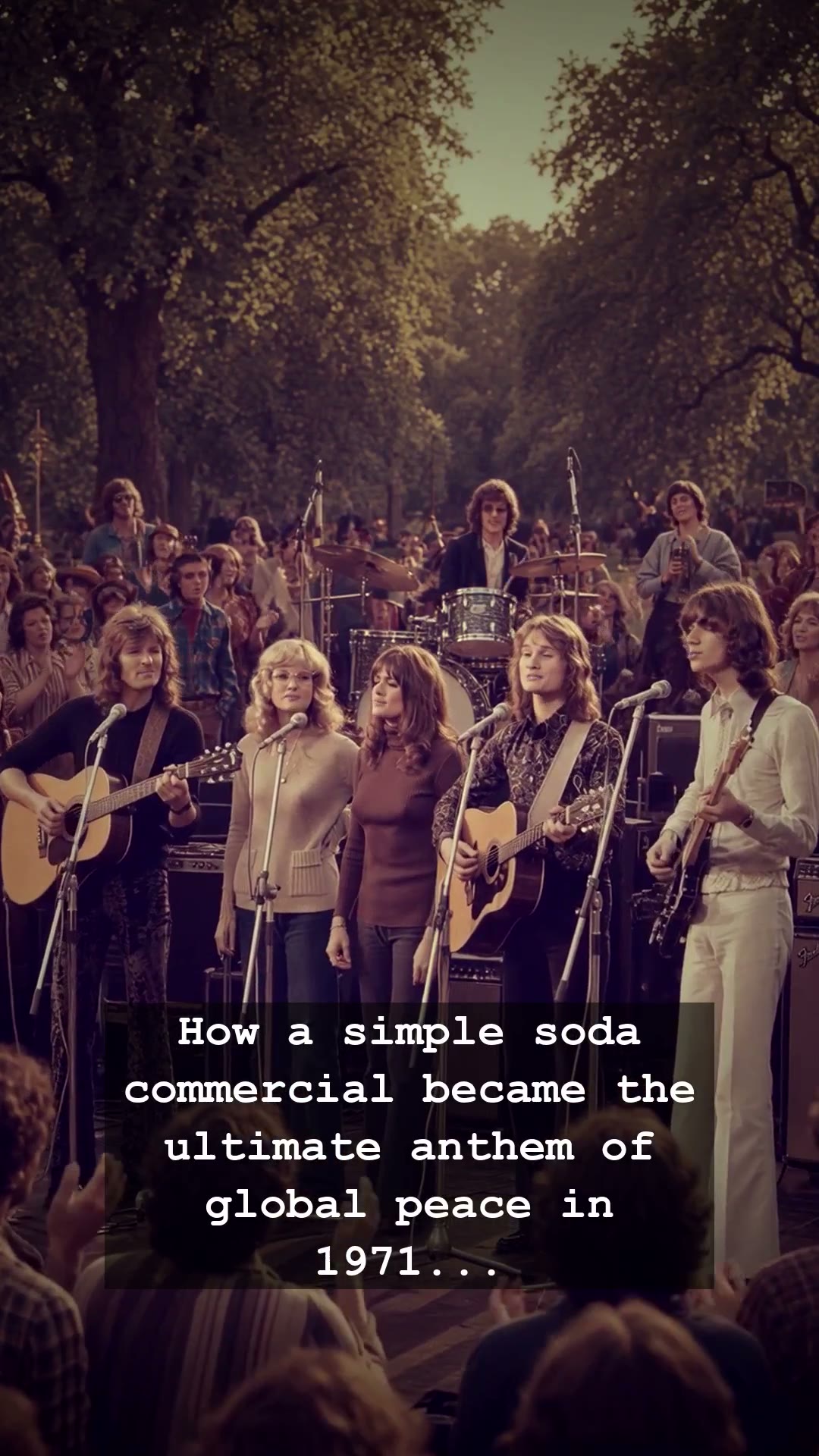
It was the summer of 1971, and British living rooms were bathed in the soft, flickering glow of the telly. Amidst the usual news cycles and drab afternoon programmes, something shifted. A jaunty, uplifting melody began to invade the airwaves, not from the top of the charts, but from the most unlikely of places: a Coca-Cola commercial. Little did we realise at the time that this sugary, effervescent jingle would soon transcend its commercial roots to become one of the most beloved anthems of the twentieth century. The New Seekers, that quintessential British vocal group, took a simple advertisement and transformed it into a global phenomenon known as I’d Like to Teach the World to Sing.

For those of us old enough to remember the era, the transition from the psychedelic experimentation of the late sixties to the polished, harmonious pop of the early seventies felt like waking up after a long, hazy dream. The New Seekers emerged during this transition, perfectly capturing the spirit of a generation that was beginning to trade its rebellious angst for a bit of communal sunshine. While the band had been grafting away on the circuit, it was this peculiar marriage of a corporate jingle and their wholesome, sunshine-drenched vocal harmonies that catapulted them into the stratosphere of pop royalty.

The backstory is nothing short of fascinating. Originally penned as a jingle by songwriters Naughty Bill Backer, Billy Davis, and Roger Cook, the melody was so infectious that radio stations across the UK were flooded with requests from listeners demanding to hear the full version. The New Seekers stepped into the studio, reimagining the short, punchy hook into a three-minute masterpiece of optimism. It was a time when the world felt a little bit colder, and the message of unity resonated with a public that was weary of the division that had defined the previous decade. When the single hit the shelves, it didn’t just climb the charts; it dominated them, bringing a splash of colour to a grey British winter.

Looking back, it is easy to dismiss such a song as mere bubblegum pop, but that would be a disservice to the sheer craft behind it. The New Seekers possessed a rare, effortless chemistry. Their ability to blend their voices into a singular, warm sound was the secret ingredient that turned a fizzy drink advert into a piece of cultural history. It became the soundtrack to our memories, played at weddings, school assemblies, and every village hall function up and down the country. It reminds us of a time when the music on the BBC felt like a shared experience, a collective heartbeat that pulsed through the nation.

Even today, if you catch the opening chords, you are instantly transported back to your childhood sitting room. It is a testament to the power of a simple, beautiful melody that stays with you for a lifetime. Whether or not you were a fan of the band, the legacy of The New Seekers remains etched into our cultural landscape. They didn’t just sell soda; they sold a fleeting moment of peace that, for a brief, glorious time, felt like it belonged to all of us. Do you still remember where you were the first time that song played on your wireless?

New Kids on the Block: When 1990 Pop Ruled the British Charts

It was 1990, and the British airwaves were undergoing a peculiar transformation. While we were all preoccupied with the gritty, rising sounds of the baggy movement and the early whispers of what would eventually become Britpop, something else was quietly—and then quite loudly—invading our living rooms. If you were huddled around the family telly on a Thursday evening watching Top of the Pops, you could not escape it. New Kids on the Block had arrived from across the pond, and for a fleeting, frenetic moment, they were absolutely inescapable.

Looking back, the arrival of New Kids on the Block felt like a jolt of technicolour in a rather grey landscape. We were accustomed to the moody post-punk sensibilities or the established rock gods, but suddenly, here were five teenagers from Boston, choreographed to within an inch of their lives, singing songs that felt tailor-made for every school disco in the country. Their sound was a polished, infectious synthesis of soul and pop that seemed to bypass the usual cynicism of the British music press. It was a proper spectacle, a polished American import that had teenagers across the UK swooning and parents raising a baffled eyebrow.

Yet, to dismiss them as merely a manufactured flash in the pan would be to ignore the sheer scale of their impact. When their hits started blasting on BBC Radio 1, they created a cultural divide. You were either in the camp of the screaming, poster-buying fans, or you were the older sibling rolling your eyes, waiting for the latest NME cover to tell you what was actually cool. It was a fascinating moment of pop-cultural friction. The members of New Kids on the Block became the faces of a global phenomenon that proved just how powerful the teenage pound could be when directed by a catchy hook and a well-timed television appearance.

Behind the glossy veneer, however, was a gruelling schedule that would have buckled most musicians. The pressure to maintain that perfect public image, to keep the harmonies tight, and to satisfy the constant demands of a ravenous media was immense. There were rumours of rifts and the inevitable exhaustion that follows such meteoric success. It was the classic tale of the music industry machine operating at full throttle, turning five young lads into a commodity that the world simply could not get enough of. They were the original blueprint for the boy bands that would dominate the decade to follow.

Today, hearing their records brings back that very specific, slightly surreal feeling of 1990. It is a nostalgic reminder of a time before the digital age, when you had to wait for the music video to appear on the telly or rush to the record shop to grab the latest single. Whether you loved them or loathed them, New Kids on the Block undeniably left their mark on our musical heritage. Do you remember where you were the first time you heard them? It is a memory that, for many of us, still carries a certain, undeniable charm.

Don McLean and the Tragic Secret of The Day the Music Died

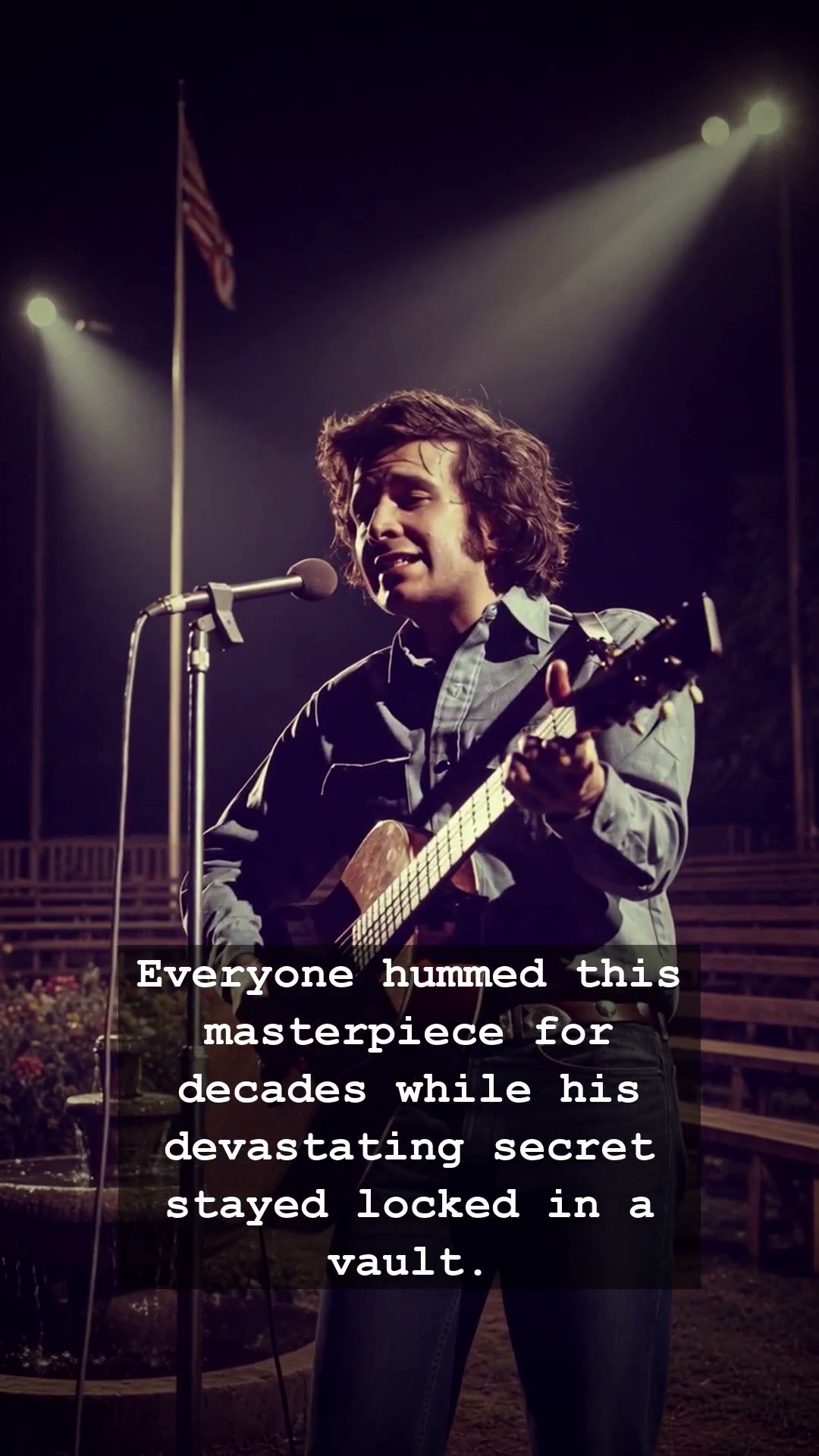
For decades, it has been the ultimate musical riddle, a cryptic anthem that sent us all rushing to our record players to dissect every single lyric. Don McLean’s 1971 masterpiece, American Pie, became the soundtrack to a generation, a sprawling, eight-minute epic that captured the collective mourning of a culture. We all hummed the chorus whilst sat by the wireless, wondering what exactly happened on that cold February night in 1959. Yet, for years, the true, devastating secret remained locked behind a vault door, hidden away from the prying eyes of the music press and the frantic gossip of NME readers.

It was the tragedy that defined the end of the innocence for the rock and roll era. When the light plane carrying Buddy Holly, Ritchie Valens, and The Big Bopper crashed into that Iowa field, the world felt as though it had ground to a shuddering halt. Don McLean, then just a young man, was profoundly affected by the loss of his idols. He didn’t just hear the news; he internalised it, carrying the weight of that silence for over a decade before putting pen to paper. Whilst many fans debated the hidden meanings of the jester and the King, the core of the song was a deeply personal, raw exploration of how it feels when your favourite melody suddenly vanishes into the ether.

The real shock came not from the song itself, but from the revelation of the original manuscript. When the lyrics went under the hammer years later, the world finally got a glimpse into the creative process of Don McLean. The notes revealed a man grappling with grief, trying to make sense of a world that felt grey and colourless without the vibrancy of those early rock pioneers. It wasn’t merely a nostalgic trip; it was a desperate attempt to realise the finality of death in a medium that is meant to last forever. The public had been obsessed with the symbolism for ages, but the reality was far more human and far more fragile.

Looking back, it is easy to see why American Pie resonated so deeply across the UK. We were a nation in transition, moving from the skiffle craze into the bold new dawn of the British Invasion. We understood what it meant to hold onto a piece of music as if it were a life raft. When Don McLean sang about the music dying, he tapped into a universal anxiety that we all feel when our cultural icons fade away. It was a moment of profound vulnerability that turned a simple folk singer into an unlikely prophet of pop culture.

Today, the legacy of that song continues to shimmer with a bittersweet glow. Every time we hear that opening piano chord, we are transported back to a time when music felt like it could change the world, or at least keep the darkness at bay. Don McLean gave us a treasure map to our own sense of loss, and whilst the mystery has been unveiled, the magic of the song remains entirely intact. It is a testament to the fact that even the most devastating secrets, once shared through a melody, can eventually find their way home.

David Cassidy: The Telly Idol Who Shocked Britain

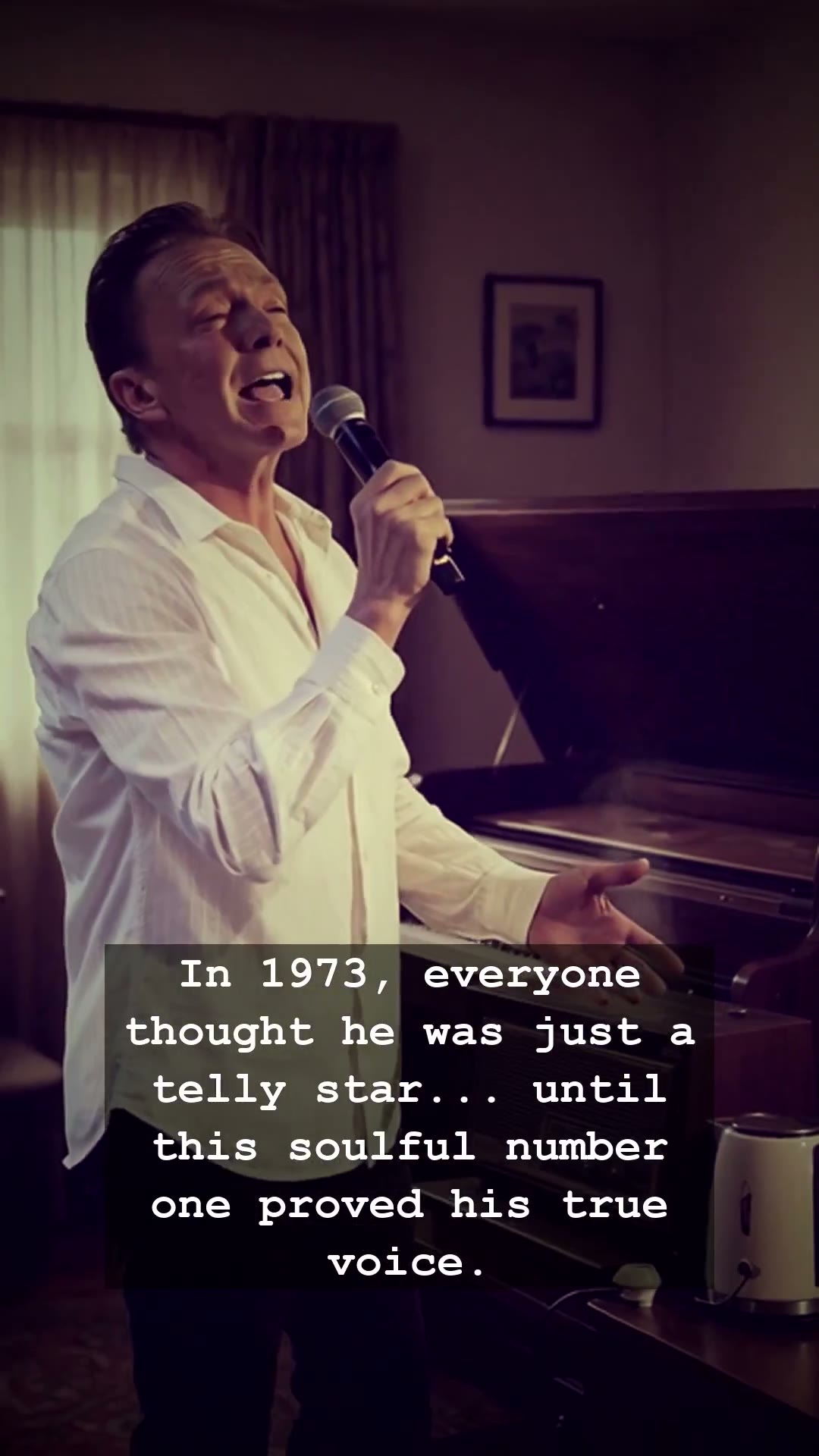
Back in the vibrant early nineteen-seventies, millions of British households would huddle around the glowing telly every single week to watch The Partridge Family. At the very centre of this pop phenomenon was David Cassidy, a fresh-faced American lad with a mop of shaggy hair and a smile that launched a thousand teenage crushes. To the casual observer and the sharp-tongued music critics of the Fleet Street press, he was merely a manufactured television idol—a poster boy churned out by Hollywood to sell records to star-struck schoolgirls, completely devoid of any genuine artistic grit or musical soul.

Yet, beneath the glossy sheen of teen magazine spreads and screaming fans camped outside London hotels, a fierce ambition burned. David Cassidy was desperate to shed the shackles of his bubblegum pop image and prove he was a serious musician capable of real depth. The British public, fiercely loyal to their own homegrown rock legends, were initially sceptical. They viewed him as a slick import, a fleeting fad manufactured in a studio rather than a true artist forged in the smoky pubs and sweaty gig venues scattered across the nation.

Then came the seismic turning point of nineteen-seventy-three. David Cassidy stepped into the recording booth and dropped a haunting, soulful number one hit that utterly silenced every single detractor across the United Kingdom. It was a stunning cover of The Association’s Cherish, delivered with a raw, trembling vulnerability that caught the entire music establishment completely off guard. This was no longer just a pretty face lip-syncing for the cameras; this was a bruised, genuine voice baring its soul for the entire country to hear on BBC Radio 1.

The single soared straight to the top of the UK charts, sparking mass hysteria that transcended the usual teenage demographic. Even the most hardened cynics down at the local boozer had to quietly admit the bloke could actually sing. It was a sweet taste of validation for a young man who had spent years hiding behind a fictional television persona, desperately yearning to be taken seriously as a solo recording artist of true substance.

Looking back across the decades, that landmark moment remains a brilliant reminder of the sheer prejudice face-value fame can attract. David Cassidy proved that underneath the frantic screams and the colourful merchandising, there was a legitimate talent waiting to break free. His incredible journey still resonates deeply with anyone who remembers rushing home from school to catch Top of the Pops on a Thursday evening.

Though the screaming crowds have long since faded into quiet memory, the magic of that nineteen-seventy-three triumph endures. It captures a simpler, golden era of British pop culture when a single song on the radio had the power to unite a nation and rewrite a man’s legacy overnight. Have you got a favourite memory of spinning those classic records on your old stereo back in the day?

Anthony Newley and the Dark Magic of the Golden Ticket

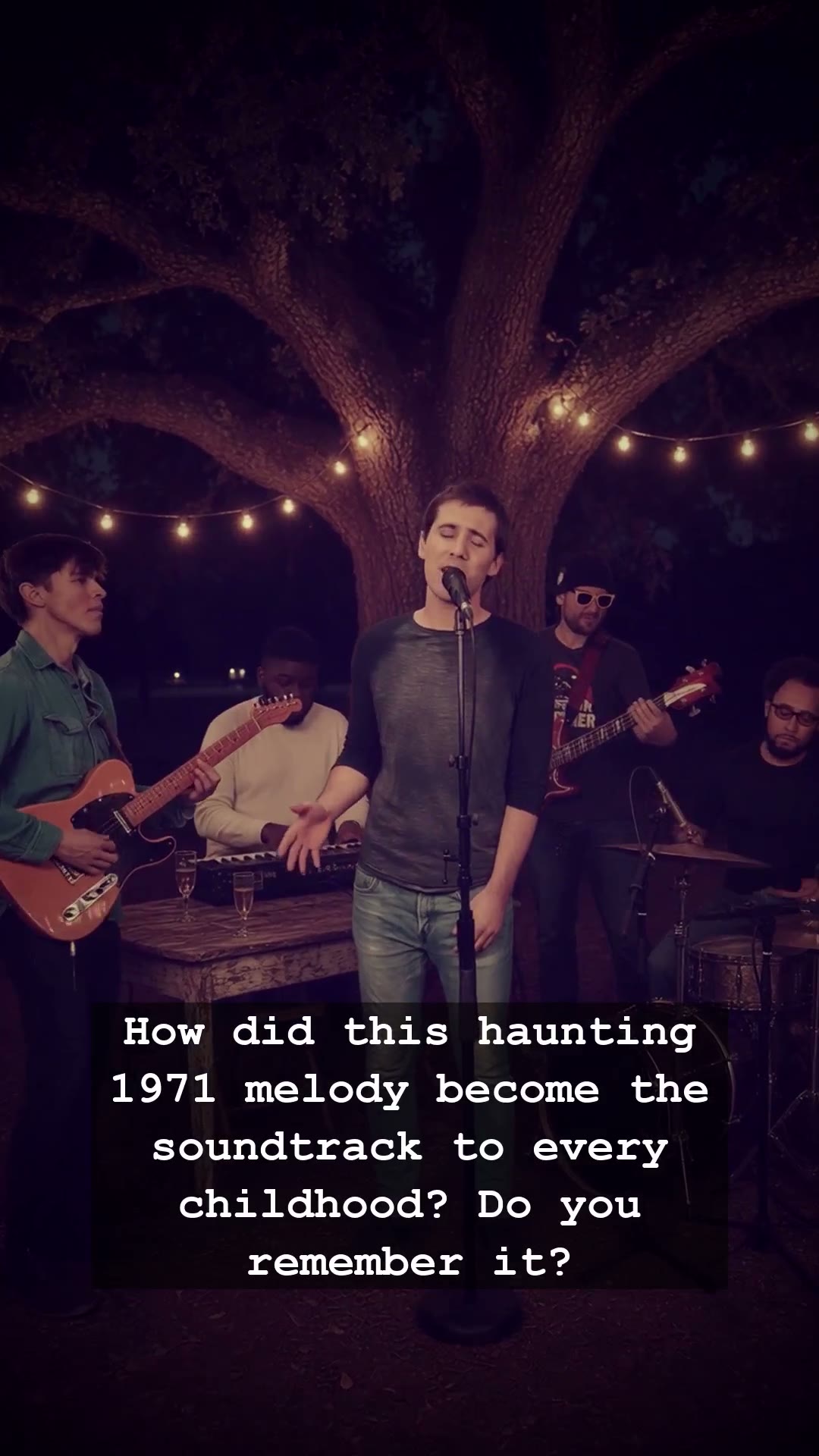
Picture the scene: it is a chilly Sunday afternoon in front of the telly, the gas fire is humming, and those haunting, shimmering notes drift into your living room. How did a melody from 1971 about a golden ticket become the ultimate soundtrack to childhood? For millions across Britain, the song Pure Imagination from Willy Wonka and the Chocolate Factory feels less like a film tune and more like a cherished memory from a simpler time. Yet behind its sweet façade lies the restless, brilliant, and deeply complex soul of Anthony Newley, a man whose life was every bit as dramatic as the songs he crafted.

Born in Hackney during the Blitz, Anthony Newley clawed his way up from the East End pavements to become one of Britain’s most magnetic entertainers. By the 1960s, he was a West End sensation, a pop-chart regular, and an icon of the burgeoning Mod-adjacent theatrical scene. He brought a distinctively British cheeky charm and a raw vulnerability to everything he touched. But Newley was never entirely comfortable in his own skin; he was driven by a relentless ambition and a tortured romanticism that often alienated the very people who loved him.

When the producers of the 1971 film adaptation of Roald Dahl’s book came calling, they needed a musical number that could bridge the gap between Dahl’s dark, subversive fairy tale and the innocent wonder of childhood. Anthony Newley, working alongside his long-time collaborator Leslie Bricusse, delivered a masterpiece. When Newley stepped up to the microphone to voice the enigmatic confectioner, he poured his own yearning into every single note. That famous vocal delivery—whisper-soft, trembling on the edge of tears, yet dripping with theatrical grandeur—was pure Anthony Newley. He did not just sing about a world of pure imagination; he invited us into the melancholy corners of his own mind.

It is fascinating to realise how this single song transcends the film it was written for. While Gene Wilder’s gentle on-screen delivery is what most of us picture, it was Anthony Newley’s compositional genius and theatrical DNA that birthed the magic. The melody lingers because it balances boundless joy with a profound sense of loss—a bittersweet combination that defined British pop culture in the post-war decades. Long before the era of Britpop swagger or synth-pop gloss, Anthony Newley understood that the best tunes always carried a touch of heartbreak.

Decades later, hearing those opening chords still transports us straight back to the carpet, clutching a mug of tea while mum made Sunday roast. Anthony Newley may have lived a tumultuous life filled with stormy marriages and fading spotlights, but he left behind a golden ticket of his own. Whenever that haunting melody plays, we are all children again, wandering through a corridor of sweet nostalgia, wondering what marvels might wait just around the next bend.

When Russ Conway Shocked Elvis Presley Off Number One

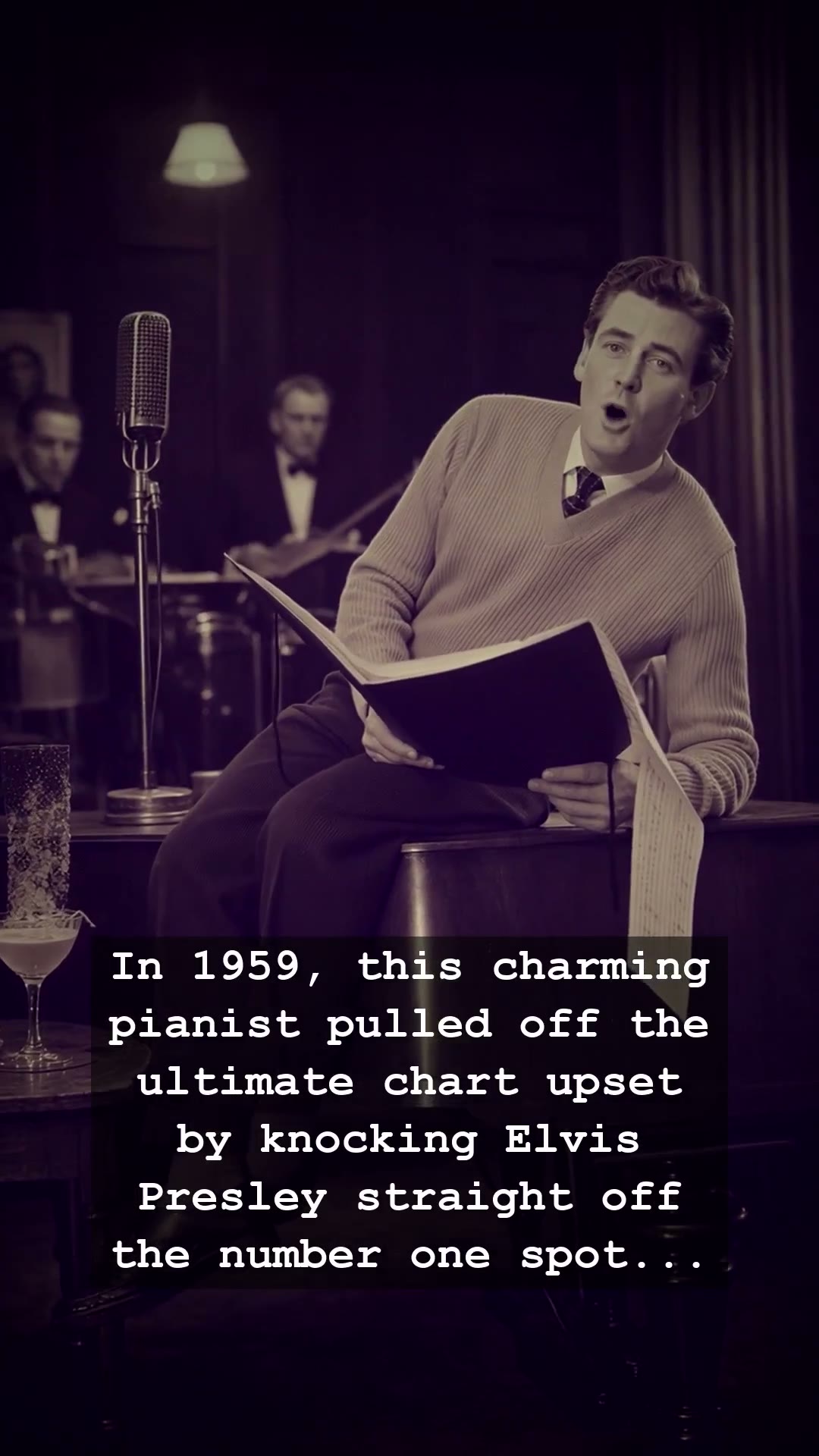
Picture the scene in 1959. Families across Britain would huddle around the glowing wooden cabinet of the telly, awaiting their favourite weekend light entertainment. The airwaves belonged to rock and roll royalty, and the undisputed king was Elvis Presley, whose hips had sent shockwaves through a conservative postwar nation. Yet, in a bizarre twist of fate that still baffles music historians today, the leather-clad American idol was suddenly dethroned not by a fellow rebel, but by a polite, smiling gent sitting quietly at a grand piano. His name was Russ Conway, and his cheerful, bouncy tunes completely hijacked the UK charts.

Born Trevor Stanford in Bristol, Russ Conway adopted his stage moniker and cultivated a wholesome persona that felt comforting to a Britain still healing from the Second World War. With his trademark slicked-back hair and an approachable grin, he was the sort of chap you would gladly invite round for a cup of tea. But behind that unassuming exterior lay a formidable musician with an extraordinary knack for penning an infectious melody. In early 1959, he released Side Saddle, a jaunty, piano-led instrumental that sounded entirely out of step with the gritty youth movements brewing in underground London clubs.

At the time, pop music was shifting gears, yet the mainstream charts remained a battleground of fierce competition. When Side Saddle began climbing the Hit Parade, few insiders gave it a prayer against the global phenomenon of Elvis. Yet, week by week, record buyers up and down the country rushed to their local high street shops to secure a copy. Mum, dad, and the kids were all humming the tune. To the absolute astonishment of the music industry establishment, Russ Conway managed to pull off the ultimate chart upset, knocking the Presley juggernaut straight off the number one spot and claiming the crown for himself.

It was a surreal moment in British pop culture history, proving that the nation still held a soft spot for traditional light entertainment alongside the dangerous new sounds crossing the Atlantic. Russ Conway followed this triumph with other cheerful hits like Trapeze, cementing his status as a household favourite. He became a familiar face on BBC variety shows, often playing with an effortless charm that masked the chronic health battles he fought behind the scenes. Despite suffering from severe phlebitis and later battling cancer, he maintained his bright public disposition, earning the deep affection of both his peers and his loyal fans.

Reflecting on that golden era today, the story of Russ Conway feels like a charming relic from a bygone age of innocence. In an era dominated by algorithmic streaming and hyper-produced pop, it is rather lovely to remember a time when a simple, upbeat piano melody could conquer the entire country. The next time you fancy a trip down memory lane, put on a bit of Russ Conway and realise just how much musical magic can happen when a humble pianist decides to steal the show.

When Frank Sinatra Triggered Brutal British Pub Brawls

Picture the scene in a packed local British boozer back in the mid-twentieth century. The air is thick with cigarette smoke, the clinking of pint glasses fills the room, and the wireless set in the corner is humming quietly. Suddenly, a soaring, velvet-smooth American voice cuts through the chatter, and within seconds, absolute chaos erupts. Pints are flying, chairs are smashed, and normally polite regulars are trading heavy blows. It sounds like an unlikely cinematic exaggeration, yet it is a genuine slice of music history involving none other than the legendary crooner Frank Sinatra himself.

It turns out that Frank Sinatra harboured a fierce, lifelong hatred for one of his biggest global hits, a song he reportedly came to loathe with every fibre of his being. He found the arrangement sickly sweet and utterly beneath his artistic dignity, famously begging producers to let him bury the master tapes. Yet, despite his profound personal disgust for the track, the British public took it to their hearts in the most violent way imaginable. Across the UK, this unexpected anthem secretly morphed into a dangerous national obsession, soundtracking countless late-night arguments over beer and darts.

To understand this bizarre phenomenon, we have to look at how music consumed the post-war British soul. People were desperate for an escape from the grey austerity of daily life, tuning into pirate radio stations and gathering around the telly on a Saturday night for comfort. When Frank Sinatra delivered his sweeping vocals, it struck a deep emotional chord, evoking a glamorous, technicolour world far removed from the rainy streets outside. But when played on a crackling jukebox in a boisterous East End pub after a few too many pints, the song’s melancholic romanticism often proved too potent for a rowdy crowd.

Tempers would fray over whether Frank Sinatra was a musical genius or a glossy pop interloper, and fierce arguments would quickly escalate into full-scale pub brawls. Landlords frequently pulled the plug on the jukebox in sheer desperation, trying to restore order before the local bobby turned up at the door. It was a fascinating paradox where the smoothest voice in twentieth-century music inadvertently sparked some of the roughest punch-ups on British soil. The contrast between the pristine elegance of Frank Sinatra and the bruised, bloody reality of a Saturday night scrap is a wonderfully surreal piece of cultural folklore.

Decades later, the shockwaves of those chaotic pub nights have faded into warm nostalgia, but the mystique surrounding Frank Sinatra and his reluctant masterpiece remains entirely intact. Whenever old mates gather for a quiet pint today, someone is bound to spark a debate about his golden era, raising a glass to the man who could melt hearts and break noses all with a single song. It is a brilliant reminder of the sheer, unpredictable power that music once held over everyday lives. Have you ever wondered what record would cause a riot in your local today?

Bobby Darin and the Dark Murder Ballad That Shocked the Charts

Picture the scene across British living rooms in the late nineteen-fifties. Families gathered round the telly on a Saturday night, humming along to safe, cheerful pop tunes that smelled faintly of hair pomade and cheap scent. Yet beneath that shiny, polished surface, popular culture was about to take a rather grim turn. Enter Bobby Darin, a young American upstart with a sharp suit, a cheeky grin, and an absolute determination to bend the music industry to his own rebellious will. While everyone expected him to churn out another breezy crowd-pleaser, he had his eye on something far more sinister.

The bone of contention was an old, bloody folk song about a razor-wielding villain named Mack the Knife. When Bobby Darin first suggested recording a slick swing arrangement of this Victorian murder ballad, record executives practically fell off their chairs in horror. They begged him to scrap the project, warning him that a jolly tune about throats being slashed was far too dark for daytime radio and commercial airplay. They insisted it would completely ruin his gleaming public image and send his career plummeting straight down the drain.

Instead of playing it safe, Bobby Darin completely ignored their panicked warnings and risked everything on a hunch. He marched into the studio, dialled up the dramatic tension with a creeping brass section, and delivered a vocal performance dripping with effortless swagger. When the track finally hit the airwaves, the establishment realised they had severely underestimated the public appetite for a bit of theatrical danger. The record soared to the top of the charts with unstoppable momentum, proving that shock value paired with sheer musical brilliance is a winning formula.

Looking back from our modern vantage point, it is easy to see why this audacious gamble paid off so handsomely. Bobby Darin did not just record a catchy tune; he captured a dark, rebellious spirit that resonated deeply with restless teenagers sneaking a listen under the bedcovers. That swinging rhythm contrasted brilliantly with the gruesome lyrics, creating a delicious tension that kept listeners glued to their wireless sets. It was a masterclass in artistic defiance that fundamentally changed what artists could get away with on mainstream radio.

The triumph culminated in a glorious Grammy win that left the cautious studio bosses scratching their heads in disbelief. Bobby Darin had proven that trusting one’s own creative gut instinct always trumps bowing to corporate fear. Decades later, that infectious brass riff still echoes through film soundtracks and vintage playlists, reminding us of a time when pop stars actually dared to ruffle a few feathers. Next time you fancy a trip down memory lane, stick on the record, pour yourself a proper cup of tea, and remember the fearless bloke who turned a bloody murder mystery into pure gold.