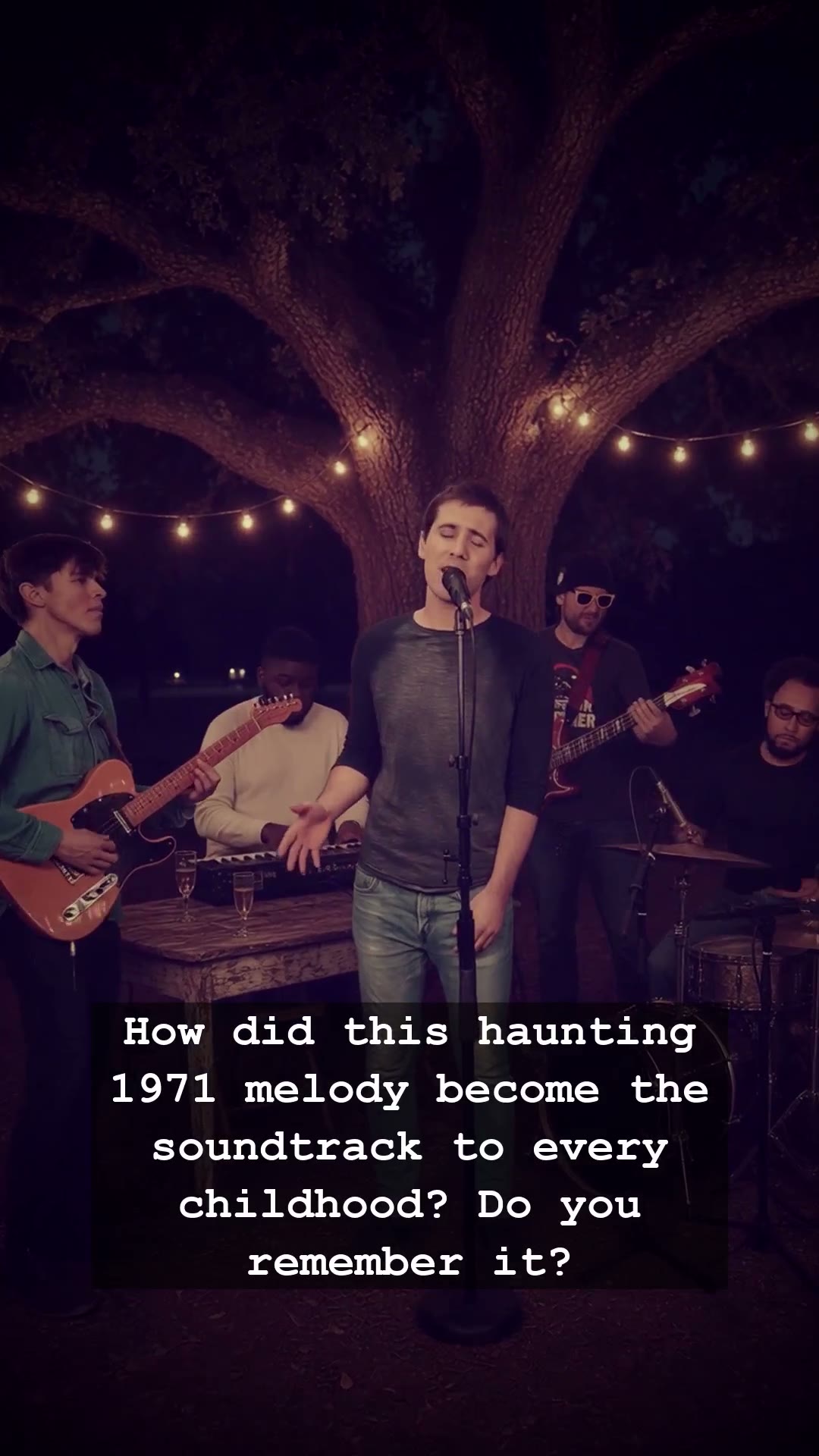
Picture the scene: it is a chilly Sunday afternoon in front of the telly, the gas fire is humming, and those haunting, shimmering notes drift into your living room. How did a melody from 1971 about a golden ticket become the ultimate soundtrack to childhood? For millions across Britain, the song Pure Imagination from Willy Wonka and the Chocolate Factory feels less like a film tune and more like a cherished memory from a simpler time. Yet behind its sweet façade lies the restless, brilliant, and deeply complex soul of Anthony Newley, a man whose life was every bit as dramatic as the songs he crafted.
Born in Hackney during the Blitz, Anthony Newley clawed his way up from the East End pavements to become one of Britain’s most magnetic entertainers. By the 1960s, he was a West End sensation, a pop-chart regular, and an icon of the burgeoning Mod-adjacent theatrical scene. He brought a distinctively British cheeky charm and a raw vulnerability to everything he touched. But Newley was never entirely comfortable in his own skin; he was driven by a relentless ambition and a tortured romanticism that often alienated the very people who loved him.
When the producers of the 1971 film adaptation of Roald Dahl’s book came calling, they needed a musical number that could bridge the gap between Dahl’s dark, subversive fairy tale and the innocent wonder of childhood. Anthony Newley, working alongside his long-time collaborator Leslie Bricusse, delivered a masterpiece. When Newley stepped up to the microphone to voice the enigmatic confectioner, he poured his own yearning into every single note. That famous vocal delivery—whisper-soft, trembling on the edge of tears, yet dripping with theatrical grandeur—was pure Anthony Newley. He did not just sing about a world of pure imagination; he invited us into the melancholy corners of his own mind.
It is fascinating to realise how this single song transcends the film it was written for. While Gene Wilder’s gentle on-screen delivery is what most of us picture, it was Anthony Newley’s compositional genius and theatrical DNA that birthed the magic. The melody lingers because it balances boundless joy with a profound sense of loss—a bittersweet combination that defined British pop culture in the post-war decades. Long before the era of Britpop swagger or synth-pop gloss, Anthony Newley understood that the best tunes always carried a touch of heartbreak.
Decades later, hearing those opening chords still transports us straight back to the carpet, clutching a mug of tea while mum made Sunday roast. Anthony Newley may have lived a tumultuous life filled with stormy marriages and fading spotlights, but he left behind a golden ticket of his own. Whenever that haunting melody plays, we are all children again, wandering through a corridor of sweet nostalgia, wondering what marvels might wait just around the next bend.