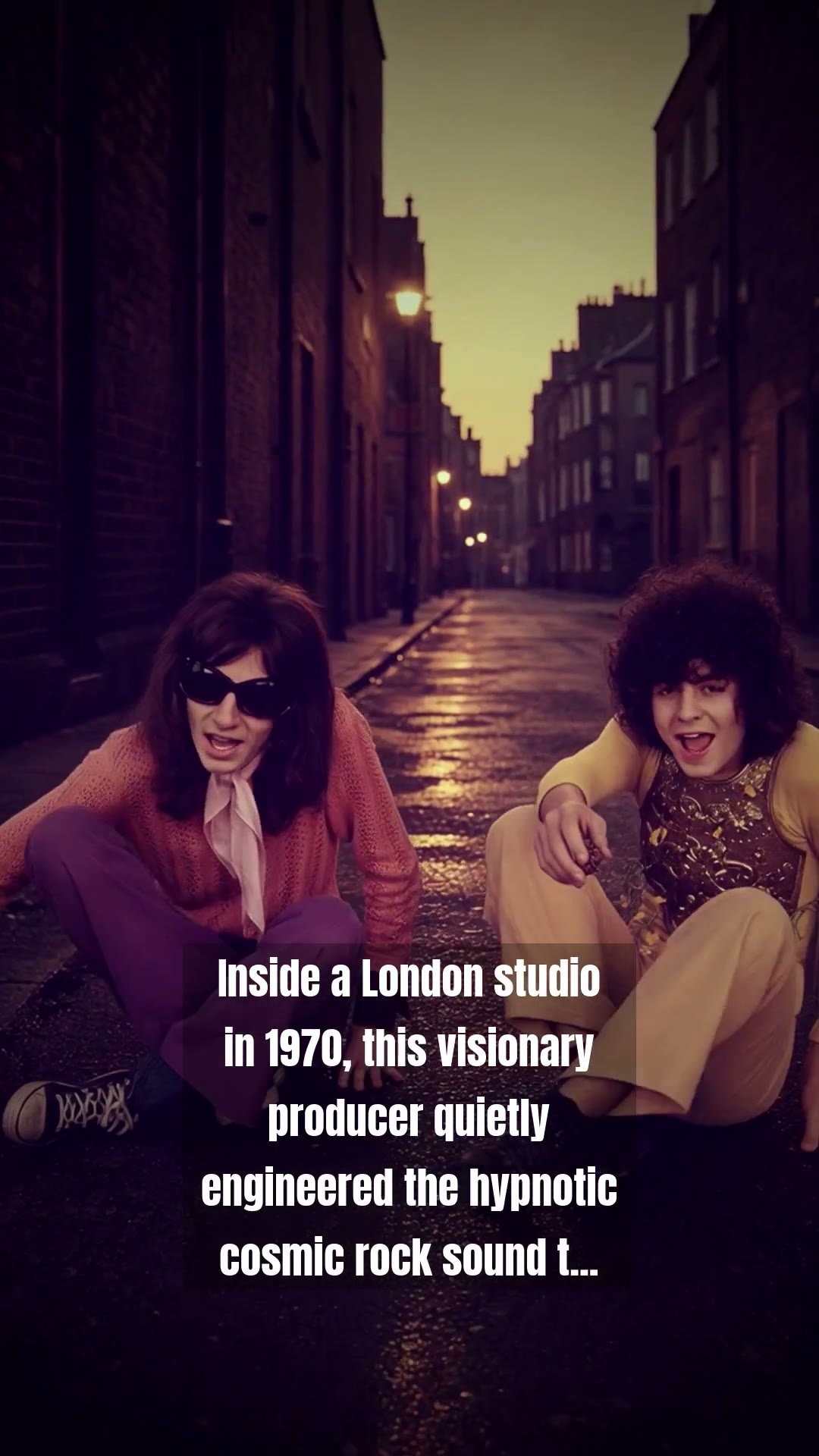
Picture the scene: London, 1970. The air in the studio is thick with the scent of cheap cigarettes and the electric hum of vintage valve gear. Inside, two men are huddled over a mixing desk, completely oblivious to the fact that they are about to shift the tectonic plates of British music. Marc Bolan, the pint-sized peacock of rock and roll, was desperate to ditch his folk-tinged acoustic roots. Beside him stood Tony Visconti, a producer whose meticulous ear for texture would soon become the backbone of an entire generation’s sound. They were not just making a record; they were crafting a new reality, one shimmer of stardust at a time.
Bolan had the vision, a glitter-dusted dream of cosmic warriors and electric boogie, but it was Tony Visconti who knew how to translate those flamboyant daydreams into a sonic masterpiece. It is easy to forget today that before their collaboration, rock music was becoming a bit too earnest, a bit too heavy. Visconti realised that to truly capture Bolan’s magic, he had to layer the guitars with a precision that was almost surgical, creating a hypnotic, pulsating wall of sound that felt both intimate and grand. They were pushing the limits of the four-track machines, treating the studio as an instrument rather than just a place to record, and the result was nothing short of revolutionary.
When the first notes of that signature T. Rex sound hit the wireless, the British public did not just listen; they were transfixed. For the teenagers huddled around the telly watching Top of the Pops, it felt like the world had suddenly changed colour. Marc Bolan was no longer just a musician; he was an alien emissary, and Tony Visconti was the man who ensured his message sounded perfect. Their partnership was a lightning strike of creative tension, a collision between the wild, unpredictable charisma of a star and the cool, calculated brilliance of a studio visionary.
Yet, this was more than just technical wizardry. It was about the drama of the era. The glam rock movement, spearheaded by this duo, provided a much-needed escape from the grey, post-war gloom that still clung to parts of Britain. Bolan and Visconti understood that music needed to be an event, a spectacle that demanded your full attention. Whether it was the intricate layering of backing vocals or the punchy, distorted riffs that became the hallmark of every favourite hit from the period, their influence remains stitched into the very fabric of British rock history.
Even now, when you spin those classic records, you can still feel the palpable energy they captured in that London studio. It is a reminder that some of the greatest shifts in culture are born from quiet moments of intense collaboration behind closed doors. Tony Visconti and Marc Bolan changed the way we listen to rock, proving that with a little bit of wizardry and a whole lot of imagination, you can define an entire era. It is a timeless legacy, and one that still sounds just as vital today as it did when it first shook the foundations of our favourite radio stations.