Stevie Wright: How Little Stevie Defied the Radio Rules for Good

Back in the mid-seventies, if you were a musician in Australia, you knew the drill. You wrote a punchy three-minute tune, you kept it catchy, and you prayed to the radio gods that it would find a spot on the morning rotation. Industry suits were as predictable as a summer heatwave, constantly telling artists that anything pushing beyond four minutes was commercial suicide. But Stevie Wright, the former Easybeats frontman who had already lived a dozen lifetimes by the time he hit his stride as a solo artist, wasn’t interested in playing by their dry, unimaginative rules. He had something bigger, bolder, and far more theatrical in mind.

That something was the epic track ‘Evie’. When the master tapes arrived, the industry experts were shaking their heads, flat out convinced that an eleven-minute rock saga was simply too long for any listener to handle. They reckoned it would never get a look-in on the telly or the airwaves. But they had underestimated the sheer, raw magnetism of Stevie Wright and the hunger of the Aussie public for something that actually had a bit of grit and soul. It was a sprawling, three-part rock masterpiece that felt more like a journey through a man’s frayed heart than a standard pop song.

The magic happened when Aussie DJs decided to take matters into their own hands. Instead of cutting the track to ribbons to suit the clock, they ignored the suits and spun all three parts back-to-back. The switchboards lit up like a Christmas tree. People across the country, from the local pub to the family lounge, were absolutely spellbound by the intensity of the performance. It remains one of the most legendary moments in Australian music history, a time when the artists and the listeners finally teamed up to prove the gatekeepers wrong. It was a massive win for creative freedom, and it cemented Stevie Wright’s reputation as an absolute powerhouse.

Stevie Wright brought a level of passion to the microphone that few could ever replicate. He had that rare ability to make you feel every bit of his joy and his heartache, whether he was on stage at a packed-out Sydney gig or pouring his soul into a studio take. Looking back now, it is easy to realise why ‘Evie’ still hits just as hard today as it did back then. It represents a golden age of Australian music, a time before algorithms and focus groups sucked the life out of everything we heard on the radio.

We don’t get many performers with that kind of fearless spirit anymore. Stevie Wright wasn’t just a singer; he was a force of nature who lived life at full throttle. Whenever I hear those opening chords, I am instantly transported back to a time when Aussie rock was carving out its own identity, loud and proud. It is a reminder that when you follow your own path, you just might change the course of history. Cheers to you, Stevie, for giving us a track that truly stands the test of time, mate.

The Real Story Behind Russell Morris and That Psychedelic Aussie Masterpiece

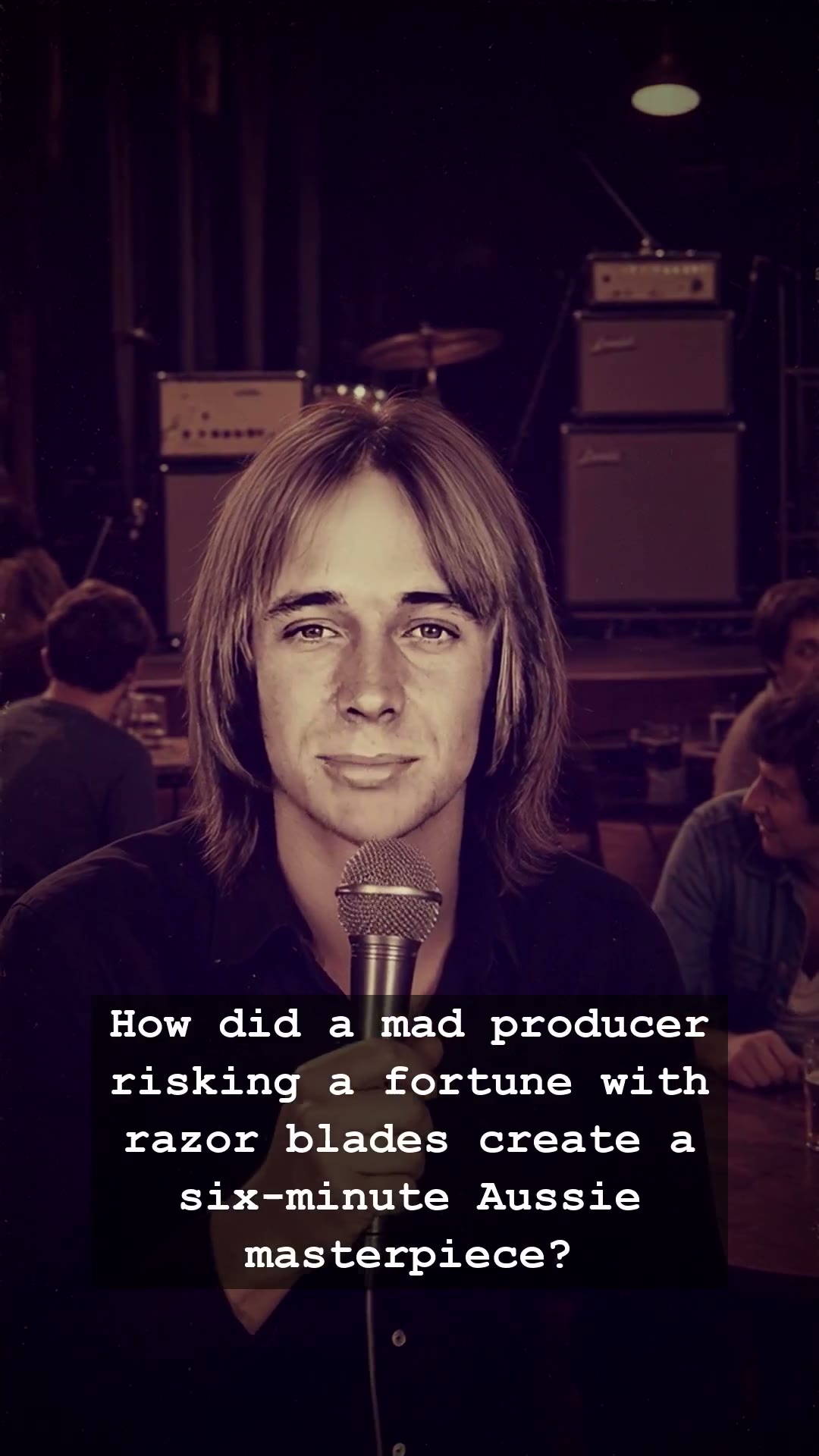
Cast your mind back to 1969. The air was thick with the scent of hairspray and cheap cigarettes, and the radio was dominated by safe, poppy tunes that made everyone feel nice and cosy. But then came Russell Morris. He wasn’t interested in churning out another three-minute radio-friendly ditty. Instead, he teamed up with producer Ian Meldrum—yes, the very same Molly Meldrum who would later become our national treasure on Countdown—to create something that sounded like it had been beamed down from another planet. We are talking about The Real Thing, a six-minute psychedelic odyssey that defied every rule in the book.

Back then, the music industry was a bit of a closed shop, and when Meldrum told the label he wanted to spend a small fortune on production costs for a single track, they absolutely lost their marbles. They reckoned he was mad. Meldrum didn’t care though; he was obsessed with pushing the boundaries of what was possible in an Aussie recording studio. He was literally slicing up magnetic tape with razor blades, physically cutting and splicing bits of audio to create a swirling, hypnotic soundscape that nobody had ever heard on our airwaves before. It was a risky gamble that could have ended his career before it even really started.

When Russell Morris stepped up to the microphone, he brought a level of intensity that was truly ahead of its time. The result was a sonic masterpiece that felt dangerous, mysterious, and utterly exhilarating. It was the antithesis of the stuffy, polished music that the record labels wanted to push on us. It wasn’t just a song; it was a total experience that grabbed you by the throat and wouldn’t let go until the final fading note. It is fair to say that local listeners were caught completely off guard, but in the best way possible.

Naturally, the higher-ups at the label were sweating bullets, terrified that the track would be a total flop. How wrong they were. The song smashed its way to the top of the charts, becoming a massive number-one hit that resonated with every teenager hiding in their bedroom with the wireless turned up. It put Russell Morris firmly on the map as a trailblazer who wasn’t afraid to take a punt on something different. Looking back, it’s easy to realise why it remains such a beloved piece of our musical history.

It is truly a credit to the courage of both Morris and Meldrum that they stuck to their guns when the pressure was on. Whenever I hear that opening riff today, I am instantly transported back to a time when Aussie music was starting to find its own voice, loud and proud. If you haven’t given it a spin in a while, do yourself a favour and turn the volume up, mate. It still packs a hell of a punch all these years later, doesn’t it?

When The Seekers Broke Our Hearts: That Emotional Farewell in 1968

Cast your mind back to a chilly July night in 1968, mate. You were likely huddled around the family telly, maybe with a cuppa in hand, watching the Nine Network in disbelief. It was the moment that truly broke the nation’s heart. The Seekers, our favourite folk quartet who had taken the world by storm, were standing on that stage for what felt like the final time at the peak of their global fame. It was a proper, tear-jerking moment that left heaps of us reaching for the tissues, realising that the golden era of our most beloved musical export was coming to an abrupt end.

For those who were there, it is hard to put into words just how much The Seekers meant to the Australian psyche. Judith Durham’s voice, clear as a bell and full of honest soul, wasn’t just on the radio; it was in our homes. Whether it was the soaring heights of Georgy Girl or the gentle warmth of I’ll Never Find Another You, they captured a spirit of optimism that defined the sixties. They had conquered the London charts and proved that a group of Aussies could stand shoulder-to-shoulder with the biggest acts on the planet. Yet, right when they were arguably the biggest band in the world, they decided to call it a day.

I reckon it was one of the most honest departures in music history. There were no messy public spats or tired rebrands; just four friends from Melbourne deciding they had reached the summit and wanted to head home while the memory was still sweet. Watching them on that live broadcast, you could sense the genuine camaraderie between Judith, Athol, Keith, and Bruce. It felt like watching family members pack their bags to leave, and for a country still finding its feet on the global stage, that goodbye felt personal. It was a massive shock to the system, leaving us all wondering if we would ever see their like again.

What makes the legacy of The Seekers so enduring is how they kept their feet firmly planted on the ground despite their international success. They never lost that modest, fair-dinkum Aussie charm that made them so relatable. Even decades later, when you hear those familiar acoustic chords or Judith’s unmistakable trill, it brings back memories of a simpler time. It reminds us of an era when music felt a bit more sincere and the artists felt like neighbours you could bump into down at the local shops.

Looking back, that night in 1968 remains a poignant bookmark in our cultural history. It taught us that sometimes, the most beautiful things in life don’t last forever, but their impact leaves a mark that never truly fades. So, next time you put on a classic record, spare a thought for the day we all said goodbye to The Seekers. It was a moment of true, raw emotion that proved just how deeply music can weave itself into the fabric of our lives, mate.

The Heartbreaking Story Behind Redgum’s Iconic I Was Only Nineteen

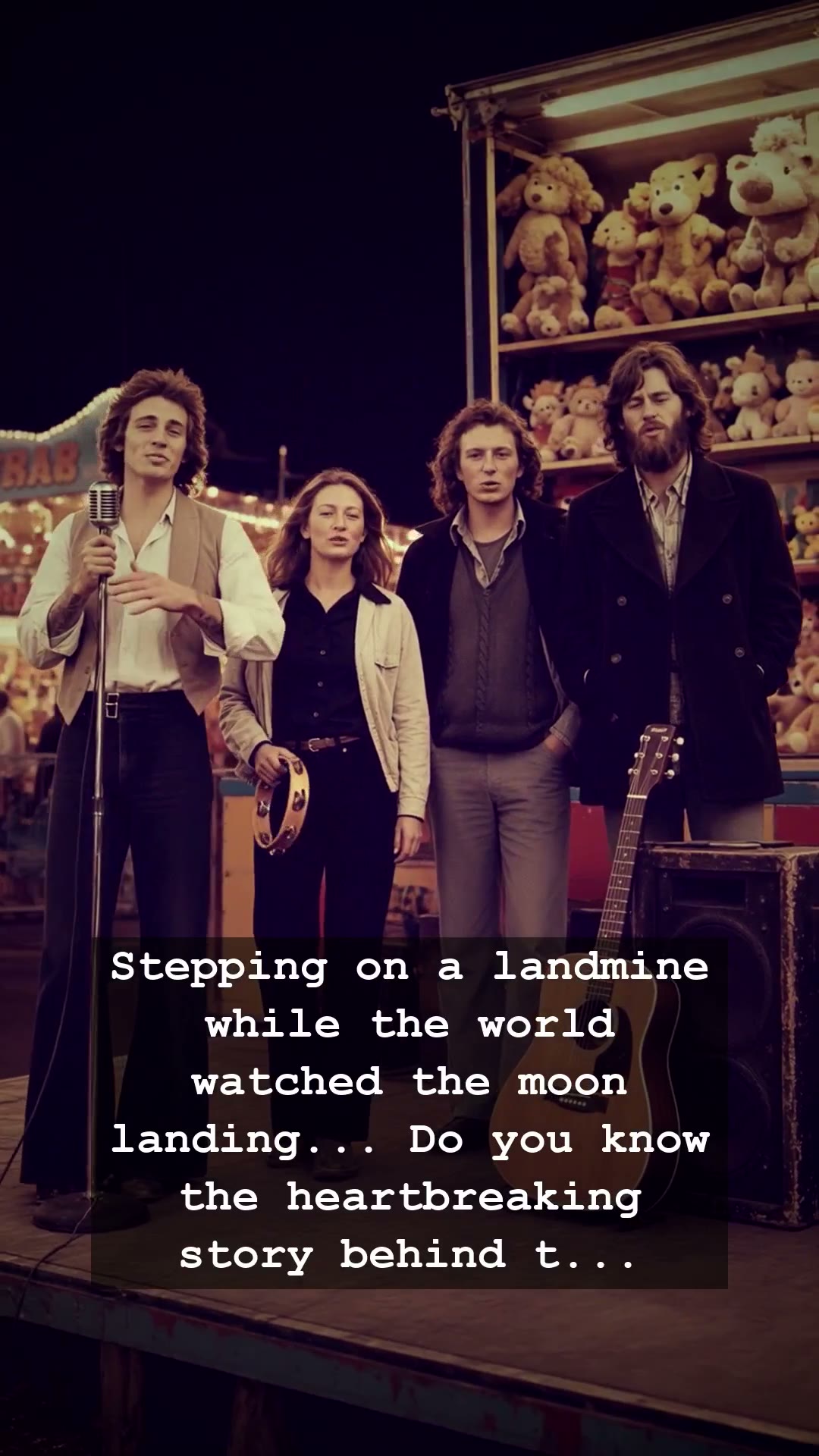
It is funny how a song can hit you right in the chest, even decades later. If you were a regular at the local pub back in the early eighties, you would remember the moment Redgum’s I Was Only Nineteen first hit the airwaves. It wasn’t your typical pub rock anthem; there were no catchy riffs designed to get everyone dancing on the sticky floor. Instead, it was a haunting, stark piece of storytelling that brought the reality of the Vietnam War home to Australia, a country that had spent years trying to ignore the scars of those who served.

John Schumann, the mastermind behind Redgum, didn’t write this masterpiece to top the charts, but that is exactly what happened in 1983. He wanted to give a voice to the forgotten blokes, the mates who went away as boys and returned as ghosts. The lyrics are etched into the national psyche: the terrifying crunch of a landmine while the world back home was fixated on the grainy footage of Neil Armstrong taking that giant leap on the moon. While humanity celebrated a new frontier, a young Aussie digger was losing his life in the mud of a foreign jungle. It is a contrast so jarring it still makes your blood run cold today.

The genius of the track lies in its brutal, unvarnished honesty. It wasn’t just another song about war; it was a specific, painful chronicle of a mate named Mick Storen and the horrors he witnessed. When you hear the acoustic guitar and that distinctive, gravelly delivery, you realise why it resonated with so many. For years, the veterans who came home were treated with indifference or worse, but Redgum finally demanded that Australia acknowledge their sacrifice. It became the soundtrack for healing, a song that finally allowed the veterans to feel heard by the country they had fought for.

I reckon there isn’t a person from that generation who doesn’t get a lump in their throat the second the opening bars start to play. It’s more than just a melody; it’s a piece of our history that was kept in the dark for too long. The band managed to turn a deeply personal tragedy into a communal experience, transforming the pub environment from a place of rowdy celebration into a space of quiet, shared reflection. It is a rare feat for a band to achieve that kind of cultural shift with just one track.

Even now, years after Redgum disbanded, the song remains a fixture at Anzac Day services and radio retrospectives across the country. It proves that music is the best way to keep these memories alive, ensuring we never forget the price paid by the nineteen-year-olds of the sixties. Next time you hear it, take a moment to really listen to the story. It is a reminder of the mates we lost, and the power of a song to change the way a whole nation remembers its own colour and history.

How Daddy Cool’s Pub Rock Anthem Inspired Elton John’s Global Smash

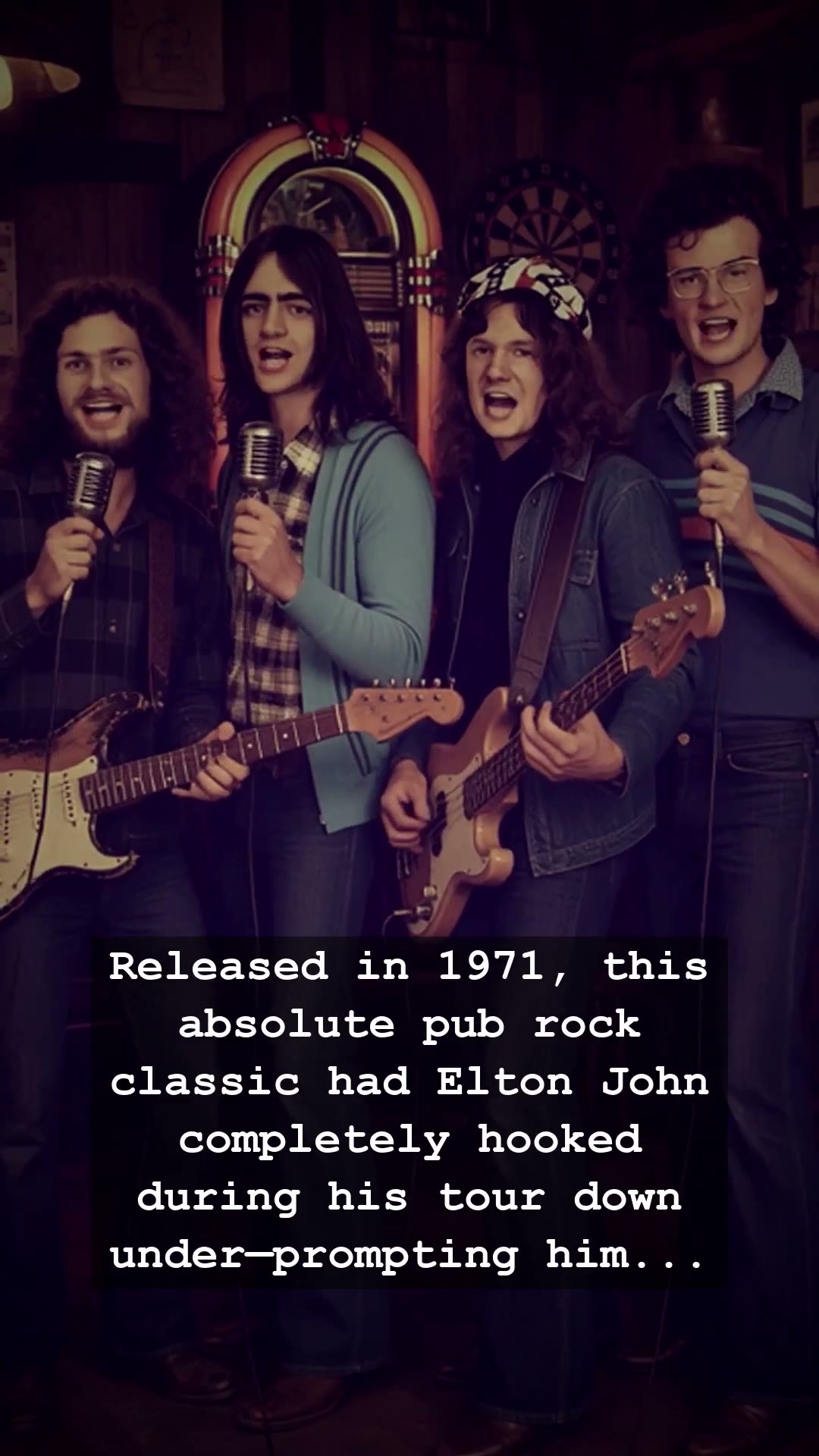
Cast your mind back to the sweltering summer of 1971. The radio was humming with the sound of a new, gritty rhythm that defined the Aussie pub scene, and there was one track that had absolutely everyone talking. It was Eagle Rock by Daddy Cool. This wasn’t just another song; it was a bona fide cultural phenomenon that tore through the charts and became the soundtrack to every backyard barbecue and local pub session from Perth to Sydney. For those who were there, the mere opening riff brings back heaps of memories, a time when music felt raw, dangerous, and incredibly authentic.

It is truly wild to realise that the impact of Daddy Cool reached far beyond our shores. When the legendary Elton John toured Australia during that transformative period, he found himself completely smitten with the unique sound of Ross Wilson and his bandmates. Elton wasn’t just a casual listener; he was reportedly mesmerised by the infectious swagger of Eagle Rock. He spent his time down under soaking up the energy of our pub rock scene, and it is a well-kept secret that the structural audacity and rhythmic soul of this Daddy Cool masterpiece served as a direct catalyst for one of his own iconic global hits. The influence of that Aussie spirit on a world-class musician is a point of real national pride for those of us who grew up with Countdown on the telly.

I reckon there is something quintessentially Australian about the way Daddy Cool carried themselves. They had this effortless, colourful charisma that made you feel like you were part of the inner circle. While bands across the globe were chasing polished studio perfection, Daddy Cool were all about the sweat, the stage presence, and the sheer joy of a live gig. They took the blues and rock and roll, gave it a bit of a larrikin twist, and created something that still resonates with us today. It is no wonder that a giant like Elton John saw the magic in their craft; he recognised the genuine article when he heard it.

Even after all these years, whenever that familiar beat drops, you can see the nostalgia hit the room. It’s more than just a bit of fun; it’s a connection to a simpler, albeit noisier, era of our musical history. Daddy Cool managed to capture the lightning in a bottle, proving that you didn’t need a massive international budget to make an indelible mark on the global stage. It remains a favourite for anyone who appreciates the history of Aussie rock.

So next time you find yourself spinning an old record, take a moment to appreciate the sheer audacity of Daddy Cool. They were the trailblazers who showed us that our sound could compete with the very best of them. Whether you were there at the gigs or simply grew up with their hits playing in the background, the legacy of this band lives on in every pub rocker’s heart. Keep listening, mate, because the stories behind these classic tunes are what make our musical heritage so incredibly rich.

The Easybeats and the Freezing London Flat That Built Aussie Rock

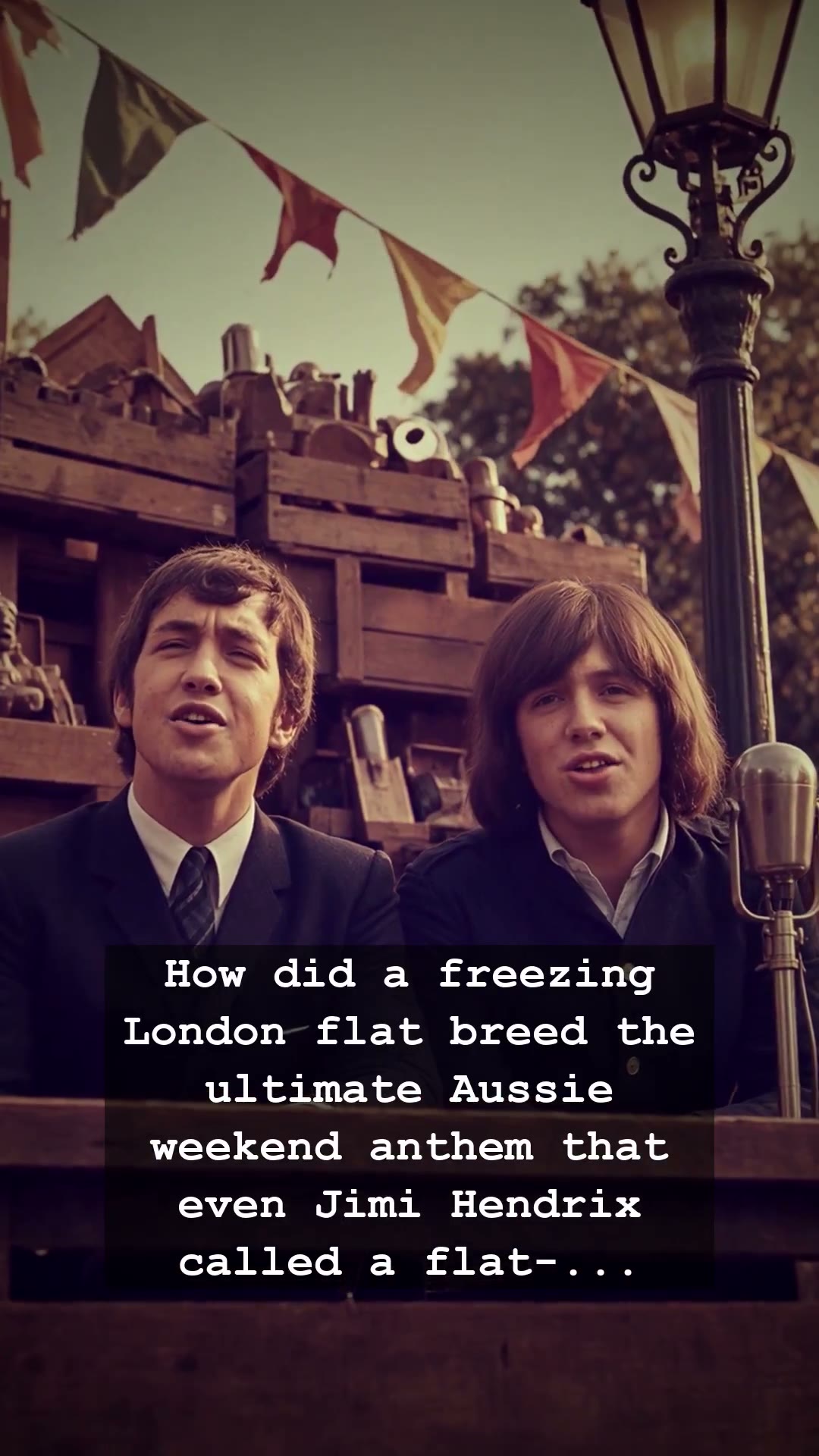
Ever wonder how a bunch of larrikins from Sydney managed to conquer the world from a shivering, draughty London terrace? It is the stuff of legend, mate. Back in the mid-sixties, The Easybeats arrived in the UK with little more than a dream and a collection of sharp suits, hoping to make their mark on the international stage. But it was far from the glamorous life they had envisioned. They found themselves huddled together in a freezing London flat, trying to beat the winter chill, when they penned what would become the ultimate Australian weekend anthem, Friday on My Mind. It was a track that captured the universal longing for the working week to end, and it resonated with every tired soul from London to Sydney.

It is hard to believe now, but the grit poured into that recording session created a sound that cut through the noise of the swinging sixties. The Easybeats were not just another pop act; they were the first true Aussie rock export to crack the international charts. You could hear the energy in the guitar lines and the pure, unadulterated frustration of the Monday-to-Friday grind. It was authentic, it was punchy, and it was undeniably brilliant. When even Jimi Hendrix himself called it a flat-out masterpiece, you realise these lads had truly hit on something special. They were capturing a feeling that everyone knew deep down in their bones.

I reckon there is heaps of history in those grooves that we often overlook. The Easybeats brought that raw, pub-rock sensibility to a global audience long before it was the standard. While the rest of the world was catching on, back home, we were already claiming them as our own. It was a moment of immense national pride to hear our boys on the telly, proving that the distance from the colonies did not matter when you had a tune that good. It was the start of something massive for the Aussie music scene, paving the way for the giants that followed.

Despite the drama and the eventual splintering of the band, the legacy of The Easybeats remains untouchable. Looking back, that freezing London flat was the crucible that forged their identity. It reminds us that sometimes, the best art comes from a place of struggle and sheer determination to show the world what you are made of. Every time I hear that opening riff, I am transported back to an era when music felt like it could change everything. It was a simpler time, perhaps, but the impact of those songs is still felt today in every corner of the country.

So, next time you are kicking back with a cold one on a Friday afternoon, give a little nod to the lads who turned a bitter London winter into one of the greatest rock anthems of all time. It is a proper reminder that great music stands the test of time, no matter how cold it gets or how far away you are from home. Cheers to The Easybeats for giving us a soundtrack that will always feel like the weekend, no matter the year.

The Hong Kong Gig That Turned Peter Allen Into a Global Star

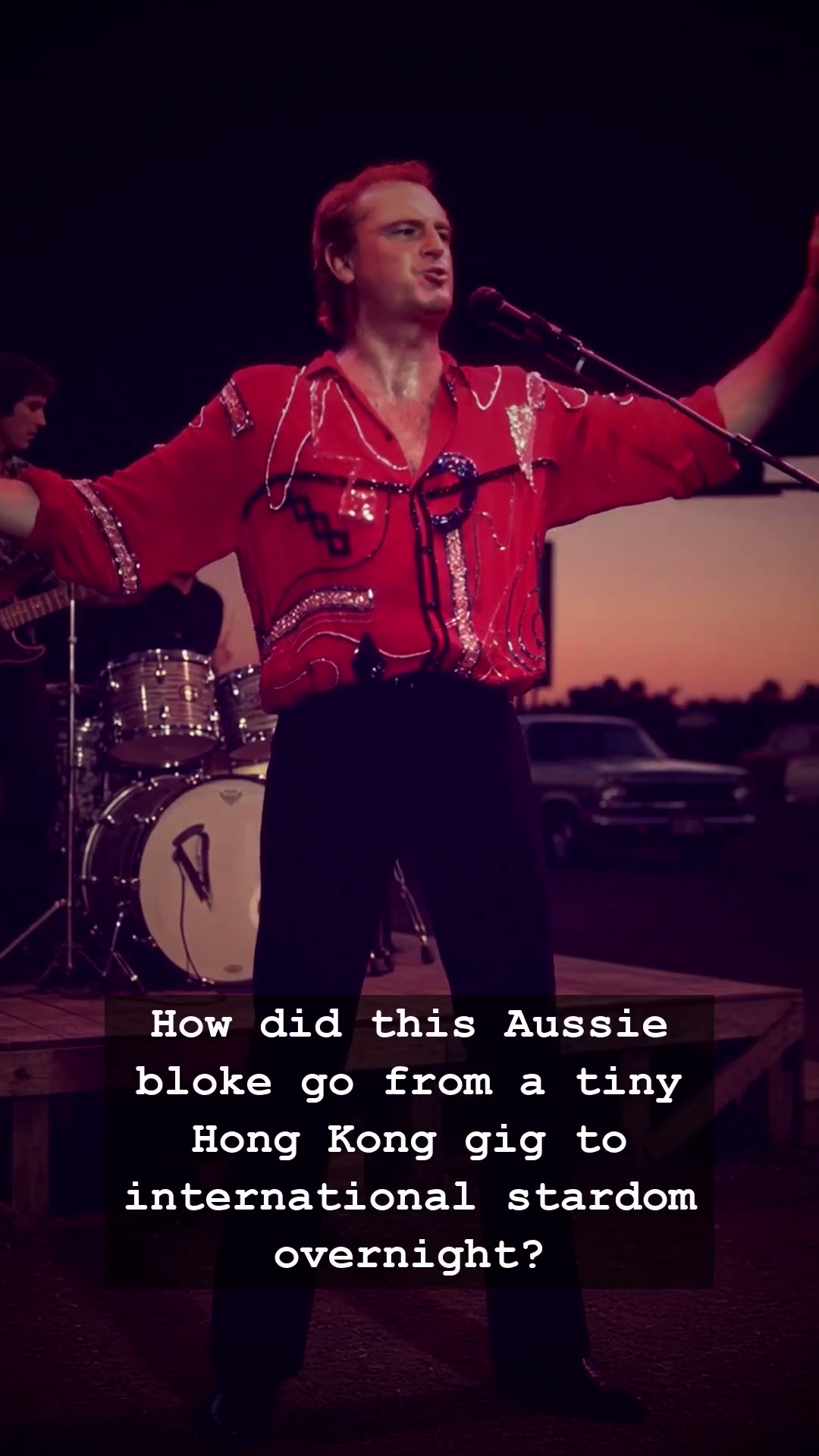
It is the stuff of legend, the kind of story that makes you reckon fate has a funny way of working. Most of us remember Peter Allen for his flamboyant stage presence and those legendary tunes like I Go to Rio, but back in 1964, the Tenterfield-born lad was just another Aussie bloke trying to make a buck. He was playing a dusty, forgotten gig in a Hong Kong hotel, just trying to keep the momentum going, when the room suddenly grew quiet. Sitting in the audience was none other than Judy Garland. It was the sort of chance encounter that usually only happens in the movies, but for Peter Allen, it was the moment his world shifted on its axis.

At the time, Peter Allen was performing as part of the Allen Brothers, a cabaret duo that had been slugging it out across the Asia-Pacific circuit. You can almost picture the scene: the smoky air, the humidity, and the sheer grit required to keep a room entertained night after night. Garland, already a global icon with a sharp eye for talent, was completely floored by his energy and charm. She didn’t just enjoy the set; she invited him to join her tour. Just like that, the Aussie lad went from obscure hotel lounge performer to the inner circle of Hollywood royalty. It was a massive leap, changing his trajectory heaps and setting him on a path to international stardom that he could never have imagined while tuning his guitar in that Hong Kong room.

This wasn’t just about a bit of luck, though. Peter Allen had an undeniable magnetism, a raw ability to command a stage that felt distinctly Australian in its lack of pretension. He had that larrikin spirit, that sparkle in his eye, and an ability to make every person in the front row feel like the only one in the room. He realised early on that music was about connection, not just technical perfection. Whether he was belting out a ballad or dancing across the stage in sequins, he stayed true to that grounded, warm charisma he brought over from the bush.

Looking back at that era, when the likes of Countdown and the pub rock scene were just starting to define the sound of the nation, Peter Allen stands out as a unique bridge between old-school cabaret and the modern pop star. He brought a sense of theatre to the Aussie music scene that influenced heaps of artists who followed in his footsteps. He didn’t just sing songs; he lived them. Even today, when you hear those familiar piano chords, you can feel that same electricity that caught Judy Garland’s attention all those decades ago.

It is worth remembering Peter Allen not just for the hits, but for the sheer courage it took to pack up his life and chase a dream across the ocean. He proved that even from a quiet country town, you could take on the world if you had the talent and the nerve to back it up. Next time you hear his music on the telly or the radio, take a moment to tip your hat to the bloke who turned a simple Hong Kong gig into a lifetime of legendary music. What a ride it was for our favourite showman.

The Little River Band Stoush: Why They Lost Their Own Name

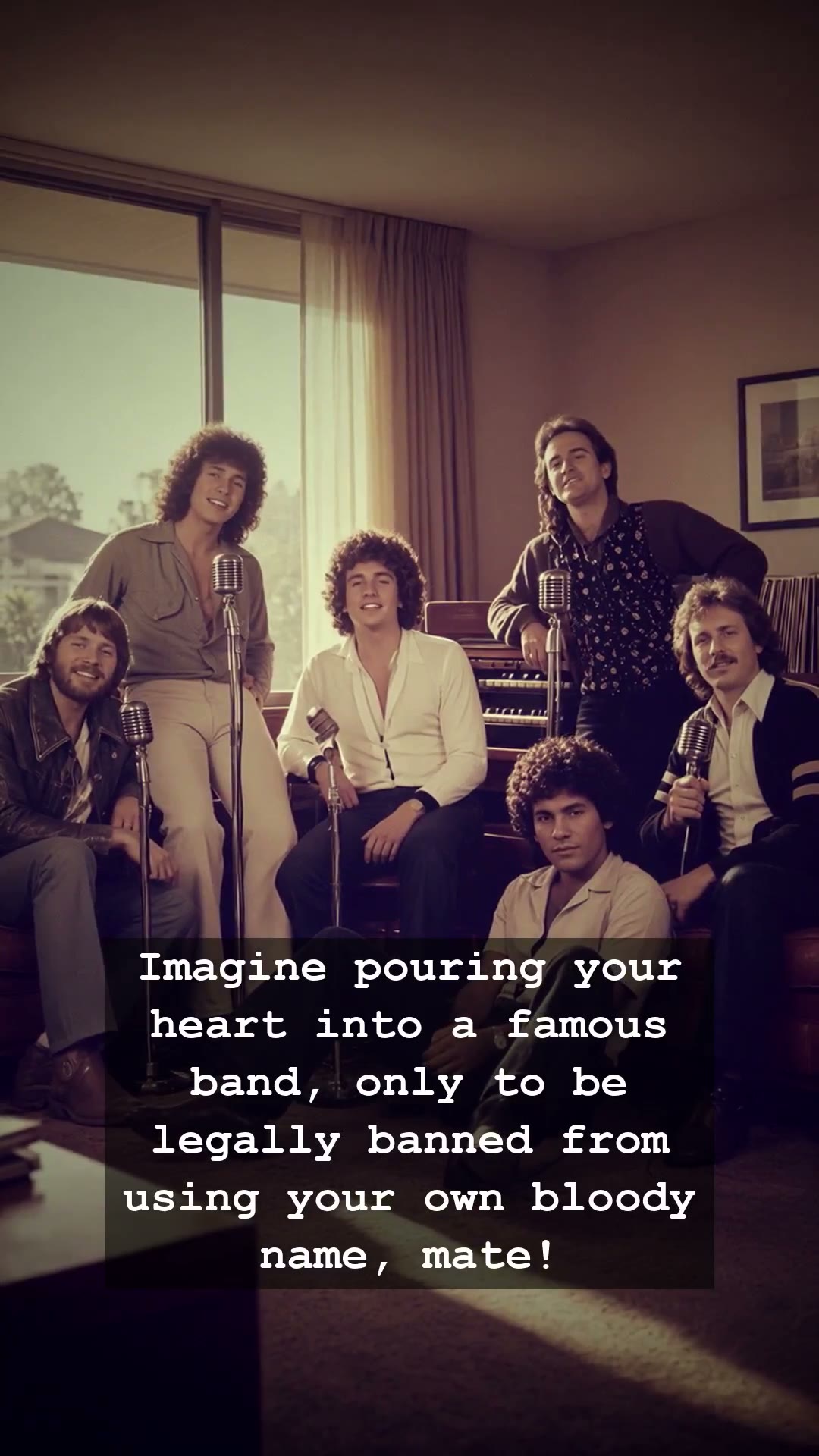
Picture this, mate: you spend years pouring your blood, sweat and tears into a band, crafting hits that become the soundtrack to a nation’s life, only to find yourself legally barred from using your own bloody name. It sounds like something out of a bad soap opera, but for the legends in the Little River Band, it was a harsh reality that left fans across the country feeling heaps gutted. Back in the golden era of Aussie pub rock, when we were all glued to our tellys for Countdown, the Little River Band were absolute royalty, but behind the scenes, a storm was brewing that would change their legacy forever.

Formed in the mid-seventies, the Little River Band brought a polished, melodic sound to the Australian music scene that felt worlds away from the gritty pub rock of the era. With tracks like Reminiscing and Help Is on Its Way, they weren’t just local heroes; they were one of the first Aussie acts to crack the massive American market wide open. It was a time of immense pride for us. Every time they topped the charts abroad, we felt like we’d had a win. But as the fame grew, so did the internal friction, and the group eventually splintered into a mess of legal battles that would make your head spin.

The real kicker was the fight over the trademark. Imagine creating a legacy, a specific brand of colour and sound that people identify as yours, only to realise that the legal rights to the moniker Little River Band had slipped out of the original founders’ hands. It is the sort of corporate drama that usually stays hidden in boardroom meetings, but when it hit the papers, the fans were up in arms. How could a band carry on without the people who actually birthed the music? It felt like a betrayal of the authentic spirit that made Australian music so special back then.

Even today, if you look back at the footage from those iconic nights, you can feel the magic they once shared. The harmonies were tight, the production was world-class, and they had a way of capturing a specific feeling of Australian life—the long drives, the sun-drenched coastlines, and the quiet heartaches. It is a crying shame that their history is now so tangled up in lawsuits, but it serves as a stark reminder that in the cutthroat world of the music industry, talent is only half the battle.

I reckon most of us still prefer to remember the early days, back when the Little River Band was just a group of blokes making music that resonated with our souls. Whether you were catching them at a local gig or spinning their records on a Sunday afternoon, they provided the backdrop to our best memories. While the legal drama left a bitter taste for many, the songs themselves remain untarnished. It is worth reflecting on their journey, if only to appreciate the music that defined a generation. After all, despite the chaos, those tunes are still our favourite songs to sing along to, aren’t they?

When Radio Banned Skyhooks: The Rebel Record That Topped The Charts

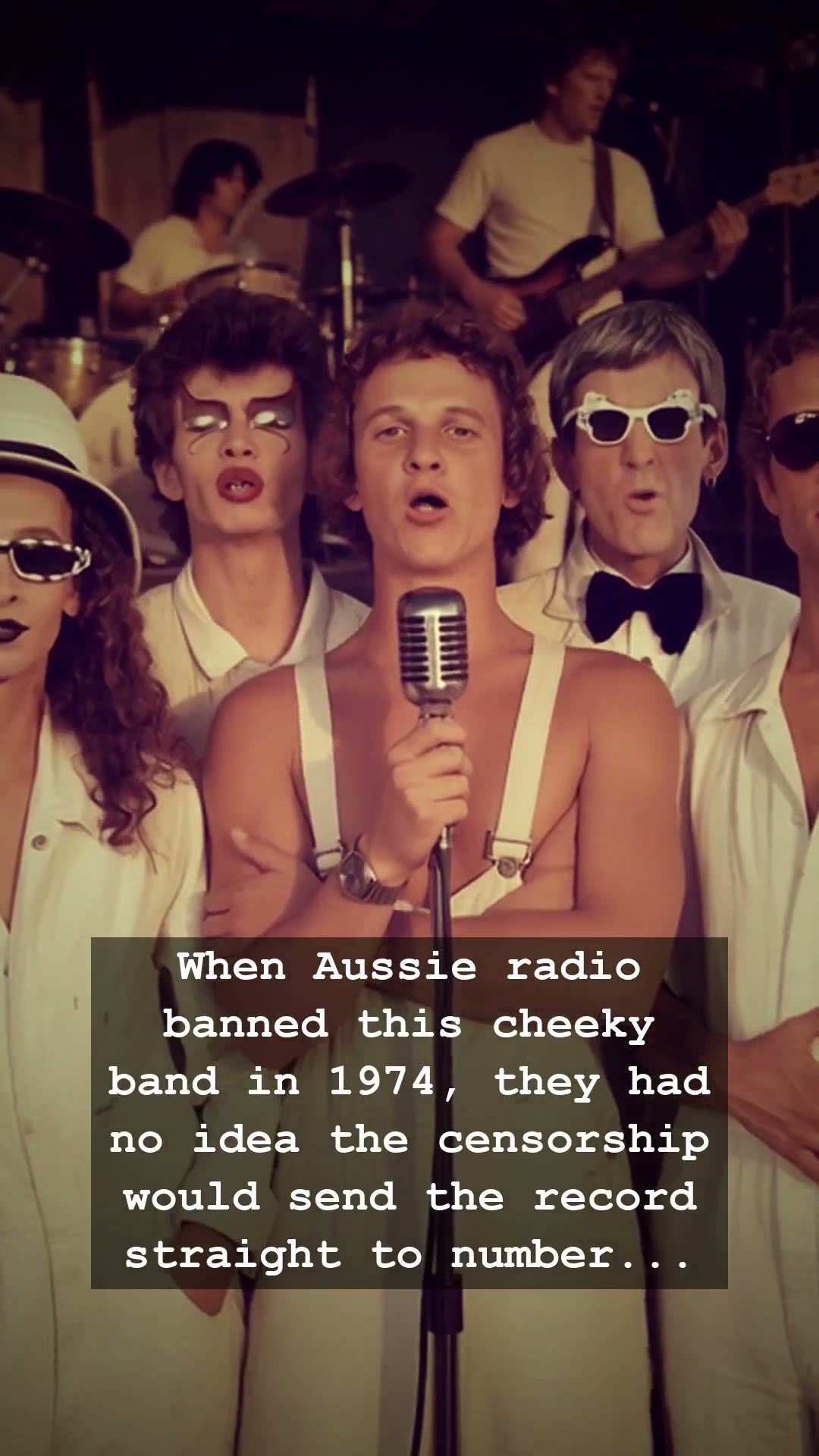
Cast your mind back to 1974, a time when the Australian airwaves were as conservative as your auntie’s Sunday roast. If you were a teenager tuning into the radio, you were mostly fed safe, polished pop tunes. Then, along came Skyhooks, a band from Melbourne that looked like they had just fallen out of a space-age pantomime and into the local pub. With their glitter, outlandish makeup, and lyrics that didn’t shy away from the gritty, unvarnished reality of Aussie life, they were a complete culture shock for the establishment. You would be hard-pressed to find a group more ready to stir the pot.

Their debut album, Living in the Seventies, was a sonic middle finger to the status quo. The record captured the sweaty, beer-soaked atmosphere of the Aussie pub scene, talking about hookers, drug culture, and the mundane struggles of the suburbs. It was raw, it was cheeky, and it was undeniably ours. Commercial radio stations, terrified of the controversy, decided to flex their muscles. They slapped a brutal ban on six tracks from the album, thinking they were protecting the public from the band’s alleged indecency. Little did they realise, they had just handed Skyhooks the greatest marketing campaign in the history of Australian music.

I reckon the censors underestimated the Australian spirit. By trying to hide the music, they only made it taste heaps sweeter. Everyone wanted to know what all the fuss was about. The ban didn’t stop the kids; it turned the album into an underground treasure that everyone felt compelled to own. Within weeks, Living in the Seventies was sitting pretty at number one on the charts, staying there for a staggering sixteen weeks. It was a masterclass in rebellion, proving that you simply cannot suppress a sound that resonates so deeply with the people.

Watching Skyhooks perform on Countdown was a rite of passage for us back then. You’d be sat in front of the telly, eyes glued to the screen, wondering what outrageous outfit Red Symons or Shirley Strachan would turn up in next. They were our favourite disruptors, bringing a sense of technicolour chaos to our living rooms. They made us feel like the music scene was finally growing up, shedding the shackles of international imitation to embrace a voice that sounded distinctly like our own backyard.

Even today, listening to those tracks takes me straight back to the pub circuit of the mid-seventies. There is a sense of nostalgia that comes with Skyhooks that is hard to replicate. They weren’t just a band; they were a movement that dared to talk about the things we were all thinking but never saying out loud. If you ever need a reminder of how a bit of controversy can turn a local act into absolute legends, just look at how these larrikins turned a radio ban into a multi-platinum legacy. It is a story that still brings a grin to my face, and I reckon it is a tune worth playing loud today, mate.

The Cleaning Lady Curse: How John Farnham Nearly Lost His Voice

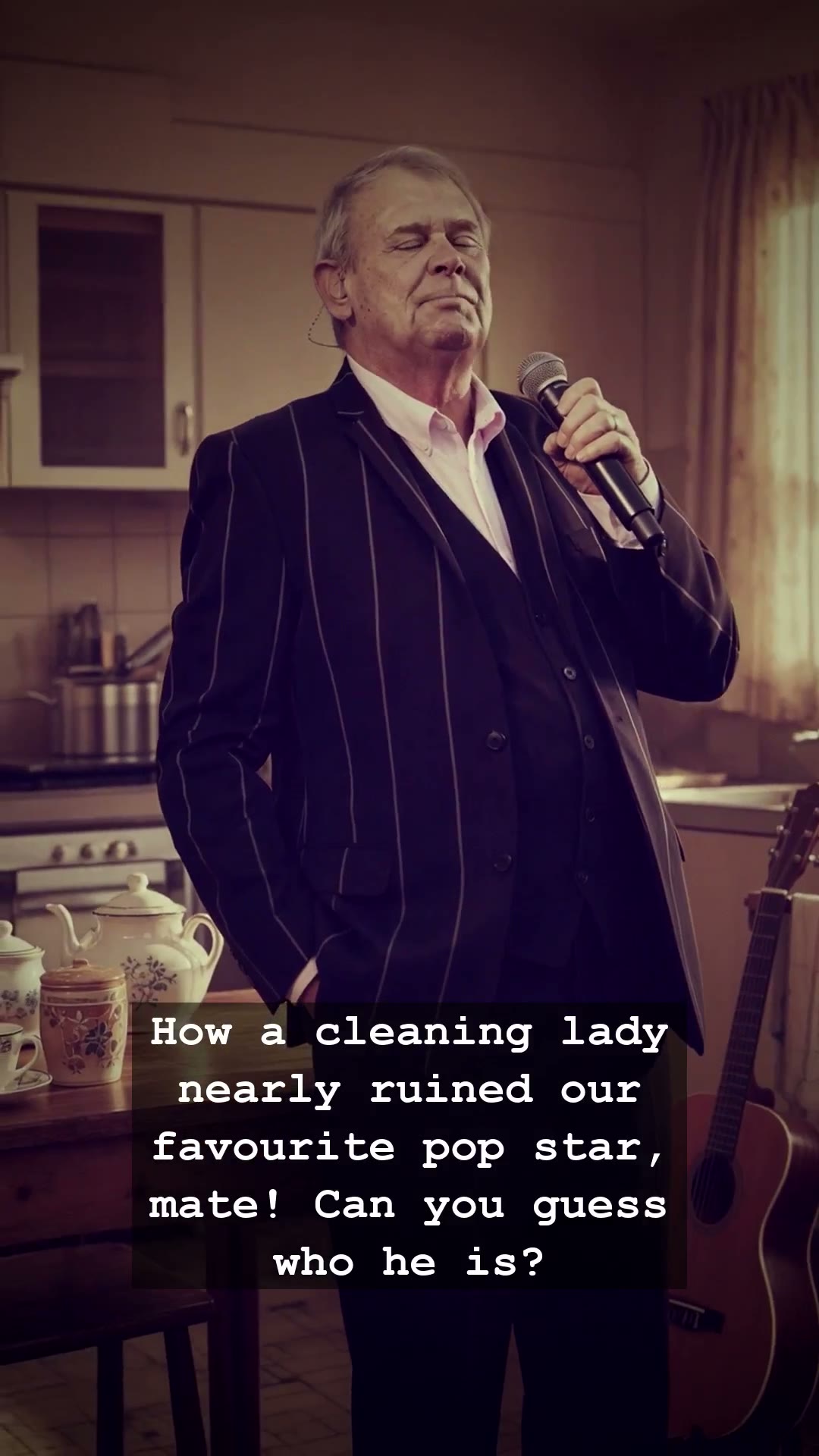
Cast your mind back to 1967. The telly was glowing with black and white magic, the radio was pumping out hits, and a young, fresh-faced lad named John Farnham was just starting to make a name for himself. We all remember the moment; he was the golden boy of Aussie pop, with a grin that could charm the birds off the trees. But back then, everyone reckoned his big break, a cheeky little tune titled Sadie (The Cleaning Lady), was going to be the making of him. Little did we realise, that song would eventually become a bit of a heavy burden, a bloody curse that nearly stifled his dreams before he could really get moving.

At the time, John Farnham was just a bloke with a voice that could crack a heart in two, but the industry had other ideas. They wanted him to be the cheeky, lovable larrikin, and that meant pushing a song about a lady scrubbing floors to the top of the charts. It went to number one, sure, and it sold heaps of copies, making him a household name overnight. But for an artist who wanted to be taken seriously, being known only as the bloke who sang about a cleaning lady was like wearing a lead weight around your neck. He was desperate to pivot, to show the world that there was a powerhouse rocker hiding behind that mop and bucket image.

It is fascinating to look back and see how much the industry tried to mould him. For years, John Farnham felt trapped by the very track that brought him fame. He would be at a gig, pouring his soul into a performance, and the crowd would just scream for Sadie. It was a proper struggle to realise his own identity when the public had already decided who he was. Many reckon that this period of conflict is exactly what forged the resilience we see in him today. He had to fight tooth and nail to break free from the bubblegum pop shadow and establish himself as the voice of Australia.

Think about the resilience required to shed such a massive, kitschy label. It is not an easy task to reinvent yourself when the nation already has a favourite caricature of you stuck in their minds. But that is the beauty of John Farnham; he did not just walk away from the past, he outgrew it. He kept performing, he kept evolving, and eventually, he shed that cleaning lady skin for the legendary powerhouse status he holds now. It is a story of grit that resonates with any true Aussie who has ever been told they can only be one thing.

Even today, whenever that familiar melody starts playing, we cannot help but have a bit of a chuckle and a soft spot for that young lad starting out. It reminds us of an era when our music scene was finding its feet and our stars were just as messy and human as the rest of us. John Farnham survived the curse, and we are all better off for it. So, next time you hear him belting out a ballad, remember the bloke who started with a broom and ended up a national treasure, mate.