The Joe Dolce Blunder: When a Cheeky Tune Stole the Number One

Cast your mind back to 1980. The Australian charts were a wild place, a landscape dominated by the crackle of the pub rock circuit and the bright, neon promise of the synth-pop revolution. We were all gathered around the telly for Countdown, waiting to see what Molly Meldrum would champion next. But amidst the serious musicianship and the brooding icons of the era, one song emerged from left-field to stir up a national debate that still has us scratching our heads today. Joe Dolce, with his moustache and accordion in tow, delivered a track so infectious and frankly, so absurd, that it managed to block one of the greatest synth masterpieces ever recorded from the top spot. It remains one of those moments in Oz music history that just makes you laugh when you realise how ridiculous the charts can be.

That song, Shaddap You Face, became a cultural juggernaut. It was everywhere. You couldn’t walk into a milk bar or flick on the radio without hearing Joe Dolce chirping away. It was a novelty track, a bit of fun that captured the larrikin spirit of the nation. But for the serious music heads, it was a bitter pill to swallow. The song it kept out of the number one position was none other than Ultravox’s Vienna. Imagine that—a sweeping, cinematic, moody synth-pop epic, sidelined by a bloke singing about his auntie and his nonna. It was pure chart drama, the kind of clash that had everyone at the local pub debating whether the music industry had completely lost the plot.

Looking back, Joe Dolce probably never expected his tune to stay at the summit for eight long weeks. He was just a bloke trying to make a living, crafting a character that resonated with the massive Italian-Australian community and, eventually, the rest of the world. It’s funny how these things play out. While the rest of the world saw a silly novelty song, we saw a slice of our own quirky identity. Joe Dolce became an accidental hero to some and a villain to others who reckon that art should always triumph over the gimmicky tunes that top the hit parade.

Yet, you have to admire the sheer audacity of it. In an age before the internet, word of mouth and the power of a catchy hook were everything. Joe Dolce managed to tap into a collective sense of humour that Australians have always held dear. It wasn’t about musical complexity; it was about connection, even if that connection was just a bit of a laugh. It’s a classic Aussie story of the underdog—or perhaps the over-performer—catching everyone off guard and sticking around long after they were invited.

These days, when you hear the opening notes of Joe Dolce’s hit, it’s hard not to feel a twinge of nostalgia. It brings back heaps of memories of a simpler time, when the charts were the heart of our cultural life and a song could turn an unknown artist into a household name overnight. Whether you loved it or loathed it, Joe Dolce and his cheeky masterpiece remain an essential chapter in our musical story. So, next time you hear that accordion kick in, take a moment to tip your hat to the man who made the nation dance, whether we wanted to or not.

The Aussie Comedy Record That Stunned Everyone: Austen Tayshus Explained

Cast your mind back to 1983. The pub scene was absolutely heaving with the sound of Cold Chisel and Men at Work, and the Aussie music industry was a serious business. Then, out of the blue, came a bloke named Austen Tayshus with a rapid-fire comedy track that didn’t just tickle the nation’s funny bone—it completely shattered every chart record we had. Australiana, a relentless barrage of puns, rapid-fire wordplay, and dry-as-dust Aussie humour, managed to hold the number one spot for an incredible eight weeks. It was a bizarre moment in our cultural history that left record label executives scratching their heads and every teenager in the country memorising the lyrics.

Most people, even those who weren’t born back then, have heard the iconic opening lines. The track was a cultural phenomenon that somehow realised the absurdity of being Australian. Austen Tayshus, the stage name for Alexander ‘Sandy’ Gutman, delivered a performance that was part stand-up comedy and part linguistic assault. It wasn’t a song in the traditional sense, yet it became the highest-selling single in Australian history at the time. I reckon it was the sheer audacity of the thing that captured everyone’s imagination; it was cheeky, clever, and unmistakably local, making it a favourite in every suburban lounge room across the country.

At the time, the airwaves were dominated by synth-pop and polished pub rock, but Austen Tayshus proved that a bit of larrikin spirit could cut through the noise. People were absolutely hooked on the rapid-fire delivery. It was the sort of record you’d play at a backyard barbecue until your mum told you to turn the telly or the stereo down because you’d played it heaps. There was no real melody, just a man talking fast about everything from the bush to the beach, yet it resonated in a way that polished pop stars could only dream of.

Looking back, it is hard to realise just how strange it was for a comedy spoken-word piece to dominate the charts. It didn’t fit the mould, and it certainly wasn’t what the record companies were pushing, but that is the beauty of our music history. It reminds us that sometimes, the most successful art is the kind that ignores the rulebook entirely. Austen Tayshus tapped into something deeply authentic about the Aussie identity—the ability to take the mickey out of ourselves without taking life too seriously.

Even today, if you drop that needle on the vinyl or pull it up on a streaming service, you can’t help but smile at the madness of it all. It was a lightning-in-a-bottle moment that proved, once and for all, that Aussies love a bit of a laugh more than anything else. Whether you remember the buzz of that summer or you are just discovering it for the first time, one thing is certain: there will never be another track quite like it. It remains a classic piece of our national tapestry, a bit of a daggy treasure that defined an era.

C’mon Aussie C’mon: The Cricket Jingle That Conquered The Charts

Cast your mind back to the sweltering summer of 1978. The telly was flickering with the grainy, high-stakes drama of World Series Cricket, and if you were an Aussie bloke or Sheila sitting in your lounge room, you couldn’t escape that infectious, brassy melody. It was the era of Kerry Packer, the bold revolution that changed the gentleman’s game forever, and right at the heart of the chaos was a jingle that did the impossible. It wasn’t just an advert for the cricket; it became the unofficial national anthem that every punter in the country was whistling, eventually climbing all the way to number one on the charts.

I reckon most of us still get a bit of a thrill when those opening notes kick in. The tune, famously titled C’mon Aussie C’mon, was crafted by the clever mob at Mojo. They knew exactly how to capture the spirit of the time. They needed something that felt like summer, felt like a backyard barbie, and carried that larrikin energy that defined the late seventies. They didn’t just want to sell tickets to a cricket match; they wanted to sell the pride of the nation. And by crikey, did it work. It became the soundtrack to a cultural movement where Aussie sport started feeling a whole lot more professional and a whole lot louder.

It is truly wild to realise how a piece of commercial music could resonate so deeply with the public. Back then, Countdown was the king of the airwaves, and seeing this track battle it out with the biggest pop acts of the day was a sight to behold. Aussie punters loved it heaps, pushing the catchy commercial track straight to the top of the charts with a ferocity that caught the music industry completely off guard. It was cheeky, it was catchy, and it was undeniably ours. We weren’t just cheering for the players on the pitch; we were cheering for the sheer audacity of the song itself.

There’s a certain nostalgia tied to that melody that hits a bit harder today. It brings back memories of hot bitumen, the sound of a radio playing through an open window, and the feeling that something big was shifting in our sporting landscape. It wasn’t just a jingle; it was a rallying cry that brought people together. Even now, hearing those familiar brass stabs can transport you back to a time when cricket was the centre of our universe and the colour of the World Series kit felt like a radical rebellion against tradition.

Looking back, C’mon Aussie C’mon stands as a testament to the power of a simple, well-crafted hook. It’s a reminder that sometimes the most enduring pieces of our history don’t come from prestigious studios or deep, introspective songwriting sessions, but from the noisy, competitive heart of Australian culture. It remains a favourite in our collective memory, a golden slice of 1978 that refuses to fade away. So next time you hear that tune, pour yourself a cold one and have a listen, mate; it’s a ripper of a story about how we danced to the beat of a cricket match.

How Mike Brady Crafted Australia’s Greatest Unofficial Pub Anthem

Picture the scene back in 1979, mate. The colour telly was still glowing in the corner of living rooms across the nation, and ad man Mike Brady was staring down a blank sheet of paper with a seemingly impossible deadline. Channel 7 needed a catchy promo tune for the upcoming Victorian Football League season, something that would capture the fierce passion of Saturday arvo footy. Little did anyone realise that this quick commercial assignment would spawn an absolute national treasure, echoing from suburban grounds all the way to grand final glory.

Mike Brady wasn’t just tossing together a quick jingle; he tapped straight into the beating heart of the Aussie working class. He envisioned packed terraces, meat pies, thermos flasks, and the roaring cheer of mates supporting their favourite club through thick and thin. When Up There Cazaly hit the airwaves, it whipped the whole country into a massive frenzy almost overnight. The catchy chorus was simple, rousing, and built for thousands of roaring voices to belt out together with a cold beer in hand.

What started as a clever television promo soon morphed into something much bigger than football. It climbed the charts like wildfire, selling heaps of copies and beating out mainstream pop acts of the era. People from every corner of the country adopted it as their own, turning a commercial tune into a unifying cultural touchstone. Whenever that opening piano chord struck on the radio, you could reckon every single person in the room would stop what they were doing and sing along.

Decades have flown by since those golden days of 70s pub rock and backyard footy matches, yet Mike Brady’s masterpiece still holds a sacred spot in the Australian psyche. It gets dusted off every September, reminding us of a simpler time when communities gathered around the wireless or packed into local footy ovals. It is more than just a catchy tune about high-flying marks; it is a warm, nostalgic capsule of what it means to be part of the local community.

So next time you hear those familiar opening notes, take a moment to appreciate the bloke behind the magic. Mike Brady gave us a timeless gift that transcends generations, proving that a brilliant melody can turn a simple television ad into an immortal piece of Australian history. Put another log on the fire, turn the wireless up, and let the memories roll in.

From Melbourne Flat to Stardom: How Split Enz Struck Musical Gold

I reckon if you were glued to the telly back in the late seventies, you remember the exact moment Split Enz hit the screen. It was an era when our local music scene was shifting, and suddenly, these quirky legends from across the ditch were redefining what a pop song could look and sound like. Before they were packing out stadiums and dominating the charts, Split Enz were just a group of dead-broke musicians living in a tiny, cramped flat in Melbourne, trying to make ends meet while cooking up something that would change Aussie music history forever.

It is hard to believe that such a massive smash was born from such humble beginnings. The band was scraping by, but they had this incredible creative fire that just could not be extinguished. While they were working on their craft, they were also developing a visual style that was completely ahead of its time. When you look back at their appearances on Countdown, it was not just the music that caught our attention; it was the entire aesthetic. Noel Crombie, with his wild imagination, turned those performances into visual art that felt like a fever dream.

That iconic, colourful, and slightly eerie footage that hit our screens via the Countdown studio became the stuff of legend. It felt like the band had brought a piece of a different dimension right into our living rooms. It was strange, it was brilliant, and honestly, it was exactly what we needed. That clip acted as the catalyst, turning what might have been a simple, quirky tune into absolute gold. People were talking about it at the local pub, in the schoolyard, and across every radio station in the country. It was pure magic, mate.

Looking back, I realise just how much guts it took for Split Enz to be so unapologetically themselves. In a time when everyone was trying to fit into a specific mould, they refused to compromise on their peculiar, artistic vision. Their success wasn’t just a bit of luck; it was the result of heaps of hard work, a bit of desperation, and a total disregard for the conventional rules of pop music. They pushed boundaries and made us realise that being different was actually their biggest strength.

Even today, whenever one of their tracks pops up on the radio, it takes me straight back to that era. It feels like yesterday, watching Molly Meldrum introduce the lads, wondering what kind of bizarre costume Noel would be wearing or how the track would unfold. They captured the spirit of the time perfectly, weaving together melody and mystery in a way that very few bands have managed since. They were, and still are, one of our absolute favourite exports.

It is truly wild to think that those boys, struggling to pay the rent in a tiny flat, laid the foundation for such a monumental career. It serves as a proper reminder that sometimes the best art comes from the most difficult of circumstances. If you have a favourite Split Enz memory, you should definitely share it with your mates over a cold one this weekend. It is worth remembering just how much colour they brought to our lives back in the day.

The Heartbreaking Milk Bar Moment Behind Garry Frost’s Iconic Aussie Anthem

We all reckon we know the songs that define the Australian spirit. You’re at the local pub, a few schooners deep, and suddenly the opening chords of ‘Star Hotel’ or something from the Moving Pictures catalogue hit the airwaves. It’s that raw, pub-rock energy that just makes you feel right at home. But have you ever stopped to realise that beneath the heavy distortion and the classic Aussie bravado, there’s often a quiet, human story hidden in plain sight? Take the legendary songwriter Garry Frost, a man whose craft has shaped the soundtrack of our lives for decades. While many of us focus on the stadium lights, the story of his most poignant work actually started in a humble Sydney milk bar, of all places.

It was a sweltering afternoon, the kind where the asphalt seems to shimmer in the heat, and Garry Frost was just minding his own business. As the story goes, a young, lonely-looking boy wandered into the shop. He wasn’t causing a stir, just looking for a bit of comfort in a world that seemed a little too big for him. It was a fleeting, silent encounter, but for Garry, it hit like a freight train. In that brief, singular moment, he saw the isolation that so many of us experience but rarely put into words. He didn’t just see a kid; he saw a snapshot of the Australian condition—that mix of resilience and quiet yearning that defines the suburbs we all grew up in.

That interaction became the creative spark for the music that would eventually cement his place in the pantheon of great Aussie songwriters. Garry Frost has always had this incredible knack for turning the mundane into the monumental. He could look at a suburban streetscape and see a symphony, or watch a stranger on a corner and write a melody that would be sung by thousands in packed venues across the country. It’s that authenticity that makes his work stick with us, mate. We don’t just listen to his songs; we live inside them. We remember where we were when they first came out, and we remember who we were with.

Looking back at that era—the golden age of Countdown and the pub rock circuit—it’s easy to get caught up in the glitz and the wild stories of touring life. But the truth is, the best music came from real, grounded places. Garry Frost brought a level of emotional depth to the scene that kept us honest. He didn’t rely on gimmicks; he relied on the truth of the Australian experience. Whether it was the loneliness of a city street or the camaraderie of a local band, he captured the true colour of our lives with remarkable ease.

It’s been heaps of years since those tracks first hit the charts, yet they still resonate just as strongly today. Every time one of his classics spins on the wireless, it’s like taking a step back in time. It reminds us that behind every favourite anthem, there’s often a quiet, unscripted moment that changed everything. Next time you’re out, listen closely to those lyrics, and you might just catch a glimpse of that little boy at the milk bar, forever immortalised in song.

The Bucket and Brush: John Farnham’s Unlikely Road to Aussie Stardom

Cast your mind back to the mid-sixties, a time when the local charts were a colourful mosaic of larrikin energy and pure, unadulterated charm. You couldn’t turn on the telly or head down to your local dance hall without hearing the name John Farnham. Back then, he was the fresh-faced kid with the winning smile, but behind the scenes of his massive breakout hit, a rather bizarre bit of studio wizardry was taking place. It is a story that sounds like a tall tale you’d hear over a cold one at the pub, but I reckon it is one of the most brilliant quirks in Australian music history.

Most fans remember the tune fondly, a quintessential Aussie pop cracker that seemed to capture the spirit of the era perfectly. But the real magic wasn’t just in the vocal delivery; it was in the rhythmic texture that glued the whole track together. Legend has it that during the recording sessions, the producers were looking for a unique percussive hook to give the song that extra bit of grit. In a moment of pure inspiration, someone dragged a literal bucket and a stiff-bristled scrubbing brush into the studio booth. They started rhythmic scraping and clattering, and suddenly, the sound transformed into a signature beat that defined the track.

It is hard to realise now just how much of a risk that was, but it worked an absolute treat. The song shot straight up the charts, becoming a favourite for heaps of listeners across the country. John Farnham possessed that rare ability to take a novelty sound and infuse it with such genuine warmth that you never questioned the method. He was already a household name, but this little piece of studio experimentation solidified his status as the voice of a generation. It showed that back then, musicians didn’t need fancy digital effects to create a hit—they just needed a bit of imagination and a decent cleaning supply cupboard.

Reflecting on those days, it is easy to see why we hold these stories so dear. The pub rock scene was just beginning to stir, and the airwaves were filled with a sense of pride for our home-grown talent. John Farnham carried that torch with incredible grace, navigating the pressures of fame while always staying grounded enough to have a laugh at the strange side of the business. Even decades later, when that familiar beat kicks in, you can still hear the faint, cheeky sound of that scrubbing brush rattling away in the background.

It is these little nuggets of history that make the Australian music scene so special. It wasn’t always about perfect production or global reach; it was about the character, the drama, and the mateship in the studio. So next time you hear that classic, lend an ear and see if you can pick out the bucket. It is a reminder that even the biggest stars started with humble beginnings and a fair bit of Aussie ingenuity. It really makes you appreciate the golden age of our music, doesn’t it, mate?

The Dry Pub Yarn: How Slim Dusty Crafted an Aussie Anthem

Ever found yourself sitting in a pub, staring at an empty glass, and suddenly realised you are living through a piece of history? It sounds like the start of a bad joke, but for the legend that is Slim Dusty, it was the spark that ignited one of the most iconic songs in our national songbook. We all know the feeling of a sweltering Queensland summer, but back in the day, when the rains came and the floods rose, things got a fair bit more complicated for the local watering hole. Believe it or not, a pub without a single drop of beer left to serve once provided the perfect setting for a bush yarn that would echo across the country for generations.

Slim Dusty, the king of Australian country music, had a knack for finding the soul of this land in the most unlikely places. He wasn’t just a singer; he was a storyteller who understood the grit and humour of the average bloke. When word got back to him about a drought-stricken, flood-locked pub where the patrons were stuck high and dry, he saw the humour in the tragedy. It is the kind of irony that makes an Aussie laugh in the face of hardship. Slim Dusty knew that the best tales often come from those moments when everything that could go wrong, does, and yet, we find a way to keep our spirits up.

It is hard to fathom now, but there was a time before the digital age when a song like this could unify a nation. Back when everyone gathered around the telly for Countdown or tuned into the local radio, Slim Dusty was the voice that made sense of our unique way of life. He captured the colour and the dust of the bush with a sincerity that modern artists struggle to replicate. He didn’t need flashy production or gimmicks; he just needed his guitar and a story that felt true to the heart of every person listening, whether they were in a city high-rise or out in the sticks.

I reckon the reason we still hold Slim Dusty in such high regard is that he never lost touch with his roots. He travelled heaps of miles across this vast country, meeting real people and turning their struggles into art. That dry pub story isn’t just about a lack of booze; it is about the resilience of the Australian spirit. It reminds us that no matter how tough things get, we have always had a penchant for turning our misfortunes into a classic bush ballad that brings us all a bit closer together.

So, the next time you find yourself with a cold one in hand, take a moment to raise a glass to the man himself. Slim Dusty might be gone, but his songs are woven into the very fabric of our culture. He taught us that our stories—even the messy, thirsty, flood-ridden ones—are worth singing about. It’s a beautiful legacy for a bloke who just wanted to keep the yarn spinning, mate.

How Sherbet’s Howzat Became Australia’s Favourite Cheeky Cricket Anthem

Cast your mind back to 1976. The pub was packed, the telly in the corner was likely tuned to Countdown, and the air was thick with the scent of beer and flared denim. It was the golden age of Aussie pub rock, a time when Sherbet reigned supreme. We all remember the moment that iconic riff kicked in—a sound that defined a generation and made every Aussie feel like they were standing on top of the world. But here is the real kicker that most folks never realised: that massive chart-topping smash, Howzat, was never supposed to be the global anthem it became. It started as a bit of a cheeky cricket shout, a fleeting bit of wordplay between mates that ended up bowling over the entire country.

Back then, Sherbet weren’t just a band; they were the absolute kings of the local scene. Daryl Braithwaite had that voice that could cut through any noise, and the group had a knack for crafting melodies that stuck in your head for weeks. I reckon every household in the country had their albums tucked away somewhere. When they stumbled upon the idea of turning a standard cricket appeal into a hooky pop song, they didn’t really think it would turn into the cultural phenomenon it became. It was meant to be a bit of fun, a nod to the national pastime that we all love, but the energy behind the track was undeniable.

The genius of Howzat lies in its simplicity. It captured that quintessential Aussie spirit—a mix of larrikin charm and genuine musical prowess. The band members didn’t realise they were hitting on a formula that would cement their legacy forever. When the single dropped, it didn’t just climb the charts; it dominated them. Suddenly, you couldn’t walk into a shop or flick on the radio without hearing that infectious rhythm. It was the soundtrack to our summers, played at every barbecue and backyard gathering from Perth to Sydney. For a bunch of blokes from the suburbs, it was a massive shift in their trajectory, pushing them into the spotlight like never before.

Looking back now, it is easy to see why Sherbet left such a mark on our musical history. They bridged the gap between the polished pop acts of the era and the raw, unrefined energy of the pub rock circuit. Even today, hearing the opening bars of Howzat brings back heaps of fond memories for those of us who grew up with the Countdown era. It reminds us of a time when the world felt a little smaller, when our music felt uniquely ours, and when a simple cricket term could become a piece of national folklore.

So, next time you hear that song, spare a thought for the lads who never realised how far a cheeky shout could take them. It remains a testament to the fact that sometimes, the best art comes from the most unlikely places. What about you, mate? Do you remember where you were the first time you heard it? It is a classic for a reason, and it keeps that nostalgic flame burning bright.

When Skyhooks Shocked the Nation: The Colour Telly Revolution

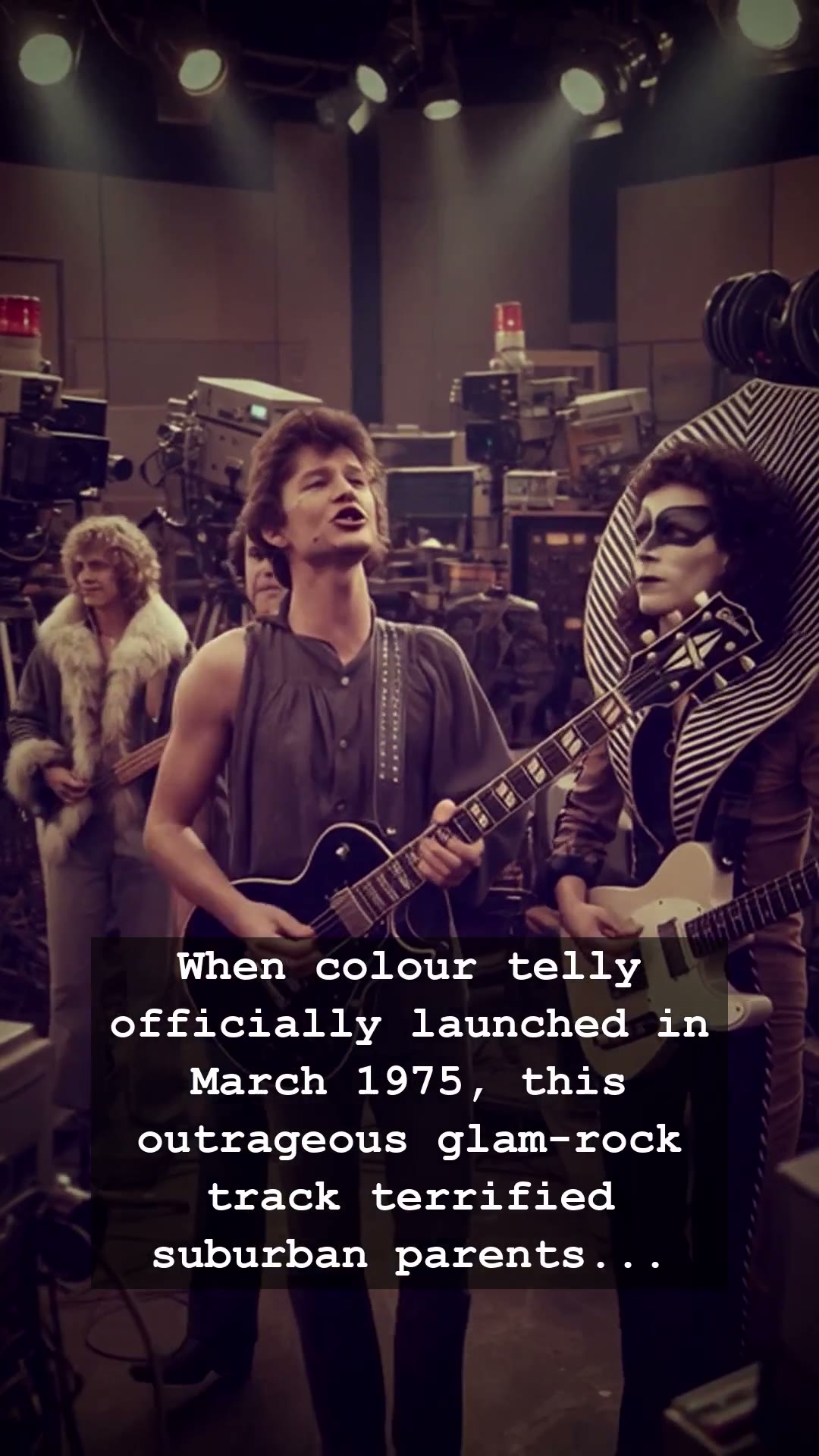
Picture the scene: it is March 1975, the Australian sky is a bit brighter, and our living rooms are suddenly flooded with a spectrum of colour we had only ever dreamed of. As the big switch to colour television officially flicked on, most families were glued to the box, expecting a pristine, polite introduction to this new era. Instead, they got Skyhooks. While the powers that be might have hoped for something wholesome, the Melbourne glam-rock legends had other plans. They burst onto the Countdown stage like a neon-soaked fever dream, all spandex, sequins, and enough makeup to make a theatre troop blush. It was loud, it was brash, and to the suburban parents sitting on their beige carpets, it was absolutely scandalous.

For a bloke growing up in the mid-seventies, seeing Skyhooks on the telly for the first time was like realising the world had finally caught up to the chaos we felt in our own backyards. Their songs, written by the brilliant Greg Macainsh, weren’t just about love and heartbreak; they were about the sticky reality of life in Melbourne. Tracks like ‘Living in the 70’s’ weren’t just hits; they were cultural grenades. My old man would reckon they were just making a racket, but deep down, even the most conservative folks had to admit the band had a certain magnetic pull. The sheer audacity of the band, with their platform boots and outrageous personas, gave a generation of Aussie kids a sense of identity that didn’t rely on imitating the Yanks or the Poms.

That specific moment in 1975 changed the trajectory of Aussie music forever. Before Skyhooks, radio stations were often hesitant to give local bands a fair go, but the combination of the band’s visual impact on colour television and the undeniable hooks of their songwriting proved that we didn’t need international acts to sell out a venue. They brought the pub rock energy right into the lounge room, turning our favourite music into a nationwide event. You could feel the shift in the air; it was a time when Australian music started to take itself seriously, even if the artists themselves were clearly having the time of their lives being complete larrikins.

Looking back, it is easy to realise why they left such a massive mark. They weren’t just playing music; they were documenting a turning point in our history. The drama, the public pearl-clutching, and the inevitable chart domination made them the ultimate Australian obsession. Even today, hearing those familiar chords brings back heaps of memories of cheap beer, long summers, and the hum of a television set that had finally found its colour. It was a golden age of local talent that paved the way for every band that followed, proving that if you have something to say, you might as well scream it while wearing glitter.

Do you remember where you were when the colour signal finally went live, or perhaps your first time catching the lads on Countdown? It is those little flashes of time that stay with us, isn’t it? Whether you were a devoted fan or one of those parents hiding behind a newspaper, Skyhooks left an indelible stain on our cultural fabric. I reckon we should all take a moment to celebrate that glorious bit of mischief. After all, life is far too short to be painted in black and white, especially when you have a bit of rock and roll to keep things interesting.