The Stargazers: How 1954 Britain Fell for Harmony

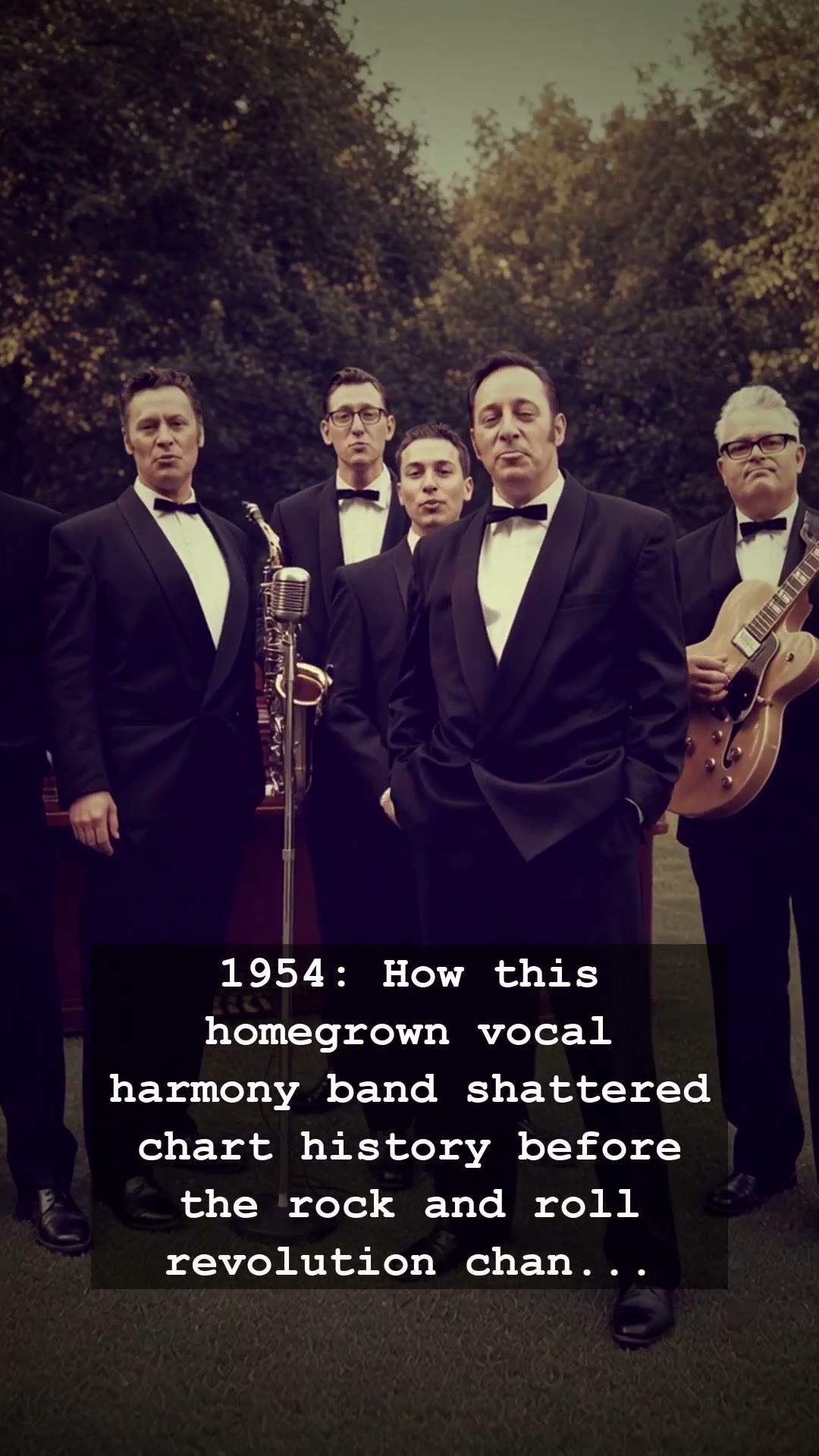
Picture the scene in a post-war British living room in 1954. The wireless sat proudly on the sideboard, glowing softly in the corner, while families gathered around to catch their favourite broadcasts. Life still carried the grey, rationed colour of the aftermath, but a quiet sonic revolution was brewing across the airwaves. Long before electric guitars and leather jackets took over the telly, a homegrown vocal harmony band managed the unthinkable. They didn’t just top the charts; they shattered history, giving a weary nation a shimmering slice of pure optimism.

That pioneering vocal powerhouse was The Stargazers. Formed years earlier, this talented troupe perfected a style of close-harmony singing that felt entirely fresh, yet comfortingly familiar. In an era when American imports usually dominated the British consciousness, The Stargazers proved that homegrown talent could capture the nation’s heart. Their relentless graft and impeccable pitch meant they were constantly working, lending their golden voices to radio shows, variety halls, and recording sessions that defined the soundtrack of the decade.

The crowning glory arrived in 1954 when their infectious track I See the Moon soared straight to the number one spot on the UK charts. It was a monumental achievement, marking the first time a British-born vocal group had ever claimed the top position. Imagine the scene at record shops up and down the country, where eager teenagers and doting mums queued to bag a copy of the 78rpm shellac disc. It was the ultimate auditory escape, painting a technicolour dreamscape over the grey drizzle of mid-fifties Britain.

Yet, this golden chapter of British pop history stood right on the precipice of massive cultural upheaval. Just around the corner lurked the raw, untamed energy of rock and roll. Within a few short years, skiffle boards, Teddy boy style, and Elvis Presley would arrive on British shores, sweeping away the polished innocence of harmony pop overnight. But for one shining moment in 1954, The Stargazers were the undisputed kings of the British entertainment world, soundtracking countless cups of tea and Sunday roasts.

Looking back today, the legacy of The Stargazers offers a poignant reminder of a simpler, more innocent time in British music history. Their breathtaking vocal arrangements still evoke a deep sense of nostalgia for anyone lucky enough to remember tuning in. It is fascinating to realise how much the musical landscape shifted in just a single decade, moving from pristine vocal harmonies to rebellious teenage anthems.

Next time you fancy a trip down memory lane, track down a recording of The Stargazers and let those vintage harmonies wash over you. It is a wonderful way to connect with the ghosts of Britain past, reminding us all of the timeless magic that happens when voices blend in perfect harmony.
How Jimmy Young Stopped Britain in 1955

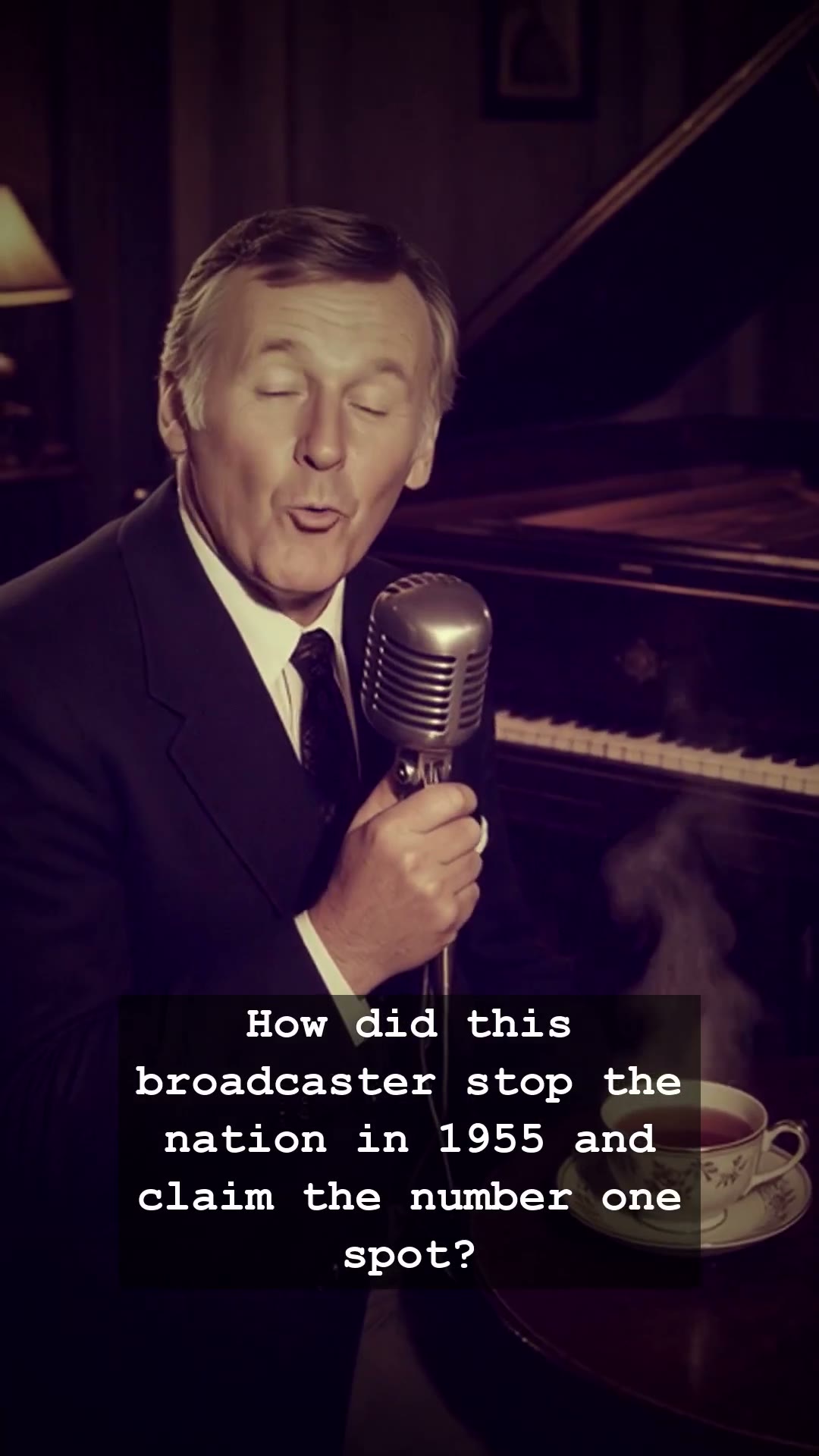
Picture the scene in 1955. Post-war Britain was slowly shedding its grey, rationing-heavy exterior, eager for a splash of colour and a reason to smile. Families gathered around the glowing wooden cabinet in the corner of the living room, waiting for the familiar crackle of the BBC. Into this quiet domestic routine stepped Jimmy Young, a smooth-talking radio broadcaster whose voice would soon become the comforting soundtrack to millions of everyday lives across the nation. But before he was the undisputed king of the airwaves, he did something quite extraordinary that completely stunned the British music establishment.

Jimmy Young managed to capture the entire nation’s heart by topping the UK charts with a spine-tingling rendition of the classic ballad Unchained Melody. Released during an era when the charts were heavily dominated by traditional crooners and American imports, his version soared straight to number one, holding the top spot for a staggering three weeks. It was a remarkable cultural moment that bridged the gap between broadcasting and pop superstardom, proving that a familiar, friendly voice could conquer the fiercely competitive music industry.

The backstory of this unexpected chart triumph is dripping with the charm of a bygone era. Jimmy Young was already a familiar face and voice to anyone who tuned into the telly or listened to the wireless, but recording a massive pop hit was a different beast altogether. His vocal delivery carried a quiet romance, perfectly pitched to soothe a generation that had endured immense hardship. When the track dropped, it struck an immediate chord, echoing out of corner shops, local dance halls, and open windows up and down the country.

What made the achievement even more fascinating was the fierce chart rivalry of the time. Jimmy Young was actually competing directly with American screen legend Al Hibbler, whose competing version of the very same song was also making waves. Yet, the British public showed fierce loyalty to their favourite broadcaster, propelling his version past the Hollywood heavyweight. It was a proud moment for homegrown talent, celebrated enthusiastically in the pages of the NME and across living rooms nationwide.

Long before the days of streaming playlists and instant downloads, Jimmy Young created a shared national experience through sheer vocal warmth and charisma. His historic chart-topping feat remains a brilliant reminder of a simpler time when a single song could genuinely stop the nation in its tracks. Even today, listening to that soaring melody feels like stepping back into a sepia-toned memory of post-war Britain.

Take a moment today to dig out that timeless recording and let the rich nostalgia wash over you. Whether you remember crowding round the wireless as a child or are simply discovering these vintage gems for the first time, Jimmy Young’s historic 1955 triumph is well worth revisiting. Drop us a comment below and share your favourite memories of Britain’s golden age of broadcasting.

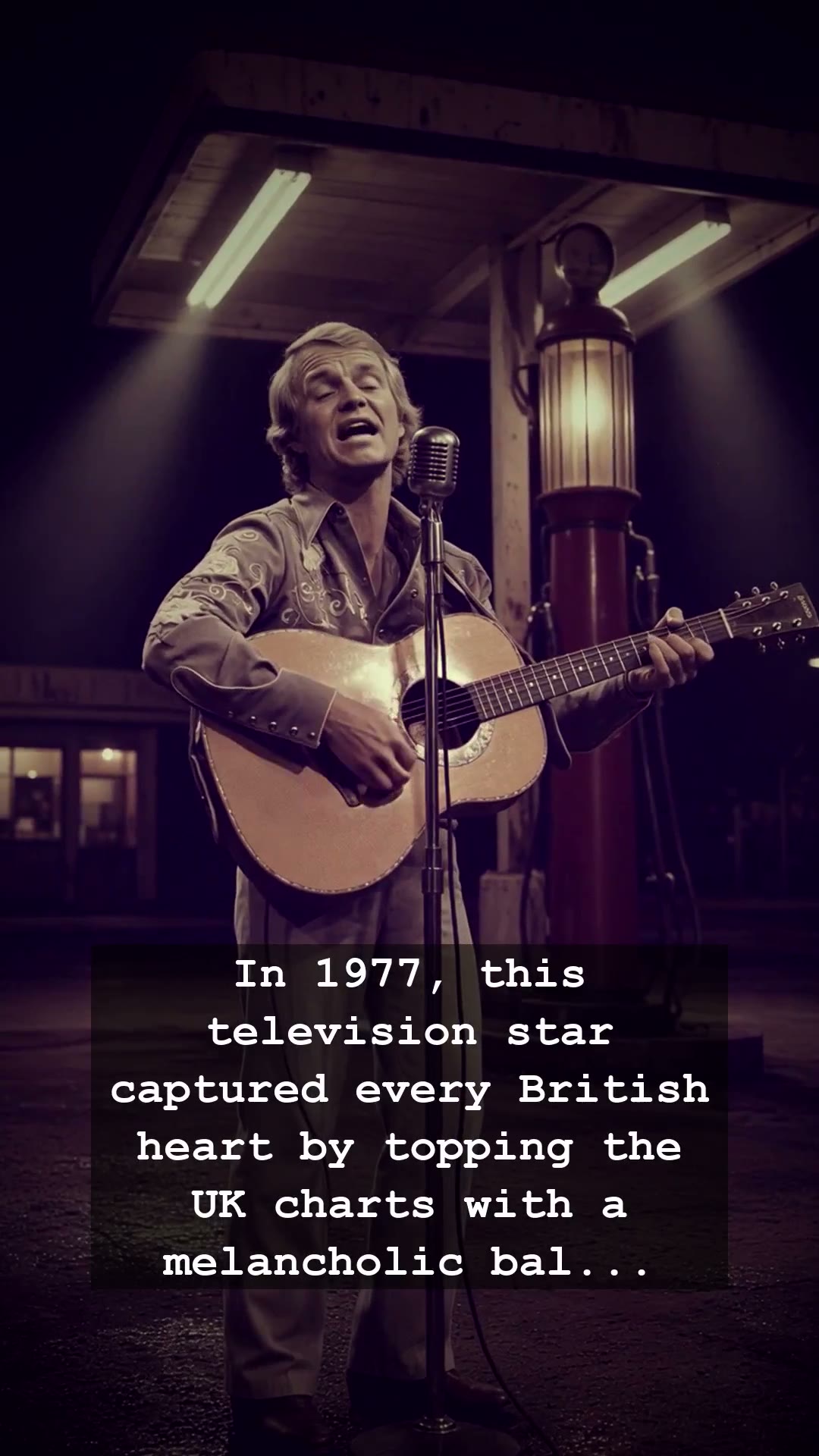
When David Soul Conquered the 1977 UK Charts

Picture the scene back in 1977. Families across Britain would crowd around the living room telly on a Saturday night, tuning in to watch Starsky & Hutch. Among them, Hutchinson, played by the effortlessly cool David Soul, had already stolen countless hearts. But nobody could quite predict that the American actor would soon trade his police badge for a microphone, stepping out of the small screen to capture the melancholic mood of an entire nation with a tune that still gives us goosebumps today.

The song was Silver Lady, a track steeped in a gentle, atmospheric heartbreak that felt tailor-made for rainy British evenings. When David Soul released it as a follow-up to his chart-topping hit Don’t Give Up on Us, sceptics in the music press rolled their eyes, dismissing it as another flash-in-the-pan television star vanity project. Yet, the British public begged to differ. Record shops were packed from Manchester to London, and teenagers rushed to snap up the seven-inch single, eager to see their favourite TV detective conquer the official charts once more.

Looking back, it seems remarkable just how completely David Soul infiltrated British popular culture during that era. He wasn’t just an imported American heartthrob; he became a comforting fixture of our weekly routine. When Silver Lady climbed to number one on the UK Singles Chart in October 1977, keeping some formidable homegrown talent at bay, it proved that his appeal went far beyond a polyester police jacket and a shiny Ford Torino. There was a genuine vulnerability in his delivery, a quiet emotional depth that resonated deeply with listeners navigating the grey economic gloom of late-seventies Britain.

Behind the scenes, the whirlwind of sudden pop superstardom was often dizzying. David Soul found himself mobbed at every gig, chased down damp London streets by screaming fans, and thrust onto the legendary stage of Top of the Pops under blinding studio lights. While his acting career had initially brought him to our shores, this unexpected musical chapter allowed him to connect with audiences on a far more personal level. It was a strange, beautiful juxtaposition: an American television star becoming the voice of British nocturnal romance.

Decades later, hearing those opening piano chords of Silver Lady instantly transports many of us back to a simpler time of woolly jumpers, amber streetlights, and listening intently to BBC Radio 1 under the bedsheets. David Soul might have hailed from Chicago, but through that one unforgettable song, he earned a permanent, cherished place in the soundtrack of British life. Why not dig out your old vinyl copy today, pop it on the turntable, and let the nostalgic memories come flooding right back?

Winifred Atwell: The Piano Legend Who Made UK Chart History

Picture the grey postwar British living room in 1954. The wireless was humming softly, mothers were pouring tea, and children sat mesmerised by the glowing valve telly. Back then, the UK singles chart was a brand-new landscape, a fragile infant finding its feet. Yet into this monochrome world bounced a wave of pure, unadulterated technicolour joy that would shatter glass ceilings forever. The woman behind the magic was Winifred Atwell, a classically trained Trinidadian virtuosa who traded Chopin for honky-tonk and captured the nation’s heart.

Born in Tunapuna, Trinidad, Winifred Atwell showed prodigious talent from a very early age before crossing the Atlantic to study at the prestigious Royal Academy of Music in London. She was the first female pianist to pass the academy’s difficult exams with absolute flying colours. But life in post-Blitz Britain was tough, and to make ends meet in local clubs, she began playing ragtime and boogie-woogie. That signature sound—played on her beloved, slightly out-of-tune upright piano that she lovingly dragged from gig to gig—became her unmistakable calling card.

That unforgettable moment in 1954 arrived when her infectious medley, featuring the bouncy hit Let’s Have Another Party, skyrocketed straight to number one on the UK charts. It was a seismic cultural shift. Not only was it a triumph for catchy, feel-good music, but Winifred Atwell etched her name into the history books as the very first Black artist to ever claim the number one spot in Britain. In an era before streaming or digital downloads, families rushed down to high street record shops to snap up her shellac 78s, eager to spin some happiness into their homes.

Her appeal stretched far beyond the charts; she was a television trailblazer with her own BBC show, adored by millions who tuned in each week. She even famously lent her battered upright piano to a young, unknown Liverpudlian singer named Paul McCartney, who used it to record early Beatles tracks. That battered old instrument became a true relic of British pop lore, symbolising a bridge between classical precision and working-class pub-room knees-ups.

Tragically, despite her monumental success and millions of records sold, later years brought financial hardship and health struggles. Winifred Atwell eventually moved to Australia, passing away quietly in Sydney in 1983, largely forgotten by the fickle mainstream music industry that she had helped pioneer. Yet her legacy refuses to stay quiet. Whenever we hear that cheerful, syncopated rhythm bouncing through a vintage wireless, we are reminded of the trailblazing spirit who proved that music truly knows no boundaries.

Take a moment today to dig out her classic tracks and let that wonderful, nostalgic rhythm sweep you back to a simpler time. Who knows, you might just find yourself tapping your feet and smiling just like your grandparents did over seventy years ago.

The Final Verse: Why Art Garfunkel Silenced a Legend

It is a rainy Tuesday evening, the kind that feels plucked straight from a classic London record shop. You find yourself listening to Bridge Over Troubled Water, and as the final bars swell, you realise that something peculiar is happening in the mix. The history of music is littered with bitter breakups, but the silent, icy distance between Paul Simon and Art Garfunkel remains perhaps the most haunting. It was not a sudden explosion of shouting matches in a crowded pub, but rather a slow, suffocating erosion of creative harmony that peaked during their final studio sessions.

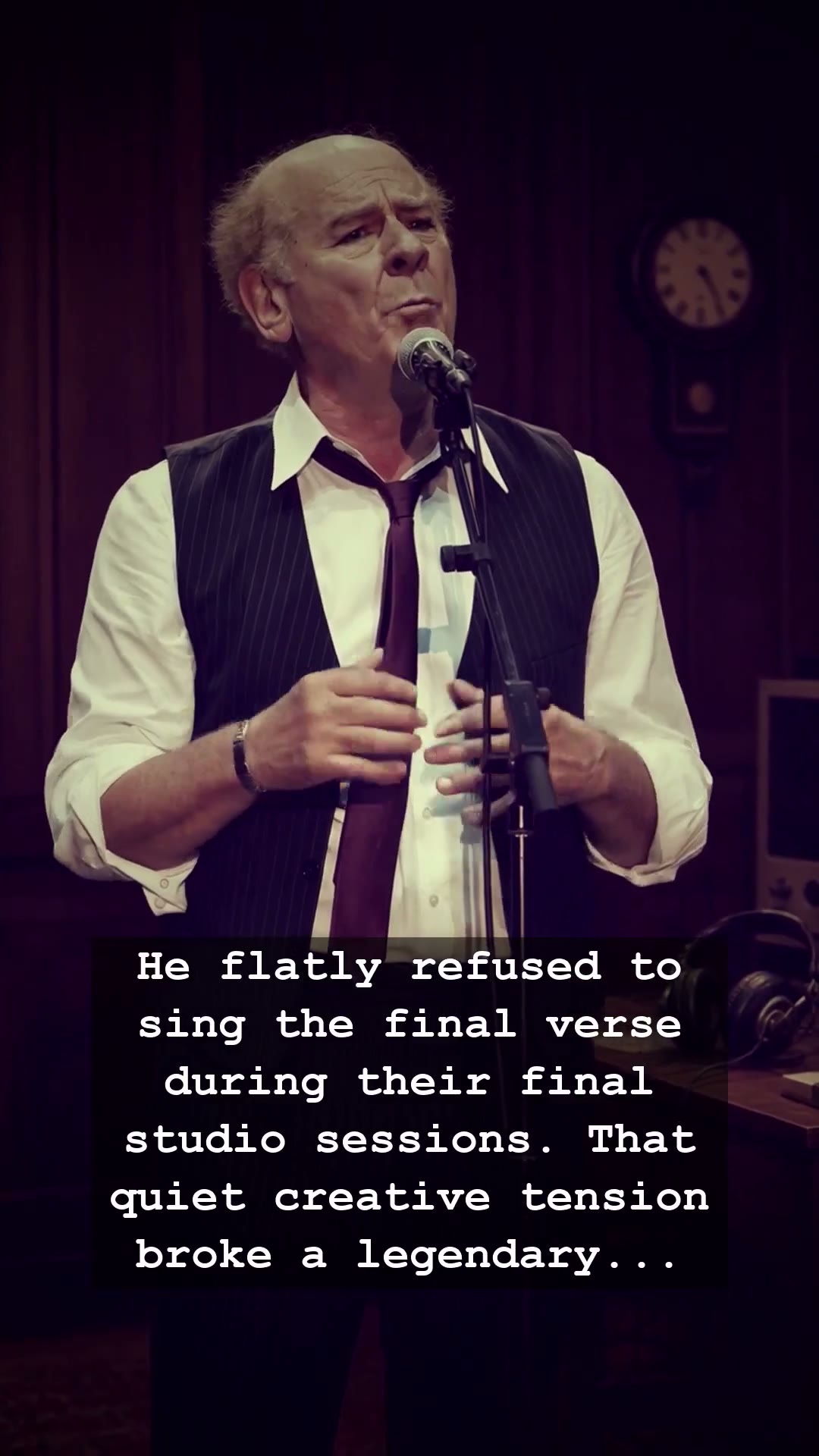
Art Garfunkel, that ethereal voice that defined a generation, made a decision during the recording of their final masterpiece that would echo for decades. He flatly refused to sing the soaring final verse of what would become their swan song. For an artist who had spent years as the perfect sonic companion to Simon’s sharp, rhythmic storytelling, this act of omission was not a mere suggestion; it was an ultimatum. It forced his lifelong partner to carry the weight of the song alone, creating a lopsided, fragile beauty that listeners still ponder today. Why would one of the world’s most iconic voices step back when the spotlight was brightest?

To understand the tension, you have to transport yourself back to the tail end of the sixties. The world was changing, and the dream of folk harmony was losing its colour against the backdrop of a more aggressive, electric era. Behind the closed doors of the recording studio, the dynamic had shifted from brotherly collaboration to professional exhaustion. Art Garfunkel felt increasingly sidelined, a mere instrument in Simon’s grander design. When he chose to remain silent during that final, desperate climb of the melody, it wasn’t just a technical choice; it was the sound of a partnership finally realising it had run out of road.

There is a certain tragedy in how we romanticise these moments. We want our heroes to be larger than life, but the reality is often as mundane and painful as a row at a family Sunday roast. The silence of Art Garfunkel in that studio didn’t just break a band; it crystallised a feeling of loss that still hits home for anyone who has ever had to walk away from someone they once called their favourite person. It is that very vulnerability, that crack in the polished veneer of a perfect track, that keeps us coming back to the vinyl again and again.

Even now, listening through a crackling old speaker, you can hear the ghosts in the room. The space where Art Garfunkel should have been is filled with the weight of things left unsaid. It is a lesson in the fragility of artistic brilliance and the heavy price of ego. Perhaps it is fitting that their final statement was one of profound absence rather than a triumphant chorus. When you spin the record tonight, listen closely to that final verse. You aren’t just hearing a song; you are hearing the exact moment a legend turned into a memory, leaving us to wonder what might have been if the harmony had held just a little bit longer.

Tennessee Ernie Ford: The Song That Powered British Coal Mines

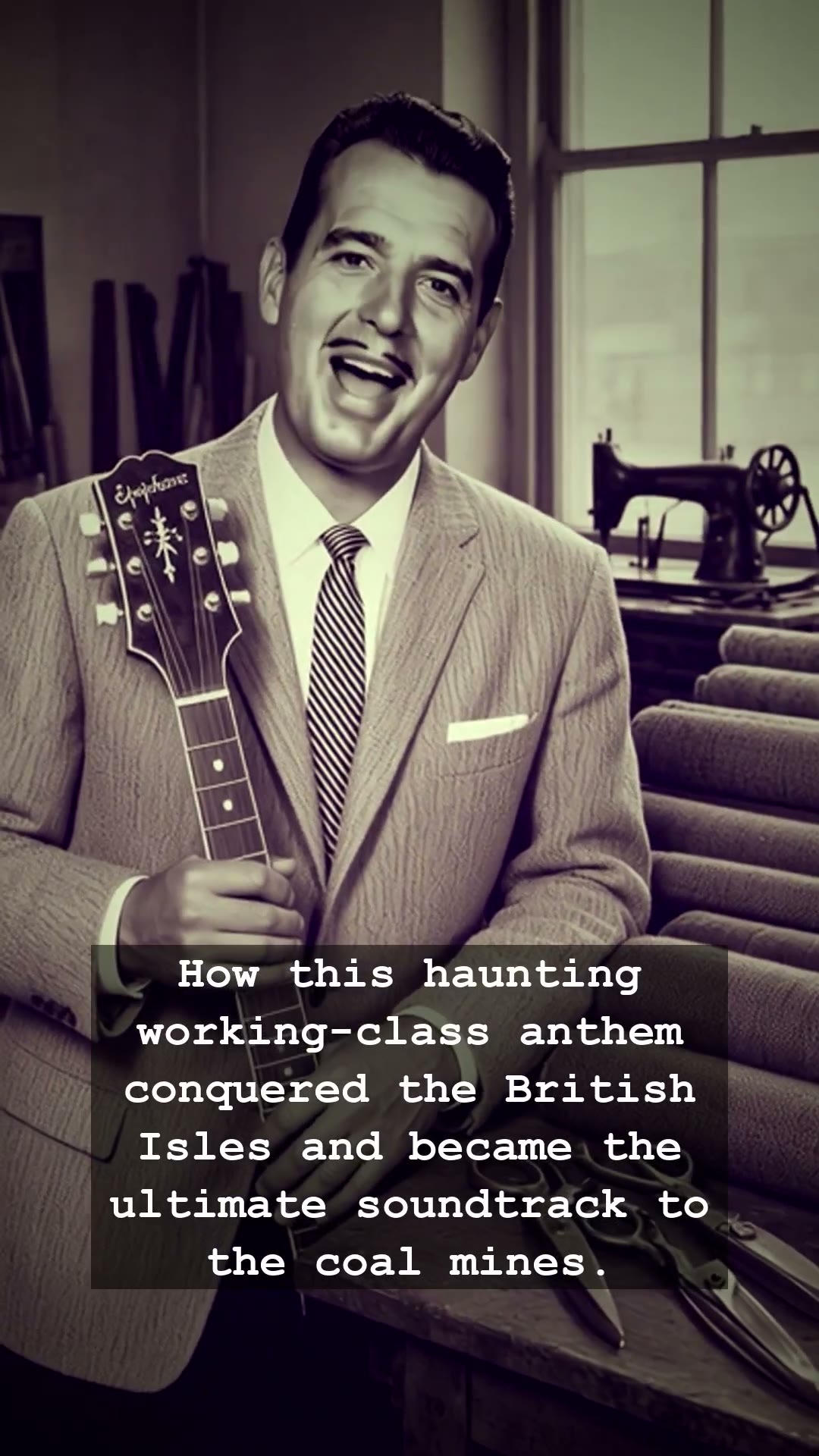
It was November 1956, and the air across the British Isles felt thick with the grey fog of a changing era. While teenagers were just starting to shimmy to the sounds of rock and roll, the men coming home from the pits of Durham and Yorkshire had a different rhythm in their bones. They were humming a tune that felt as heavy and essential as the coal they hauled—Sixteen Tons. The man behind this haunting industrial anthem wasn’t a local lad, but a tall, baritone-voiced American named Tennessee Ernie Ford. It remains one of history’s most curious anomalies that a song about the crushing reality of the American company store became the ultimate soundtrack to the British working-class experience.

The genius of Tennessee Ernie Ford lay in his ability to capture the soul-weary resignation of the labourer. When you listen to the snap of his fingers and that unmistakable, guttural growl, you realise why it struck such a chord in our post-war landscape. Britain was in the midst of rebuilding, and for thousands of blokes shivering in damp terraced houses, the lyrics ‘St. Peter, don’t you call me, ’cause I can’t go, I owe my soul to the company store’ hit home with brutal accuracy. It wasn’t just a record; it was a sentiment. It was played relentlessly on the wireless, echoing through the halls of BBC Radio 1 and finding its way onto every battered record player from London to Glasgow.

What makes the success of Tennessee Ernie Ford so fascinating is how it bridged the cultural gap across the Atlantic. We were usually busy obsessing over our own skiffle craze, yet here was this deep, Appalachian-rooted sound topping the UK charts for weeks. The BBC might have been playing it to death, but it was the miners themselves who turned it into a cultural talisman. It became a fixture in the local boozers, a song that felt like it had been carved out of the earth itself. The sheer grit in his voice gave the song a colour that our own pop stars of the day simply couldn’t replicate.

Looking back, it’s easy to see why we fell for Tennessee Ernie Ford. He wasn’t trying to be a polished teen idol; he sounded like a man who knew exactly what it meant to work until your back gave out. The track became a rallying cry for the common man, a brief moment of shared defiance against the grinding gears of industry. Even decades later, when the pits have closed and the landscape has changed, hearing that opening bass line takes you straight back to a time when the telly was a luxury and the music felt like it actually meant something.

We don’t get voices like his anymore—deep, earthy, and carrying the weight of a thousand miles of coal dust. Tennessee Ernie Ford managed to immortalise the plight of the worker in a way that remains etched in our national memory. Whether you were there at the time or you’ve discovered it through your dad’s old vinyl collection, Sixteen Tons still packs a punch. Next time you fancy a bit of nostalgia, put on the record, close your eyes, and listen to the song that once kept the spirit of the British coal mines alive.

Boney M and the Truth Behind the Rasputin Lip-Sync Scandal

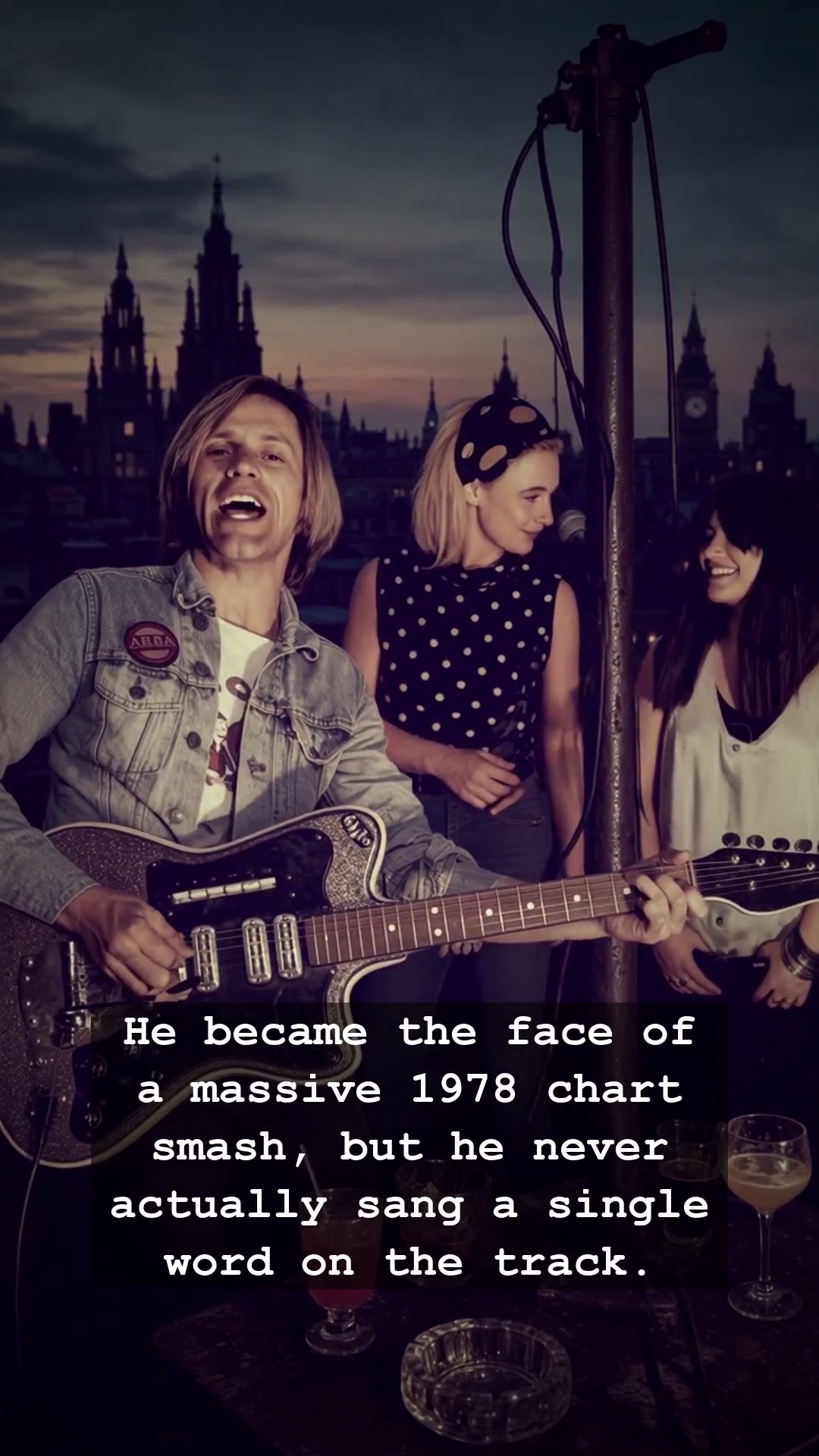
Picture the scene: it is 1978, the telly is glowing in the corner of your living room, and Top of the Pops is airing another episode that would define a generation. Out struts the charismatic Bobby Farrell, dancing with an energy that seemed to defy gravity. With his flamboyant costumes and infectious charisma, he was the face of Boney M, the group that brought disco to the rain-soaked streets of Britain. But for those of us who grew up mesmerised by their hits, there was always a secret bubbling beneath the glitter. That iconic, deep, rumbling voice that brought Rasputin to life? It did not belong to the man on stage at all.

It is one of the most curious stories in pop history. While the nation was swept away by the high-octane production of Frank Farian, the reality of the studio was vastly different. Farian, the mastermind behind the collective, provided that legendary baritone himself, hidden away behind the mixing desk. When you realise that the man commanding the spotlight was merely the face of a carefully crafted machine, it paints the era in a completely different light. It was not just about music; it was about the spectacle, the colour, and the sheer audacity of pop stardom in the late seventies.

Looking back, it is easy to feel a twinge of cynicism, but there is something undeniably nostalgic about the deception. We were not just listening to songs; we were buying into a dream. Whether you were down the local disco or gathered around the radio waiting for the latest chart-topper to spin, Boney M represented an escape from the grey reality of a British winter. The fact that Bobby Farrell never sang a single note on the records never seemed to diminish our love for the tracks. We cherished the performance, the dance moves, and the undeniable magic of the production.

This episode serves as a brilliant reminder of how the music industry operated before the internet age, where mystery was a currency in its own right. There were no social media leaks or behind-the-scenes videos to spoil the illusion. You simply had the records, the glossy photos in NME, and your favourite memories of seeing them perform on the small screen. The drama of the industry was tucked away, allowing the music to take centre stage. It is a stark contrast to the transparent, over-exposed world of modern artists who live their lives in the public eye.

Even now, when Rasputin or Rivers of Babylon blares out at a wedding or a party, the room lights up with the same frantic energy it did forty years ago. We do not mind the artifice anymore; we embrace it as part of the legend. Boney M gave us a soundtrack to our youth that was as colourful as it was controversial. They taught us that sometimes, the best part of the story is the bit they did not tell you at the time. Do you remember the first time you realised it wasn’t him singing? Perhaps it is time to dig out those old records and have a dance, just for old time’s sake.

Dario Moreno : Le destin tragique derrière le sourire solaire

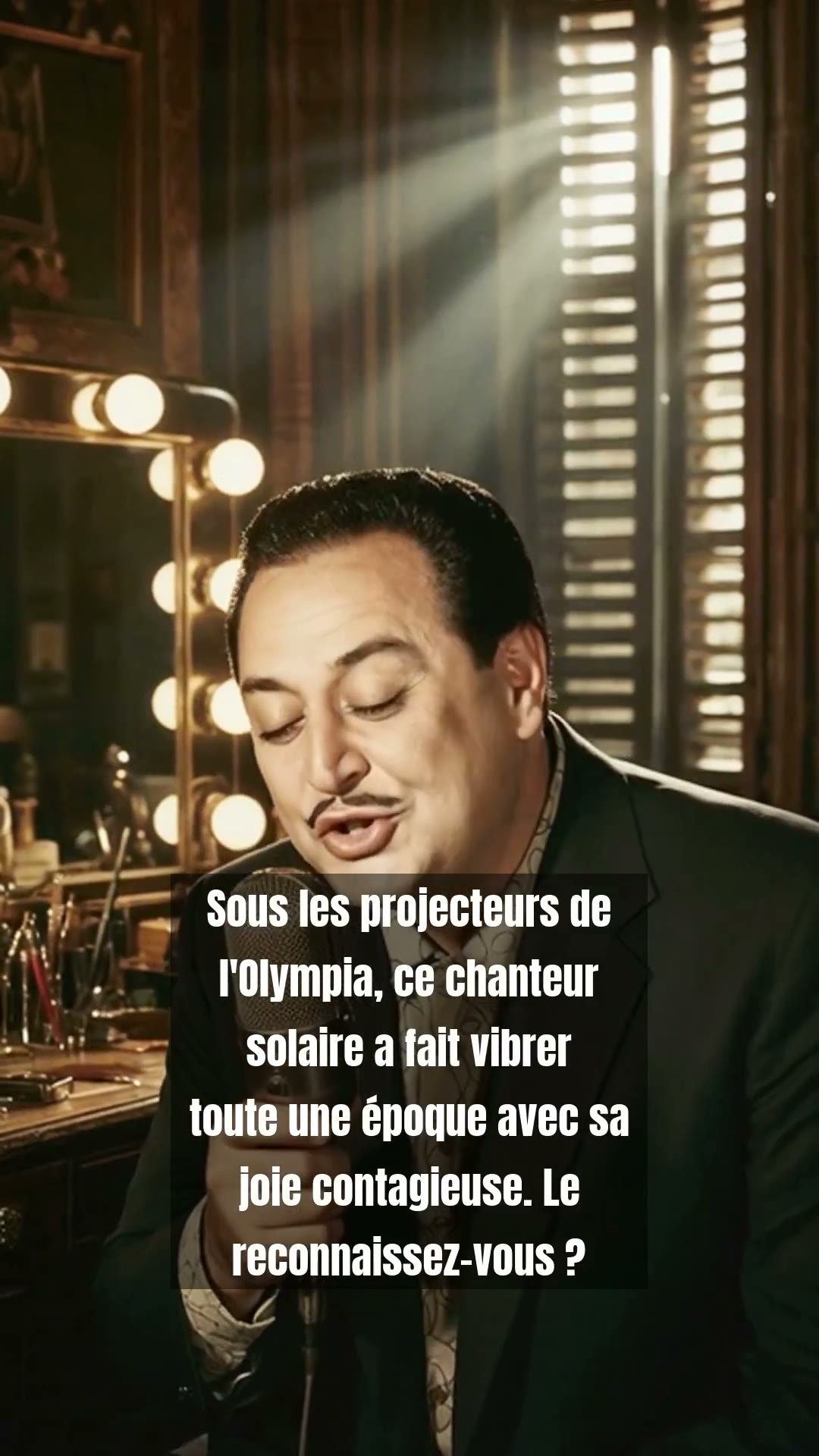
Sous les projecteurs brûlants de l’Olympia, il était le soleil fait homme. Pourtant, derrière le sourire carnassier et cette voix qui sentait bon les embruns de la Côte d’Azur, Dario Moreno cachait une mélancolie que peu soupçonnaient. Pour ceux qui ont grandi durant les Trente Glorieuses, le nom de Dario Moreno résonne comme un tambourin en pleine fête de village. De Si tu vas à Rio à Tout l’amour, il a fait danser la France entière, transformant chaque music-hall en une guinguette géante. Mais connaissez-vous vraiment l’homme derrière l’icône latine qui a illuminé nos postes de radio ?

Né à Izmir, Dario Moreno n’était pas seulement ce chanteur à la joie contagieuse que nous aimions tant regarder dans Salut les copains. Il était un travailleur acharné, un polyglotte capable de charmer les foules de Paris à Marseille. Sur la scène de l’Olympia, il possédait ce magnétisme rare, une présence physique qui semblait suspendre le temps. Pourtant, les coulisses du succès étaient souvent glaciales. Entre les exigences des maisons de disques et la pression permanente de devoir maintenir cette image de bon vivant infatigable, Dario Moreno vivait une dualité épuisante. La scène était sa drogue, son refuge, là où les tourments personnels s’effaçaient devant les applaudissements nourris du public.

Le monde a basculé en décembre 1968. Alors que la France pansait encore les plaies de Mai 68, Dario Moreno s’éteignait brusquement à Istanbul, à seulement 47 ans. La nouvelle a frappé les foyers français comme un couperet, plongeant ses fans dans une tristesse immense. Ce fut l’un de ces chocs qui marquent une génération, ce sentiment soudain que l’insouciance des années yé-yé commençait à se fissurer. On ne voyait plus seulement un chanteur disparaître, mais une part de notre propre jeunesse qui s’envolait avec lui. Sa mort prématurée reste, encore aujourd’hui, une plaie ouverte dans la mémoire collective de la variété française.

On se souvient de lui comme de ce gentleman qui portait la moustache avec une élégance toute méditerranéenne, un artiste qui savait transformer le moindre 45 tours en un disque d’or. Contrairement à d’autres stars éphémères, Dario Moreno a laissé une empreinte indélébile. Ses chansons passaient en boucle sur les ondes, accompagnant nos départs en vacances dans la mythique Nationale 7. C’était une époque où la musique créait du lien, où chaque tube était une promesse de bonheur partagé.

Pourquoi, plusieurs décennies plus tard, continuons-nous à fredonner ses refrains ? Peut-être parce que nous avons soif de cette authenticité, de ce charme désuet qui ne cherchait ni à choquer ni à diviser. Dario Moreno représentait un monde où la chanson populaire avait le pouvoir d’unir. En écoutant à nouveau ses vinyles, on ne réécoute pas seulement des notes, on revit une émotion, un parfum d’été qui ne s’est jamais vraiment dissipé. Fermez les yeux, écoutez les premières mesures, et laissez la magie de Dario Moreno opérer une fois encore dans votre salon.

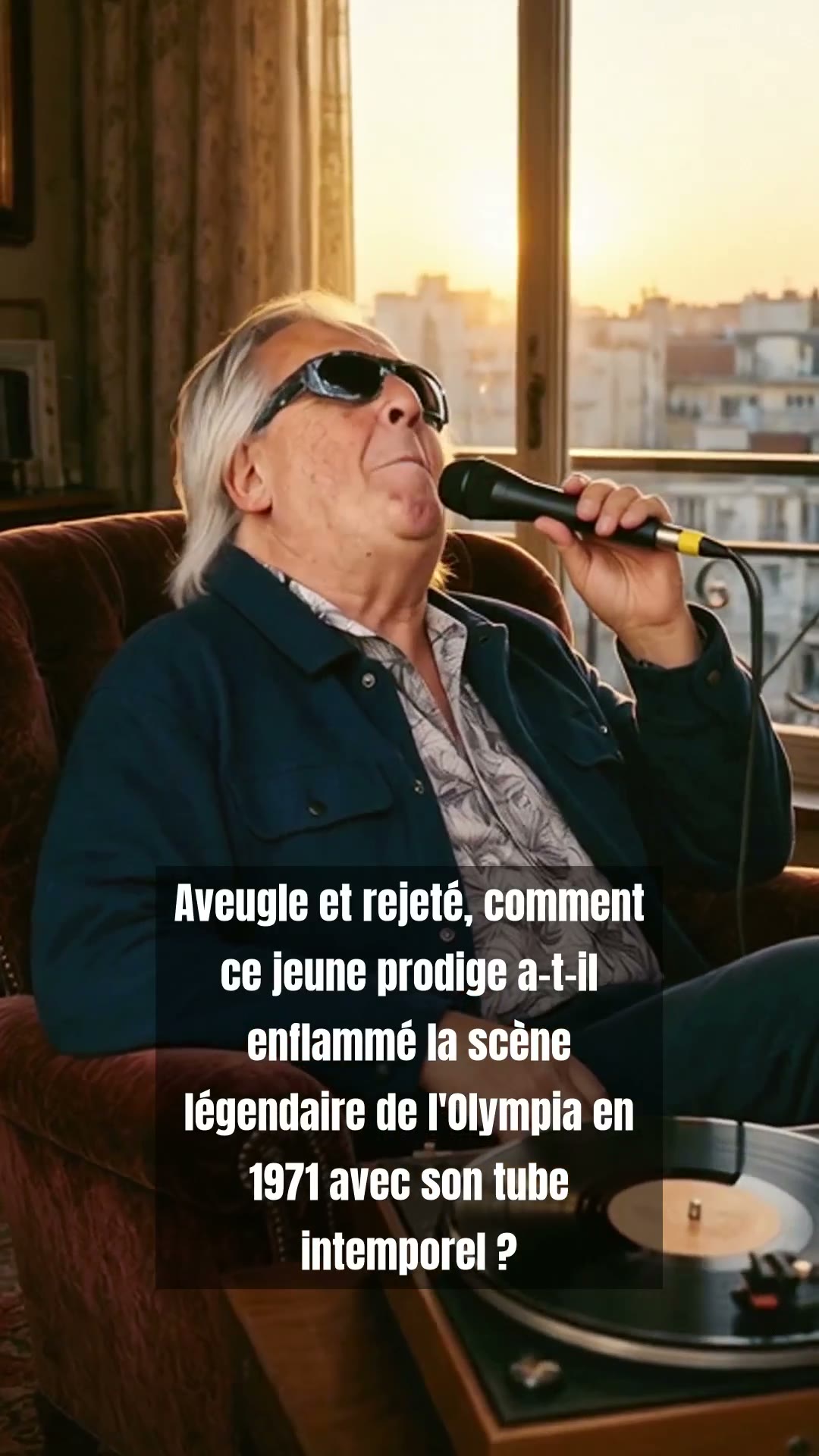
Gilbert Montagné : Le triomphe aveugle sur la scène de l’Olympia

Il est des soirs où le destin bascule sous les projecteurs, et pour Gilbert Montagné, ce soir-là reste gravé dans la mémoire collective de la France. En 1971, alors que le music-hall français est en pleine mutation après les secousses de Mai 68, un jeune prodige aveugle s’avance sur la scène mythique de l’Olympia. À seulement 19 ans, il n’est pas seulement un musicien, il est une force de la nature. Lorsqu’il entame les premières notes de The Fool, le public parisien retient son souffle. Ce tube, composé avec une ferveur presque mystique, va devenir l’hymne incandescent d’une génération en quête de liberté. Qui aurait pu prédire qu’un garçon dont la vue s’était éteinte dès la naissance allait illuminer les ondes de France Inter et devenir une icône absolue de la variété française ?

Pourtant, le chemin vers ce triomphe n’avait rien d’un conte de fées. Avant d’être adoubé par le public, Gilbert Montagné a connu l’isolement et le rejet, des stigmates que seul le piano a pu panser. Dans les années 60, alors que les yé-yés faisaient danser les jeunes sur les 45 tours de Salut les copains, lui, dans l’ombre, forgeait son style en autodidacte acharné. À une époque où le monde du spectacle était impitoyable et souvent inaccessible pour ceux qui ne correspondaient pas aux critères esthétiques des magazines de l’époque, il a dû redoubler d’audace. Son passage à l’Olympia n’était pas seulement une performance ; c’était un acte de résistance artistique contre tous ceux qui avaient douté de sa capacité à captiver les foules.

La magie de ce concert repose sur ce contraste saisissant : la fragilité de cet artiste face à l’immensité de la salle Bruno Coquatrix. Quand Gilbert Montagné s’installe derrière son clavier, le silence se fait total. Il ne voit pas les visages, il ne voit pas les rangs serrés des spectateurs, mais il ressent l’énergie, cette onde de choc électrique qui parcourt les travées. Ce soir-là, il a prouvé que la musique transcendait le handicap. Le public, habitué aux idoles plus lisses, a été cueilli par sa voix rocailleuse, son énergie débordante et cette joie de vivre contagieuse qui allaient devenir sa marque de fabrique. C’était la naissance d’une étoile qui ne se contentait plus d’exister, mais qui régnait sur la scène.

Au fil des décennies, le succès ne s’est jamais démenti. De ses passages dans les émissions de variétés de Guy Lux aux grands bals populaires de nos villages, Gilbert Montagné a su tisser un lien indéfectible avec les Français. Il incarne cette France des Trente Glorieuses qui croit encore aux rêves impossibles. Aujourd’hui, en réécoutant The Fool, on ne perçoit pas seulement une mélodie entraînante ; on entend l’écho d’une époque où l’on osait tout, où les artistes étaient de véritables bêtes de scène, loin des artifices numériques d’aujourd’hui. Ce souvenir est une bouffée de nostalgie pure, un rappel que derrière chaque grand artiste, il y a une lutte acharnée pour exister.

Avez-vous gardé le disque original ou vous souvenez-vous de cette émotion particulière en l’entendant pour la première fois à la radio ? Laissez-vous porter par ce flashback musical et revivez, l’espace d’un instant, cette soirée où Gilbert Montagné a prouvé, une fois pour toutes, que la lumière intérieure brille toujours plus fort que les projecteurs.

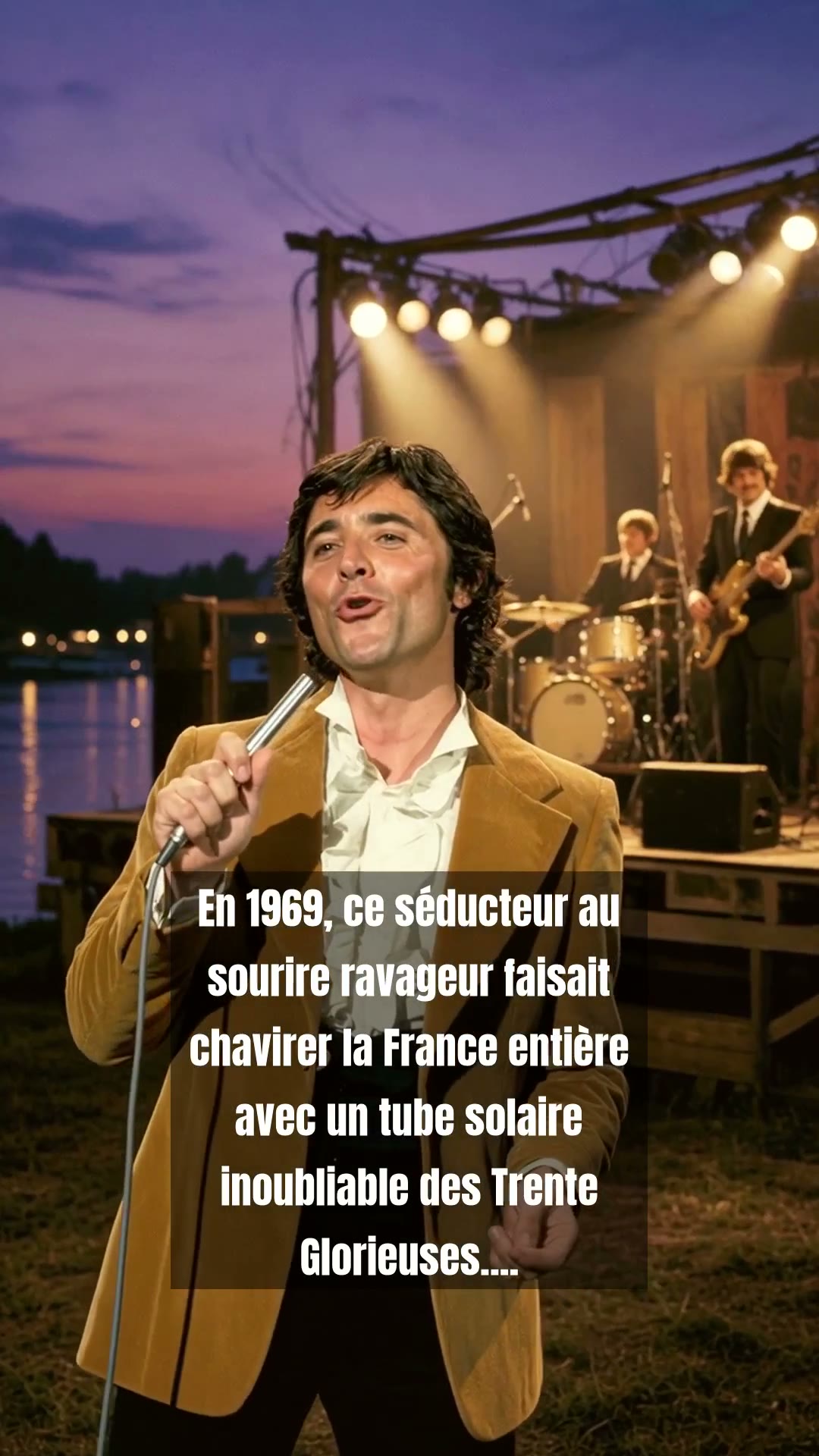
Sacha Distel : l’ombre cachée derrière le sourire solaire des Trente Glorieuses

Le 14 juillet 1969, la France ne dansait pas seulement dans les guinguettes ; elle fredonnait une mélodie qui semblait capturer l’essence même de notre insouciance retrouvée. Derrière le micro, avec son sourire ravageur qui faisait chavirer les cœurs, se tenait Sacha Distel. Avec son adaptation devenue légendaire, il incarnait cette jeunesse dorée des Trente Glorieuses, une époque où le monde semblait s’ouvrir à l’infini sous les néons des émissions de télévision comme Salut les copains. Mais derrière ce vernis de perfection et ces mélodies solaires qui tournaient en boucle sur France Inter, que restait-il vraiment du séducteur que tout le monde s’arrachait ?

Sacha Distel n’était pas seulement ce crooner au brushing impeccable que les magazines de l’époque adoraient mettre en une. Musicien prodige, guitariste de jazz émérite ayant fréquenté les plus grands, il portait en lui une dualité fascinante. Pour beaucoup d’entre vous qui avez vécu ces années-là, il était l’homme des plateaux de l’Olympia, le visage chic du music-hall. Pourtant, Sacha Distel souffrait secrètement de cette étiquette de chanteur de charme, lui qui aurait voulu être reconnu pour ses improvisations de jazz complexes plutôt que pour ses succès commerciaux. La célébrité est une maîtresse exigeante, et le prix à payer était souvent une solitude pesante, bien loin des flashes des photographes de la Côte d’Azur.

Le contraste entre l’homme public et l’artiste privé était frappant. Au sommet de sa gloire, alors que la France passait progressivement de la radio à la télévision couleur, Sacha Distel devait jongler avec les pressions constantes de l’industrie musicale et les scandales mondains qui alimentaient les colonnes de la presse à scandale. Il y avait dans sa vie des zones d’ombre, des désillusions amoureuses et une exigence professionnelle que peu soupçonnaient. Ce n’était pas le portrait lisse que l’on nous présentait dans les Scopitone projetés dans les cafés de quartier ou lors des soirées devant le petit écran en famille.

Nous nous souvenons tous de cette période comme d’un âge d’or, celui des disques 45 tours que l’on achetait religieusement chez le disquaire du coin, espérant y trouver un peu de magie. Sacha Distel était la bande-son de ces moments, le compagnon idéal de nos dimanches après-midi. Pourtant, quand on regarde en arrière, on réalise que ces chansons légères étaient souvent le refuge d’une génération cherchant à oublier les traumatismes récents de l’histoire et les tensions sociales qui allaient bientôt exploser en Mai 68. Il nous offrait une parenthèse, une bulle de bonheur, tout en naviguant lui-même dans les courants tumultueux de la célébrité.

Aujourd’hui encore, entendre une note de sa voix provoque ce frisson nostalgique, cette madeleine de Proust qui nous ramène instantanément à nos vingt ans. Sacha Distel reste une figure incontournable du paysage musical français, un artiste qui a su traverser les modes sans jamais totalement perdre ce charme mystérieux qui l’a rendu si cher à nos cœurs. Et vous, quel souvenir gardez-vous de cette époque dorée où la voix de Sacha Distel rythmait nos vies ?