The Tragic Success of Falco: Why Rock Me Amadeus Brought Terror

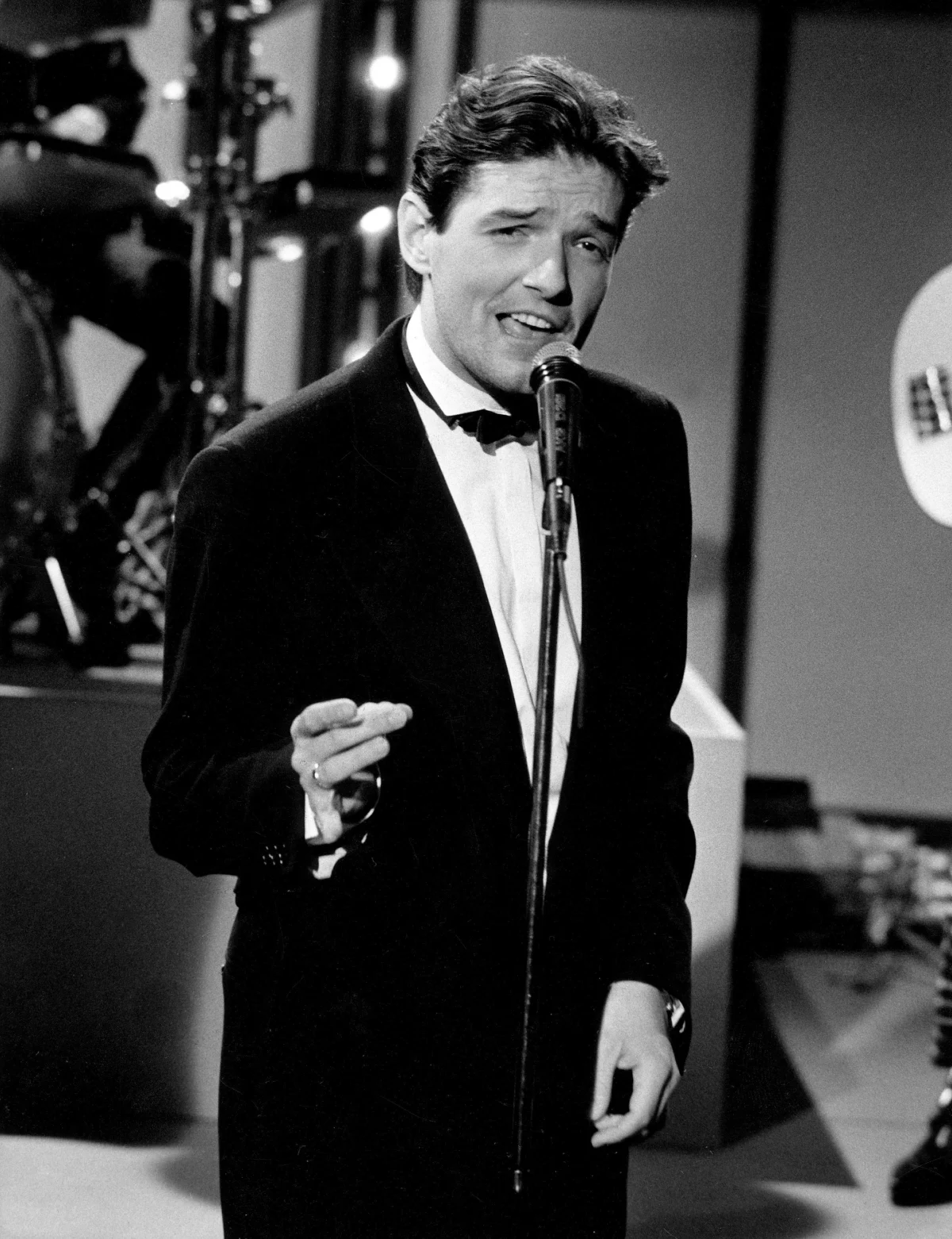
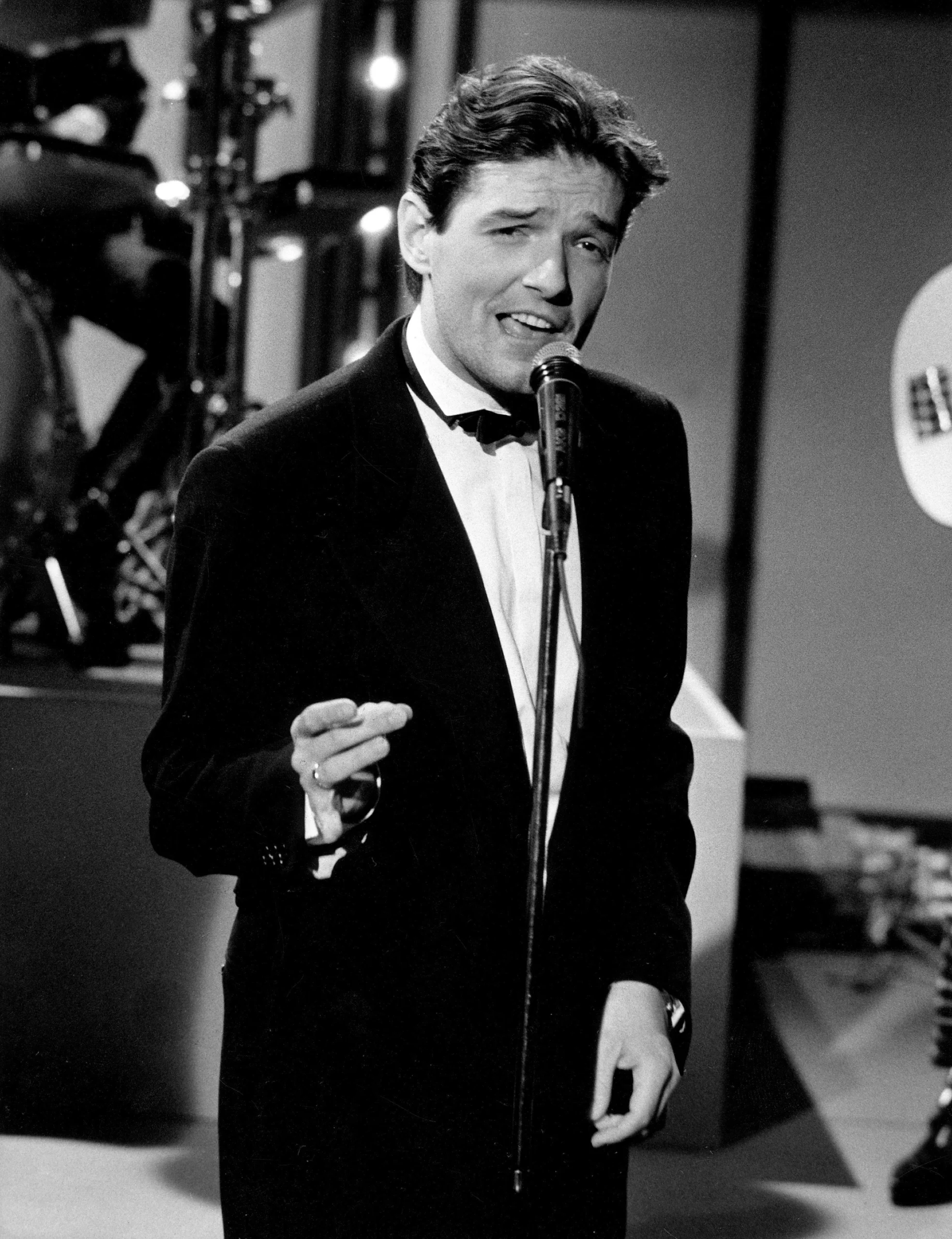
In 1986, the airwaves were dominated by the neon pulse of the synth-pop revolution, and MTV was the undisputed king of musical discovery. Amidst this colorful landscape, a charismatic Austrian named Falco achieved the impossible. His hit single Rock Me Amadeus climbed to the top of the Billboard Hot 100, marking the first time a German-language song had ever reached the summit of the American charts. While the world danced to its infectious, orchestral-meets-hip-hop beat, the man behind the microphone was not popping champagne. Instead, Falco was paralyzed by a chilling, existential panic. He realized with terrifying clarity that he had reached the absolute peak of the mountain, and there was nowhere left to go but down.

To understand the gravity of his fear, one must look at the meteoric rise of Johann Hölzel, the man the world knew as Falco. He was an artist who embodied the decadence and artistic hunger of the mid-eighties. He thrived in the smoke-filled, high-stakes environments of European clubs and recording studios, where the line between genius and self-destruction was often blurred. Rock Me Amadeus was his masterpiece, a bold blend of Mozartian grandeur and street-smart swagger. Yet, for Falco, the massive triumph felt less like a victory lap and more like a closing door. He knew the fickle nature of the music industry better than anyone; he understood that superstardom is a fragile house of cards waiting for the slightest breeze to knock it over.

Behind the glitz of the Walkman era and the polished perfection of music videos, Falco wrestled with the classic tragedy of the golden-age performer. The pressure of maintaining his persona became an exhausting weight. He was a pioneer, blending genres in a way that felt rebellious and fresh, yet the more success he garnered, the more alienated he felt from his true self. He feared becoming a caricature, a one-hit wonder frozen in the amber of a single chart-topping year. This internal conflict defined his later years, creating a haunting contrast between the public image of an arrogant pop star and the private reality of a man losing his grip on his own identity.

History remembers the beat of Rock Me Amadeus as a soundtrack of the decade, but fans of nostalgic music history recognize it as a siren song. It is a cautionary tale about the dark side of fame, a reminder that the loudest applause often echoes in a very lonely room. Falco ultimately became a prisoner of his own legacy, a figure whose life turned into a tragic narrative of what happens when the ascent is too fast and the descent is too steep to control.

Even today, his music remains a testament to the bold, experimental spirit of the eighties. Whenever that familiar, driving tempo begins, we are transported back to a time of vibrant neon and unbridled ambition. We remember Falco not just for his chart-topping records, but for the raw, human vulnerability he hid behind his sharp suits and sunglasses. He lived the dream that every musician craves, only to find that the nightmare was waiting right beside it. As we listen to his catalog today, we are invited to look past the production value and see the man who dared to challenge the world, even when he knew the cost of his ambition would be his own peace of mind.
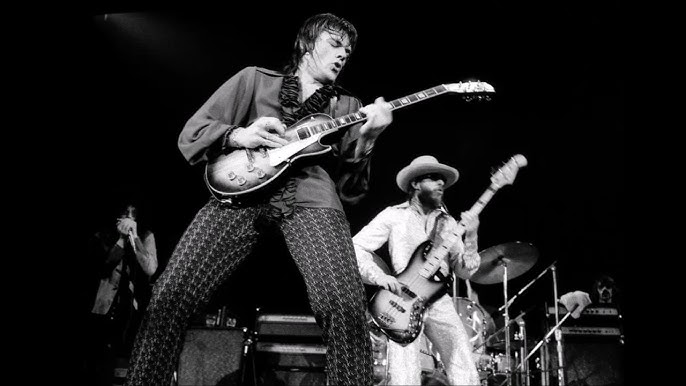

The Sudden Implosion of The J. Geils Band at Their 1982 Peak

It was 1982. The neon glow of the nascent MTV era was transforming music into a visual spectacle, and no one owned the screen quite like The J. Geils Band. Their infectious, blue-eyed soul anthem Centerfold had catapulted them from the gritty dive bars of Boston to the absolute stratosphere of global stardom. They were the kings of the charts, the darlings of the airwaves, and the faces of a new generation defined by high-energy rock and synthesizer-driven pop. Yet, beneath the veneer of massive arena tours and platinum records, the foundation of the group was quietly turning to dust. Just as they reached the summit of their fame, the internal cohesion that had fueled them for a decade vanished, leading to an implosion that still baffles music historians today.

The J. Geils Band was never just a pop act; they were a blue-collar juggernaut born in the late sixties, tempered by years of relentless touring and a sound that bridged the gap between classic rhythm and blues and modern rock. By the early eighties, however, the pressures of fame began to mutate their artistic vision. The success of their album Freeze Frame brought unprecedented scrutiny and exhaustion, turning studio sessions into battlegrounds. The friction wasn’t just about melody or tempo; it was a fundamental clash of creative ego and career trajectory. While the fans wanted more of the same high-octane hits, the core members felt the walls closing in, trapped by the expectations of a label and an industry that demanded consistency over evolution.

The drama reached a breaking point that remains a cautionary tale of the music industry. Despite their unprecedented popularity, the creative rift between frontman Peter Wolf and the rest of the group became insurmountable. The band that could command an audience of thousands with ease could no longer agree on the direction of their next chord. It is a haunting reality of the rock and roll dream—that the very mechanism which launches a group into the stratosphere often provides the heat that eventually burns it down. By 1983, the magic was officially gone, and the departure of key members signaled the end of an era that had felt invincible only months prior.

Looking back, the story of The J. Geils Band is a masterclass in the fleeting nature of rock fame. They occupied a singular space in the transition between the analog grit of the seventies and the polished excess of the mid-eighties. Their decline serves as a poignant reminder that even at the height of an MTV-fueled frenzy, human relationships are fragile. The pressure to repeat the success of a monster hit like Centerfold proved too heavy, forcing a legendary group to choose between their dignity and their chart presence.

Today, their music still carries the unmistakable electricity of a bygone decade, echoing through record shops and classic rock radio. We remember The J. Geils Band not just for their final, frantic collapse, but for the raw, unadulterated joy they brought to listeners who lived through the changing tides of the eighties. Their saga remains etched in music history, a testament to how fast the world moves when you are holding the crown. It is worth listening to those early tracks again, not just to dance, but to remember the human story that pulsed behind the rhythm.

The Haunted Midnight Demo: How Crowded House Almost Lost Don’t Dream It’s Over

It was 1986, and the world was changing. The neon pulse of MTV was beginning to dictate the rhythm of our lives, and the cassette deck in every Walkman was hunger for the next big sound. In a dimly lit studio, exhausted by the grinding pressure of their debut album, Neil Finn of Crowded House sat hunched over a piano. It was past midnight, and the air was thick with the scent of stale coffee and creative desperation. In that quiet, vulnerable moment, the skeleton of a song emerged—a haunting melody that would eventually define a generation. Yet, for a terrifying moment, the band nearly threw it into the trash, failing to see the masterpiece they had just birthed.

At the time, the members of Crowded House were outsiders navigating the cutthroat landscape of the international music industry. They were exhausted, homesick, and struggling to find their sonic identity. The song, which would become known as Don’t Dream It’s Over, was almost relegated to the scrap heap of history. It was too soft, too different, and far removed from the high-octane rock anthems that dominated the charts of the mid-eighties. The band members honestly believed it didn’t fit the vision they had curated for their first record. It is a chilling reminder of how close some of our most beloved cultural cornerstones came to never existing at all.

When you listen to the song today, it acts as a time capsule. The shimmering synths and Neil Finn’s soul-baring vocals instantly transport you back to an era where the world felt simultaneously larger and more intimate. It wasn’t just a track; it was a sentiment. As the song hit the airwaves, it caught fire, becoming a global anthem that defined the late eighties. It spoke to a sense of longing and perseverance that resonated across continents, soundtracking countless road trips, first loves, and midnight heartbreaks. It became the song you played when you wanted to feel something profound.

The genius of the track lies in its simplicity and the raw, unpolished emotion of that initial midnight demo. Unlike the overly produced pop hits that were the hallmark of the MTV era, this song felt human. It felt like a confession. The way the lyrics weave through themes of isolation and unity captures the specific tension of the decade. By the time it topped the charts, Crowded House had transformed from a weary, unknown band into international legends. They had inadvertently tapped into a universal frequency that connected with millions of listeners who were all searching for a little bit of sincerity in a world of manufactured glamour.

Looking back, it is impossible to imagine the pop landscape without that iconic, melancholy piano intro. It serves as a testament to the fact that even in the height of commercial excess, true artistry finds a way to survive. The story of Crowded House is a reminder that the most significant moments in history are often born from the quietest, most desperate hours. We are lucky they chose to share that midnight secret with us, ensuring that we never stopped dreaming it was over. Next time the song plays, listen closely for the echoes of that long, exhausted night, and you will hear exactly why it remains a timeless piece of our collective memory.

The Secret Phone Call Behind Gladys Knight and the Pips’ Midnight Train

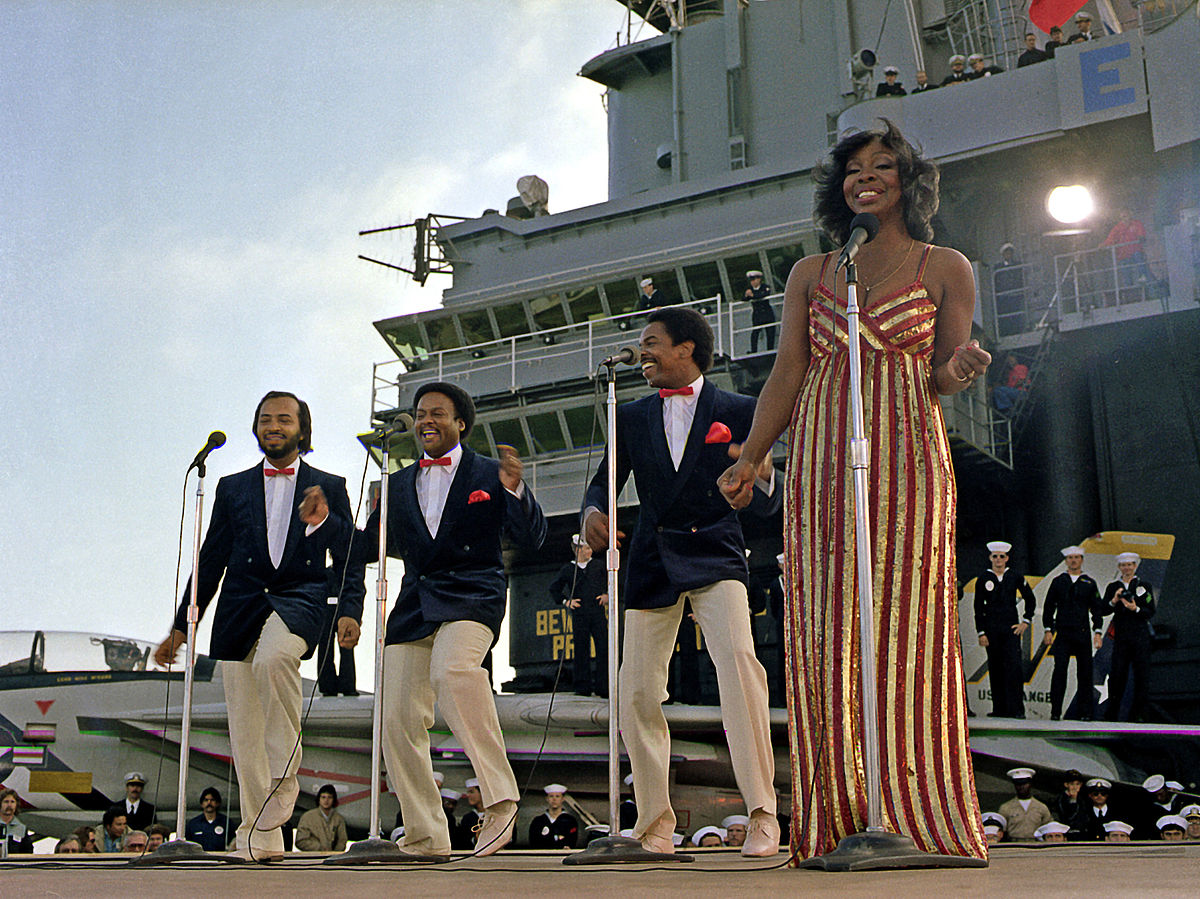
It was 1973, a year when the golden glow of Motown was beginning to shift under the weight of changing cultural tides. In the heart of the recording studio, the air was thick with the scent of stale coffee and the electric hum of analog equipment, a sanctuary for those chasing the perfect sound. Gladys Knight and the Pips were at a crossroads, looking for a song that would define their legacy. What they didn’t know was that a casual, seemingly mundane phone call with actress Farrah Fawcett would inadvertently trigger a creative spark, leading to the birth of their greatest Grammy-winning masterpiece, Midnight Train to Georgia. It is the kind of cinematic origin story that makes the hair on your arms stand up, a reminder that the best art often blooms from the most unexpected whispers of conversation.

The magic of this era, characterized by the crackle of a vinyl record playing on a high-fidelity turntable, was rooted in collaboration and the messy, beautiful reality of human connection. Gladys Knight, known as the Empress of Soul, possessed a voice that could crack a heart wide open, but she needed the right vessel to carry that weight. When the track finally came together, it wasn’t just a song; it was a narrative of sacrifice and the longing for a simpler life, capturing the essence of the American Dream drifting away in the rearview mirror. The Pips provided the sophisticated, rhythmic backbone that allowed Gladys to soar, turning a simple story about a journey to Georgia into an anthem of profound emotional depth.

Looking back, it is fascinating to consider how the glamour of Hollywood, represented by icons like Farrah Fawcett, intersected with the grit and soul of the rhythm and blues scene. This was an age where stories weren’t just written; they were lived and felt. The song’s success didn’t come from a corporate boardroom strategy but from a genuine, organic spark. It resonates today because it speaks to a universal truth: the pain of letting go and the necessity of following one’s heart, even when it leads you away from the glittering lights of the big city and back to the quiet, dusty roads of home.

As the 1970s unfolded, the success of Midnight Train to Georgia solidified Gladys Knight and the Pips as legends who could bridge the gap between pop sensibilities and deep, soulful roots. They navigated the shifting landscape of radio airplay and the birth of MTV-era spectacles by staying true to a sound that felt lived-in and real. This was music for the late-night drive, the melancholic reflection, and the quiet celebration of endurance. Every time the opening piano chords drift from a speaker, it transports the listener back to that specific moment in 1973.

Today, the legacy of Gladys Knight and the Pips serves as a reminder that icons are forged in the quiet moments between the chaos. The story behind their greatest hit remains a testament to the serendipity of the creative process. So, the next time you find yourself listening to the smooth, haunting harmonies of this timeless track, remember the phone calls, the late-night studio sessions, and the unspoken magic that turned a simple conversation into an eternal piece of American musical history.

Toy Caldwell: The Bare-Thumb Legend Who Revolutionized Country Rock Music

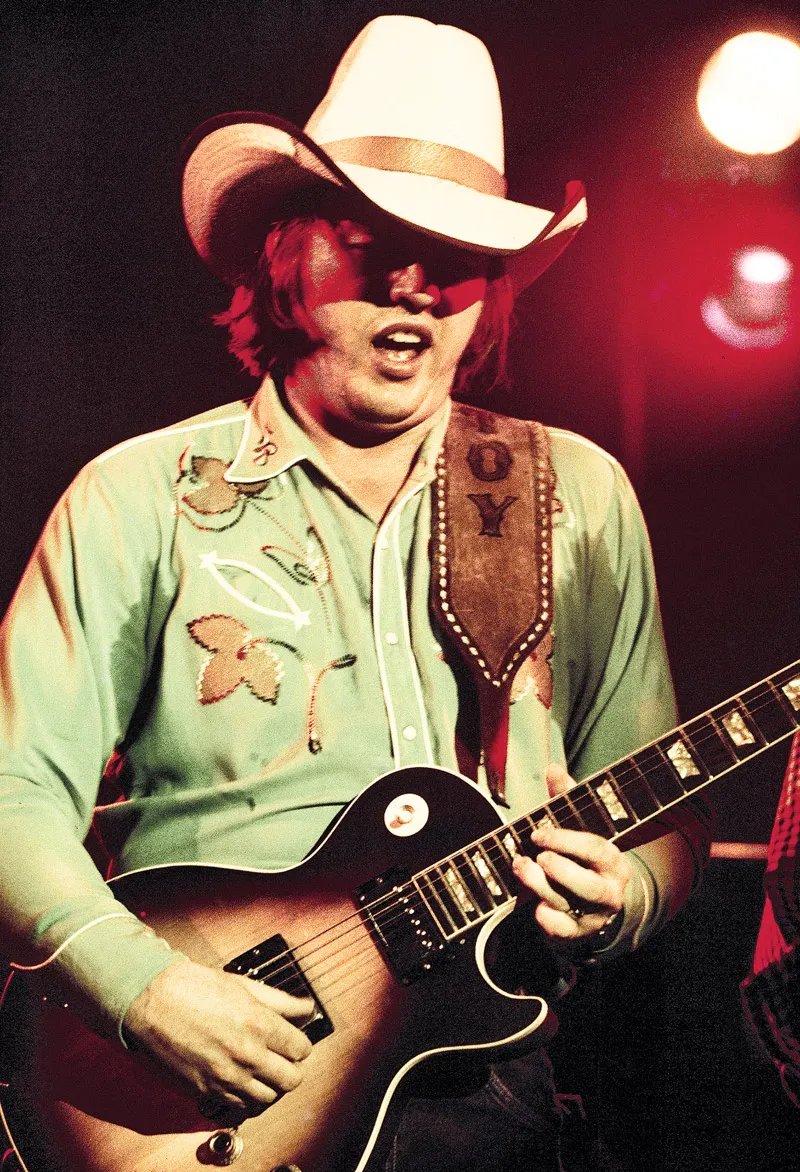
In 1973, while the world was distracted by the glitz of disco and the rising influence of MTV, something raw and unpolished was bubbling up from the Southern soil. Amidst the polished machinery of Nashville, a man named Toy Caldwell sat with his Gibson, preparing to change the trajectory of country rock forever. He did not need the plastic clatter of a plectrum or the manufactured perfection of a studio session. Toy Caldwell played with nothing but his bare thumb, a technique that produced a tone so haunting, so visceral, and so dangerously soulful that it defied every rule the industry had set in stone. He was the beating heart of The Marshall Tucker Band, yet his influence remains one of rock’s greatest untold stories.

To watch Toy Caldwell perform was to witness a musician possessed. Without a pick, his thumb danced across the strings with a speed that felt almost supernatural. It was a friction-heavy sound—warm, fat, and deeply rhythmic—that bridged the gap between the weeping steel of traditional country and the grit of Southern blues-rock. While his peers were obsessing over gear and technique, Caldwell was channeling the humid, tangled history of the Carolinas into his fretboard. He wasn’t just playing notes; he was carving his soul into the wood of his guitar. This wasn’t the sterile sound of radio pop; it was the soundtrack of late-night jukeboxes and smoke-filled roadhouses where the music felt like a living, breathing entity.

Yet, for all his genius, the era was not always kind to men like him. Behind the scenes, the pressure of touring and the constant churn of the music industry took a toll on the band members, creating the kind of friction and internal drama that defined the 70s rock narrative. Despite the growing fame, Toy Caldwell remained a humble, slightly enigmatic force, often overshadowed by the larger-than-life personas of his contemporaries. His life was marked by the classic struggles of a musician caught between artistic integrity and the relentless demands of the road. There were moments of brilliance that captured the lightning of pure musical inspiration, followed by the inevitable exhaustion that accompanied the rise of Southern rock.

What makes the legacy of Toy Caldwell so enduring is how perfectly he captured the transition of an era. When you listen to those classic tracks today, you aren’t just hearing a guitar solo; you are hearing the echo of an authentic moment in time. You can almost feel the heat of the stage and hear the roar of a crowd that didn’t know they were witnessing the birth of a new genre. His thumb-driven technique forced the listener to pay attention to the space between the notes, a masterclass in tone that modern shredders often miss in their quest for technical velocity.

Decades later, the legend of Toy Caldwell lives on, serving as a reminder that the most revolutionary music often comes from the hands of those who refuse to follow the status quo. He didn’t need the bells and whistles of a rockstar, just his thumb and an honest story to tell. Whether you are a long-time fan of Southern rock or a newcomer curious about the roots of the genre, taking a moment to listen to the records of The Marshall Tucker Band is like taking a time machine back to the golden age of American music. The next time you find yourself lost in the archives of classic rock, listen closely for that warm, thumb-driven pulse. You are hearing the sound of a man who changed everything by simply refusing to use a pick.

Stevie Ray Vaughan: The Heartbreaking Story Behind The Masterpiece Lenny

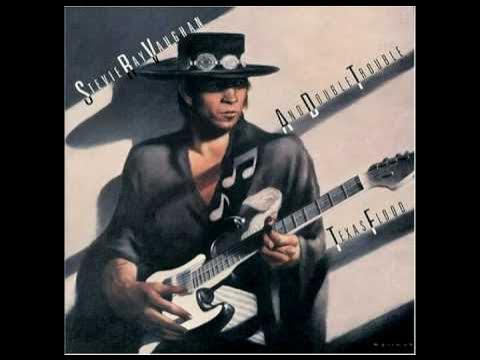
In the sweltering heat of the 1982 Montreux Jazz Festival, the air was thick with the scent of cigarettes and the restless energy of a crowd that did not want to hear the blues. They had come for jazz, and when Stevie Ray Vaughan stepped onto that stage with his battered Stratocaster, the response was venomous. He was booed, heckled, and essentially driven off the platform by a wall of indifference. It was a moment that could have shattered a lesser musician, sending him back into the shadows of the Texas bar circuit. But for Stevie Ray Vaughan, that stinging rejection became the catalyst for something transcendental.

Following the disastrous set, the young guitarist sought refuge in the isolation of a studio. The neon buzz of the recording lights replaced the jeers of the crowd, providing a sanctuary where he could channel his pain into strings. It was here, in the quiet aftermath of professional humiliation, that he recorded Lenny. This was not merely a song; it was a soul-baring confession. Dedicated to his wife, Lenora, the instrumental track was captured in an unbroken, vulnerable take. You can almost hear the tremor in his fingers as he bends the notes, turning raw disappointment into a delicate, weeping melody that resonates with anyone who has ever felt misunderstood by the world.

Stevie Ray Vaughan was a rare breed of artist, a man who played with a ferocious intensity that seemed to bleed from his very marrow. During an era where the soundscape was beginning to be dominated by the cold, synthetic pulse of 1980s pop and the burgeoning MTV spectacle, he stood as a rugged sentinel for the soul of the blues. While others relied on studio polish, Vaughan leaned into the friction. Lenny stands as the ultimate counterpoint to the flashy, shallow trends of that time, proving that genuine emotion always finds a way to cut through the noise of any generation.

What makes the story of Lenny so haunting is the contrast between the man on stage—often perceived as a larger-than-life guitar hero—and the gentle, sensitive spirit who poured his heart into this composition. As he moved through the 80s, Stevie Ray Vaughan would eventually command massive arenas, but he never lost that sense of intimacy. He carried the ghosts of his early rejections with him, using them to fuel a style that felt both ancient and urgent. His work was a bridge between the smoky, dimly lit clubs of the past and the massive, electrified roar of the modern rock era.

Even today, listening to the track transports you to that lonely studio in 1982. It serves as a reminder that our darkest moments are often the soil from which our greatest beauty grows. Stevie Ray Vaughan left us too soon, but in the echoes of his guitar, the story remains alive and breathing. Whenever you hear those first, shimmering notes of Lenny, remember the man who was booed into silence, only to find a voice that would echo through history forever.

The Night Sade Adu Defied The Industry And Changed Music Forever

The year was 1984, a time when the airwaves were dominated by the neon-drenched synthesizers of MTV and the rigid, high-energy pop formulas demanded by corporate record labels. Into this landscape stepped Sade Adu, a woman with a voice like velvet smoke and an aura of uncompromising elegance. As she prepared to release her debut single, the music executives were already sharpening their knives. They looked at her seven-minute composition and sneered, warning her that it was far too sophisticated, too slow, and far too jazz-infused for the charts of that era. They wanted the snappy, disposable hits that filled the jukeboxes of the mid-eighties, not the haunting, hypnotic soul that she was offering.

But Sade Adu was not interested in playing the game by their rules. She possessed an artistic vision that refused to be compressed into the three-minute radio-friendly packages favored by the industry. While the world was obsessed with the flashiness of new wave and the rising power of electronic production, Sade remained anchored in a cool, late-night aesthetic that felt like it belonged in a dimly lit club in a rain-slicked city. She insisted on the original vision, standing her ground against the very people who held the keys to her commercial success. It was a risky gamble that could have easily relegated her to the fringes of history, yet she chose authenticity over easy fame.

When the track finally hit the airwaves, it didn’t just break the mold; it shattered it entirely. Listeners, tired of the frantic pace of the decade, were instantly captivated by the understated brilliance of her groove. Her music became a global phenomenon, bridging the gap between jazz, soul, and pop in a way that had never been achieved before. It was a masterclass in subtlety, proving that a song did not need to shout to be heard. The public resonated with the raw, emotional weight of her delivery, finding a sense of solace in her calm, deliberate delivery that felt miles away from the synthetic noise surrounding it.

Looking back, the defiance of Sade Adu remains a cornerstone moment for independent artistry in the 1980s. She proved that when an artist trusts their own intuition, they can reshape the cultural zeitgeist rather than merely following it. Her success paved the way for generations of musicians who valued texture and atmosphere over commercial pandering. Even now, decades later, when you hear those first few notes, you are transported back to a time where music felt like a deeply intimate conversation rather than a product manufactured for mass consumption.

Today, her influence lingers in every lounge-inflected beat and every soulful vocal performance that dares to embrace silence as much as sound. Sade Adu taught us that true sophistication never goes out of style. Whether you discovered her through a scratchy cassette tape on a Walkman or through modern digital streaming, the magic of her debut remains untarnished. Her story serves as an eternal reminder that the most memorable art is often the kind that everyone told you wouldn’t work. Sometimes, the most daring choice is to simply be yourself.

The Haunted Woodstock Performance of Joan Baez: A Silent Cry for Justice

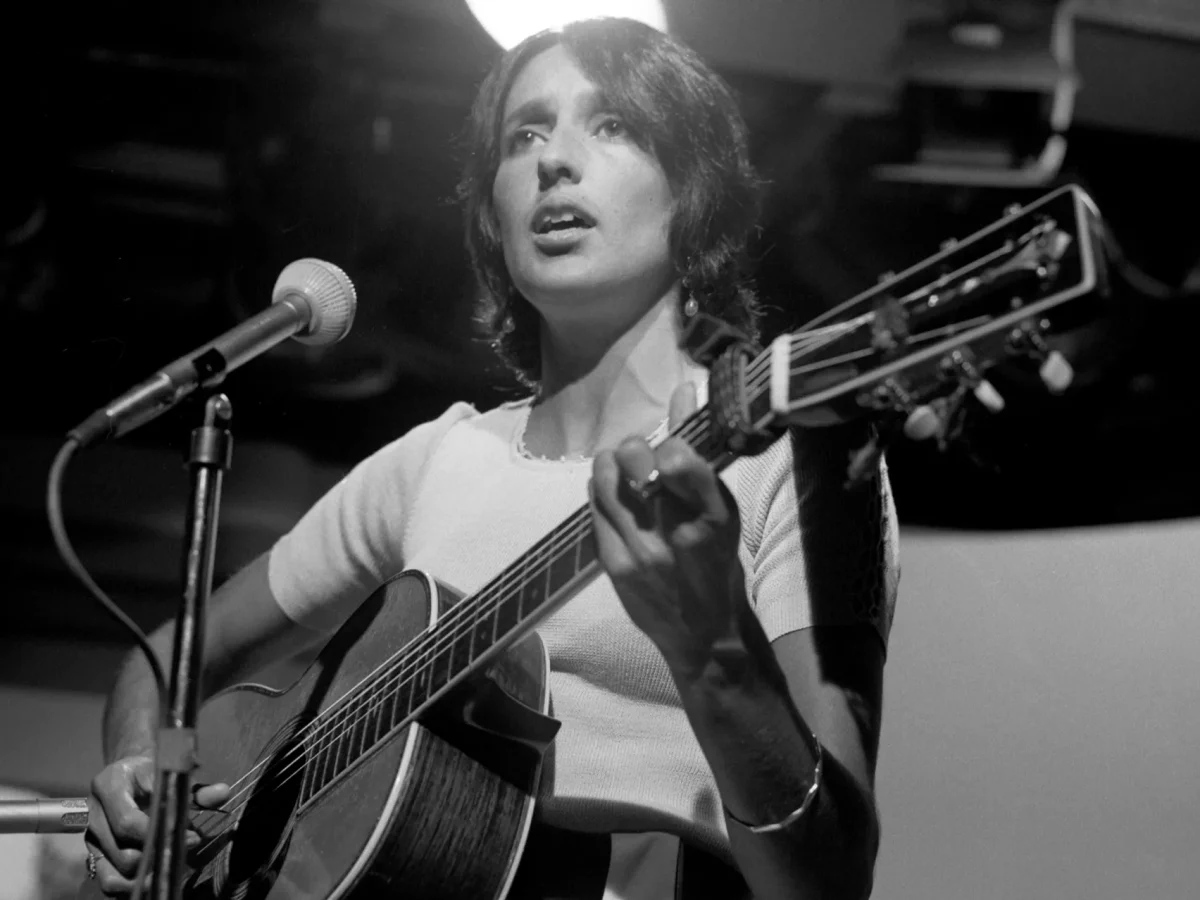
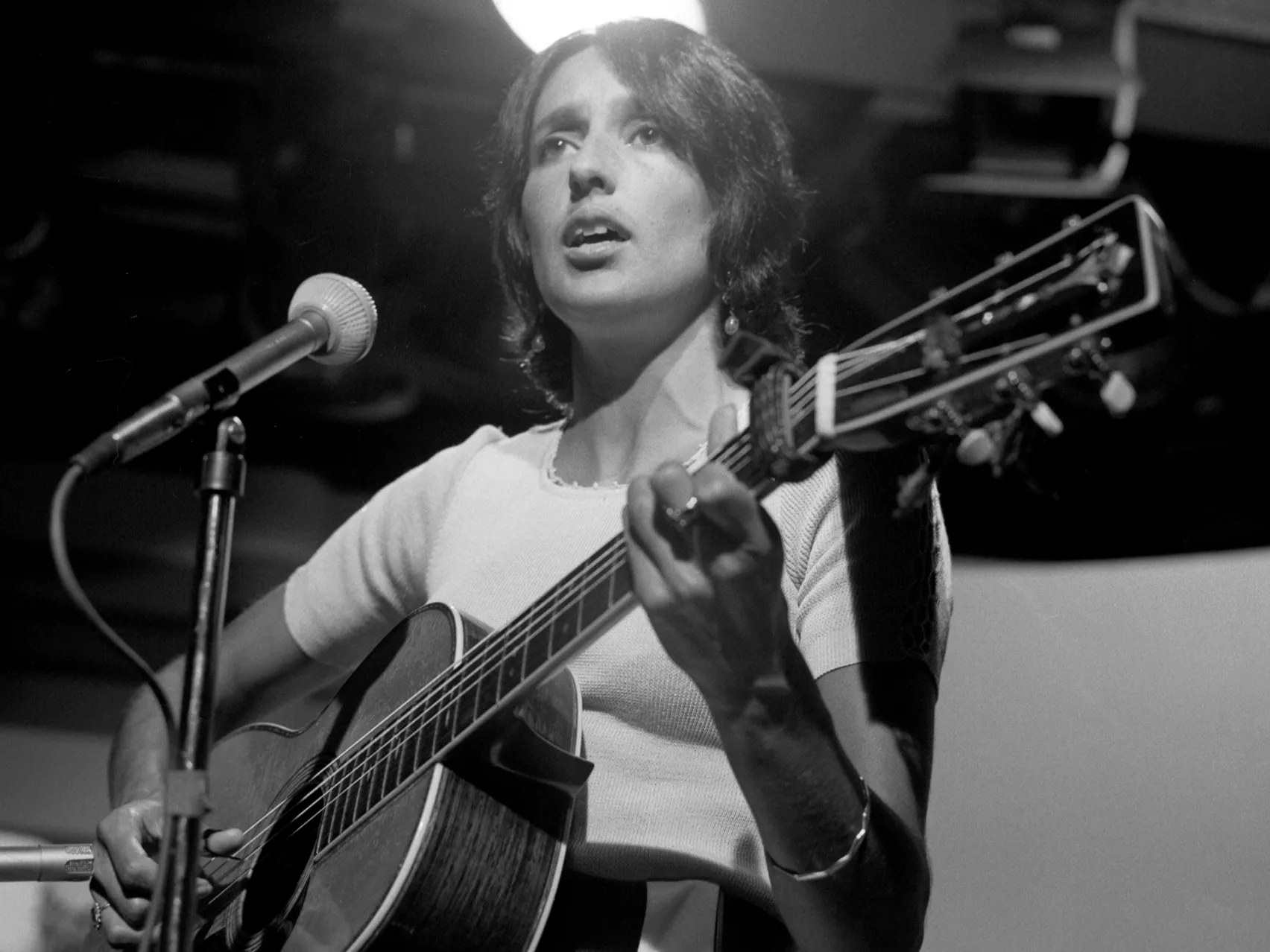
The air at Woodstock in August 1969 was thick with the scent of wet grass, damp sleeping bags, and the collective haze of four hundred thousand dreamers. Most legends recall this era as a blur of psychedelic guitars and communal liberation, but there was one moment that felt jarringly intimate, almost sacred in its solitude. At 1 AM, under a moonless sky, Joan Baez took the stage completely alone. She was six months pregnant, radiating a weary strength that stood in sharp contrast to the hedonistic chaos brewing elsewhere in the fields. She did not come to entertain; she came to deliver a message to a man behind bars.

Joan Baez stood there, a solitary figure against the vast, shifting shadows of the crowd, with nothing but her acoustic guitar to shield her from the vulnerability of the night. Her husband, David Harris, was currently serving time for draft resistance during the height of the Vietnam War. While the masses cheered for the revolution, Joan Baez was singing a deeply personal plea for her own life, for her family, and for the conscience of a nation tearing itself apart. Her voice, clear and cutting, sliced through the sticky humidity, transforming the muddy expanse of Bethel into a haunting, makeshift sanctuary.

This was the pinnacle of the folk era meeting the raw, unpredictable intensity of the late sixties. While the industry was busy commercializing the festival, Joan Baez reminded everyone that beneath the music lay the jagged reality of political persecution and the heavy cost of integrity. She represented a bridge between the earnest idealism of the early sixties and the grim, cynical reality that would eventually consume the decade. Every chord she strummed felt like a hammer blow against the prison walls holding her husband, an act of defiance that the roaring amps of the era’s rock bands could never replicate.

Decades later, the legend of that night remains one of the most poignant snapshots of the Woodstock experience. It serves as a reminder that the most powerful music is often born from the deepest personal suffering. Joan Baez did not need a backing band or a light show; she had the weight of the truth. Her performance remains a testament to the fact that even in the middle of a cultural revolution, the individual voice, crying out for the one person they love, is what truly echoes through history.

Looking back, we see that the ghost of the sixties is found in these quiet, desperate moments. Joan Baez defined what it meant to be a protest icon not through slogans, but through the raw, unfiltered honesty of her life. As we revisit the dusty vinyl records of that golden age, let us remember that the real heartbeat of the movement wasn’t just the roar of the stage, but the whispered, defiant prayers of those who dared to love amidst the madness. Her legacy is not just in the notes she sang, but in the unwavering courage she carried into the darkness of that morning.

The Bitter Conflict Behind The Doobie Brothers’ What a Fool Believes

In the golden hazy glow of 1979, the airwaves were dominated by a sound that felt like sunshine and champagne. It was the era of Yacht Rock, a time when the smooth, sophisticated grooves of The Doobie Brothers defined the American cultural landscape. Among their many contributions, What a Fool Believes stands out as a shimmering, accidental masterpiece that propelled the band into global superstardom. But behind the polished synthesizers and Michael McDonald’s soulful, honey-dipped vocals lay a volatile reality that nearly shattered the band’s identity forever. The song that turned a gritty, leather-clad biker band into the ultimate symbols of soft-rock elegance was, ironically, the catalyst for a war that tore their creative soul apart.

The Doobie Brothers started as a raw, hard-rocking ensemble born from the dusty roads of Northern California. They were synonymous with long hair, motorcycles, and a blues-infused sound that filled dive bars and arenas alike. When Michael McDonald joined the fold, he brought a jazz-influenced sophistication that fundamentally shifted their trajectory. While fans were spinning the record on their turntables and dancing at local discotheques, the internal friction within the band began to mount. The transition from their rugged rock roots to the smooth, radio-friendly textures of What a Fool Believes was not welcomed by everyone. For the original members, it felt like an existential betrayal, a dilution of the grit that had defined their early years.

The tension simmered beneath the surface of sold-out tours and platinum records. Every time the band stepped onto the stage, the audience expected the polished perfection of their new sound, while the band members struggled to reconcile their past with their present. This internal conflict was amplified by the pressures of a music industry that was rapidly changing. The rise of MTV and the obsession with aesthetic branding meant that The Doobie Brothers were forced to adopt a persona that felt increasingly alien to their founding members. The studio became a pressure cooker, where disagreements over arrangement and musical direction turned into personal grudges that were whispered about in the dimly lit corners of industry parties.

Yet, there is a haunting beauty in the discord. What a Fool Believes succeeded because it captured a sense of longing and disillusionment that resonated with a generation feeling the weight of the late seventies. It was a song about denial and the fragile nature of memory, and perhaps, that is why it hit so hard. The very friction that threatened to destroy The Doobie Brothers provided the emotional depth that made the track a timeless staple. It was the sound of a band at a crossroads, balancing the desire for commercial success against the burning need to remain authentic to their origins.

Decades later, the song remains a testament to the complex legacy of The Doobie Brothers. We listen to those familiar chords and hear more than just a hit; we hear the echoes of a transformative period in American music. It reminds us that beneath the gloss of our favorite anthems often lies a story of sacrifice and upheaval. As the echoes of that piano riff fade, we are left to wonder about the hidden costs of fame and the enduring power of a song that somehow managed to survive the chaos of its own creation.

Salt-N-Pepa: How a Bathroom Recording Changed Hip-Hop History Forever

The year was 1987, a time when the rhythmic pulse of Hip-Hop was still finding its footing, heavily dominated by the voices of men who commanded the burgeoning airwaves. In a tiny, stiflingly cramped bathroom, two young women named Cheryl James and Sandra Denton—known to the world as Salt-N-Pepa—were huddled together with nothing but a microphone and a burning ambition. They were broke, tired, and desperate to cut costs, so they utilized the ceramic-tiled sanctuary as an impromptu recording booth. They had no idea that the raw, gritty energy they were capturing on that low-budget B-side would eventually shatter the glass ceiling of a male-dominated industry and change the trajectory of music forever.

At the time, the mainstream music world was obsessed with the glitz of MTV and the emerging synth-pop landscape, but the streets were vibrating with a different kind of power. Salt-N-Pepa were not just recording a track; they were crafting a manifesto for female empowerment that would soon reverberate far beyond the borders of New York City. The song, which was initially buried as a B-side, quickly took on a life of its own. It was authentic, unfiltered, and defiant, serving as a stark contrast to the polished, corporate-produced tracks that were slowly creeping onto the radio charts. This was the era of the boombox, and when that beat dropped, it became an anthem for a generation tired of being sidelined.

Looking back at that moment, it is easy to romanticize the struggle, but the reality was far grittier. Salt-N-Pepa faced endless rejection and the harsh skepticism of label executives who didn’t believe a female rap duo could hold a candle to the icons of the Golden Age of Hip-Hop. Yet, that claustrophobic bathroom recording served as their crucible. The acoustic constraints of the tiled room actually added a distinct, punchy resonance to their vocals, giving the track a unique edge that no professional studio could have perfectly replicated. It was a beautiful accident of art born from necessity, proving that the heart of music lies in the message, not the budget.

As the song exploded in popularity, Salt-N-Pepa transcended their status as mere performers to become cultural architects. They pushed boundaries, brought a fresh perspective to lyrical content, and paved the way for the women who would follow in their footsteps for decades to come. Their rise is a testament to the idea that genius often emerges from the shadows of obscurity. It is a reminder of a time when Hip-Hop was raw, dangerous, and incredibly exciting, long before the industry became fully commodified and digitized.

Today, when we spin these classic records, we are not just listening to music; we are witnessing a pivotal moment in cultural history. Salt-N-Pepa remind us that even the most legendary careers can start in the humblest of spaces. So, next time you hear their iconic beats, remember the cramped bathroom and the two women who decided, against all odds, to make their voices heard. Their legacy remains etched into the history of music, a vibrant, permanent fixture that continues to inspire us all to create something timeless.