The Handshake That Built Frankie Valli: A Legacy of Blind Trust

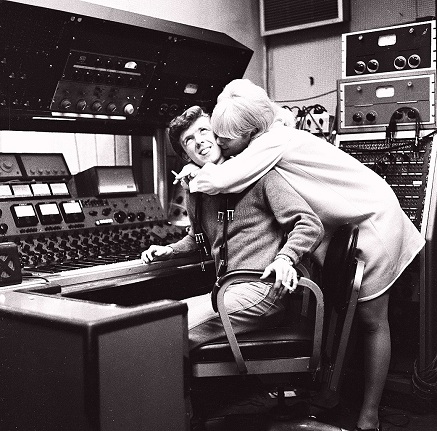
In the smoke-filled lounges of the early 1960s, contracts were often discarded in favor of a man’s word. While the music industry would soon become synonymous with predatory legal battles and cutthroat lawsuits, a singular, quiet pact changed the course of pop history forever. Frankie Valli and Bob Gaudio, the masterminds behind The Four Seasons, stood in a dimly lit room and offered nothing more than a firm grip of the hand to seal a deal. They agreed to split everything fifty-fifty, an arrangement that would remain untouched for sixty years. In an era where fame often devoured friendship, their handshake proved stronger than any ironclad document.

The sound of the 1960s was defined by the soaring, operatic falsetto of Frankie Valli, a voice that pierced through the crackle of AM radio and filled the aisles of teenage dance halls. Behind the scenes, the partnership with Gaudio was the engine of their meteoric rise. While their peers were signing away their royalties to manipulative managers in dark offices, Valli and Gaudio operated on a foundation of blind trust. It is a concept that feels almost alien in today’s high-stakes digital landscape, where collaborative efforts are often shattered by disputes over intellectual property before a song even hits the charts.

Imagine the scene: The Four Seasons were riding the crest of the British Invasion, competing against the giants of the decade while juggling the pressures of constant touring and the relentless grind of television appearances. Through the rise of the Walkman and the shift in musical trends that eventually led to the glitz of the disco era, the partnership never faltered. This unwavering loyalty allowed Frankie Valli to focus on the art, pouring his soul into hits like Sherry and Walk Like a Man, secure in the knowledge that his brother-in-arms remained a steadfast partner rather than a rival.

Yet, this story is not without the shadows that define the golden age of American music. Beneath the vibrant, polished exterior of their stage presence, Frankie Valli faced personal trials that could have easily dismantled a lesser partnership. From the crushing weight of family tragedies to the volatile nature of the music business, the bond between the two men served as a necessary anchor. It is a testament to their character that despite the millions of dollars flowing through their accounts, not a single lawyer was needed to mediate their success.

Decades later, the legacy of this handshake remains a stark contrast to the cautionary tales of broken bands and legal wars that litter the history of rock and roll. It reminds us that at the heart of the greatest music lies a human connection. As we look back at the nostalgia of the 1960s, we are not just remembering the melodies; we are honoring the integrity that made them possible. The story of Frankie Valli is a golden reminder that while talent captures the spotlight, it is trust that allows a legacy to endure long after the jukebox stops playing.
Toy Caldwell: The Bare-Thumb Legend Who Revolutionized Country Rock Music

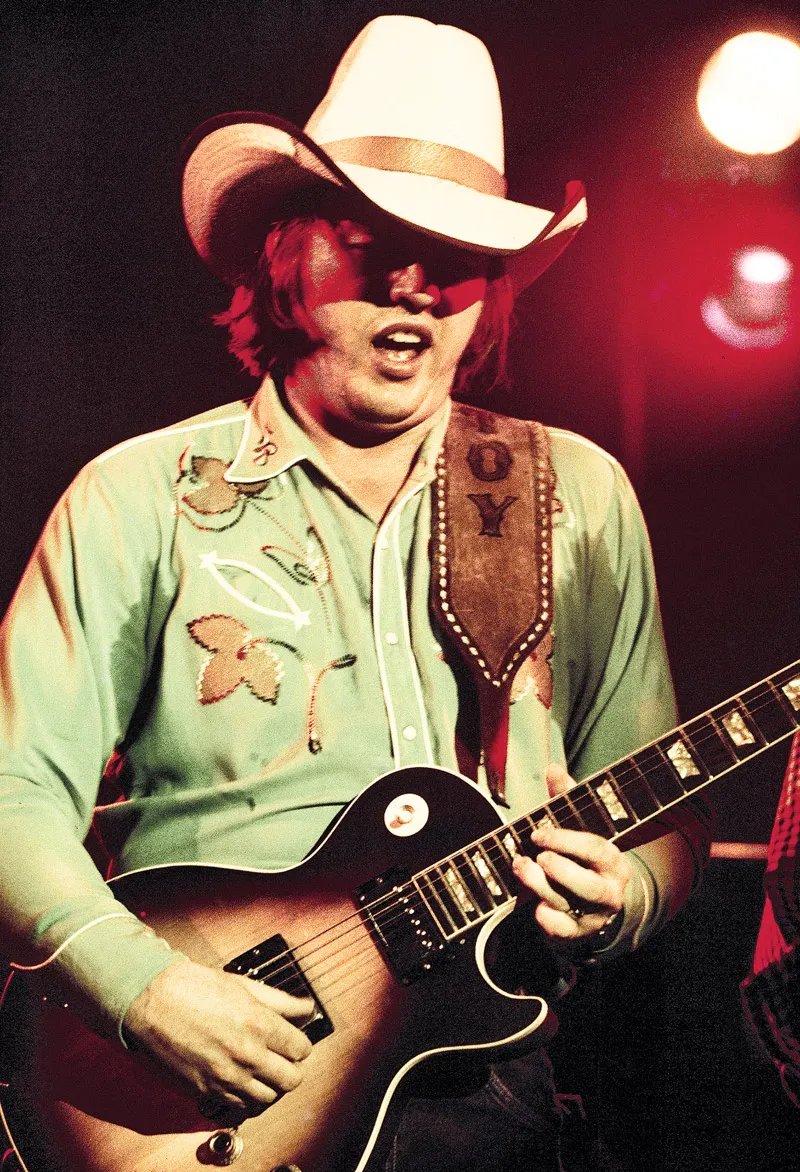
In 1973, while the world was distracted by the glitz of disco and the rising influence of MTV, something raw and unpolished was bubbling up from the Southern soil. Amidst the polished machinery of Nashville, a man named Toy Caldwell sat with his Gibson, preparing to change the trajectory of country rock forever. He did not need the plastic clatter of a plectrum or the manufactured perfection of a studio session. Toy Caldwell played with nothing but his bare thumb, a technique that produced a tone so haunting, so visceral, and so dangerously soulful that it defied every rule the industry had set in stone. He was the beating heart of The Marshall Tucker Band, yet his influence remains one of rock’s greatest untold stories.

To watch Toy Caldwell perform was to witness a musician possessed. Without a pick, his thumb danced across the strings with a speed that felt almost supernatural. It was a friction-heavy sound—warm, fat, and deeply rhythmic—that bridged the gap between the weeping steel of traditional country and the grit of Southern blues-rock. While his peers were obsessing over gear and technique, Caldwell was channeling the humid, tangled history of the Carolinas into his fretboard. He wasn’t just playing notes; he was carving his soul into the wood of his guitar. This wasn’t the sterile sound of radio pop; it was the soundtrack of late-night jukeboxes and smoke-filled roadhouses where the music felt like a living, breathing entity.

Yet, for all his genius, the era was not always kind to men like him. Behind the scenes, the pressure of touring and the constant churn of the music industry took a toll on the band members, creating the kind of friction and internal drama that defined the 70s rock narrative. Despite the growing fame, Toy Caldwell remained a humble, slightly enigmatic force, often overshadowed by the larger-than-life personas of his contemporaries. His life was marked by the classic struggles of a musician caught between artistic integrity and the relentless demands of the road. There were moments of brilliance that captured the lightning of pure musical inspiration, followed by the inevitable exhaustion that accompanied the rise of Southern rock.

What makes the legacy of Toy Caldwell so enduring is how perfectly he captured the transition of an era. When you listen to those classic tracks today, you aren’t just hearing a guitar solo; you are hearing the echo of an authentic moment in time. You can almost feel the heat of the stage and hear the roar of a crowd that didn’t know they were witnessing the birth of a new genre. His thumb-driven technique forced the listener to pay attention to the space between the notes, a masterclass in tone that modern shredders often miss in their quest for technical velocity.

Decades later, the legend of Toy Caldwell lives on, serving as a reminder that the most revolutionary music often comes from the hands of those who refuse to follow the status quo. He didn’t need the bells and whistles of a rockstar, just his thumb and an honest story to tell. Whether you are a long-time fan of Southern rock or a newcomer curious about the roots of the genre, taking a moment to listen to the records of The Marshall Tucker Band is like taking a time machine back to the golden age of American music. The next time you find yourself lost in the archives of classic rock, listen closely for that warm, thumb-driven pulse. You are hearing the sound of a man who changed everything by simply refusing to use a pick.

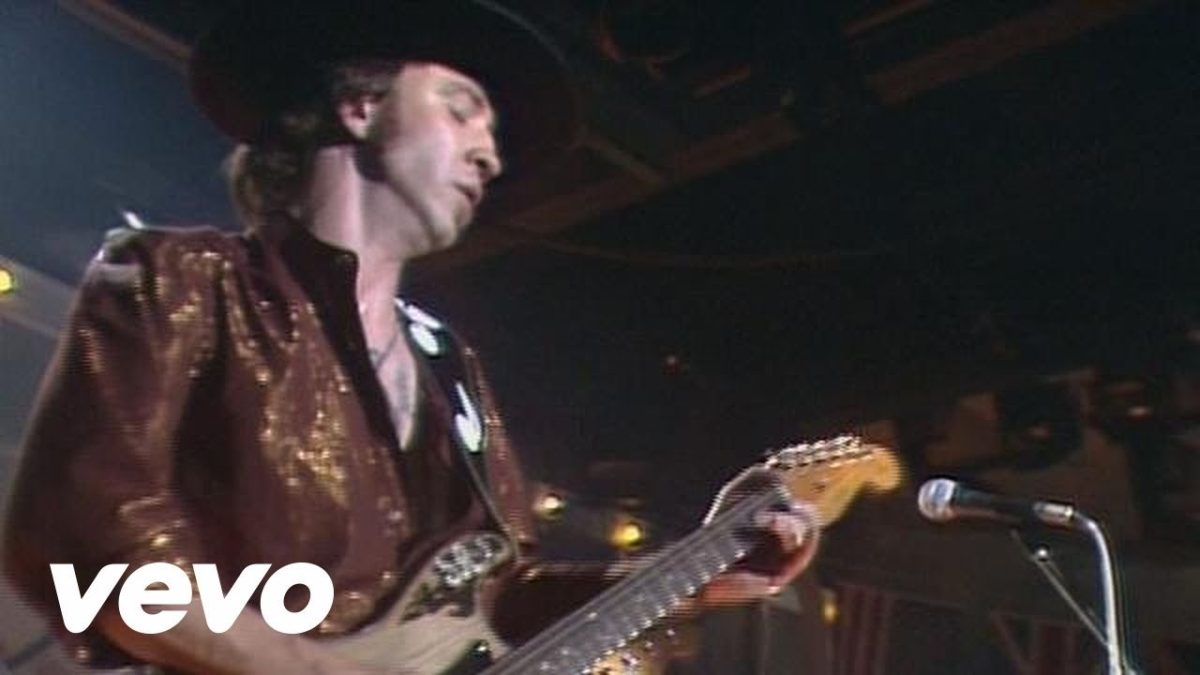
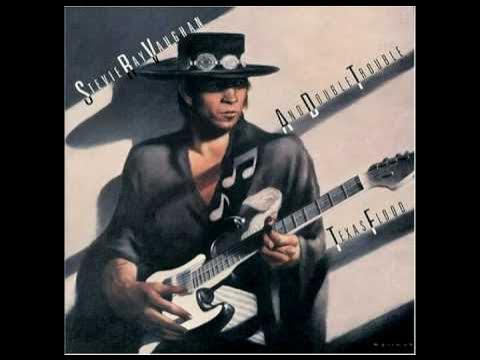
Stevie Ray Vaughan: The Heartbreaking Story Behind The Masterpiece Lenny

In the sweltering heat of the 1982 Montreux Jazz Festival, the air was thick with the scent of cigarettes and the restless energy of a crowd that did not want to hear the blues. They had come for jazz, and when Stevie Ray Vaughan stepped onto that stage with his battered Stratocaster, the response was venomous. He was booed, heckled, and essentially driven off the platform by a wall of indifference. It was a moment that could have shattered a lesser musician, sending him back into the shadows of the Texas bar circuit. But for Stevie Ray Vaughan, that stinging rejection became the catalyst for something transcendental.

Following the disastrous set, the young guitarist sought refuge in the isolation of a studio. The neon buzz of the recording lights replaced the jeers of the crowd, providing a sanctuary where he could channel his pain into strings. It was here, in the quiet aftermath of professional humiliation, that he recorded Lenny. This was not merely a song; it was a soul-baring confession. Dedicated to his wife, Lenora, the instrumental track was captured in an unbroken, vulnerable take. You can almost hear the tremor in his fingers as he bends the notes, turning raw disappointment into a delicate, weeping melody that resonates with anyone who has ever felt misunderstood by the world.

Stevie Ray Vaughan was a rare breed of artist, a man who played with a ferocious intensity that seemed to bleed from his very marrow. During an era where the soundscape was beginning to be dominated by the cold, synthetic pulse of 1980s pop and the burgeoning MTV spectacle, he stood as a rugged sentinel for the soul of the blues. While others relied on studio polish, Vaughan leaned into the friction. Lenny stands as the ultimate counterpoint to the flashy, shallow trends of that time, proving that genuine emotion always finds a way to cut through the noise of any generation.

What makes the story of Lenny so haunting is the contrast between the man on stage—often perceived as a larger-than-life guitar hero—and the gentle, sensitive spirit who poured his heart into this composition. As he moved through the 80s, Stevie Ray Vaughan would eventually command massive arenas, but he never lost that sense of intimacy. He carried the ghosts of his early rejections with him, using them to fuel a style that felt both ancient and urgent. His work was a bridge between the smoky, dimly lit clubs of the past and the massive, electrified roar of the modern rock era.

Even today, listening to the track transports you to that lonely studio in 1982. It serves as a reminder that our darkest moments are often the soil from which our greatest beauty grows. Stevie Ray Vaughan left us too soon, but in the echoes of his guitar, the story remains alive and breathing. Whenever you hear those first, shimmering notes of Lenny, remember the man who was booed into silence, only to find a voice that would echo through history forever.

The Haunted Woodstock Performance of Joan Baez: A Silent Cry for Justice

The air at Woodstock in August 1969 was thick with the scent of wet grass, damp sleeping bags, and the collective haze of four hundred thousand dreamers. Most legends recall this era as a blur of psychedelic guitars and communal liberation, but there was one moment that felt jarringly intimate, almost sacred in its solitude. At 1 AM, under a moonless sky, Joan Baez took the stage completely alone. She was six months pregnant, radiating a weary strength that stood in sharp contrast to the hedonistic chaos brewing elsewhere in the fields. She did not come to entertain; she came to deliver a message to a man behind bars.

Joan Baez stood there, a solitary figure against the vast, shifting shadows of the crowd, with nothing but her acoustic guitar to shield her from the vulnerability of the night. Her husband, David Harris, was currently serving time for draft resistance during the height of the Vietnam War. While the masses cheered for the revolution, Joan Baez was singing a deeply personal plea for her own life, for her family, and for the conscience of a nation tearing itself apart. Her voice, clear and cutting, sliced through the sticky humidity, transforming the muddy expanse of Bethel into a haunting, makeshift sanctuary.

This was the pinnacle of the folk era meeting the raw, unpredictable intensity of the late sixties. While the industry was busy commercializing the festival, Joan Baez reminded everyone that beneath the music lay the jagged reality of political persecution and the heavy cost of integrity. She represented a bridge between the earnest idealism of the early sixties and the grim, cynical reality that would eventually consume the decade. Every chord she strummed felt like a hammer blow against the prison walls holding her husband, an act of defiance that the roaring amps of the era’s rock bands could never replicate.

Decades later, the legend of that night remains one of the most poignant snapshots of the Woodstock experience. It serves as a reminder that the most powerful music is often born from the deepest personal suffering. Joan Baez did not need a backing band or a light show; she had the weight of the truth. Her performance remains a testament to the fact that even in the middle of a cultural revolution, the individual voice, crying out for the one person they love, is what truly echoes through history.

Looking back, we see that the ghost of the sixties is found in these quiet, desperate moments. Joan Baez defined what it meant to be a protest icon not through slogans, but through the raw, unfiltered honesty of her life. As we revisit the dusty vinyl records of that golden age, let us remember that the real heartbeat of the movement wasn’t just the roar of the stage, but the whispered, defiant prayers of those who dared to love amidst the madness. Her legacy is not just in the notes she sang, but in the unwavering courage she carried into the darkness of that morning.

The Night Stevie Ray Vaughan Changed David Bowie’s Career Forever

It was 1982, and the air inside the Montreux Jazz Festival was thick with an electric, almost dangerous tension. David Bowie, a man who had already reinvented himself a dozen times over, sat in the shadows of the audience, his eyes locked on a man tearing through a guitar solo that felt like a visceral, blues-soaked haunting. On that stage, Stevie Ray Vaughan was not just playing an instrument; he was channeling a primal energy that seemed to vibrate through the very floorboards. Bowie, who had spent his life hunting for the next sonic frontier, was frozen. He realized then that he was witnessing the birth of a legend, and he knew he had to capture that raw, soul-stirring intensity for his own upcoming record.

At the time, David Bowie was preparing for the era-defining shift that would become his 1983 masterpiece, Let’s Dance. While the world was busy dancing under the neon lights of the early eighties, Bowie craved the grit of the blues to ground his polished pop sensibilities. He walked up to Stevie Ray Vaughan after the set, an offer of collaboration hanging in the humid air. The Texan guitarist, who was still largely unknown to the global mainstream, was skeptical. He was a blues purist, a man of the Jukebox and the dive bar, yet the magnetic pull of the Thin White Duke was impossible to ignore. This unexpected alliance would bridge two worlds: the high-concept artifice of Ziggy Stardust and the earthy, sweat-drenched soul of the Texas blues tradition.

Stevie Ray Vaughan arrived at the studio with his battered Stratocaster, ready to inject a lethal dose of soul into the project. The result was the blistering, iconic guitar work found throughout the Let’s Dance album. The shimmering, funk-driven pop tracks were suddenly anchored by Vaughan’s aggressive, soulful bends and piercing riffs. It was a clash of cultures—the calculated chic of MTV-era stardom meeting the authentic, relentless fire of a man who played as if his life depended on it. For Stevie Ray Vaughan, it was a baptism by fire, an introduction to a global audience that would soon realize he was the greatest guitarist of his generation.

Yet, the collaboration was not without its shadows. The pressure of international stardom, the frantic pace of the industry, and the looming temptation of excess weighed heavily on the musicians of that era. Despite the massive success of the album, the partnership was brief and intense, a fleeting moment of lightning captured in a bottle. Vaughan would eventually walk away to pursue his own path, but the mark he left on Bowie’s legacy was permanent. It remains a testament to a time when rock and roll was still capable of producing these strange, beautiful collisions of talent.

Decades later, the haunting melody that first caught Bowie’s ear still echoes in the halls of music history. It reminds us of a time before the digital homogenization of sound, when a single live performance in a smoky venue could dictate the course of a legendary career. Stevie Ray Vaughan gave Bowie the blues, and in return, the world gained a snapshot of musical brilliance that refuses to fade. As we look back, we hear not just the notes, but the story of a man who walked into a room, played his heart out, and changed the trajectory of rock history forever.

The Heartbreaking Secret of Frankie Valli: Singing Through the Silence

If you came of age in the vibrant sixties, the soaring falsetto of Frankie Valli was the soundtrack to your first dance, your long drives, and your late-night heartbreaks. From the crackle of a jukebox in a dimly lit diner to the heavy rotation on every transistor radio, his voice was unmistakable—a golden, piercing clarity that seemed to defy gravity. Yet, while the world was falling in love with the Four Seasons and hits like Sherry and Walk Like a Man, the man behind the microphone was living in a terrifying, expanding void. For years, the legend of Frankie Valli was haunted by a secret so profound it could have silenced his career forever: he was slowly losing his hearing.

It is difficult to reconcile the image of a pop icon at the peak of his power with the reality of a man struggling to hear his own melody. By the mid-seventies, his condition had become a devastating hurdle. During live performances, Frankie Valli had to rely on a sensory process that few in the audience could ever suspect. He did not hear the music in the way the crowd did; instead, he felt the vibrations of the bass and the drums pulsating through the stage floorboards. He memorized the placement of his bandmates and used the physical sensation of the sound to anchor his pitch. It was an act of pure, raw muscle memory and relentless professional discipline.

For nearly a decade, this internal struggle remained shielded from the public eye. In an era before the instant-access drama of social media, performers protected their image with ironclad stoicism. To admit to such a vulnerability was to invite the industry to cast you aside. Frankie Valli guarded his secret with fierce determination, ensuring that the magic of the Four Seasons remained untarnished. It was not until 1980 that he finally underwent surgery to regain a significant portion of his hearing, breaking his silence about the ordeal that had nearly robbed the world of one of its most iconic voices.

Looking back at that golden era of American music, this hidden struggle adds a layer of poignant depth to every track. When you listen to the emotional swell of Can’t Take My Eyes Off You, it becomes more than just a catchy pop anthem; it becomes a testament to the resilience of the human spirit. The fact that Frankie Valli could capture such universal joy while navigating his own private, silent darkness makes his contribution to the American songbook even more monumental. It serves as a reminder that the artists who shaped our lives were often fighting battles we could never see.

Today, the legacy of Frankie Valli remains etched into the fabric of pop culture. Whether you remember the era of the Walkman or the crackle of vinyl on a record player, his music bridges the gap between generations. His story remains a powerful lesson in grit and artistic integrity. Next time you hear that familiar high note climb toward the rafters, remember the man who felt the music when he could no longer hear it, forever turning his silence into a symphony for the rest of us.