The Secret Harbour: How James Reyne Penning The Boys Light Up

Cast your mind back to the early eighties, mate. It was a time when the humid, salt-sprayed air of a Sydney summer felt like it could last forever, and the pub rock scene was pumping through the veins of every coastal town. If you were knocking about the local watering holes back then, you surely remember the sharp, jangly guitar lines that defined the Aussie sound. At the centre of it all was Australian Crawl and their frontman, James Reyne. While the band became famous for high-energy gigs and a larrikin charm that felt uniquely ours, there was a quiet, melancholic genius lurking beneath the surface of their most iconic hits.

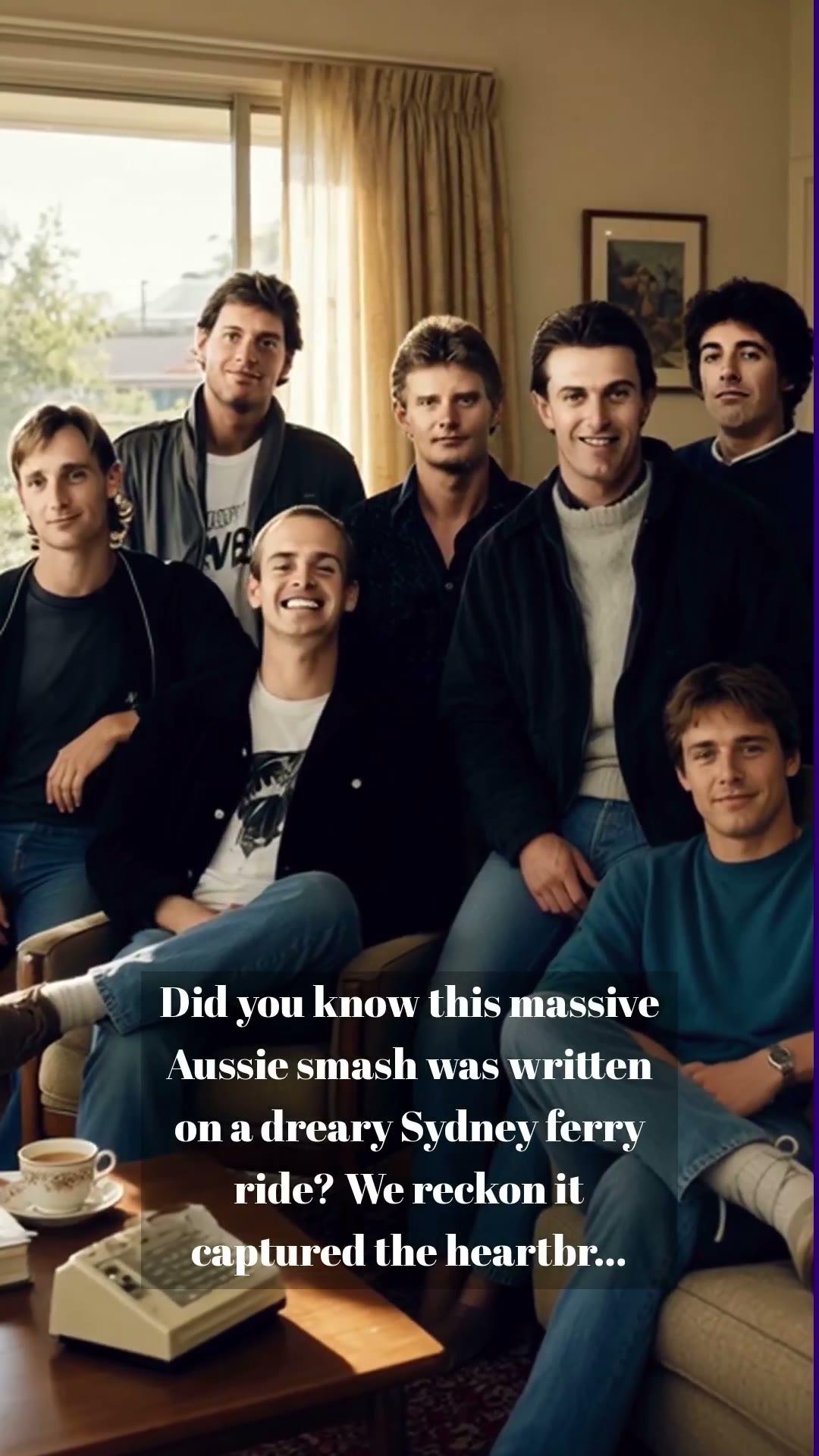
We reckon you’ve heard The Boys Light Up a thousand times, but did you ever stop to realise it wasn’t just a simple pub singalong? James Reyne actually penned parts of that massive Aussie smash while enduring a dreary, grey ride on a Sydney ferry. Imagine the scene: the harbour chop splashing against the glass, the morning commute dragging on, and a young bloke staring out at the grey horizon, piecing together lyrics that would eventually capture the heartbreak and the hedonism of an entire generation. It is a classic tale of contrast, really—the mundane reality of the daily grind sparking something that would electrify stages across the country.

That track wasn’t just a tune; it was a snapshot of a lifestyle that felt both exhilarating and fleeting. James Reyne brought a certain poetic grit to the microphone that set him apart from his contemporaries. He had this way of making the personal feel universal, turning the stories of local mates and suburban life into anthems that we still belt out today. It was the golden era of Countdown, where seeing a clip on the telly was the highlight of your Sunday night. Watching James Reyne command the stage with that signature, loose-limbed swagger made you feel like you were part of something genuinely special.

Looking back, it is easy to see why Australian Crawl remains a favourite for so many of us. Their music didn’t just fill the room; it captured the colour and the light of the Australian experience. They weren’t just playing rock and roll; they were documenting the shifts in our culture as we moved from the seventies into the eighties. James Reyne had a rare talent for balancing that jangly, sunshine pop sound with lyrics that had a bit of bite to them. It is the kind of songwriting that doesn’t age; it just gains more character as the years tick by.

Even now, when that opening riff hits the airwaves, you can’t help but be transported back to a packed pub with sticky floors and cheap beer in hand. It is that sense of nostalgia that makes us realise why we hold these artists so close to our hearts. James Reyne gave us the soundtrack to our youth, and whether he was on a ferry or under the bright lights of a stadium, he always knew how to reach us. So, here is to the memories, the melodies, and the man who kept us singing through it all, mate.
Billy Field: The Heartbreak Ballad That Aussie Fans Made Number One

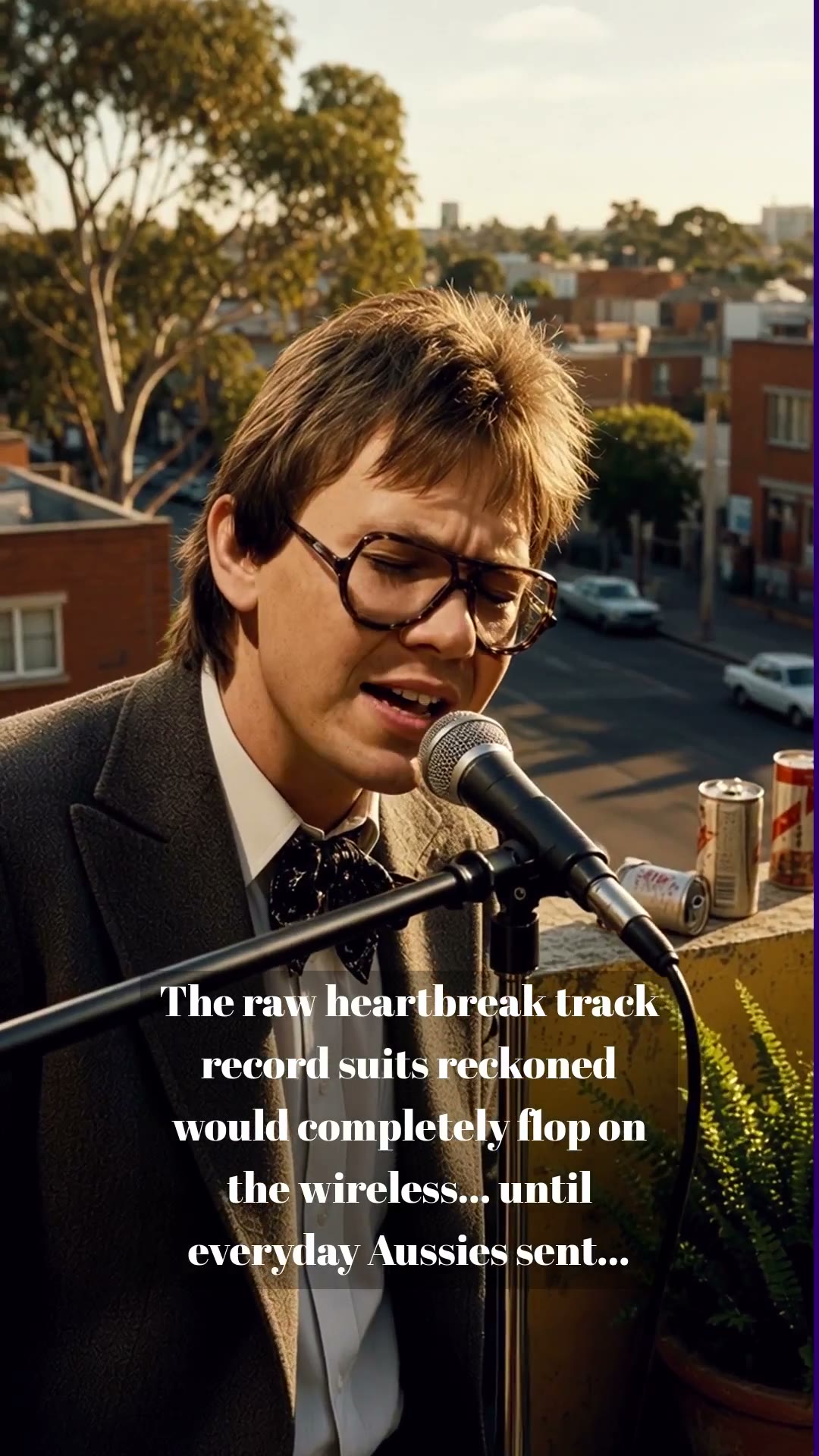
Cast your mind back to 1981, a time when pub rock was king and the airwaves were dominated by hard-hitting guitars and high-energy anthems. Into this rowdy landscape walked Billy Field, a bloke who didn’t fit the mould of your typical rock star. He wasn’t out there breaking windows or chasing the spotlight; instead, he brought us Bad Habits. It was a raw, vulnerable piano ballad that felt worlds apart from the sweat-drenched pub scene. When Billy Field first took the track to the record suits, they were honestly terrified. They reckoned a song so quiet and melancholic would completely flop on the wireless, leaving them with a dud on their hands. It just didn’t have the grit they thought the Aussie public craved at the time.

But here is the beauty of our local music scene: the suits rarely realise what the people actually want until it is staring them in the face. While the industry bigwigs were shaking their heads, everyday Aussies heard something in that melody that just clicked. Whether it was the rainy nights, the heartache we have all felt, or just the genuine honesty in his voice, the track started picking up momentum in record shops across the country. It was as if the nation collectively decided that Billy Field deserved to be heard, regardless of what the radio programmers thought. It turned into a massive success, eventually clawing its way up the charts to sit proudly at Number 1.

Looking back, it is hard to overstate just how much of a shock that was. In an era when we were all glued to our telly screens for Countdown, Billy Field was an outlier. He gave us a sound that felt deeply personal, almost like he was sharing a secret over a schooner at the local. That is the magic of the music from that golden period; it wasn’t always polished or manufactured to please the corporate types. It was authentic, and it hit home in a way that modern tracks sometimes struggle to replicate. Heaps of fans still remember the first time they heard those opening piano chords drifting through the speakers.

The success of Bad Habits proved that when a song has real soul, the audience will find it eventually. Billy Field taught us that you don’t need a massive production or an aggressive marketing campaign to win over a nation. Sometimes, all you need is a honest story and the courage to sing it your own way. He remains a favourite for those of us who grew up in that vibrant, slightly chaotic musical era, serving as a reminder that the best music is often the stuff the experts tried to tell us wouldn’t work.

Even now, when I hear those notes, it takes me right back to a simpler time. It is a piece of Australian music history that belongs to us all, a testament to the fact that the fans—not the suits—hold the real power. Next time you are flicking through your old record collection, pull out that Billy Field record and give it a spin. It still carries that same emotional weight, and honestly, it is still a cracking tune, mate.

The Swingers: How One Rejected Kiwi Tune Conquered Aussie Pub Rock

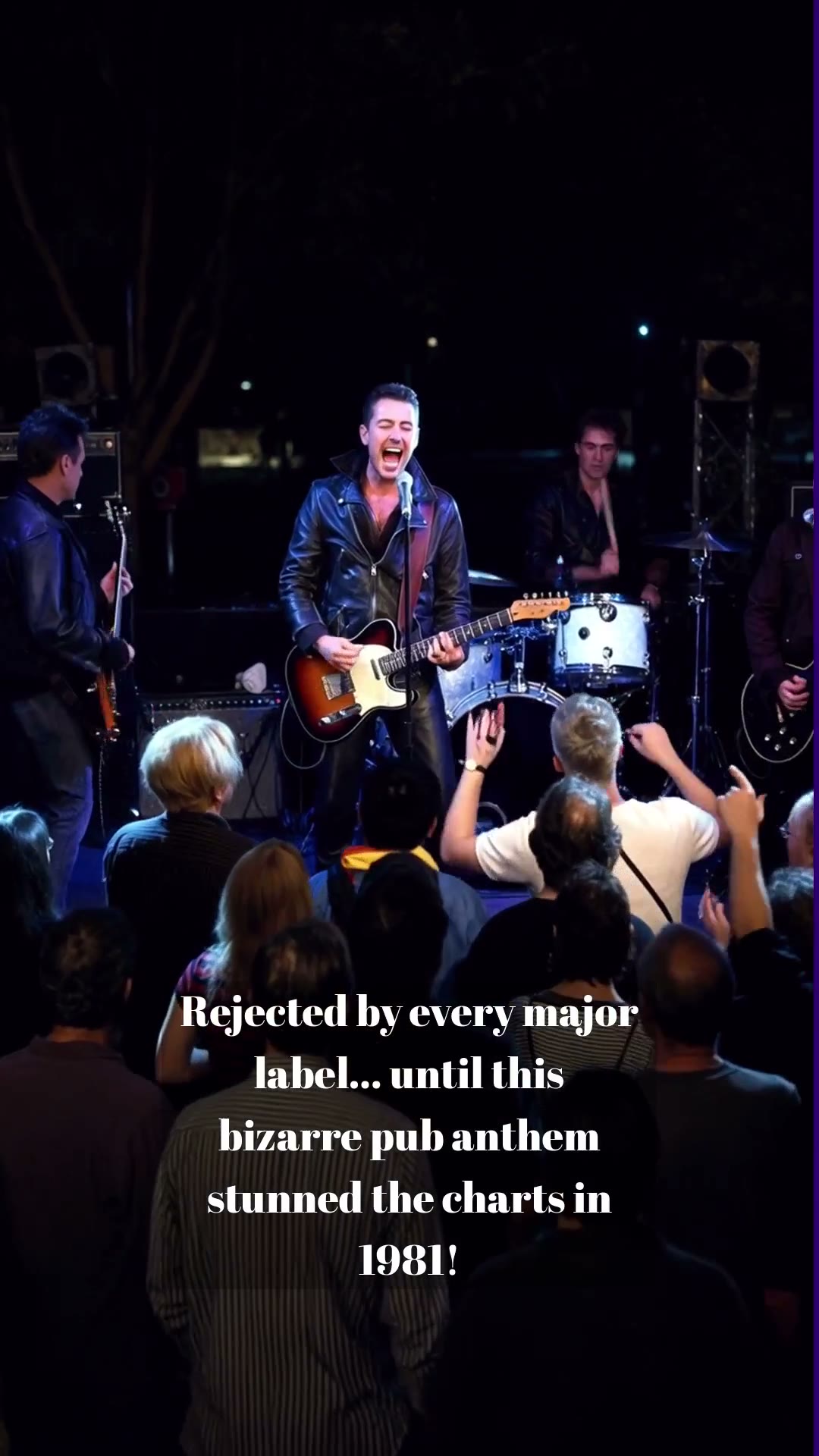
Cast your mind back to 1981, a time when the smoke in our local pubs was thick enough to carve, the beer was cold, and the sound of Aussie rock was king. We all remember the big names that dominated Countdown, but there was one quirky, frantic little number that came out of nowhere to turn the music scene on its head. It was Counting the Beat by The Swingers, a band that proved you do not need the backing of the big corporate labels to write yourself into the history books. Believe it or not, before it became the anthem we all love to belt out, every major label reckon they were too weird to sign.

The Swingers, led by the charismatic Phil Judd, were a bunch of ex-Split Enz troublemakers who brought a brand new, nervous energy to the stage. They were sharp, twitchy, and full of that raw Kiwi flavour that we Aussies have always had a soft spot for. When they shopped Counting the Beat around, the suits in Sydney were having none of it. They wanted safe, radio-friendly ballads, and The Swingers were anything but safe. The band was essentially told to go home, but they had a gut feeling that they were onto something special. Turns out, they were absolutely right.

When the track finally hit the airwaves, it was an instant, high-octane phenomenon. It possessed a twitchy rhythm and a chorus that stuck in your head like glue. Suddenly, it was everywhere—from the sticky floors of the local RSL to the top of the national charts. It smashed straight to number one, leaving the industry bigwigs looking a bit foolish. It was a proper, fair dinkum victory for the underdog. The song captured that jittery post-punk spirit that defined the early eighties, and it managed to bridge the gap between art-school experimentation and the rowdy pub rock crowd perfectly.

It is fascinating to realise just how much effort went into that one song. It wasn’t just a bit of fun; it was a carefully constructed piece of musical chaos. The band played with a colour and intensity that was rare at the time, and their live gigs became legendary for being absolutely mental. Watching The Swingers perform was an experience, mate—full of genuine, unfiltered passion that made you feel like you were witnessing something truly wild. They didn’t just play for the crowd; they forced the crowd to pay attention.

Decades later, when the opening chords of Counting the Beat kick in, you still see grins spreading across faces from Brisbane to Perth. It is a nostalgic trip back to a time when music felt dangerous and exciting, a reminder of the days when a song could truly change the game overnight. The Swingers might have been rejected at the start, but they ended up leaving a legacy that still rocks the speakers today. If you ask me, that is the best kind of music—the sort that earns its place by being honest, loud, and impossible to ignore.

The Pub Yarn That Made Slim Dusty A Legend Forever

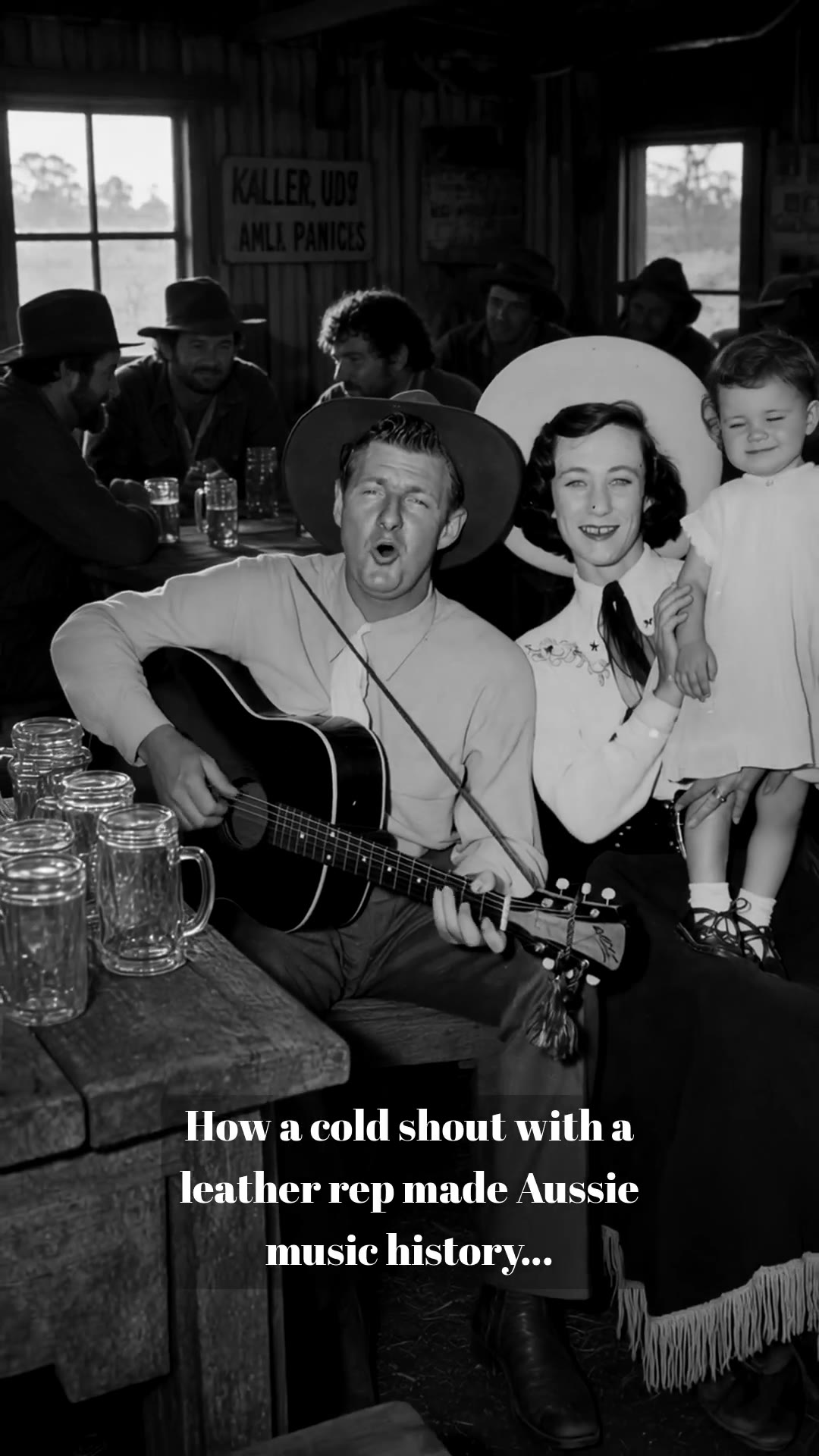
Did you ever reckon that our biggest national anthems were born not in a fancy studio, but over a cold middy at the local pub? We often look back at the golden era of Aussie music and think of slick production, but the true soul of the nation was written in the sweat and dust of the outback. Take the legendary Slim Dusty, for instance. He was a bloke who captured the very heart of the Australian experience, turning simple yarns into gold-certified history. People sometimes wonder if the stories behind his massive hits are just folklore, but the truth is usually far more colourful and grounded in real life than any tall tale you might hear at the bar.

I remember talking to an old mate who swore he saw Slim Dusty in a dingy Sydney boozer, sharing a drink with a bloke who worked as a leather rep. It sounds like the start of a classic bush ballad, doesn’t it? That chance encounter, amidst the clatter of glass and the smell of stale beer, supposedly provided the final spark for one of his most iconic tracks. It is this kind of authentic, raw connection that defined Slim Dusty’s career. He didn’t need the glitz of the city or the approval of the high-brow critics; he just needed a story that resonated with the salt-of-the-earth people who worked the land.

When you realise the sheer scale of the legacy Slim Dusty left behind, it is truly staggering. He wasn’t just a country singer; he was the voice of the drover, the truckie, and the mum running the farm. He had a way of looking at the Australian landscape and finding the beauty in the struggle. His songs were a mirror, showing us a reflection of our own lives, our hardships, and our favourite pastimes. He took the dusty tracks of our childhood and turned them into melodies that still play in our heads every time we hit the open road today.

Thinking back to those nights huddled around the telly, waiting for Countdown or listening to the wireless, Slim Dusty always felt like a mate. His music had a way of cutting through the noise. Whether he was singing about a pub in the middle of nowhere or the resilience of the Aussie spirit, you knew it was genuine. That leather rep in the pub might have just been a passing face in the crowd to some, but in the world of Slim Dusty, every character had a part to play in the grand tapestry of our musical identity.

Even after all these years, his influence across the Aussie music scene is felt heaps. From the pub rock legends of the eighties to the modern folk artists of today, everyone owes a debt to the man who kept it real. So next time you have a cold drink, raise a glass to the legend himself. It is stories like these that keep our history alive and ensure that the voice of the bush never truly fades away.

The Dragon Smash That Had Aussie Mums Clutching Their Pearls

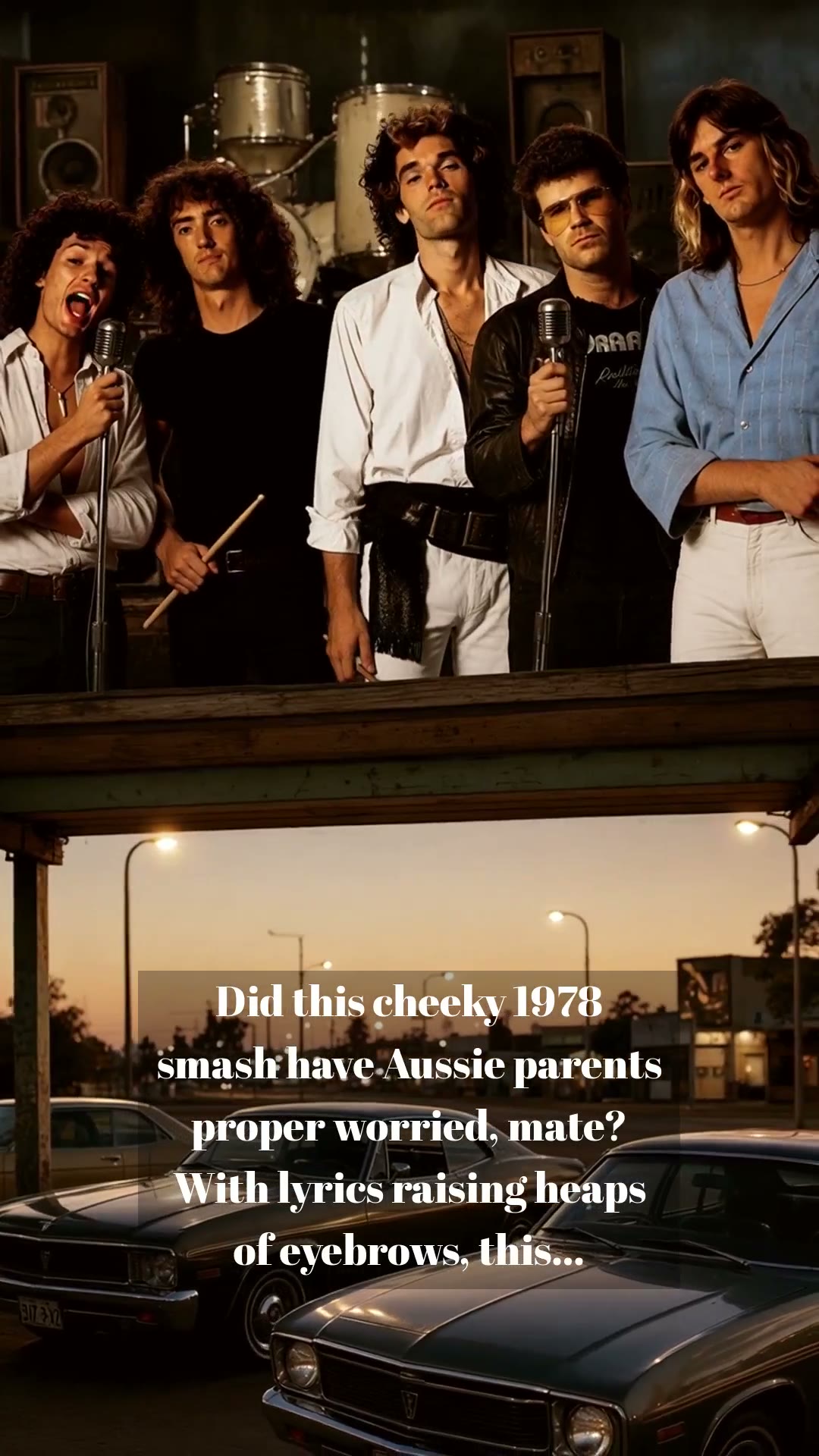
Cast your mind back to 1978, a time when the pub rock scene was pumping, the hair was long, and the air was thick with cigarette smoke. If you were sitting in your local boozer or catching Countdown on the telly, you would have surely heard that unmistakable, driving beat of Dragon and their smash hit, Are You Old Enough? It was a track that didn’t just climb the charts; it absolutely owned them, soaring straight to number one. But beneath that infectious, jangly guitar riff lay a story that had parents across the nation clutching their pearls and shaking their heads in utter disbelief, mate.

At the time, Marc Hunter and the boys from Dragon were the ultimate bad boys of the Aussie music scene. They weren’t your polished, radio-friendly acts; they were raw, unapologetic, and brought a bit of a dangerous edge to every gig they played. When Are You Old Enough? first hit the airwaves, it caught plenty of people off guard. With lyrics that pushed the boundaries of what was considered polite conversation, the song certainly raised heaps of eyebrows. I reckon there were more than a few awkward dinner table conversations back then, with mums and dads wondering what on earth their teenagers were singing along to while they polished off a meat pie.

Looking back, it is easy to realise why the song caused such a stir. In an era where conservative values were still firmly in place, Dragon dared to be cheeky, weaving a narrative that felt a little too close to the bone for the establishment. Yet, that is exactly why we loved it. It captured the rebellious spirit of the late seventies perfectly. It wasn’t just about the controversy; it was about the sheer energy that the band brought to the stage. Whether they were performing at a local town hall or a sweaty pub, Dragon always delivered a performance that felt like a proper, honest-to-goodness rock and roll experience.

The genius of the track lies in its deceptive simplicity. It had that classic pub rock DNA—thumping drums, a hook that grabbed you by the collar, and Marc Hunter’s charismatic, sneering vocals. It was the kind of tune that made you want to grab a schooner and stomp your boots on the sticky floorboards. Even today, hearing those opening chords transports you straight back to the golden age of Australian music. It is a genuine nostalgic favourite that reminds us of a time when music felt dangerous, exciting, and completely ours.

Decades on, Are You Old Enough? remains a staple of every classic hits radio station, proving that good music truly transcends its controversial beginnings. It sits comfortably alongside the legends like Cold Chisel and AC/DC as a defining moment in our cultural history. So, next time that track pops up, turn the volume up, have a bit of a dance, and remember the days when a bit of cheekiness was enough to set the whole nation on edge. It is a brilliant slice of Oz pop history that still packs a punch, just like it did all those years ago.

The Mi Sex Mainframe Heist: How Aussie Pop Changed Forever

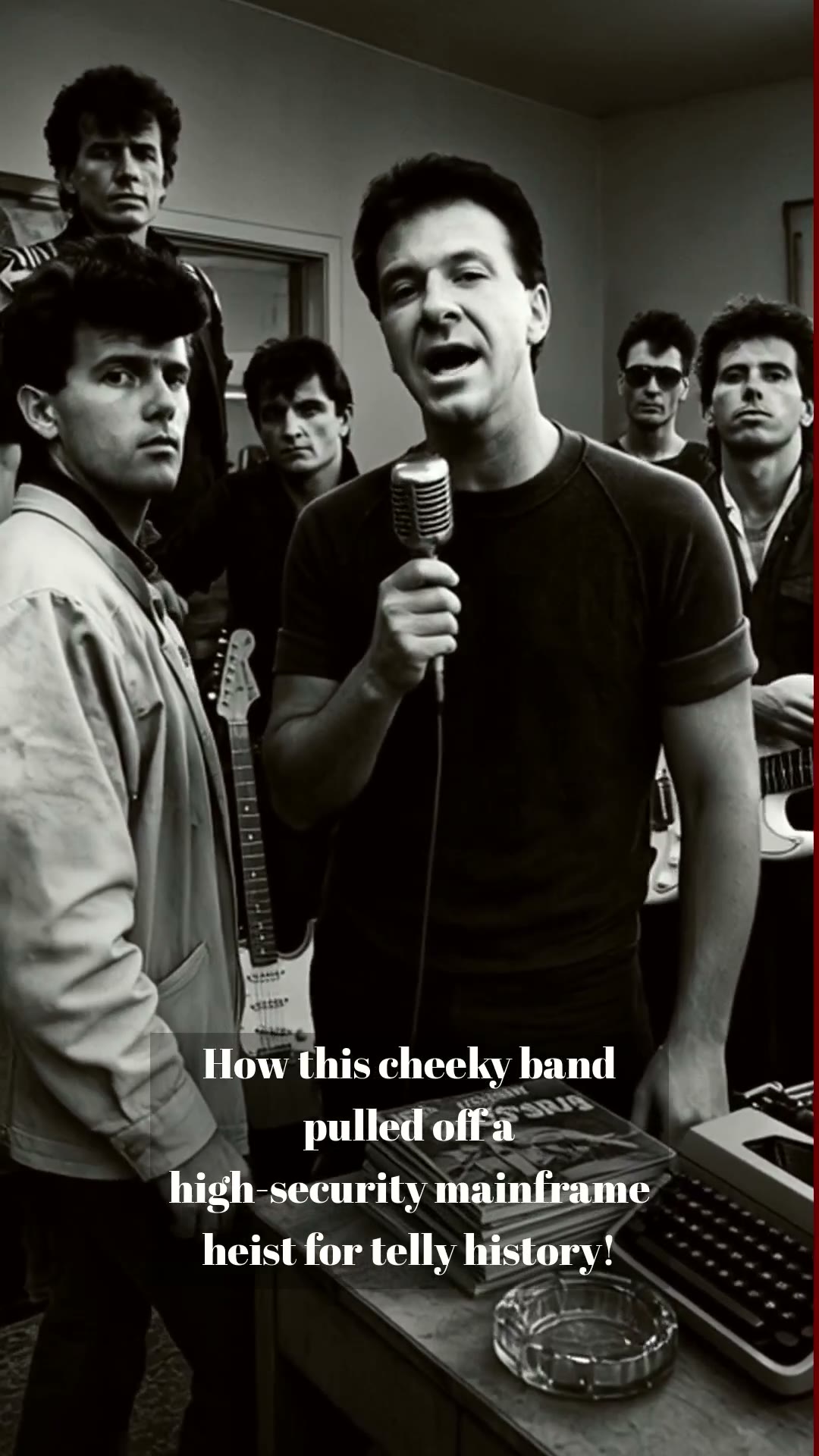
Picture the scene, mate. It is the late seventies, a time when the Aussie pub rock circuit was roaring, and the bright lights of Countdown were the only place to be seen. You remember it, surely—the smell of stale beer, the thick humidity of a Melbourne gig, and the sound of synths starting to weave their way into the fabric of our culture. Right in the middle of this electric shift were Mi Sex. They were more than just another band; they were a group of cheeky innovators who saw the future of music before anyone else had even realised the technology was available to us.

Most bands were happy just finding a working microphone, but Mi Sex had a vision that bordered on the audacious. The story goes that they pulled off what can only be described as a high-security mainframe heist. We aren’t talking about a petty shoplifting job; they managed to gain access to restricted servers, all in the name of capturing the perfect aesthetic for a telly sensation. Imagine the nerve of these blokes, walking straight into the heart of high-tech facilities on pure bravado alone. It was the kind of daring stunt that feels like a scene from a spy flick, yet it was just another Tuesday for a band determined to break the mould.

They didn’t just want to sound like the future; they wanted to look like it too. By pinching time and space on those early, room-sized mainframe computers, Mi Sex managed to craft visuals that were light years ahead of their contemporaries. They saw the potential in the cold, hard logic of machines and infused it with the raw, sweaty energy of the Aussie pub scene. It was a massive gamble, but when it paid off, it changed the game for every band that followed. You couldn’t help but admire the sheer audacity of it all.

People still talk about those sessions today. It wasn’t just about the chart-topping success or the way their songs caught on like wildfire; it was the story of how a group of larrikins from down under decided that the traditional rules of pop simply didn’t apply to them. They brought a bit of high-stakes drama to an industry that was often too comfortable with the status quo. It’s a classic tale of Aussie ingenuity, where having a bit of bottle gets you further than having a massive marketing budget ever could.

Looking back, it is easy to realise why Mi Sex holds such a favourite place in our collective memory. They captured that distinct transition period between the grit of the seventies and the neon gloss of the eighties. They showed us that with enough nerve, you could bend the world to your tune. It still gives me a laugh thinking about those blokes walking into restricted zones just for the sake of art. Next time you spin one of their tracks, have a think about the heist that made it all possible; it really was something else, mate.

The Night Peter Allen Saved I Still Call Australia Home

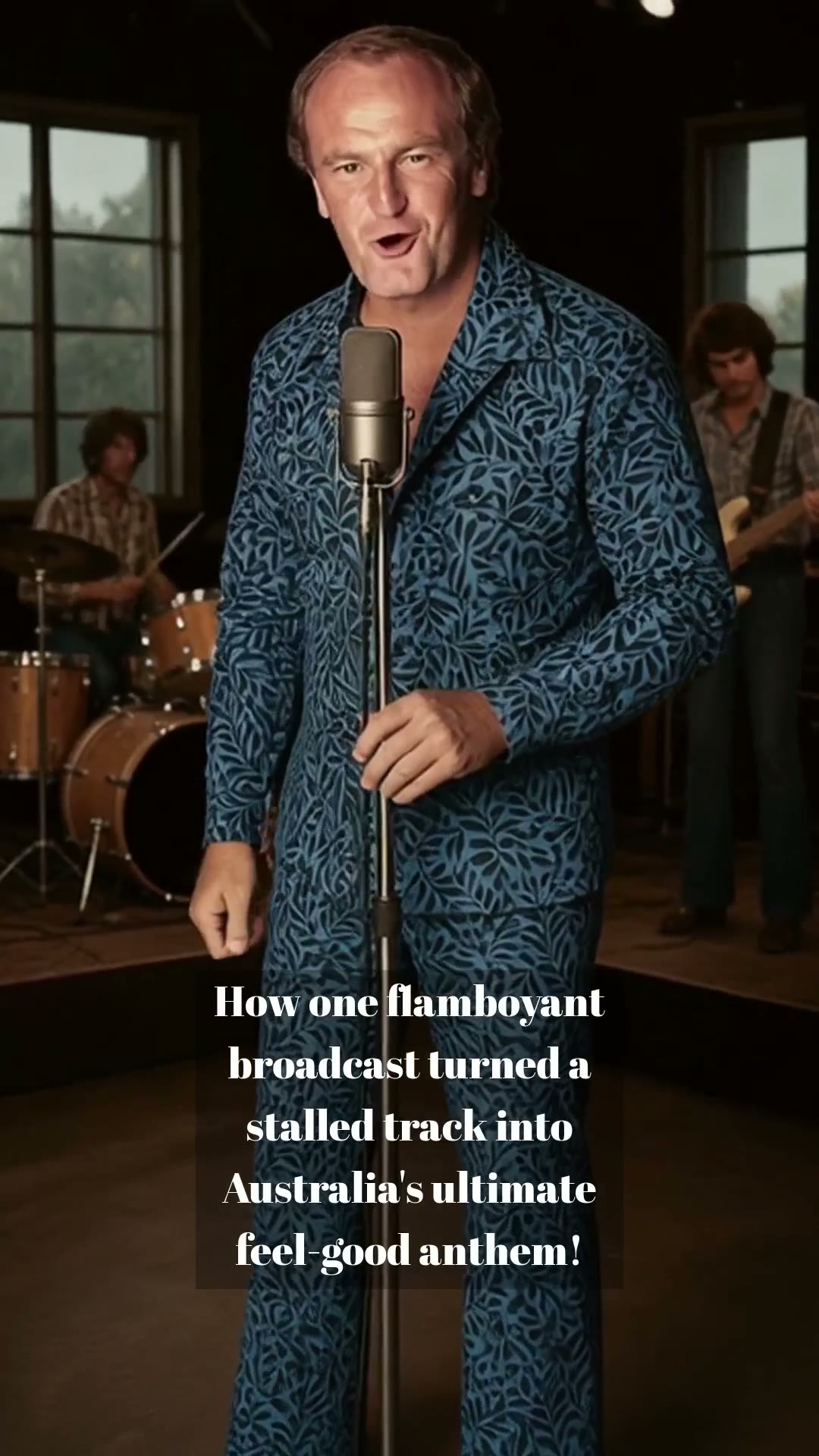
Cast your mind back to 1977. The telly was the heartbeat of every Australian living room, and if you wanted to make it big, you had to face the music on Countdown. Molly Meldrum was the kingmaker, and the studio was a chaotic den of glitter, hairspray, and questionable fashion choices. But among the pub rock giants and the glam icons, one cheeky bloke stood out like a sore thumb. Peter Allen, with his infectious grin and his maracas, was about to turn a stalled song into the unofficial anthem of our nation, a tune that still brings a tear to the eye of any true blue Aussie today.

Before that electric appearance on the show, the track I Still Call Australia Home was, quite frankly, going nowhere fast. It had stalled in the charts, and many in the industry were starting to reckon it was destined to be a forgotten bit of fluff. Peter Allen was a talent, no doubt about it, but the song just wasn’t catching fire. It needed something special, a spark to ignite the national consciousness. Then came that fateful broadcast. Peter Allen didn’t just sing the song; he lived it, shaking his maracas with a flamboyant energy that was impossible to ignore. He poured every ounce of his soul into those lyrics, and for those few minutes, the entire country stopped dead in its tracks.

It is hard to realise now just how much of a cultural reset that moment provided. Peter Allen brought a touch of Broadway polish to the gritty Australian pub rock scene, and it was exactly what we didn’t know we needed. The performance was raw, authentic, and dripping with a nostalgic charm that resonated with families across the suburbs. By the time the final note faded, the phones at the radio stations were running hot. People didn’t just like the song anymore; they were absolutely obsessed with it. It became an instant favourite, a badge of honour for those of us who had spent years missing our home.

Looking back, it is easy to see why the magic stuck. Peter Allen had a gift for capturing the bittersweet ache of travel and the deep, abiding love we have for this rugged, sun-drenched land. He understood that being Australian wasn’t just about the scenery; it was about the feeling of coming home after a long stint away. He gave us a melody that could bridge the gap between the bush and the city, a song that felt like a warm hug from an old mate you haven’t seen in ages. He put his heart on his sleeve, and we all fell for it, hook, line, and sinker.

These days, whenever the opening chords of I Still Call Australia Home fill a stadium or a backyard barbecue, you can bet there isn’t a dry eye in the house. It has transcended the charts to become a part of our national fabric, thanks in no small part to that one explosive night on Countdown. Peter Allen might have been a bit of an enigma, a whirlwind of energy and sequinned jackets, but he gave us something that lasts forever. So next time you hear it, crank up the volume, mate, and remember the man who reminded us all why we are so bloody lucky to call this place home.

The Little River Band Song That Saved Them From Going Broke

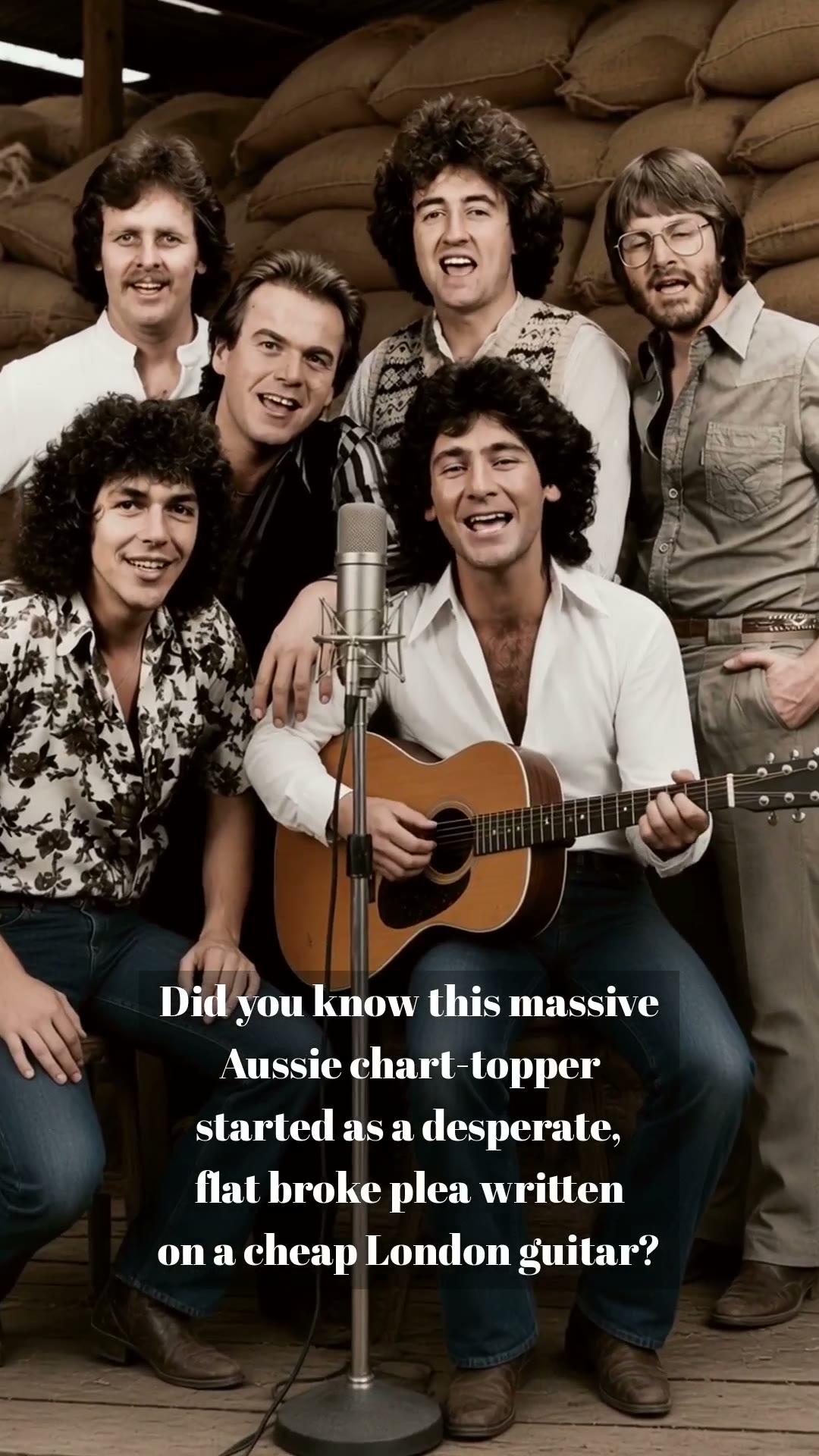
Ever wondered how a band goes from playing half-empty pubs to conquering the world? Back in the mid-seventies, the boys from the Little River Band were living the classic Aussie musician’s dream, which is to say, they were pretty much flat broke. They were sitting in a cold, grey London bedsit, staring down the barrel of an empty bank account and wondering if they should just pack it all in and fly home. It is a story as old as time, but for the Little River Band, it was the moment of truth. They did not have two coins to rub together, yet they had heaps of talent and a desperate need for a hit to keep the dream alive.

The song in question, the one that turned their fortunes around, was written on a cheap, battered guitar they had picked up second-hand. It was not some glossy, big-budget production at the start; it was a raw, desperate plea for a way out. Graham Goble and the lads were trying to capture that feeling of being a long way from home, realising that if this did not work, it was back to the day jobs. They had no idea that this specific track would become their ultimate lifesaver, a song that would eventually see the Little River Band climb the charts across the globe and become a household name from Melbourne to Los Angeles.

Looking back, it is hard to fathom just how much the Little River Band changed the game for Australian music. Before they hit it big, the idea of an Aussie band making serious waves in the international market was a bit of a pipe dream. But they brought a level of vocal harmony and songwriting polish that was absolutely world-class. You could hear the sunlight and the struggle in their music, a perfect blend of that laid-back Aussie pub rock soul infused with a sophisticated pop edge that just resonated with everyone who heard it.

I reckon the reason we still love the Little River Band today is that their music feels like an old friend. Whether it was playing on the car radio on a long trip or coming through the speakers at a backyard barbie, their sound is pure nostalgia. It reminds us of a time when life felt a bit simpler, when we would wait for the weekly countdown on the telly to see if our favourite track made the top ten. They were not just a band; they were the soundtrack to our youth.

It is fascinating to realise that such a massive chart-topper started as a humble, worried composition in a drafty London room. It serves as a reminder that even the biggest stars had their moments of doubt, mate. Next time you hear a Little River Band classic, have a listen to the lyrics a bit closer. You might just catch that whisper of desperation that turned into a legacy. It is a cracker of a story, and it is exactly why Aussie rock will always hold a special place in my heart.

How Ted Mulry Gang Defied the Radio Ban to Hit Number One

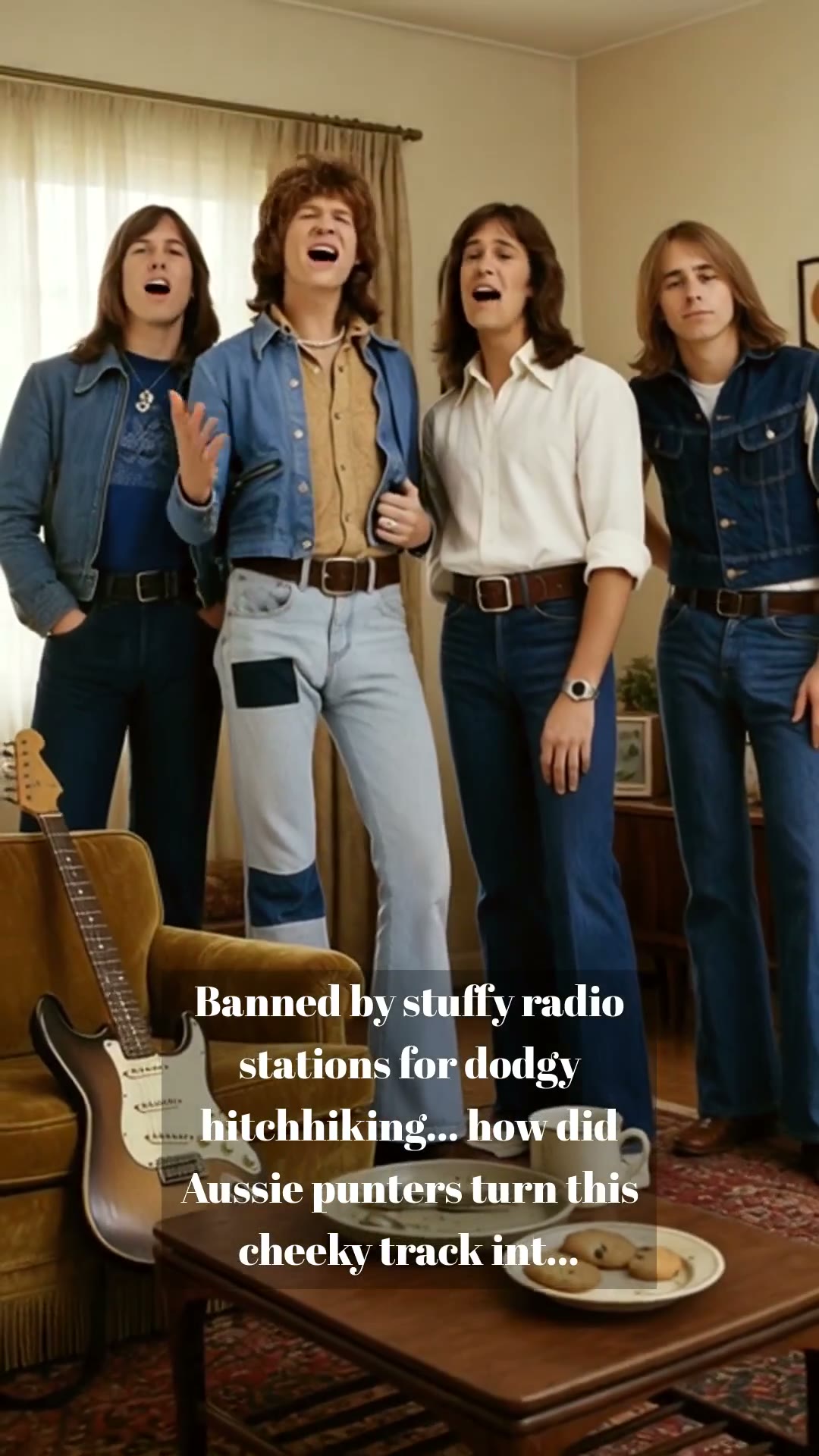
Cast your mind back to 1975, a time when Australian radio was a bit of a stuffy affair. You had the station managers sitting in their ivory towers, deciding what was ‘suitable’ for the ears of the public. Then came along a cheeky little number called Jump in My Car, performed by the legendary Ted Mulry Gang. It was a tune that had a bit of grit, a bit of larrikin charm, and a whole lot of melody. Yet, the moment it hit the airwaves, the gatekeepers decided to slam the brakes on it. They reckoned the lyrics encouraged dodgy hitchhiking, fearing it might lead the youth of Australia down a path of unsavoury behaviour. It sounds like absolute rubbish looking back at it now, but at the time, those radio stations were dead serious about keeping it off the rotation.

But here is the beauty of the Aussie music scene back then: you couldn’t keep a good track down if the punters loved it. Ted Mulry, or ‘T.M.’ as his mates called him, had a knack for writing songs that resonated with the common person. The Ted Mulry Gang wasn’t interested in being precious or pretentious. They were a proper pub rock band, and they knew exactly what the crowd wanted to hear while sinking a cold one on a Saturday night. Despite the ban, the public didn’t listen to the radio bosses. They heard the track in pubs, at local discos, and via word of mouth, and they fell in love with it. It became an anthem, a quintessential slice of Oz rock that captured a bit of that rebellious spirit we all admire.

It is fascinating to realise just how much influence the Ted Mulry Gang had during that era. Before Jump in My Car took over the charts, Ted Mulry was actually known for a more folk-inspired sound, but he had the courage to change his stripes and embrace the harder, punchier pub rock sound that was beginning to define the nation. When the single finally smashed its way to number one, it proved that the power truly rested with the listeners, not the suits behind the microphones. It was a massive victory for the band and a proud moment for fans who felt like they had stuck it to the man.

Even today, whenever that familiar riff kicks in, you can see people’s faces light up. It’s got that nostalgic colour that transports you straight back to the seventies, sitting in a fibro shack or standing in a crowded gig with the beer flowing. The Ted Mulry Gang managed to capture a lightning-in-a-bottle moment that still sounds fresh decades later. It wasn’t just about the chart success; it was about the connection they built with people who appreciated a band that didn’t take themselves too seriously.

If you ask anyone who lived through the Countdown era, they will tell you that the Ted Mulry Gang was the real deal. They were a hardworking outfit that brought heaps of energy to every performance. We owe them a debt for showing us that sometimes, the best music is the kind that makes the establishment a little bit uncomfortable. So next time you hear Jump in My Car, turn it up loud, give a nod to T.M., and remember the time when Australian rock really found its voice.

William Shakespeare: The Aussie Teen Idol Trapped by 1974 Gold

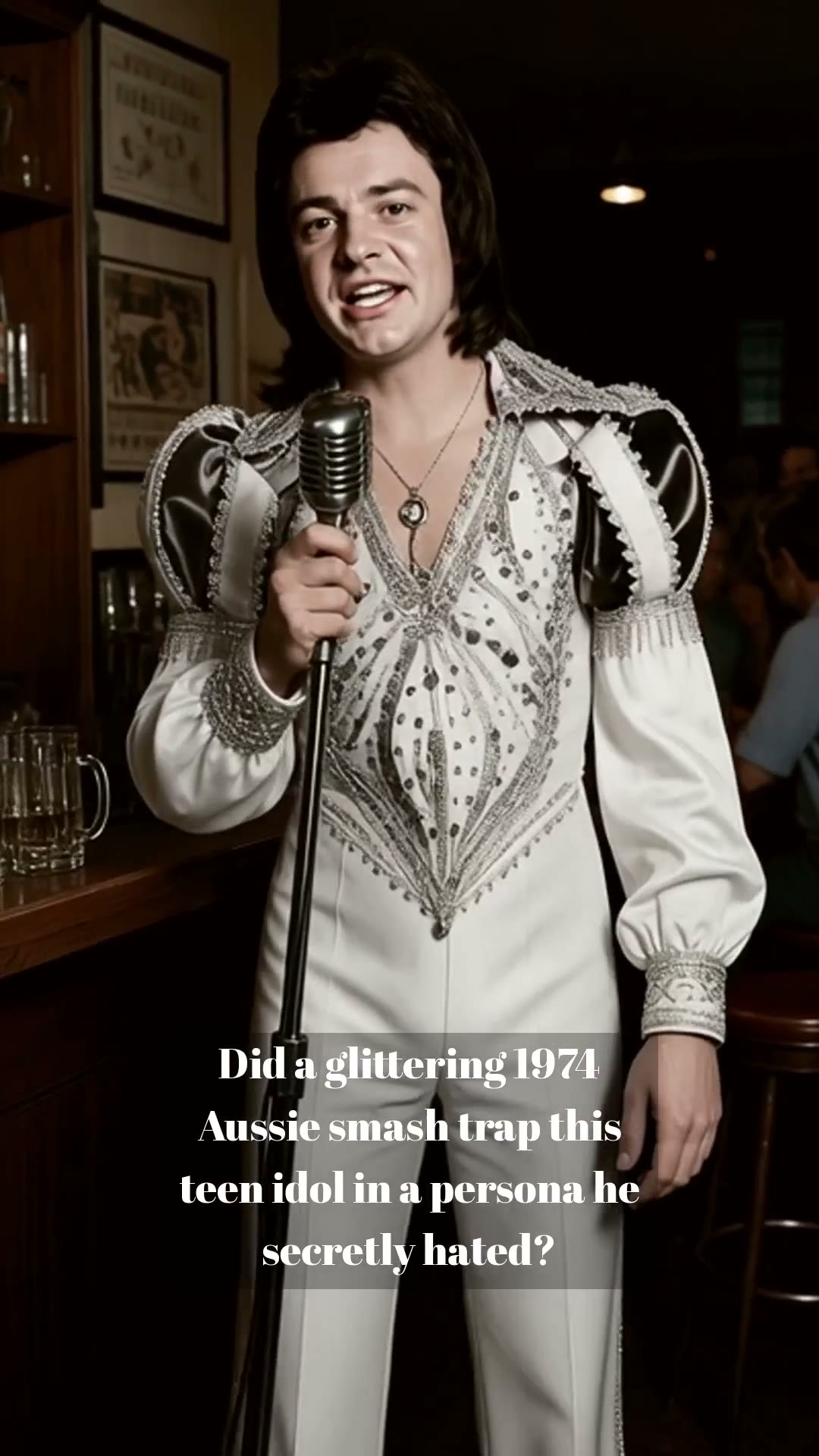
Cast your mind back to 1974, a time when the telly was dominated by the glitter and strobe lights of Countdown. It was a golden era for Aussie pop, and right at the centre of the storm was a bloke named William Shakespeare. With his striking looks and that undeniable charisma, he became a household name almost overnight. But for those of us who lived through those heady days, it is easy to realise now that his massive chart success with the hit ‘My Little Angel’ was a bit of a double-edged sword. While the song had every teen across the country screaming at their speakers, it arguably locked a talented performer into a persona he secretly grew to loathe.

William Shakespeare, born John Cave, was never just a one-hit wonder in his own mind. He had real grit and a desire to be taken seriously as a musician, not just as the poster boy for teenage infatuation. Watching him on stage back then, you could see the polish and the professional delivery, but if you look closer at the archival footage, there is a certain heaviness behind the eyes. He was playing the part that the industry demanded, wearing the vibrant costumes and embracing the bubblegum aesthetic because that is what sold records in the seventies. He reckon he was an artist, but the public wanted a swooning heart-throb, and that conflict started to eat away at him.

The industry back then was a beast, mate. If you were on the Countdown circuit, you were expected to play the game, and William Shakespeare played it better than most. He climbed the charts, collected the accolades, and lived the life that thousands of aspiring musicians would have killed for. Yet, the irony remains that the very song that made him a legend also became his cage. It is a classic tale of the Aussie music scene where the market dictates the sound, leaving little room for the performer to evolve into the artist they actually want to be. He was stuck in a shimmering, pop-infused amber, unable to shed the skin of the ‘teen idol’ image.

Looking back, it is hard not to feel a bit of sympathy for the bloke. He gave us heaps of joy and provided the soundtrack for many a first dance in dusty community halls. His voice was smooth, his stage presence was immense, and he genuinely understood how to command a crowd. But the story of William Shakespeare serves as a stark reminder of the cost of fame in the Australian music industry during that period. You realise that behind the glamour and the glitz, there was a man grappling with his identity, desperate to be recognised for his substance rather than his style.

Today, we look back at his work with a sense of warm nostalgia. Those of us who grew up with his music still get a bit misty-eyed when we hear those opening chords. It is a beautiful slice of history, a time capsule of a young man finding his feet in a rapidly changing world. Whether or not he was happy being the poster boy, he left an indelible mark on our culture. Next time you hear one of his records spinning on the radio, spare a thought for the man behind the mask, because he certainly gave us his all.