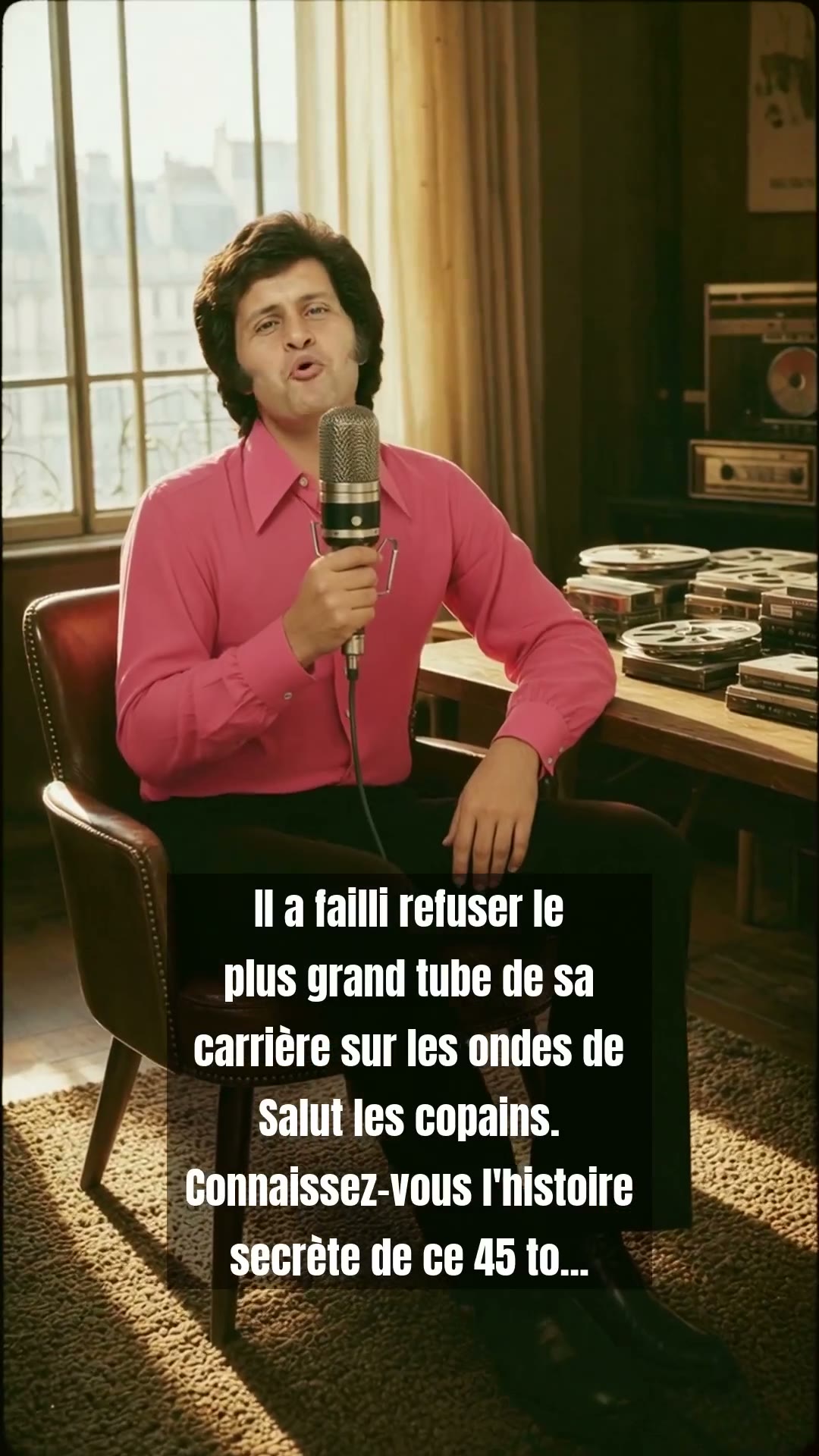
Joe Dassin : le secret tragique derrière son plus grand succès

Il a failli tout jeter à la poubelle. En 1975, alors que la France vibrait encore sous les échos des Trente Glorieuses, Joe Dassin, le crooner au costume impeccable, était à deux doigts de refuser ce qui allait devenir son plus immense triomphe. Qui aurait pu imaginer qu’une chanson devenue l’hymne des bals du 14 juillet et des guinguettes allait naître d’un refus catégorique ? C’est pourtant l’histoire secrète derrière l’enregistrement de L’Été indien, ce tube qui a fini par saturer les ondes de Salut les copains et graver son nom dans le marbre de la chanson française.

Tout se joue dans l’intimité d’un studio parisien. Joe Dassin, perfectionniste et tourmenté, ne croit pas en cette mélodie. Pour lui, le texte est trop simple, presque banal. Il est loin de se douter que ces paroles vont bouleverser le cœur des Français. Poussé de force par son producteur, il finit par céder, agacé. Il entre dans la cabine, ferme les yeux, et pose sa voix profonde sur cette mélodie qui sent le sable chaud et la mélancolie. Ce jour-là, sans le savoir, il signe son passeport pour l’éternité. La magie opère instantanément, et ce 45 tours devient un phénomène national, s’emparant des radios portables de toutes les plages, de la Côte d’Azur jusqu’aux vallées de l’Auvergne.

La trajectoire de Joe Dassin n’était pas un long fleuve tranquille. Derrière le sourire charmeur et cette voix rassurante qui résonnait dans les salons de l’Hexagone, se cachait une fragilité immense. Le succès, aussi fulgurant soit-il, ne pansait pas toujours les plaies. Ce titre, qui semble aujourd’hui n’être qu’une ode à la nostalgie, était pour lui une épreuve de force. Il portait sur ses épaules le poids des attentes, le rythme effréné des tournées à l’Olympia et cette pression constante imposée par une industrie du disque impitoyable, loin des projecteurs et des applaudissements du public.

Quand on écoute aujourd’hui les premières notes de L’Été indien, on ne peut s’empêcher de penser au chemin parcouru depuis les années yé-yé. Joe Dassin reste cette figure tutélaire, cet ami imaginaire que nous invitions dans nos foyers par le biais de la télévision. Sa voix, qui nous a accompagnés durant tant d’étés, porte en elle la mélancolie des choses qui finissent, une résonance particulière pour ceux qui ont grandi entre la fin des Scopitone et l’avènement des grandes émissions de variété. Il a su capter l’âme d’une époque.

Si Joe Dassin nous a quittés trop tôt, son héritage, lui, refuse de s’effacer. Chaque fois que la mélodie résonne, ce n’est pas seulement une chanson que nous entendons, mais le souvenir d’une France qui croyait en ses lendemains. Le secret de son succès n’était pas dans la technique, mais dans cette part d’humanité qu’il a fini par accepter de livrer, malgré ses réticences initiales. Et vous, quel souvenir précieux liez-vous à ce morceau immortel ?

Francis Lalanne : Le mystère derrière l’idole aux bottes de cuir

Il est impossible d’oublier cette silhouette élancée, campée sur la scène mythique de l’Olympia en 1980, les pieds chaussés de bottes de cuir qui semblaient vouloir défier la gravité. Ce soir-là, sous les projecteurs parisiens, Francis Lalanne ne se contentait pas de chanter ; il imposait une présence, une urgence émotionnelle qui allait marquer une génération entière. Si vous avez grandi entre les dernières heures des Trente Glorieuses et l’effervescence de la variété française des années 80, vous vous souvenez forcément de ce timbre si singulier, capable de passer de la douceur la plus intime à la puissance pure en une seule note.

Le succès de Francis Lalanne ne tenait pas seulement à sa voix, mais à cette aura de rebelle romantique qu’il cultivait avec une sincérité désarmante. À une époque où le paysage musical hexagonal était dominé par les grands noms de Salut les copains, Francis Lalanne a su s’imposer en apportant une touche de théâtralité nouvelle. Derrière les coulisses du music-hall, loin du luxe des tournées et de l’adulation des fans, se cachait un homme en perpétuelle recherche de vérité, souvent en conflit avec les codes rigides de l’industrie musicale de l’époque. Chaque apparition télévisée était une promesse de tension, un moment où l’on sentait que tout pouvait basculer.

Ceux qui étaient présents dans la salle ce soir-là à l’Olympia racontent encore l’électricité qui parcourait les rangs. Francis Lalanne, c’était le chanteur que l’on écoutait en cachette dans sa chambre en tournant un 45 tours, ou que l’on découvrait avec stupéfaction lors d’une émission de variétés le samedi soir. Il incarnait cette transition entre la chanson à texte héritée des maîtres et une modernité rock qui s’installait timidement en France. Il y avait dans son regard une part de mystère qui fascinait les foules, une mélancolie profonde qui résonnait avec les désillusions post-soixante-huitardes de la jeunesse française.

Le prix de cette notoriété soudaine fut pourtant lourd à porter. Comme beaucoup d’icônes de ces décennies, Francis Lalanne a dû naviguer dans les eaux troubles de la célébrité, affrontant les pressions médiatiques et les critiques acerbes. Derrière le personnage public, l’homme derrière le micro luttait souvent pour garder son intégrité artistique, quitte à bousculer les habitudes des maisons de disques. Ces épisodes de drama, ces prises de position tranchées et cette volonté constante de sortir des sentiers battus ont fait de lui une figure à part, parfois incomprise, mais toujours authentique.

Aujourd’hui, quand on réécoute les tubes de Francis Lalanne, une vague de nostalgie nous envahit, nous ramenant à ces années où la musique était le ciment de nos émotions. Il reste ce témoin privilégié d’une époque charnière, un artiste qui a su capturer l’âme de son temps. Et vous, quel souvenir gardez-vous de ce chanteur hors norme qui continue, encore aujourd’hui, de faire battre notre cœur au rythme de ses chansons éternelles ?

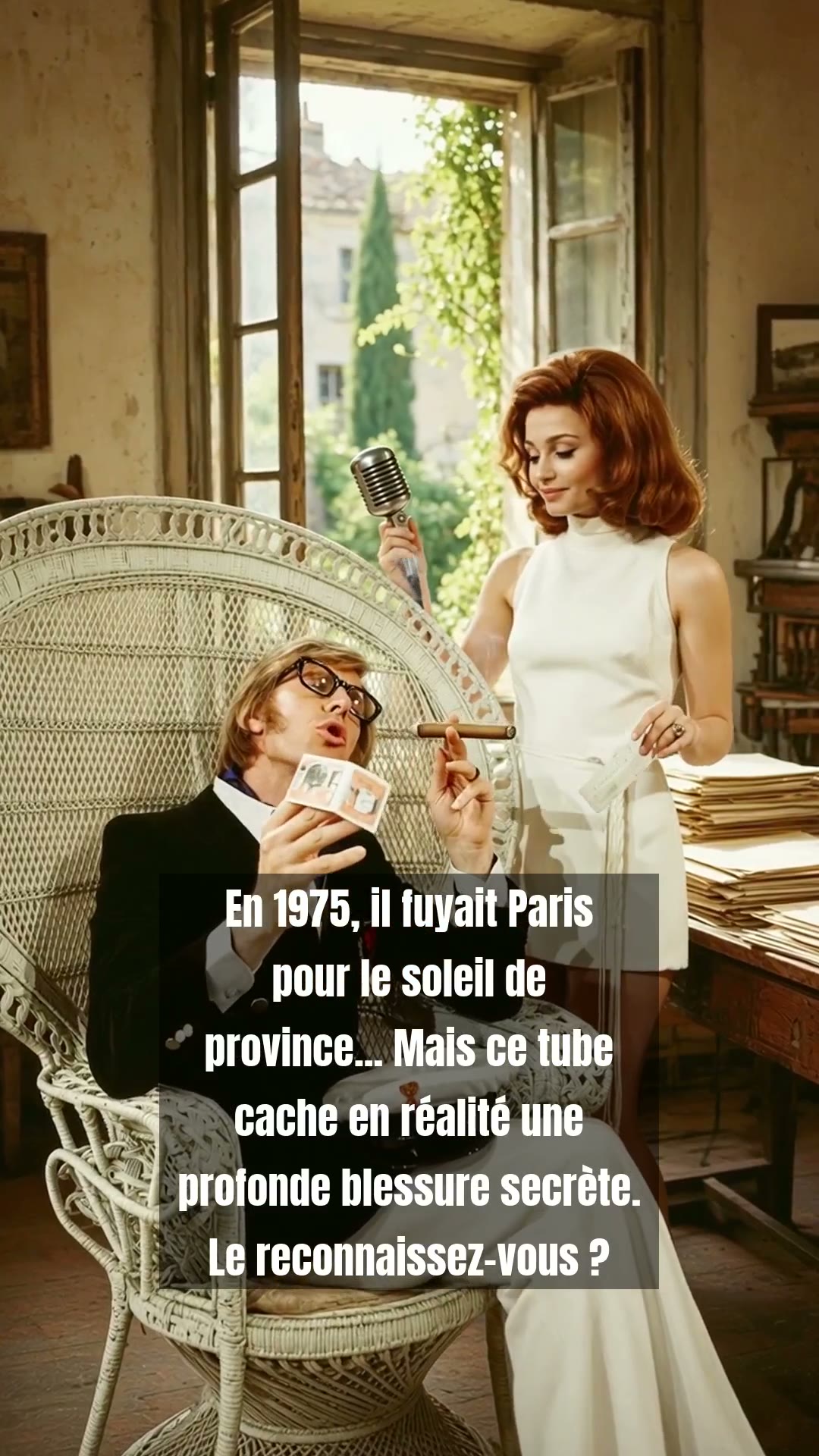
Le Sud de Nino Ferrer : Le secret tragique derrière ce tube

En 1975, Paris étouffait. Dans les studios enfumés de la capitale, le show-business tournait à plein régime, mais pour un artiste, le vernis commençait à craquer. Nino Ferrer, cet écorché vif, décide de tout plaquer. Il quitte le tumulte parisien, les plateaux télé de Salut les copains et la pression des maisons de disques pour se réfugier dans le calme du Quercy. C’est là, loin des projecteurs, qu’il compose un hymne solaire devenu aujourd’hui un pilier de la chanson française : Le Sud. Pour beaucoup, ce morceau reste associé aux souvenirs de vacances, aux bals du 14 juillet et à cette douceur de vivre méridionale que nous avons tous chérie.

Pourtant, derrière ces envolées de jazz-rock et cette mélodie lancinante qui semble célébrer la liberté, se cachait une blessure bien plus profonde. Nino Ferrer n’était pas l’homme insouciant que le grand public imaginait. Bien que son talent soit immense, l’artiste se sentait étranger à ce milieu du spectacle qu’il jugeait superficiel. À cette époque, la France des Trente Glorieuses touche à sa fin, et le malaise de Nino Ferrer reflétait celui d’une génération désabusée par les compromis nécessaires au succès. Le Sud était pour lui une chimère, un refuge fantasmé contre une mélancolie tenace qui ne le quittait jamais tout à fait.

Ceux qui ont vécu cette période se souviennent des tournées harassantes et de l’exigence brutale des labels. Nino Ferrer, avec son allure dégingandée et son intelligence rare, refusait de jouer le jeu du chanteur yé-yé de service. Il préférait ses disques de jazz et ses expériences sonores aux succès commerciaux formatés. Dans sa ferme du Lot, au milieu des oliviers, il tentait de panser ses plaies, loin de l’effervescence de l’Olympia ou des studios de la radio. Chaque note de ce tube légendaire porte en elle cette tension entre le désir d’être aimé et le besoin viscéral de solitude.

Le succès fulgurant du titre a paradoxalement enfermé Nino Ferrer dans une image qui ne lui correspondait pas. Tandis que le public dansait sur ses notes, l’homme cherchait encore sa place dans un monde qui lui semblait de plus en plus étranger. Cette dualité, ce mélange de joie apparente et de détresse intime, est ce qui rend son œuvre si poignante aujourd’hui. Il n’était pas seulement un interprète de variété ; il était un poète tragique, un homme qui cherchait la lumière dans les recoins les plus sombres de son âme.

En écoutant Le Sud aujourd’hui, on ne peut s’empêcher de ressentir cette nostalgie, celle d’une époque révolue mais aussi celle d’un artiste en quête de paix. Nino Ferrer nous a légué bien plus qu’une chanson : il nous a laissé le témoignage d’un homme qui a osé dire non à la facilité pour rester fidèle à lui-même. Si le soleil du Sud réchauffe toujours nos mémoires, la voix de Nino Ferrer, elle, nous rappelle que le plus beau des voyages est parfois celui que l’on fait à l’intérieur de soi, là où les blessures deviennent des chefs-d’œuvre.

Janis Joplin and the Heartbreaking Secret Behind Her Final Number One

There is something truly haunting about a voice that stays with you long after the final note fades. For those of us who grew up glued to the telly watching Countdown or spinning records until the grooves wore thin, Janis Joplin remains a force of nature. We all reckon we know her story, but there is a specific, gut-wrenching moment in history that still catches in the throat. Just three days before her tragic passing in 1970, Janis stepped into a studio to lay down what would become her absolute masterpiece, a track that would define a generation of blues-rock lovers but one she would never live to hear reach the top of the charts.

The song, of course, is Me and Bobby McGee. It was written by her mate Kris Kristofferson, a bloke who didn’t even realise the full weight of what she had captured in that recording booth until it was far too late. Janis had a way of singing that felt like she was peeling back her own skin; there was no artifice, just raw, unvarnished human experience. When she sang, you didn’t just hear the words, you felt every ounce of her joy and her heartbreak. It was that signature Joplin colour, a shade of blue that only she could paint, and it made her a favourite among those of us who liked our music with a bit of grit.

I reckon it is hard to fathom the sheer talent she possessed at such a young age. Back then, we were all caught up in the magic of the radio, waiting for our favourite tracks to hit the airwaves. When Me and Bobby McGee finally climbed the charts to hit number one, it felt like a bittersweet victory for us all. It was a posthumous nod to a woman who had given her entire soul to the music. To realise that she was gone before the world fully embraced that final, perfect take still feels like a massive blow to the heart, even all these years later.

Listening to it now, you can almost see the studio lights, the cigarette smoke, and the sheer focus in her eyes. It is a snapshot of an artist at the very height of her powers, oblivious to the fact that her time was running out. That is the thing about the music of that era; it holds onto us because it was so undeniably real. We look back at these legends, from the pub rock circuits here at home to the icons across the water, and we see parts of our own lives mirrored in their struggles and their triumphs.

Janis Joplin left behind a legacy that has aged like fine wine. It still resonates heaps because it reminds us that true art doesn’t need to be polished or manufactured. It just needs to be honest. Whenever I hear those opening chords, I am transported straight back to a time when music felt like the most important thing in the world. She might have left us way too soon, but that voice, that beautiful, aching voice, will always belong to the ages. Have a listen today and see if it doesn’t still tug at your heartstrings just as much as it did back in the day.

When Billy Thorpe and the Aztecs Set Aussie Pub Rock Ablaze

Cast your mind back to the sweltering January of 1972. The sun was beating down on the paddocks of Sunbury, and the air was thick with the scent of dry grass and anticipation. For years, the Australian music scene had been dominated by pop idols in matching suits, playing it safe for the telly. But then, Billy Thorpe and the Aztecs took to the stage, and everything changed in a heartbeat. They were not there to look pretty; they were there to unleash a wall of sound that would rattle the very foundations of the Australian rock industry. It was loud, it was raw, and for thirty thousand sunbaked fans, it was the moment Aussie pub rock was truly born.

Before that legendary Sunbury festival performance, Billy Thorpe was already a well-known face, but he was trapped in a mould that didn’t fit. You see, the industry wanted a polished performer, but Billy had a different fire in his belly. He realised that the people didn’t want sanitised pop; they wanted the grit and soul of blues-based rock that hit you right in the chest. Ditching the clean-cut suits wasn’t just a fashion choice; it was a declaration of war against the status quo. When the band cranked their amplifiers to the limit, creating a feedback-drenched roar that had never been heard at that scale before, they weren’t just playing music—they were forging a new identity for the Australian pub scene.

I reckon anyone who was there still remembers the feeling of the ground shaking under their feet. It was a chaotic, beautiful mess of sweat, denim, and pure electric energy. Billy Thorpe and the Aztecs transformed from a standard pop act into a powerhouse of heavy blues, setting a benchmark that every band playing at the local boozer for the next decade would try to reach. They proved that you didn’t need to head overseas to find the real deal; the most ferocious sound on the planet was happening right here in our own backyard.

What made the Aztecs so special wasn’t just the volume, though that was certainly part of it. It was the absolute authenticity of the performance. Billy Thorpe had this magnetic stage presence, a way of commanding the crowd that made you feel like you were part of a secret revolution. It paved the way for the likes of Cold Chisel and AC/DC to take that same energy into the pubs and clubs across the nation, turning Aussie rock into a global force. It was the quintessential ‘sink or swim’ moment for the local scene, and they didn’t just swim; they dominated.

Looking back, it is easy to realise why this moment still resonates so strongly with us today. It represents a time when music felt dangerous, urgent, and entirely ours. Whether you were down at the front of the stage at Sunbury or just catching the echoes of their influence through the radio, the legacy of Billy Thorpe and the Aztecs remains a cornerstone of our cultural history. It reminds us that sometimes, you have to burn down the old to make room for something truly legendary. Have you got a favourite memory of catching the Aztecs live, mate?

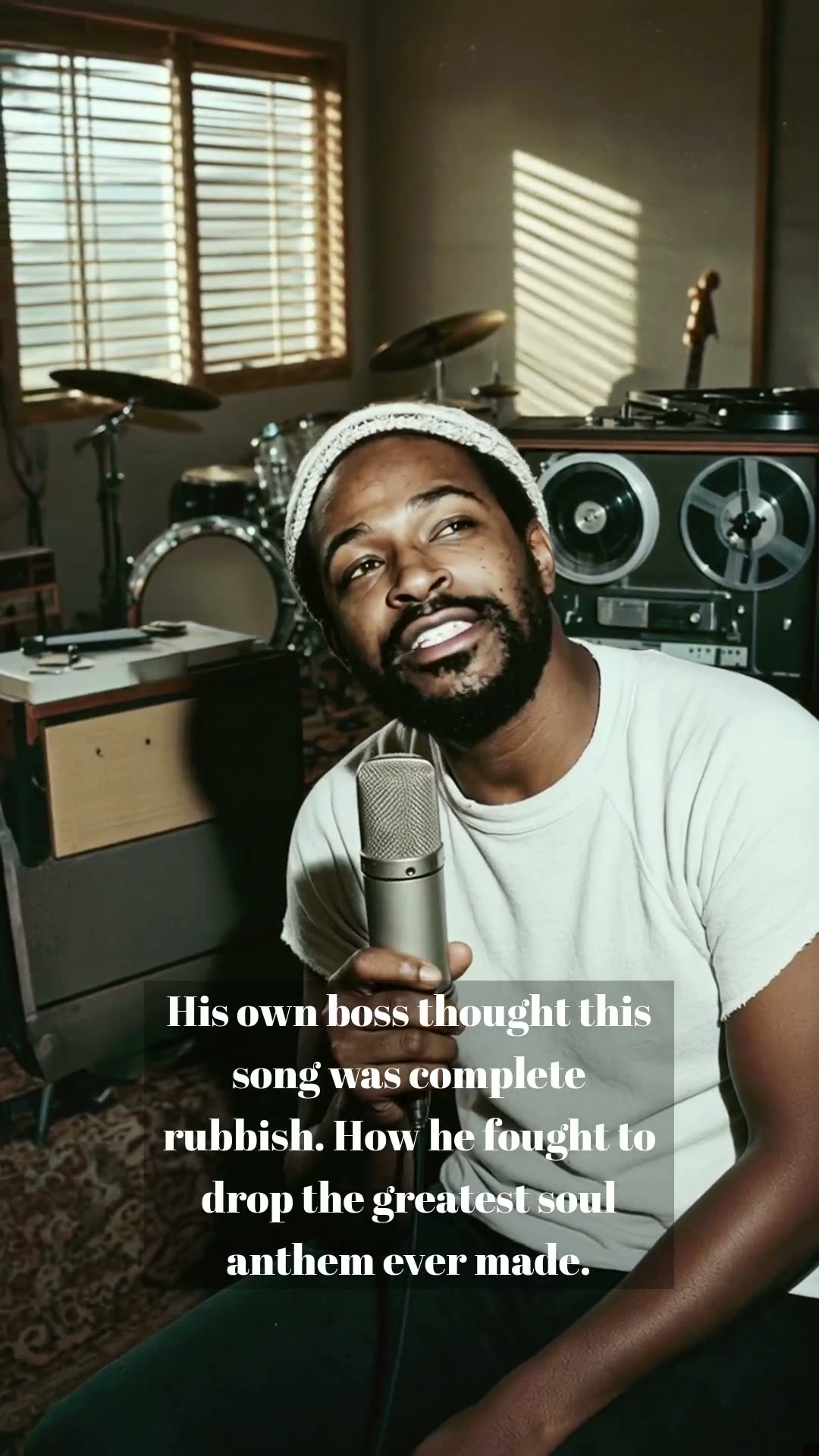
The Marvin Gaye Classic That Motown Reckoned Was Total Rubbish

Picture the scene: it is 1971, and the world is shifting on its axis. Back here in Australia, we were glued to the telly watching Countdown later on, but over in Detroit, a legend was fighting for the soul of his career. Marvin Gaye, the smooth prince of Motown, had just finished recording What’s Going On. It was a departure, a gritty, social commentary that went against the polished, commercial grain of the label. When he delivered the track to his boss, Berry Gordy, the reaction wasn’t just lukewarm; it was hostile. Gordy famously called it the worst thing he had ever heard, reckoning it would be an absolute disaster for the brand.

It is hard to believe now, but Marvin Gaye had to fight tooth and nail just to get that record pressed. The label had a colour-coded system for hits, and they certainly did not see the colour of money in a song about Vietnam and urban decay. Marvin was adamant, though. He told them flat out that if they didn’t release it, he would stop recording altogether. He wasn’t just an artist following a formula; he was a man with something profound to say. It is a classic tale of a visionary clashing with the suits who only care about the bottom line, and mate, there were heaps of drama behind the scenes that would make your hair stand on end.

Eventually, the track was pushed out, and the rest is history. It became the anthem of a generation, a soulful masterpiece that realised the potential of what popular music could actually achieve. It didn’t just top the charts; it changed the landscape. For those of us who grew up with the sounds of the seventies echoing through our childhood homes, this story hits home. It reminds us that sometimes, the music we hold as our absolute favourite was born from a moment of pure, stubborn defiance against the establishment.

Looking back, it is staggering to think how close we came to never hearing it. If Marvin Gaye had folded under that pressure, we would have lost one of the most important pieces of music ever captured on tape. It makes you wonder how many other tracks were binned by short-sighted executives before they ever had a chance to breathe. That is the magic of the era; the artists were starting to take the reins, moving away from being puppets for the label and finding their own, authentic voices in a rapidly changing world.

Today, when you drop the needle on that record, you can still hear the tension and the triumph in his voice. It isn’t just a song; it is a testament to the fact that sticking to your guns pays off. So, next time you are spinning your favourite vinyl, spare a thought for Marvin Gaye. He took a massive risk when the odds were stacked against him, and he helped define the soundtrack of our lives. It just goes to show, sometimes you have to trust your gut, even when everyone else reckons you are barking mad.

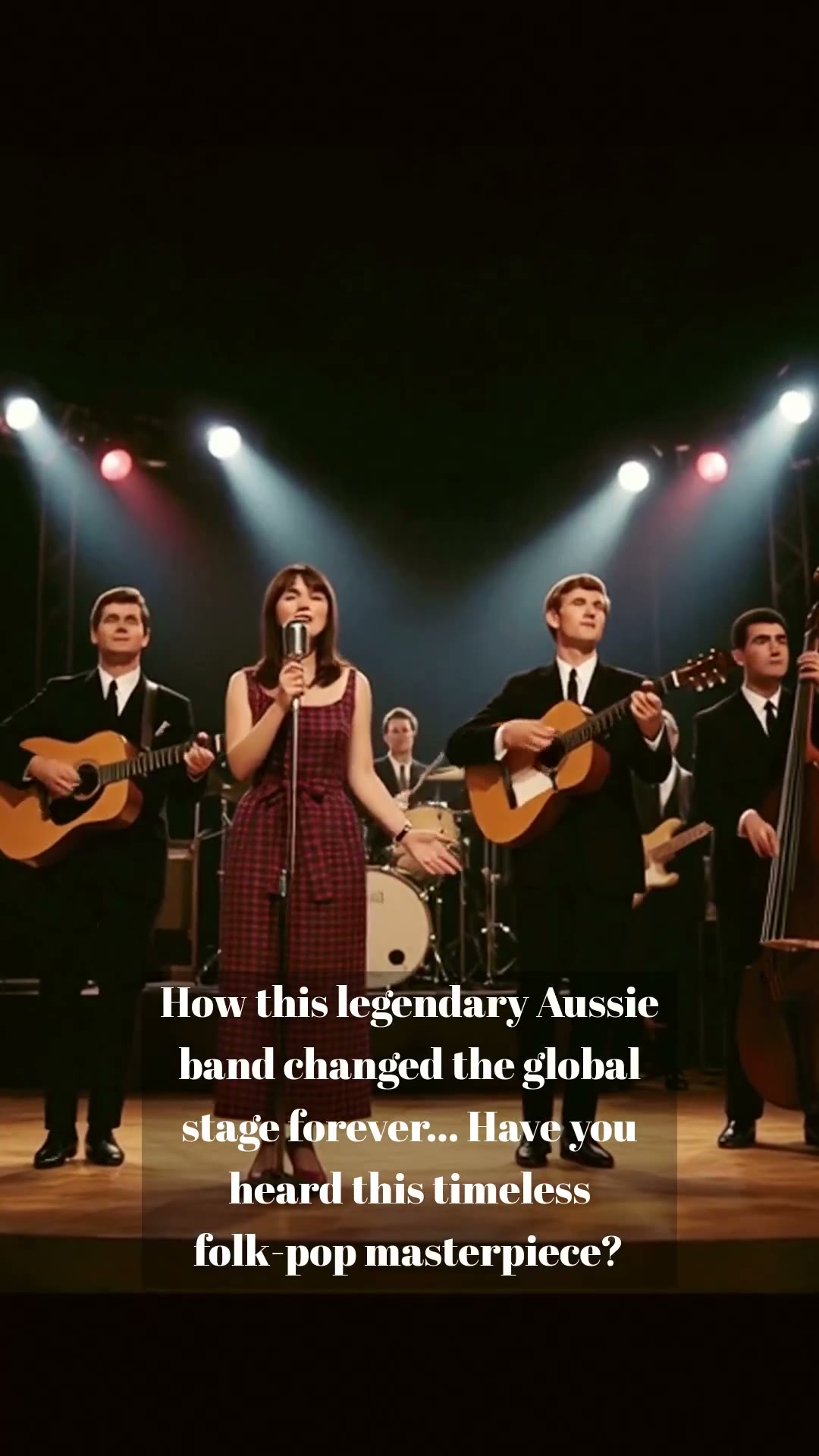
The Seekers: How Four Aussies Changed Global Music Forever, Mate

Cast your mind back to the mid-sixties, a time when the world seemed to be turning at a different speed. Before the heavy pub rock of the seventies took hold of our beer barns, there was a sound that floated through the radio like a fresh breeze from the coast. It was the harmonious, crystalline sound of The Seekers. Most of us reckon we can still hear Judith Durham’s voice clear as a bell, cutting through the static of a dusty old wireless. It is hard to realise now just how massive they were, but back in 1965, these four legends didn’t just top the charts; they became the first Australian group to have a number-one hit in both the UK and the US, putting our little corner of the world firmly on the map.

Everything about The Seekers felt genuine, didn’t it? While the rest of the world was leaning into the gritty electric trends, Athol Guy, Bruce Woodley, Keith Potger, and the incomparable Judith Durham kept things simple with their acoustic folk-pop brilliance. They brought true blue colour to the airwaves when we needed it most. I still remember sitting around the telly or huddled near the kitchen radio, waiting for their tracks to spin. It wasn’t just music; it was a feeling of pride that one of our own had managed to capture the hearts of millions across the globe without losing that signature Aussie charm.

Their hit song, I’ll Never Find Another You, was an absolute ripper that still brings a lump to the throat today. It wasn’t just a catchy tune; it was a moment in history that proved talent from down under could hold its own against the giants of the era. The secret to their success was that they weren’t trying to be someone else. They were just four mates who loved to sing, and their harmonies were tight enough to make anyone stop in their tracks. They achieved heaps in a short amount of time, turning from a local folk act into international superstars almost overnight.

Looking back, the legacy of The Seekers is about more than just the record sales. It is about the way they paved the way for every other Aussie artist who dreamed of playing on the big stage. Without them, the local music scene might not have had the confidence to realise its own potential on the world stage. They were the trailblazers who showed us that you could be a favourite at home and a sensation abroad simultaneously. Even now, whenever one of their classics comes on, it transports us back to a simpler time, a time when life was a bit slower and the music meant everything.

Whether you were there when they first hit the airwaves or you discovered them through your mum’s record collection, their music remains timeless. It is the kind of sound that doesn’t age; it just gets better with every passing year. So, next time you are feeling a bit nostalgic, stick on a record by The Seekers and remember the days when four Aussies took on the world and won, mate.

Billy Thorpe: The Pub Rock Legend Who Shattered Every Decibel Record

Cast your mind back to the sticky-carpeted, sweat-soaked pubs of 1970s Australia. The air was thick with the smell of beer and cheap cigarettes, but more importantly, it was vibrating with a sound so immense it felt like the very foundations of the building were shifting. If you were lucky enough to be front-row at a Billy Thorpe and the Aztecs gig during those golden years, you didn’t just hear the music—you felt it in your bones. Billy Thorpe wasn’t just a singer; he was an absolute force of nature who single-handedly turned our humble local pubs into deafening, glorious rock temples.

Do you reckon you have ever heard anything louder? Many who witnessed Billy Thorpe in his prime would argue that no modern stadium act has ever managed to replicate the raw, unadulterated power he brought to the stage. By the time he hit his stride, Billy Thorpe had moved well beyond his early pop beginnings. He realised that the soul of Australian music lived in the grit and the grind of the pub circuit. He grabbed that microphone with a defiant swagger, backed by an amplification system that would make a jet engine blush, and proceeded to change the course of rock history forever.

It was a time when the telly was dominated by Countdown, but the real magic wasn’t happening in a TV studio—it was happening at the Sunbury Pop Festival and in inner-city hotels where the energy was electric. Billy Thorpe had this rare ability to command a room, making every bloke in the crowd feel like they were part of something monumental. He brought a sense of theatre and, dare I say, a touch of danger to the Aussie music scene that we had been craving. His legendary performances were not just about the notes; they were about the sheer volume of his presence.

What made Billy Thorpe truly special was his unwavering commitment to his craft. He didn’t just churn out hits; he lived them. He captured the spirit of a generation that was finding its own voice, separate from the imports coming over from the States or the UK. He was quintessentially Aussie—a bloke who understood the heart of his audience. People still talk about those gigs today with a twinkle in their eye, recalling how their ears would ring for days after a night out with the Aztecs. It was a rite of passage, a loud, proud declaration that Australian rock had well and truly arrived.

Decades on, the legacy of Billy Thorpe remains deeply embedded in our culture. Whenever we hear those classic guitar riffs, we are transported back to a simpler, noisier time. He taught us that with enough heart and enough volume, you could conquer the world from a tiny stage in a suburban pub. Billy Thorpe remains one of our all-time favourite legends, a man who gave us the soundtrack to our youth. Next time you find yourself turning the dial up on an old favourite, spare a thought for the man who made the walls shake.

When Billy Thorpe and the Aztecs Rocked the Opera House to Bits

Picture the scene, mate. It is December 1973, and the Sydney Opera House—that pristine, white-sailed marvel of modern architecture—is still shiny and new. The cultural elite are expecting something dignified, perhaps a bit of opera or a polite symphony. Instead, they got Billy Thorpe and the Aztecs. I reckon if you were there, you would have felt the very foundations of the harbour vibrate as the band cranked their amplifiers to an ear-splitting level that had never been heard in such a sophisticated room before. It was loud, it was raw, and it was absolutely glorious.

Billy Thorpe was a force of nature, a bloke who didn’t just sing songs but demanded you feel every single note. By 1973, he had already been around the block, but with the Aztecs, he found a sound that defined the Aussie pub rock movement. They didn’t care for the high-brow expectations of the Opera House management; they were there to deliver the kind of sweat-soaked, heart-thumping rock and roll that lived in the back-alley hotels of Sydney and Melbourne. They brought the pub to the people, turning a seat of culture into a temple of pure, unadulterated noise.

It was a moment of true rebellion. The acoustics of the concert hall were never designed to handle the sheer volume of Billy Thorpe and the Aztecs, and frankly, that was the whole point. They tore through their set with a ferocity that left the audience shell-shocked. You have to realise that back then, rock music was still fighting for its place in the mainstream. Seeing a bunch of long-haired rockers standing on that stage was a massive middle finger to the establishment, and it sent a ripple through the entire Australian music industry.

What makes this story stick in my mind after all these years is the sheer audacity of it all. Billy Thorpe was a favourite son of the Aussie scene, and the Aztecs were the band everyone wanted to catch on a Friday night after a long week of work. They played with a collective spirit that you just do not see much these days. It wasn’t about the glitz or the polish; it was about the connection between the band and the crowd, a bond forged in heat, beer, and loud speakers. That night, they proved that rock music wasn’t just for the pubs—it could command any stage in the country if the music was good enough.

Decades later, people still talk about that concert as if it happened yesterday. It was the night the walls of elitism came down, and it paved the way for generations of Aussie rockers to walk through the doors they kicked open. We owe heaps to Billy Thorpe and the Aztecs for that. If you ever want to get a sense of why Australian music is so special, look no further than that wild night at the Opera House. It remains a legendary slice of history that reminds us all that sometimes, you just have to turn it up to eleven.

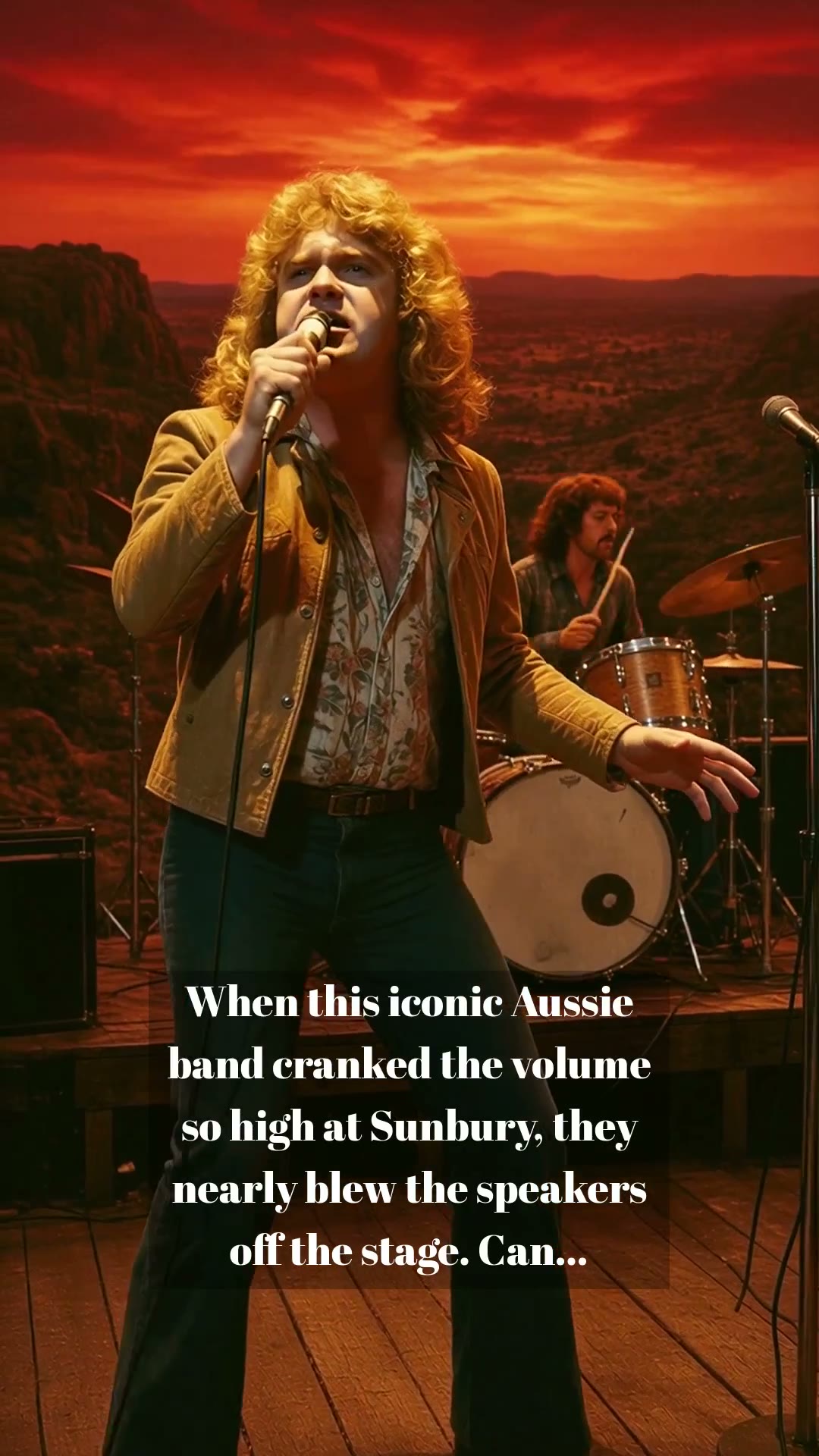
When Billy Thorpe and the Aztecs Nearly Blew Up Sunbury

Cast your mind back to the sweltering heat of January 1972. It was the inaugural Sunbury Pop Festival, a defining moment in our cultural history that put Australian pub rock on the map. Thousands of sun-drenched fans were gathered on a hillside in Victoria, waiting for the real heavy hitters to take the stage. Then, out walked Billy Thorpe and the Aztecs. You could feel the anticipation in the air, a thick, palpable energy that you just don’t get at the sanitised stadium gigs of today. They didn’t just walk on; they arrived like a force of nature, ready to show the world what proper Aussie rock really sounded like.

Billy Thorpe was a titan, a bloke who understood that rock and roll wasn’t meant to be polite. When he and the Aztecs finally dialled up their amplifiers, it was as if they were trying to shift the very tectonic plates beneath our feet. I reckon half the crowd wasn’t even prepared for that initial wall of sound. They pushed their gear so hard that the speakers started to give way under the sheer pressure. It wasn’t just loud; it was an visceral experience that vibrated right through your chest cavity. It’s hard to realise how massive that sound was unless you were standing there, witnessing the tech crew scramble as the equipment literally began to fragment under the intensity.

People talk about high-fidelity sound nowadays, but back then, it was all about the grit and the glory. Billy Thorpe and the Aztecs weren’t concerned with perfection; they were chasing a feeling. That night, amidst the dust and the chaos, they forged an identity for Australian music that would last for generations. They turned the pub rock circuit into a theatre of the extreme, where the band and the audience were locked in a sweaty, deafening embrace. It was raw, it was unrefined, and it was absolutely brilliant.

Looking back, it’s easy to see why Billy Thorpe remains such a favourite among us older folks. He was the real deal, a larrikin with a voice that could cut through any noise. The Sunbury performance wasn’t just a gig; it was a statement. By pushing their gear to the point of destruction, they proved that rock music in this country had an attitude that couldn’t be tamed. Every time I hear an old Aztec track now, I’m instantly transported back to that hillside, feeling the ground shake and hearing the roar of a crowd that knew they were witnessing something legendary.

We’ve seen heaps of bands come and go since the seventies, and while production values have improved, the soul of that era remains unmatched. We might have better speakers now, but I honestly don’t reckon any modern act has ever captured that same reckless magic. Do you still think you’ve heard anything louder or more honest than the sound of the Aztecs in their prime? I certainly haven’t. It’s a story we’ll be telling the grandkids for years to come, mate.