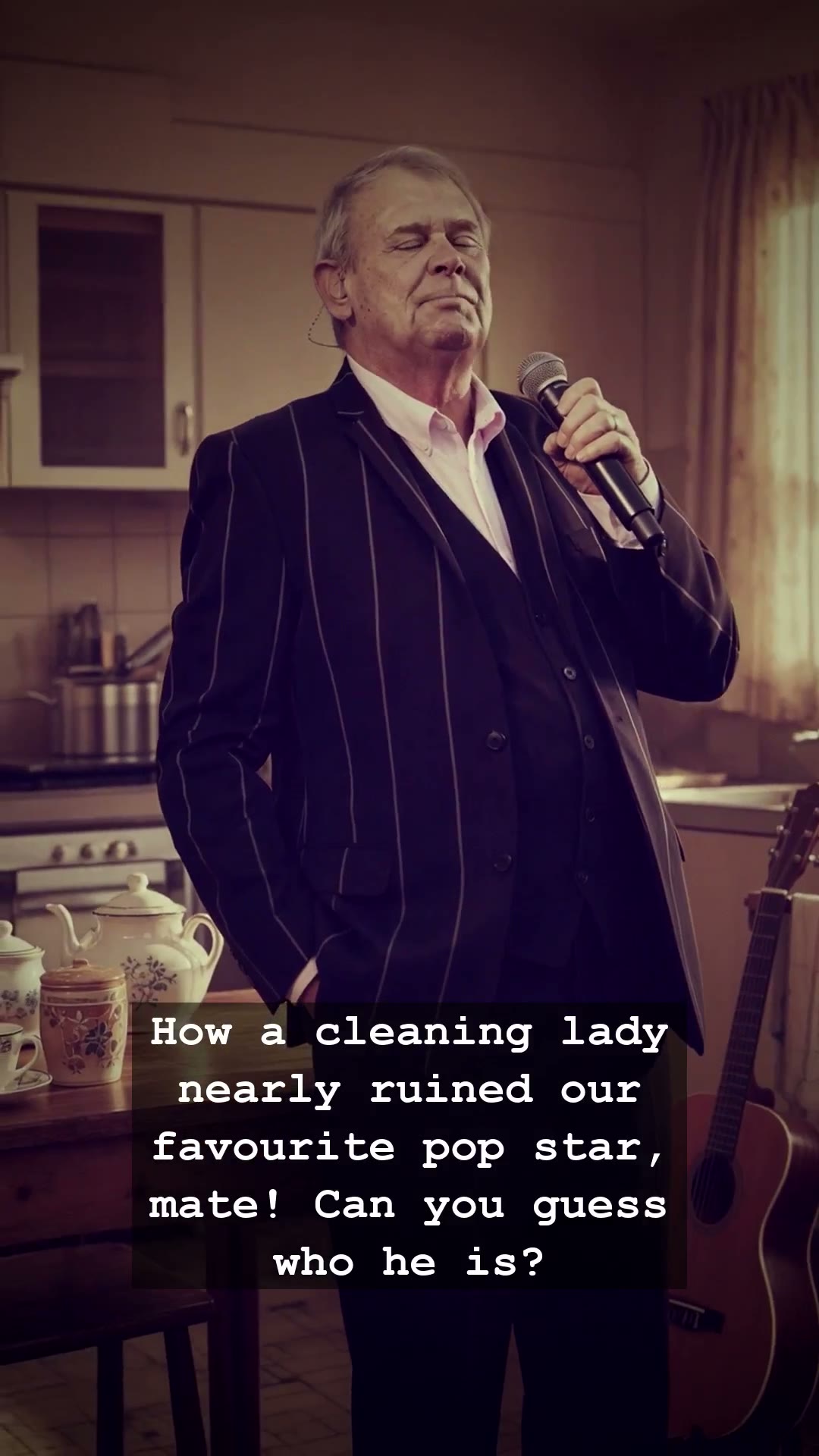
The Cleaning Lady Curse: How John Farnham Nearly Lost His Voice

Cast your mind back to 1967. The telly was glowing with black and white magic, the radio was pumping out hits, and a young, fresh-faced lad named John Farnham was just starting to make a name for himself. We all remember the moment; he was the golden boy of Aussie pop, with a grin that could charm the birds off the trees. But back then, everyone reckoned his big break, a cheeky little tune titled Sadie (The Cleaning Lady), was going to be the making of him. Little did we realise, that song would eventually become a bit of a heavy burden, a bloody curse that nearly stifled his dreams before he could really get moving.

At the time, John Farnham was just a bloke with a voice that could crack a heart in two, but the industry had other ideas. They wanted him to be the cheeky, lovable larrikin, and that meant pushing a song about a lady scrubbing floors to the top of the charts. It went to number one, sure, and it sold heaps of copies, making him a household name overnight. But for an artist who wanted to be taken seriously, being known only as the bloke who sang about a cleaning lady was like wearing a lead weight around your neck. He was desperate to pivot, to show the world that there was a powerhouse rocker hiding behind that mop and bucket image.

It is fascinating to look back and see how much the industry tried to mould him. For years, John Farnham felt trapped by the very track that brought him fame. He would be at a gig, pouring his soul into a performance, and the crowd would just scream for Sadie. It was a proper struggle to realise his own identity when the public had already decided who he was. Many reckon that this period of conflict is exactly what forged the resilience we see in him today. He had to fight tooth and nail to break free from the bubblegum pop shadow and establish himself as the voice of Australia.

Think about the resilience required to shed such a massive, kitschy label. It is not an easy task to reinvent yourself when the nation already has a favourite caricature of you stuck in their minds. But that is the beauty of John Farnham; he did not just walk away from the past, he outgrew it. He kept performing, he kept evolving, and eventually, he shed that cleaning lady skin for the legendary powerhouse status he holds now. It is a story of grit that resonates with any true Aussie who has ever been told they can only be one thing.

Even today, whenever that familiar melody starts playing, we cannot help but have a bit of a chuckle and a soft spot for that young lad starting out. It reminds us of an era when our music scene was finding its feet and our stars were just as messy and human as the rest of us. John Farnham survived the curse, and we are all better off for it. So, next time you hear him belting out a ballad, remember the bloke who started with a broom and ended up a national treasure, mate.
The Night Billy Thorpe and the Aztecs Shattered Sunbury Forever

Cast your mind back to 1972, a time when the Australian summer felt hotter, the beer tasted stronger, and the pub rock scene was just starting to find its true, earth-shaking voice. If you were lucky enough to be at the Sunbury Pop Festival that year, you would have felt the ground literally tremble beneath your feet. It wasn’t an earthquake, mate; it was Billy Thorpe and the Aztecs, and they were about to change the trajectory of Aussie music for good. Before that iconic set, live music was often a polite affair, but Billy Thorpe decided that if you were going to play, you had better make sure everyone within a five-mile radius could hear it.

Billy Thorpe and the Aztecs didn’t just turn their amplifiers up; they pushed them into the red until the speakers had no choice but to surrender. As the band tore into their heavy, blues-infused set, the sound was so thunderous that the gear couldn’t handle the strain, leading to one of the most legendary technical blowouts in rock history. The crowd went absolutely mental, caught in a trance of pure, unadulterated volume that left thousands of fans completely speechless. It was raw, it was feral, and for a generation of young Australians, it was the moment they realised that local rock could stand toe-to-toe with anything coming out of the States or the UK.

I reckon it is hard to explain to someone who wasn’t there just how much of a shift this was for our cultural identity. Billy Thorpe wasn’t just a frontman; he was a force of nature who carried the swagger of a man who owned every stage he stepped on. The Aztecs brought a grit and a sense of blue-collar urgency that resonated deeply with the pub crowds. They weren’t singing about high-concept themes; they were singing to the bloke standing at the bar, the girl at the back of the hall, and everyone who felt like the world was finally starting to turn in their direction.

Looking back, that Sunbury performance remains a memento of a time when everything felt possible. It was the birth of the Aussie pub rock sound—a genre defined by its sheer volume, its loyal following, and its refusal to be tamed by the mainstream industry. Billy Thorpe and the Aztecs proved that you didn’t need a massive production budget to capture the imagination of a nation; you just needed a pile of valves, some cranked-up guitars, and a bit of attitude. The sheer electricity of that afternoon still ripples through our history books today.

Even now, when you play those old records, you can almost hear the feedback ringing in the hot Victorian air. It was a golden era for live music in this country, a time when the telly didn’t capture half the magic that you felt in a sweaty, packed-out shed. Billy Thorpe and the Aztecs taught us that being loud was a form of honesty. If you ever want to understand why Aussie rock became the powerhouse it is today, you have to start with that afternoon in 1972, where the speakers died, but the legend was well and truly born.

When Sherbet Brought Chaos to the Sydney Opera House

Cast your mind back to 1974, mate. The Sydney Opera House was still fresh, a pristine architectural marvel sitting by the harbour, meant for the refined arts and orchestral elegance. But then came Sherbet. Back then, they were our absolute favourite pop icons, draped in glitter and radiating that quintessential Aussie charisma that made every teenager in the country lose their mind. When the band announced they were hitting the Opera House stage, nobody quite realised the sheer scale of the hysteria that was about to unfold. It wasn’t just a concert; it was an absolute riot of sound and energy that redefined what an Australian pop gig could actually be.

I reckon if you were there, the memory is burned into your brain forever. Thousands of screaming fans swarmed the harbour, turning the posh, sandstone-clad venue into a seething pit of teenage devotion. The air was thick with excitement, and honestly, the local police were completely powerless to contain the surge. It was a proper spectacle, a moment where the establishment met the raw, untamed spirit of Sherbet. Seeing those boys take that hallowed stage in their flamboyant gear was a statement—they had officially arrived, and they weren’t asking for permission from the cultural elite to take over.

Looking back, Sherbet weren’t just a flash in the pan; they were the heartbeat of an era that thrived on Countdown performances and Saturday morning radio. Darryl Braithwaite had that voice that could cut through the noise of a thousand screaming girls, and the band’s musicianship was always better than the critics gave them credit for. They had heaps of talent, blending pop sensibility with a bit of that pub rock grit that we all grew up loving. That night at the Opera House proved that they weren’t just a studio act; they were a force of nature that could command a crowd and shake the foundations of our most prestigious landmark.

Why does it still resonate today? Because it reminds us of a time when music felt dangerous, personal, and incredibly vibrant. There was no internet to capture the footage in high definition, just the hazy, Technicolor memory of a night where the rules of the house were thrown out the window. It was the peak of the Sherbet mania, a period where you couldn’t walk down a street in Sydney without hearing ‘Summer Love’ drifting out of a transistor radio. That level of fan engagement—pure, unfiltered passion—is something that’s hard to find in the digital age, mate.

Even now, when I hear those opening chords, I’m whisked straight back to that humid Sydney night. It remains a defining chapter in our musical history, a testament to the power of a band that truly captured the imagination of a nation. Whether you were one of the lucky ones in the crowd or you were watching it unfold on the telly, you knew deep down that everything had changed. Sherbet left their mark, and we were all better for it. Reckon we’ll ever see anything like it again?

Helen Reddy: The Aussie Legend Who Rattled the Grammys for Good

Cast your mind back to 1973. The air was thick with change, and over in the States, the music industry was still a bit of an old boys’ club. But then, there was Helen Reddy. Our girl from Melbourne, who had already conquered the charts with her anthem I Am Woman, was about to drop a line that would send shockwaves through the Establishment. She stood there on that glittering stage, clutching her Grammy, and thanked God because She makes everything possible. Those three cheeky words caused an absolute uproar, but looking back, it was just Helen being Helen—unapologetic, fearless, and quintessentially Aussie.

To realise just how bold that moment was, you have to remember the era. We were in the thick of the Countdown days, when music on the telly felt like a revolution every Sunday night. Helen Reddy had spent years grafting in the industry, playing every pub and club gig she could find before finding her footing. She didn’t just sing songs; she lived them. She was our favourite daughter, a powerhouse who didn’t mind ruffling a few feathers if it meant speaking her truth. That night in 1973, when she swapped the traditional gendered pronoun for the divine feminine, she didn’t just win an award; she redefined the conversation.

It is easy to reckon that fame changed her, but anyone who knew the real Helen Reddy would tell you she stayed true to her roots. She had that classic Aussie grit, the sort that doesn’t suffer fools gladly. The drama surrounding that speech wasn’t just about religion; it was about power. She took a platform that usually reserved praise for the status quo and used it to centre women. It was a proper masterclass in rebellion, delivered with a smile that could light up the entire Southern Hemisphere. For those of us watching from home, it was a moment of pure, unadulterated pride.

Beyond the headlines and the controversy, what remains is the music. Whether she was belting out the high notes or whispering a ballad, Helen Reddy had a voice that connected with people on a deep, emotional level. She carried the spirit of the Australian stage into the international spotlight, paving the way for heaps of other artists who followed in her footsteps. She proved that you could be a global superstar without losing that warmth and authenticity that makes our music culture so special. It was never just about the glamour for her; it was about the message.

Looking back now, decades later, that 1973 Grammy moment still feels fresh. It serves as a reminder that icons aren’t born by playing it safe. They are born by standing their ground when the pressure is on. Helen Reddy was a trailblazer in every sense of the word, a woman who changed the game simply by being herself. Next time you stick on one of her tracks, take a moment to tip your hat to the legend who gave the world a piece of her mind and made history while she was at it. She was, and always will be, a true Aussie legend, mate.

When Slim Dusty Took the Aussie Bush to Outer Space

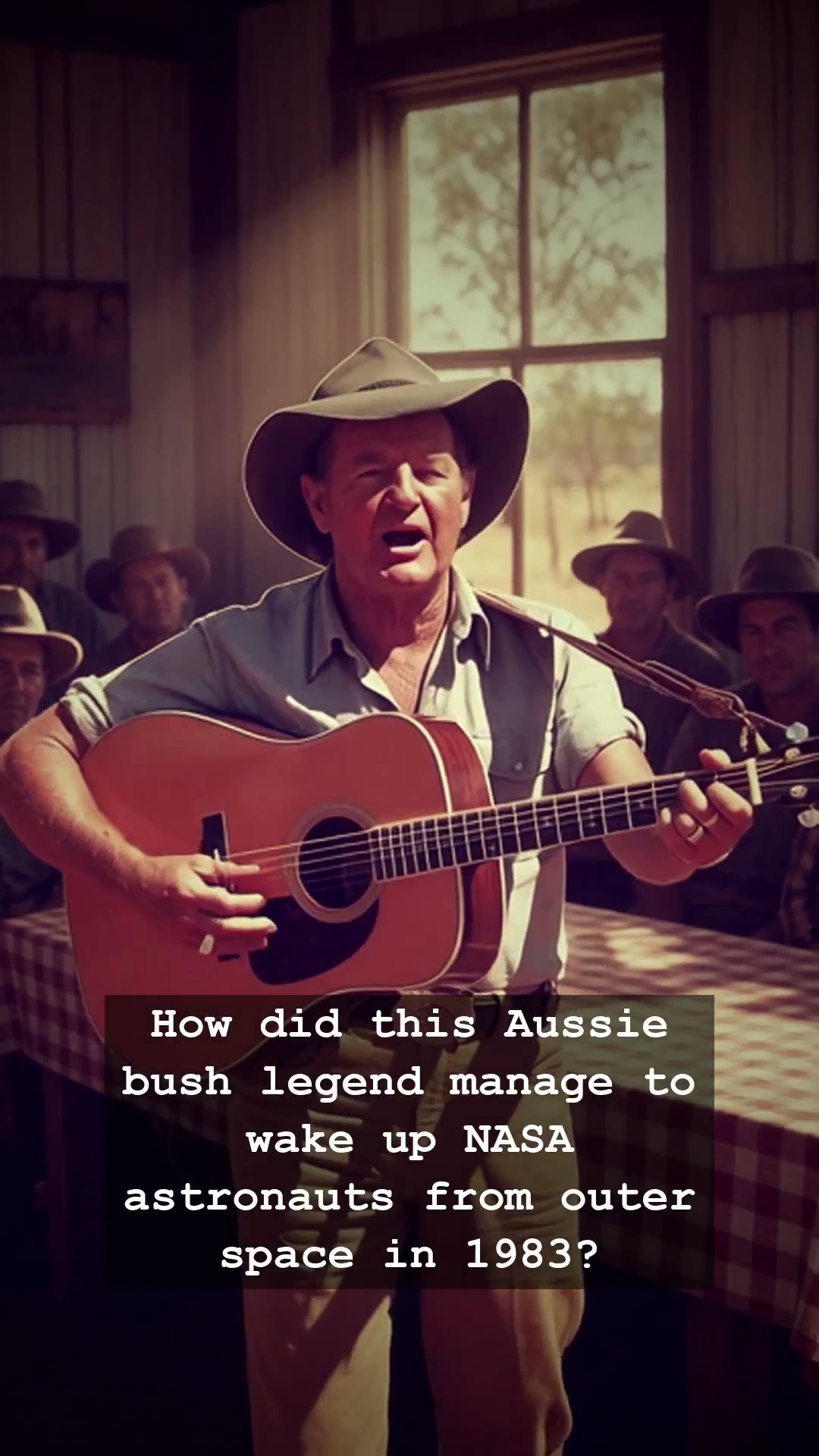
Picture this: it is 1983, and the crew of the Space Shuttle Columbia is drifting through the cold, silent vacuum of space, thousands of miles above the red dust of the Australian outback. While you might reckon they were waking up to some futuristic space-age anthem, they were actually greeted by the unmistakable, gravelly voice of a bloke who knew more about dusty stock routes than rocket ships. It was a cracking moment for Aussie music, mate, when the crew specifically requested Slim Dusty and his iconic track, Waltzing Matilda, to kickstart their day. It sounds like a yarn told down the local pub after a few schooners, but it really happened, proving that even orbiting the Earth, you can never quite shake the pull of home.

Slim Dusty was never the type to chase global fame or fancy accolades; he was just a humble bush poet who told it like it was. For decades, he travelled the country in his caravan, gathering stories from the blokes working the land and the mums raising families in the middle of nowhere. By the time the eighties rolled around, Slim Dusty had already become the beating heart of our national identity. He didn’t need neon lights or glitzy stage shows to make an impact. He just needed his guitar and a lifetime of hard-earned experience. When those NASA astronauts chose his voice to break the silence of the cosmos, it wasn’t just a bit of fun—it was a recognition that Slim Dusty represented the spirit of Australia, loud and clear.

I reckon it is pretty special to realise that a song about a swagman by a campfire could bridge the gap between a dusty track in the Northern Territory and the high-tech cockpit of a space shuttle. It shows just how much heart Slim Dusty poured into his craft. He sang about our joys, our sorrows, and the colour of the land, making every listener feel like they were right there beside him. That is the magic of his music; it has a way of warming you up no matter how far you have strayed from the sun-drenched plains of home. He never lost his touch, remaining a bloke you could have a yarn with until his very last performance.

Looking back, it is hard to find another artist who captured the Australian soul quite like Slim Dusty did. While the charts were full of flashy pop acts and electric pub rock anthems during that era, Slim stood tall with his simple, honest ballads. He reminded us that there is heaps of beauty in the quiet, everyday moments of life. It’s no wonder he remains our favourite bush legend; his music is woven into the very fabric of who we are.

Next time you hear that familiar guitar strum, take a moment to remember the man who travelled from the bush to the stars. Slim Dusty might be gone, but the songs he left behind continue to echo, reminding us that no matter how far we roam, there is no place quite like Australia. Put on a record, pour a cuppa, and let the legend play on.

The Easybeats: How Five Migrant Mates Rocked the World

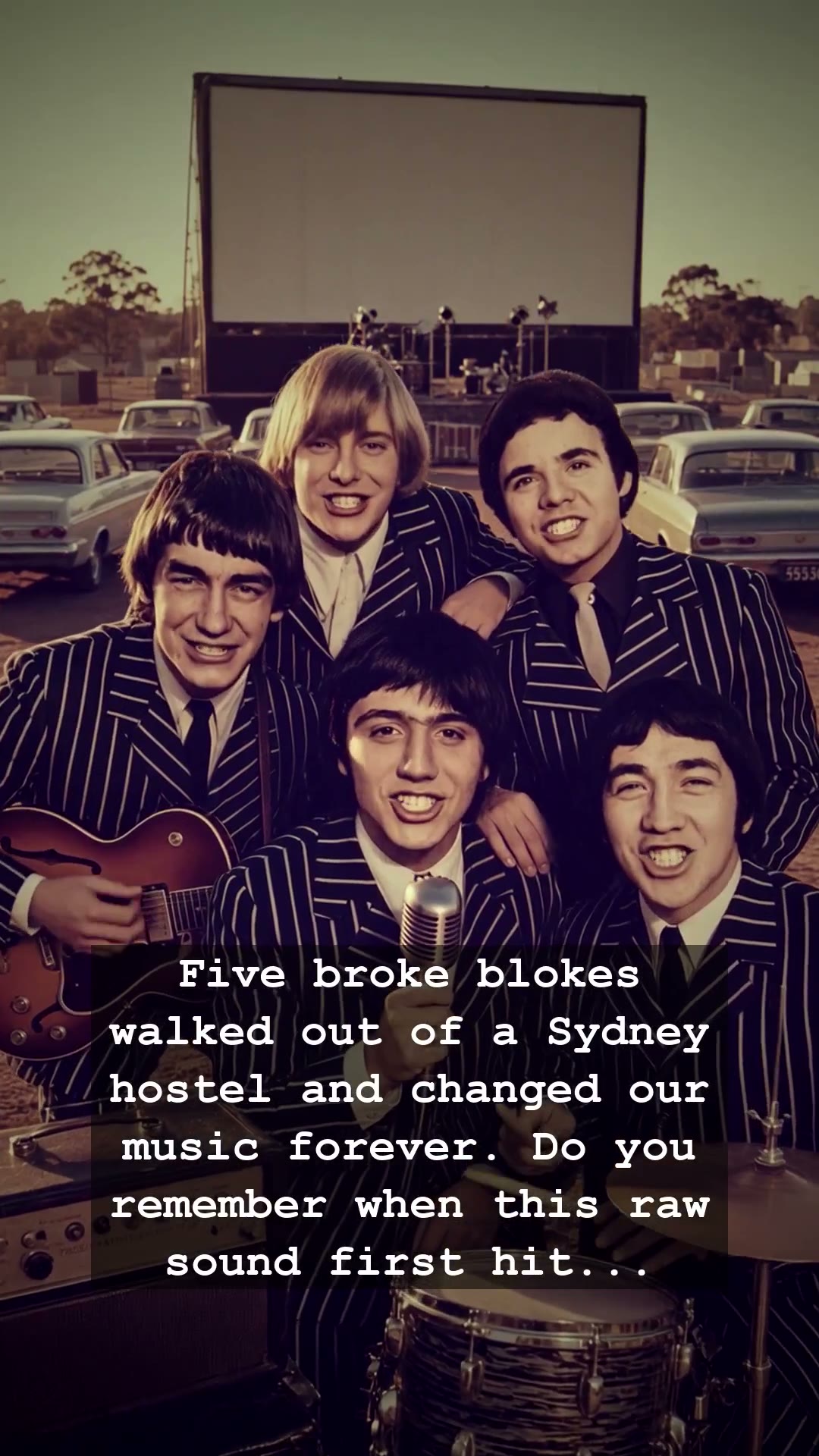
Cast your mind back to the mid-sixties, a time when our radio airwaves were crying out for something with a bit more grit and fire. Picture a cramped Sydney hostel, filled with the smell of stale coffee and cigarettes, housing five blokes who had arrived on our shores as migrants with nothing but a dream in their pockets. These weren’t just any lads; they were The Easybeats, and they were about to shake the very foundations of the Australian music scene in a way nobody saw coming. Do you remember when that raw, frantic sound first crackled through your old valve radio? It was a moment that changed our cultural landscape forever.

Stevie Wright, Harry Vanda, George Young, Dick Diamonde, and Snowy Fleet were, by all accounts, completely broke. They were just mates trying to scrape by, living on nothing but passion and the belief that they could hold their own against the international giants dominating the charts. It is hard to realise now, looking back at our polished local industry, just how much of a punt it was to try and make it big as an Australian rock band back then. But they didn’t just reckon they could do it; they put in the hard yards, rehearsing until their fingers bled, crafting a sound that was uniquely ours yet ready to take on the world.

When they finally hit the big time with ‘Friday on My Mind’, it wasn’t just a hit; it was a revelation. That song had an energy, a colour, and a tension that felt like the spirit of our youth distilled into three minutes of pure genius. It became the anthem for every kid working a dead-end job, dreaming of something better. The Easybeats had managed to bridge the gap between our local pub culture and the global stage, proving that you didn’t have to be from London or Liverpool to capture the imagination of millions. It was a massive win for the Aussie battler, and we were all bloody proud of them.

What makes the story of The Easybeats so enduring is that raw, authentic connection they had. There was no pretense, just five blokes who lived, breathed, and sweated for their music. Watching them perform, whether it was on an early telly appearance or at a sweaty local gig, you could see the fire in their eyes. They broke the mould, paving the way for every great band that followed in their footsteps. From the intensity of Stevie Wright’s vocals to the brilliant songwriting partnership of Vanda and Young, they set a standard that still feels fresh today.

It is heaps of fun to look back at that era, when Aussie rock was finding its feet. We owe a great deal to these lads for daring to dream big. So, next time you put on a record and hear those opening chords of a classic, have a think about those five blokes in the Sydney hostel. They were the original architects of our sound, and they bloody well earned their place in our history. Why not pop on a favourite track this weekend and celebrate the day the world finally started listening to us?

The Night Johnny O’Keefe Defied Death and Rocked On Regardless

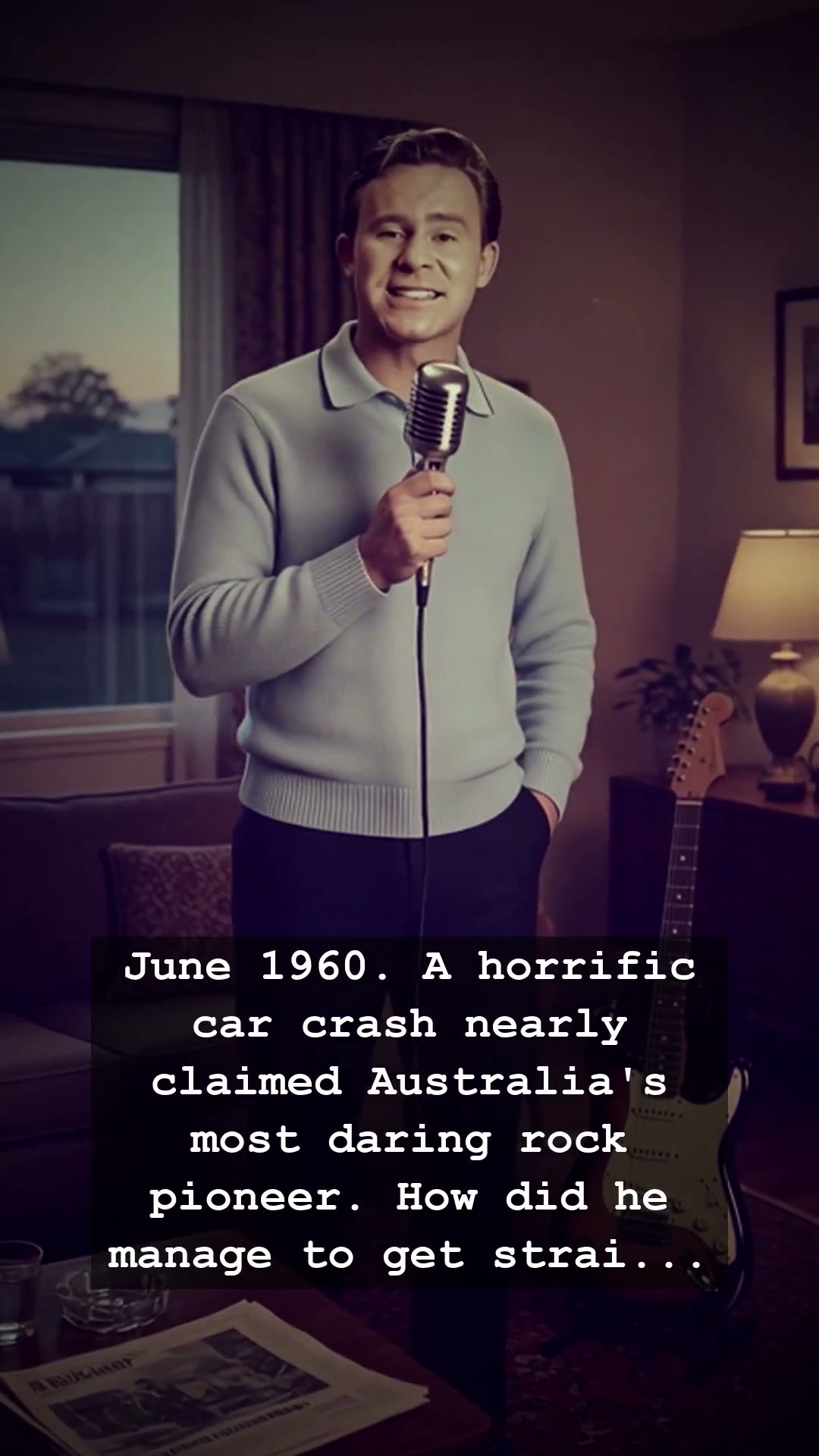
Picture the scene, mate. It is June 1960, and the air in regional New South Wales is thick with the scent of gum trees and impending tragedy. Australia’s original rock’n’roll firebrand, Johnny O’Keefe, was driving his Jaguar near Kempsey when the unthinkable happened. A horrific head-on collision left the charismatic singer broken, bloodied, and fighting for his very life. Most folks would have reckoned his career was finished right there on that stretch of bitumen. The injuries were absolutely gut-wrenching, requiring heaps of intensive facial reconstruction just to piece him back together. Back then, we didn’t have the fancy medical tech we see today, so it was a genuine miracle that he even pulled through.

But if you knew anything about ‘The Wild One’, you knew he wasn’t the type to sit around feeling sorry for himself. Johnny O’Keefe was a force of nature, a bloke who lived life at a hundred miles an hour. While the surgeons were still stitching him up, Johnny was already planning his comeback. He realised that his voice was his connection to the fans, and he wasn’t about to let a pile of twisted metal silence him. It’s the kind of grit you rarely see in the limelight these days, a testament to the raw, rugged determination that defined the golden era of Aussie rock.

Only months later, the nation watched in stunned silence as Johnny O’Keefe walked back onto the stage. He still carried the physical scars, a constant reminder of that dark night near Kempsey, but the charisma was dialled up to eleven. The crowd went mental. It wasn’t just a concert; it was a triumphant act of defiance. He poured every ounce of that pain and recovery into his performance, proving once and for all that he was the undisputed king of Australian rock’n’roll. It was the ultimate display of what it means to be an Aussie battler, refusing to give up even when the odds were stacked unfairly against you.

Looking back now, it is easy to see why he remains our favourite son of the stage. His story isn’t just about the chart-topping hits or the flamboyant suits; it is about that burning desire to keep the music playing, no matter what life throws in your path. He paved the way for every pub rocker and stadium star who followed in his footsteps. From the early days of the surf-rock sound to the explosion of Countdown, Johnny O’Keefe was the blueprint. He brought a colour and energy to our music scene that changed the game forever.

Does his legacy still resonate? You bet it does. Whenever you hear a local band cranking up the volume at the local pub, you’re hearing a little bit of Johnny O’Keefe in the mix. He taught us that rock’n’roll is more than just noise; it is a heart-on-sleeve, blood-and-guts commitment to your art. So next time you pop on one of his classic records, take a moment to remember the man behind the music. He survived the crash, conquered the pain, and ultimately, gave us the soundtrack to our lives.

The Redgum Ballad That Finally Brought Our Vietnam Diggers Home

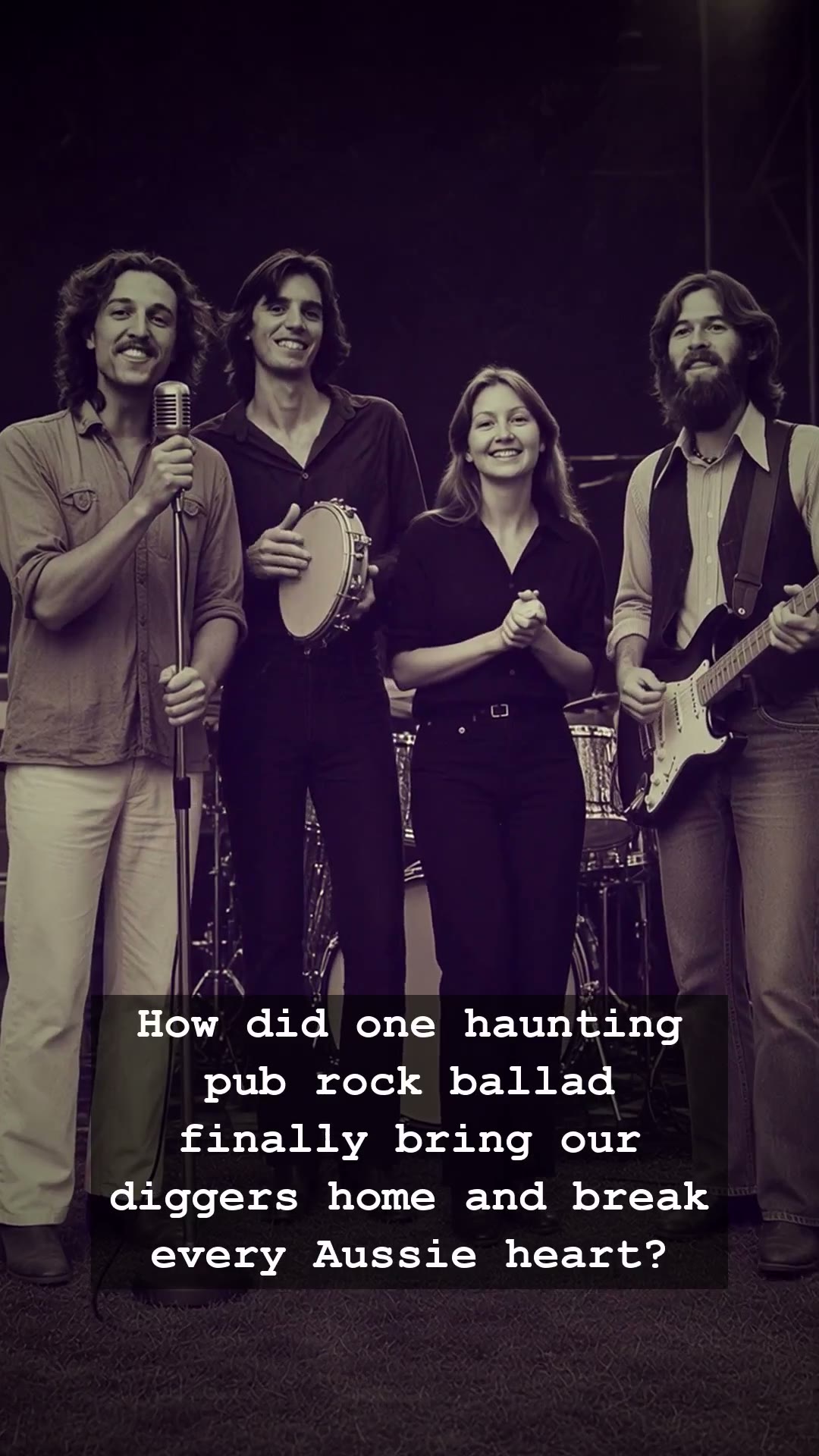
Cast your mind back to 1983. The Aussie pub rock scene was dominated by high-octane riffs and sweaty, beer-soaked floors, but then came a track that changed everything. Redgum, a band known for their sharp, political edge, released a ballad that didn’t just climb the charts; it stopped the nation dead in its tracks. I still reckon you can hear the silence that fell over every pub across the country when the opening lines of I Was Only Nineteen first hit the airwaves. It wasn’t just a song; it was a long-overdue public apology to the blokes who had been treated like outcasts since coming back from Vietnam.

John Schumann, the lead singer of Redgum, didn’t just write a catchy tune; he channelled the raw, painful reality of what our soldiers had endured. He spent heaps of time interviewing veterans to ensure every detail, from the minefield explosions to the ghost-like stares of the boys in the jungle, was authentic. For years, these men had returned to a country that preferred to look the other way, but Redgum forced us to confront the colour of their sacrifice. When that haunting piano melody played on the telly, you could almost feel the collective lump in the throat of every mum and dad watching at home.

I remember being at a local gig back then, and for those few minutes, the usual rowdy chatter vanished entirely. Redgum managed to capture a specific, tragic Australian experience that had been ignored by the establishment for too long. It was the story of mateship, of losing your youth in a foreign land, and the devastating struggle of trying to find your place in a home that no longer felt familiar. It remains one of the most important pieces of music to ever emerge from our shores, proving that even a pub band can stir the soul of a nation.

There is a certain gravity to how Redgum told this story. They didn’t glamorise the conflict; they highlighted the heartbreaking reality that so many young diggers faced—having their lives ripped away before they even had a chance to realise what was happening. Even decades later, whenever I hear the song, I’m reminded of the incredible power of music to bridge the divide between those who served and the rest of us who stayed behind. It’s a track that demands your full attention, not just because of the melody, but because it represents a turning point in our national memory.

Today, we look back at the eighties as a golden era of Aussie rock, but I reckon the legacy of I Was Only Nineteen stands apart. It wasn’t about being the loudest act on the bill or the most popular band on the radio; it was about having the guts to speak the truth. If you haven’t sat down and listened to it lately, mate, do yourself a favour and put it on. It’s a haunting, beautiful reminder of the mates we lost and the ones who finally found their way home through the power of a song.

The Secret Sydney Milk Bar Story Behind Moving Pictures’ What About Me

Picture the scene: it’s the early eighties, and the smell of hot bitumen and spilled beer is wafting through the Sydney summer heat. You’re huddled around the telly or down at your local pub, and suddenly, those iconic piano chords kick in. Moving Pictures didn’t just release a song when they gave us What About Me; they captured the collective soul of a nation. But here is the real kicker, mate—the heart-wrenching inspiration behind that anthem didn’t come from some glamorous recording studio or a fancy overseas tour. It actually started with a lonely bloke standing in a suburban Sydney milk bar, completely ignored by the world around him.

We all reckon we know the song, but do you realise just how much weight it carries? The band, led by the incredible Alex Smith, managed to bottle that quintessentially Aussie feeling of being the underdog, the one left out in the cold. Rumour has it that a fleeting, heartbreaking moment at a local shop—where someone was left waiting, unseen and unheard—sparked the lyrical genius that became the defining hit of 1982. It’s that raw, gritty honesty that makes Moving Pictures one of the most beloved bands to ever grace our airwaves. Back then, if you weren’t humming that chorus in the lunchroom, you were clearly living under a rock.

Looking back at the Countdown era, it is easy to forget how much of a struggle it was for local bands to get a fair go. Moving Pictures had to grind for years, playing every sticky-carpet pub gig from here to Timbuktu. When What About Me finally hit the charts, it wasn’t just a win for the band; it was a win for every Aussie who felt like they had something important to say. The track shot to number one and stayed there, proving that our pub rock scene had a depth and emotional colour that the rest of the world was only just starting to notice.

There is something about the way those lyrics hit home that still makes the hairs on the back of your neck stand up today. It is more than just a melody; it is a snapshot of an era when life felt a bit simpler, yet somehow more intense. You can almost feel the humidity of that Sydney afternoon and hear the rattle of the milk crates. It’s that vivid storytelling that cements Moving Pictures as legends in our musical history. They didn’t just write a pop song; they wrote a manifesto for the ignored, the forgotten, and the ones waiting for their turn in the light.

Even after all these years, whenever I hear the opening bars, I’m transported straight back to my favourite local watering hole. It is funny how a forgotten moment at a milk bar can turn into such pure gold, isn’t it? If you have been searching for a reminder of why our music scene is so bloody brilliant, look no further. Go put the record on, turn the volume up heaps, and let the nostalgia wash over you. It’s a classic for a reason, mate.

When James Reyne Rocked Countdown With Both Arms In Plaster

If you were glued to your telly on a Sunday night back in the early eighties, you remember the magic of Countdown. It was the heart and soul of Australian music, the place where stars were born and legends cemented their status. But perhaps no moment in that hallowed studio remains as legendary as the night Australian Crawl frontman James Reyne decided that a little thing like two broken arms wouldn’t stop him from belting out a tune. It was a moment of pure, stubborn Australian grit that has gone down in our local rock history books as an absolute cracker.

Imagine the scene: it is 1981, and James Reyne is at the top of his game. Australian Crawl are the band everyone is talking about, with hits like ‘The Boys Light Up’ echoing out of every pub from Bondi to Perth. But just before a scheduled appearance on the show, disaster struck. James Reyne was involved in a nasty run-in with a motor vehicle, leaving him with both arms smashed and encased in heavy plaster casts. Most blokes would have retreated to the couch for a few months of R&R, but not our James. He refused to let his fans down, turning up to the ABC studios ready to perform despite being held together by medical tape and sheer willpower.

Watching the playback now, you can’t help but realise how surreal it was. There he was, this cool, lanky frontman, looking every bit the rock star with his signature style, but with his arms frozen in place by those bulky white casts. It was a bizarre, sensational sight that caught the nation’s attention immediately. He wasn’t about to let a bit of trauma derail his momentum. He delivered the performance with such charisma and confidence that you almost forgot he was physically incapacitated. It was the ultimate display of the pub-rock attitude that defined that golden era of Australian music.

That night on Countdown didn’t just highlight his dedication to the fans; it cemented James Reyne as a true icon of the Australian music scene. He proved that no matter the drama or the pain, the show must go on—a sentiment that resonates heaps with anyone who remembers the raw, unfiltered spirit of the eighties. It was a time when Australian music felt like it was truly ours, full of characters who were as tough as they were talented, and James Reyne was leading the charge with a broken-armed swagger that nobody else could replicate.

Today, we look back on those days with such fondness. It was a simpler time of vinyl records, live gigs, and the undeniable charm of local legends making it big. James Reyne and the boys from Australian Crawl captured the sun-drenched, beer-soaked essence of the country, and that moment of triumph over adversity still stands as a testament to their resilience. It makes you realise just how special that period was for all of us. Next time you hear those opening chords, take a moment to remember the night James Reyne didn’t just play for the camera, he played for the legend, mate.