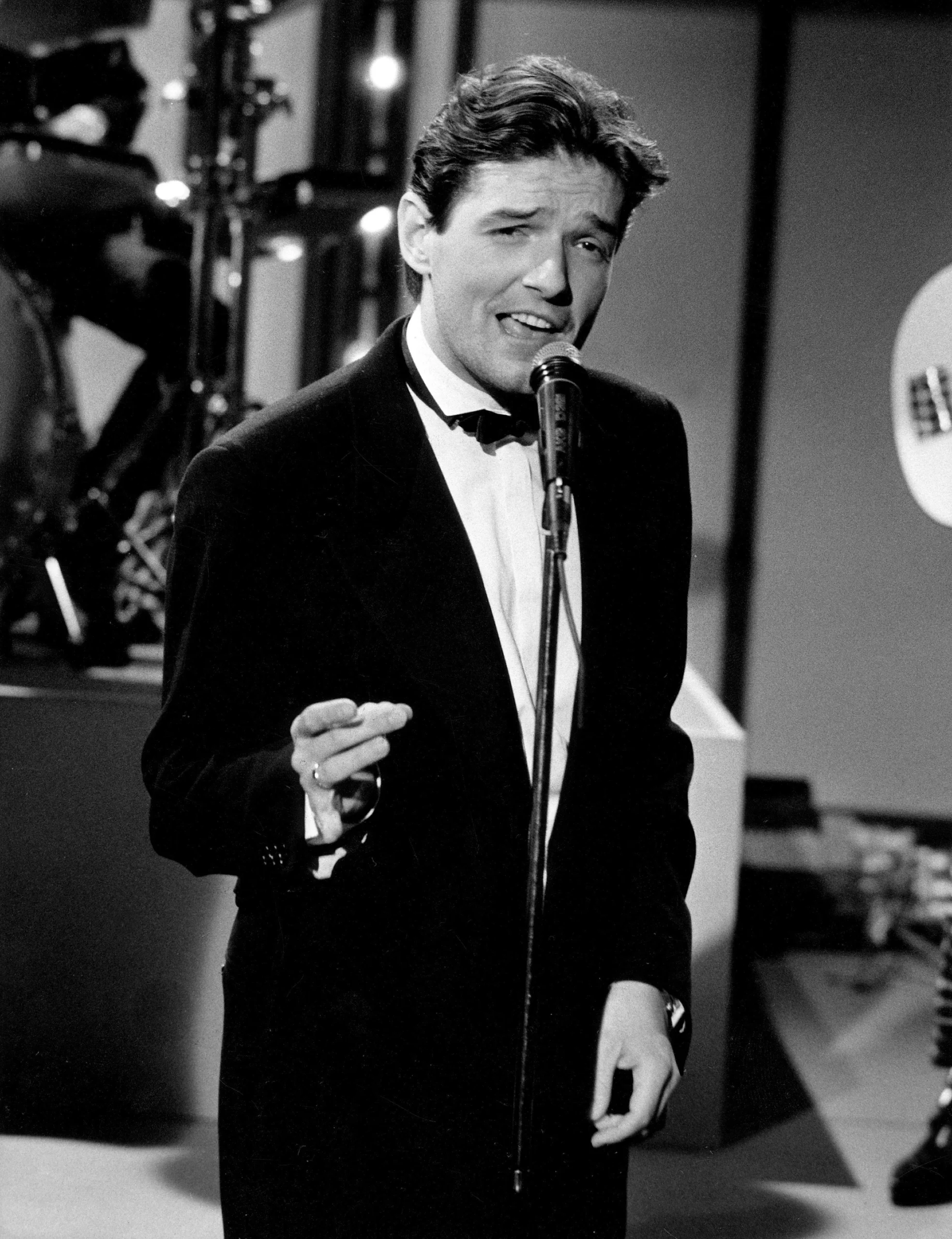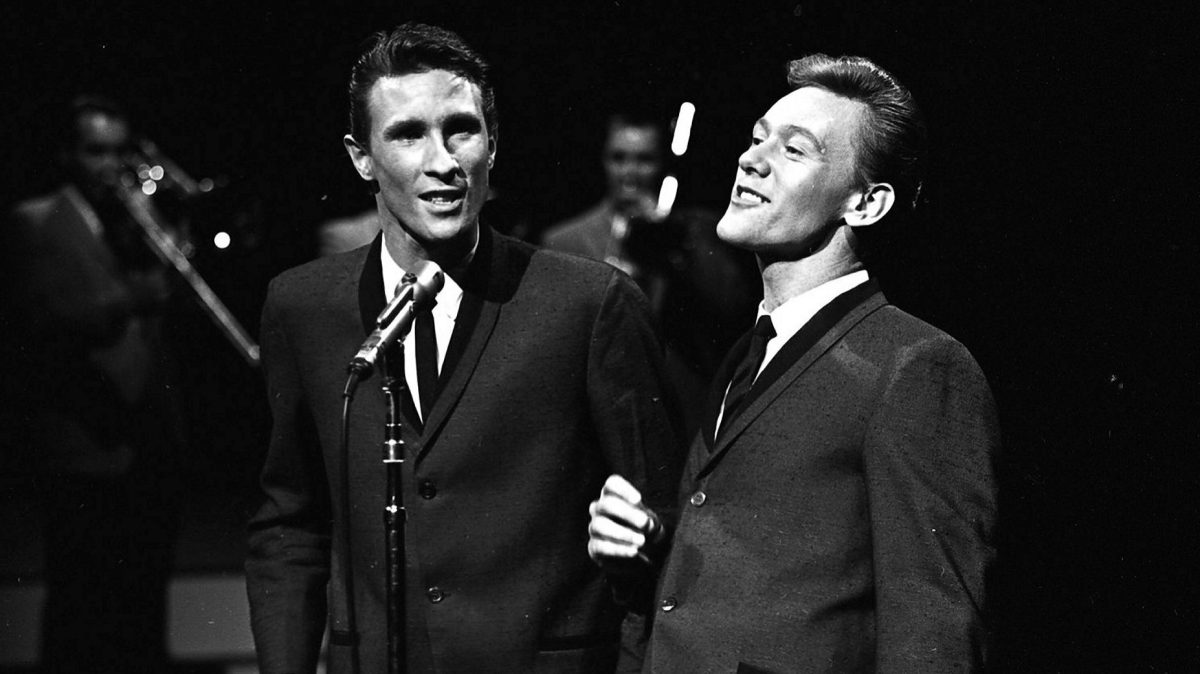
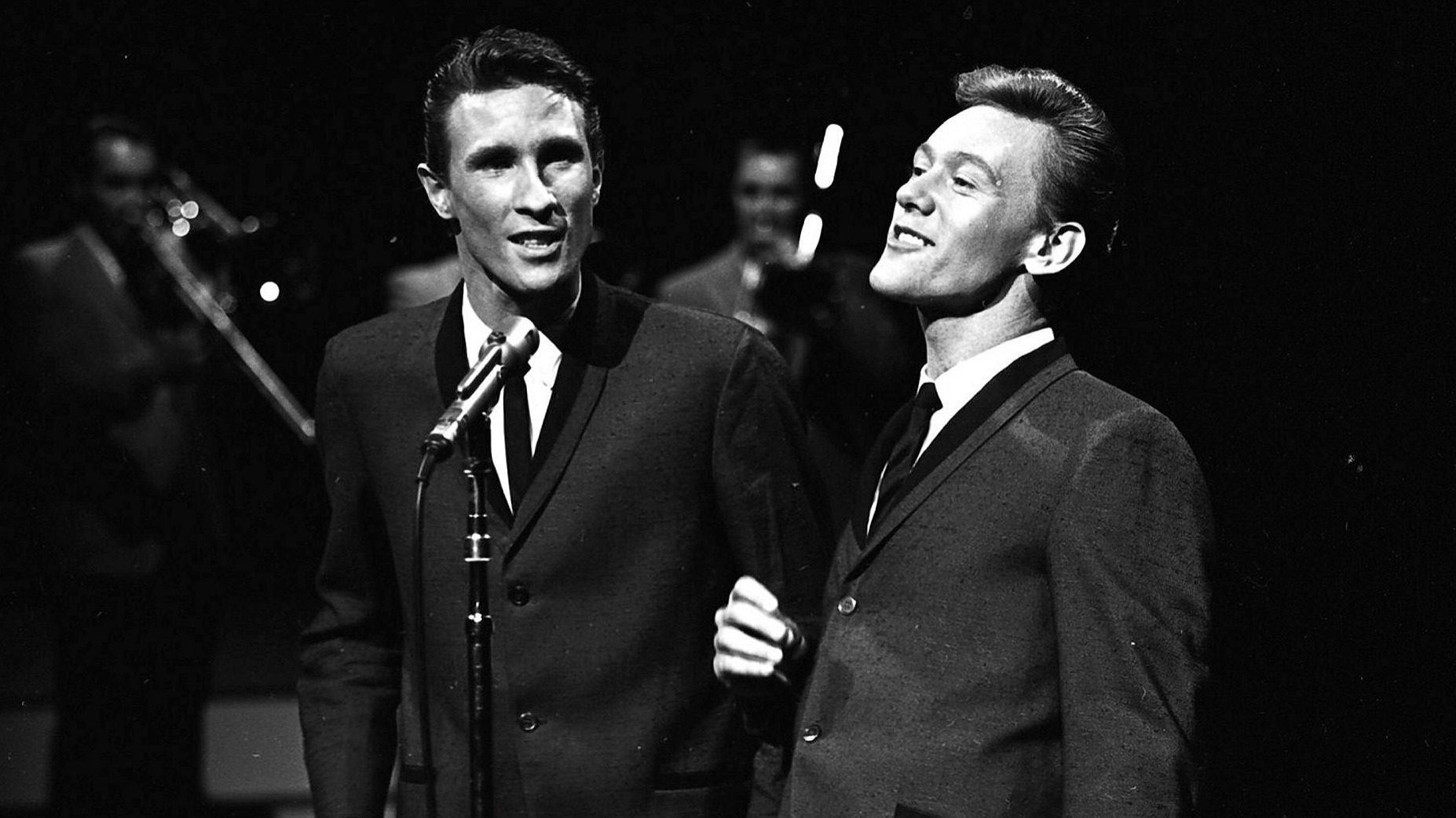
The Brilliant Lie Behind The Righteous Brothers’ Iconic Lovin’ Feelin’

In the golden era of the 1964 jukebox culture, radio airplay was governed by a strict, unwritten law: keep it short, keep it snappy, and never dare to exceed the three-minute mark. When The Righteous Brothers entered the studio with the legendary producer Phil Spector, they emerged with a masterpiece that defied every rule in the book. You’ve Lost That Lovin’ Feelin’ was a soulful, sweeping wall of sound, but it clocked in at nearly four minutes. In a world where radio DJs demanded brevity, this song was considered a commercial suicide note before it even hit the airwaves.

Spector, the mastermind known for his intense perfectionism, faced a wall of skepticism. Every station manager scoffed at the length, claiming listeners would lose interest long before the chorus reached its emotional climax. Desperate to get The Righteous Brothers the exposure they deserved, Spector concocted a brilliant, calculated lie. He printed fake labels for the promotional records, listing the song’s duration as a radio-friendly 3:05, even though the actual track was much longer. It was a gamble of epic proportions, relying on the hope that once the DJs started playing it, they would be too captivated by the raw, melancholic power of the vocals to realize they had been deceived.

The trick worked better than anyone could have dared to dream. The Righteous Brothers, with their signature blue-eyed soul, created a cinematic soundscape that stopped listeners in their tracks. It wasn’t just a song; it was an experience. The deep, resonant baritone of Bill Medley contrasted perfectly with the soaring, desperate highs of Bobby Hatfield. As the track poured out of transistor radios and car speakers across America, the sheer emotional weight of the performance made the duration irrelevant. People didn’t care about the clock when they were busy falling in love or nursing a broken heart to the sound of that sweeping orchestral arrangement.

Looking back at that era, it is incredible to think how close this timeless classic came to being buried by rigid industry standards. The success of The Righteous Brothers changed the landscape of pop music, proving that listeners were hungrier for depth than they were for formulaic brevity. It became the most-played song in the history of American radio, a record that stands as a testament to the fact that when music speaks to the human soul, the rules of the industry simply fade into the background. The lie helped the song survive the censors, but the talent of The Righteous Brothers ensured it would live forever.

Today, when you hear the opening notes of that legendary piano line, you aren’t just listening to a track from 1964; you are hearing the echo of a revolution. It serves as a reminder of a time when music was an act of defiance, wrapped in beautiful melodies and heartbreak. As the song continues to resonate across generations, we are reminded that some stories are too big to be contained by a timer. Next time you hear those iconic voices, remember the daring deception that brought this masterpiece into our collective memory.
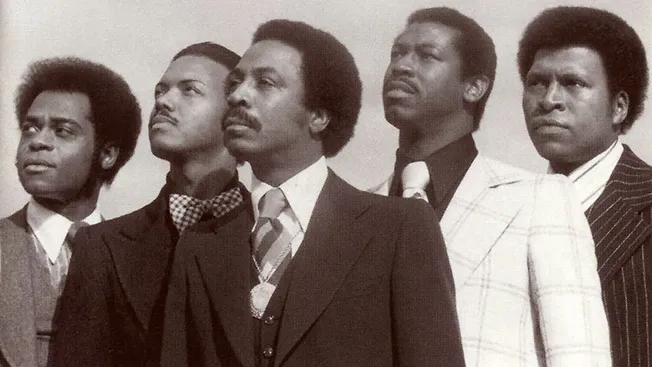
The Heartbreak Behind Harold Melvin and the Blue Notes Soul Anthem

In 1972, the world was swaying to a rhythm that felt like pure liberation. It was the era of the Jukebox, where every quarter dropped into the machine promised a transformation of the soul. Among the many tracks that dominated the radio, one song stood out with a haunting, high-energy pulse that became an instant soul-disco anthem. People danced under the shimmering lights of local clubs, completely unaware that the masterpiece they were grooving to was born from a cocktail of immense talent, shattered egos, and the suffocating pressure of sudden, meteoric fame.

Harold Melvin and the Blue Notes were the architects of this sound, yet the story of their greatest hit is far from the joyous celebration the music suggests. While the world heard a triumphant melody, the inner workings of the group were unraveling. Harold Melvin, the firm hand guiding the ship, found himself in a complex power struggle as his protégé, Teddy Pendergrass, began to command the spotlight with a voice that seemed to bypass the ears and strike directly at the listener’s heart. It was a classic tale of generational friction, where the man who built the foundation felt his own legacy slipping away in the shadow of his rising star.

To understand the gravity of this period, one must look back at the landscape of 1970s Philadelphia. The city was a hotbed of musical innovation, producing a sophisticated sound that bridged the gap between deep soul and the impending disco explosion. Harold Melvin possessed a visionary ear for arrangement, but the industry was a brutal machine that demanded constant reinvention. As the group climbed the charts, the cracks in their personal relationships widened. The glamour of television appearances and sold-out tours could not mask the mounting tension, as the shared dream of success turned into a bitter competition for recognition.

Behind the velvet curtains of the stage, the reality was often darker. The relentless touring schedule, combined with the expectations of label executives, pushed these artists into a cycle of exhaustion. Harold Melvin struggled to maintain control over the band’s identity, feeling the erosion of his authority with every roar of the crowd that screamed for Pendergrass rather than the man who founded the collective. It is a haunting irony that the music designed to unite people on the dance floor was simultaneously driving a wedge through the very brothers who created it. This dynamic remains a quintessential example of the price of fame during the golden age of soul.

Decades later, the resonance of their work remains undimmed. When you hear those opening chords today, it acts as a time capsule, transporting listeners back to an era when music felt dangerous, raw, and undeniably human. Harold Melvin gave us more than just a hit; he provided the soundtrack to a turbulent transition in music history. The legacy of Harold Melvin and the Blue Notes serves as a poignant reminder that even the most vibrant anthems are often carved out of the quiet, painful complexities of the human condition. As the music fades, we are left to wonder about the stories that remain hidden within the grooves of the vinyl.

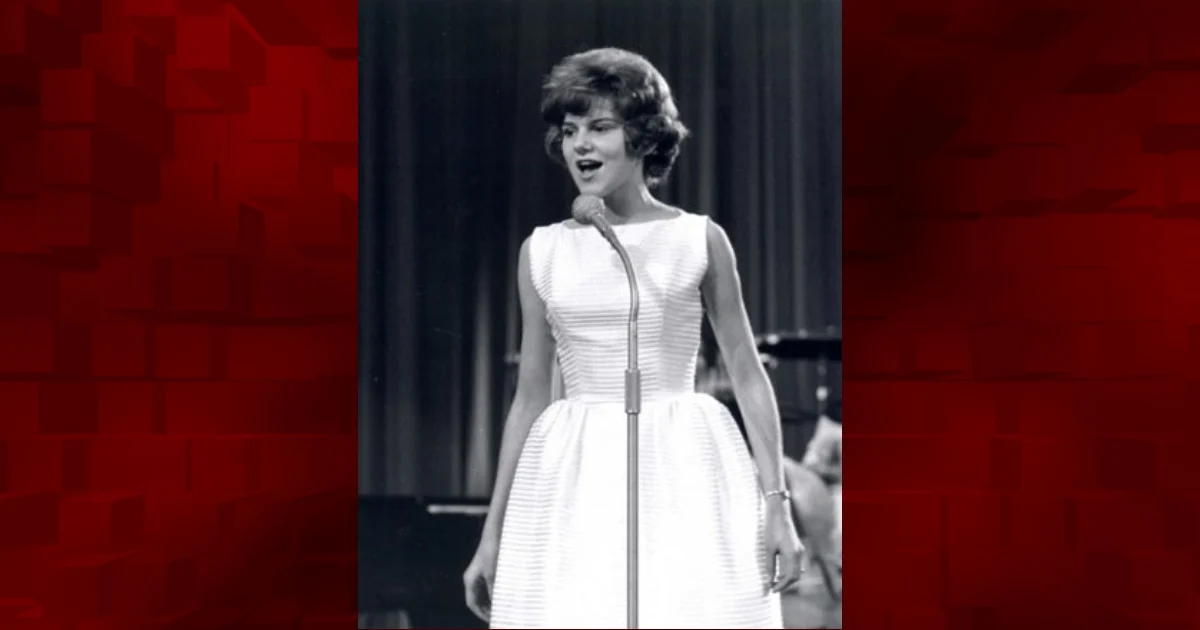
The Untold Story of Little Peggy March: The 1963 Teenage Sensation

In the spring of 1963, the world of American pop music was forever changed by a voice that seemed far too powerful to belong to a fifteen-year-old girl. When the song I Will Follow Him hit the airwaves, it did more than just climb the charts; it shattered records and turned an unassuming teenager into a global icon overnight. Little Peggy March, with her signature poise and vocal maturity, became the youngest female artist to ever reach the number one spot on the Billboard Hot 100. It was a feat of sheer musical brilliance that echoed through every jukebox across the United States, yet the story behind her meteoric rise remains one of the most fascinating tales of the golden era of rock and roll.

At the time, the air was thick with the transition from the innocent early rock era to the more sophisticated sounds of the mid-sixties. While the Beatles were still brewing their revolution across the Atlantic, the American charts were still under the influence of big productions and soulful vocalists. Little Peggy March arrived at the perfect moment, carrying a level of talent that even the biggest stars of the generation could not ignore. Even the King of Rock and Roll, Elvis Presley, was reportedly left stunned after hearing her perform. In a moment of rare, high praise, Elvis allegedly declared her the best singer he had ever heard, a sentiment that sent shockwaves through the industry and cemented her place in music history.

Yet, the glitz of the spotlight was only one side of the coin for Little Peggy March. Beyond the glossy photographs and the hit-making machines, there was the grueling reality of teenage stardom in the early sixties. She was thrust into a world of endless travel, professional management, and intense public scrutiny, all while navigating the ordinary pressures of growing up. Unlike many of her peers who fell victim to the dark pressures of the industry, she maintained a sense of authenticity that endeared her to a generation. Her voice provided the soundtrack for millions of listeners who remember the specific, crackling sound of their first transistor radio or the feeling of dancing at a neighborhood party.

Looking back, the success of Little Peggy March is a testament to an era where vocal quality reigned supreme over digital perfection. Her ability to command a melody with such emotional depth is a rare craft that many modern artists still look to for inspiration. The legacy of her work serves as a nostalgic bridge to a time when a simple song could define an entire cultural moment. Whether you remember the excitement of the original release or have discovered her music through archival collections, the charm remains just as potent today as it was in 1963.

It is easy to get lost in the drama of the music business, but the story of Little Peggy March is ultimately about pure, undeniable talent. She stands as a reminder of a simpler, more melodic time when the voice was the instrument that mattered most. As we continue to look back at the giants of the mid-century, let us not forget the teenage girl who outclassed the legends and etched her name into the bedrock of American music history forever.

The Handshake That Built Frankie Valli: A Legacy of Blind Trust

In the smoke-filled lounges of the early 1960s, contracts were often discarded in favor of a man’s word. While the music industry would soon become synonymous with predatory legal battles and cutthroat lawsuits, a singular, quiet pact changed the course of pop history forever. Frankie Valli and Bob Gaudio, the masterminds behind The Four Seasons, stood in a dimly lit room and offered nothing more than a firm grip of the hand to seal a deal. They agreed to split everything fifty-fifty, an arrangement that would remain untouched for sixty years. In an era where fame often devoured friendship, their handshake proved stronger than any ironclad document.

The sound of the 1960s was defined by the soaring, operatic falsetto of Frankie Valli, a voice that pierced through the crackle of AM radio and filled the aisles of teenage dance halls. Behind the scenes, the partnership with Gaudio was the engine of their meteoric rise. While their peers were signing away their royalties to manipulative managers in dark offices, Valli and Gaudio operated on a foundation of blind trust. It is a concept that feels almost alien in today’s high-stakes digital landscape, where collaborative efforts are often shattered by disputes over intellectual property before a song even hits the charts.

Imagine the scene: The Four Seasons were riding the crest of the British Invasion, competing against the giants of the decade while juggling the pressures of constant touring and the relentless grind of television appearances. Through the rise of the Walkman and the shift in musical trends that eventually led to the glitz of the disco era, the partnership never faltered. This unwavering loyalty allowed Frankie Valli to focus on the art, pouring his soul into hits like Sherry and Walk Like a Man, secure in the knowledge that his brother-in-arms remained a steadfast partner rather than a rival.

Yet, this story is not without the shadows that define the golden age of American music. Beneath the vibrant, polished exterior of their stage presence, Frankie Valli faced personal trials that could have easily dismantled a lesser partnership. From the crushing weight of family tragedies to the volatile nature of the music business, the bond between the two men served as a necessary anchor. It is a testament to their character that despite the millions of dollars flowing through their accounts, not a single lawyer was needed to mediate their success.

Decades later, the legacy of this handshake remains a stark contrast to the cautionary tales of broken bands and legal wars that litter the history of rock and roll. It reminds us that at the heart of the greatest music lies a human connection. As we look back at the nostalgia of the 1960s, we are not just remembering the melodies; we are honoring the integrity that made them possible. The story of Frankie Valli is a golden reminder that while talent captures the spotlight, it is trust that allows a legacy to endure long after the jukebox stops playing.

The Heartbreaking Financial Scandal Behind Salt-N-Pepa’s Golden Era Success

In the vibrant, neon-soaked days of the late 1980s, few forces were as unstoppable as Salt-N-Pepa. With their sharp lyrical wit and unapologetic swagger, Cheryl James and Sandra Denton redefined the hip-hop landscape, turning tracks like Push It into global anthems that echoed from every boombox and block party in America. They were the queens of the Golden Age, icons who seemed to own the world, yet behind the platinum records and the high-profile MTV appearances, a chilling reality was unfolding. While the public saw superstars living the American dream, the women behind the music were trapped in a gilded cage, struggling to make ends meet while their massive fortunes were siphoned away.

The tragedy of Salt-N-Pepa began with the ink on a predatory contract, a story all too common in an era where artists were often viewed as commodities rather than creators. Their management at the time operated with a ruthless efficiency that prioritized profit over the well-being of the stars. Salt-N-Pepa were generating millions, consistently topping the charts and selling out venues, yet they were reportedly kept on meager, strictly controlled weekly allowances. It is a haunting image: these trailblazing women, whose faces graced magazine covers and whose voices defined a generation, were left counting pennies while their own team allegedly bled their career dry behind closed doors.

This wasn’t just about bad business; it was a profound betrayal of trust that mirrors the darker side of the music industry’s history. Throughout the era of the Walkman and the rise of MTV, artists often signed away their rights in desperate bids for a shot at fame, unaware of the suffocating grip these legal documents would eventually have on their lives. For Salt-N-Pepa, the realization that they were being systematically exploited came as a devastating blow. The journey to reclaim their financial freedom was not just a legal battle; it was a grueling fight for their identity and their hard-earned dignity in an industry notorious for chewing up talent and spitting it out.

Looking back at their legacy today, the story of Salt-N-Pepa serves as a cautionary tale of how the most brilliant flames can be dimmed by the greed of those in the shadows. Their resilience is what truly resonates decades later, transforming them from mere pop icons into survivors who weathered the storm of institutional betrayal. Every time you hear the opening beat of a Salt-N-Pepa classic, it is worth remembering that their victory wasn’t just in the music they made, but in the fact that they survived the industry that almost destroyed them.

Their saga remains a vital chapter of the Golden Age, a reminder that the sparkle of celebrity often hides the deepest scars. As we continue to celebrate the legacy of Salt-N-Pepa, let us honor the strength it took for these women to break free and finally command the respect their immense contribution to music history truly deserves.

The Secret Midnight Bribe That Saved Frankie Valli’s 1967 Masterpiece

The year was 1967. The airwaves were shifting from the sugary innocence of early pop to the heavier, brass-infused soul of a changing America. Inside a smoke-filled boardroom, record executives sat in cold silence, listening to a track they deemed a disaster. To them, the song was too experimental, too loud, and entirely devoid of the radio-friendly polish that defined the era. They threw the master tapes aside, refusing to spend a single dime on promotion. But Frankie Valli, a man whose falsetto could pierce through the thickest tension of the sixties, knew he was holding something special. He knew that beneath the glossy veneer of the industry, there was a pulse that only the street-level listeners could truly feel.

At the time, the power of a hit record was not just about the melody; it was a battlefield of influence and backroom deals. When the suits walked away, the destiny of this masterpiece hung in a precarious balance. Driven by a desperate belief in his craft, a clandestine operation began. Under the cover of darkness, a secret midnight radio bribe was orchestrated. It was the kind of gritty, high-stakes maneuvering that defined the underside of the music business before the digital age sterilized the industry. The goal was simple: get the song onto the turntable while the station managers were asleep and the night-shift DJs were hungry for a spark.

As the needle dropped during those graveyard hours, the reaction was instantaneous. Listeners, caught off guard by the bold brass arrangements and the raw, emotional vulnerability in Frankie Valli’s delivery, began flooding the switchboards. By the time the sun rose over the city, a frenzy had ignited. The song became an overnight sensation, forcing the same executives who once sneered at the track to scramble for pressings to meet the overwhelming demand. It was a victory for the artist, a slap in the face to corporate arrogance, and a testament to the fact that soul often moves faster than spreadsheets.

This moment remains a quintessential artifact of the 1960s musical landscape, a time when a jukebox selection could change an artist’s trajectory forever. Frankie Valli was not just a singer; he was a survivor of a cutthroat era that demanded perfection yet feared innovation. Looking back, we see the echoes of this struggle in every artist who refused to let their vision die in a filing cabinet. It serves as a reminder that the most enduring classics are often the ones that had to fight the hardest just to be heard by the world.

Today, when we listen to the soaring highs of that voice, we aren’t just hearing a song; we are hearing the echo of a secret midnight gamble. We hear the triumph of a man who understood that music belongs to the people, not the boardrooms. The next time you find yourself lost in the golden age of American music, remember the story of Frankie Valli and the song that refused to stay buried. It is a timeless piece of history, proof that sometimes, the best stories are the ones hidden in the shadows of the studio.

The Heartbreak and Heroin Behind Derek and the Dominos Masterpiece

In the golden haze of 1970, the airwaves were still vibrating with the echoes of Woodstock, but inside the dark, nicotine-stained walls of the recording studio, something much more fragile was being birthed. Derek and the Dominos, a supergroup formed in the shadows of Eric Clapton’s massive ego and immense talent, were about to create an anthem for the brokenhearted. They had no idea that while they were crafting what would become one of rock music’s most enduring albums, the very foundations of their sanity were being dismantled by addiction and a desperate, unrequited love that burned hotter than the studio lights. This was not just a band; it was a powder keg waiting for a match.

At the center of this storm was Eric Clapton, a man drowning in a sea of his own making. He was obsessively, painfully in love with Pattie Boyd, the wife of his best friend and fellow guitar god, George Harrison. Every note Clapton struck on his Stratocaster during those sessions was a coded message to a woman he couldn’t have. The result was Layla and Other Assorted Love Songs, a collection of tracks that bled sincerity. It was raw, unpolished, and devastatingly human, capturing the exact frequency of a heart shattering in real-time. The iconic piano coda of the title track remains one of the most haunting pieces of music ever committed to tape, acting as a sonic epitaph for a band that barely held together long enough to finish the record.

Life in the studio was a blurry, chaotic haze of heroin and cheap whiskey. While the music soared, the men behind it were sinking. The members of Derek and the Dominos were living on the edge of a precipice, fueled by substances that promised to numb the pain of the songwriting process but ultimately stripped away their ability to coexist. The chemistry that made the album legendary was the same chemical fire that consumed the group’s internal bonds. Within months of the album’s release, the magic evaporated, leaving behind a trail of burnt bridges, fractured friendships, and a legacy that the world would struggle to reconcile with the band’s short, tragic lifespan.

Looking back from the vantage point of the present, it is easy to view Derek and the Dominos through the romantic lens of nostalgia, listening to the crackle of a vinyl record as if it were a voice from a lost civilization. Yet, the grit is still there. The tension in the guitar solos, the desperation in the vocals, and the reckless abandon of the rhythm section still feel dangerous. It is a reminder that the most beautiful art is often bought at the highest price, and that even the brightest stars of the seventies were vulnerable to the gravity of their own inner demons.

The story of this brief, explosive project remains a cautionary tale of how genius and catastrophe are often twins. While the band self-destructed in the face of their own success, the music they left behind continues to haunt our playlists, demanding to be heard. If you listen closely, past the legendary status, you can still hear the ghosts of 1970, still begging for a love that was never meant to be. Does the weight of their tragedy make the music sound better, or are we just drawn to the fire that consumed them?

Daniel Lanois and the Shattered Guitar That Saved Bob Dylan’s Oh Mercy

The year was 1989. The humid, swampy air of New Orleans hung heavy over the studio where the legendary Bob Dylan was struggling to find his footing. Dylan, a voice of a generation, felt lost in the transition between the analog warmth of the past and the high-tech precision of the late eighties. Enter Daniel Lanois, the sonic architect and producer whose reputation for atmospheric, haunting textures was already legendary. Yet, even for a master like Daniel Lanois, the sessions for the album Oh Mercy were hitting a wall of creative paralysis that threatened to derail the entire project.

The tension in the studio was palpable, a suffocating mixture of artistic exhaustion and mounting frustration. Dylan was restless, unable to capture the visceral honesty his songwriting demanded. Daniel Lanois, known for his methodical approach and his intimate connection to his instruments, felt the magic slipping away. In a moment of raw, unvarnished human emotion that transcended the technical wizardry of the era, the producer did the unthinkable. Daniel Lanois grabbed his own beloved, cherished guitar—an instrument he held close to his heart—and smashed it against the studio floor, pieces of wood and wire clattering in the silence.

It was a startling, violent act of catharsis that shattered the deadlock. The sound of the destruction echoed through the room, serving as a jarring wake-up call that stripped away the pretense of the recording process. For a brief, breathless moment, the stiff atmosphere dissolved. Daniel Lanois had successfully broken the spell of perfectionism that was choking the music. The energy in the studio shifted instantly; the frustration was no longer a barrier but a source of power. They were no longer just making a record; they were exorcising the demons of expectation to reach the raw, authentic core of the songs.

Looking back from our modern era of sterile, digital production, the story of Daniel Lanois and his destroyed guitar serves as a poignant reminder of what true music requires: sacrifice and soul. In 1989, when the walkman was the king of portable music and the industry was obsessed with the shiny production values of synth-pop and glam metal, this act of raw rebellion stood out. It was a testament to the idea that a masterpiece isn’t always polished; sometimes, it must be broken to be fully revealed. The resulting album, Oh Mercy, remains one of the most haunting and critically acclaimed works of Dylan’s long career, defined by that very grit.

The legacy of Daniel Lanois lies not just in his technical genius but in his willingness to inhabit the fire of creation. He understood that music is a fragile, living thing that sometimes demands a sacrifice to breathe again. As we listen to those timeless tracks today, we aren’t just hearing the polish of a master producer; we are hearing the reverberations of a moment where art won over ego. Sometimes, to create something that lasts forever, you have to be willing to destroy what you love most. It remains a legendary piece of music history that reminds us all why we fell in love with rock and roll in the first place.

Jane’s Addiction: How a Farewell Tour Changed Rock History Forever

The year was 1991, and the air in the Los Angeles rock scene felt heavy, saturated with the frantic energy of a band ready to shatter. Jane’s Addiction, the eclectic kings of the underground, were spiraling. Behind the scenes, the tension between frontman Perry Farrell and his bandmates had reached a fever pitch. Drugs, creative friction, and the sheer weight of their rapid ascent to fame had turned the studio into a pressure cooker. To the outside world, they were the architects of a new, gritty sound that defied categorization, but internally, the seams were bursting. Farrell decided that the only way forward was to orchestrate an ending—a final, massive farewell tour that would serve as the band’s grand curtain call.

He called this final act Lollapalooza. It was never intended to be a cultural institution or the launchpad for a decade of alternative rock dominance; it was simply meant to be the last stand for Jane’s Addiction. As the band traveled across the country, the atmosphere was thick with the scent of cheap cigarettes and the raw electricity of a generation waiting for a spark. The irony remains profound: while the members of Jane’s Addiction were busy pulling their own world apart, they were simultaneously constructing a massive, traveling circus that would unite the disparate tribes of the American youth. From the angst-ridden grunge kids to the art-school rebels, everyone gravitated toward the magnetism of a stage that felt dangerous, unpredictable, and entirely authentic.

There was something visceral about those early nineties shows. You could feel it in the sticky floors of the venues and the distorted feedback that defined the era. Jane’s Addiction wasn’t just performing music; they were providing a soundtrack for the societal shift occurring outside the mainstream bubble of the previous decade. While the hair metal bands of the eighties were fading into caricature, Perry Farrell and his cohorts were stripping everything back to the bone. Their music possessed a dark, psychedelic edge that felt both ancient and shockingly new, a perfect mirror for the looming uncertainty of a post-Cold War America that was beginning to embrace the underground.

Looking back, the birth of Lollapalooza feels like a mythic event, a collision of ego and artistic necessity that unexpectedly defined the nineties. The band was falling to pieces, yet in their wreckage, they built a sanctuary for the misfits. This wasn’t the polished perfection of MTV’s golden years; it was raw, messy, and occasionally volatile. The conflicts that tore Jane’s Addiction apart were the very things that injected the tour with an unfiltered intensity that audiences had never experienced before. It was a high-wire act performed without a net, and for one final moment, it held the entire culture in its grasp.

Today, the legacy of that tour remains a cornerstone of rock history. Even as the original members moved on, the ghost of those 1991 shows still haunts the modern festival circuit. Jane’s Addiction may have begun that tour with the intention of saying goodbye, but they ended up writing the introduction to a brand-new chapter in music. It serves as a poignant reminder that sometimes, the most beautiful things in life aren’t built to last—they are ignited by the fire of their own destruction, leaving an indelible mark on those who were lucky enough to be standing in the crowd when the lights went down.

The Tragic Success of Falco: Why Rock Me Amadeus Brought Terror

In 1986, the airwaves were dominated by the neon pulse of the synth-pop revolution, and MTV was the undisputed king of musical discovery. Amidst this colorful landscape, a charismatic Austrian named Falco achieved the impossible. His hit single Rock Me Amadeus climbed to the top of the Billboard Hot 100, marking the first time a German-language song had ever reached the summit of the American charts. While the world danced to its infectious, orchestral-meets-hip-hop beat, the man behind the microphone was not popping champagne. Instead, Falco was paralyzed by a chilling, existential panic. He realized with terrifying clarity that he had reached the absolute peak of the mountain, and there was nowhere left to go but down.

To understand the gravity of his fear, one must look at the meteoric rise of Johann Hölzel, the man the world knew as Falco. He was an artist who embodied the decadence and artistic hunger of the mid-eighties. He thrived in the smoke-filled, high-stakes environments of European clubs and recording studios, where the line between genius and self-destruction was often blurred. Rock Me Amadeus was his masterpiece, a bold blend of Mozartian grandeur and street-smart swagger. Yet, for Falco, the massive triumph felt less like a victory lap and more like a closing door. He knew the fickle nature of the music industry better than anyone; he understood that superstardom is a fragile house of cards waiting for the slightest breeze to knock it over.

Behind the glitz of the Walkman era and the polished perfection of music videos, Falco wrestled with the classic tragedy of the golden-age performer. The pressure of maintaining his persona became an exhausting weight. He was a pioneer, blending genres in a way that felt rebellious and fresh, yet the more success he garnered, the more alienated he felt from his true self. He feared becoming a caricature, a one-hit wonder frozen in the amber of a single chart-topping year. This internal conflict defined his later years, creating a haunting contrast between the public image of an arrogant pop star and the private reality of a man losing his grip on his own identity.

History remembers the beat of Rock Me Amadeus as a soundtrack of the decade, but fans of nostalgic music history recognize it as a siren song. It is a cautionary tale about the dark side of fame, a reminder that the loudest applause often echoes in a very lonely room. Falco ultimately became a prisoner of his own legacy, a figure whose life turned into a tragic narrative of what happens when the ascent is too fast and the descent is too steep to control.

Even today, his music remains a testament to the bold, experimental spirit of the eighties. Whenever that familiar, driving tempo begins, we are transported back to a time of vibrant neon and unbridled ambition. We remember Falco not just for his chart-topping records, but for the raw, human vulnerability he hid behind his sharp suits and sunglasses. He lived the dream that every musician craves, only to find that the nightmare was waiting right beside it. As we listen to his catalog today, we are invited to look past the production value and see the man who dared to challenge the world, even when he knew the cost of his ambition would be his own peace of mind.