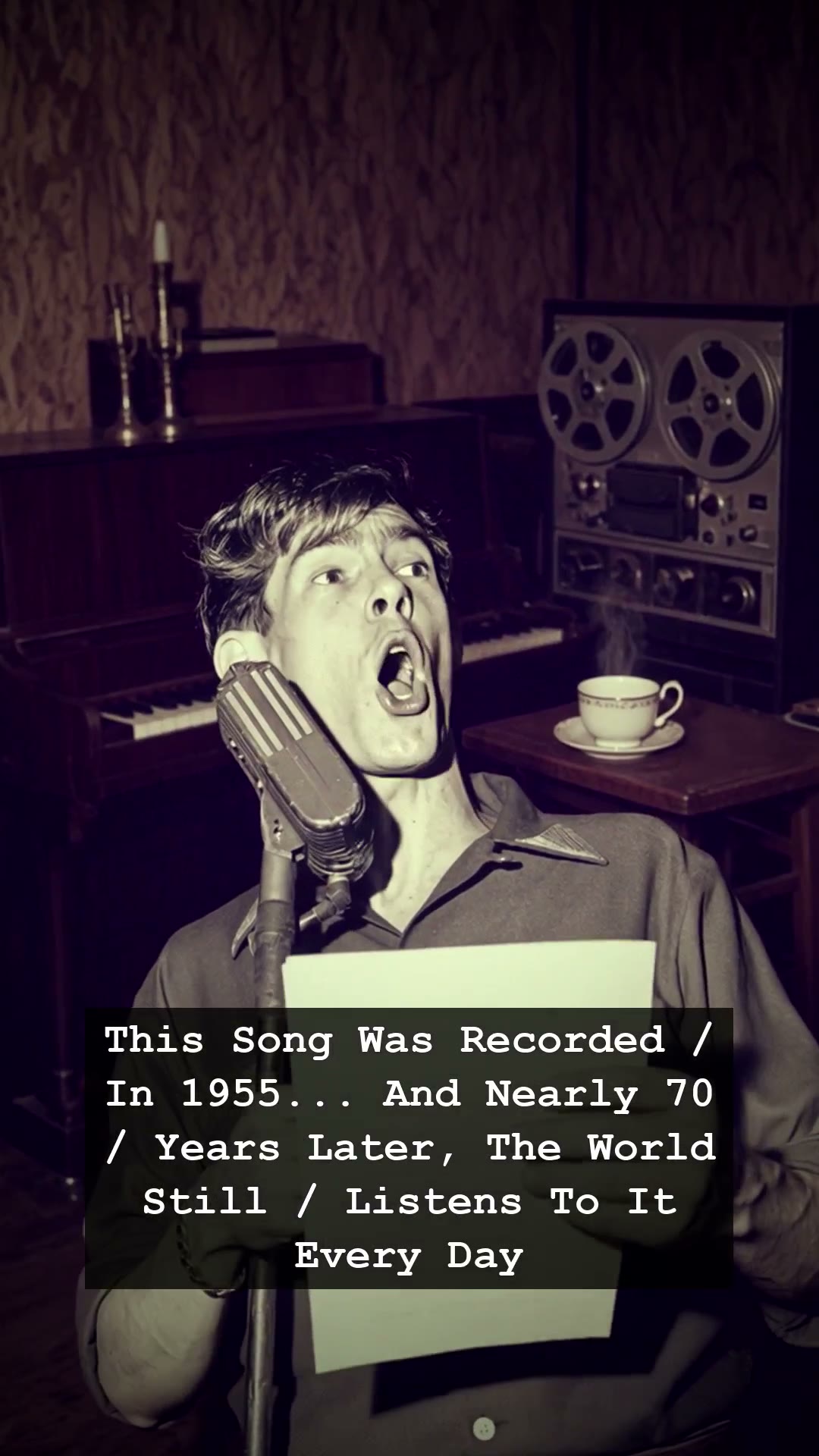
Unchained Melody: The Haunting 1955 Classic That Defined a Generation

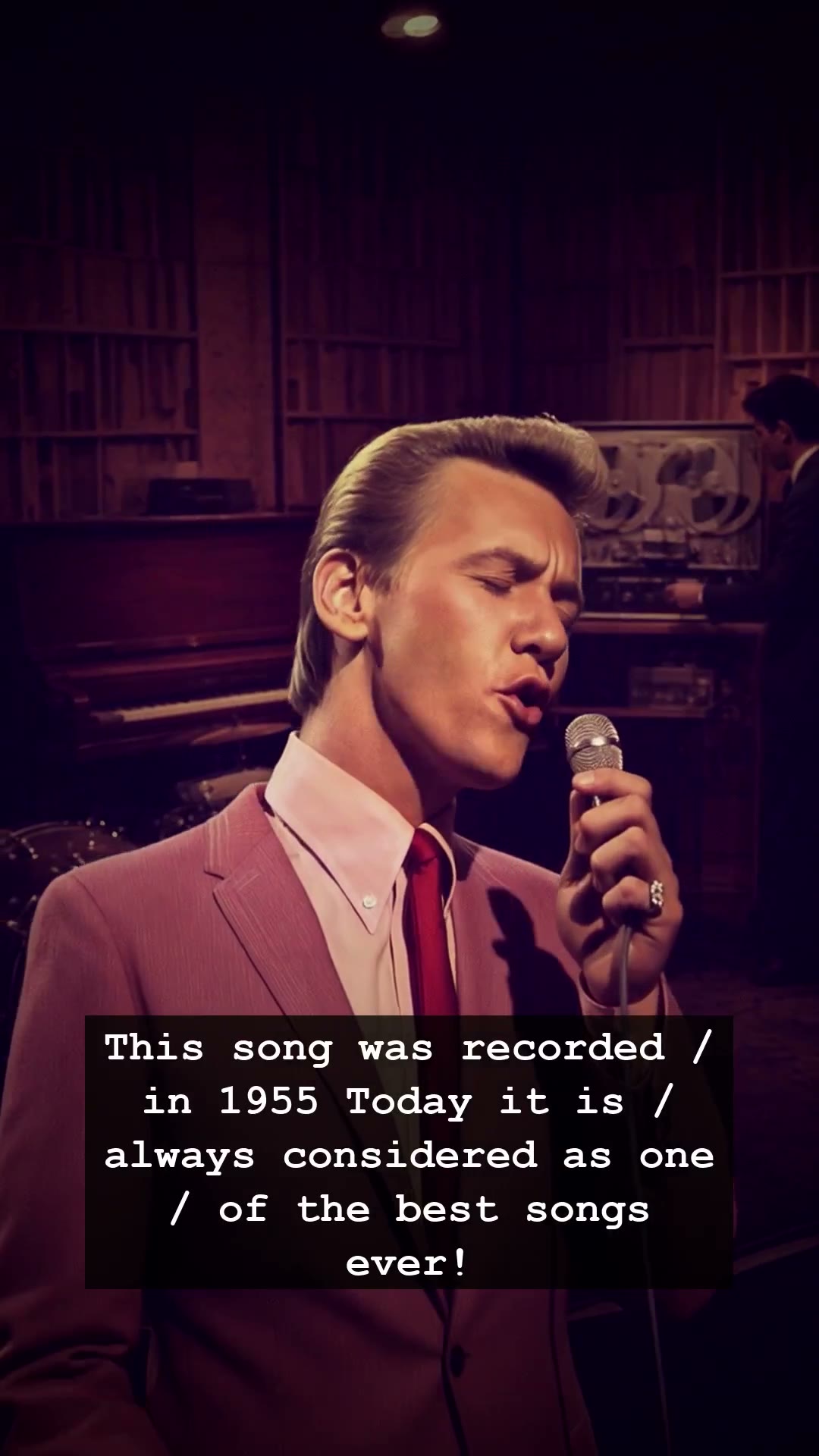
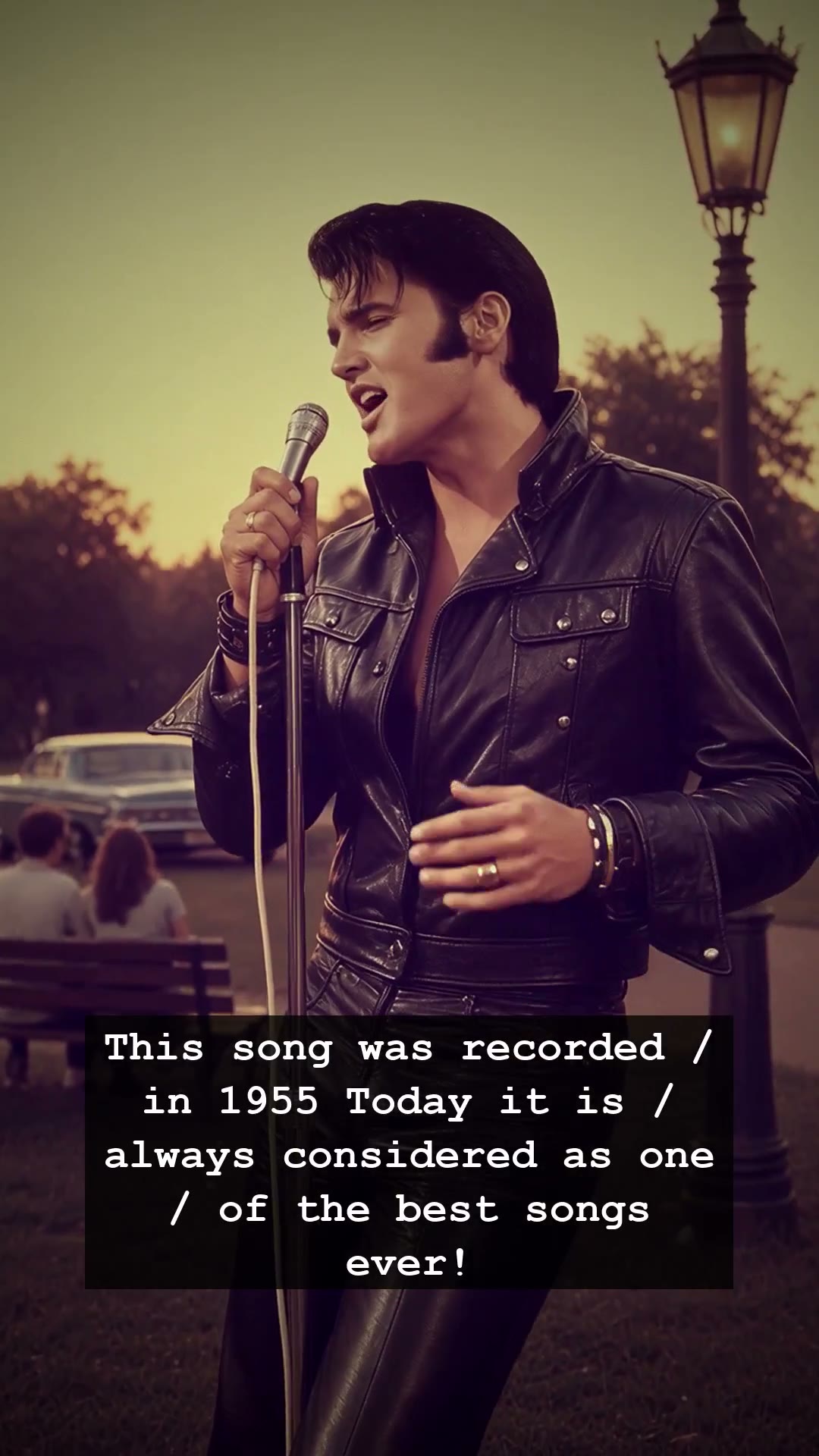
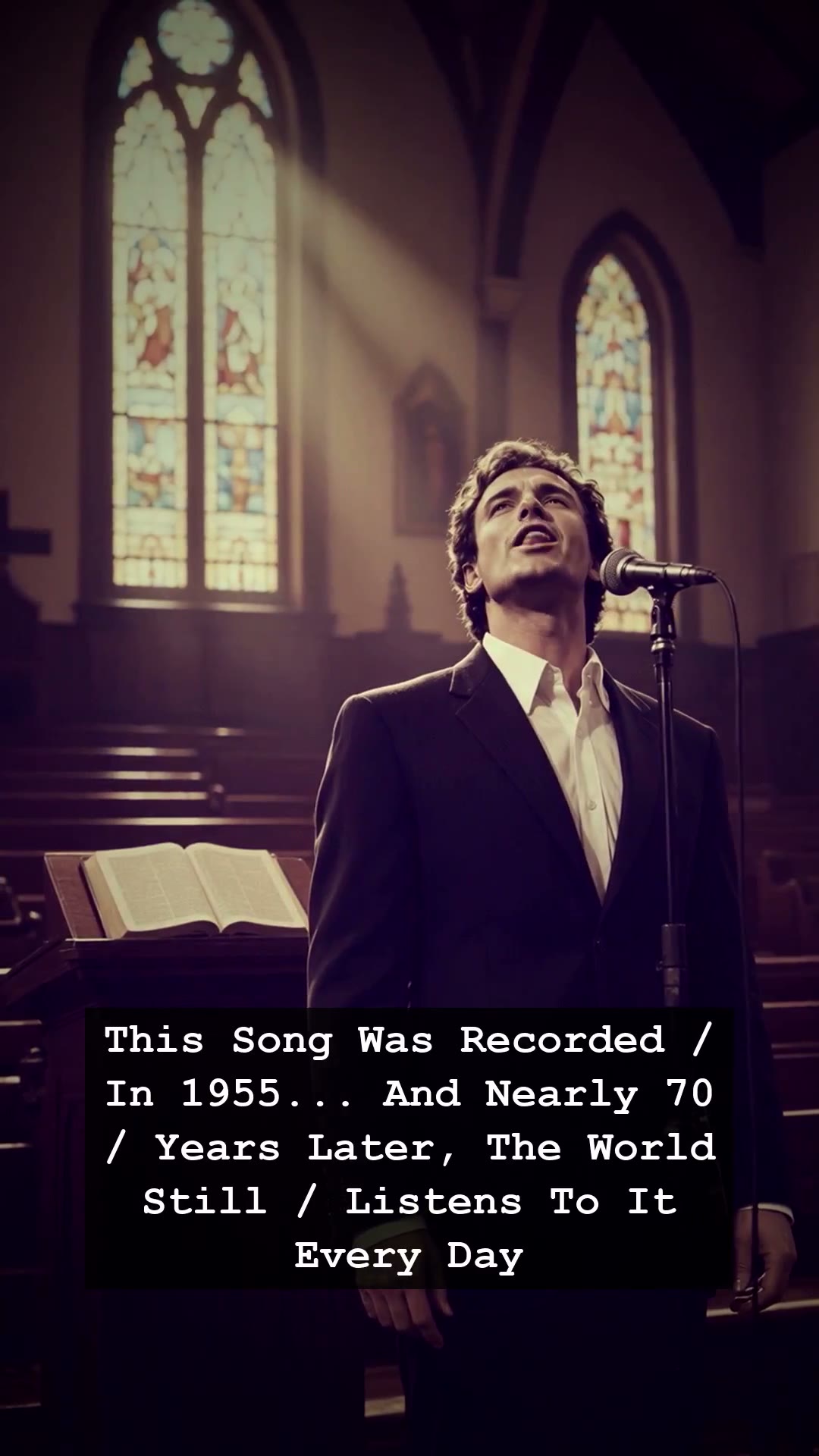
It started as a flicker in the mid-1950s, a haunting melody that seemed to pull at the very fabric of the human heart. Before the neon lights of the disco era or the rebellious grit of the grunge movement, there was the pure, unfiltered ache of the 1955 hit Unchained Melody. While many listeners today instantly conjure up the iconic pottery scene from the nineties, the true origin of this masterpiece lies in the post-war innocence of the mid-fifties. It was a time when the Jukebox was king, and music was transitioning from the big band swing of yesteryear to the early, electric promise of rock and roll. Yet, amidst the rising tempo of youth culture, this song stood still, anchored by a lyrical longing that feels just as visceral today as it did seventy years ago.

The history of Unchained Melody is as tangled as a classic Hollywood melodrama. Originally written for a forgotten prison film, the song was never meant to become the global titan it is now. In 1955, several artists scrambled to capture its fragile beauty, but it wasn’t until a decade later that the Righteous Brothers breathed their signature ‘blue-eyed soul’ into the track. Their version transformed the song into a stadium-filling anthem of devotion and despair. It is a rare moment in music history where a cover track eclipsed the original, creating a cultural phenomenon that bridged the gap between the fifties pop charts and the modern era of music consumption.

What makes the song endure? It is the raw, unadorned vulnerability in the vocal performance. When you listen to the soaring highs of the Righteous Brothers, you aren’t just hearing a pop tune; you are hearing the echo of every lover left waiting in the dark. In the era of the Walkman and the MTV revolution, tracks like this became the foundational emotional bedrock for millions. The song strips away the glamour and the fame, leaving only the artist and the listener in a private, intimate space. It reminds us that despite the changing technologies and the evolving trends of rock, pop, and hip-hop, the fundamental human need for connection remains the same.

There is something almost ghostly about the way the melody lingers in the air, a testament to the songwriting genius of Alex North and Hy Zaret. Even as the music industry shifted into the hyper-produced sounds of the eighties and nineties, this 1955 gem was never overshadowed. It survived the changing tides of taste because it refuses to be tied to a specific decade. It is a song that belongs to everyone who has ever loved and lost, a timeless anchor in the chaotic sea of the twentieth-century music scene. To listen to it today is to step back into a simpler, albeit more melancholy, time.

Ultimately, the legacy of Unchained Melody is not found in the awards or the chart statistics, but in its ability to transcend the passage of time. From the smoky atmosphere of a fifties lounge to the high-definition speakers of today, the song continues to find new life. It remains a poignant reminder of the power of a single, honest melody to move the needle of history. As we look back on the decades that shaped our musical landscape, it stands tall as one of the best songs ever recorded. Take a moment today to sit back, hit play, and let this timeless classic wash over you once more.
Unchained Melody: The Haunting 1955 Classic That Defined a Generation

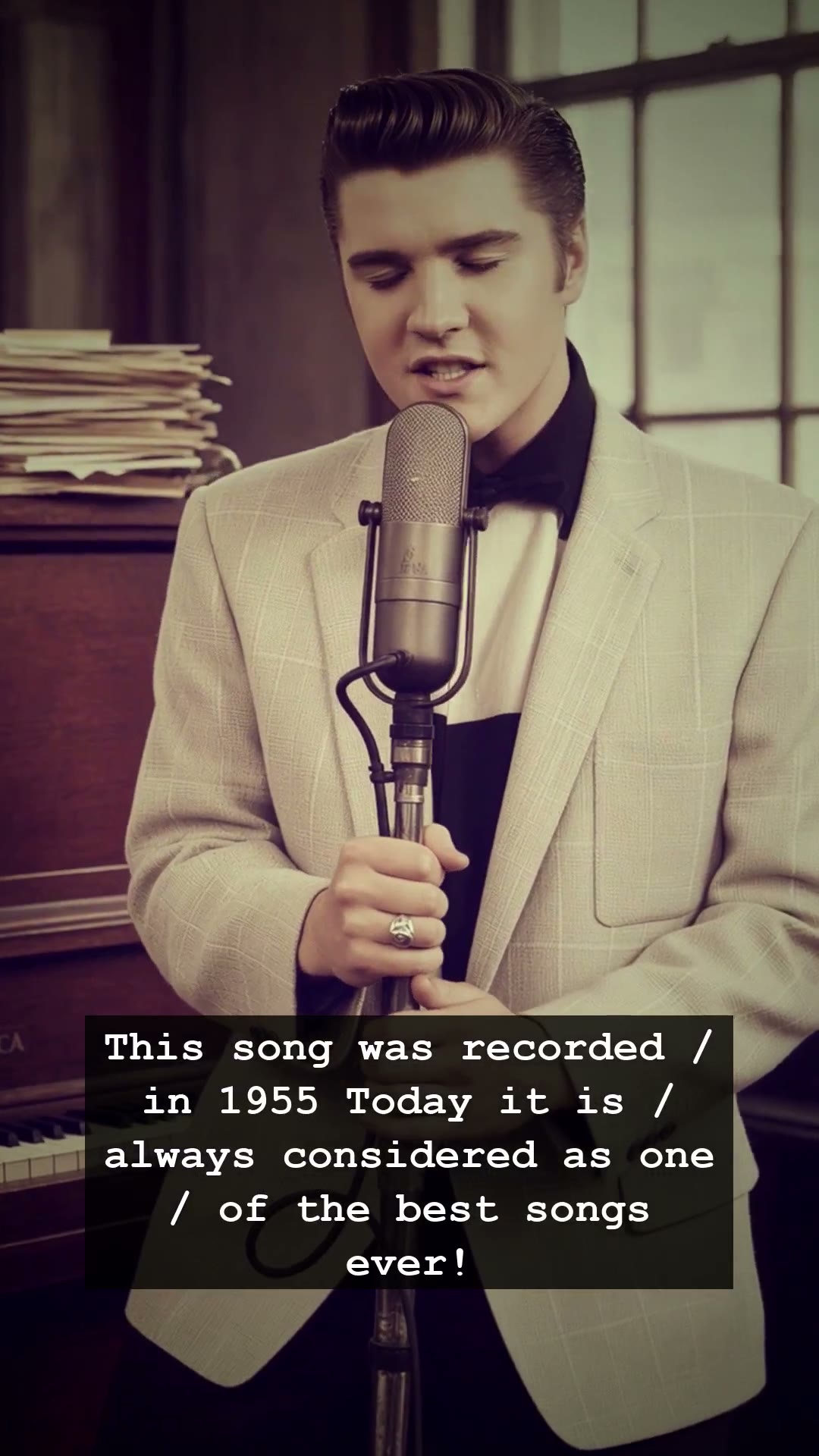
It started as a flicker in the mid-1950s, a haunting melody that seemed to pull at the very fabric of the human heart. Before the neon lights of the disco era or the rebellious grit of the grunge movement, there was the pure, unfiltered ache of the 1955 hit Unchained Melody. While many listeners today instantly conjure up the iconic pottery scene from the nineties, the true origin of this masterpiece lies in the post-war innocence of the mid-fifties. It was a time when the Jukebox was king, and music was transitioning from the big band swing of yesteryear to the early, electric promise of rock and roll. Yet, amidst the rising tempo of youth culture, this song stood still, anchored by a lyrical longing that feels just as visceral today as it did seventy years ago.

The history of Unchained Melody is as tangled as a classic Hollywood melodrama. Originally written for a forgotten prison film, the song was never meant to become the global titan it is now. In 1955, several artists scrambled to capture its fragile beauty, but it wasn’t until a decade later that the Righteous Brothers breathed their signature ‘blue-eyed soul’ into the track. Their version transformed the song into a stadium-filling anthem of devotion and despair. It is a rare moment in music history where a cover track eclipsed the original, creating a cultural phenomenon that bridged the gap between the fifties pop charts and the modern era of music consumption.

What makes the song endure? It is the raw, unadorned vulnerability in the vocal performance. When you listen to the soaring highs of the Righteous Brothers, you aren’t just hearing a pop tune; you are hearing the echo of every lover left waiting in the dark. In the era of the Walkman and the MTV revolution, tracks like this became the foundational emotional bedrock for millions. The song strips away the glamour and the fame, leaving only the artist and the listener in a private, intimate space. It reminds us that despite the changing technologies and the evolving trends of rock, pop, and hip-hop, the fundamental human need for connection remains the same.

There is something almost ghostly about the way the melody lingers in the air, a testament to the songwriting genius of Alex North and Hy Zaret. Even as the music industry shifted into the hyper-produced sounds of the eighties and nineties, this 1955 gem was never overshadowed. It survived the changing tides of taste because it refuses to be tied to a specific decade. It is a song that belongs to everyone who has ever loved and lost, a timeless anchor in the chaotic sea of the twentieth-century music scene. To listen to it today is to step back into a simpler, albeit more melancholy, time.

Ultimately, the legacy of Unchained Melody is not found in the awards or the chart statistics, but in its ability to transcend the passage of time. From the smoky atmosphere of a fifties lounge to the high-definition speakers of today, the song continues to find new life. It remains a poignant reminder of the power of a single, honest melody to move the needle of history. As we look back on the decades that shaped our musical landscape, it stands tall as one of the best songs ever recorded. Take a moment today to sit back, hit play, and let this timeless classic wash over you once more.
Unchained Melody: The Haunting 1955 Classic That Defined a Generation

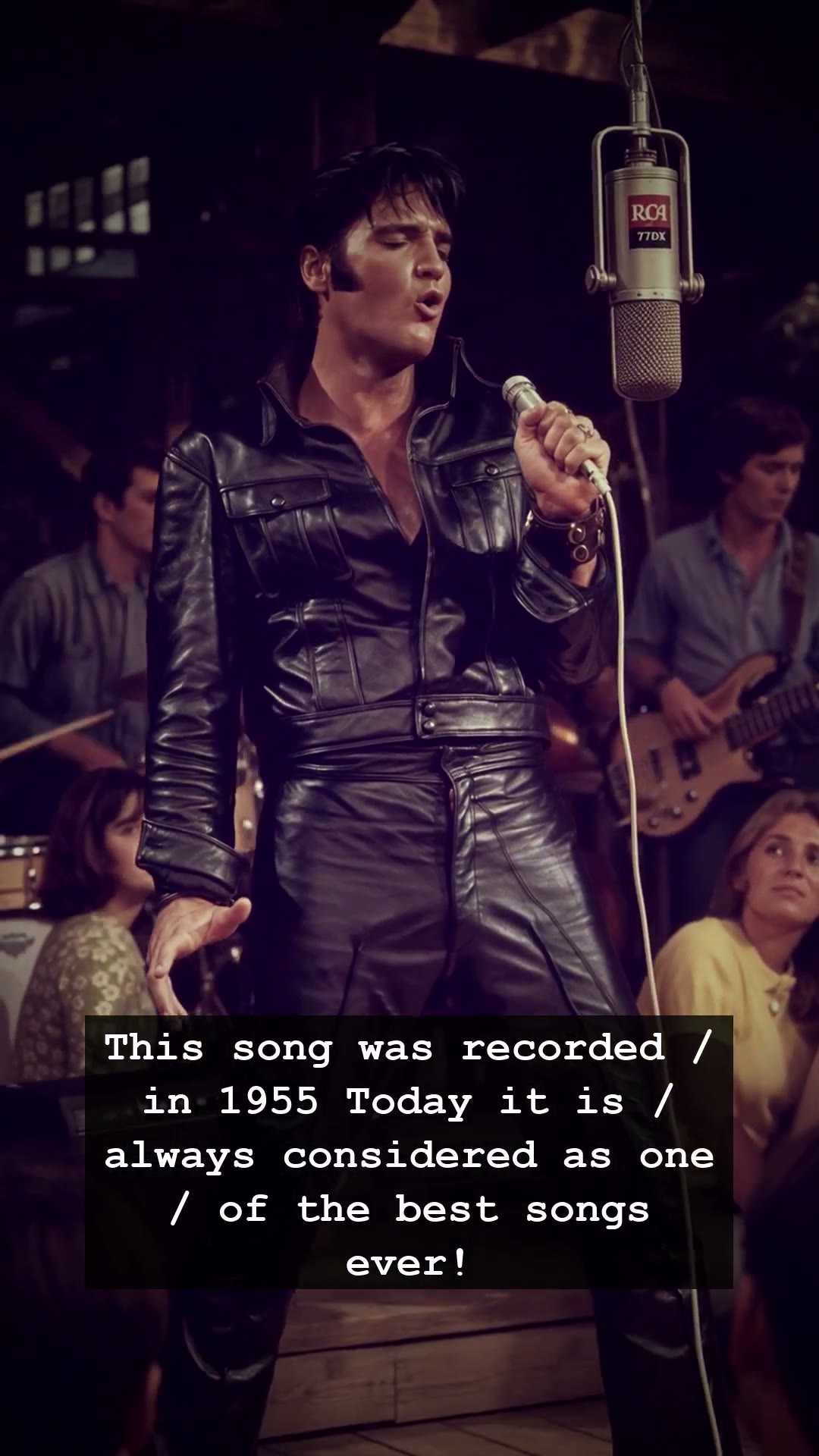
It started as a flicker in the mid-1950s, a haunting melody that seemed to pull at the very fabric of the human heart. Before the neon lights of the disco era or the rebellious grit of the grunge movement, there was the pure, unfiltered ache of the 1955 hit Unchained Melody. While many listeners today instantly conjure up the iconic pottery scene from the nineties, the true origin of this masterpiece lies in the post-war innocence of the mid-fifties. It was a time when the Jukebox was king, and music was transitioning from the big band swing of yesteryear to the early, electric promise of rock and roll. Yet, amidst the rising tempo of youth culture, this song stood still, anchored by a lyrical longing that feels just as visceral today as it did seventy years ago.

The history of Unchained Melody is as tangled as a classic Hollywood melodrama. Originally written for a forgotten prison film, the song was never meant to become the global titan it is now. In 1955, several artists scrambled to capture its fragile beauty, but it wasn’t until a decade later that the Righteous Brothers breathed their signature ‘blue-eyed soul’ into the track. Their version transformed the song into a stadium-filling anthem of devotion and despair. It is a rare moment in music history where a cover track eclipsed the original, creating a cultural phenomenon that bridged the gap between the fifties pop charts and the modern era of music consumption.

What makes the song endure? It is the raw, unadorned vulnerability in the vocal performance. When you listen to the soaring highs of the Righteous Brothers, you aren’t just hearing a pop tune; you are hearing the echo of every lover left waiting in the dark. In the era of the Walkman and the MTV revolution, tracks like this became the foundational emotional bedrock for millions. The song strips away the glamour and the fame, leaving only the artist and the listener in a private, intimate space. It reminds us that despite the changing technologies and the evolving trends of rock, pop, and hip-hop, the fundamental human need for connection remains the same.

There is something almost ghostly about the way the melody lingers in the air, a testament to the songwriting genius of Alex North and Hy Zaret. Even as the music industry shifted into the hyper-produced sounds of the eighties and nineties, this 1955 gem was never overshadowed. It survived the changing tides of taste because it refuses to be tied to a specific decade. It is a song that belongs to everyone who has ever loved and lost, a timeless anchor in the chaotic sea of the twentieth-century music scene. To listen to it today is to step back into a simpler, albeit more melancholy, time.

Ultimately, the legacy of Unchained Melody is not found in the awards or the chart statistics, but in its ability to transcend the passage of time. From the smoky atmosphere of a fifties lounge to the high-definition speakers of today, the song continues to find new life. It remains a poignant reminder of the power of a single, honest melody to move the needle of history. As we look back on the decades that shaped our musical landscape, it stands tall as one of the best songs ever recorded. Take a moment today to sit back, hit play, and let this timeless classic wash over you once more.
Unchained Melody: The Haunting 1955 Classic That Defined a Generation

It started as a flicker in the mid-1950s, a haunting melody that seemed to pull at the very fabric of the human heart. Before the neon lights of the disco era or the rebellious grit of the grunge movement, there was the pure, unfiltered ache of the 1955 hit Unchained Melody. While many listeners today instantly conjure up the iconic pottery scene from the nineties, the true origin of this masterpiece lies in the post-war innocence of the mid-fifties. It was a time when the Jukebox was king, and music was transitioning from the big band swing of yesteryear to the early, electric promise of rock and roll. Yet, amidst the rising tempo of youth culture, this song stood still, anchored by a lyrical longing that feels just as visceral today as it did seventy years ago.

The history of Unchained Melody is as tangled as a classic Hollywood melodrama. Originally written for a forgotten prison film, the song was never meant to become the global titan it is now. In 1955, several artists scrambled to capture its fragile beauty, but it wasn’t until a decade later that the Righteous Brothers breathed their signature ‘blue-eyed soul’ into the track. Their version transformed the song into a stadium-filling anthem of devotion and despair. It is a rare moment in music history where a cover track eclipsed the original, creating a cultural phenomenon that bridged the gap between the fifties pop charts and the modern era of music consumption.

What makes the song endure? It is the raw, unadorned vulnerability in the vocal performance. When you listen to the soaring highs of the Righteous Brothers, you aren’t just hearing a pop tune; you are hearing the echo of every lover left waiting in the dark. In the era of the Walkman and the MTV revolution, tracks like this became the foundational emotional bedrock for millions. The song strips away the glamour and the fame, leaving only the artist and the listener in a private, intimate space. It reminds us that despite the changing technologies and the evolving trends of rock, pop, and hip-hop, the fundamental human need for connection remains the same.

There is something almost ghostly about the way the melody lingers in the air, a testament to the songwriting genius of Alex North and Hy Zaret. Even as the music industry shifted into the hyper-produced sounds of the eighties and nineties, this 1955 gem was never overshadowed. It survived the changing tides of taste because it refuses to be tied to a specific decade. It is a song that belongs to everyone who has ever loved and lost, a timeless anchor in the chaotic sea of the twentieth-century music scene. To listen to it today is to step back into a simpler, albeit more melancholy, time.

Ultimately, the legacy of Unchained Melody is not found in the awards or the chart statistics, but in its ability to transcend the passage of time. From the smoky atmosphere of a fifties lounge to the high-definition speakers of today, the song continues to find new life. It remains a poignant reminder of the power of a single, honest melody to move the needle of history. As we look back on the decades that shaped our musical landscape, it stands tall as one of the best songs ever recorded. Take a moment today to sit back, hit play, and let this timeless classic wash over you once more.
Unchained Melody: The Haunting 1955 Classic That Defined a Generation

It started as a flicker in the mid-1950s, a haunting melody that seemed to pull at the very fabric of the human heart. Before the neon lights of the disco era or the rebellious grit of the grunge movement, there was the pure, unfiltered ache of the 1955 hit Unchained Melody. While many listeners today instantly conjure up the iconic pottery scene from the nineties, the true origin of this masterpiece lies in the post-war innocence of the mid-fifties. It was a time when the Jukebox was king, and music was transitioning from the big band swing of yesteryear to the early, electric promise of rock and roll. Yet, amidst the rising tempo of youth culture, this song stood still, anchored by a lyrical longing that feels just as visceral today as it did seventy years ago.

The history of Unchained Melody is as tangled as a classic Hollywood melodrama. Originally written for a forgotten prison film, the song was never meant to become the global titan it is now. In 1955, several artists scrambled to capture its fragile beauty, but it wasn’t until a decade later that the Righteous Brothers breathed their signature ‘blue-eyed soul’ into the track. Their version transformed the song into a stadium-filling anthem of devotion and despair. It is a rare moment in music history where a cover track eclipsed the original, creating a cultural phenomenon that bridged the gap between the fifties pop charts and the modern era of music consumption.

What makes the song endure? It is the raw, unadorned vulnerability in the vocal performance. When you listen to the soaring highs of the Righteous Brothers, you aren’t just hearing a pop tune; you are hearing the echo of every lover left waiting in the dark. In the era of the Walkman and the MTV revolution, tracks like this became the foundational emotional bedrock for millions. The song strips away the glamour and the fame, leaving only the artist and the listener in a private, intimate space. It reminds us that despite the changing technologies and the evolving trends of rock, pop, and hip-hop, the fundamental human need for connection remains the same.

There is something almost ghostly about the way the melody lingers in the air, a testament to the songwriting genius of Alex North and Hy Zaret. Even as the music industry shifted into the hyper-produced sounds of the eighties and nineties, this 1955 gem was never overshadowed. It survived the changing tides of taste because it refuses to be tied to a specific decade. It is a song that belongs to everyone who has ever loved and lost, a timeless anchor in the chaotic sea of the twentieth-century music scene. To listen to it today is to step back into a simpler, albeit more melancholy, time.

Ultimately, the legacy of Unchained Melody is not found in the awards or the chart statistics, but in its ability to transcend the passage of time. From the smoky atmosphere of a fifties lounge to the high-definition speakers of today, the song continues to find new life. It remains a poignant reminder of the power of a single, honest melody to move the needle of history. As we look back on the decades that shaped our musical landscape, it stands tall as one of the best songs ever recorded. Take a moment today to sit back, hit play, and let this timeless classic wash over you once more.
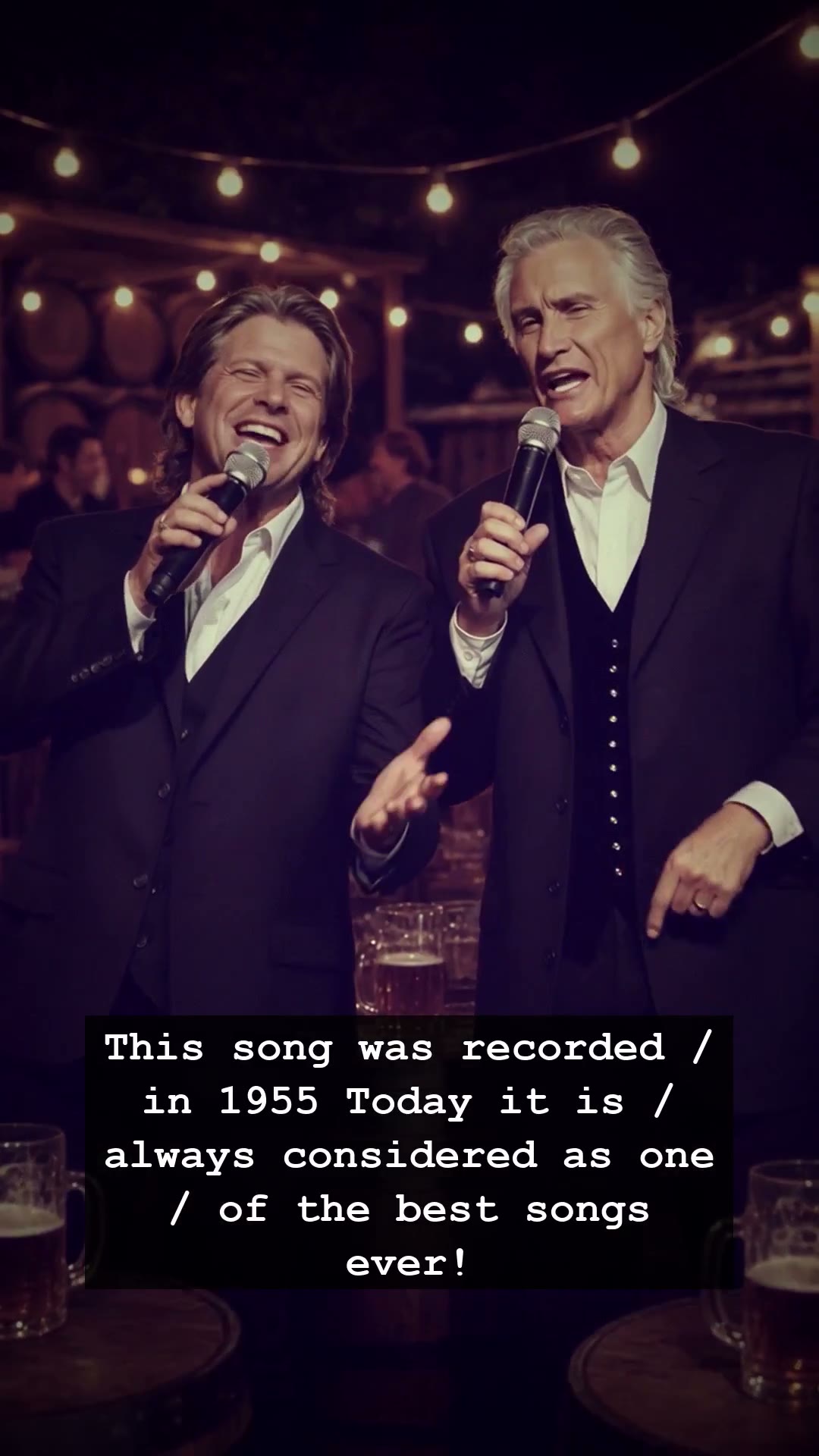
The Untold Story of Unchained Melody and 1950s Romance

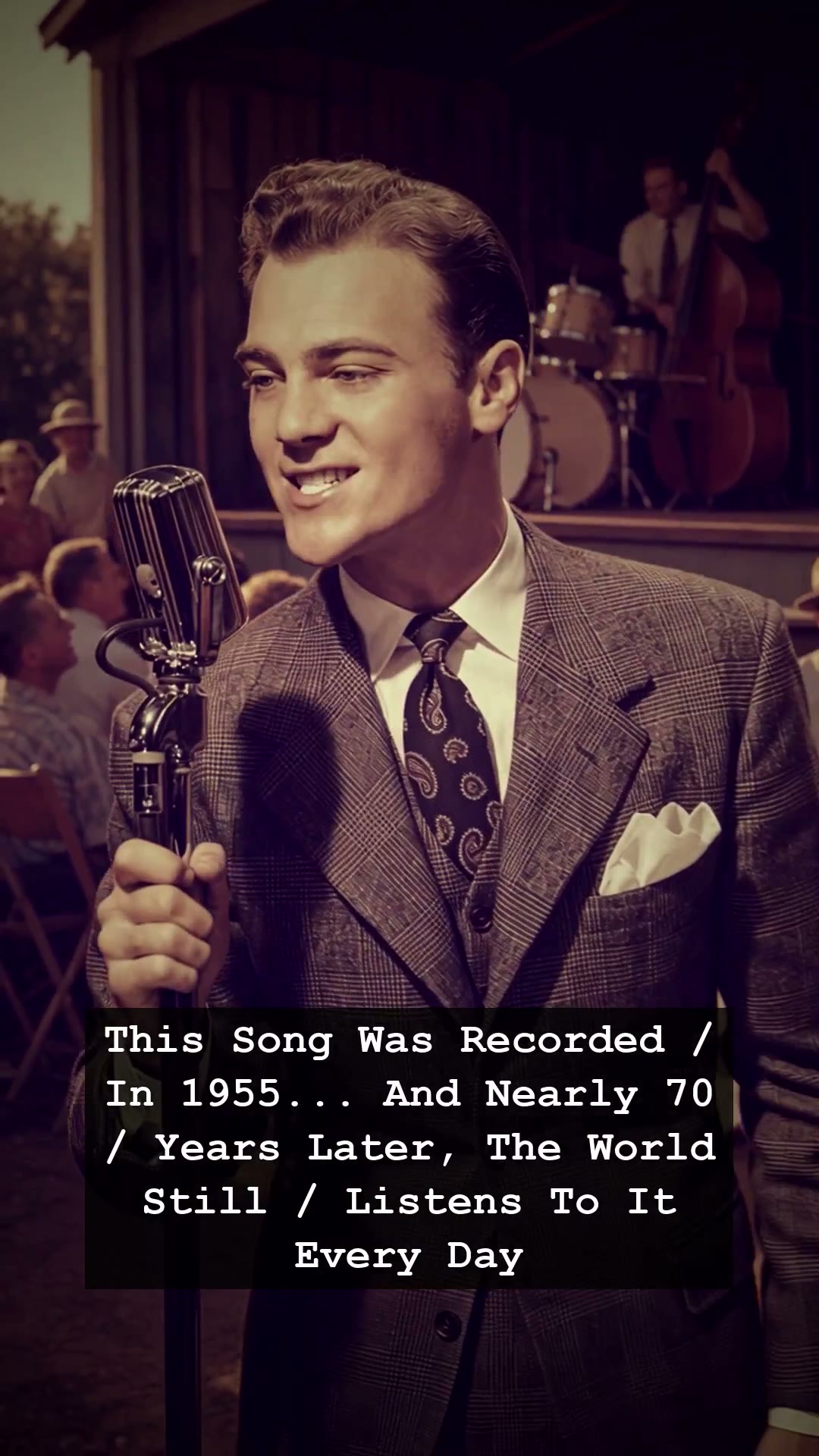
It was 1955, a time when the crackle of a vinyl record on a jukebox could define the entire atmosphere of a dimly lit diner. Before the era of MTV and the rebellious roar of psychedelic rock, music was about the raw, unfiltered honesty of a voice reaching for a lover. In that golden age, a song was released that seemed destined to be a fleeting radio hit, yet here we are, nearly 70 years later, still haunted by its opening notes. We are talking about the timeless Unchained Melody, a track that transcended its humble origins to become a permanent fixture in the soundtrack of human heartbreak and devotion.

While many think of the iconic film Ghost when they hear those soaring strings, the history of Unchained Melody begins in the mid-1950s. Originally written for a low-budget prison film, the song was quickly picked up by various artists, including the velvet-voiced Les Baxter and the legendary Al Hibbert. But it was the emotional vulnerability inherent in the composition that caught fire. During the 1950s, male pop singers often maintained a polished, untouchable persona, yet this track required something different. It demanded a performer who could strip away the vanity and lean into the desperation of longing. It was not just a song; it was a plea for connection in an era that was rapidly changing.

Back then, the music industry was a different beast. There were no digital streams or viral social media moments. Success was earned through the glow of a Jukebox in a corner bar or the intimate broadcast of a local radio station. When the song hit the airwaves, it did not just climb the charts; it seeped into the cultural consciousness of the post-war generation. It spoke to the men returning home and the women who had waited for them, grounding the sweeping romance of the decade in a melody that felt like a secret confession whispered in the dark.

What makes Unchained Melody so legendary is its defiance of time. Throughout the decades, from the smoky clubs of the sixties to the experimental sounds of the synth-pop eighties, the song remained a lighthouse. Even as grunge began to dismantle the structures of mainstream pop and the Golden Age of Hip-Hop redefined the streets, this 1955 classic remained untouched by trends. It represents the pinnacle of 1950s pop music—a period defined by grand melodies and the belief that a well-written song could bridge any divide between two people.

We still listen to it every day because we are still looking for that same level of sincerity in our modern, cluttered world. The song reminds us of a time when life moved at the speed of a needle traversing a spinning disc. It captures the essence of a decade that gave us the birth of true rock and roll but kept its heart firmly anchored in the romantic ballad. As we look back at the history of these 1950s icons, we realize that some voices simply never fade. Whether you heard it on a scratchy record player or a high-end speaker, the message remains exactly as it was seven decades ago: eternal, breathless, and utterly unforgettable.

The Untold Story of Unchained Melody and 1950s Romance

It was 1955, a time when the crackle of a vinyl record on a jukebox could define the entire atmosphere of a dimly lit diner. Before the era of MTV and the rebellious roar of psychedelic rock, music was about the raw, unfiltered honesty of a voice reaching for a lover. In that golden age, a song was released that seemed destined to be a fleeting radio hit, yet here we are, nearly 70 years later, still haunted by its opening notes. We are talking about the timeless Unchained Melody, a track that transcended its humble origins to become a permanent fixture in the soundtrack of human heartbreak and devotion.

While many think of the iconic film Ghost when they hear those soaring strings, the history of Unchained Melody begins in the mid-1950s. Originally written for a low-budget prison film, the song was quickly picked up by various artists, including the velvet-voiced Les Baxter and the legendary Al Hibbert. But it was the emotional vulnerability inherent in the composition that caught fire. During the 1950s, male pop singers often maintained a polished, untouchable persona, yet this track required something different. It demanded a performer who could strip away the vanity and lean into the desperation of longing. It was not just a song; it was a plea for connection in an era that was rapidly changing.

Back then, the music industry was a different beast. There were no digital streams or viral social media moments. Success was earned through the glow of a Jukebox in a corner bar or the intimate broadcast of a local radio station. When the song hit the airwaves, it did not just climb the charts; it seeped into the cultural consciousness of the post-war generation. It spoke to the men returning home and the women who had waited for them, grounding the sweeping romance of the decade in a melody that felt like a secret confession whispered in the dark.

What makes Unchained Melody so legendary is its defiance of time. Throughout the decades, from the smoky clubs of the sixties to the experimental sounds of the synth-pop eighties, the song remained a lighthouse. Even as grunge began to dismantle the structures of mainstream pop and the Golden Age of Hip-Hop redefined the streets, this 1955 classic remained untouched by trends. It represents the pinnacle of 1950s pop music—a period defined by grand melodies and the belief that a well-written song could bridge any divide between two people.

We still listen to it every day because we are still looking for that same level of sincerity in our modern, cluttered world. The song reminds us of a time when life moved at the speed of a needle traversing a spinning disc. It captures the essence of a decade that gave us the birth of true rock and roll but kept its heart firmly anchored in the romantic ballad. As we look back at the history of these 1950s icons, we realize that some voices simply never fade. Whether you heard it on a scratchy record player or a high-end speaker, the message remains exactly as it was seven decades ago: eternal, breathless, and utterly unforgettable.

The Untold Story of Unchained Melody and 1950s Romance

It was 1955, a time when the crackle of a vinyl record on a jukebox could define the entire atmosphere of a dimly lit diner. Before the era of MTV and the rebellious roar of psychedelic rock, music was about the raw, unfiltered honesty of a voice reaching for a lover. In that golden age, a song was released that seemed destined to be a fleeting radio hit, yet here we are, nearly 70 years later, still haunted by its opening notes. We are talking about the timeless Unchained Melody, a track that transcended its humble origins to become a permanent fixture in the soundtrack of human heartbreak and devotion.

While many think of the iconic film Ghost when they hear those soaring strings, the history of Unchained Melody begins in the mid-1950s. Originally written for a low-budget prison film, the song was quickly picked up by various artists, including the velvet-voiced Les Baxter and the legendary Al Hibbert. But it was the emotional vulnerability inherent in the composition that caught fire. During the 1950s, male pop singers often maintained a polished, untouchable persona, yet this track required something different. It demanded a performer who could strip away the vanity and lean into the desperation of longing. It was not just a song; it was a plea for connection in an era that was rapidly changing.

Back then, the music industry was a different beast. There were no digital streams or viral social media moments. Success was earned through the glow of a Jukebox in a corner bar or the intimate broadcast of a local radio station. When the song hit the airwaves, it did not just climb the charts; it seeped into the cultural consciousness of the post-war generation. It spoke to the men returning home and the women who had waited for them, grounding the sweeping romance of the decade in a melody that felt like a secret confession whispered in the dark.

What makes Unchained Melody so legendary is its defiance of time. Throughout the decades, from the smoky clubs of the sixties to the experimental sounds of the synth-pop eighties, the song remained a lighthouse. Even as grunge began to dismantle the structures of mainstream pop and the Golden Age of Hip-Hop redefined the streets, this 1955 classic remained untouched by trends. It represents the pinnacle of 1950s pop music—a period defined by grand melodies and the belief that a well-written song could bridge any divide between two people.

We still listen to it every day because we are still looking for that same level of sincerity in our modern, cluttered world. The song reminds us of a time when life moved at the speed of a needle traversing a spinning disc. It captures the essence of a decade that gave us the birth of true rock and roll but kept its heart firmly anchored in the romantic ballad. As we look back at the history of these 1950s icons, we realize that some voices simply never fade. Whether you heard it on a scratchy record player or a high-end speaker, the message remains exactly as it was seven decades ago: eternal, breathless, and utterly unforgettable.

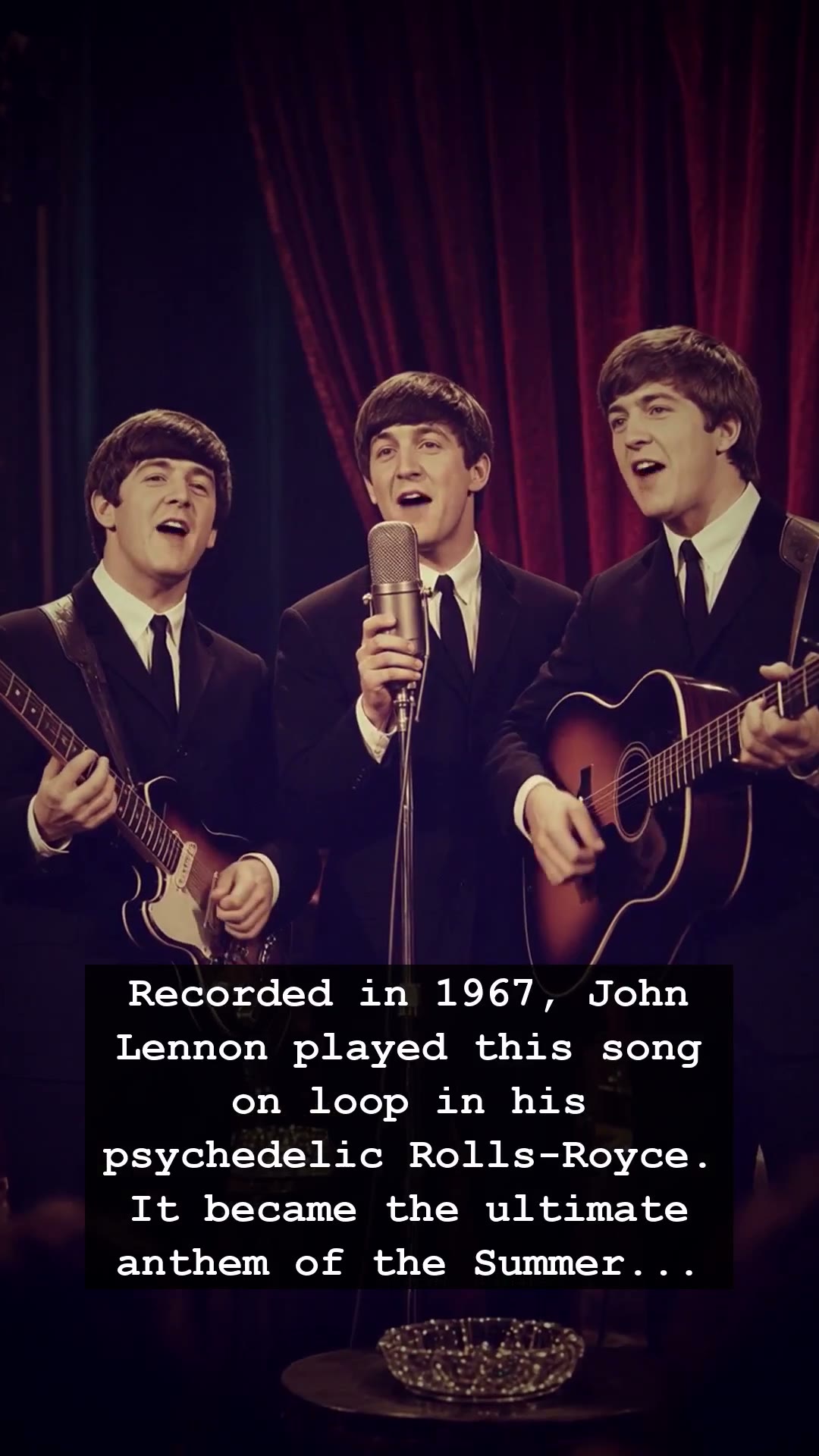
The Secret Story Behind John Lennon and the Summer of Love Anthem

The year was 1967, and the world felt like it was shifting on its axis. In the heart of London, a custom-painted, psychedelic Rolls-Royce Phantom V navigated the grey streets, turning heads like a kaleidoscopic apparition. Inside, the air was thick with the scent of incense and the swirling, surreal melodies of a song that would soon become the definitive soundtrack to a cultural revolution. John Lennon, the man behind the wheel, was obsessed. He played this specific track on an endless loop, letting the hypnotic rhythm seep into the very frame of the vehicle, seemingly unaware that he was crafting the ultimate anthem for the Summer of Love.

At the time, John Lennon was navigating the turbulent transition from the clean-cut mop-top image of the early sixties to the experimental, consciousness-expanding spirit of the psychedelic era. While the public saw the vibrant flowers and the peace signs, those in the inner circle knew the atmosphere was charged with an intensity that bordered on the manic. The song, echoing from the speakers of his Rolls-Royce, captured that fragile balance between euphoria and melancholy. It was a siren call for a generation standing at the edge of the hippie movement, caught between the hope of utopia and the creeping shadows of a decade that would soon turn dark.

Back then, the music wasn’t just a product; it was a ritual. To hear it from the backseat of John Lennon’s car was to witness the raw intersection of art and identity. The song became a totem for the Summer of Love, a sonic bridge connecting millions of teenagers who, like Lennon, were searching for a new vocabulary to describe their world. It remains a staggering piece of history because it encapsulates the exact moment when the counterculture moved from the underground basements into the bright, blinding glare of the mainstream spotlight.

There is a haunting quality to the way John Lennon championed this music. It suggests a man trying to outrun his own mounting fame, finding solace in the abstract textures of experimental sound. While the media painted the Summer of Love as a carefree festival, the reality behind the curtain—the relentless pressure on Lennon and his contemporaries, the chemical experimentation, and the inevitable fracturing of the band—told a more complex, bittersweet story. This song was the calm at the center of his personal hurricane.

Decades later, the echoes of that psychedelic Rolls-Royce still resonate. We still play these tracks to conjure the ghosts of an era that promised everything and changed the world forever. John Lennon may have been just a driver in a decorated car, but he was also the conductor of a generational shift. As the music fades, we are left wondering how much of that magic was a deliberate artistic choice and how much was simply a desperate, beautiful attempt to find clarity in the chaos. Take a moment to listen again, and you might just hear the ghosts of 1967 whispering through the static.

The Secret History of Billy Joel’s Just the Way You Are

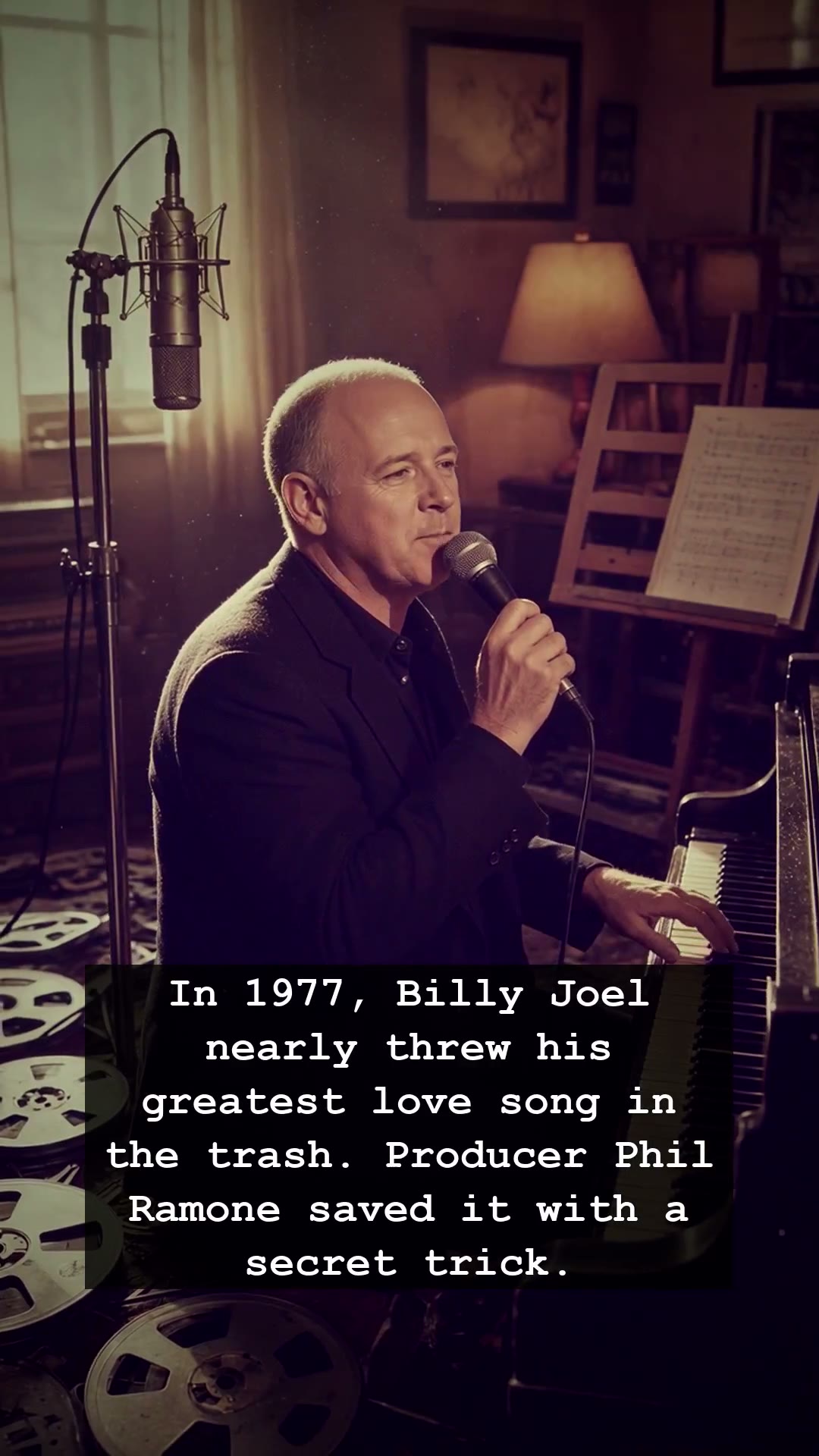
It is 1977. The air in the recording studio is thick with cigarette smoke and the tension of an artist reaching for something he cannot quite grasp. Billy Joel, the Piano Man who would soon become a global icon, is standing over a trash can. In his hand is a crumpled sheet of paper—the lyrics to what would eventually become one of the most beloved love songs in human history, Just the Way You Are. To Billy Joel, the song felt too soft, too sappy, and frankly, too unlike the gritty rock and roll he wanted to define his career. He was ready to discard it as a mistake, a relic of a creative moment that had missed the mark.

Music history is littered with these near-misses, moments where a legendary track nearly vanished into the ether. Luckily for us, the legendary producer Phil Ramone was in the room. Recognizing the raw, aching honesty beneath the melody, Ramone intervened. He did not just plead with the artist; he employed a secret studio trick, adjusting the arrangement and the pacing to pull the song out of the ballad graveyard. He insisted that the melody had a heartbeat that Billy Joel had simply stopped hearing in the exhaustion of the session. It is a chilling thought to imagine a world where this track never graced the radio waves of the late seventies.

That era was a strange, transitional time in American music. The disco fever of Studio 54 was beginning to dominate the charts, and the radio airwaves were being crowded by synthesizers and high-gloss production. In this landscape, a sincere, piano-driven love song written by Billy Joel stood out as a defiant act of vulnerability. It captured the intimacy of a Walkman moment, that private space where a listener could feel like the song was being played specifically for them. It was a masterpiece of classic songwriting, proving that while trends change, the universal desire to be loved for exactly who we are remains a constant, pulsing force in our lives.

When you listen to the final recording today, you can hear the ghosts of those long studio nights. The smooth saxophone licks and the gentle, rolling piano chords carry the weight of a man who almost walked away from his own masterpiece. Billy Joel would go on to win a Grammy for this song, solidifying his place in the pantheon of songwriting greats, but the story of its near-destruction adds a layer of human fragility to the performance. It serves as a reminder that even the most confident legends struggle to recognize their own brilliance when they are too close to the fire.

Decades later, the song remains a fixture at weddings, funerals, and lonely drives home. It persists not because it was perfect, but because it feels real. Every time that iconic melody kicks in, we are transported back to 1977, to a small studio in New York, and to a singer who learned that his deepest doubts were actually his greatest strengths. Next time you hear the opening notes, remember the crumpled paper in the trash, and be grateful for the music that survived to find us.