The Bo Diddley Beat: How a Rock Legend Was Robbed of Millions

The jukebox hums with a sound so infectious it could move mountains, a syncopated, driving rhythm that defined the soul of the 1950s. If you grew up listening to the raw, unfiltered spirit of early rock and roll, you know the Bo Diddley beat. It is a percussive thunder that echoes through the halls of music history, a cornerstone upon which legends were built. But while the world danced to his pulse, the man behind the rhythm, the incomparable Bo Diddley, was locked in a shadow war against the industry machine that sought to erase his contribution and steal his prosperity. This is the story of a pioneer whose genius changed the world, only to be met with cold-hearted betrayal.

Born Otha Ellas Bates, the man we know as Bo Diddley walked into the legendary Chess Records studio in 1955 with a rhythm that defied convention. With his rectangular guitar and a presence that commanded the room, he delivered a sound that was at once primal and futuristic. It wasn’t just music; it was a cultural shift. The Bo Diddley beat became the DNA for countless hits that followed, adopted by everyone from Buddy Holly to The Rolling Stones. Yet, as the records flew off the shelves and the airwaves crackled with his signature syncopation, the financial rewards that should have secured his legacy were systematically siphoned away through predatory contracts and backroom dealings at Chess Records.

Behind the bright lights and the excitement of the burgeoning rock and roll era lay a darker reality. Bo Diddley was a victim of a system designed to exploit artists, particularly those from marginalized backgrounds, during an era where contracts were often written in ink that favored only the label owners. He would spend the better part of his life fighting for the royalties and the recognition that were rightfully his. It is a heartbreaking narrative—a man who gave the world its heartbeat was essentially robbed of his own livelihood, left to watch as others climbed to the top of the charts using the blueprint he meticulously crafted in the mid-fifties.

Despite the bitterness of the betrayal, Bo Diddley remained a towering figure of resilience. He never truly stopped playing, never stopped fighting, and never lost the unique, electrifying charisma that made him a titan of the genre. When we look back at the era of the Walkman and the vinyl golden age, we often fixate on the glamor of the stars. We forget the unsung battles fought by the architects of the sound. The story of Bo Diddley is a reminder that the music we hold so dear often carries the weight of heavy, human sacrifice, and that true artistic integrity is found in the struggle to reclaim one’s voice against the odds.

Today, as we revisit the crackle of a vintage record or hear the familiar stomp-stomp-stomp of the Bo Diddley beat, we are listening to a testament of endurance. It is a legacy that transcends the greed that tried to bury it. While the royalties may have been lost to the void of a corrupt industry, the rhythm remains immortal. We owe it to the history of music to remember the man who gave us the beat that built rock and roll, and to recognize that without his fight, our musical landscape would be hollow. Let the music play on, and remember the name that carved the foundation of the sound we love.
Lynyrd Skynyrd and the Raw Power of Whiskey Rock-a-Roller

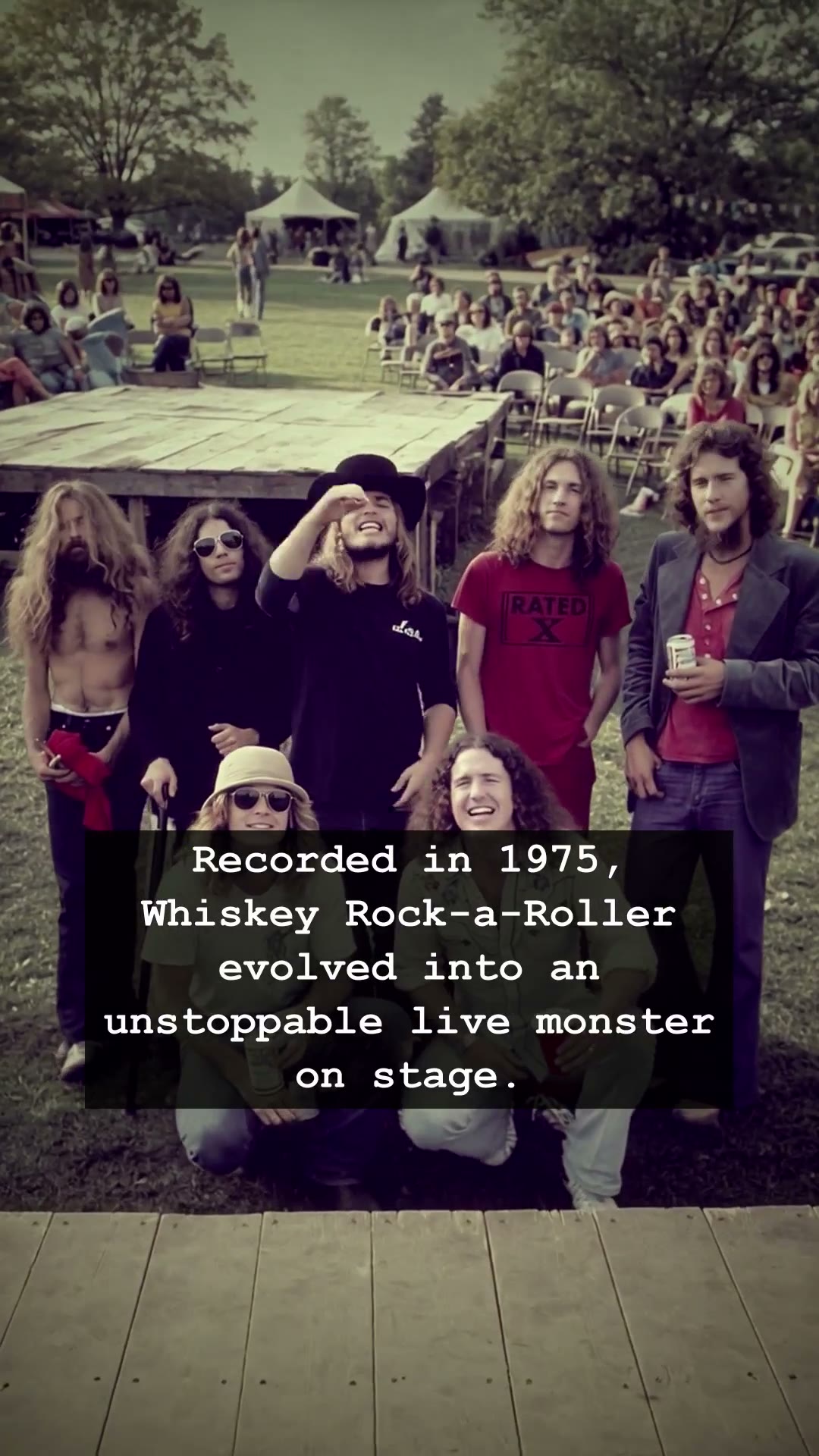
It was 1975, and the smell of cheap beer and stale cigarettes hung heavy in the air of every dive bar across the American South. On a stage somewhere in the heart of the country, a group of long-haired rebels known as Lynyrd Skynyrd were busy crafting more than just music; they were forging a lifestyle. Amidst the chaos of their rehearsals and the mounting pressure to follow up their massive hits, a gritty, hard-driving track called Whiskey Rock-a-Roller was born. At the time, nobody realized that these jagged, rebellious slide guitar solos would eventually transform into an unstoppable live monster, stretching well past the six-minute mark and searing themselves into the collective memory of a generation.

Lynyrd Skynyrd was never meant to be polite. They were the voice of the working class, a band that lived hard, played louder, and defied the polished expectations of the mainstream music industry. While the disco craze of the mid-70s was beginning to dominate the charts and the flashing lights of Studio 54 promised a glamorous escape, Ronnie Van Zant and his bandmates remained firmly rooted in the dirt and grit of reality. Whiskey Rock-a-Roller captured that specific tension—the push and pull between the desire to escape through a bottle and the relentless drive to make it big on the road.

The magic of this song, and much of the band’s catalog, lay in its unpredictability. During their live performances, the song became a living, breathing beast. When the slide guitar took over, the audience didn’t just listen; they surrendered to the momentum. It was in these moments, under the sweat-drenched heat of stage lights, that Lynyrd Skynyrd cemented their legend. The track was a testament to the band’s technical prowess and their refusal to be confined by the standard three-minute radio edit. They played for the people in the front row and the outcasts in the back, ignoring the ticking clock of the studio executives.

Looking back, it is impossible to separate the music of Lynyrd Skynyrd from the tragedy and triumph that defined their journey. The band was a brotherhood forged in fire, living a life that was as volatile as their sound. Their influence spread like wildfire, touching fans who traded their vinyl records like gold and obsessed over the intricate guitar interplay that defined the Southern Rock era. To hear that slide guitar kick in today is to be transported directly back to a time when music felt dangerous, raw, and incredibly honest.

Even decades later, Whiskey Rock-a-Roller stands as a monument to a band that never compromised their vision. They lived by their own code, fueled by high-octane rock and an unwavering dedication to their craft. Whether you were there in the front row or discovered them later through a crackling cassette in an old Walkman, the impact remains the same. Lynyrd Skynyrd didn’t just play rock and roll; they lived it, leaving behind a legacy that continues to echo through the halls of music history. As the final notes fade away, we are reminded that some songs were never meant to end.

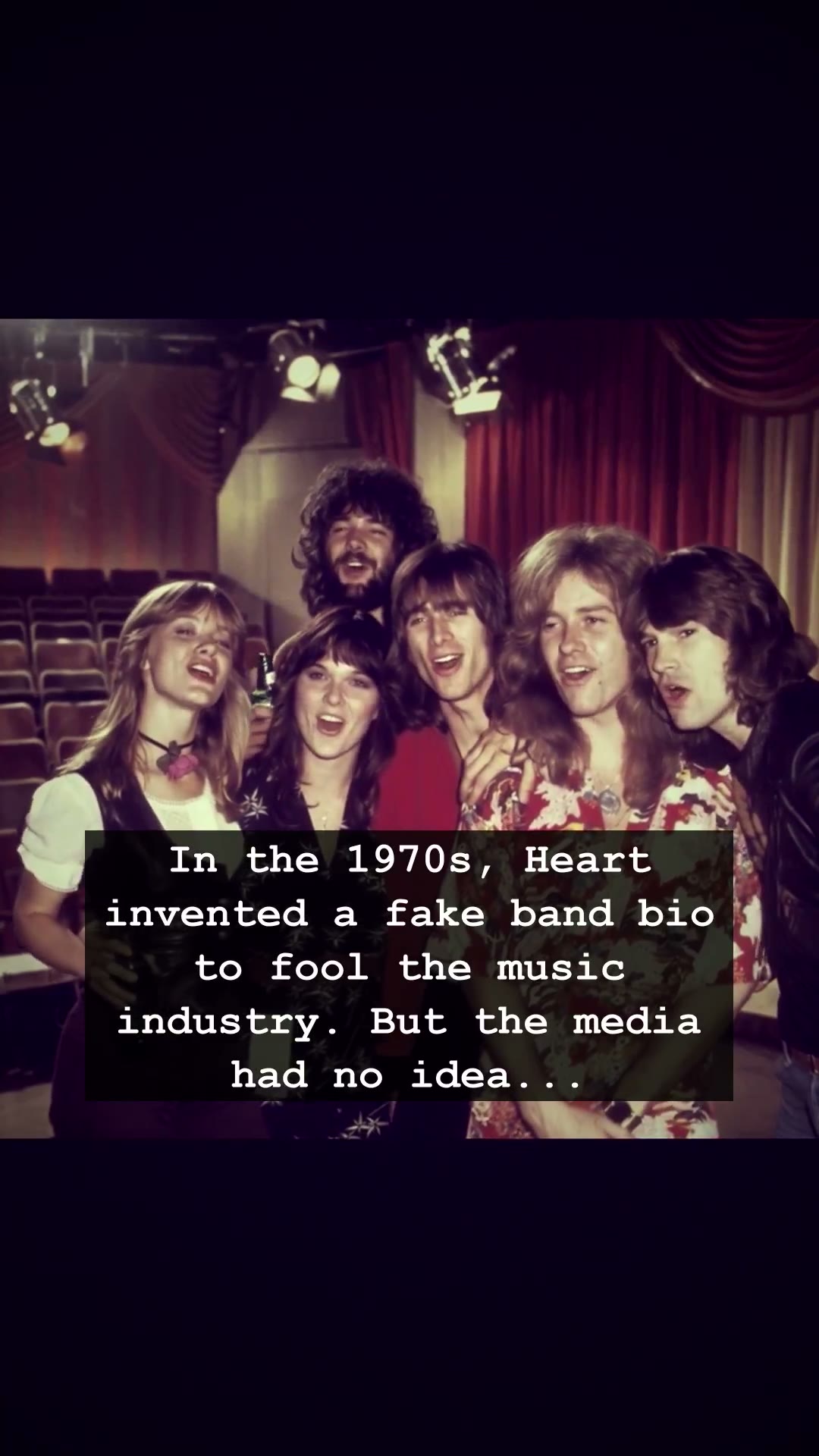
The Secret Lie Heart Used to Defy the 1970s Music Industry

In the hazy, neon-drenched landscape of the 1970s, the music industry was a playground built by men, for men. While the jukeboxes hummed with the sounds of Led Zeppelin and the airwaves crackled with the energy of FM radio, a fierce duo of sisters was preparing to flip the script. Ann and Nancy Wilson, the creative powerhouse behind the rock icons Heart, were tired of being reduced to mere eye candy in a business that refused to take female musicians seriously. They were more than just a promotional image; they were raw, unfiltered talent waiting to break through the concrete ceiling of the record labels.

To prove a point—and perhaps to satisfy a wicked sense of irony—Heart orchestrated a masterstroke of deception that remains one of rock history’s most daring stunts. Frustrated by the sexist marketing tactics that painted them as fragile folk singers or glamorous pin-ups, the sisters fabricated a wild, elaborate backstory. They told the press they had been living in a remote cabin, effectively detached from the glitz of the industry, honing their craft in isolation. The media, hungry for the gritty, organic origin stories that were so popular during that era, swallowed the myth whole. Journalists printed the fabricated cabin narrative as gospel, never once suspecting that the rock legends had staged a performance for the press before they even stepped onto a major stage.

It was a testament to the power of the Heart sound that their music could carry the weight of such a strange, invented history. As the band climbed the charts with tracks that defied the soft-rock norms of the day, they were fueled by the knowledge that they had outsmarted the gatekeepers of the 1970s. The industry treated them like a product, so they gave the industry a story that tasted like a classic rock legend. This wasn’t just a publicity stunt; it was a quiet, revolutionary act of defiance against a culture that prioritized a band’s aesthetic over their artistic integrity. The cabin story became a symbol of how much the music business misunderstood the very people driving its success.

Today, as we look back at the golden age of stadium rock, the legacy of Heart is defined by more than just their hit records; it is defined by their resilience. That fake biography served as a protective barrier, allowing the sisters to sharpen their blades in peace while the world obsessed over a fiction they created. It highlights the immense pressure artists faced in an era before the internet, where a carefully curated image could make or break a career in an instant. The fact that Heart managed to manipulate the narrative remains a fascinating footnote in rock history.

When we listen to their records now, the echoes of that 1970s rebellion are still present in every guitar riff and soaring vocal. They did not just play the game; they changed the rules of engagement for every woman who picked up a guitar in the decades that followed. If you ever find yourself spinning a vinyl record of their early hits, remember that behind the polished production was a duo that knew exactly how to keep the world guessing. The story of Heart reminds us that sometimes, to survive the spotlight, you have to be the one holding the torch.

The Woodstock Nightmare: How Carlos Santana Played Through a Hallucination

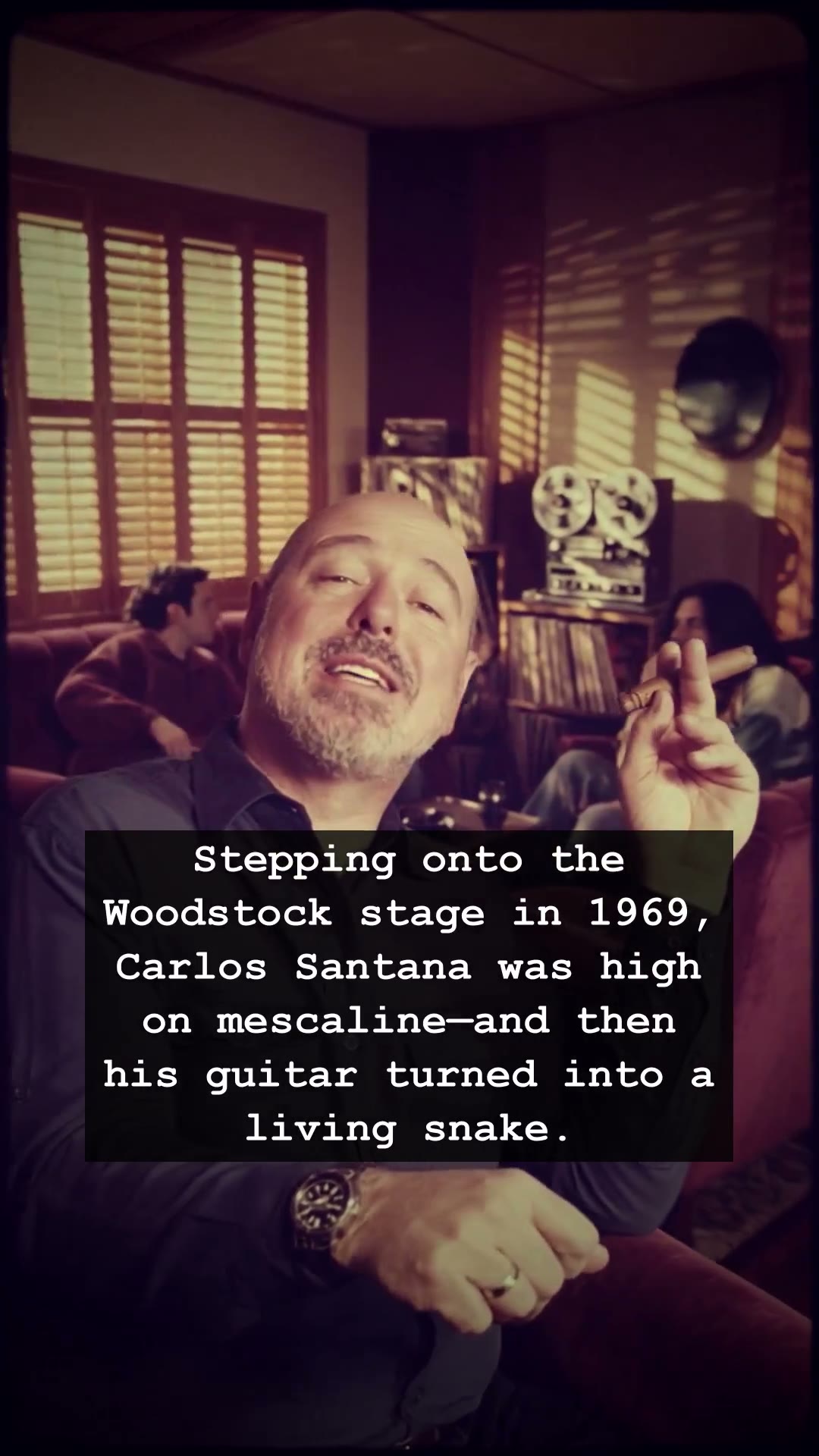
The year was 1969. The air at Woodstock was thick with the scent of wet grass, rebellion, and a collective dream that defied the gravity of the mundane world. As the afternoon sun began to dip, a young, relatively unknown guitarist named Carlos Santana stepped onto the legendary stage. He wasn’t just nervous; he was chemically altered. Before his set, someone had offered him mescaline, and in the spirit of the psychedelic era, he indulged. He expected a spiritual awakening, but as he strapped on his Gibson SG, reality began to warp into something far more sinister.

As the band dove into their set, the hallucinogens took a dark, primal turn. Carlos Santana later recounted a moment that would have sent any other musician sprinting for the shadows: his guitar neck began to twist and contort, morphing into a literal, writhing snake in his hands. The fretboard felt like scales, and the vibrating strings felt like the hissing of a predator. Panic surged through him, a cold, suffocating terror that threatened to silence his music entirely. He wasn’t just performing; he was fighting for his sanity amidst a sea of half a million mesmerized spectators.

Instead of collapsing, Carlos Santana did the only thing a true virtuoso could do: he poured that absolute, raw fear into his instrument. He focused on the only thing that felt real—the rhythm. He gripped the neck of that ‘living snake’ and channeled his terror into the Latin-infused, hypnotic wails that would eventually become the hallmark of his sound. That performance of Soul Sacrifice is now etched in history as one of the most blistering displays of guitar mastery ever captured on film. It was the birth of a legend forged in the crucible of a psychedelic nightmare.

Looking back from our modern era of polished digital production, it is easy to forget the grit of the late sixties. Woodstock wasn’t just a festival; it was a cultural pressure cooker. Artists like Carlos Santana existed on the edge, walking a tightrope between creative genius and the absolute madness of the era. The music that poured out of him that day wasn’t just notes on a page; it was a visceral reaction to the unknown, a frantic dialogue between a man and his shifting reality. It remains a testament to the idea that some of our greatest art is born when we are backed into a corner by our own fears.

Today, Carlos Santana stands as an icon of rock history, his melodic phrasing still capable of evoking that same electric tension he felt in the summer of 1969. Every time we hear those familiar opening bars of his work, we aren’t just listening to a track; we are hearing a survivor’s song. It reminds us that behind the myth of the guitar god lies a human soul, one who once stared down a hallucination and emerged with a sound that would change the world forever. Next time you drop the needle on a record, remember that sometimes, the music is the only thing keeping the snakes at bay.

The Night Whitney Houston Moved a Nation: Mandela’s 1994 South Africa Concert

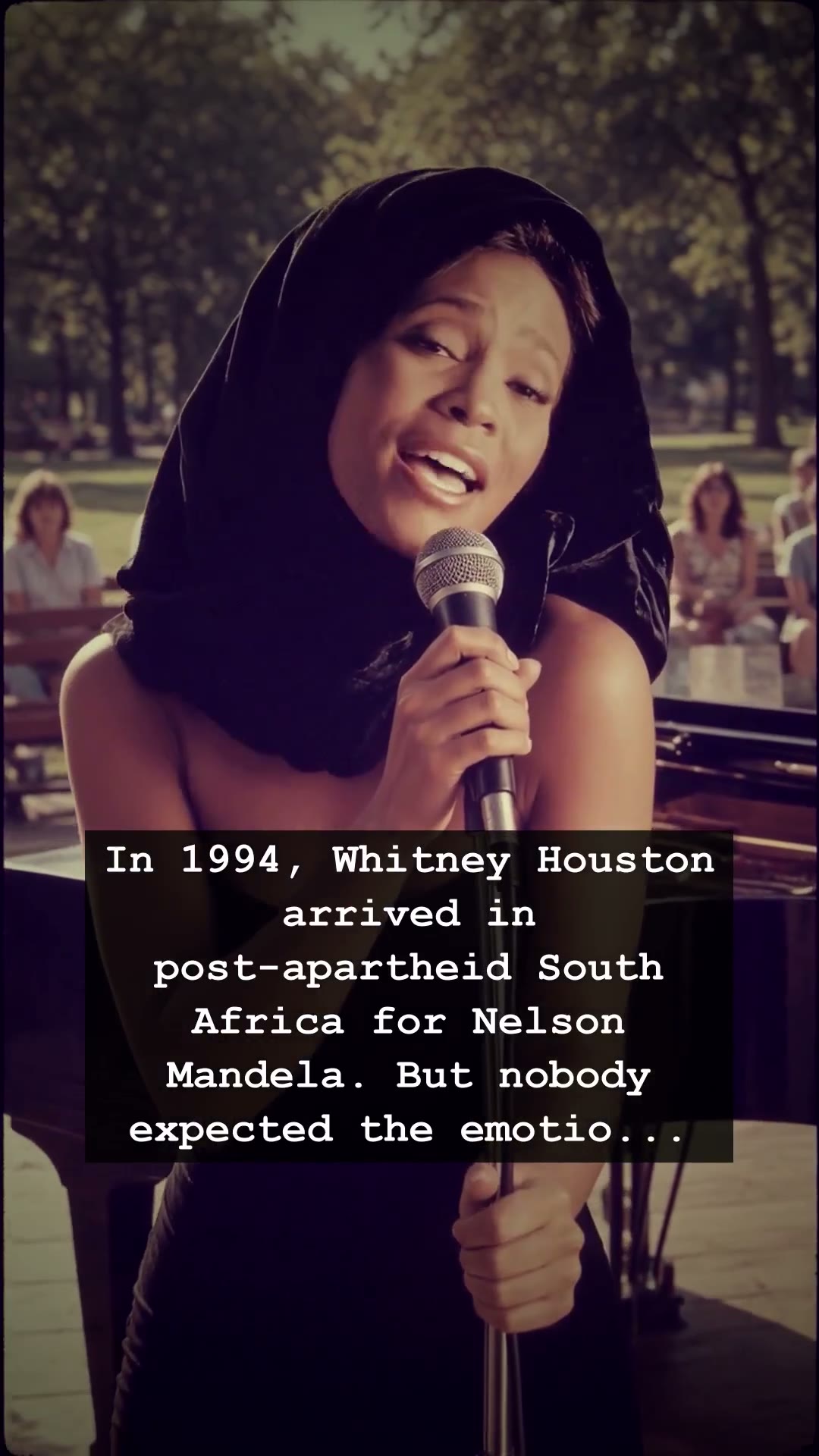
The air in Johannesburg was thick with the weight of history in 1994. Apartheid had finally crumbled, and the world was watching a fragile new South Africa breathe its first gasps of freedom. Amidst this backdrop of global tension and immense hope, one woman stepped onto the stage—a woman whose voice was not just a sound, but a symbol. Whitney Houston, at the absolute zenith of her vocal powers, arrived not as a pop star fulfilling a contractual obligation, but as a personal guest of Nelson Mandela. The stadium was electric, vibrating with the collective heartbeat of thousands who had spent decades under the shadow of oppression.

As the lights dimmed, the sheer gravity of the moment became palpable. This wasn’t a standard MTV broadcast or a polished arena tour stop; this was something far more spiritual. Whitney Houston stood before a sea of people who had been waiting a lifetime to feel heard. When she opened her mouth to sing, the sound that emerged was nothing short of a miracle. It was a soulful, crystalline delivery that seemed to cut through the past’s trauma, offering a bridge to a future that felt, for the first time, truly possible. In that moment, the glossy pop persona associated with the era of the Walkman and the Jukebox melted away, revealing a raw, unfiltered human connection.

Whitney Houston carried the weight of the moment with grace, her voice swelling to reach the back rows of the stadium. Critics often speak of her technical brilliance, but on that night in South Africa, her performance went beyond pitch and tone. It was a sonic healing process. Millions of viewers worldwide watched, held captive by the intensity of the scene. The spectacle served as a powerful reminder that music is the ultimate equalizer, capable of dissolving walls that politicians and treaties had failed to dismantle for decades. It remains one of the most poignant displays of artistic power in the twentieth century.

Decades later, the legend of Whitney Houston continues to be discussed in shades of both brilliance and tragedy. We remember her for the chart-topping ballads and the cinematic glitz of the nineties, but her involvement in the 1994 South African peace celebrations stands as her true artistic crown. It captures the essence of an artist who knew exactly when her voice could serve a higher purpose. The tension, the drama of a nation in transition, and the sheer audacity of her talent created a synergy that can never be replicated.

Today, we look back at this pivotal moment as a testament to why we still obsess over the icons of the past. Whitney Houston reminded us that music could be a lifeline. As we replay the grainy footage of that historic night, we aren’t just listening to a hit song; we are witnessing a singular moment where one woman’s talent anchored a nation’s history. It is a memory that remains etched in the collective consciousness of a generation, a shining beacon of what happens when a legend steps into the center of the world stage.

The Night Motley Crue Nearly Burned Down Hollywood: A Rock Legend

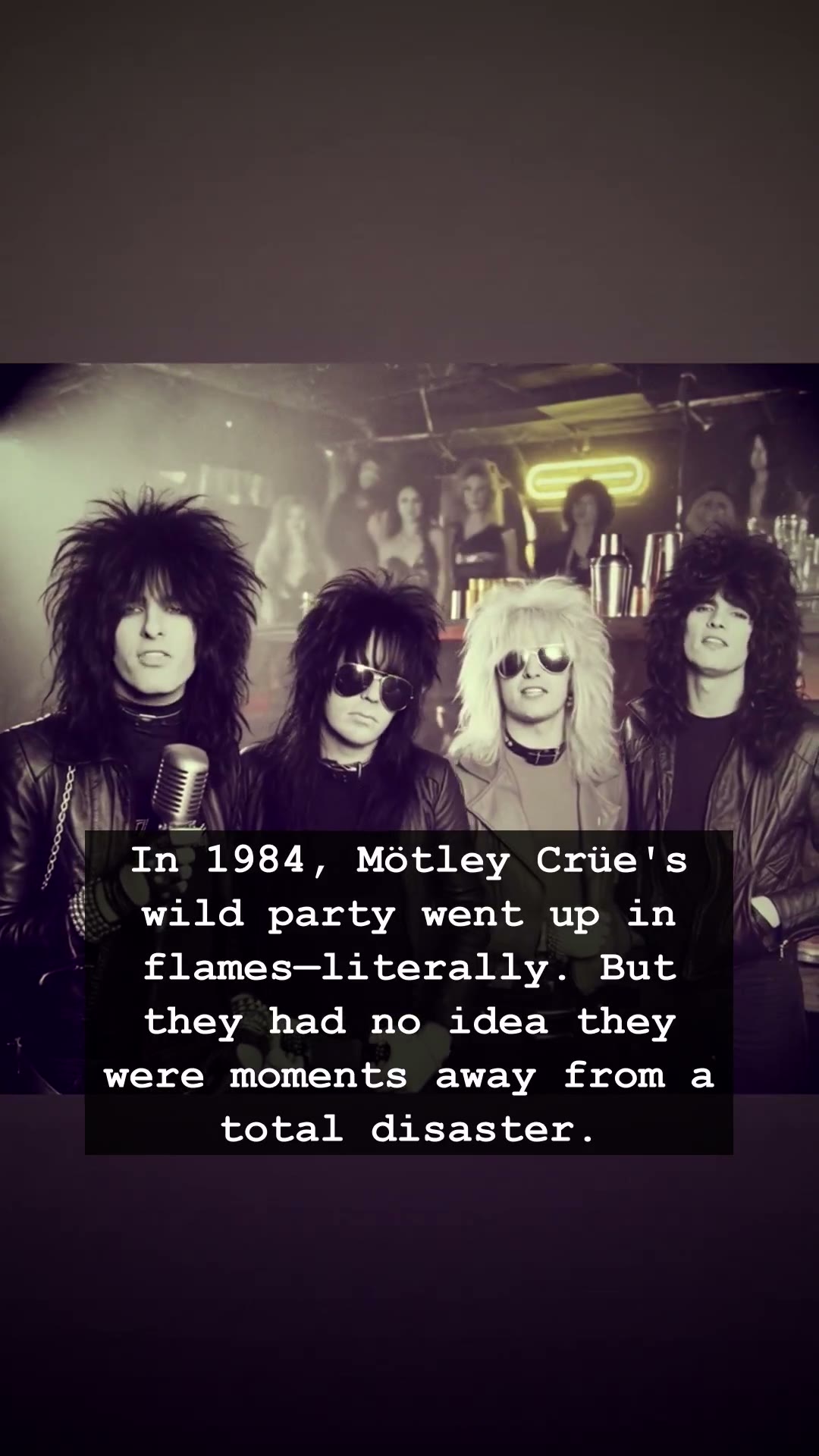
The year was 1984, a time when hair was teased to the heavens, leather pants were practically a second skin, and the Sunset Strip in Los Angeles was the pulsing heart of the musical universe. For Mötley Crüe, life was not just about the chart-topping riffs or the glitz of MTV; it was a relentless, high-octane blur of excess. They were the undisputed kings of the Sunset Strip, living with an audacity that made the rest of the world seem dull. But one humid L.A. night, the party moved from the clubs to the hotel suites, and the line between legendary rock status and total catastrophe vanished in a cloud of smoke and fire.

It started like any other wild gathering for Mötley Crüe, fueled by the era’s signature decadence. The members were at the peak of their notoriety, thriving in an environment where rules were merely suggestions. As the night spiraled into the early hours, a careless spark ignited a massive fire in their hotel suite. Within moments, the room was engulfed in flames, and the hallway turned into a terrifying corridor of heat and thick, choking smoke. While the band members were known for their indestructible personas, they were suddenly faced with the raw, unforgiving reality of a structure failing around them. The luxury of the hotel was momentarily forgotten as they scrambled to escape a disaster that nearly claimed their lives.

Looking back at that night, it serves as a vivid time capsule of the 1980s. Mötley Crüe represented the untamed id of the decade, a group that pushed every boundary until those boundaries physically fought back. It was a time when musicians lived as if they were immortal, shielded by the roar of stadium crowds and the constant validation of their massive, devoted fanbase. That fire was not just a close call; it was a dark turning point that illustrated the dangerous intersection of fame, substance, and pure, reckless youth. The story remains a staple of rock and roll lore, whispered in backstage alleys and etched into the history of American music.

What makes the Mötley Crüe story so enduring is the raw, unapologetic honesty about their own self-destruction. Unlike the polished acts of today, they lived their drama in the public eye, often embracing the chaos rather than hiding it. The fire of 1984 acts as a metaphor for their entire trajectory: brilliant, volatile, and perpetually on the edge of implosion. Decades later, when we revisit their discography, we are not just listening to songs; we are hearing the echoes of a period where rock icons felt like gods, even as they danced on the edge of the abyss.

Today, we look back at Mötley Crüe with a mix of awe and disbelief. The leather, the hairspray, and the sheer audacity of the eighties created a vacuum that no modern band has managed to replicate. As you turn up the volume on your favorite track tonight, take a moment to imagine the smoke and the chaos of that hotel floor in 1984. It is a reminder that rock and roll was never meant to be safe—it was meant to be dangerous, unforgettable, and burning with a fire that refuses to go out.

The Tragic Heartbreak Behind Billy Fury’s 1962 Velvet Vocal Masterpiece

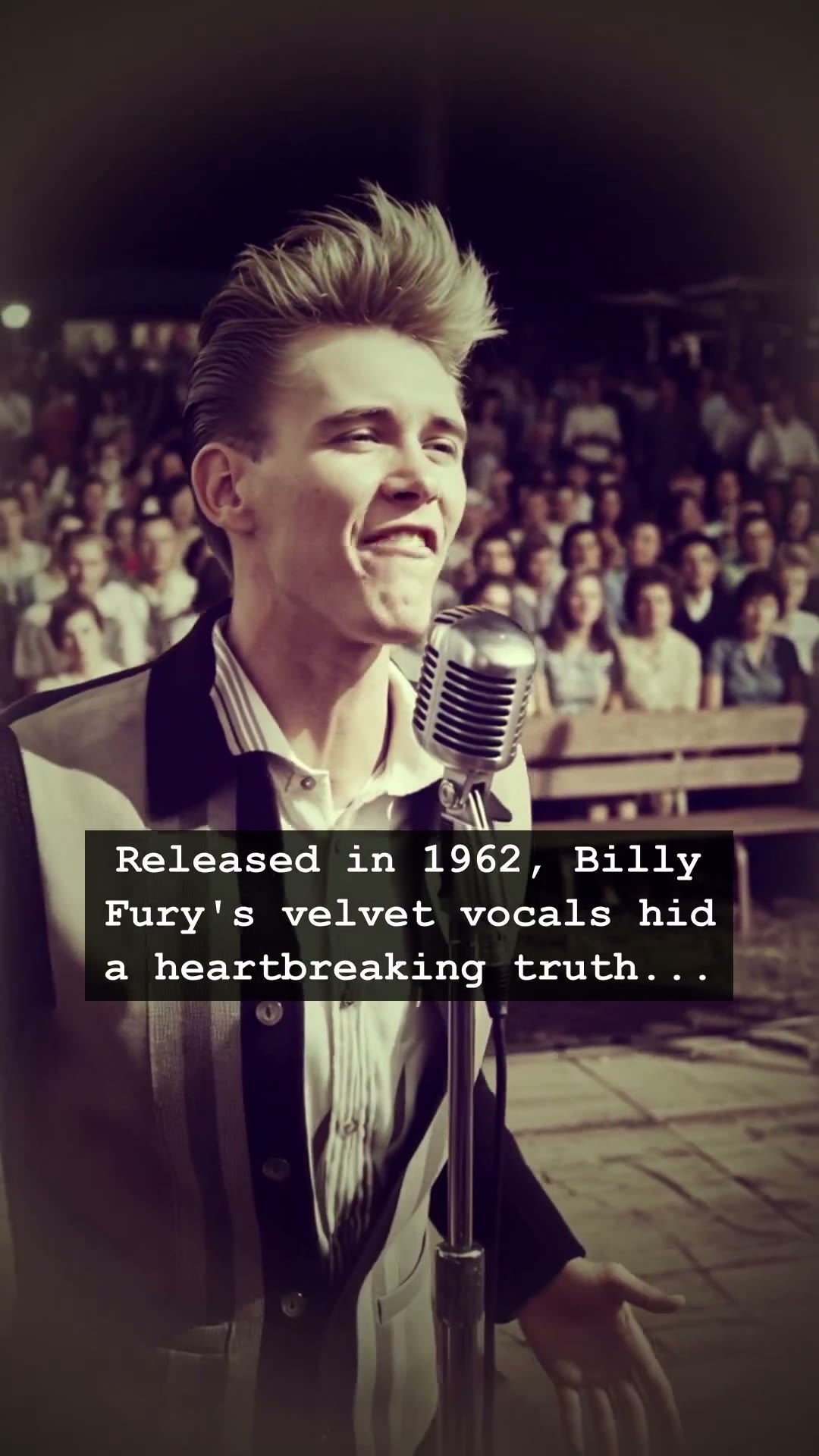
It was 1962, the year the world seemed to hold its breath. In the dimly lit corners of British dance halls and through the crackling speakers of suburban Jukeboxes, a voice emerged that sounded like liquid gold. Billy Fury, the Liverpool heartthrob who challenged the dominance of the Fab Four, was on the brink of superstardom. His velvet-smooth vocals captured the imagination of a generation, turning simple radio hits into anthems of longing and romance. Yet, for those who truly looked behind the polished stage lights and the slick pompadour hair, that signature croon carried a weight that was never meant for the public ear. The man who sang of undying love was living a life defined by a profound, echoing loneliness.

To understand the era, one must recall the frantic energy of the early sixties. This was a time when the world was shifting from the innocence of the fifties toward the radical liberation of the mid-sixties. Billy Fury stood right in the center of this cultural storm, a relic of the rock and roll rebellion struggling to maintain his balance. While his peers were building empires, Billy was grappling with a silent, relentless enemy that most of his fans knew nothing about. Beneath the tailored suits and the carefully crafted persona of the ultimate teen idol, he was a man physically and emotionally fragile, his health deteriorating in the shadow of a fame that demanded perfection at any cost.

His music from this period, particularly those haunting ballads released in 1962, serves as a time capsule of a man trapped between his public image and his inner turmoil. When you listen to his recordings today, there is a certain vulnerability in his delivery that sets him apart from the manufactured pop stars of his day. It was not just an act; it was the sound of someone pouring his fading vitality into every note. The romantic lyrics were the mask he wore, while the tremor in his voice betrayed the reality of a rising star who felt the clock ticking much faster than his contemporaries.

The tragedy of Billy Fury lies in the dichotomy of his existence. He was a pioneer of the British rock scene, a man who possessed a genuine, natural charisma that could make a stadium full of screaming fans go silent with a single look. Yet, he was also a man haunted by a delicate heart, literally and metaphorically. The demands of touring, the relentless pressure of the press, and the toxic glare of the spotlight only accelerated the strain on his health. He gave everything to the music, leaving behind a legacy of songs that feel just as intimate today as they did when they first drifted through the airwaves of a bygone era.

Even now, decades after his prime, the story of Billy Fury serves as a poignant reminder of the true cost of fame during the golden age of music. We often look back at the sixties through the rose-tinted lens of nostalgia, forgetting the real, breathing human beings who powered the era with their blood, sweat, and tears. He was more than just a face on a vinyl sleeve; he was a soulful messenger of melancholy. When his records spin today, the scratchy warmth of the needle reminds us that behind every iconic melody is a human story, often one marked by a quiet, heartbreaking strength.

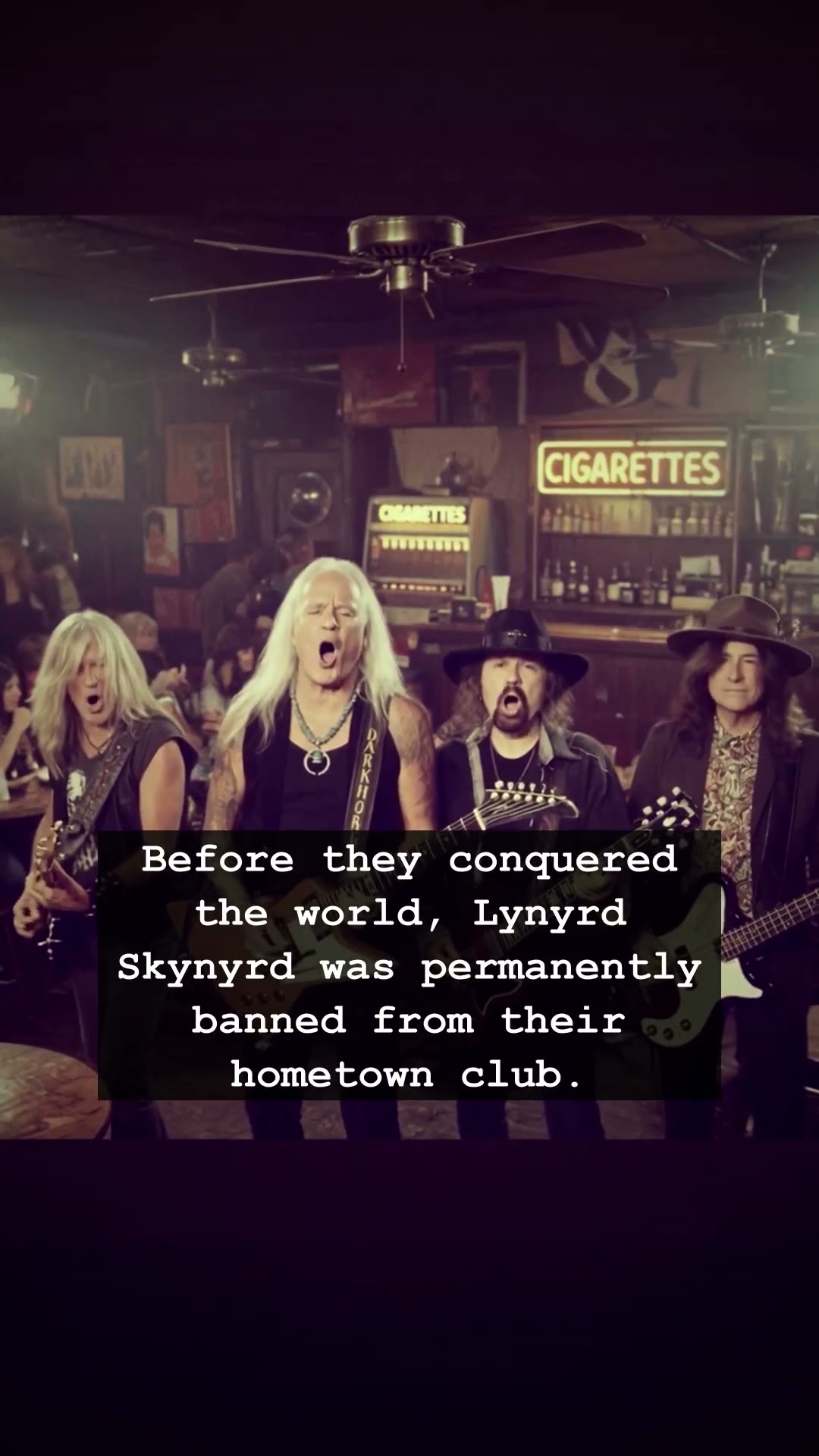
The Night Lynyrd Skynyrd Was Banned From Their Own Hometown Club

In the smoke-filled air of the early 1970s, long before the world knew the name Lynyrd Skynyrd, a group of young rockers from Jacksonville was already making a violent impact. They were hungry, they were loud, and they were, by all accounts, uncontrollable. While fans today remember them for the soaring guitars of Free Bird, the early days of Lynyrd Skynyrd were defined by shattered glass, splintered wooden chairs, and a relentless intensity that terrified the very people who were supposed to be hosting them. It is a legendary tale of Southern pride, raw grit, and the kind of chaotic behavior that effectively earned the band a permanent ban from their hometown haunt.

To understand the magnitude of this story, you have to picture the scene. The Jukebox era was fading, and the club circuit in Florida was a brutal landscape where bands had to fight for every inch of floor space. For Lynyrd Skynyrd, a performance was not just a concert; it was an act of defiance. Their live sets were fueled by a volatile mix of sweat, cheap beer, and an insatiable desire to be heard above the noise of daily life. The band members did not just play music; they inhabited it, often leaving the stage with as many bruises as they had applause. It was this absolute fury that made them local legends, but it was also exactly what made them a liability for any venue owner with a sense of self-preservation.

It happened on a night that has become folklore among the band’s most loyal followers. The air in the club was thick with the scent of tobacco and anticipation as the band tore through their setlist. According to local witnesses, the show dissolved into a chaotic brawl that spilled from the stage into the crowd. Equipment was smashed, the venue’s integrity was compromised, and when the dust finally settled, the owners had seen enough. Lynyrd Skynyrd was officially persona non grata. They were too wild for the local scene, a group of outcasts who refused to play by the rules of polite Southern society.

Looking back, this explosive reputation was merely the prelude to the global superstardom that would eventually follow. That same unbridled energy that got them banned from their local club is what translated into their massive sound and their iconic, defiant stage presence. They carried that Jacksonville grit with them as they transitioned from smoky dive bars to the massive stages of the mid-seventies. It was a time when rock and roll was dangerous, a time when the myth of the band was just as important as the notes they played.

Today, we look back at the rise of Lynyrd Skynyrd with a sense of profound nostalgia. They were the architects of a sound that defined a generation, yet they started as nothing more than a group of brawling kids who simply refused to be silenced. Their story serves as a reminder that the path to legend status is rarely clean or quiet. Even if you were never there to witness those early, destructive nights, the echoes of their rebellion remain in every chord. Pour yourself a drink, turn the volume up high, and let their music transport you back to a time when rock and roll was still fighting for its soul.

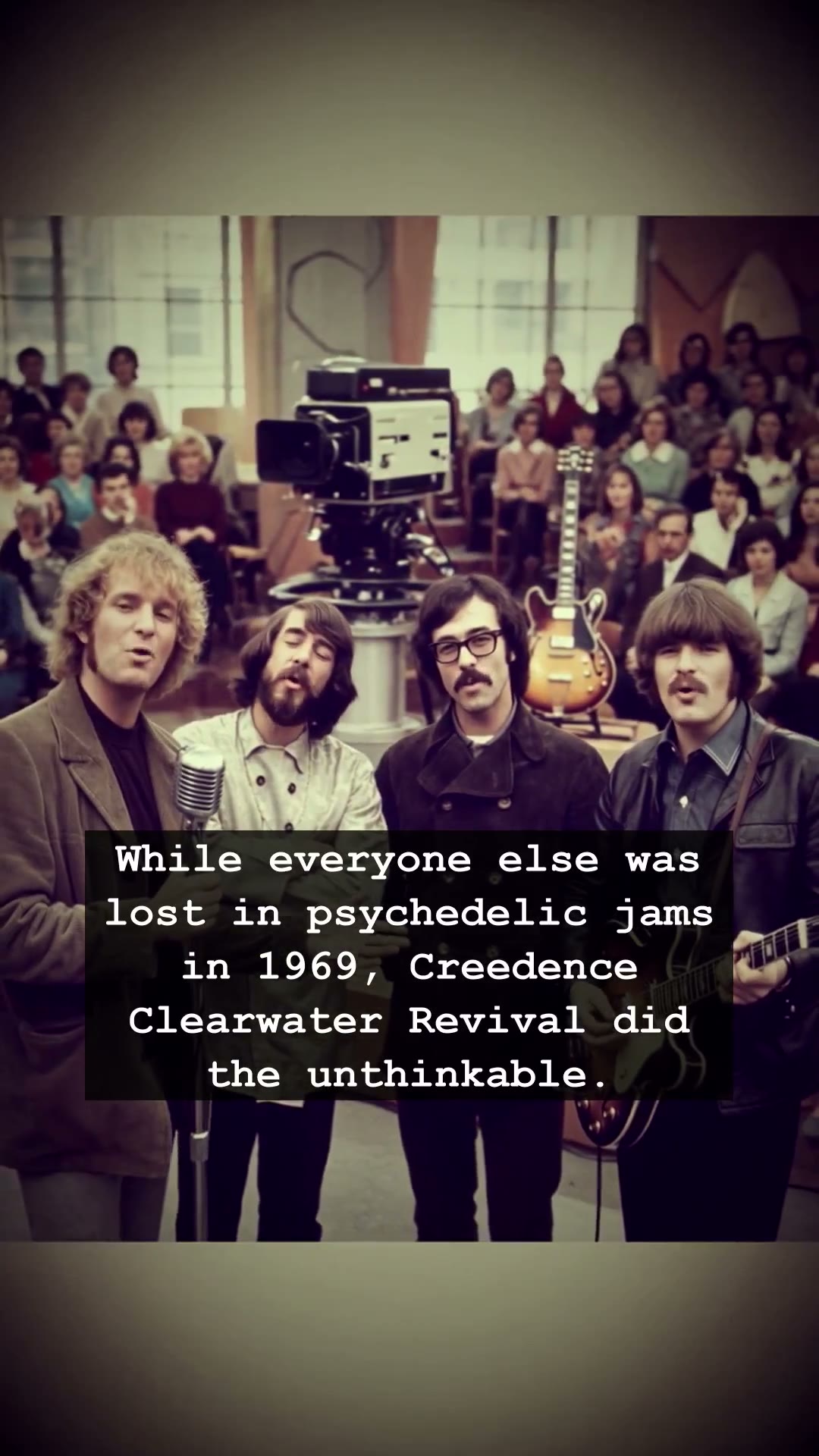
The Raw Truth: How Creedence Clearwater Revival Defied 1969 Psychedelia

In 1969, the air in the San Francisco Bay Area was thick with the scent of patchouli and the hazy, never-ending echoes of acid rock. While bands were busy indulging in twenty-minute guitar solos and cosmic explorations that felt like they were drifting into another dimension, four men from El Cerrito were doing something entirely different. Creedence Clearwater Revival looked at the kaleidoscopic madness surrounding them and chose a path that seemed almost defiant: they stripped it all back to the bone. With a grunt, a stomp, and a sharp, stinging riff, they reminded the world that rock and roll was never meant to be a philosophy lecture; it was meant to be a heartbeat.

John Fogerty, the band’s relentless architect, wasn’t interested in the flower-power movement. Instead, Creedence Clearwater Revival channeled the grit of the American South, despite never having lived there. They synthesized the swampy essence of blues, country, and rockabilly into something distinct, sharp, and dangerously catchy. While their peers were lost in psychedelic jam sessions, Creedence Clearwater Revival was crafting radio-ready anthems like Proud Mary and Fortunate Son. It was a bold aesthetic choice that felt like a cold splash of water in a room full of incense smoke, yet it resonated with millions who were craving something grounded.

Yet, the story of Creedence Clearwater Revival is far from the harmonious melody their hits might suggest. Behind the success lay a pressure cooker of creative control and growing resentment. John Fogerty’s obsessive perfectionism turned the band into a tightly wound machine, leaving little room for the other members to breathe or contribute. This internal tension was a dark, unspoken counterpart to their meteoric rise. As they conquered the charts and played the legendary stage at Woodstock, the band was already beginning to fracture. The very thing that made their sound so focused and punchy—Fogerty’s iron grip—was the catalyst for the inevitable burnout that would eventually tear them apart.

The irony remains that in an era obsessed with expansion, Creedence Clearwater Revival conquered the world through reduction. They captured the restless spirit of a generation caught between the idealism of the sixties and the harsh realities of the coming decade. Their music became the soundtrack of the Vietnam era, playing on portable radios and rattling the speakers of muscle cars across the country. Even today, when you hear that iconic opening lick of Bad Moon Rising, you are transported back to a time when music felt dangerous, urgent, and undeniably real.

Today, we look back at Creedence Clearwater Revival not just as a band, but as a lightning rod for the complexities of fame and artistic integrity. They proved that you didn’t need to be part of the establishment or the counter-culture status quo to make history; you just needed to play the truth with enough conviction that no one could look away. Their catalog remains a testament to the power of simplicity, reminding us that even amidst the loudest trends, the most authentic voice is the one that stays true to its own rhythm.

The Haunting 1962 Quincy Jones Score That Redefined Television Suspense

It was 1962, a year defined by the cool elegance of mid-century aesthetics and the rising tension of a world on the brink. While the Jukeboxes in diners were spinning the upbeat rhythms of early pop, a different kind of sound was brewing in the dark corners of a recording studio. Quincy Jones, already a visionary arranger, was handed a task that would alter the trajectory of television history. He was asked to craft a score for an eerie, suspense-filled production, and in doing so, he created a sonic landscape that felt like a cold breeze against the back of your neck. Viewers at home, huddled around their glowing television sets, had no idea that they were being introduced to a new language of fear, one written by the masterful hands of Quincy Jones.

Before he became the titan who would later produce the biggest-selling albums in history, Quincy Jones was a man obsessed with the architecture of sound. He understood that suspense is not just about what you see on the screen, but what you feel in the silence between notes. In 1962, television was a burgeoning medium, often relying on melodramatic or literal scores. Quincy Jones chose a more sophisticated, avant-garde path. He experimented with dissonant strings and haunting woodwinds, layering textures that burrowed deep into the subconscious. This wasn’t just background noise; it was an active participant in the storytelling, turning mundane scenes into moments of genuine dread.

The industry was shocked by the depth of emotion he extracted from a limited orchestral arrangement. Back then, before the dawn of synthesizers and modern digital production, everything was captured live. The tension in the studio was palpable as the musicians leaned into the complex, brooding movements Quincy Jones had composed. He didn’t just write music; he designed atmospheres. It was this meticulous attention to detail that transformed a standard broadcast into a cinematic experience, proving that Quincy Jones could command the listener’s nervous system with the subtle flick of a baton.

Looking back from our modern era, where the Walkman and MTV have long since codified the relationship between image and sound, it is easy to forget how radical this approach was. The legacy of that 1962 project remains a testament to the fact that Quincy Jones was always decades ahead of his peers. He brought a sense of jazz-infused noir to the living room, bridging the gap between high-art composition and mass-market entertainment. His work during this period reflects the underlying anxieties of a nation transitioning into the uncertainty of the mid-sixties.

Even today, the influence of those early, haunting scores can be heard in the DNA of contemporary thriller soundtracks. When we revisit these vintage recordings, we aren’t just listening to music; we are touching the very foundations of suspense. The genius of Quincy Jones wasn’t just in his ability to write a hit, but in his rare capacity to articulate the unseen and the unspoken. As the needle drops on those dusty, vintage tapes, we are reminded that some masters don’t just follow the trends—they define the very way we perceive the dark.