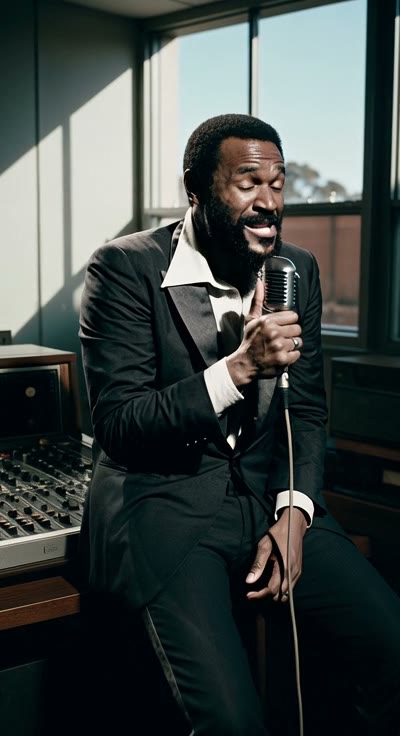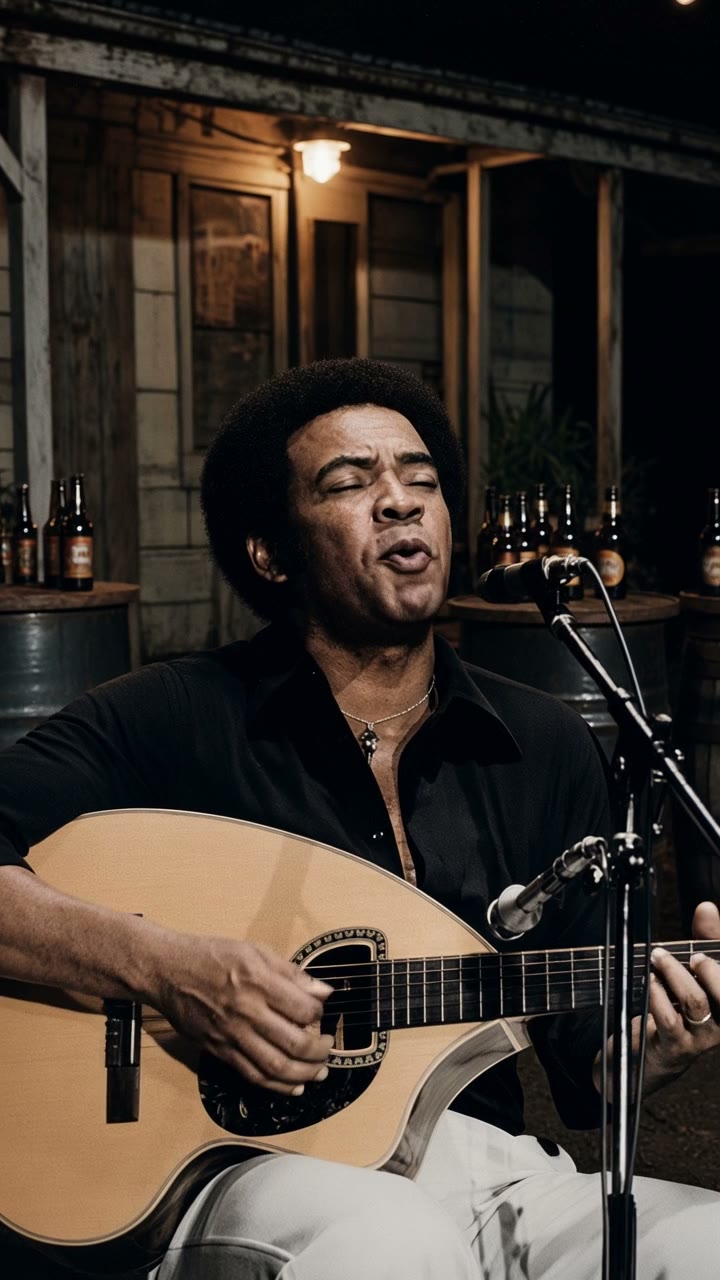
Lucky Starr and the Blistering Aussie Song That Stole the Show

Cast your mind back to 1962, a time when our airwaves were filled with the crackle of transistor radios and the promise of a big night down the local pub. It was a golden era for Aussie music, and right at the centre of the chaos was a bloke named Lucky Starr. You might remember him as the man who turned a map of the country into a frantic, high-octane masterpiece. His hit, I’ve Been Everywhere, didn’t just climb the charts; it became a national obsession, etched into the memories of every Aussie who ever hit the road.

Most folks reckon it was an easy ride, but the truth behind the tune is a real cracker. Lucky Starr had to wrap his tongue around a dizzying list of tongue-twisting town names in a mad dash that would leave most of us breathless. It was a brutal challenge, a lyrical marathon that demanded perfect timing and a fair bit of grit. He had to deliver those names with such pace and precision that it felt like he was driving a ute down a corrugated dirt track at breakneck speed. Watching him perform it, you couldn’t help but marvel at how he managed to keep his cool while the backing band pushed him to the limit.

The genius of the track was its absolute simplicity wrapped in a complex delivery. By the time he hit the final notes, Lucky Starr had managed to capture the restless spirit of a nation constantly on the move. Whether you were out west in the middle of nowhere or living it up in the city, the song struck a chord. It wasn’t just another pop record; it was a geography lesson delivered with a cheeky grin and a whole lot of swagger. It is the kind of tune that still gets a crowd singing along today, bringing back memories of a time when the world felt a little bit larger.

I often realise that we do not give enough credit to artists like Lucky Starr for the way they shaped our cultural identity. Back then, we were still finding our feet, trying to realise what it meant to have an Australian sound that could stand tall against the international giants. He proved that an Aussie boy with a quick wit and a sharp tongue could hold his own. It remains a firm favourite for anyone who appreciates the sheer audacity of 1960s rock and roll, proving that a song about a list of towns can carry more heart than a love ballad ever could.

Looking back, it is truly staggering how much the landscape of our music has shifted, but that raw energy of the pub rock scene remains buried deep in our DNA. We still love a bit of drama, a good story, and a performer who isn’t afraid to take a risk. Lucky Starr gave us all that and more. So next time you find yourself humming those familiar, rapid-fire lyrics, have a thought for the man who turned a tough challenge into a timeless classic. It really is a bit of a legend, isn’t it mate?
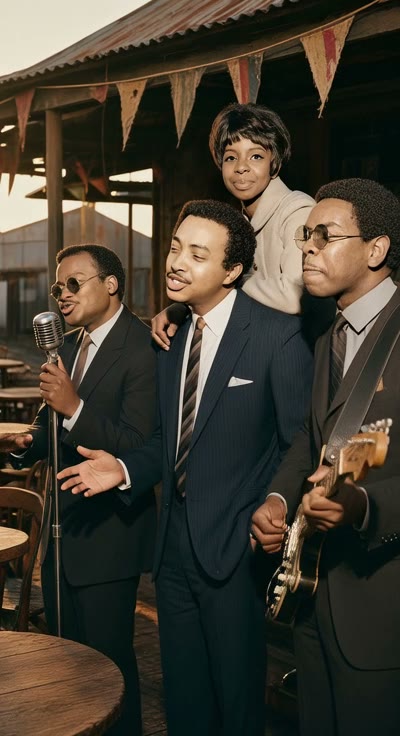
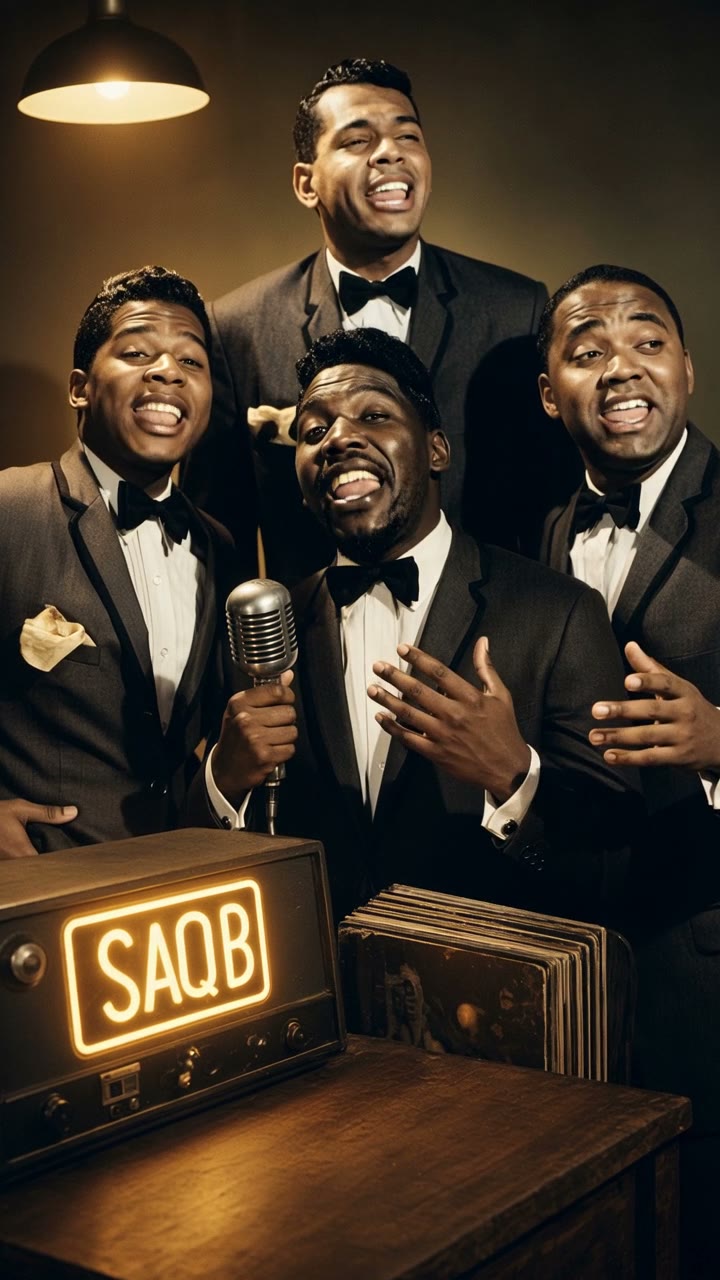
The Motown Hit Gladys Knight and the Pips Nearly Lost Forever

It was 1967, a time when the crackle of a 45rpm record on a home turntable was the heartbeat of American culture. Across the nation, from the humid streets of Detroit to the living rooms of suburban America, the soul-stirring voice of Gladys Knight and the Pips was beginning to define the era. They had just walked into the studio to record what would become their signature masterpiece, I Heard It Through the Grapevine. It was a track pulsating with raw emotion and a rhythmic urgency that perfectly captured the spirit of the Motown sound, yet the world almost never heard a single note of it.

Behind the velvet curtains of the legendary Motown hit-factory, the atmosphere was thick with tension. Berry Gordy, the visionary yet notoriously perfectionist founder of the label, held the power of a king over his stable of stars. When he first heard the arrangement Gladys Knight and the Pips had crafted, he was unimpressed. He loathed the production, believing it lacked the commercial polish required to dominate the charts. In a moment of cold, executive indifference, he nearly locked the master tapes in a vault, intending to bury the song forever and force the group back into the studio to chase a different sound.

Fortunately, the infectious energy of the track was too potent to be silenced. Against the wishes of the label hierarchy, the song leaked to radio DJs who recognized the magic instantly. The public response was immediate and overwhelming. It didn’t just climb the charts; it shattered records, becoming the fastest-selling single in Motown history at that time. Gladys Knight and the Pips had proven that their artistic intuition was more accurate than the calculated guesses of the boardroom. The song became a permanent fixture in the soundtrack of the late sixties, echoing through transistor radios and vibrating the floors of community dance halls.

This near-disaster highlights the fragile nature of fame and the often-volatile relationship between artists and the machinery behind them. In an era before streaming and digital convenience, music felt like a tactile relic. To hear this track was to participate in a cultural phenomenon, a shared experience etched into the grooves of vinyl. Gladys Knight and the Pips brought a level of sophisticated grit to their delivery that made the paranoia and heartbreak of the lyrics feel deeply personal to every listener grappling with their own secrets.

Decades later, the legacy of Gladys Knight and the Pips remains untarnished. Their triumph with Grapevine serves as a reminder that the most authentic art often thrives in the face of institutional doubt. As we look back through the lens of nostalgia, listening to the interplay of their gospel-inflected vocals, we aren’t just hearing a song; we are hearing a narrow escape. It is a piece of history that survived the vault to become a timeless anthem of soul. Next time you drop the needle on this classic, remember that you are listening to a moment that very nearly vanished into the shadows of Motown lore.

The Tragic Secret Behind The Drifters and Their Joyful Summer Anthem

In the golden era of 1964, a sun-drenched melody began playing on every transistor radio and jukebox across America. It was the sound of pure, unadulterated summer: The Drifters and their iconic track, Under the Boardwalk. To the millions of teenagers dancing on the sand, it was the ultimate anthem of romance and seasonal freedom. But behind the shimmering strings and the effortless harmonies lay a chilling reality that would have shattered the hearts of their fans had they known the truth. The story of The Drifters is not just one of musical triumph, but a haunting narrative of profound loss and the brutal, mechanical demands of the music industry in the mid-sixties.

Only hours before the band was scheduled to step into the recording studio to immortalize this masterpiece, the news broke like a thunderclap. Rudy Lewis, the soulful lead singer who had been the backbone of the group, was found dead. He was only twenty-seven years old. The circumstances surrounding his sudden departure left the remaining members of The Drifters in a state of absolute shock and grief. They were paralyzed by the trauma, mourning a brother and a friend, yet they were caught in the unforgiving machinery of a record label that cared far more for release dates than the sanctity of human life.

With the studio already booked and the clock ticking, the grieving band members were forced to make a gut-wrenching decision. Under intense pressure, they returned to the studio the very next morning. The result was one of the most jarring juxtapositions in music history. These men, struggling to process a devastating tragedy, had to stand before microphones and pour every ounce of their talent into a track that epitomized the carefree spirit of summer. When you listen to Under the Boardwalk today, try to hear past the polished production. There is a weight in those vocal harmonies, a lingering tension that reflects the true, hidden cost of their fame.

This era of music was defined by the transition from the innocence of the fifties to the more complex, often darker realities of the late sixties. The Drifters had navigated countless lineup changes before, but the loss of Rudy Lewis remains their most painful chapter. It highlights the dark side of the spotlight during an age where musicians were often treated as disposable commodities rather than human beings. The contrast between the breezy, lighthearted lyrics and the mourning hearts of the performers remains a testament to the sheer professionalism and endurance required of artists in that period.

Today, we look back at the legacy of The Drifters with a mix of awe and melancholy. Their songs are the soundtrack to our collective nostalgia, echoing from the drive-ins and boardwalks of a vanished America. By understanding the shadow that hung over their greatest hit, we appreciate the music on a deeper, more human level. Next time you hear those opening notes, remember the men who stood in the darkness so that we could enjoy the light of their song.

From Homelessness to Legend: The Heartbreaking Journey of Charlie Wilson

In the mid-1990s, the neon lights of Hollywood Boulevard cast long, unforgiving shadows. For most, the street was a pathway to fame, a concrete jungle where dreams were manufactured by the industry. For Charlie Wilson, however, it was a cold, hard floor. As the iconic frontman of The Gap Band, he had once commanded massive crowds and dominated the radio waves with funk-infused anthems that defined an era. Yet, by the mid-nineties, the man who sang ‘You Dropped a Bomb on Me’ was invisible, drifting through the darkness while clutching a cardboard box for shelter. It is a haunting image that serves as a grim reminder of how quickly the spotlight can fade.

The decline did not happen overnight. The music industry, much like the changing tides of the decade, was shifting rapidly. As the golden era of funk gave way to the grittier, raw sounds of Grunge and the burgeoning movement of Gangsta Rap, veterans of the 1970s and 80s were often discarded like yesterday’s news. Charlie Wilson fell victim to the treacherous intersection of professional isolation and a deep struggle with addiction. The drugs that he once associated with the party culture of the disco era eventually consumed his reality, stripping away his home, his dignity, and his connection to the world of music that had defined his soul.

Walking down the boulevard, tourists and locals alike passed him by without a second glance. The man whose voice was etched into the grooves of vinyl records in millions of households was reduced to a ghost in the machine. It is one of the most sobering stories of the twentieth century, reflecting the dark underbelly of fame that rarely makes it into the glossy magazines of the time. The transition from the high-energy funk of the Jukebox generation to the silent isolation of a cardboard box on the street is a story of profound human resilience that feels almost cinematic in its tragedy.

Yet, the story of Charlie Wilson did not end in that alleyway. His path to redemption is as miraculous as his fall was devastating. With the support of people who truly saw him for the legend he was, he checked into a rehabilitation center and began the painstaking work of reclaiming his life. This was not a quick fix; it was a slow, deliberate reconstruction of a spirit broken by the industry and his own choices. He had to trade the substances for melodies and the street lights for the recording studio, slowly reminding the world that his voice was far from silenced.

Today, when we look back at the trajectory of Charlie Wilson, we are witnessing a testament to the enduring power of the human spirit. His comeback did not just shock the world; it reshaped the landscape of modern R&B and cemented his legacy as a true survivor of the music industry. His journey from the depths of homelessness to the heights of renewed stardom serves as an enduring reminder that no matter how dark the night, the music—and the man behind it—can always find a way to return to the light.

The Million Dollar Mistake Behind Bob Seger’s Old Time Rock and Roll

It was 1978, the era of the high-energy jukebox, and Bob Seger was on the precipice of global superstardom. The airwaves were saturated with disco fever and the rising tide of FM radio rock. In the middle of this musical landscape, a song was crafted that would become the quintessential anthem for every American bar, high school reunion, and wedding reception for decades to come. That song was Old Time Rock and Roll. Yet, beneath the infectious piano riff and the gritty, soulful delivery that defined Bob Seger, there lies a tragic tale of a business decision that turned into a legendary financial regret.

Most fans remember the scene from Risky Business where Tom Cruise slides across the floor in his socks, but the real drama happened months earlier in a dim studio. During the recording sessions, Bob Seger felt the original verses were missing something essential. He took the initiative to rewrite them, adding that signature blue-collar grit he was known for. However, in an act of artistic humility that would haunt his bank account for years, he famously gave away his songwriting credits to the song’s original writers. At the time, it seemed like a generous gesture among collaborators, but he had no idea that this single stroke of his pen would eventually cost him millions in potential royalties.

Bob Seger did not just create a hit; he captured the lightning of a cultural shift. By the time the track hit the airwaves, MTV was just around the corner, and the world was hungry for the raw, authentic sound that Bob Seger provided. The song became a permanent fixture of the American consciousness, outliving the fleeting trends of the eighties and nineties. Every time a stadium roared or a jukebox played that iconic opening chord, the song grew in value, solidifying its place in the pantheon of classic rock, while the man who perfected it remained sidelined from the massive mechanical royalties that followed.

Looking back, this story serves as a poignant reminder of the volatility inherent in the music industry during the golden age of rock. It was a time when contracts were often signed in smoke-filled rooms, and artists were driven more by the pursuit of the perfect sound than the protection of their intellectual property. The irony is not lost on history: Bob Seger provided the soul of the track, yet the business logistics of the late seventies left him without the fortune that his massive talent clearly deserved.

Today, Old Time Rock and Roll remains a timeless piece of Americana, a song that bridges generations and brings people to their feet. Even with the bitterness of that financial loss, Bob Seger remains a titan of the genre, his legacy unblemished by the mistake. It is a classic tale of a legendary performer who gave the world everything he had, even if he didn’t keep the change. The next time you hear that familiar piano, remember that you are listening to one of music’s greatest lessons on the true cost of greatness.

The Rolling Stones: How a Censored Hit Became a Legendary Masterpiece

In 1967, the airwaves were not the bastion of free expression they are today. The Rolling Stones, already known as the wilder, grittier alternative to The Beatles, found themselves caught in a moral firestorm that threatened to derail their career. Their single, Let’s Spend the Night Together, was deemed too risqué for conservative radio stations across America. With its suggestive lyrics and the band’s growing reputation for reckless behavior, the song faced a systematic blackout. It seemed for a moment that the establishment might finally silence the boys from London, but history had a much more rebellious path in mind for them.

As the controversy raged, something peculiar happened inside radio studios from coast to coast. Rather than letting the silence consume the airtime, defiant DJs looked at the vinyl record, flipped it over, and decided to play the B-side instead. They dropped the needle on Ruby Tuesday, an introspective, melancholic ballad that stood in stark contrast to the aggressive energy of their banned single. What started as an act of compromise transformed into an accidental stroke of genius. The song was a haunting, ethereal masterpiece that captured the fleeting nature of romance, resonating deeply with a generation navigating the turbulent cultural shifts of the late sixties.

This unexpected pivot turned into a runaway success, catapulting The Rolling Stones to the top of the charts and proving that their talent was far more versatile than their critics dared to admit. While the moral guardians of the era wanted the band to fade away, they instead cemented their status as true icons of rock and roll. The incident highlighted the double-edged sword of the era; while the conservative establishment held the keys to the radio, the music itself proved too powerful to be contained. For fans listening on their bedside transistors or in the glow of a crowded jukebox, this moment became a quintessential chapter in the band’s storied legacy.

Looking back, the success of Ruby Tuesday is a reminder of a time when the friction between artists and the mainstream fueled some of the greatest music ever recorded. The Rolling Stones existed in a world of high stakes, where every scandal and every banned track only added to their mythic appeal. They were the architects of a sound that defined a generation, and their ability to pivot during that 1967 standoff showcased the sheer grit that kept them relevant for decades to come.

Today, the story of how that record was flipped remains a fan favorite, a testament to the unpredictable magic of the vinyl era. It serves as a gentle reminder that even when the powers that be try to dictate the rhythm, the truth of the music almost always finds a way to reach the listener. The Rolling Stones did not just survive the censorship of the sixties; they thrived, turning every barrier placed in their path into a stepping stone toward immortality. As you drop the needle on your favorite vintage track today, remember that every classic has a hidden story waiting to be told.

The Secret Love Behind Marvin Gaye’s Haunting 1978 Alimony Masterpiece

Imagine the scene: it is 1978, the decade of excess, disco balls at Studio 54, and the smooth, synthetic hum of a changing musical landscape. Marvin Gaye, the Prince of Soul, was spiraling. His marriage to Anna Gordy—sister of Motown mogul Berry Gordy—had collapsed into a bitter, public, and financially ruinous divorce. A judge had ordered him to pay alimony, specifically stipulating that all royalties from his next album must go directly to his ex-wife. It was a creative shackles that should have stifled anyone, yet it birthed one of the most hauntingly beautiful records in the history of soul music.

The world knew the album as Here, My Dear, a brutally honest documentation of a failed marriage. But while the public bought the records to hear the laundry list of domestic grievances and the agony of a broken home, they were missing the secret pulse of the studio. Marvin Gaye was not just looking back at the wreckage of the past; he was looking forward into the arms of a new, illicit love. Tucked away within those grooves was a secret message, a quiet tribute to the woman who was actually fueling his creative survival during his darkest hour.

There is a specific, eerie tension in the way Marvin Gaye layered his vocals during these sessions. You can hear the exhaustion, the resentment, but also a sudden, soaring pivot toward passion. It was an act of defiance. By turning his alimony sentence into a masterpiece, Marvin Gaye effectively reclaimed his narrative. He transformed a legal document into a diary of desire, hiding his new flame in plain sight while the world focused on the drama of his divorce. This was the era of the soul man as a tragic hero, a figure who could bleed on a track and make the audience dance, or cry, or wonder what secrets lay behind the lyrics.

Why does this story still resonate in our streaming age? Because it captures the raw, unfiltered humanity of a legend. When you listen to a track from that era, whether through a crackling vinyl or a digital file, you are hearing the sound of a man trying to outrun his demons. The production value is unmistakably late 70s, featuring those lush, atmospheric arrangements that defined the shift from early Motown grit to the polished soul of the new decade. Marvin Gaye was the bridge between those two worlds, and his ability to pour his volatile personal life into his art remains unmatched.

Decades later, the mystery of the secret dedication still lingers like smoke in an old recording studio. It reminds us that behind every legendary track, there is a human being dealing with the same heartbreaks, bills, and illicit loves that we all face. Marvin Gaye did not just record songs; he recorded his soul. As the needle hits the groove, remember that the music you hear was never just about the alimony—it was about the secret life he lived, and the love he kept hidden in the shadows of fame.

The Terrifying True Story Behind Lynyrd Skynyrd’s Greatest Southern Rock Anthem

In 1973, the air in a humid Florida dive bar was thick with cigarette smoke and the smell of cheap bourbon. Ronnie Van Zant, the hard-nosed frontman of Lynyrd Skynyrd, was never one to back down from a fight, but he had no idea that a simple night out would spiral into a life-or-death confrontation. Most people know the soaring guitar solos and the iconic melody that would eventually define Southern Rock, but few know that the grit in their music was born from real-life survival. Before the stadiums and the platinum records, the band was just a group of street-hardened musicians living on the edge, and on this particular night, a dance triggered a standoff that nearly erased a rock legend before he even hit his peak.

As the story goes, a casual dance floor interaction turned sour when a local tough, fueled by arrogance and resentment, decided to take offense at Ronnie’s presence. It escalated in seconds. One moment they were swaying to the music, and the next, a cold steel barrel was pressed firmly against Van Zant’s chest. The tension was palpable; the room went silent as the threat of violence hung in the air like a heavy storm cloud. It was a moment of pure, unadulterated terror—a brush with mortality that would forever stain the way the band viewed the fragility of their own fame. For a man who wrote lyrics about the harsh realities of the South, this wasn’t just another tale for a song; it was the chilling reality of the life they were leading.

Lynyrd Skynyrd was never a band to sugarcoat the truth, and this encounter served as a brutal reminder of the world they were navigating. The transition from local bar-room brawlers to international icons was fraught with these kinds of explosive encounters. While the media often painted them as the bad boys of rock, the reality was a constant struggle to maintain their identity while surrounded by the chaos of the seventies music scene. This specific incident remained a well-kept secret for years, tucked away from the glossy interviews and the promotional tours that defined their rise to superstardom.

Why does this story matter decades later? Because it captures the raw, dangerous pulse of the era. The music of Lynyrd Skynyrd resonates today because it wasn’t manufactured; it was forged in the fire of real, often frightening, experiences. Every chord struck and every word sung carried the weight of that gun against the chest. It reminds us that behind the legend, there was a man who lived through the very drama he sang about. It is the hallmark of a true classic—when the story behind the art is just as haunting as the music itself.

As we look back at the golden age of Southern Rock, we find that the shadows are just as important as the spotlight. The grit, the scandal, and the survival instinct of Lynyrd Skynyrd helped cement their legacy as the definitive voice of a generation. If you listen closely to their hits today, you can hear the echoes of that dark night in the bar, a testament to a time when rock and roll was less about celebrity and more about pure, unfiltered survival.

The Night Rick James Nearly Lost His Super Freak Masterpiece

In the sweltering heat of a 1981 recording session, Rick James stood in the studio, clutching a bass riff that felt like electricity trapped in a bottle. To the engineers behind the glass, the sound was chaotic, aggressive, and frankly, too unorthodox for the sanitized, velvet-gloved radio waves of the early eighties. They whispered that it would never find an audience. They were wrong. What Rick James was holding wasn’t just a track; it was a rhythmic grenade that would eventually shatter the boundaries of R&B and ignite a global dancefloor revolution that forever changed the sound of the decade.

At the height of the post-disco hangover, when mainstream pop was clinging to safe, polished arrangements, Rick James arrived like a whirlwind of leather and bravado. He was the king of the punk-funk revolution, a man whose persona was as unpredictable as the drum patterns he crafted. As the tapes rolled, Rick James refused to dilute his vision to appease label executives who wanted something more radio-friendly. He demanded grit, he demanded funk, and most importantly, he demanded a groove that made listeners lose their inhibitions. Little did the naysayers know, they were watching the birth of a cultural touchstone.

When the track finally hit the airwaves, it didn’t just climb the charts; it invaded them. It was a time when the Jukebox was the heartbeat of every club from Los Angeles to New York. Across the country, the song became the anthem of a generation that was ready to trade in the glitter of Studio 54 for something darker, funkier, and undeniably more human. Rick James possessed an uncanny ability to tap into the raw, base desires of his listeners, turning a simple, thumping bassline into a mantra for those living on the edge of stardom and scandal.

The genius of Rick James lay in his refusal to conform. His life was a dizzying pendulum of extreme highs and crushing lows, a narrative often defined by the very excess he sang about. Yet, in the studio, he was a meticulous architect of sound. Behind the outrageous costumes and the larger-than-life public image, there was a brilliant musician who understood that true art often requires a touch of the unorthodox. That 1981 recording is a testament to the fact that when you follow your gut, you don’t just create a hit; you carve your name into the bedrock of music history.

Decades later, the legacy of Rick James still echoes through the modern soundscape. Whether it is sampled in hip-hop records or played as a nostalgic centerpiece at weddings, the infectious energy remains untouched by time. It reminds us of a raw, analog era where music was captured on magnetic tape and brought to life through pure, unadulterated passion. As we look back at the chaotic brilliance of the eighties, it is impossible to ignore the man who dared to be too much for the radio. Rick James didn’t just give us a song; he gave us permission to be our own kind of freak.

The Secret Life of Bill Withers: Why A Gold Record Wasn’t Enough

In 1971, while the world was vibrating to the sounds of the Vietnam War protests and the changing tides of the American airwaves, a singular, haunting voice emerged from the shadows. Ain’t No Sunshine arrived like a soft tremor, a soulful masterpiece that would soon define the era. Yet, as the song climbed the Billboard charts and Bill Withers found his name etched in gold, something peculiar was happening in the industrial heart of Los Angeles. While radio stations across America played his melancholic ballad on loop, Bill Withers didn’t head to a mansion or a limousine. Instead, he punched his time card at a local factory, methodically installing toilet seats for planes, clinging to the reality of his nine-to-five existence as if the superstardom gripping the nation were merely a dream he wasn’t quite ready to believe in.

It is difficult for us to imagine that level of humility in today’s age of influencer culture and constant digital surveillance. But for Bill Withers, the factory floor was a sanctuary from the volatility of the music industry. He was a man who came to fame late, at age thirty-two, having spent years as a naval aircraft mechanic. To him, music was a raw expression of human experience, not a path to escape his working-class identity. He knew the grit of honest labor better than the hollow glitz of the studio. When he walked through the factory gates, he wasn’t the man behind the haunting vocals that made the world cry; he was just a man doing a job.

This groundedness was the secret ingredient that made Bill Withers so profoundly relatable. In an era dominated by the theatricality of Glam Rock and the escapism of early Disco, he stood apart. He wasn’t trying to sell an image or a lifestyle; he was selling the truth. When he sang about love, loss, and the loneliness of a departing companion, he spoke to the weary souls working the assembly lines and the suburban families listening to their radios in the dark. He carried the weight of the common man in his baritone, a stark contrast to the emerging excess of the seventies.

Eventually, the pressure of his soaring career forced him to leave the assembly line, but Bill Withers never shed that worker’s perspective. His music remained a testament to the beauty found in simplicity and the dignity of the ordinary. He remained fiercely protective of his autonomy, often walking away from the music business entirely when it began to infringe upon his internal peace. It is a rare, almost mythical trait that makes his legacy feel more authentic with every passing decade.

Today, as we look back through the lens of history at the golden age of American soul, Bill Withers remains a towering figure, not just for his melodies, but for his character. He reminds us that true greatness doesn’t require the vanity of the spotlight. Sometimes, the most beautiful songs come from a man who is simply trying to keep his feet on the ground. When you listen to those classic chords today, remember the man in the factory who gave us a piece of his soul, one shift at a time.