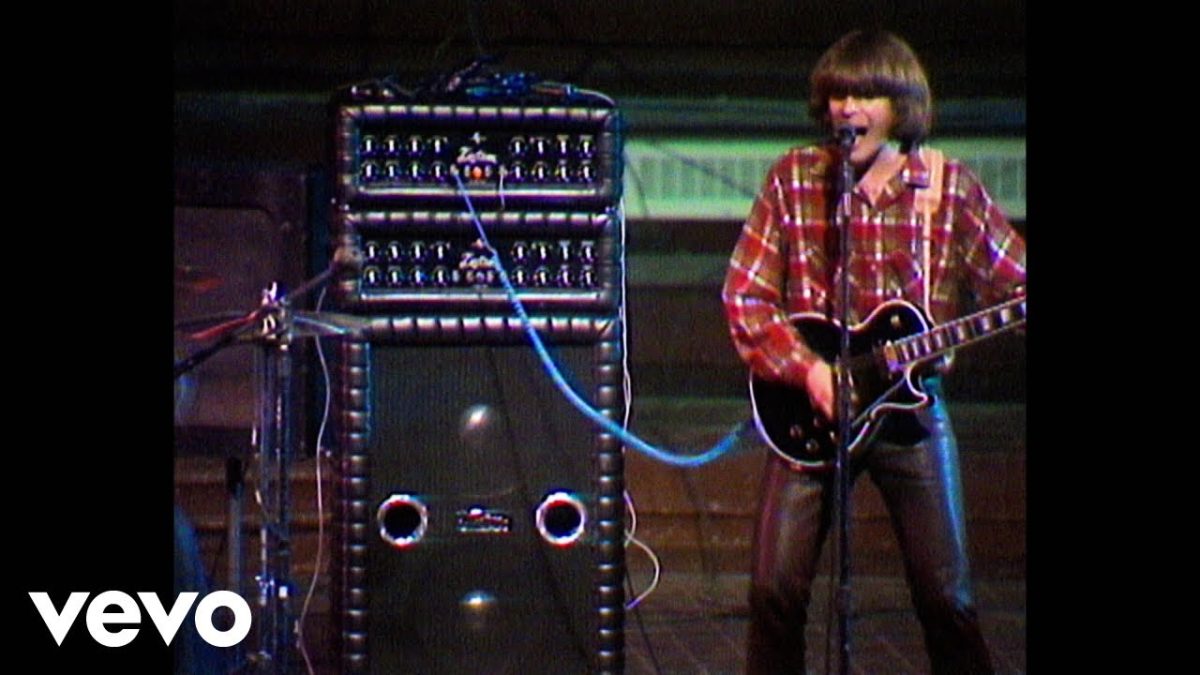
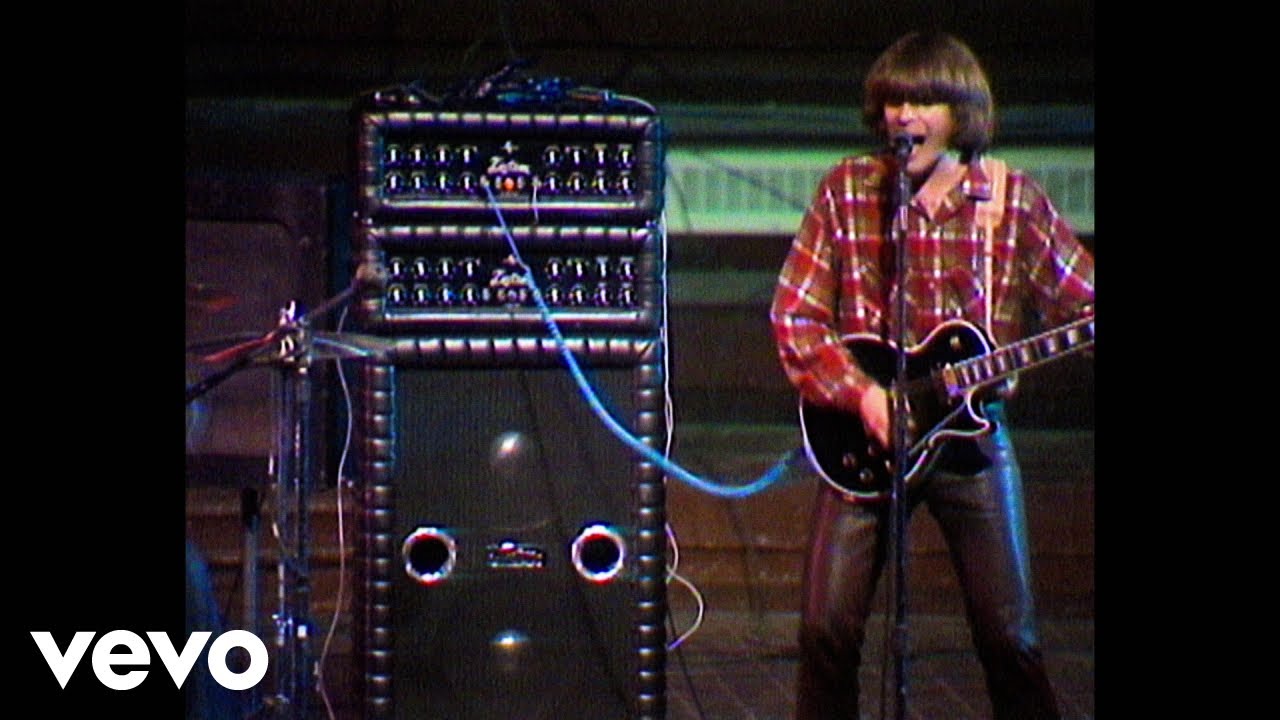
It was three in the morning, the air thick with dampness, fatigue, and the pungent scent of mud that defined the legendary Woodstock festival in August 1969. Half a million people were huddled together, many lost in a restless, half-conscious state after hours of psychedelic experimentation and intermittent rainfall. The festival, often romanticized as a peaceful gathering of souls, was teetering on the edge of exhaustion. Then, Creedence Clearwater Revival walked onto that rain-soaked stage, and the atmosphere shifted from lethargic to electric. John Fogerty and his bandmates were not exactly the icons the organizers had originally envisioned for the prime slots, but they were about to prove why they were the most vital rock and roll force in America.
The band had been promised a prime time slot, but logistical chaos meant they were relegated to the early morning hours, playing to a crowd that had essentially fallen asleep in the muck. You can almost hear the hum of the amplifiers vibrating against the damp night air, a stark contrast to the ethereal, meandering jams that characterized much of the weekend. Creedence Clearwater Revival brought something else entirely: a driving, unpretentious, swamp rock urgency. They stripped away the psychedelic pretension, delivering a punchy, roots-heavy performance that felt like a slap of reality to a tired generation. It was music played for the working man, not for the stars.
Looking back, the performance of Creedence Clearwater Revival that night is often overshadowed by the larger-than-life myths of Jimi Hendrix or Santana. Yet, those who were there remember the sheer grit of their set. John Fogerty’s voice, a raw and raspy instrument of truth, cut through the darkness with songs like Proud Mary and Born on the Bayou. It was a masterclass in songwriting efficiency, a sonic anchor that pulled the audience back from their dazed state. While the rest of the festival explored the outer limits of experimental sound, Creedence grounded everyone in the familiar, dusty soil of American rock.
However, the irony of their success at Woodstock was not lost on the band. Behind the scenes, the tension within Creedence Clearwater Revival was already beginning to boil. The pressure of fame and the relentless grind of the music industry—the same forces that would eventually tear them apart—were already casting long shadows over their brotherhood. They were a band at the peak of their creative power, yet the internal friction was becoming impossible to ignore. That night in the rain, they stood as a unified front, but the clock was already ticking on their tenure as the greatest rock band in the country.
Today, the legacy of that 3 AM performance remains a touchstone for rock historians. It reminds us that sometimes, the most profound moments in music happen when the lights are low, the crowd is weary, and the band has nothing left to do but play their hearts out. Creedence Clearwater Revival didn’t just play a set; they commanded the chaos. As the last echoes of their swampy groove faded into the upstate New York mist, they cemented their place in the pantheon of legends, proving that even in the mud, a true classic never loses its shine.