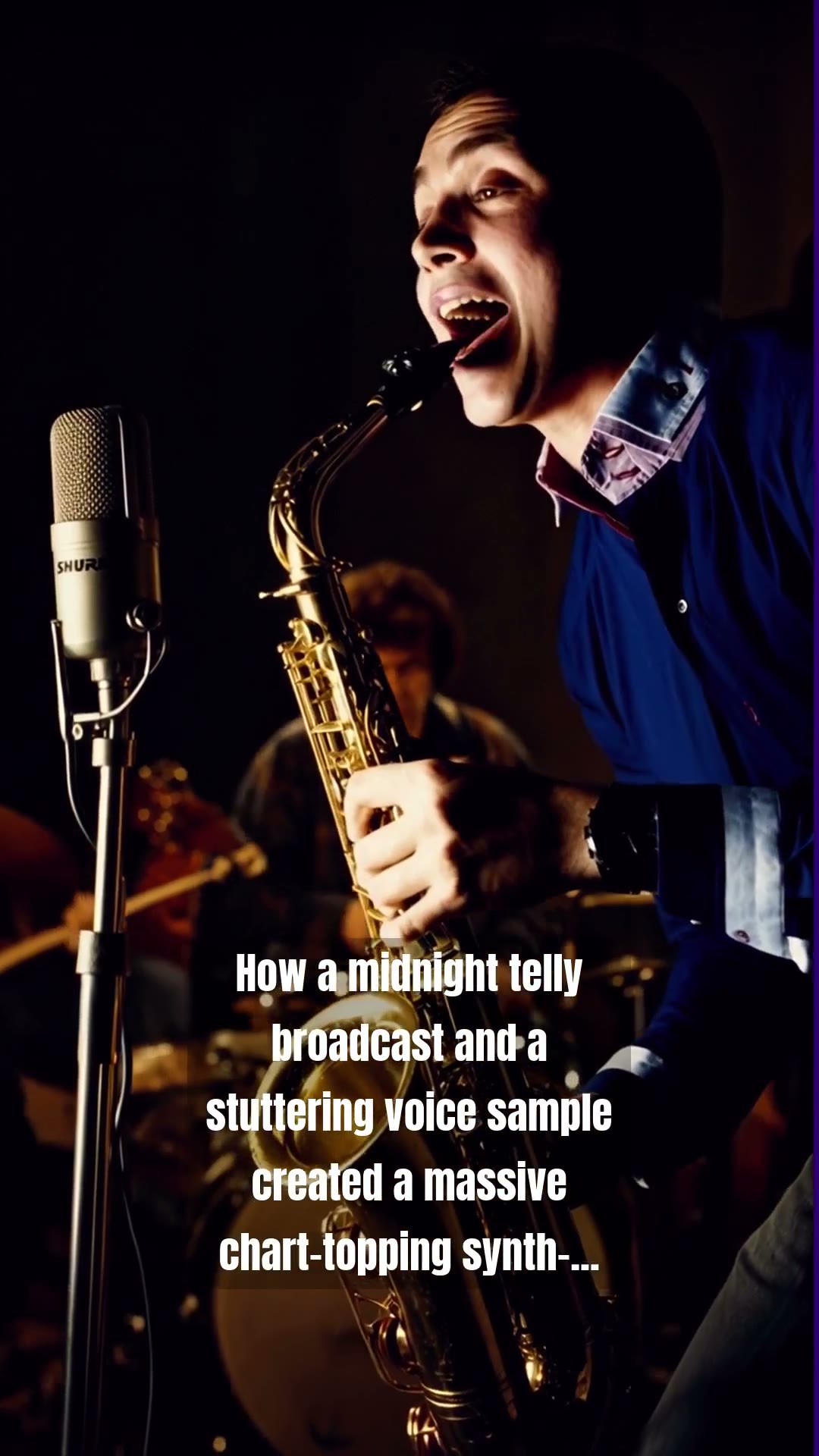
Cast your mind back to the mid-eighties. The telly was a different beast entirely, and the charts were shifting from the organic grit of post-punk to the neon-drenched, clinical precision of synthesiser music. It was 1985, a year defined by bold aesthetics and a certain sombre, mechanical sound that captured the national mood. Yet, nothing quite prepared the British public for a haunting, stuttering track that emerged from a humble bedroom studio. Paul Hardcastle, a producer with a keen ear for the avant-garde, managed to weave a piece of television history into a chart-topping masterpiece that remains etched in our collective memory.
The song, simply titled 19, was an unlikely hero. It was built around a chilling documentary sample regarding the average age of American soldiers in the Vietnam War. That repetitive, glitchy vocal hook—realising a powerful emotional resonance through a digital stutter—was something nobody had heard on Top of the Pops before. While the BBC executives were initially terrified, fearing that the track was far too political and depressing for the daytime charts, the public didn’t just listen; they were mesmerised. It felt like a strange, cold mirror held up to the anxiety of the decade, wrapped in a danceable, synthetic beat that seemed to vibrate through every high street in the country.
What made the success of Paul Hardcastle so remarkable was the sheer audacity of his production. He didn’t have a multi-million-pound studio; he had a creative vision and a relentless drive to experiment with new technology. He took the heavy, uncomfortable weight of history and transformed it into a pop sensation. Watching that iconic music video, with its stark lighting and stark, black-and-white documentary overlays, felt like witnessing a shift in culture. It was sophisticated, slightly unsettling, and arguably the most distinctive sound to ever grace the UK charts during that whirlwind era of new romantics and synth-pop pioneers.
Many of us still recall the exact moment we first heard that opening dialogue, the sudden drop of the bass, and the way the rhythm seemed to stutter in perfect synchronicity with the message. It wasn’t just a gimmick; it was a clever fusion of journalism and electronic music. Paul Hardcastle proved that even in the increasingly commercialised world of eighties pop, there was still space for music that made you stop, stare at the screen, and think. It was a brave choice, and one that defined a generation’s uneasy relationship with global conflict.
Looking back, 19 stands as a testament to the power of bedroom production and the refusal to stick to the formulaic rules of the time. Paul Hardcastle didn’t just produce a song; he created a sonic landscape that captured the paranoia and the fascination of the mid-eighties perfectly. If you close your eyes and listen to those opening synths today, you are instantly transported back to a time when music felt like it was finally catching up with the future. It remains one of our most fascinating, haunting, and undeniably brilliant favourite tracks from a decade that changed British music forever.