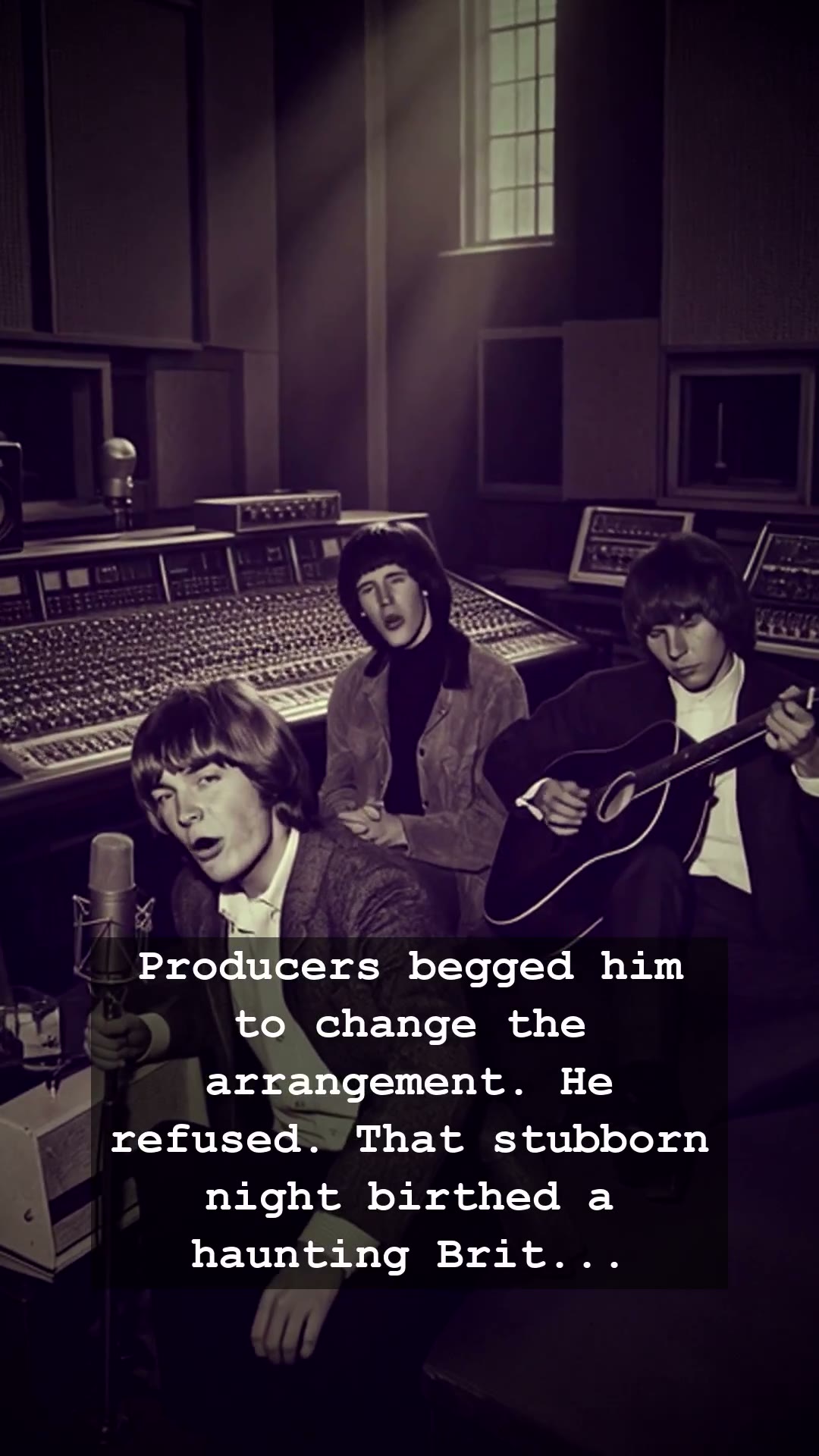
It was 1966, and the air in the London studio was thick with the scent of stale tobacco and the kind of tension that usually precedes a total creative collapse. Everyone expected a standard, upbeat pop tune, the sort of song that would sit comfortably on the Top of the Pops playlist between a cheeky Merseybeat number and the latest chart-topper. Yet, there sat The Walker Brothers, or rather, Scott Walker, with a vision that defied every rule in the book. Producers were absolutely livid; they begged him to reconsider, to change the orchestral arrangement, to stop being so difficult. But Scott was unmoved. He knew that if he bowed to the pressure, they would just be another fading group in a sea of identical acts. He refused to compromise, and in that stubborn, quiet moment of defiance, a haunting masterpiece was born.
That masterpiece, The Sun Ain’t Gonna Shine Anymore, remains one of the most evocative songs of the entire British Invasion era. It wasn’t just a hit; it was a shift in the cultural landscape. The Walker Brothers brought a dark, cinematic quality to the pop charts that no one else dared to touch. While other bands were busy trying to capture the sunny optimism of the early sixties, The Walker Brothers leaned into the shadows, offering a sophisticated, melancholic sound that resonated deeply with a generation beginning to realise that the world was a bit more complicated than the telly had led them to believe. It was moody, it was dramatic, and it was entirely, unapologetically their own.
Looking back, it is easy to see why the public fell in love with them. The Walker Brothers were an oddity in the best possible way—three Americans who found their true home in the grey, romanticised streets of London. They became icons of the era, regular features in the NME, and a favourite subject for teenage girls waiting outside the stage doors of the best gig venues in the country. Yet, behind the polished suits and the manufactured heartthrob image lay a genuine musical depth that set them miles apart from their contemporaries. They didn’t just sing songs; they lived them, infusing every note with a sense of longing that seemed to echo the very soul of mid-sixties Britain.
Their legacy is not just in the records they sold, but in the way they changed the expectations for what a pop group could achieve. By daring to be different, The Walker Brothers proved that commercial success didn’t have to come at the cost of artistic integrity. They invited us to look beyond the colour and the glamour of the pop world and find something a bit more human, and perhaps a bit more painful, underneath. It was a brave stance that has kept their music relevant for decades, ensuring that their records still hold a place of honour in any serious collection today.
Even now, listening to those sweeping strings and that unmistakable, baritone voice, one is transported back to a time when pop music felt like a grand, unfolding drama. It serves as a reminder that the best art often comes from those who are bold enough to stand their ground, even when the world is telling them they are wrong. If you ever find yourself wandering through the backstreets of London on a rainy afternoon, put on their greatest hits and let the music remind you why, sixty years later, we are still so captivated by the enduring mystery of The Walker Brothers.