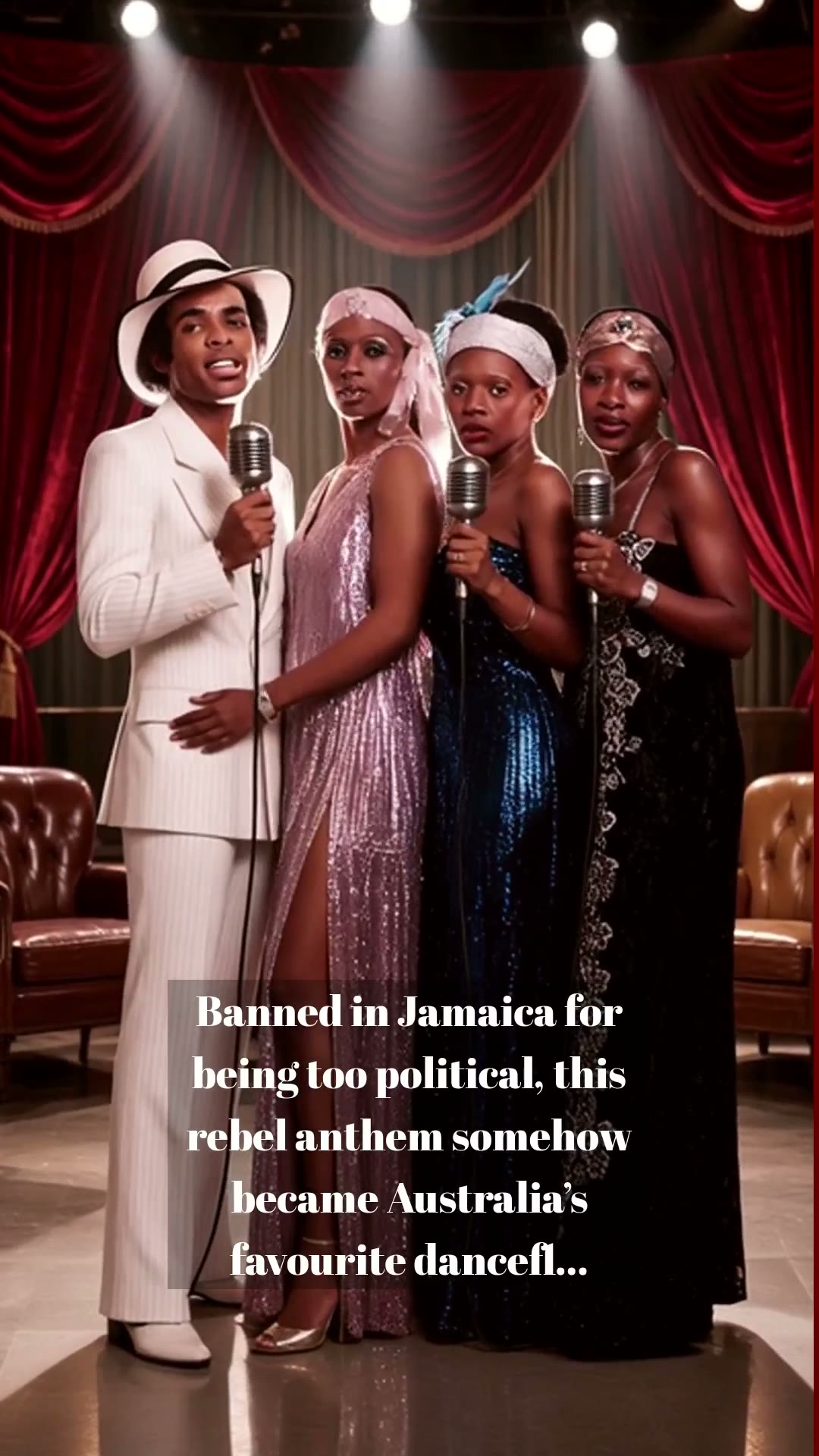
Cast your mind back to 1978. The lounge room lights were dimmed, the smell of cheap hairspray was in the air, and Molly Meldrum was introducing the latest chart-toppers on Countdown. You remember the scene—you were likely wearing your best polyester flares, nursing a cold stubby, and ready to groove. Suddenly, that iconic, pulsating bassline of Rasputin by Boney M hit the speakers. We all thought it was just another catchy disco track to throw some shapes to, but mate, had we realised the truth, we might have looked at our shiny dancefloor idols a little differently. Boney M weren’t just about the glitter and the show-stopping outfits; there was a heap of history hidden in their grooves that went straight over our heads.
While we were busy perfecting our disco moves in suburban Australian halls, Boney M were sparking controversy halfway across the globe. You might reckon a song about a Russian mystic was purely for the charts, but the group’s back catalogue was often dripping with political subversion that stayed hidden behind the disco beat. The most shocking tale remains their massive hit, Rivers of Babylon. Most of us just sang along, blissfully unaware that this track was originally a Rastafarian hymn of exile and resistance. In fact, the song was so loaded with political weight that it was actually banned in Jamaica for being too inflammatory. Imagine that—a track topping the Aussie charts while being considered a revolutionary threat in its spiritual homeland.
It is funny how music works, isn’t it? We spent years treating Boney M as the ultimate party starters, the favourite group to bring out when the house party needed a bit of energy. We saw the vibrant colours, the theatrical stage presence, and the sheer joy they brought to every appearance on the telly. We didn’t bother to unpack the lyrics or consider the struggles behind the rhythm. It was a simpler time, and perhaps that was for the best. We just wanted to feel the beat, and Boney M delivered that in spades, becoming an indelible part of the Australian soundtrack during the late seventies.
Looking back now, it is quite a hoot to realise just how rebellious our favourite disco records actually were. Boney M had a knack for taking heavy, historical, and sometimes painful themes and wrapping them in an irresistible pop melody. They were master manipulators of the dancefloor, bringing a global perspective into our living rooms while we were far more worried about the latest pub rock gig or who was going to win the footy. It is this unique duality that keeps their music sounding so fresh even decades later.
So, next time you hear that familiar synth line kick in, take a moment to listen past the disco sparkle. You are not just hearing a 1978 hit; you are listening to a piece of history that travelled from the edges of political protest to the centre of our Aussie cultural landscape. It is a brilliant reminder that even the most mainstream pop hits can carry a hidden, deeper story. Have you got a favourite Boney M memory tucked away in your nostalgia vault, mate?