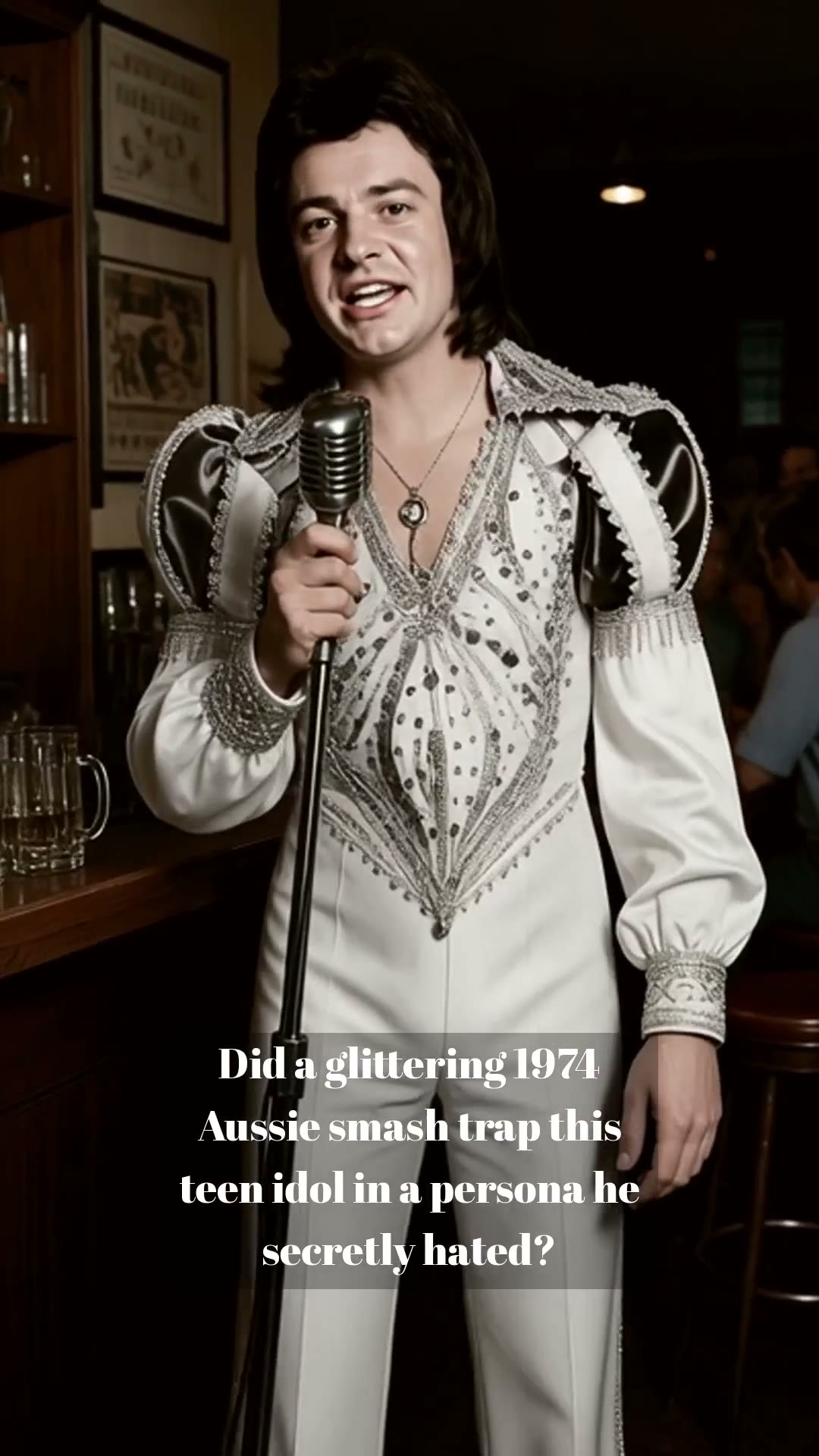
Cast your mind back to 1974, a time when the telly was dominated by the glitter and strobe lights of Countdown. It was a golden era for Aussie pop, and right at the centre of the storm was a bloke named William Shakespeare. With his striking looks and that undeniable charisma, he became a household name almost overnight. But for those of us who lived through those heady days, it is easy to realise now that his massive chart success with the hit ‘My Little Angel’ was a bit of a double-edged sword. While the song had every teen across the country screaming at their speakers, it arguably locked a talented performer into a persona he secretly grew to loathe.
William Shakespeare, born John Cave, was never just a one-hit wonder in his own mind. He had real grit and a desire to be taken seriously as a musician, not just as the poster boy for teenage infatuation. Watching him on stage back then, you could see the polish and the professional delivery, but if you look closer at the archival footage, there is a certain heaviness behind the eyes. He was playing the part that the industry demanded, wearing the vibrant costumes and embracing the bubblegum aesthetic because that is what sold records in the seventies. He reckon he was an artist, but the public wanted a swooning heart-throb, and that conflict started to eat away at him.
The industry back then was a beast, mate. If you were on the Countdown circuit, you were expected to play the game, and William Shakespeare played it better than most. He climbed the charts, collected the accolades, and lived the life that thousands of aspiring musicians would have killed for. Yet, the irony remains that the very song that made him a legend also became his cage. It is a classic tale of the Aussie music scene where the market dictates the sound, leaving little room for the performer to evolve into the artist they actually want to be. He was stuck in a shimmering, pop-infused amber, unable to shed the skin of the ‘teen idol’ image.
Looking back, it is hard not to feel a bit of sympathy for the bloke. He gave us heaps of joy and provided the soundtrack for many a first dance in dusty community halls. His voice was smooth, his stage presence was immense, and he genuinely understood how to command a crowd. But the story of William Shakespeare serves as a stark reminder of the cost of fame in the Australian music industry during that period. You realise that behind the glamour and the glitz, there was a man grappling with his identity, desperate to be recognised for his substance rather than his style.
Today, we look back at his work with a sense of warm nostalgia. Those of us who grew up with his music still get a bit misty-eyed when we hear those opening chords. It is a beautiful slice of history, a time capsule of a young man finding his feet in a rapidly changing world. Whether or not he was happy being the poster boy, he left an indelible mark on our culture. Next time you hear one of his records spinning on the radio, spare a thought for the man behind the mask, because he certainly gave us his all.