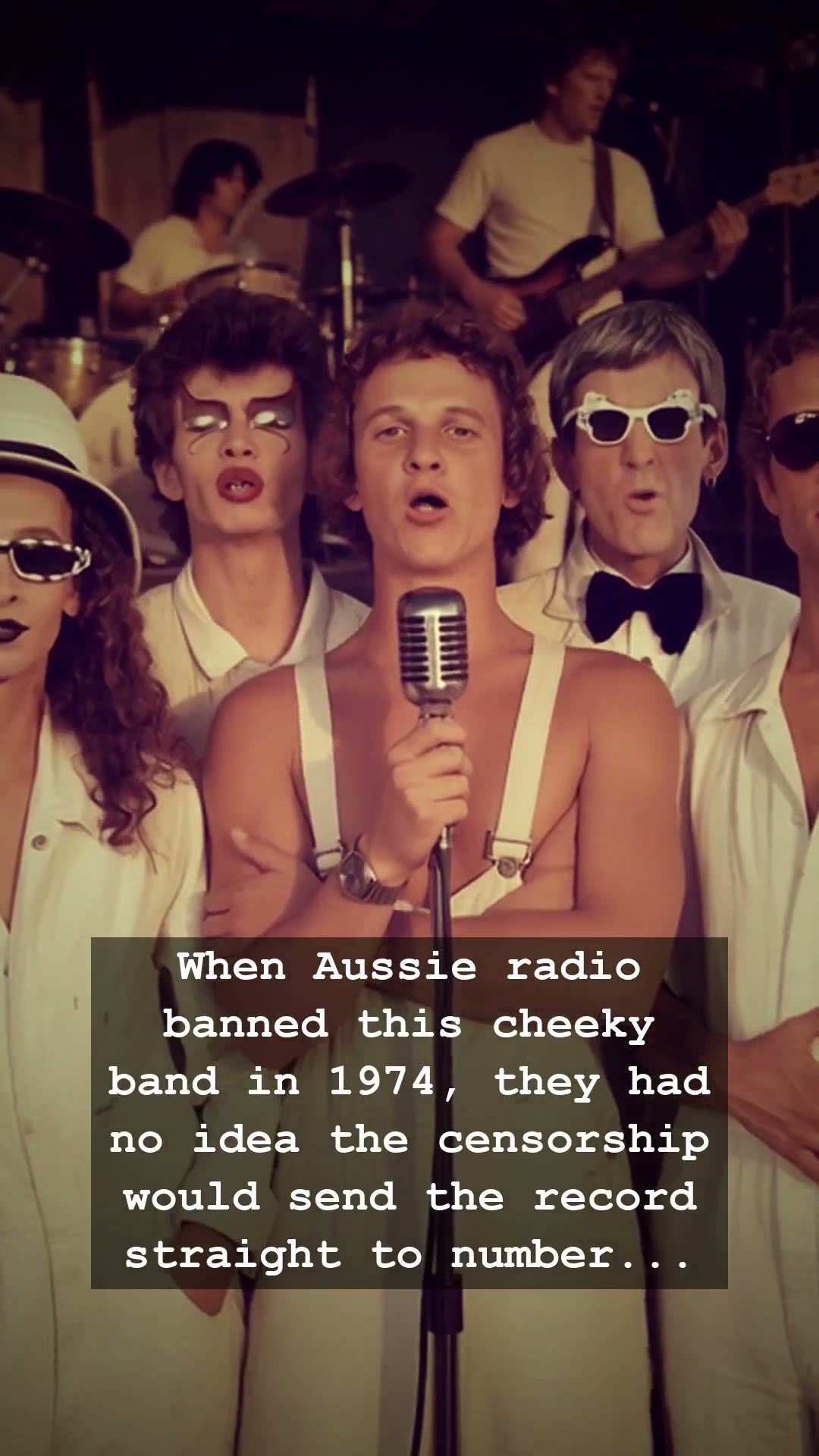
Cast your mind back to 1974, a time when the Australian airwaves were as conservative as your auntie’s Sunday roast. If you were a teenager tuning into the radio, you were mostly fed safe, polished pop tunes. Then, along came Skyhooks, a band from Melbourne that looked like they had just fallen out of a space-age pantomime and into the local pub. With their glitter, outlandish makeup, and lyrics that didn’t shy away from the gritty, unvarnished reality of Aussie life, they were a complete culture shock for the establishment. You would be hard-pressed to find a group more ready to stir the pot.
Their debut album, Living in the Seventies, was a sonic middle finger to the status quo. The record captured the sweaty, beer-soaked atmosphere of the Aussie pub scene, talking about hookers, drug culture, and the mundane struggles of the suburbs. It was raw, it was cheeky, and it was undeniably ours. Commercial radio stations, terrified of the controversy, decided to flex their muscles. They slapped a brutal ban on six tracks from the album, thinking they were protecting the public from the band’s alleged indecency. Little did they realise, they had just handed Skyhooks the greatest marketing campaign in the history of Australian music.
I reckon the censors underestimated the Australian spirit. By trying to hide the music, they only made it taste heaps sweeter. Everyone wanted to know what all the fuss was about. The ban didn’t stop the kids; it turned the album into an underground treasure that everyone felt compelled to own. Within weeks, Living in the Seventies was sitting pretty at number one on the charts, staying there for a staggering sixteen weeks. It was a masterclass in rebellion, proving that you simply cannot suppress a sound that resonates so deeply with the people.
Watching Skyhooks perform on Countdown was a rite of passage for us back then. You’d be sat in front of the telly, eyes glued to the screen, wondering what outrageous outfit Red Symons or Shirley Strachan would turn up in next. They were our favourite disruptors, bringing a sense of technicolour chaos to our living rooms. They made us feel like the music scene was finally growing up, shedding the shackles of international imitation to embrace a voice that sounded distinctly like our own backyard.
Even today, listening to those tracks takes me straight back to the pub circuit of the mid-seventies. There is a sense of nostalgia that comes with Skyhooks that is hard to replicate. They weren’t just a band; they were a movement that dared to talk about the things we were all thinking but never saying out loud. If you ever need a reminder of how a bit of controversy can turn a local act into absolute legends, just look at how these larrikins turned a radio ban into a multi-platinum legacy. It is a story that still brings a grin to my face, and I reckon it is a tune worth playing loud today, mate.