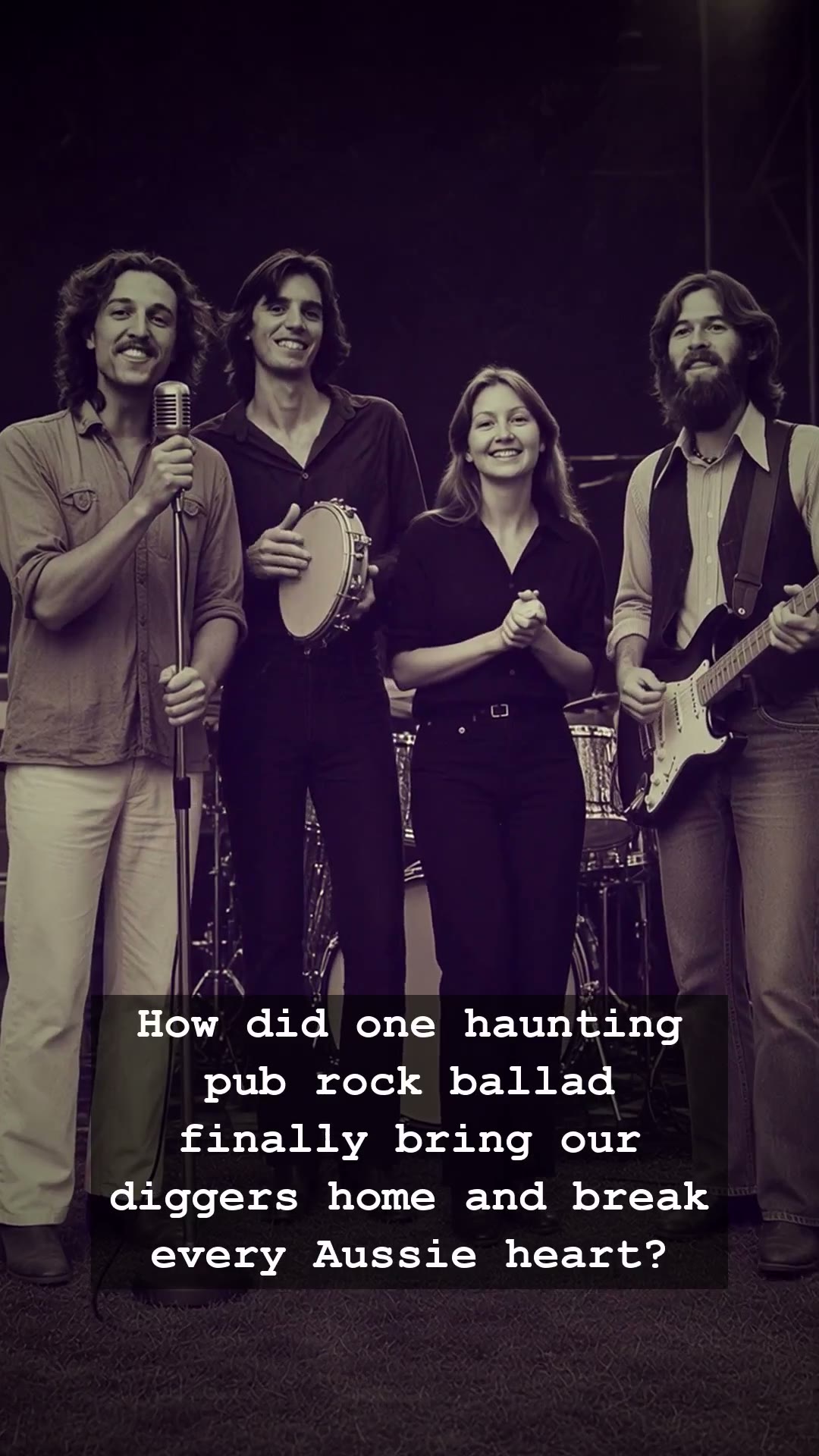
Cast your mind back to 1983. The Aussie pub rock scene was dominated by high-octane riffs and sweaty, beer-soaked floors, but then came a track that changed everything. Redgum, a band known for their sharp, political edge, released a ballad that didn’t just climb the charts; it stopped the nation dead in its tracks. I still reckon you can hear the silence that fell over every pub across the country when the opening lines of I Was Only Nineteen first hit the airwaves. It wasn’t just a song; it was a long-overdue public apology to the blokes who had been treated like outcasts since coming back from Vietnam.
John Schumann, the lead singer of Redgum, didn’t just write a catchy tune; he channelled the raw, painful reality of what our soldiers had endured. He spent heaps of time interviewing veterans to ensure every detail, from the minefield explosions to the ghost-like stares of the boys in the jungle, was authentic. For years, these men had returned to a country that preferred to look the other way, but Redgum forced us to confront the colour of their sacrifice. When that haunting piano melody played on the telly, you could almost feel the collective lump in the throat of every mum and dad watching at home.
I remember being at a local gig back then, and for those few minutes, the usual rowdy chatter vanished entirely. Redgum managed to capture a specific, tragic Australian experience that had been ignored by the establishment for too long. It was the story of mateship, of losing your youth in a foreign land, and the devastating struggle of trying to find your place in a home that no longer felt familiar. It remains one of the most important pieces of music to ever emerge from our shores, proving that even a pub band can stir the soul of a nation.
There is a certain gravity to how Redgum told this story. They didn’t glamorise the conflict; they highlighted the heartbreaking reality that so many young diggers faced—having their lives ripped away before they even had a chance to realise what was happening. Even decades later, whenever I hear the song, I’m reminded of the incredible power of music to bridge the divide between those who served and the rest of us who stayed behind. It’s a track that demands your full attention, not just because of the melody, but because it represents a turning point in our national memory.
Today, we look back at the eighties as a golden era of Aussie rock, but I reckon the legacy of I Was Only Nineteen stands apart. It wasn’t about being the loudest act on the bill or the most popular band on the radio; it was about having the guts to speak the truth. If you haven’t sat down and listened to it lately, mate, do yourself a favour and put it on. It’s a haunting, beautiful reminder of the mates we lost and the ones who finally found their way home through the power of a song.