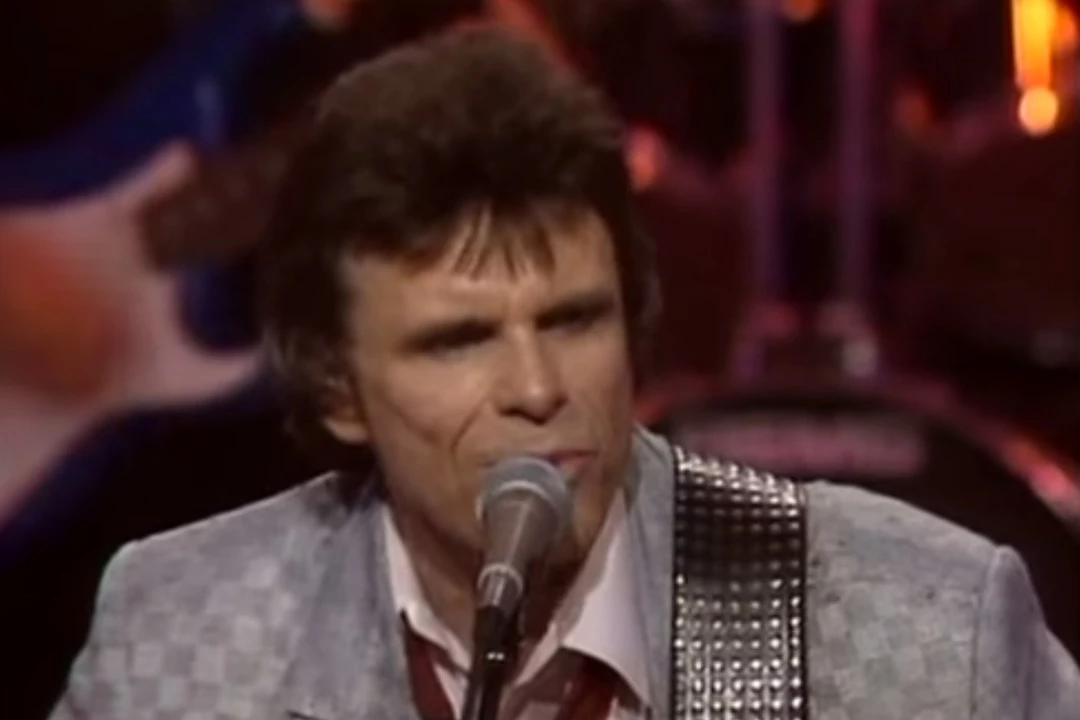
In the spring of 1990, the music world was buzzing with an anticipation that felt like a bridge between generations. For those who grew up glued to their jukeboxes in the fifties, the name Del Shannon was etched in gold, synonymous with the haunting, minor-key brilliance of Runaway. For a brief, shimmering moment, it seemed that the rock and roll gods were granting him a second act that defied the passage of time. He was poised to step into the most exclusive inner circle in music history: he was about to join the Traveling Wilburys, the supergroup composed of legends like George Harrison, Bob Dylan, and Tom Petty. It was the ultimate validation for a pioneer, a comeback that would have redefined his legacy for a new decade of MTV viewers. But fate, as it often does for the tortured souls of the rock era, had other, darker plans.
Del Shannon was not merely a hitmaker; he was an architect of melancholy. His signature high-register falsetto carried a weight that felt deeply personal, a sound that resonated in the quiet corners of lonely bedrooms and echoed through the neon-lit diners of the early rock era. Yet, behind the scenes, the man was grappling with a silent, suffocating darkness. The pressures of fame, the fleeting nature of chart success, and the internal battles that many of his peers in the music industry faced during that turbulent transition into the nineties, began to pull at the threads of his reality. The industry that had once celebrated his genius was now a fast-moving machine that left little room for the vulnerable.
Just days before the world was to receive the news of his collaboration with the Wilburys, a profound silence fell over his home. In February 1990, the man whose voice could soar into the stratosphere took his own life, leaving behind a legacy that felt abruptly frozen in time. The irony was as cruel as it was tragic; at the very moment he was slated to join the titans of rock, he succumbed to the shadows that had been stalking him for years. The rock world stood stunned. There would be no comeback tour, no studio sessions with Harrison or Dylan, and no new anthems to soothe the restless hearts of his fans.
Looking back, the loss of Del Shannon is a sobering reminder of the fragile psyche that often powers the greatest art. He represents that lost generation of artists who laid the foundation for the modern sound but were often discarded by the changing tides of popular culture. His story is not just about a suicide; it is about the cost of being an icon in an industry that demands everything. Even today, listening to the shivering organ opening of Runaway, one can hear the vulnerability that defined his career, a raw, unvarnished truth that remains hauntingly beautiful.
We often romanticize the eras of the golden age of rock, focusing on the vibrant colors of the sixties or the stadium anthems of the eighties. Yet, it is the stories like that of Del Shannon that provide the essential, somber contrast. He was a master of the bittersweet, a performer who understood that the most enduring songs are those that acknowledge the pain beneath the melody. As we spin our vinyl records and remember the giants who walked among us, let us hold a special place for the voice that was silenced too soon, the man who nearly reached the summit of rock divinity before vanishing into the night. May his music continue to echo through the corridors of our memories, forever untethered from the tragedy that took him.